
Trump Backs Senate Bill Proposing 500% Tariff on Pro-Russia Trading Nations
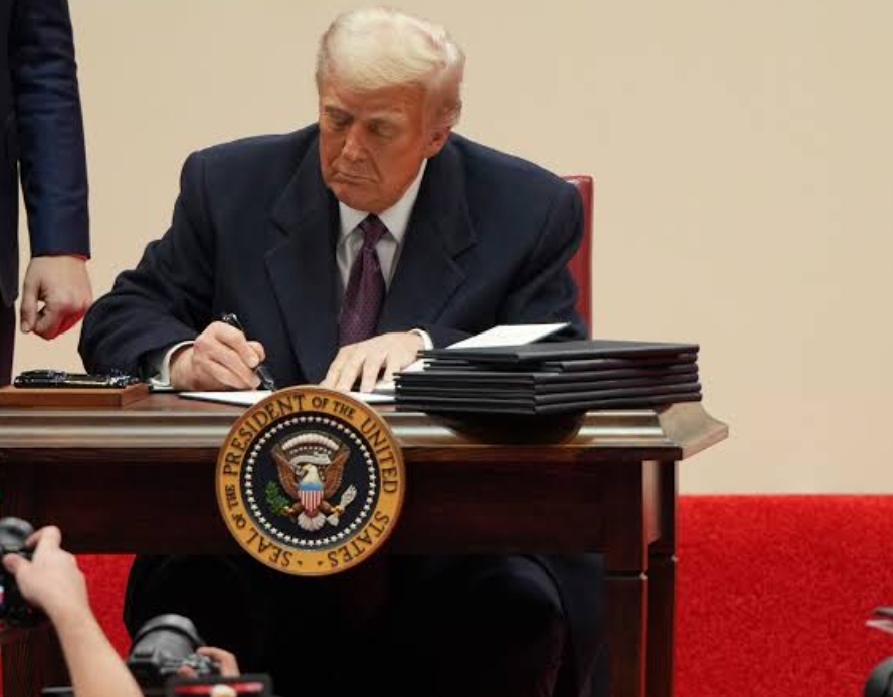
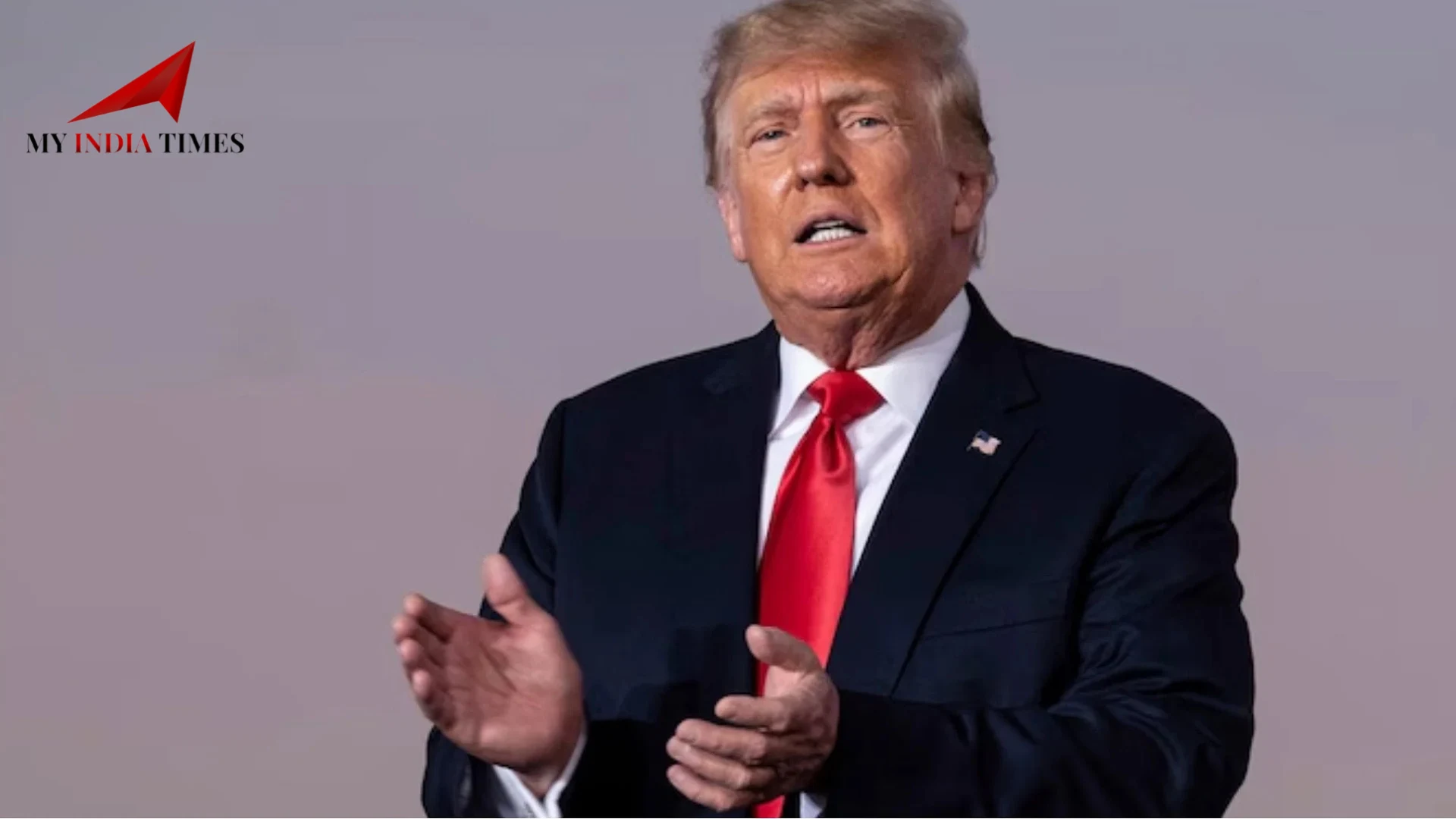
Former U.S. President Donald Trump has backed a Senate bill that proposes a steep 500% tariff on imports from countries that continue to trade with Russia. This legislation, supported by Senator Lindsey Graham, is aimed at countries like India and China, which still purchase large quantities of Russian oil. According to Graham, these nations are indirectly funding Russia's war against Ukraine by keeping President Vladimir Putin's oil revenues flowing. In an interview with ABC News, Graham stated that if a country is buying products from Russia and not supporting Ukraine, then all goods entering the U.S. from that country would face a 500% tariff.
India and China in the Spotlight Over Russian Oil Imports
India and China have become major buyers of discounted Russian crude oil since the beginning of the Russia-Ukraine conflict. Recent data indicates that both countries collectively import about 70% of Russia’s oil exports. For India, Russian oil has been a cost-effective energy source amid global inflation and high energy prices. However, this bill, if enacted, could make Indian exports to the U.S. significantly more expensive, potentially affecting pharmaceuticals, textiles, auto parts, and IT services—sectors that heavily depend on American markets.
Details of the Sanctioning Russia Act of 2025
The bill, titled the Sanctioning Russia Act of 2025, currently has 84 co-sponsors in the U.S. Senate, which shows strong bipartisan support. However, it also includes a waiver clause that would allow the U.S. President to exempt certain countries from the 500% tariff if they contribute significantly to Ukraine’s defense or humanitarian needs. This means that nations like India could negotiate exemptions by aligning with U.S. geopolitical interests or increasing their support for Ukraine in some form.
Economic and Diplomatic Implications Worldwide
So, this bill is meant to squeeze Russia financially and nudge them toward talking peace, right? But some folks worry it might cause more problems than it solves worldwide. Economists are saying that slapping on such hefty tariffs could mess up global supply chains, whip up inflation here in the U.S., and cause tension with big players like China and India. Plus, it might prompt other countries to hit back with their own trade restrictions, making the whole global trading system even more chaotic—especially now, when countries really need to work together.
India’s Strategic Dilemma and Possible Response
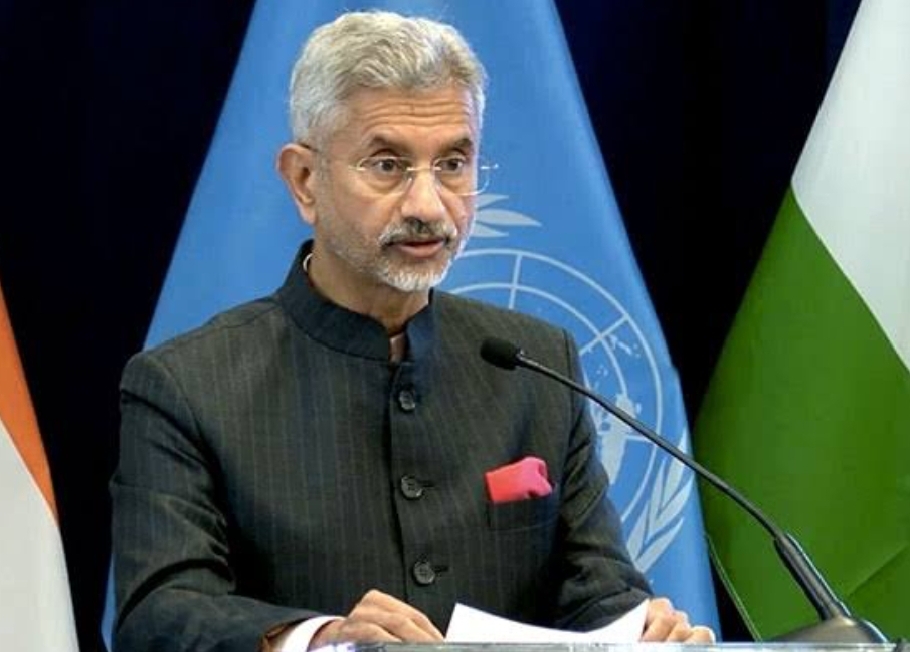
India now faces a tough choice: continue buying cheap Russian oil to meet domestic demands or scale back in order to maintain favorable trade ties with the U.S. The Indian government has so far defended its oil imports from Russia as being driven purely by national interest and energy security. But with the possibility of 500% tariffs looming, Indian policymakers may need to reconsider their approach or engage in high-level diplomatic dialogue with Washington.
Future Outlook Hinges on U.S. Presidential Election
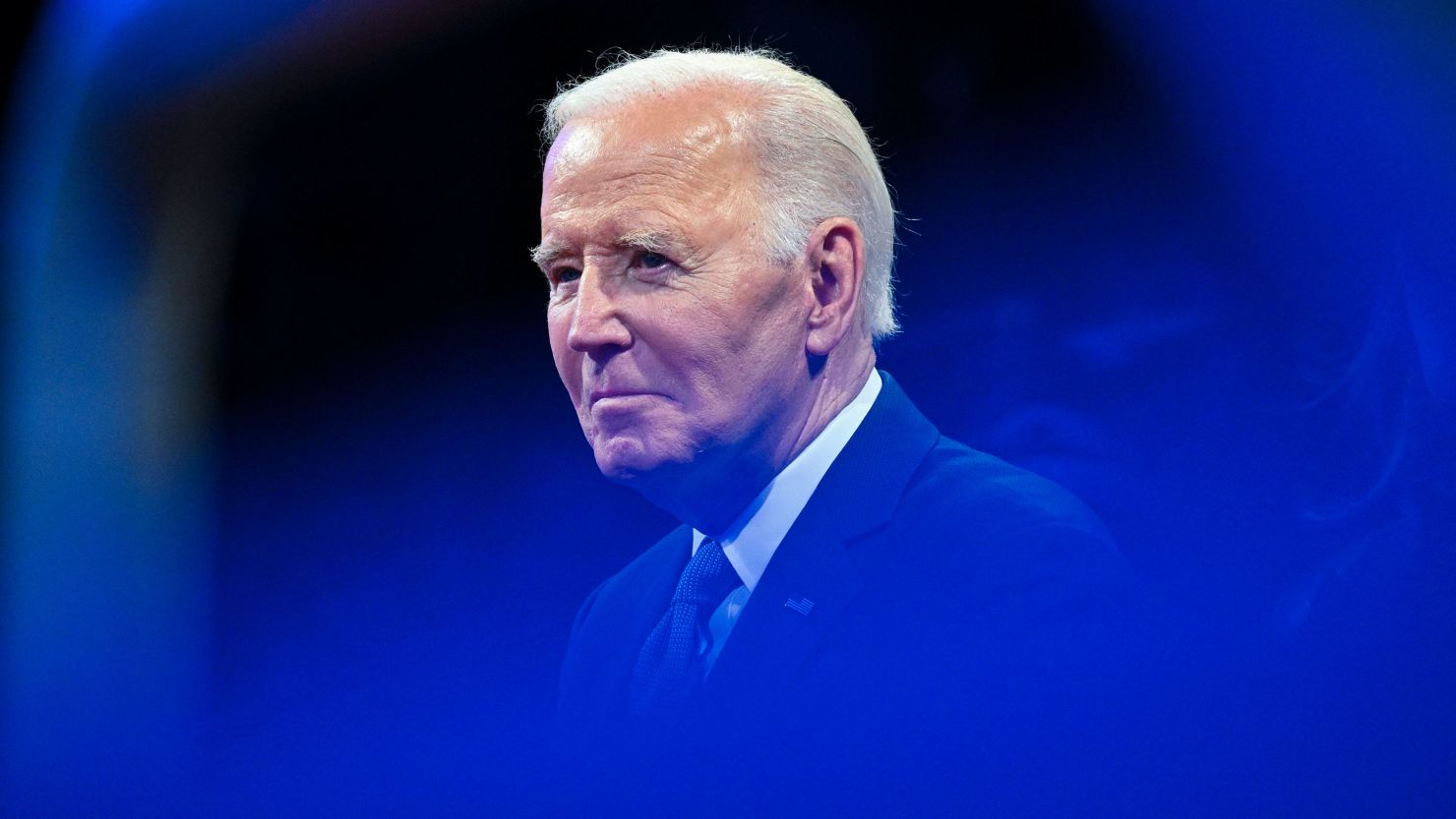
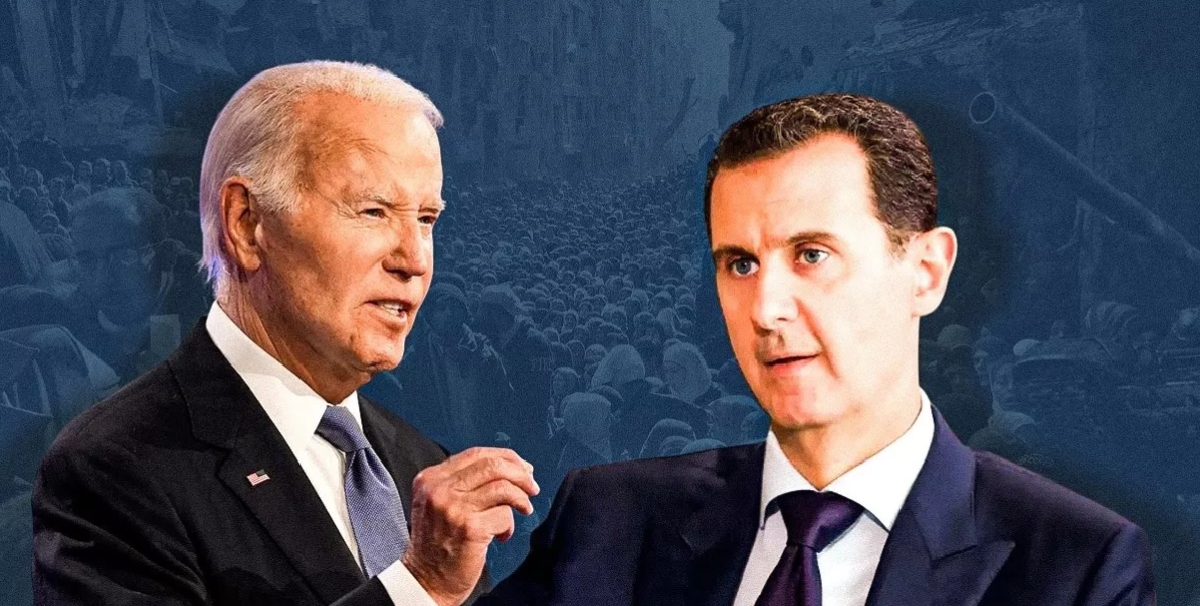
The fate of this bill largely depends on the outcome of the 2024 U.S. presidential election. If Trump returns to office, the bill is expected to gain swift executive support and could become law. On the other hand, the current Biden administration has shown more flexibility in balancing sanctions with diplomatic engagement. For now, the global community—especially nations like India and China—will be closely watching the U.S. Senate and White House to see whether this aggressive economic tool will be deployed, and how it might reshape international trade dynamics.






































.png)










.png)