Breaking News

Maha Kumbh 2025: Over 6.2 Million Devotees Take Holy Dip at Sangam on Basant Panchami’s Final ‘Amrit Snan’
RRB ALP 2025: City Intimation Slip Released, Exam Dates Announced

  • Facebook
  • X
  • LinkedIn
  • Youtube
  • Instagram
  • Whatsapp
  • Login
  • Advertisie with Us
My India Times My India Times News

My India Times News

  • ℃
  •   
  • Login
My India Times Logo
Billingezy
  • Home
  • India
    • India
    • Andhra Pradesh
    • Arunachal Pradesh
    • Assam
    • Bihar
    • Chhattisgarh
    • Goa
    • Gujarat
    • Haryana
    • Himachal Pradesh
    • Jharkhand
    • Karnataka
    • Kerala
    • Madhya Pradesh
    • Maharashtra
    • Manipur
    • Meghalaya
    • Mizoram
    • Nagaland
    • Odisha
    • Punjab
    • Rajasthan
    • Sikkim
    • Tamil Nadu
    • Telangana
    • Tripura
    • Uttar Pradesh
    • Uttarakhand
    • West Bengal
    • Andaman and Nicobar Islands
    • Chandigarh
    • Dadra and Nagar Haveli and Daman and Diu
    • Delhi
    • Lakshadweep
    • Ladakh
    • Jammu and Kashmir
    • Puducherry
  • World
  • Crime
  • Interactive Maps
  • Business
  • Technology
  • Education
  • Health Care
  • Chemical
  • Top Stories
  • Entertainment
    • Entertainment
    • Bollywood
    • Web Series
    • Film-Review
    • South Movies
  • Agriculture
  • Religion
    • Religion
    • Festivals
    • Video
    • Astrology
    • Stories
  • Sports
    • Sports
    • Upcoming Match
    • Cricket
    • Hockey
    • Olympic
    • IPL
  • Election
  • Calculators
  • Travel
  • Awareness
  • Universe
    • Earth
    • Ocean
    • Space
  • Home
  • India
    • Uttar Pradesh
    • Delhi
    • Punjab
    • Rajasthan
    • Uttarakhand
    • Bihar
    • Jharkhand
    • Madhya Pradesh
    • Haryana
    • Himachal Pradesh
    • West Bengal
    • Telangana
    • Jammu & Kashmir
    • Andhra Pradesh
    • Arunachal Pradesh
    • Assam
    • Chhattisgarh
    • Goa
    • Gujarat
    • Karnataka
    • Kerala
    • Manipur
    • Meghalaya
    • Maharashtra
    • Nagaland
    • Odisha
    • Sikkim
    • Tamil Nadu
    • Andaman & Nicobar
    • Chandigarh
    • Ladakh
    • Lakshadweep
    • Puducherry
    • Dadra & Nagar Haveli and Daman & diu
    • Tripura
    • Mizoram
  • World
  • Crime
  • Crime Map
  • Business
  • Technology
    Playing GIF
  • Education
    Playing GIF
  • Health Care
  • Travel
  • Calculators
  • Awareness
  • Universe
    • Earth
    • Space
    • Ocean
  • More
    • Chemical
    • Entertainment
      • TV
      • Bollywood
      • Web Series
      • Flim Review Hot
      • South Movies
    • Agricluture
    • Top Stories
    • Religion
      • Festivals
      • Video
      • Astrology
      • Stories
    • Election
    • Sports
      • Upcoming Match Hot
      • Cricket
      • Hockey
      • Olympic
      • IPL
  •   ℃
  •   
Jammu Kashmir
2025-04-28

Pahalgam Terror Attack: India Bans 16 Pakistani YouTube Channels Spreading Misinformation

The recent terror attack in Pahalgam, Jammu and Kashmir, has deeply shaken the entire country. In a strong and swift response, the Indian government has banned 16 YouTube channels operated from Pakistan. These channels have been accused of spreading misinformation against India, the Indian Army, and national security agencies in the wake of the attack. The Ministry of Information and Broadcasting used its emergency powers under the IT Rules 2021 to block these channels, saying that the spread of false narratives was an attempt to create panic, incite communal hatred, and disrupt public order in India.

Accusations Against the Banned Channels

According to official sources, these YouTube channels were actively engaged in circulating fake news and doctored videos related to the Pahalgam terror attack. They spread false claims about the Indian Army's actions, distorted facts about what's happening in Kashmir, and tried to stir up trouble within India. The government said that the content shared on these platforms could seriously harm India's sovereignty and internal security. With more than 68 crore viewers combined, these channels were seen as a big threat to the country's information environment.

Names of the Banned Channels

The banned channels include prominent names like Dawn News, Geo News, ARY News, Samaa TV, Bol News, The Pakistan Reference, Suno News, and Uzair Cricket. Some individual YouTubers like Shoaib Akhtar and Arzoo Kazmi were also among those whose channels have been restricted for promoting narratives sympathetic to extremist elements. Officials said these channels were deliberately trying to misrepresent facts, glorify terrorists, and create an atmosphere of distrust against Indian forces.

Government’s Official Response

Union Information and Broadcasting Minister Anurag Thakur addressed the media after the ban was announced. He stressed that the government won’t accept any attempts to damage India’s reputation or stir up trouble through fake news. Making sure India’s interests are protected is their main focus, and they believe taking strong action like this is really important to stop those who want to work against the country. The Minister also mentioned that the monitoring of digital platforms will continue aggressively, and any other account found spreading such propaganda will face similar consequences.

Criticism of International Media Coverage

The Indian government’s move was not just restricted to Pakistani platforms. It also raised objections with some international media houses like BBC, Reuters, and Associated Press. India criticized these outlets for their biased reporting, particularly for using terms like “militants” instead of “terrorists” to describe the Pahalgam attackers. Officials said such language downplays the seriousness of terrorism and sends a wrong message internationally. India has formally asked these organizations to ensure responsible reporting in the future, especially when it concerns issues related to terrorism and national security.

Security Measures Stepped Up in Kashmir

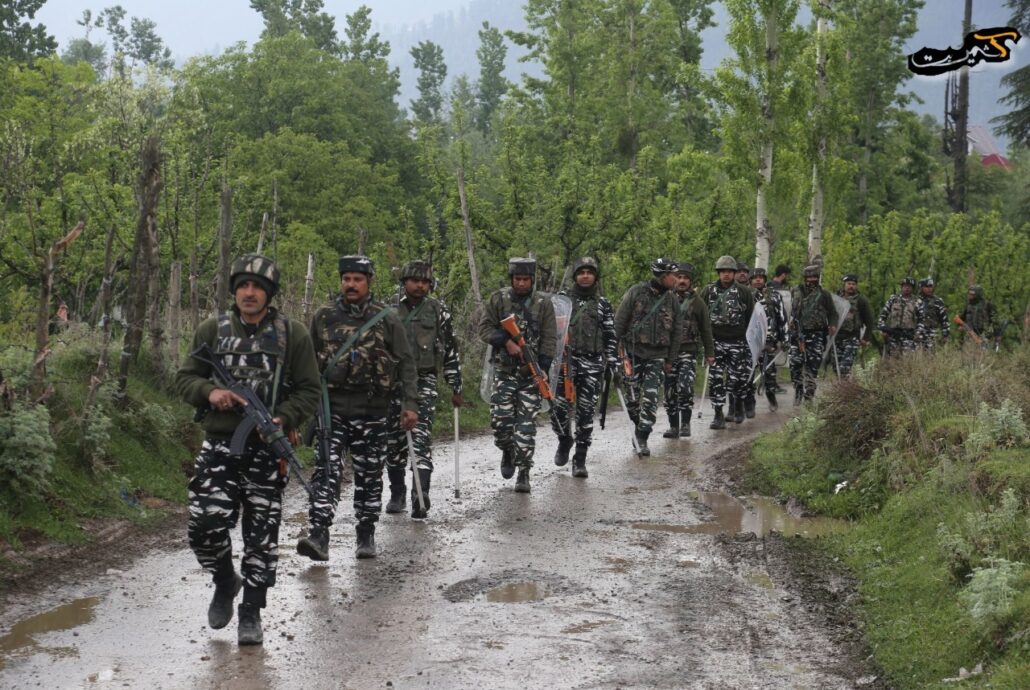
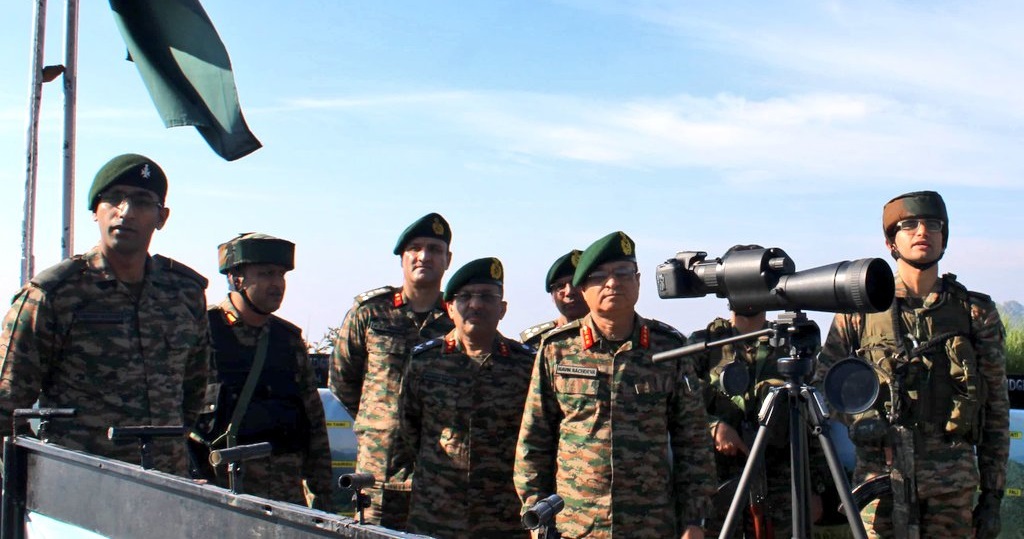
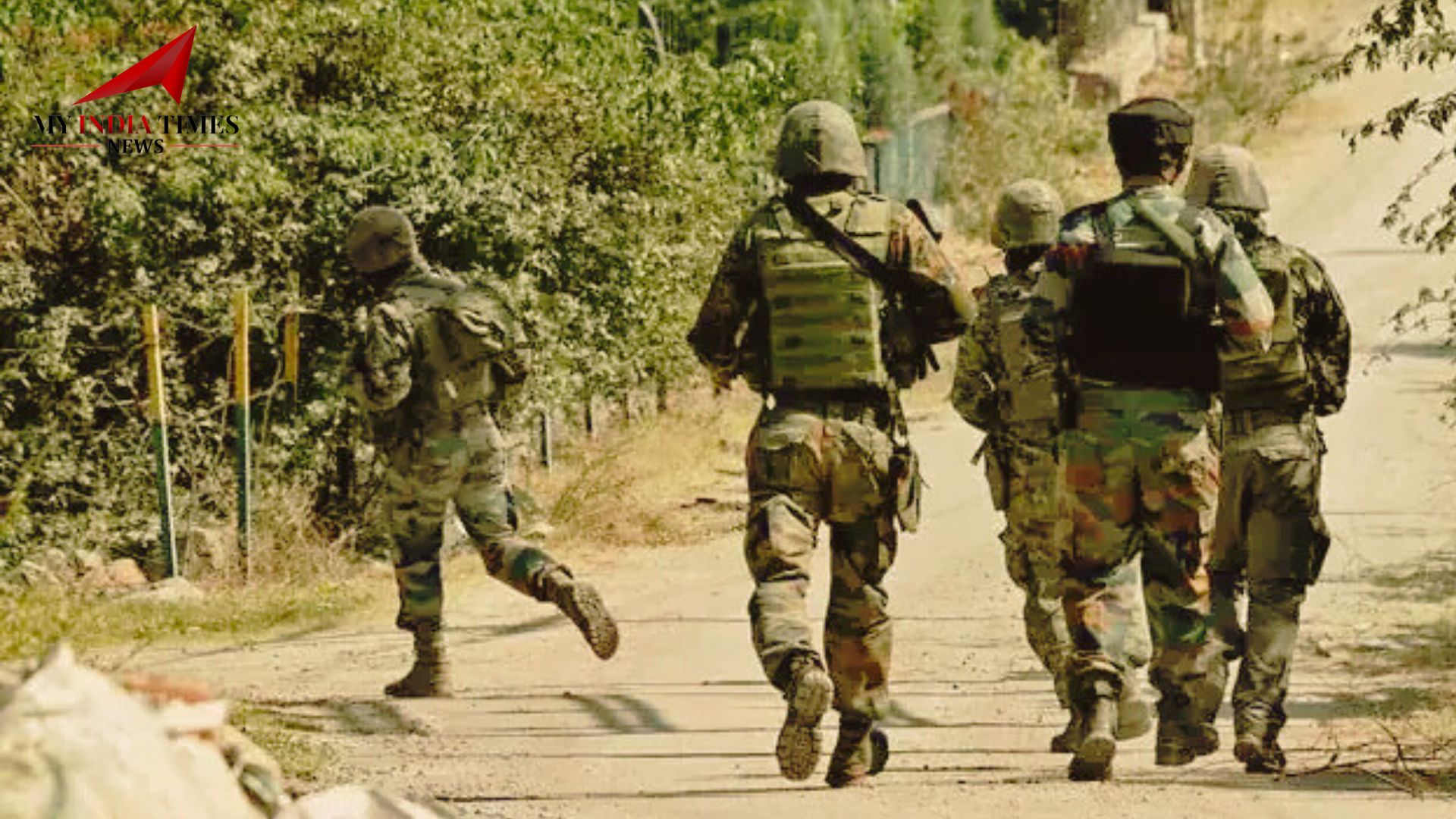
Meanwhile, in Kashmir, security measures have been significantly tightened following the Pahalgam attack. The government has deployed additional troops in sensitive areas, intensified patrolling near the Line of Control, and put intelligence agencies on high alert. The National Investigation Agency (NIA) has taken over the case, and early reports suggest that Pakistan-based terror outfits were directly involved in orchestrating the assault. Surveillance has also been strengthened to detect any more misinformation attempts through social media and other platforms.

Political Support for the Government’s Action

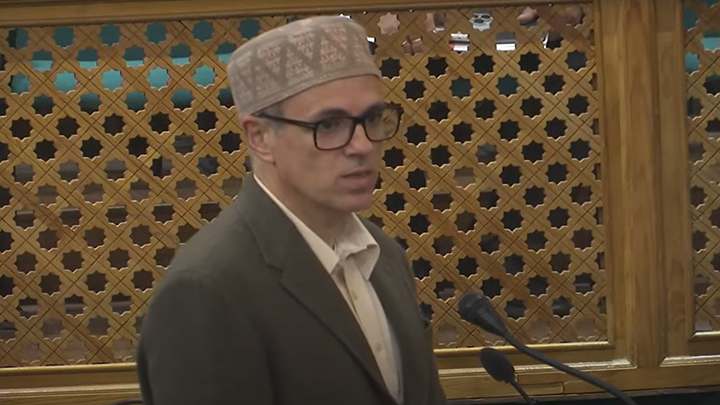
Political reactions within India have largely supported the government’s decision. Leaders from both the ruling and opposition parties have acknowledged that fighting terrorism and the spread of fake news requires a united front. Former Jammu and Kashmir Chief Minister Omar Abdullah said that terrorism and misinformation go hand-in-hand, and strong measures like banning such channels are necessary. However, some political voices have also urged the government to ensure that the action remains targeted and does not impact legitimate press freedom.

Impact on India-Pakistan Relations

On the diplomatic front, the already strained relations between India and Pakistan have worsened after this move. India has further downgraded its diplomatic engagement with Pakistan, suspended talks on the Indus Water Treaty, and frozen all cross-border trade and travel. Pakistan, on the other hand, has denied any role in the Pahalgam terror attack and termed the Indian move to ban Pakistani YouTube channels as an attack on free speech. India has rejected these allegations outright, stating that freedom of speech does not extend to spreading lies and promoting terrorism.
Jammu Kashmir
2025-04-23

Pahalgam Terror Attack: Karnataka Businessman Killed, India Mourns Yet Another Innocent Life

In a heart-wrenching tragedy that has shaken the nation, a peaceful family vacation turned into a nightmare when terrorists opened fire in Jammu and Kashmir’s Pahalgam on Tuesday. Among the victims was Manjunath Rao, a respected businessman from Shivamogga, Karnataka, who was brutally killed in front of his family.

Vacation Turns into a Bloodbath

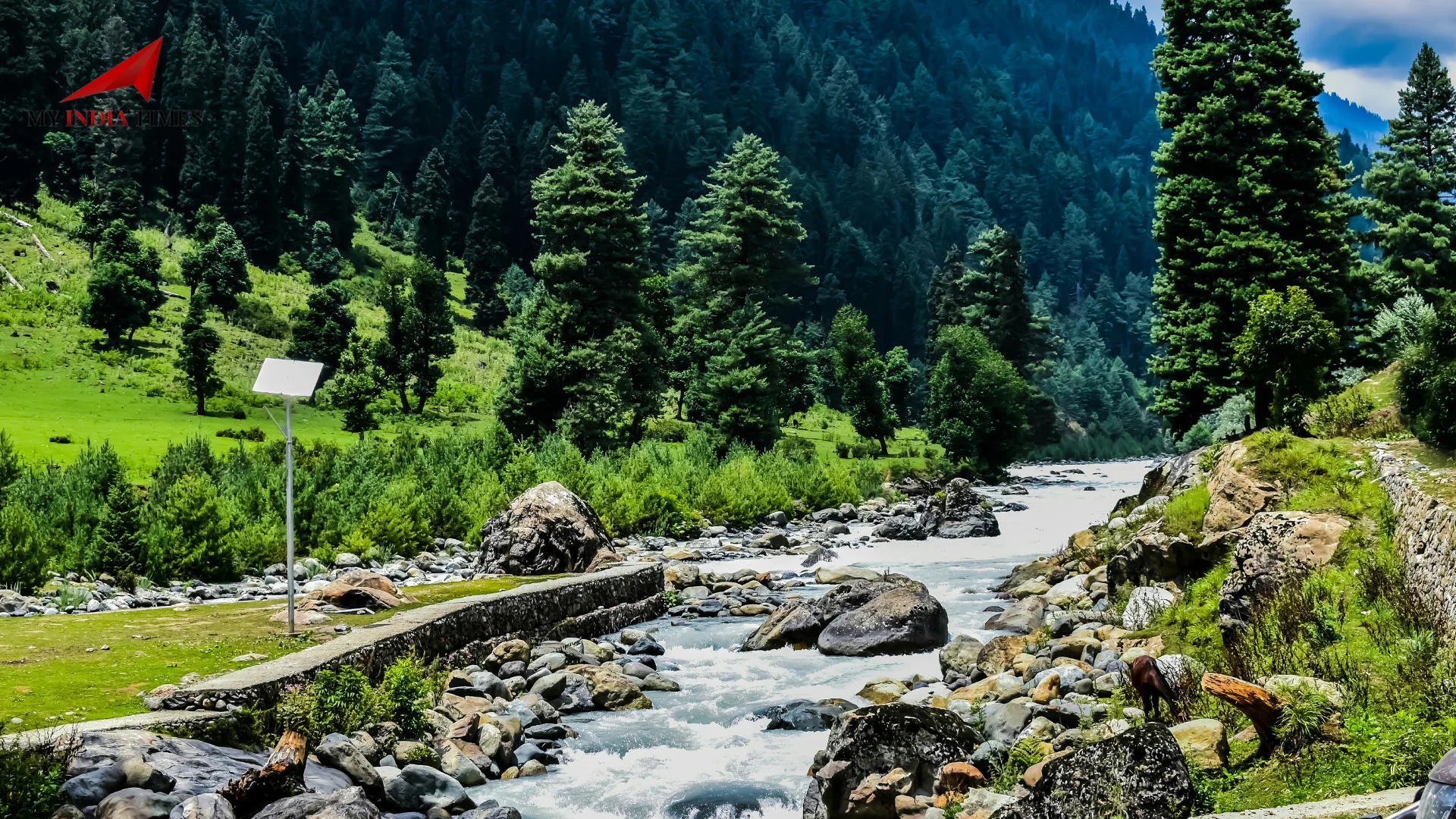
Manjunath, along with his wife Pallavi and 18-year-old son Abhi, had planned a quiet holiday in the beautiful valleys of Kashmir—what was supposed to be a refreshing escape from their busy lives back home. But just after noon, as tourists strolled through a picturesque meadow near Pahalgam, gunfire erupted.

Eyewitnesses described the chaos as “a sudden storm of bullets”. Families ran, children screamed, and in seconds, the serene landscape turned into a battlefield. Manjunath, caught in the crossfire, was hit multiple times. His wife and son watched helplessly.

A Mother’s Cry and a Chilling Response

Perhaps the most harrowing detail came from Pallavi’s own words. In a trembling voice, she recalled pleading for their lives. One of the terrorists, unmoved, replied coldly:
“Go tell Modi.”

That statement alone turned a personal tragedy into a national issue, hinting at a larger agenda behind this cowardly act.

Who Was Manjunath Rao?

Manjunath wasn’t just another tourist. Back in Shivamogga, everyone knew him as a person of honesty and humility. He was a small-business owner who genuinely cared about his community. Folks nearby say he was a loving family man, always there to lend a hand, and he was famous for his annual charity events. His sudden passing has hit his family hard, and news of his death has spread sorrow across all of Karnataka.

More Victims, More Grief

Unfortunately, Manjunath was not the only casualty. Another victim was Bharat Bhushan from Bengaluru’s Mattikere area, who had been vacationing with his wife and three-year-old son. Though his wife and child survived, Bharat was killed in the same attack, leaving behind a devastated family.

Adding to the sorrow, Lieutenant Vinay Narwal, a recently married Indian Navy officer, was also killed. These weren’t just statistics—they were sons, fathers, husbands, and heroes in their own right.

Security Lapse or Targeted Message?

The fact that terrorists managed to execute such a deadly attack in a popular tourist area raises serious concerns about security and intelligence coordination. Many are questioning how militants could breach security in such a high-alert zone, especially with the Amarnath Yatra season approaching.

The alleged statement directed at Prime Minister Modi adds a disturbing political dimension to the attack. Experts believe this wasn’t a random act but a deliberate attempt to destabilize peace, send a political message, and instill fear among tourists returning to Kashmir post-COVID.

Nation Unites in Grief and Anger

As news of the attack spread, Indians across the country expressed shock and outrage. Social media platforms flooded with hashtags like #JusticeForManjunath, #PahalgamTerrorAttack, and #StandAgainstTerror. Candlelight vigils were held in Bengaluru, Delhi, and even in small towns of Karnataka, where people came together to mourn.

Prime Minister Modi assured the public that justice will be served, and those responsible would face the full force of the law. The Ministry of Home Affairs has ordered an immediate high-level probe, and security operations have been ramped up in the entire region.

The Road Ahead: Beyond Condolences

While condolences pour in, the country demands more than words. There is a growing call for concrete action—not just to bring the attackers to justice but also to prevent such incidents in the future.

Security forces have launched massive search operations across South Kashmir, and drone surveillance is being used to track any unusual movements in forested areas. Locals have also come forward to support the investigation, marking a rare but important moment of solidarity between residents and security forces.

Jammu Kashmir
2025-02-20

Jammu: Individual Charged with Theft Passes Away in Custody; Magistrate Initiates Investigation; Deceased’s Father Seeks Justice

Jammu: Just as the community was beginning to process the death of Makhandeen in Kathua’s Billawar, another custodial death has unsettled the region. In a distressing development, a man accused of theft succumbed while in police custody in Ramban district. Authorities had apprehended Mohammad Abid Malik, a resident of Batote, along with two others in relation to a theft incident at an oxygen production facility. This occurrence has raised significant concerns regarding the treatment of individuals in custody, prompting a magisterial inquiry into the situation.

Arrest and Health Condition

According to reports, the arrest was executed on Saturday following a complaint lodged by the Block Medical Officer (BMO) of Batote. The BMO reported a theft at the hospital's oxygen production facility, leading to a police investigation. Muhammad Abid Malik and two others were detained for questioning. Police assert that the accused confessed to the crime during interrogation. However, on Monday afternoon, Abid’s health began to decline while in custody. He was promptly transported to the Community Health Center (CHC) in Batote, where doctors administered treatment prior to returning him to the police station.

The situation escalated on Tuesday morning when Abid again reported severe discomfort. This time, authorities transported him to the hospital, where he was subsequently admitted for treatment. Despite receiving medical attention, his condition continued to worsen, and by evening, he was pronounced dead. His family has since alleged police misconduct and is calling for a comprehensive and impartial investigation into the circumstances of his death.

Investigation Ordered

In response to this unfortunate incident, the District Magistrate of Ramban has directed Sub-Divisional Magistrate Banihal, Rizwan, to carry out a thorough investigation into the events leading to Abid’s death. The inquiry aims to ascertain the cause of his health decline and to determine whether any negligence or malpractice occurred. Meanwhile, authorities have committed to ensuring transparency throughout the investigation, emphasizing that justice will prevail if any misconduct is identified.

Family's Call for Accountability

Mohammad Aslam, the deeply saddened father of the deceased, has made an earnest appeal to the administration for justice. Aslam, a resident of Thopal, Batote, is convinced that his son’s death was not of natural causes and has urged higher authorities to hold accountable those responsible. He has also requested an independent autopsy to ascertain the actual cause of death.

How did he suddenly fall so sick and die in custody? We need answers. We need justice.

His statements have resonated with local residents, who are also questioning the police’s role in Abid’s death. Some community members have expressed concerns over alleged custodial violence and have called for a fair and unbiased investigation.

Police Version and Response

Senior Superintendent of Police (SSP) Ramban, Kulbir Singh, has maintained that the arrest was based on evidence and that all three accused had admitted to the crime during questioning. He further stated that Abid's health issues were promptly addressed, and there was no mistreatment from the authorities.

As soon as his health deteriorated, we took him to the hospital. Doctors treated him and found no major health issues at the time. However, when his condition worsened, we ensured he received proper medical attention. We are fully cooperating with the investigation,” SSP Singh stated.

He also reassured the public that if any negligence or misconduct is found in the inquiry, strict action will be taken against those responsible.

Legal and Human Rights Concerns

The custodial death of Abid Malik has reignited debates over human rights violations in police custody. Legal experts and human rights activists have called for strict adherence to custodial rights and proper medical care for detainees. The National Human Rights Commission (NHRC) has often emphasized the need for better monitoring of prisoners’ health conditions, but such incidents continue to raise questions about the effectiveness of these safeguards.

Legal professionals suggest that the investigation should include medical records, CCTV footage from the police station and hospital, and testimonies from fellow detainees. If foul play is detected, legal proceedings against responsible officers must be initiated to ensure justice.

Public Reaction and Political Response

The incident has sparked outrage among local communities, with some residents expressing their distrust in law enforcement agencies. Several social and political activists have also condemned the incident, demanding swift justice and stringent measures to prevent such occurrences in the future.

Political leaders from opposition parties have also weighed in on the matter, calling for an impartial probe and questioning the conditions under which Abid was held. Some have even called for the intervention of human rights organizations to ensure that justice is not compromised.

Need for Custodial Reforms

This case has once again highlighted the urgent need for reforms in custodial procedures. Experts argue that detainees should have guaranteed access to legal counsel and medical treatment from the moment of arrest. Regular medical check-ups and independent oversight can prevent future cases of custodial mistreatment.

The implementation of CCTV monitoring in all police stations and interrogation rooms has been suggested as a preventive measure to enhance transparency and accountability. Additionally, sensitization training for law enforcement officers can ensure that human rights are upheld during interrogations and detentions.

Jammu Kashmir
2025-02-18

Suspicious IED Discovered in Tral, Pulwama; Security Forces Respond Promptly to Prevent Potential Tragedy

In a crucial security operation in the Pulwama district of South Kashmir, a suspicious object believed to be an Improvised Explosive Device (IED) was located in the Pinglish Nagwandi region. This discovery prompted an immediate and coordinated response from security forces, who promptly cordoned off the area to ensure public safety and avert a potential disaster. This incident underscores the ongoing security challenges in the region and the necessity for heightened vigilance to prevent attacks.

IED Discovery Initiates Urgent Security Action

The discovery occurred on [insert date], when local residents alerted authorities about a suspicious object lying in a secluded area of Pinglish Nagwandi. Following a meticulous inspection, security forces identified the object as a potential IED, raising concerns of a planned attack within the region. Given the location's historical context of militant activity, there were immediate worries regarding potential threats to both civilians and security personnel stationed nearby.

Upon confirmation of the device, a joint team composed of the Indian Army, Central Reserve Police Force (CRPF), and Jammu and Kashmir Police was dispatched to the location. Their prompt action resulted in the immediate sealing of the area, preventing any unauthorized access and ensuring public safety. The vicinity's proximity to critical infrastructure and security installations heightened the urgency of the situation, as a potential attack could have resulted in catastrophic consequences.

Security Forces Implement Swift Evacuation of Local Residents

Security forces diligently worked to guarantee the safety of the surrounding civilian population. Local residents were rapidly evacuated from the area, and a perimeter was established around the suspected IED location to mitigate further exposure to risk. This prompt evacuation and proactive strategy by the forces ensured the absence of casualties and maintained the safety of residents during the operation.

The situation in Tral has raised concerns in recent years, given the region's known militant presence and a history of security incidents. In light of this volatile context, security forces remained vigilant to neutralize the threat and prevent loss of life or damage to infrastructure.

Bomb Disposal Squad Effectively Neutralizes IED

A specialized Bomb Disposal Squad (BDS) from Jammu and Kashmir Police was swiftly summoned to the scene to manage the safe neutralization of the IED.

With great precision, the BDS team carried out a controlled operation to disarm the device and eliminate any immediate danger to the public.

The successful neutralization of the IED by the BDS team was a significant achievement for the security forces, as it prevented what could have been a deadly attack. Their swift and effective action ensured that no lives were lost, and the area remained secure without further escalation.

Investigation Launched into the Origin of the IED

Following the successful defusing of the IED, authorities launched an investigation to identify the individuals or groups responsible for planting the device. Security forces are working to gather information from local intelligence sources, and efforts are underway to determine whether the device was intended for an attack on security personnel or civilians.

The ongoing investigation will also seek to uncover any larger plot behind the device’s placement. Given the region's history of militant activities, the authorities are exploring all angles to ensure that similar threats are neutralized before they can cause harm. Security forces are also working closely with local communities to gather any additional information that could lead to arrests and prevent future attacks.

Increased Security Measures in the Region

In response to the discovery, security measures in the Tral region have been further strengthened. Regular patrols and surveillance operations have been put in place to ensure the safety of residents and security personnel. The police and army have also urged locals to remain vigilant and report any suspicious activities that could pose a threat to public safety.

The heightened security measures come in the wake of an uptick in militant activities in South Kashmir. The region has long been a hotspot for insurgency, and incidents like the discovery of IEDs serve as a reminder of the ongoing security challenges in Jammu and Kashmir.

The Role of Local Communities in Ensuring Safety

The discovery of the IED also underscores the importance of local community vigilance in the fight against terrorism. Local residents have played a critical role in alerting authorities about suspicious activities in the past, and their cooperation with security forces remains essential in maintaining peace and stability in the region.

Authorities are encouraging continued cooperation between the security forces and the local population, emphasizing that intelligence-sharing is crucial to preventing future attacks. The proactive involvement of the community can significantly reduce the risks posed by militant groups operating in the area.

Jammu Kashmir
2025-02-18

Significant Fire Engulfs Badi Nambal Bebandem in Srinagar, Authorities Mobilize to Control the Situation

A significant fire erupted in the Badi Nambal Bebandem area of Srinagar on [insert date], causing distress within the community and leading to widespread apprehension. The intense blaze quickly extended across both residential and commercial sectors, prompting an immediate response from local authorities, including teams from the Fire and Emergency Department. Emergency personnel have been working diligently around the clock to suppress the flames and mitigate further damage.

Fire Intensifies in Srinagar’s Badi Nambal Bebandem Area

The fire was initially reported at approximately [insert time], and within moments, thick clouds of black smoke ascended into the atmosphere, visible from several miles away. Eyewitnesses described the scene as chaotic, with residents urgently evacuating their homes and businesses. The ferocity of the flames and their rapid spread alarmed the local populace, raising fears for their safety and that of nearby structures.

I observed the fire expanding swiftly towards our neighborhood. It was alarming. The heat from the flames was intolerable even from a distance,” remarked one resident, clearly traumatized by the incident. “We had to hastily evacuate everyone in our family before the situation escalated,” she added.

The conflagration affected multiple buildings, inflicting significant damage to both residential properties and commercial enterprises. The fire posed substantial risks to surrounding areas, with authorities expressing concern over potential further damage to adjacent properties and infrastructure.

Firefighters, Law Enforcement, and Emergency Teams Respond

Responding promptly, firefighting crews from the Fire and Emergency Department arrived on the scene and commenced efforts to contain the fire. Firefighters prioritized safeguarding neighboring buildings while extinguishing the flames that had already spread extensively. Authorities also deployed police officers and emergency medical teams to assist with evacuations and ensure public safety.

Local officials verified that no fatalities had been reported as of yet, although significant property damage is expected. While firefighting teams continue to work toward complete control of the fire, the situation is gradually improving thanks to the combined efforts of emergency services.

Investigation Into the Cause of the Fire

As firefighting operations persist, authorities have initiated an investigation into the fire's cause. Preliminary assessments indicate that an electrical malfunction or short circuit may have instigated the blaze.

In the meantime, local officials are urging residents to stay away from the affected area to allow emergency services to work uninterrupted. The Srinagar administration has also begun organizing relief efforts to assist those displaced by the fire, including temporary shelters and basic supplies like food, water, and medical assistance.

Community Comes Together in the Aftermath of the Fire

Despite the chaos and fear, the community has rallied together to support those affected by the fire. Local volunteers, along with humanitarian organizations, have been providing assistance to displaced families, ensuring that they receive the necessary resources to recover from this disaster.

The incident has highlighted the need for better fire safety measures, particularly in densely populated areas like Badi Nambal Bebandem, where houses are built close together. Experts have expressed concern that the lack of proper fire prevention infrastructure may have contributed to the fire's rapid spread.

Authorities Monitoring Air Quality and Providing Aid

As smoke from the fire continues to linger in the area, authorities are closely monitoring air quality. Health officials are advising residents to avoid inhaling the smoke, which could pose respiratory risks, especially to children, the elderly, and those with pre-existing health conditions.

Authorities are also coordinating relief operations to ensure that displaced residents have access to food, clean water, and temporary housing. With the ongoing firefighting efforts, the local government has pledged to offer support to rebuild homes and assist in restoring normalcy.


Jammu Kashmir
2025-02-18

Jammu-Kashmir Faces Severe Drought: Water Crisis, Forest Fires, and Delayed Winter Games

Jammu and Kashmir is grappling with an unprecedented drought, exacerbated by a lack of rain and snowfall this winter. The region, renowned for its vibrant greenery and captivating landscapes, is currently experiencing significant water shortages, diminishing rivers and springs, a rise in forest fires, and interruptions to the highly anticipated Khelo India Winter Games.


Severe Drought Grips Jammu and Kashmir

The ongoing drought in Jammu and Kashmir is being hailed as one of the most severe in recent memory. With little to no rainfall and snowfall, the region’s already fragile water supply has been further depleted. Famous springs and rivers, which once sustained not only the natural ecosystem but also the daily water needs of the residents, are now running dry. The lack of snow in the higher reaches has affected the region’s natural water supply, especially in the winter months when these sources typically replenish.

Several prominent springs, including those in southern Kashmir, have dried up, causing an acute water crisis. These include the famous Mughal Garden spring, Achbal spring, and tributaries of the Jhelum River. The Jhelum River, which originates in southern Kashmir and flows through the entire valley, is a critical water source for the region. However, with its tributaries drying up, the situation has turned dire, leading to a substantial shortage of drinking water across the valley.


Worsening Water Shortage in Srinagar and Beyond

In the summer capital of Srinagar, residents are already feeling the pinch. Many localities in Srinagar are facing a severe drinking water shortage. Citizens are being forced to rely on the limited supply of water, while others have to resort to fetching water from distant sources. Retired government employee from Anantnag district, Muhammad Ibrahim, shares his distress, stating, "In my lifetime, I have never witnessed these springs drying up. Climate change and increasing temperatures have significantly affected this water-rich region. These developments indicate a time of profound concern, as human activities increasingly disrupt the natural environment.

The administration has also issued notices about the water shortage in different parts of the region. Specifically, in Baramulla district, a notice was released informing the public that the water supply would be severely affected due to low water levels in the Jhelum River. Baramulla, located at the point where the Jhelum River crosses the Line of Control, is one of the key sources of water for many areas in Jammu and Kashmir. With dwindling water levels, the situation is becoming increasingly critical for residents.


Lack of Rainfall and Snowfall: Impact of Climate Change

Meteorologists are pointing to climate change as a significant factor behind this year’s weather anomalies. According to the Director of the Meteorological Department (MeT), Mukhtar Ahmed, Kashmir has received a drastic drop in rainfall and snowfall this winter. “We have received 80% less rainfall and snowfall during January and February compared to previous years. This is mainly due to the absence of any significant western disturbance,” he explained.

Western disturbances, which usually bring much-needed snowfall to the region, have been scarce this season. These weather patterns typically provide the much-needed moisture that replenishes rivers, lakes, and other water sources across Jammu and Kashmir. With the lack of this critical weather phenomenon, the region is seeing a significant disruption in its water cycle.


Forest Fires on the Rise

The drought has also contributed to the rise in forest fires in the region. Dry conditions have created the perfect environment for wildfires, which are spreading rapidly across Kashmir’s lush forests. Forest officials have reported at least 50 incidents of forest fires in the last two weeks alone. These fires not only threaten the region's biodiversity but also add to the environmental destruction caused by the drought. With forests already drying out, the risk of fire is expected to increase further in the coming weeks if the weather does not improve.

Authorities are struggling to control the fires, as the terrain in some of the affected areas is difficult to access. The combination of high temperatures, dry forests, and the absence of significant rainfall has made firefighting efforts challenging. As a result, large tracts of forest land are being destroyed, further exacerbating the region’s environmental crisis.


Khelo India Winter Games Postponed Due to Lack of Snowfall

In an unfortunate turn of events, the Khelo India Winter Games, scheduled to be held from February 22 to 25 in Gulmarg, have been postponed due to the lack of snowfall. The event, which was expected to attract athletes and spectators from all over the country, was an important part of the region’s winter sports calendar. However, with the mountains receiving little to no snow, it has become impossible to conduct the winter sports events as planned.

The Jammu and Kashmir Sports Council confirmed that the 5th edition of the Khelo India Winter Games has been postponed indefinitely. The Council stated, “The lack of snow has led to the postponement of the Winter Games. We will reassess the situation once there is improvement in snowfall, and further announcements will be made accordingly.”

This delay is a significant blow to the winter sports industry in Kashmir, which has long been known for its ski resorts and snow sports. Gulmarg, in particular, attracts winter sports enthusiasts every year, and the Khelo India Winter Games were expected to bring international attention to the region’s winter tourism potential. However, with the ongoing drought and lack of snow, the region faces an uncertain future for its winter sports industry.


The Growing Concerns of Climate Change

The drought in Jammu and Kashmir is yet another example of the growing impact of climate change on the region. The scarcity of water, rising temperatures, and increasing forest fires all point to the wider environmental crisis that is affecting the world. As global temperatures continue to rise, regions like Jammu and Kashmir are experiencing extreme weather patterns that were once considered rare.

Local residents are deeply concerned about the long-term impact of these changes on their livelihoods. Farmers, who rely on irrigation from rivers and springs, are particularly worried about the drying up of water sources. Additionally, the increasing frequency of forest fires is threatening the region’s rich biodiversity, which includes several endangered species.


Hope for Change: Western Disturbance to Bring Snowfall

There is a glimmer of hope as meteorologists predict that a significant western disturbance might bring much-needed snowfall to Jammu and Kashmir by February 26. This could alleviate some of the water shortage and improve the situation for winter sports in the region. However, the delay in snowfall has already caused significant damage, and it remains to be seen whether the upcoming disturbance will be enough to reverse the damage caused by the drought.

Jammu Kashmir
2025-02-15

Three Government Employees Dismissed in Jammu & Kashmir Over Terrorist Links

In a significant move to curb terrorism and its ecosystem in Jammu & Kashmir, Lieutenant Governor Manoj Sinha has ordered the dismissal of three government employees, including a police constable, a teacher, and a forest department official. Authorities have implemented stringent measures to avert any future incidents, thereby ensuring the safety of security personnel and civilians. A significant modification involves the prohibition of civilian vehicle movement during security convoys, which seeks to mitigate potential threats. Furthermore, security forces have augmented surveillance through permanent checkpoints, CCTV monitoring, drone surveillance, and the deployment of armored vehicles. These initiatives have fostered a secure and comprehensively monitored highway system, leading to a substantial decrease in security breaches.

Termination orders were issued following a comprehensive security review meeting, during which the Lieutenant Governor instructed officials to intensify efforts against terrorist networks and their affiliates within governmental circles. Security agencies had been diligently tracking these individuals, and substantial evidence was gathered confirming their participation in supporting terrorism.
 

Police Constable Firdous Ahmed Bhat: Aiding Lashkar-e-Taiba

Firdous Ahmed Bhat, a police constable in the Jammu & Kashmir Police, was found guilty of aiding the banned terrorist outfit Lashkar-e-Taiba (LeT). Appointed in 2011, Bhat misused his position to provide classified information and logistical support to terrorists. His role in supplying arms and ammunition to militants came under scrutiny after his arrest in May 2024. Security agencies uncovered his significant involvement in orchestrating attacks against law enforcement personnel and found that he had been issuing threats to colleagues who opposed his actions. Bhat is currently lodged in Kot Bhalwal Jail, facing multiple terror-related charges.

A Long-Term Hizbul Mujahideen Associate

Nisar Ahmed Khan, who joined the Forest Department in 1996, was an active associate of the Hizbul Mujahideen terrorist group. Intelligence reports indicate that Khan played a crucial role in facilitating terrorist movements by providing shelter in forest areas and aiding their operations. His involvement in a major terror attack in 2000 was unearthed during an extensive security probe. In 2016, he faced allegations of inciting violence and exacerbating unrest in Kashmir, which resulted in significant disruption. His dismissal is part of the government's stringent policy against individuals who exploit official positions to support terrorist organizations.

Teacher Mohammad Ashraf Bhat: Radicalizing Youth for Terrorist Activities

Mohammad Ashraf Bhat, a teacher appointed in 2008, was accused of radicalizing young students and persuading them to join Lashkar-e-Taiba. He used his position in the education sector to spread extremist ideologies and recruit potential militants. Security agencies tracked his movements and intercepted communication linking him directly to terror handlers. His arrest in 2022 exposed his involvement in motivating local youth to take up arms against the nation. Currently imprisoned in Reasi District Jail, his removal from the government service is seen as a crucial step in preventing further radicalization in educational institutions.

Government’s Firm Stand Against Terrorism in Bureaucracy

The administration of Jammu & Kashmir has reiterated its firm stance against any individual within the government who is found to have connections with terrorism. Over the past few years, several government employees have been dismissed under similar charges. The latest action is part of a broader initiative to ensure that no government employee is involved in activities that threaten national security.

The use of Article 311(2)(c) allows authorities to bypass standard inquiry procedures when cases involve national security concerns. This provision has been increasingly utilized in Jammu & Kashmir to weed out employees who covertly support terrorism while receiving salaries from the Indian state.

Heightened Security Measures and Surveillance

Following these dismissals, security agencies have intensified surveillance on government employees suspected of having terror affiliations. Various departments are undergoing rigorous background checks to identify and remove individuals who could pose a threat to national security. The use of advanced intelligence tools, cyber surveillance, and informant networks has been ramped up to ensure that no such elements infiltrate the system in the future.

Public and Political Reactions

The decision to dismiss these employees has received mixed reactions. While the majority of the public and political leaders have welcomed the move, seeing it as a necessary step to maintain peace and security, some sections have raised concerns over the lack of a formal inquiry process. However, officials argue that national security cannot be compromised and that swift action is essential to dismantle terror networks operating within government institutions.

Message to Terror Supporters: No Tolerance for Anti-National Elements

The dismissal of these employees serves as a strong message to anyone attempting to misuse their official positions for anti-national activities. The government has made it clear that individuals supporting terrorism, directly or indirectly, will face the strictest action. The administration continues to work towards ensuring a terror-free Kashmir, with no space for those who sympathize with or assist militant groups.

Jammu Kashmir
2025-02-15

Heightened Security Measures in Kashmir: Ban on Civilian Vehicles During Convoy Movements

In the aftermath of the Pulwama attack, security in Kashmir has undergone a significant transformation. Authorities have implemented stringent measures to avert any future incidents, thereby ensuring the safety of security personnel and civilians. A significant modification involves the prohibition of civilian vehicle movement during security convoys, which seeks to mitigate potential threats. Furthermore, security forces have augmented surveillance through permanent checkpoints, CCTV monitoring, drone surveillance, and the deployment of armored vehicles. These initiatives have fostered a secure and comprehensively monitored highway system, leading to a substantial decrease in security breaches.

Complete Ban on Civilian Traffic During Convoy Movements

Earlier, civilian vehicles were allowed to move alongside security convoys, increasing the risk of potential attacks. However, after reviewing security protocols, the government imposed a strict ban on civilian traffic during convoy movements.

Now, when a security convoy moves, all civilian traffic is halted, ensuring an unobstructed and secure passage. The primary goal of this measure is to eliminate the possibility of vehicle-borne explosives. Any unauthorized attempt to move during convoy passage is immediately intercepted by security personnel.

For civilians facing medical emergencies or urgent travel needs, a special clearance system has been introduced. Their vehicle details are shared across all checkpoints to ensure safe and controlled passage.

Establishment of Permanent Security Checkpoints

To enhance security further, 14 permanent security checkpoints have been established at critical points along the highway. These checkpoints are fortified with heavily armed personnel, bunkers, and armored vehicles to ensure constant vigilance.

Each checkpoint is manned round the clock, conducting thorough security inspections of passing vehicles to prevent any unlawful activities. Every crossing has bunkers and armored vehicle deployments to counter potential threats. In addition to this, security teams ensure the constant monitoring of link roads, preventing unauthorized movements.

24/7 CCTV Surveillance on Highways

The Jammu-Srinagar National Highway, passing through crucial districts like Pulwama, Anantnag, and Kulgam, is now under constant CCTV surveillance. Every vehicle is monitored in real-time, and security teams are alerted immediately if any suspicious activity is detected.

The installation of high-definition cameras and night-vision sensors ensures that security monitoring remains effective even in low-light conditions. Additionally, authorities have deployed automatic number plate recognition (ANPR) systems to track every vehicle using the highway.

Deployment of Drones and UAVs for Enhanced Security

One of the most significant advancements in Kashmir's security strategy is the use of drones and Unmanned Aerial Vehicles (UAVs) for aerial surveillance. These drones monitor high-risk zones, track suspicious movements in real-time, and assist in intelligence gathering.

Drones provide a bird’s-eye view of the terrain, making it easier to identify concealed threats and respond immediately to security concerns. The use of UAVs has proven effective in preventing infiltration and tracking militant activities, significantly improving response times for security forces.

Strengthening Highway Security with Armored Vehicles

Apart from main highways, security has been reinforced on link roads to prevent any hostile movement. Armored vehicles have been stationed at key intersections, providing additional protection. These vehicles block unauthorized access, provide immediate response capability, and act as a deterrent against possible attacks.

Security forces also conduct random vehicle checks along link roads, ensuring that no unauthorized personnel attempt to access sensitive areas. This has significantly reduced militant movement, increasing the overall security in Kashmir.

Use of Advanced Bomb Detection Technology

To prevent attacks, authorities have introduced advanced bomb detection technologies. Special Deep Search Metal Detectors and Bomb Detection Squads with trained sniffer dogs are deployed at all critical security points.

Before any convoy movement, security personnel conduct thorough sweeps of the route to detect any explosive threats. Additionally, high-tech X-ray scanners and thermal imaging devices have been introduced to inspect suspicious objects without direct human intervention.

Coordination Between Security Forces for Maximum Efficiency

A key element in the success of these security measures is the seamless coordination between security agencies. The Indian Army, CRPF, J&K Police, and intelligence units work together to ensure highway security.

Regular intelligence-sharing meetings, mock drills, and joint security operations have helped improve response times in case of threats. The cooperation between different agencies ensures that security breaches are minimized, and any potential risk is dealt with efficiently.

Impact of Enhanced Security Measures

Since implementing these measures, there have been zero major terrorist attacks targeting security convoys in the past six years. The enhanced security has significantly reduced the risk of roadside bombings and ambushes, ensured the smooth movement of security personnel, and increased public confidence in the region's security framework.

Despite some inconveniences, these measures have been widely appreciated for their effectiveness in maintaining law and order. The local population has adjusted to the new security protocols, recognizing their necessity in ensuring a safer environment.

Public Awareness and Civilian Cooperation

Security officials have urged the public to cooperate fully with the new regulations. Civilians are encouraged to avoid unnecessary travel during convoy movements, report suspicious activities immediately, and follow highway advisories issued by the administration.

To improve civilian awareness, informational signboards have been installed along highways, and regular public advisories are issued. These steps ensure smooth coordination between security forces and local residents, minimizing disruptions and improving overall highway security.

Future Security Enhancements

Authorities are continuously refining security measures to stay ahead of emerging threats. Future security plans include the installation of AI-driven surveillance cameras, expansion of armored patrols to interior regions, and improved biometric identification systems at checkpoints to track movements effectively.

Jammu Kashmir
2025-02-15

Environmental Challenges Arising from Climate Change and Their Solutions

Climate change stands as one of the most pressing global challenges impacting the environment, economy, and public health. Observable phenomena such as rising temperatures, an increase in natural disasters, and disruptions in ecosystems serve as stark indicators of this crisis. Human activities, including deforestation, industrial pollution, and over-reliance on fossil fuels, have significantly exacerbated the situation. Without prompt intervention, the repercussions will be catastrophic for future generations. Combatting climate change necessitates a unified response from individuals, governments, and industries to ensure the sustainability and habitability of our planet.
 

Major Causes of Climate Change

The predominant factor driving climate change is the excessive emission of greenhouse gases, such as carbon dioxide, methane, and nitrous oxide. These gases trap heat within the Earth's atmosphere, resulting in a rise in global temperatures. The combustion of fossil fuels—including coal, oil, and natural gas—significantly contributes to these greenhouse gas emissions. Industrial processes, transportation, and energy generation exacerbate carbon emissions, intensifying climate change. Moreover, deforestation plays a crucial role in precipitating climate change. Trees serve to absorb carbon dioxide from the atmosphere, which is vital for maintaining ecological balance. However, the rapid pace of deforestation driven by urban expansion, agricultural development, and infrastructure projects has led to a notable decline in tree populations, thus elevating CO₂ levels. Furthermore, the degradation of forests leads to habitat loss, adversely affecting biodiversity and heightening the risk of natural disasters.
 

Challenges Caused by Climate Change

Global warming is leading to considerable disturbances in weather patterns, resulting in extreme temperatures, extended droughts, and intense flooding. The frequency and severity of these extreme weather events are increasing, resulting in widespread damage to communities, infrastructure, and agriculture. The rise in sea levels presents a significant threat to coastal regions, as the melting glaciers and polar ice caps due to escalating temperatures contribute to this rise, endangering millions of individuals with potential displacement. Numerous coastal cities are experiencing recurrent flooding, which presents both economic and environmental challenges. Additionally, climate change severely affects agriculture and food security, with unpredictable weather patterns, heatwaves, and water scarcity contributing to decreased crop yields, thereby leading to food shortages and rising prices. Farmers in many regions are struggling to adapt to changing weather conditions, affecting global food production.

Threat to Biodiversity and Ecosystems

The rapid changes in climate are affecting ecosystems and wildlife. Many species are struggling to adapt to rising temperatures, leading to habitat loss and extinction. Coral reefs, which are essential for marine life, are being destroyed due to ocean acidification and rising sea temperatures. Deforestation and pollution have further contributed to the destruction of natural habitats. The loss of biodiversity disrupts ecosystems and affects the balance of nature, making it difficult for plants and animals to survive.

Health Risks and Spread of Diseases

Climate change is also affecting human health, as rising temperatures and air pollution contribute to respiratory diseases and heat-related illnesses. The increase in temperature has created favorable conditions for the spread of vector-borne diseases such as malaria and dengue. Poor air quality due to industrial pollution and vehicle emissions has led to an increase in asthma and other lung-related disorders. Additionally, food and waterborne diseases are becoming more common as climate change affects the quality of food and drinking water.

Solutions and Preventive Measures

To combat climate change, we must shift to renewable energy sources such as solar and wind power, reducing our dependence on fossil fuels. Protecting forests and planting more trees will help maintain environmental balance and absorb excess carbon dioxide. Energy efficiency should be improved by reducing electricity consumption and using energy-saving appliances. Sustainable farming techniques, such as organic farming, water conservation, and crop rotation, can help reduce the impact of climate change on agriculture. Additionally, promoting public transportation, using electric vehicles, and reducing plastic waste can be effective solutions.

Reforestation and Forest Conservation

Restoring forests and preventing deforestation can significantly help in reducing the effects of climate change. Trees play a crucial role in absorbing carbon dioxide from the atmosphere and maintaining a balanced ecosystem. Governments and organizations should invest in afforestation programs and encourage individuals to plant trees. Strict laws should be enforced to prevent illegal logging and deforestation. Sustainable forest management practices should be adopted to ensure the long-term health of forests.

Energy Efficiency and Green Technology

Improving energy efficiency is another effective way to reduce carbon emissions. The use of energy-efficient appliances, LED lights, and smart home technologies can help reduce energy consumption. Industries should adopt cleaner production methods and invest in green technologies to minimize their environmental impact. The development of carbon capture and storage technologies can also play a significant role in reducing greenhouse gas emissions.

Sustainable Transportation and Reduced Carbon Footprint

Reducing the carbon footprint from transportation is essential in the fight against climate change. Encouraging the use of public transport, cycling, and walking can help decrease air pollution and carbon emissions. The transition to electric vehicles and hybrid cars can significantly reduce dependency on fossil fuels. Governments should invest in better public transportation infrastructure and promote carpooling and shared mobility services.

Government Policies and Public Awareness

Governments must implement strict environmental policies to control carbon emissions and promote sustainable development. Industries should be required to follow eco-friendly practices and reduce waste production. Carbon taxes and incentives for green initiatives can encourage businesses to adopt environmentally friendly solutions. Public awareness campaigns are essential to educate people about climate change and the steps they can take to reduce their carbon footprint. Schools, communities, and organizations should work together to spread awareness and encourage responsible environmental behavior.

Role of Individuals in Combating Climate Change

Every individual has a role to play in fighting climate change. Simple actions such as reducing energy consumption, using less plastic, and recycling can make a significant difference. Choosing sustainable products, reducing water wastage, and supporting eco-friendly brands can contribute to environmental conservation. People should also participate in tree-planting drives, volunteer for environmental organizations, and spread awareness about climate change in their communities. By making small but meaningful changes in daily life, individuals can contribute to a larger impact in preserving the planet.

/ Home / jammu-kashmir

Jammu Kashmir

  • Current Weather Conditions in Jammu and Kashmir
    My India Times      2025-02-15  132

    Current Weather Conditions in Jammu and Kashmir

    As of mid-February, Jammu and Kashmir have been witnessing relatively calm weather. The winter season has been progressing with mild fluctuations in temperature, particularly in the plains. The famous Chillai-Kalan period (the harshest winter phase) has passed, and the region is now moving through Chillai-Khurd, a less intense winter phase, followed by Chillai-Bachha later in February. The recent temperatures have been fluctuating between -2°C to 14°C in Kashmir Valley, whereas Jammu has been experiencing temperatures ranging from 7°C to 25°C. The nights remain cold, but daytime temperatures have been slightly warmer than usual for this time of the year.

    Detailed Weather Forecast from February 14-18

    The weather in Jammu and Kashmir is expected to remain dry and stable from February 14 to 18, with no significant disturbances. The plains will experience clear skies and mild daytime temperatures, making it a good time for travel and outdoor activities. However, mornings and nights will remain cold, and in higher-altitude regions, freezing temperatures will persist. By February 16, cloud cover may increase, particularly in northern and central Kashmir, bringing the possibility of light rain or snowfall in these regions. Areas like Gulmarg and Pahalgam could witness brief snowfall, while Leh and Kargil may experience freezing conditions with cloudy skies. Between February 17 and 18, there is a slight chance of isolated rainfall or snowfall in high-altitude regions like Kupwara, Baramulla, and Poonch. However, these changes are not expected to cause any major disruptions, and the overall weather will remain largely dry.

    Weather Outlook Beyond February 18

    Looking ahead, the weather is likely to change slightly from February 19 onward, with increasing cloud cover across various parts of Jammu and Kashmir. Light rain showers may occur in isolated areas between February 19 and 20, particularly in hilly regions. By February 21 and 22, partly cloudy conditions will continue, with a possibility of light rain or snow in northern Kashmir and Ladakh. These weather variations will be minor, and no major storm systems are expected in the coming days.

    How Will This Weather Impact Travel and Daily Life?

    For tourists, this period is ideal for exploring various parts of Jammu and Kashmir, especially in the plains where the weather remains stable. Travelers visiting hill stations like Gulmarg, Sonmarg, and Pahalgam should prepare for colder conditions, especially at night. While there is no major snowfall expected, light snow accumulation in higher reaches might affect road conditions, so it is advisable to check travel advisories before heading to these destinations. For transporters and daily commuters, major highways like the Jammu-Srinagar National Highway and Mughal Road are expected to remain open, though minor disruptions may occur in snow-prone regions. Travelers heading towards Ladakh and north Kashmir should be cautious as freezing temperatures may lead to road closures in certain high-altitude passes. Local residents can expect no major weather-related disruptions, but they should prepare for continued cold nights, particularly in hilly and interior areas. Agricultural and horticultural activities will not be significantly impacted, as the dry weather is favorable for ongoing winter farming practices.

    Seasonal Insights: Understanding the Winter Transition

    Jammu and Kashmir's winter is divided into three significant phases. Chillai-Kalan, which lasted from December 21 to January 30, was the harshest period with heavy snowfall and freezing temperatures. Following that, Chillai-Khurd, from January 31 to February 18, has been relatively milder, though cold conditions have persisted. The final winter phase, Chillai-Bachha, from February 19 to February 28, marks the transition towards spring, bringing slightly warmer days. Currently, the region is at the tail end of Chillai-Khurd, and as it enters Chillai-Bachha, temperatures will gradually rise, signaling the end of extreme winter.

    Safety Tips for Residents and Tourists

    For those traveling to or residing in Jammu and Kashmir, it is essential to stay updated on the latest weather forecasts, particularly if visiting higher-altitude areas. Tourists should carry adequate winter clothing, including thermal wear and jackets, to cope with cold conditions in hill stations. If traveling by road, ensure that vehicles are equipped with snow chains and antifreeze to prevent breakdowns in freezing conditions. Transporters should regularly check traffic advisories, as minor weather changes in higher regions can impact road accessibility. It is best to avoid unnecessary travel at night when temperatures drop significantly, increasing the risk of icy roads and fog.

    …
  • Five Soldiers Tragically Killed as Army Vehicle Plunges into 300-Foot Gorge in Jammu and Kashmir
    My India Times    2024-12-25  111

    Five Soldiers Tragically Killed as Army Vehicle Plunges into 300-Foot Gorge in Jammu and Kashmir

    In a heartbreaking incident in Jammu and Kashmir's Poonch district, five Indian Army soldiers tragically lost their lives when their Army vehicle skidded off the road and fell into a 300-foot gorge. This devastating accident occurred at 5:20 pm on Tuesday in the Gharoa area. The vehicle was part of a convoy heading to Banoi, and it marks a devastating moment for the armed forces and the nation.


    Details of the Fatal Accident: What We Know So Far

    The Army truck was navigating a treacherous road when it suddenly veered off course and plunged into the gorge. Although the exact cause is still under investigation, initial reports suggest that the driver might have lost control while approaching a sharp bend. Fortunately, the Army has ruled out any involvement of terrorist activity. Rescue operations were promptly initiated, with teams from the Indian Army and Jammu and Kashmir Police arriving on-site to assist the survivors and recover the deceased.


    Indian Army Pays Tribute to the Brave Soldiers: Deepest Condolences Shared

    The 16 Corps of the Indian Army, stationed in the Poonch sector, expressed their deepest condolences for the loss of the soldiers. A heartfelt message was posted on social media: The entire #WhiteKnightCorps expresses profound condolences for the tragic loss of five courageous soldiers who made the ultimate sacrifice while on operational duty in the #Poonch sector. This tribute underscores the significant commitment these individuals demonstrated in service to our nation.


    Political Leaders Express Their Sorrow: Condolences Pour In from Across the Nation

    The tragic incident has moved political leaders across the country. Congress President Mallikarjun Kharge expressed his sorrow: "Our heartfelt condolences to the families of our bravehearts. We honor their dedication and altruistic service to our nation. Rahul Gandhi, the Leader of the Opposition, expressed his tribute by stating, "I extend my sincere homage to the martyrs and wish for the swift recovery of the injured soldiers."


    A Nation Mourns: The Constant Risks Faced by Our Soldiers in Hostile Terrain

    This tragic event serves as a painful reminder of the risks and dangers that soldiers face while serving in volatile regions. Whether in combat or navigating difficult terrain, the bravery of the armed forces is ever-present. These soldiers put their lives on the line, and this incident sheds light on the harsh realities of their operational duties.


    Ongoing Investigation: The Army Assists the Families of the Fallen Soldiers

    The investigation into the accident continues as the Army and local authorities work together to determine the cause of the incident. Meanwhile, the Army has pledged to provide full support to the families of the fallen soldiers and assist the injured personnel in their recovery. The nation remains united in honoring their ultimate sacrifice, offering condolences, and standing with their families during this difficult time.

    …
  • PDP Legislator Waheed-ur-Rehman Parra Challenges A
    My India Times    2024-11-07  116

    PDP Legislator Waheed-ur-Rehman Parra Challenges A

    In a significant political move, Peoples Democratic Party (PDP) legislator Waheed-ur-Rehman Parra on Monday, November 4, 2024, introduced a resolution in the Jammu and Kashmir (J&K) Assembly calling for the restoration of the region’s special constitutional status. This move marks a pivotal moment in the first session of the J&K Assembly since the region was restructured as a Union Territory, following the controversial abrogation of Article 370 by the Centre in 2019.

    A Bold Statement in a Defining Moment

    Parra's resolution, introduced amid heightened political tensions and scrutiny, was a direct challenge to the controversial 2019 move that stripped J&K of its special status, leaving the region grappling with political, social, and economic consequences. The PDP legislator's statement carried profound emotional weight for the people of J&K, many of whom feel deeply connected to the region’s constitutional identity, which has been a cornerstone of their autonomy for decades.

    In his address, Parra evoked historical and emotional sentiments, referencing the Constituent Assembly of 1951, a key moment in the political history of J&K, when the region’s future and autonomy were forged under the leadership of National Conference (NC) founder Sheikh Muhammad Abdullah. "The heart of Jammu and Kashmir’s identity lies in the autonomy it once enjoyed, and that foundation must be respected. Today, we face a moment of reckoning, where the voices of our people must be heard," Parra declared.

    A Personal and Political Statement

    For Parra, the resolution is not just a political move, but also a personal testament to his dedication to safeguarding the region's heritage and rights. His words echo the feelings of many Kashmiris who believe that the abrogation of Article 370 has caused irreversible damage to their identity and autonomy. As he presented the resolution, it was clear that Parra’s actions were fueled by a deep sense of responsibility to both his constituents and the future of Jammu and Kashmir.

    “The history of this land cannot be erased in a single stroke. It is the right of every Kashmiri to preserve their identity, to live with dignity under the constitutional safeguards that once existed,” Parra said, his voice steady but filled with conviction.

    A Historic Day for Jammu and Kashmir

    This session of the J&K Assembly has been one of great significance, marking a new chapter in the region's political life. The election of veteran National Conference (NC) leader Abdul Rahim Rather as the speaker brought a sense of continuity and familiarity to the assembly, but it was Parra’s resolution that stole the spotlight, drawing both praise and criticism from political leaders across the region.

    In the emotional context of Jammu and Kashmir’s long-standing struggle for autonomy and self-determination, the introduction of this resolution reverberated as a call for justice. It was a reminder of the deep-rooted connection the people of J&K have to their special status and a testament to the ongoing political struggle for the restoration of rights many feel were unjustly taken away.

    Political Reactions and Broader Implications

    As expected, the resolution has sparked intense reactions across the political spectrum. Supporters of Parra’s move argue that the abrogation of Article 370 not only hurt the region’s identity but also violated the trust of its people, while opponents maintain that it was necessary for the integration of J&K into the rest of India. The political divide is palpable, with emotions running high on both sides, but the resolution has reignited a passionate debate about the future of the region.

    A Symbol of Resistance and Hope

    For many, Parra’s resolution symbolizes a continuing struggle for justice and recognition. In a region often caught between political upheaval and military presence, moments like these offer a rare chance for voices of resistance to rise above the noise, asserting the enduring desire for autonomy and respect for J&K’s unique cultural and political legacy.

    “As we stand here today, we do not just stand as legislators, but as the voice of the people who have longed for a future where their rights are upheld,” Parra said, leaving the assembly chamber as his words echoed throughout the region.

    Looking Ahead

    The resolution now faces an uncertain future in the assembly, but one thing remains clear: the people of Jammu and Kashmir are far from silent. With political leaders like Waheed-ur-Rehman Parra at the forefront, the struggle to restore the special status of the region continues to resonate across the hearts and minds of its people, reminding the world that the aspirations of Jammu and Kashmir’s citizens cannot be dismissed.

    …
  • Mirwaiz Umar Farooq Denied Permission to Offer Fun
    My India Times   2024-11-07  116

    Mirwaiz Umar Farooq Denied Permission to Offer Fun

    On Monday, November 4, 2024, Mirwaiz Umar Farooq, the Hurriyat chairman and Kashmir's revered chief cleric, expressed deep sorrow over being denied permission by the Jammu and Kashmir government to offer funeral prayers in absentia for his late uncle, who passed away in Pakistan. The tragedy, which unfolded with the death of a family member abroad, has been further compounded by the government’s refusal, igniting a fresh wave of political and emotional turmoil.

    The Mirwaiz, speaking from his residence in Srinagar’s Nigeen area, accused the government of creating unnecessary obstacles at a deeply personal moment of loss. “I had hoped to offer prayers for my beloved uncle, but instead, I find myself denied even the chance to honor him in this sacred way. This is not just a political decision, but a personal blow,” he said, visibly shaken by the circumstances surrounding his uncle's death.

    A Painful Family Loss

    The loss of a family member is universally recognized as one of life’s most heart-wrenching events. For Mirwaiz Umar Farooq, a respected spiritual and political leader in Kashmir, this personal grief has been further amplified by the political climate in the region. “No one should be denied the right to pray for their loved ones,” Farooq lamented. His uncle, a close relative and influential figure, had passed away in Pakistan, but the inability to conduct funeral prayers for him is a poignant reminder of the broader political restrictions imposed upon Kashmir's leadership.

    Family ties and religious duties intersect in such moments, where the need for closure through ritual is strong. Mirwaiz’s inability to say a final goodbye to his uncle has drawn public sympathy, as many believe that grief and loss should not be used as political leverage.

    A Show of Solidarity Amid Tension

    In a rare show of solidarity, Peoples Democratic Party (PDP) president Mehbooba Mufti and National Conference (NC) president Dr. Farooq Abdullah visited the residence of the Mirwaiz to offer their condolences. The gesture was seen as an attempt to bridge the political divide in a region that has long been fractured by ideological differences. The leaders, though political rivals, expressed their solidarity with Mirwaiz during this difficult time, putting aside their differences to extend personal condolences.

    "Today, we are here not as political leaders, but as fellow Kashmiris who understand the pain of loss. Regardless of our political affiliations, we stand with Mirwaiz sahib in this moment of grief," Dr. Farooq Abdullah said during his visit. Mehbooba Mufti echoed similar sentiments, emphasizing the importance of compassion during times of personal loss.

    The Broader Context of Religious and Political Struggles

    This incident comes at a time when religious and political leaders in Kashmir have often been at the center of heightened scrutiny and state-imposed restrictions. For Mirwaiz, a figure who represents both spiritual guidance and political dissent, the denial of his request highlights the continuing tension in Kashmir, where personal lives are frequently intertwined with the political landscape.

    In a region where religious leaders often play a central role in community life, the denial of religious rites to the Mirwaiz serves as a poignant symbol of the broader conflict that continues to shape life in Kashmir. His refusal to accept the government's restrictions on his ability to mourn the loss of his uncle may resonate with many Kashmiris who feel that the region’s residents are denied fundamental freedoms in the name of political control.

    Public Reactions and Calls for Respect

    The reaction to the government's decision has been swift, with many Kashmiris expressing their outrage over what they see as an unnecessary and insensitive move. “Everyone should have the freedom to mourn and perform their religious duties. What happened to Mirwaiz sahib is not just an issue of politics but one of human dignity,” said Shahnaz, a resident of Srinagar.

    Many people are rallying behind Mirwaiz, calling for greater respect for religious and personal rights, while others see this as yet another example of the ongoing political friction between the region’s leaders and the central government.

    A Reflection on Human Grief and the Kashmir Conflict

    At its core, this story is about a man’s struggle to mourn the loss of a loved one, something universally understood across the globe. Yet, in the context of Kashmir, it is far more complicated. The denial of a simple, sacred right—the ability to offer funeral prayers—reflects the deeper, ongoing struggle in the region between personal rights and political agendas. It raises important questions about human dignity, the freedom to practice religion, and the political landscape in Kashmir that continues to affect the lives of its residents.

    As Mirwaiz Umar Farooq faces this personal loss, his plight has resonated beyond the political sphere, symbolizing the human cost of the region's protracted conflict.

    …
  • hostinger
  • Two Militants Killed in Bandipora and Kupwara: A S
    My India Times    2024-11-07  117

    Two Militants Killed in Bandipora and Kupwara: A S

    In a decisive anti-militancy operation on Wednesday, November 6, 2024, the security forces eliminated two militants in the Bandipora and Kupwara districts of north Kashmir. The operations, carried out by the Indian Army, were part of ongoing efforts to neutralize militant threats in the volatile region. One of the militants was killed in the ongoing operation in the Kaitsan forest of Bandipora, where the security forces engaged militants in a fierce firefight earlier this week.

    The Complex Battle for Peace

    The military operations, which resulted in the deaths of two militants, reflect the ongoing struggle for peace and stability in Jammu and Kashmir, a region that has witnessed decades of unrest. While the operation was a success for the security forces, it also raises questions about the broader impacts of such violence on local communities.

    For residents of Bandipora, the sound of gunfire and the presence of soldiers are not new. "We are used to these operations now, but it still shakes us every time," said Faizan, a local shopkeeper in Bandipora. "The security forces are doing their job, but it's the families of the militants who suffer the most. It’s a difficult situation for everyone involved."

    The Price of Conflict

    The fight between security forces and militants in Bandipora is more than just a military confrontation—it is part of a larger cycle of violence that affects civilians. While the operations aim to dismantle militant networks, the human toll is felt across the region. Families living in the vicinity of conflict zones often find themselves trapped in the middle, caught between the forces of insurgency and the security operations meant to counter them.

    Ayesha, a resident of a nearby village in Bandipora, spoke about her fears: "Every time there is an operation, we pray for peace. But the fear never really leaves. We just want our children to grow up in safety, without this constant threat hanging over us."

    Local Heroes: Security Forces and Their Impact

    The security forces' role in these operations goes beyond neutralizing threats—it is about providing reassurance to the people who live with the fear of violence every day. Lieutenant Colonel Vikas, who is stationed in Bandipora, emphasized the complexities of their mission: "Our job is to protect the people of this region while ensuring that militants who pose a danger are dealt with swiftly. We understand the human cost of this conflict, and our responsibility is to minimize it."

    While the operations continue, the Army’s presence in these areas also serves as a reminder of the long-standing security concerns that have shaped the lives of residents. For many, the constant vigilance of the Army is both a source of security and a reminder of the unrest that has plagued the region for decades.

    The Militants' Stories

    While the deaths of militants are often seen as military victories, they are also part of a larger narrative of radicalization and conflict that has affected many young people in the region. As the bodies of the two militants were recovered, questions arose about their backgrounds, motivations, and the circumstances that led them to take up arms.

    “We don’t know their names yet, but every time we hear of someone joining militant ranks, it’s a sad story,” said Tariq, a college student from Srinagar. “These are young people who, somewhere along the way, felt like violence was their only choice. There’s always more to the story than just fighting.”

    The Human Cost of Security Operations

    For many in the region, the end of each operation is just the beginning of another chapter of uncertainty. While the elimination of militants might provide temporary relief to security forces and civilians, the underlying tensions in the region persist. Families who have lost loved ones in crossfire, residents who live under the shadow of military operations, and even the militants themselves are all caught in the web of a larger conflict.

    Hassan, a farmer from Kupwara, summed up the feelings of many: “We want peace more than anything. No one here wants violence to continue. But we also want to live without fear. The battle is as much for hearts and minds as it is for territory.”

    A Call for Lasting Peace

    As security forces continue their operations in Kashmir, the question of how to achieve lasting peace remains a central concern for everyone involved. The deaths of militants may be seen as victories in the battle against insurgency, but for the people of Kashmir, the real victory lies in a future where children like Faizan’s and Ayesha’s can grow up without the fear of gunfire or military operations.

    For now, residents of Bandipora, Kupwara, and across Kashmir hold onto hope that peace will eventually triumph over conflict. But in a region shaped by decades of tension and violence, that hope is fragile, and every operation adds another layer to the complex story of the Kashmir conflict.

    …
  • Jammu and Kashmir Assembly Passes Resolution Calli
    My India Times    2024-11-07  71

    Jammu and Kashmir Assembly Passes Resolution Calli

    In a historic and emotionally charged session on Wednesday, November 6, 2024, the Jammu and Kashmir (J&K) Assembly passed a resolution calling for the restoration of the special status that the erstwhile state enjoyed prior to its reorganization in 2019. The resolution, which seeks a dialogue between the Centre and elected representatives, was passed amidst intense uproar, underscoring the deep sentiments surrounding the issue of J&K's autonomy.

    A Divisive Yet Defining Moment for Jammu and Kashmir

    The proceedings were marked by heated debates, as members from various political parties voiced strong opinions, some in favor of restoring the special status and others opposing the move. For the residents of Jammu and Kashmir, the debate touches on deeply personal issues—identity, rights, and the future of their region. This resolution is not just a political move but a reflection of the aspirations of countless people who have lived through a period of uncertainty since the revocation of Article 370.

    “Jammu and Kashmir has always been a region of great emotional significance for us. The removal of our special status was not just a political decision but something that affected our very sense of belonging,” said Sajad, a university student from Srinagar. His words capture the sentiments of many who feel disconnected from the changes made three years ago.

    Political Leaders Rally for the Restoration of Rights

    The resolution was championed by the National Conference (NC) and its allies, including the Congress, who have long opposed the abrogation of Article 370. The House witnessed moments of tension as members expressed their frustration over the perceived marginalization of the region in the aftermath of the reorganization.

    Omar Abdullah, the leader of the NC, passionately addressed the Assembly, emphasizing that the restoration of special status is crucial for preserving the region's unique identity and safeguarding the interests of its people. “The people of Jammu and Kashmir deserve the right to determine their future. The special status was not just a privilege; it was a safeguard for our cultural and political identity,” Abdullah stated.

    The resolution, passed amid loud protests, now calls for an urgent dialogue between the Union Government and the elected representatives of Jammu and Kashmir to address the restoration of statehood and special status.

    A Personal Plea for Peace and Dialogue

    For many citizens in the region, the political drama unfolding in the Assembly represents more than just a debate—it symbolizes hope for the future. Ameer, a small business owner from Jammu, shared his view: “The special status gave us a sense of security, a belief that we were different, and that our rights would be safeguarded. I hope this resolution is the first step toward restoring that peace and dignity for us.”

    However, not everyone in the region shares this view. Some people, particularly from the younger generation, are more focused on progress and development, hoping to move beyond the contentious issue of special status. “While I understand the emotions involved, I believe we need to focus on our economic growth and integration with the rest of the country,” said Kashish, a young professional from Jammu.

    The Tensions That Shape the Debate

    The uproar in the Assembly reflects not just political divisions but the deep-seated tensions that have characterized Jammu and Kashmir for decades. For years, the region has witnessed a struggle between those who feel their identity and rights are being compromised and others who argue for greater integration with India.

    In the aftermath of the resolution’s passing, residents of Jammu and Kashmir are left wondering what the future holds. Will the Centre respond to the call for dialogue, or will the region remain caught in political limbo? The resolution represents a bold assertion of regional identity, but it is also a reminder of the fragile state of affairs in a region that has faced decades of conflict and uncertainty.

    Looking Ahead: A Region in Search of Stability

    As the Assembly session was adjourned and the House emptied, the people of Jammu and Kashmir returned to their daily lives, their hopes and fears wrapped in the resolution passed earlier in the day. For many, the political drama was not just about the passing of a resolution—it was about the possibility of peace and justice being restored to a region that has long been yearning for stability.

    “This isn’t just about politics. It’s about the future of my children and the kind of Jammu and Kashmir we leave behind,” said Rubina, a mother from Srinagar. “We have waited long enough for our voices to be heard. This resolution is a step toward ensuring that our future is not shaped without our consent.”

    …
  • Army Officer Reviews Operational Preparedness in J
    My India Times    2024-11-07  74

    Army Officer Reviews Operational Preparedness in J

    In a crucial visit aimed at ensuring the safety and security of Jammu and Kashmir's border district of Rajouri, General Officer Commanding of the White Knight Corps, Lieutenant General Navin Sachdeva, reviewed the operational preparedness and security situation on Saturday, November 2, 2024. The visit comes at a time when local communities are navigating the complexities of living in a region often caught in the crossfire of conflict.

    Focused on Security and Stability

    During his visit, Lieutenant General Sachdeva met with senior military officials and field commanders to assess the readiness of the forces stationed in the region. "Our primary objective is to ensure the security of the people in Rajouri, while also remaining vigilant against any potential threats from across the border," the General Officer said, underscoring the importance of maintaining peace in a region that has long been a hotspot for security concerns.

    For local residents, the heightened security measures are a daily reality. "We live in a place where tension can escalate quickly. The presence of the Army gives us some sense of security, but we’re always worried about what might happen next," said Zahid, a farmer from Rajouri. His sentiments reflect the duality of life in this volatile region—where daily life is marked by both resilience and uncertainty.

    Strengthening Bonds with the Local Community

    The visit by Lieutenant General Sachdeva was not just a military review but an opportunity to engage with the local community. In the wake of ongoing security challenges, the military’s role extends beyond defense to providing reassurance to the residents who have long borne the brunt of unrest. The Army has been an essential part of the community's life, providing not only security but also engaging in various humanitarian efforts to support the local population.

    Suhail, a teacher in Rajouri, shared his perspective: "The Army is not just here for security; they’re also involved in helping the community. From distributing relief supplies to helping rebuild infrastructure, their presence is felt in many aspects of our lives."

    Security Forces' Role in Challenging Times

    While Lieutenant General Sachdeva's visit focused on operational readiness, it also underscored the growing role of the military in peacebuilding and local support. Rajouri, located close to the Line of Control, is no stranger to skirmishes and cross-border tensions. For the soldiers, maintaining peace while ensuring the safety of civilians remains a delicate balance.

    "Life for us as soldiers in Rajouri means constant vigilance. We don’t just defend borders; we also protect the people who live here. The bond between the Army and the civilians is crucial in these difficult times," said Captain Ramesh, an Army officer stationed in the district.

    The ongoing challenges faced by the security forces are not just military in nature but also involve building trust with the community, understanding their concerns, and providing aid when necessary. This complex relationship highlights the human side of military operations in conflict zones.

    A Long Road Ahead for Peace and Stability

    As the visit concluded, Lieutenant General Sachdeva reiterated the Army’s commitment to securing the region, ensuring peace, and responding swiftly to any emerging threats. However, the challenges in Rajouri are far from over. With tensions often running high, the Army’s role remains indispensable in safeguarding the lives of both the military personnel and the civilians caught in the middle.

    For the people of Rajouri, the presence of the Army represents a fragile sense of security amid ongoing uncertainties. "We hope for peace. But we also rely on the Army to be here and protect us," said Shazia, a local resident who lives near the border.

    The Human Impact of Security Operations

    While the military’s role is to maintain operational preparedness, the real impact is felt on the ground. For families like Zahid’s, Suhail’s, and Shazia’s, the daily struggle is about balancing the uncertainty of their surroundings with the hope for a better, safer future.

    The visit by Lieutenant General Sachdeva highlights not just the military's operational readiness but its ongoing commitment to the well-being of the communities they protect. It serves as a reminder that security operations are not just about strategic positions and defense; they are about the people who live within those boundaries and the efforts made to ensure their safety.

    …
  • Ads images
  • Jammu & Kashmir's First Assembly Session in Six Ye
    My India Times    2024-11-07  63

    Jammu & Kashmir's First Assembly Session in Six Ye

    After a long hiatus of six years, Jammu and Kashmir is gearing up for its first Assembly session on November 4, 2024, since the region was downgraded from a State to a Union Territory (UT). This session is poised to be a landmark event, with all eyes on two key developments: Lieutenant Governor Manoj Sinha's address and the National Conference's (NC) likely resolution on the controversial Article 370.

    A New Chapter in J&K’s Political Landscape

    The Assembly session, which marks a significant political milestone, is taking place in a highly charged atmosphere following the scrapping of Article 370 in 2019. For many residents of the region, this session represents both hope and uncertainty about the future. The National Conference, led by Chief Minister Omar Abdullah, is expected to table a resolution on Article 370, a move that could potentially shake the political foundation of the Union Territory.

    “This is not just another Assembly session. It’s a moment of reckoning for the people of Jammu and Kashmir. We’ve seen a lot of changes over the years, and now, with the return of the Assembly, we hope the voices of our people will be heard once again,” said Tariq Ahmad, a local resident from Srinagar, reflecting on the changing political landscape.

    The Significance of Omar Abdullah’s Leadership

    The National Conference’s meeting with alliance partners, including Congress MLAs, in Srinagar on Sunday evening was an important step in shaping a united approach. The gathering, chaired by Omar Abdullah, is seen as an effort to consolidate the political forces and develop a strategy to address the public’s aspirations, particularly around the sensitive issue of Article 370.

    For Abdullah, this session is not just about politics; it’s about regaining the trust of the people. "We are here to represent the concerns and hopes of the people of Jammu and Kashmir. The aspirations of our youth, our farmers, and our communities must guide our discussions and resolutions,” Abdullah said after the meeting.

    People’s Expectations: A Glimpse into the Hearts of J&K’s Residents

    For many Kashmiris, the political climate has been fraught with tension and uncertainty in the wake of the 2019 decision. Shazia, a teacher from Srinagar, believes that the Assembly session offers a platform to address the pressing issues that affect daily lives. “Our region has seen so much change, but I feel like our voices have been lost in the noise. The resolution on Article 370 is important, but it’s equally important to discuss employment, education, and healthcare for the people,” Shazia said.

    On the other hand, for farmers like Mohammad Akhtar from Jammu, the session holds particular significance. "We need the government to focus on the economy and the future of agriculture here. The political resolutions are important, but we need real solutions that can improve our livelihoods," he shared.

    The Tension Surrounding Article 370

    At the heart of this Assembly session is the ongoing debate over Article 370, which granted special status to Jammu and Kashmir. The NC, which has been a vocal opponent of the revocation of the Article, is expected to present a resolution that seeks to challenge the move. While this could fuel further political debates, many residents view it as an essential step toward asserting the region’s identity and political autonomy.

    “Article 370 is a part of our history. But for many of us, it’s not just about politics. It’s about the sense of belonging and being recognized as a unique region with its own culture and heritage,” said Amina, a student from Jammu, adding a personal dimension to the political discourse.

    A Watchful Nation: The L-G’s Address

    While the political maneuvering of the National Conference will capture attention, much of the focus will also be on Lieutenant Governor Manoj Sinha’s address at the opening of the session. His words will set the tone for the government’s agenda and offer a glimpse into the future of Jammu and Kashmir post-Article 370.

    “I am keen to hear how the government plans to address our concerns,” said Bilal, a local entrepreneur. “Will they focus on development, job creation, or will it be more about the political rhetoric? We need solutions that will improve our lives on the ground.”

    A Historic Day for Jammu and Kashmir

    This Assembly session marks more than just a return to normalcy for Jammu and Kashmir. It represents the ongoing struggle between political autonomy and integration, as well as the hopes and dreams of a diverse and resilient population. For many in the region, it is a chance to finally make their voices heard, a chance to move forward in the face of significant political change.

    As the session unfolds, one thing is certain: the eyes of Jammu and Kashmir, and indeed the nation, will be firmly focused on what happens next, and how the resolutions and discussions will shape the future of this unique region.

    …
Error: Invalid API key. Please see https://openweathermap.org/faq#error401 for more info.