
Breaking News

Maha Kumbh 2025: Over 6.2 Million Devotees Take Holy Dip at Sangam on Basant Panchami’s Final ‘Amrit Snan’
RRB ALP 2025: City Intimation Slip Released, Exam Dates Announced

  • Facebook
  • X
  • LinkedIn
  • Youtube
  • Instagram
  • Whatsapp
  • Login
  • Advertisie with Us
My India Times My India Times News

My India Times News

  • ℃
  •   
  • Login
My India Times Logo
Billingezy
  • Home
  • India
    • India
    • Andhra Pradesh
    • Arunachal Pradesh
    • Assam
    • Bihar
    • Chhattisgarh
    • Goa
    • Gujarat
    • Haryana
    • Himachal Pradesh
    • Jharkhand
    • Karnataka
    • Kerala
    • Madhya Pradesh
    • Maharashtra
    • Manipur
    • Meghalaya
    • Mizoram
    • Nagaland
    • Odisha
    • Punjab
    • Rajasthan
    • Sikkim
    • Tamil Nadu
    • Telangana
    • Tripura
    • Uttar Pradesh
    • Uttarakhand
    • West Bengal
    • Andaman and Nicobar Islands
    • Chandigarh
    • Dadra and Nagar Haveli and Daman and Diu
    • Delhi
    • Lakshadweep
    • Ladakh
    • Jammu and Kashmir
    • Puducherry
  • World
  • Crime
  • Interactive Maps
  • Business
  • Technology
  • Education
  • Health Care
  • Chemical
  • Top Stories
  • Entertainment
    • Entertainment
    • Bollywood
    • Web Series
    • Film-Review
    • South Movies
  • Agriculture
  • Religion
    • Religion
    • Festivals
    • Video
    • Astrology
    • Stories
  • Sports
    • Sports
    • Upcoming Match
    • Cricket
    • Hockey
    • Olympic
    • IPL
  • Election
  • Calculators
  • Travel
  • Awareness
  • Universe
    • Earth
    • Ocean
    • Space
  • Home
  • India
    • Uttar Pradesh
    • Delhi
    • Punjab
    • Rajasthan
    • Uttarakhand
    • Bihar
    • Jharkhand
    • Madhya Pradesh
    • Haryana
    • Himachal Pradesh
    • West Bengal
    • Telangana
    • Jammu & Kashmir
    • Andhra Pradesh
    • Arunachal Pradesh
    • Assam
    • Chhattisgarh
    • Goa
    • Gujarat
    • Karnataka
    • Kerala
    • Manipur
    • Meghalaya
    • Maharashtra
    • Nagaland
    • Odisha
    • Sikkim
    • Tamil Nadu
    • Andaman & Nicobar
    • Chandigarh
    • Ladakh
    • Lakshadweep
    • Puducherry
    • Dadra & Nagar Haveli and Daman & diu
    • Tripura
    • Mizoram
  • World
  • Crime
  • Crime Map
  • Business
  • Technology
    Playing GIF
  • Education
    Playing GIF
  • Health Care
  • Travel
  • Calculators
  • Awareness
  • Universe
    • Earth
    • Space
    • Ocean
  • More
    • Chemical
    • Entertainment
      • TV
      • Bollywood
      • Web Series
      • Flim Review Hot
      • South Movies
    • Agricluture
    • Top Stories
    • Religion
      • Festivals
      • Video
      • Astrology
      • Stories
    • Election
    • Sports
      • Upcoming Match Hot
      • Cricket
      • Hockey
      • Olympic
      • IPL
  •   ℃
  •   
Karnataka
2025-04-14

Karnataka Caste Census Recommends Major Increase in OBC Reservation

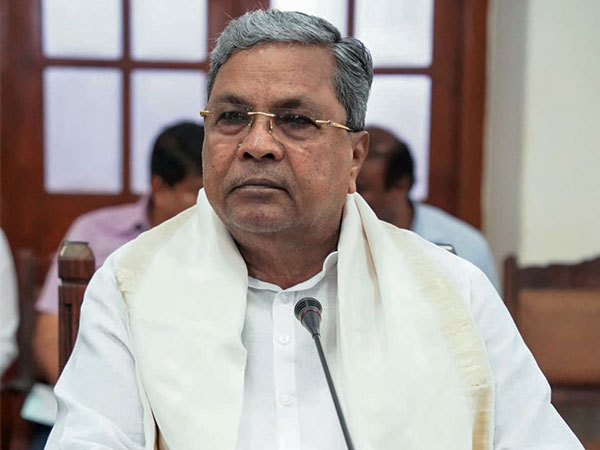
A major political development unfolded in Karnataka as the state government, led by Chief Minister Siddaramaiah, reviewed the findings of the much-awaited caste census report. Presented during a cabinet meeting, the report suggested a significant increase in the reservation quota for Other Backward Classes (OBCs) — from the current 32% to a remarkable 51%. This recommendation, if implemented, could trigger widespread changes in the social, political, and legal fabric of the state.

The Journey of Karnataka's Caste Census

The story behind the caste census report dates back to 2020, when the BJP government, then in power in Karnataka, appointed Jayaprakash Hegde to lead the caste census commission. Despite completing the report, the BJP government chose not to release it, citing political sensitivities. After a change in leadership, the Congress government, under Siddaramaiah, took a decisive step toward transparency. In February 2024, Jayaprakash Hegde officially submitted the final report to the new government, setting the stage for critical policy discussions.

Key Recommendations of the Commission

The most striking proposal from the Jayaprakash Hegde commission is the hike in OBC reservation to 51%. However, the recommendations go further. The commission also suggested shaking things up a bit in how we categorize the OBC list. They want to make sure that the groups within the broader OBC community that don’t get enough attention are actually recognized and can benefit from the resources available.

The government's looking to shake things up by reworking how they classify stuff. They want to tackle the unfairness where a few powerful groups have been reaping most of the rewards while really marginalized communities have been left out in the cold.
 

Government's Next Steps

The Karnataka government has announced that it will finalize its decision regarding the implementation of the commission’s recommendations on April 17. We're going to have a big meeting soon to really dive into what the report means. We'll talk about everything from the legal stuff to how people are reacting to it.

It sounds like the state administration is ready to move ahead, but they also know there might be some legal bumps along the way, especially with the Supreme Court's 50% cap on total reservations hanging over them.
 

Potential Political Impact

The caste census and the resulting policy changes have huge political implications. In Karnataka, OBC communities form a substantial part of the voting population. By expanding reservation benefits, the Congress government may be aiming to solidify its hold over this crucial voter base ahead of future elections.

However, opposition parties like the BJP and JD(S) have expressed caution. They warn that abrupt policy shifts could cause societal tensions and lead to prolonged legal battles. Nevertheless, Congress leaders argue that addressing long-standing social injustices is necessary for building a more inclusive and fair society.

Challenges Ahead: Legal and Social

One of the most significant hurdles for the Karnataka government will be navigating the Supreme Court's guidelines, which currently place a 50% limit on total reservations (as per the 1992 Indra Sawhney judgment). Pushing OBC reservations alone to 51% — without considering SC, ST, and EWS quotas — could invite immediate legal scrutiny.

Legal experts suggest that Karnataka might need to either seek constitutional amendments or provide robust empirical evidence demonstrating the extraordinary need for an exception to the 50% ceiling.

Beyond legalities, there is also the risk of social unrest. Some sections of society, particularly from the general category, have already started expressing concerns about reduced opportunities in jobs and education.

Public Reaction and Stakeholder Opinions

Initial reactions from social justice activists and many OBC organizations have been overwhelmingly positive. They argue that the 32% quota does not reflect the true demographics of Karnataka, where backward classes form a majority of the population.

On the other hand, educational and professional groups have raised apprehensions that such a significant reservation expansion could dilute meritocracy and limit opportunities for deserving candidates from non-reserved categories.

Community leaders have called for open dialogue and phased implementation to ensure that the new policy promotes equality without creating fresh divisions within society.

Why This Move Could Be Historic

If Karnataka successfully raises the OBC reservation to 51%, it would set a new precedent in India’s reservation politics. Other states might follow Karnataka’s lead, especially those with strong demands for caste-based enumeration and proportional representation.

Furthermore, a bold step like this could bring the topic of revisiting the 50% ceiling on reservations back into the national spotlight. Some political observers believe this could even lead to fresh debates and possibly new judicial interpretations on affirmative action in India.
Karnataka
2025-03-11

Karnataka Assembly Passes Greater Bengaluru Governance Bill Amid BJP's Protest

The Karnataka Legislative Assembly has passed the Greater Bengaluru Governance Bill, a move that has sparked intense political debate.So, the Bill is shaking things up in Bengaluru by splitting the Bruhat Bengaluru Mahanagara Palike (BBMP) into a bunch of smaller city corporations. The Congress government thinks this will make things run smoother, but the BJP is pushing back hard, saying it's unnecessary and just a political move.

Key Provisions of the Bill

The Greater Bengaluru Governance Bill aims to decentralize governance by dividing BBMP into a maximum of seven city corporations. In addition, the Bill proposes the establishment of a Greater Bengaluru Authority, which will act as a supervisory body for coordination among these corporations. Another major change introduced by the Bill is extending the tenure of the Mayor and Deputy Mayor to 30 months, instead of the current one-year term.

Government's Justification for the Bill

Deputy Chief Minister D.K. Shivakumar, who's also in charge of Bengaluru's development, stood up for the Bill, explaining that its main goal is to give more power to local people for better management. He thinks this change will make governance stronger by making decisions closer to home and managing city stuff more efficiently.

"We are not destroying Bengaluru, as some opposition members claim. We are working to make Bengaluru stronger by giving it a governance model that suits its rapid growth and evolving needs," said D.K. Shivakumar while addressing the Assembly.

The Congress government believes that dividing Bengaluru into multiple corporations will make administration more efficient and improve civic services in each zone. They argue that smaller municipal bodies will be more responsive to local issues and help in better allocation of resources.

BJP's Opposition to the Bill

The BJP has strongly opposed the Bill, alleging that it is a politically motivated move by the Congress government. BJP leaders have raised concerns that splitting BBMP could weaken Bengaluru's governance rather than improving it.

Leader of Opposition, R. Ashoka, argued that the Bill goes against the vision of former Prime Minister Rajiv Gandhi, who emphasized strengthening local bodies instead of fragmenting them. He also claimed that dividing Bengaluru could set a precedent for other local bodies in Karnataka to demand similar changes, leading to administrative confusion.

BJP MLA S.R. Vishwanath also criticized the move, questioning why the government is keen on dividing BBMP when the city has been functioning under a Chief Commissioner without an elected body for years. He suggested that instead of breaking Bengaluru into parts, the government should conduct elections to form an elected body to manage the city more effectively.

Historical Context of Bengaluru's Administrative Reforms

This is not the first time Bengaluru's governance model has been a subject of political debate. In 2015, there was a proposal to trifurcate BBMP to improve administrative efficiency, but it was eventually shelved due to political opposition. The Congress government’s latest attempt at restructuring the BBMP has revived similar discussions on whether decentralization will help or hinder Bengaluru’s growth.

Potential Impact of the Bill

Supporters of the Bill argue that breaking Bengaluru into smaller corporations will lead to better governance, more efficient service delivery, and quicker response times for civic issues. Each corporation will be able to focus on specific local challenges, leading to better urban management.

However, critics argue that decentralization may lead to administrative fragmentation, making coordination between the different corporations difficult. There are also concerns about resource allocation and potential bureaucratic delays in addressing city-wide issues.

Political Ramifications

The passage of the Bill has intensified the political battle between Congress and BJP in Karnataka. During the Assembly session, BJP leaders staged a walkout in protest, signaling their strong disapproval of the Bill. The opposition claims that the Congress government is pushing this Bill without proper consultation, aiming to gain political control over Bengaluru’s governance structure.

On the other hand, the Congress argues that the BJP’s opposition is merely political posturing and that the Bill is intended to benefit the people of Bengaluru. The political divide over this issue is likely to continue, especially as local elections approach.

Public Reaction and Expert Opinions

Public opinion on the Bill is divided. While some residents welcome the move, hoping it will lead to better governance, others fear that dividing BBMP could result in administrative inefficiencies and lack of coordination. Urban planning experts also have mixed views. Some believe that smaller corporations will allow for more targeted urban development, while others warn that lack of coordination between multiple bodies could lead to governance issues.

Experts also point out that the success of this move will depend on how effectively the Greater Bengaluru Authority coordinates the functioning of the smaller corporations. If the Authority is able to manage city-wide issues efficiently, then decentralization may prove beneficial. However, if inter-corporation disputes arise, Bengaluru's governance may suffer.

Karnataka
2025-03-11

Karnataka Government Launches Investigation into Ranya Rao

The Karnataka government has launched a full-scale investigation into actress Ranya Rao for allegedly misusing VIP airport privileges to smuggle gold. She was recently arrested by the Directorate of Revenue Intelligence (DRI) after being caught transporting gold worth ₹12 crore from Dubai to Bengaluru. This whole situation has really brought up some big concerns about security at airports and how some powerful people misuse their privileges. The investigation is also digging into her stepdad, Dr. K Ramachandra Rao, who’s a high-ranking IPS officer and the Director General of Police in Karnataka. They're trying to figure out if he played any part in helping Ranya Rao with her illegal stuff.

How Ranya Rao Misused VIP Privileges

Reports suggest that Ranya Rao used her stepfather’s influence to gain unauthorized access to VIP airport privileges. These privileges are meant for senior government officials, ministers, and dignitaries to facilitate their travel without delays. However, Ranya allegedly took advantage of this facility to bypass strict customs checks and transport gold bars without being detected. Investigators are digging into how she got past the security system without anyone noticing. They're also trying to figure out if the airport staff or customs officials had any clue about what she was up to or if they helped her sneak the gold through.

Government Appoints Special Investigator

The Karnataka government has appointed Gaurav Gupta, IAS, Additional Chief Secretary, as the head of the investigation. He has been given the task of uncovering how Ranya Rao was able to misuse the VIP protocol and whether any government officials assisted her. The whole investigation should wrap up in about a week, and then they'll send a detailed report over to the government. The authorities are also looking to review the security processes at Bengaluru airport so that nothing like this happens again.

Political Controversy Over the Case

The case has triggered a major political controversy in Karnataka. The opposition BJP has accused the ruling Congress party of shielding Ranya Rao from scrutiny. According to the BJP, the Congress-led government deliberately delayed action against her to protect influential individuals involved in the smuggling racket. The BJP also claims that Congress leaders have links with people engaged in illegal activities, including gold smuggling. On the other hand, the Congress has accused the BJP of double standards, alleging that the previous BJP government in Karnataka granted land to a company linked to Ranya Rao under suspicious circumstances. Both parties are using the case as a political weapon ahead of the upcoming elections.

Concerns Over Airport Security Loopholes

The controversy has also raised concerns about the security loopholes at airports. The fact that a private individual could misuse VIP privileges and smuggle gold undetected has led to calls for stricter regulations. Security agencies are now reviewing protocols for granting VIP access and considering measures to prevent such incidents in the future. The Central Board of Indirect Taxes and Customs (CBIC) has also ordered an internal review of customs procedures at major airports to ensure that no one can exploit their position to bypass security checks.

Legal Consequences for Ranya Rao

Ranya Rao now faces serious legal consequences under the Customs Act and the Prevention of Smuggling Activities Act. If found guilty, she could be sentenced to a long prison term and forced to pay heavy fines. The investigation is also focusing on whether she was working alone or if she was part of a larger gold smuggling network. Authorities are trying to trace the origins of the smuggled gold and identify other individuals who may be involved in the racket.

Impact on Karnataka Police Department

The involvement of a high-ranking police officer’s family member in such a case has raised concerns about corruption within the system. The police department in Karnataka is now under scrutiny, with many questioning whether senior officers are using their influence for personal gains. The government has assured the public that strict action will be taken against anyone found guilty, regardless of their position or influence.

Public Reaction and Future Implications

This case has shocked people across Karnataka and India. Many are closely watching the investigation to see if strict action will be taken or if powerful individuals will escape punishment. The outcome of the inquiry will not only impact Ranya Rao but also influence public trust in the system. The government now faces pressure to ensure that the investigation is conducted fairly and that those responsible are held accountable.

Karnataka
2025-03-07

Karnataka Plans Second International Airport to Ease Air Traffic Congestion

Bengaluru’s Kempegowda International Airport (KIA) is handling more passengers every year. With the city expanding rapidly, the current airport is expected to reach its full capacity soon. To meet future demand, the Karnataka government has planned a second international airport near Bengaluru. On March 7, 2025, the state government sent a proposal to the Union Ministry of Civil Aviation, recommending three possible locations for the new airport. These locations have been chosen based on land availability, connectivity, and expansion potential.

Proposed Locations for the New Airport

The Karnataka government has suggested three locations for the new airport. The first location is along Kanakapura Road in Bangalore Urban district, where about 4,800 acres of land has been identified. The second location is also along Kanakapura Road but falls under Ramanagara district, covering 5,000 acres. The third proposed location is along Kunigal Road in Nelamangala, where authorities have identified around 5,200 acres for the project. The state government has assured the Ministry that at least 4,500 acres of land will be made available at any of these sites if approved.

Connectivity and Infrastructure Advantages

Among these options, the sites along Kanakapura Road are of particular interest because they are diagonally opposite to Kempegowda International Airport. The site near Harohalli in Ramanagara district is also well connected to Bengaluru’s metro network, being just 10 km away from the last station on the Green Line. The site at Kunigal Road in Nelamangala also offers excellent connectivity through national highways, making it a viable option.

Reducing Congestion at Kempegowda International Airport

The government believes that having a second airport in Bengaluru will significantly reduce pressure on Kempegowda International Airport, which is already operating at a high capacity. Right now, the airport sees more than 37 million travelers each year, and that number is only going to go up. Adding a second airport will help with air traffic, make flying a smoother experience for everyone, and keep up with the rising demand for air travel in Karnataka.

Economic Benefits of the Second Airport

Apart from reducing congestion, a second airport will also boost Bengaluru’s economy.With a new airport coming in, it’s likely we’ll see a boost in investments in aviation, logistics, and real estate. Plus, it’s going to help the tourism scene and give businesses a chance to grow thanks to better connections. With better air travel facilities, Bengaluru will strengthen its position as a global business hub.

Job Creation and Infrastructure Development

Another significant advantage of the second airport is the creation of jobs. The construction and operation of the airport will generate thousands of employment opportunities in different sectors, including airport management, transportation, hospitality, and infrastructure development. The presence of a second airport will also encourage the development of new roads, metro lines, and other public transport systems in the surrounding areas.

Approval and Implementation Process

The approval process for the second airport will follow multiple steps. A team from the Airports Authority of India (AAI) will visit the three proposed locations to assess their suitability for airport construction. The team will evaluate factors such as land availability, environmental impact, and existing road and rail connectivity. Based on their recommendations, a financial feasibility study will be conducted to determine the investment required.

Once a site is selected, the government will move forward with land acquisition. The process will involve negotiations with landowners to ensure fair compensation and smooth acquisition of land. After this, the final airport design will be approved, and construction will begin in different phases. The Union Ministry of Civil Aviation will oversee the project to ensure its timely completion.

Challenges in the Project

Despite the potential benefits, the project also comes with challenges. One of the main hurdles is land acquisition, as private landowners may resist selling their land. The government will need to negotiate effectively and offer fair compensation to avoid delays. Another challenge is infrastructure development. For the airport to be successful, proper roads, metro connectivity, and public transport facilities will need to be developed. Additionally, environmental concerns must be considered, as some locations may have forests, water bodies, or wildlife that require protection.

Government’s Commitment to Execution

The Karnataka government has assured that it will take all necessary steps to ensure the smooth execution of this project. The authorities are working towards getting fast approvals, ensuring fair land acquisition, and developing the required infrastructure. The government is also focusing on attracting private and foreign investment to fund the project efficiently.

Karnataka
2025-03-07

Karnataka Budget Allocates Rs 57 Crore to Rebuild Fire-Ravaged Bengaluru Bio-Innovation Centre

The Karnataka government has announced a budget allocation of Rs 57 crore for the reconstruction of the Bengaluru Bio-Innovation Centre (BBC), which suffered extensive damage in a massive fire on January 21, 2024. This move highlights the state's commitment to strengthening its biotechnology sector and ensuring that crucial research and innovation facilities are restored.

The Devastating Fire Incident

Located in Electronics City, Bengaluru, the Bio-Innovation Centre is a major incubation hub for biotech startups and research initiatives. On January 21, 2024, a fire broke out in the facility, causing severe destruction to high-end laboratory equipment and research material. So, it looks like the fire caused a loss of about Rs 150 crore, which is a pretty big hit for the biotech projects and new startups that were counting on the center’s resources.

Budget Allocation and Financial Plan

In the Karnataka Budget 2025-26, Chief Minister Siddaramaiah, who also holds the finance portfolio, announced that Rs 57 crore would be allocated for the centre’s reconstruction. Out of this, Rs 20 crore has been earmarked for the financial year 2025-26, ensuring that immediate steps are taken to restore the facility.

This funding is part of a bigger plan by the Karnataka government to boost its biotech scene, which is super important for bringing in investments and sparking innovation in the state.
 

Importance of Bengaluru Bio-Innovation Centre

The Bengaluru Bio-Innovation Centre has been instrumental in supporting biotech startups, research projects, and industry collaborations. It provides cutting-edge facilities, mentorship, and funding opportunities, helping early-stage biotech firms develop breakthrough solutions in healthcare, agriculture, and environmental sustainability.

Karnataka is known as India’s biotech capital, contributing significantly to the country’s  billion bioeconomy. The state is home to more than 60% of India’s biotech startups, making facilities like the BBC essential for fostering innovation and research.

New Karnataka Biotechnology Policy 2024-2029

The Karnataka government has also launched the Karnataka Biotechnology Policy 2024-2029 to enhance biotech investments and expand the sector’s contribution to the economy.

Key Highlights of the Policy

Attracting Rs 1,500 crore in investments across biotech MSMEs and large firms.

Rs 220 crore in incentives for biotech entrepreneurs and research institutions.

Creation of 30,000 jobs in the biotech sector by 2029.

Support for 300 biotech startups, including 50 high-impact ventures.

Development of biotech clusters to enhance research and industrial collaboration.

Financial and Policy Incentives for Biotech Companies

To encourage more startups and large biotech firms to invest in Karnataka, the government has introduced several financial incentives under the new biotech policy:

Investment Subsidy: Up to Rs 10 crore for biotech manufacturing units.

R&D Support: 50% reimbursement (up to Rs 10 lakh) for purchasing advanced research equipment.

Lease Rental Assistance: Reimbursement of up to Rs 5 lakh for startups.

Employment Incentives: Rs 50,000 per fresher employed in the biotech sector.

Internship Stipend Support: Rs 5,000 per intern to encourage industry exposure.

Impact on Karnataka’s Biotech Growth

The allocation of Rs 57 crore for the BBC’s reconstruction, combined with the new biotechnology policy, is expected to strengthen Karnataka’s position as India’s leading biotech hub. The state government aims to triple Karnataka’s bioeconomy to $100 billion by 2030, making it a global leader in biotech innovation and research.

With this strong financial backing, Karnataka is set to revive and expand its biotech infrastructure, providing startups, researchers, and investors with a world-class environment for breakthrough innovations.

Karnataka
2025-03-07

45 Prisoners Hospitalized Due to Suspected Food Poisoning in Mangaluru Jail

Mangaluru, Karnataka: In a surprising turn of events, 45 inmates from the Mangaluru district jail ended up in the hospital on Wednesday after what seems to be food poisoning from their lunch. It all started when they began feeling intense stomach cramps, vomiting, and diarrhea right after their meal. The jail team jumped into action, quickly getting all the affected inmates to the government-run Wenlock Hospital for immediate help.

Out of the group, one inmate is in really bad shape and has been admitted to the Intensive Care Unit (ICU). This whole incident has raised big questions about the quality of food and hygiene standards in prisons.

Inmates Fell Sick After Eating Rice and Sambar

According to some officials, the lunch served to the inmates included rice and sambar, with their breakfast being 'avalakki' (flattened rice, also known as poha). The food poisoning symptoms kicked in around 3 PM when several inmates started complaining about stomach pain and nausea. As things took a turn for the worse for many, the jail authorities decided it was time to get them to the hospital with police support.

Mangaluru City Police Commissioner Anupam Agarwal confirmed what happened, saying:

Right after lunch, a lot of prisoners started feeling really sick with severe stomach cramps, vomiting, and diarrhea. Seeing how quickly things were getting worse, we made sure to get them to the hospital right away. Medical teams are keeping a close eye on their condition."

Food Samples Sent for Lab Testing

After the outbreak, the jail officials teamed up with health department staff to figure out what went wrong. They collected samples of the food that was served to the inmates and sent them off to a lab for testing.

Medical experts think that it might be due to bacterial contamination or spoiled food. They're also looking into whether poor food handling, unhygienic cooking practices, or expired ingredients had anything to do with it. A senior health officer mentioned:

We’re digging deep to get to the bottom of this poisoning issue. The lab results should tell us if it’s bacterial, toxins, or something else that contaminated the food."

One Inmate in Critical Condition, Others Stabilizing

While most of those affected are dealing with it and responding well to treatment, one inmate is still in critical condition and is receiving intensive care.

Doctors at Wenlock Hospital have assured that necessary medical interventions are being provided.

Authorities have increased monitoring of the remaining inmates in the jail to detect any further health complications. Jail staff have also been directed to review food storage, handling, and preparation practices to prevent future incidents.

Concerns Over Food Safety in Indian Prisons

This incident has once again highlighted the poor food standards in Indian jails. Overcrowding, lack of hygiene, and inadequate food safety measures have been persistent issues in many correctional facilities across the country.

Legal and human rights activists have raised concerns, demanding immediate reforms. One advocate for prisoners’ rights commented:

Prisoners, regardless of their offenses, deserve access to safe and hygienic food. It is the duty of the authorities to ensure their basic rights are upheld. This incident should serve as a wake-up call for prison administrations across the country."

Authorities Promise Stringent Action

In response to public outcry, the district administration has ordered a thorough probe into the incident. If negligence is found, strict action will be taken against those responsible. Jail officials will be held accountable for any lapses in food safety protocols.

A senior official assured:

We are taking this matter very seriously. Any negligence found in food handling, storage, or procurement will lead to disciplinary action. We will also implement stricter hygiene standards in prison kitchens.

Karnataka
2025-03-07

Karnataka Budget 2025: CM Siddaramaiah Shares His Vision for Everyone's Growth

Bengaluru, March 7, 2025 – Karnataka’s Chief Minister Siddaramaiah just dropped his 16th state budget, and it’s all about making sure everyone gets a piece of the pie. He drew from the state’s rich literary and philosophical roots to emphasize his plans for lifting up underrepresented communities, improving infrastructure, and going green.

This year’s budget is set at ₹3.27 lakh crore and is focused on things like social welfare, agriculture, urban development, minority support, and environmental efforts. The goal? Move Karnataka towards fair economic growth while keeping our cultural and social values intact.

A Budget That’s All About Our Roots

During his speech, Siddaramaiah brought up the wisdom of Karnataka’s literary and social reform legends, reinforcing his promise to create a fair and just society:

Kuvempu: Spoke about ‘Vishwamanava’ (Universal Humanism), pushing for unity past social barriers.

Basavanna: Advocated for social change, equality, and breaking down caste divisions through his Vachanas (poetic expressions).

Nuliya Chandayya: A philosopher and poet displaying Karnataka's diverse intellect.

Dr. B.R. Ambedkar: The mind behind the Indian Constitution, fighting hard for social justice and equal rights.

Savitribai Phule: A trailblazer in women’s education, championing female enablement and literacy.

Dr. Ram Manohar Lohia: A socialist leader focused on decentralization and looking out for the less privileged.

By weaving these ideas into his governance approach, Siddaramaiah is working towards a Karnataka where equality, justice, and economic growth are front and center.

Big Budget Breakdown

The ₹3.27 lakh crore budget has some serious funds dedicated to various areas:

 Social Welfare and Economic Boost

₹51,034 crore set aside for sure-fire schemes, making sure marginalized communities get the support they need.

₹5,000 crore for expanding public welfare initiatives, with a focus on improving education, healthcare, and housing.

 Agriculture and Rural Progress

₹51,339 crore earmarked for agriculture, bouncing back after a tough -4.9% last year with a promising 4% growth this year.

Boosted subsidies and credit options for farmers to help them grow more crops sustainably.

Investments in irrigation to tackle drought issues and keep our water secure.

Nuliya Chandayya: A philosopher and poet whose works reflect Karnataka’s intellectual diversity.

Dr. B.R. Ambedkar: Architect of the Indian Constitution, who fought for social justice and equal rights.

Savitribai Phule: A pioneer of women’s education, advocating for female empowerment and literacy.

Dr. Ram Manohar Lohia: Socialist leader who focused on decentralized governance and welfare of the marginalized.

By integrating these ideologies into governance, Siddaramaiah aims to build a state that prioritizes equality, justice, and economic progress

Key Budgetary Allocations and Development Plans

The ₹3.27 lakh crore budget features significant allocations across multiple sectors:

 Social Welfare and Economic Upliftment

₹51,034 crore allocated to guarantee schemes, ensuring financial support for marginalized communities.

₹5,000 crore for expanding public welfare programs, targeting improved education, healthcare, and housing.

 Agriculture and Rural Development

₹51,339 crore dedicated to agriculture, following a 4% sectoral growth from a previous contraction of -4.9%.

Enhanced subsidies and credit schemes for farmers to improve crop productivity and sustainability.

Investments in irrigation projects to combat drought and enhance water security.

 Bengaluru Infrastructure and Urban Growth

The budget places a strong focus on Bengaluru’s development, with record investments in infrastructure:

₹7,000 crore annual grant for Bengaluru’s urban expansion (up from ₹3,000 crore).

₹8,916 crore for a 40.5 km double-decker flyover, easing city traffic congestion.

₹3,000 crore for a 300 km road network, utilizing canal buffer zones for sustainable mobility.

₹660 crore for improving 460 km of arterial and sub-arterial roads within BBMP limits.

₹1,800 crore ‘Brand Bengaluru’ initiative, focusing on urban modernization and sustainability.

Namma Metro Phase-3 expansion to strengthen public transport connectivity.

Empowering Karnataka’s Minority Communities

The budget introduces strong initiatives for minority welfare, focusing on education, economic empowerment, and social inclusion:

Education & Skill Development:

Madrasa modernization with smart boards, computers, and digital learning tools.

Support for minority students to pursue education via the National Institute of Open Schooling (NIOS).

Entrepreneurial Support:

Minority youth start-up initiatives through the Karnataka Minority Development Corporation.

Infrastructure & Community Welfare:

₹1,000 crore for the ‘CM’s Minority Colony Development Program’.

₹150 crore for renovation of Waqf properties and burial grounds.

₹100 crore for Jain, Buddhist, and Sikh community welfare projects.

₹250 crore for Christian community development.

Expansion of Haj Bhavan, Bengaluru, to accommodate more Haj pilgrims and their families.

Honorarium Increases:

Jain priests, Sikh Granthis, and Muslim clerics: ₹6,000/month.

Assistant Granthis and Muezzins: ₹5,000/month.

Environmental Sustainability and Clean Mobility

Karnataka takes a bold step toward sustainability, integrating clean energy and eco-friendly policies:

Tax Incentives for Hybrid Vehicles

Road tax and registration charges abolished for hybrid cars under ₹30 lakh.

Tax rates slashed from 13-18%, making hybrid vehicles more affordable.

Aimed at boosting adoption of cleaner automotive technologies and supporting brands like Toyota.

 EV Manufacturing & Investment Growth

15-25% investment incentives for companies in:

Electric Vehicles (EVs).

EV components and batteries.

EV charging infrastructure.

Target: $6 billion in new investments, aligning with India’s EV adoption goals.

Push to reduce fossil fuel dependency and cut urban pollution levels.

A Progressive Budget for Karnataka’s Future

Siddaramaiah’s 16th budget is a blueprint for Karnataka’s growth, balancing economic expansion with social justice and sustainability.

Karnataka
2025-01-04

Karnataka DSP Arrested and Suspended Over Viral Video Alleging Sexual Harassment

In a deeply troubling incident, a Deputy Superintendent of Police (DSP) in Karnataka has been arrested and suspended following allegations of sexual harassment. The accused officer, identified as Ramachandrappa, was stationed in Madhugiri, Tumakuru district. Widespread indignation and grave worries about wrongdoing by law enforcement have been sparked by the startling disclosures.

The Incident at Madhugiri DSP Office

The incident reportedly occurred on Thursday when a woman approached DSP Ramachandrappa’s office to file a complaint concerning a land dispute. As per the victim's account, the officer allegedly invited her into a private room under the pretense of discussing her grievance. Once inside, he is said to have behaved inappropriately and attempted to harass her.

Unbeknownst to the officer, an onlooker outside the window managed to capture the incident on video. The video, which depicts the DSP acting inappropriately, was quickly circulated on social media, sparking widespread public indignation and prompting high officials to take swift action.

Immediate Police Action and Legal Proceedings

Responding swiftly to the viral video and mounting public pressure, senior police officials took decisive action. DSP Ramachandrappa was arrested under the relevant sections of the Bharatiya Nyaya Sanhita, including:

  • Section 68: Sexual intercourse by a person in authority
  • Section 75: Sexual harassment
  • Section 78: Stalking

Additionally, the officer was suspended from service pending the results of a comprehensive investigation. Authorities emphasized the significance of preserving public confidence in the police force and restated their zero-tolerance attitude against wrongdoing.

Investigation Under Senior Oversight

To ensure fairness and transparency, the case is now being handled by an Additional Superintendent of Police (ASP). The public has been reassured by senior officials that the inquiry would be exhaustive and unbiased, and that the accused officer will face severe disciplinary action if any additional information is discovered.

Response of the Public and Call for Accountability
 

The dissemination of the video ignited considerable outrage, prompting citizens and activists to demand expedited justice and accountability from the police department. Numerous individuals have stressed the critical necessity for systemic reforms to avert similar incidents in the future. Public confidence in law enforcement has taken a hit, and there are growing calls for strict background checks and continuous oversight of officials in positions of authority.

Official Police Response

In an official statement, senior police officials assured the public that strict measures will be enforced against any personnel found guilty of such misconduct. They emphasized that no individual, regardless of their rank or position, would be allowed to misuse their authority. Trust in the police force remains a top priority, and this incident is being treated with the utmost seriousness.

A Critical Wake-Up Call for Reforms

This incident underscores the pressing need for robust internal checks and better accountability systems within the police force. Law enforcement agencies must prioritize sensitivity training and strict adherence to ethical conduct to prevent such shameful acts.

Authorities have urged the public to remain vigilant and report any similar incidents without fear of reprisal. The investigation is ongoing, and further updates are expected as law enforcement continues to delve deeper into the case.

The road ahead demands not only justice for the victim but also systemic changes to ensure that no citizen faces such trauma in the future.

Karnataka
2024-11-08

Farmers in Gadag Alarmed as Mutt, Farmland, and Gr

In Gadag, farmers, devotees, and residents of Naregal town are voicing their concerns after discovering that several significant properties, including the 500-year-old Annadaneshwar Mutt’s dining hall, surrounding farmland, and a historic graveyard, have been classified as Waqf properties. This revelation has led to widespread confusion and anxiety among those who rely on these lands for their livelihoods.

Waqf Properties Affecting Local Farmers

The farmland in question includes nearly 50 acres near Naregal, as well as revenue department land near Hunasikatti village, which was previously a graveyard. Farmers who depend on these lands for cultivation have been particularly alarmed, as they face challenges in accessing their property and fear losing their right to use it for farming. The issue was first raised when residents discovered a board outside the graveyard in 2019 stating that it was "Chikkanaragund Malan Waqf property," leading to a prohibition on entry.

In addition to the farmland, the Annadan Vijay Vidya Prasarak Committee's property, historically tied to the Annadaneshwar Mutt, is now under the control of the Rahman Shah Vali Dargah and listed as Waqf land in the records. This has caused significant unrest among the local community, especially devotees of the Mutt, who are unhappy to learn that the sacred institution’s dining hall is now listed as Waqf land.

A Historic Mutt’s Property in Question

The Annadaneshwar Mutt, a revered religious institution with a history spanning over five centuries, has always been a symbol of community service. However, the recent development regarding the mutt’s dining hall has left the devotees feeling betrayed and confused. Muppin Baavalinga Seer, the head of the Annadaneshwar Mutt, expressed deep disappointment over the mutt’s dining hall being classified as Waqf land, a designation which has raised concerns among local residents who depend on the Mutt for spiritual and social gatherings.

Legal and Administrative Uncertainty

In response to these growing concerns, a group of farmers from Laxmeshwar town has filed formal complaints with the tahsildar after discovering that land records for 50 acres show the land as Waqf property. The farmers are unable to sell or avail themselves of government schemes due to the presence of Waqf in the property records. They have called upon the local administration for assistance, citing the negative impact this designation is having on their daily lives.

The farmers argue that the land, which they have farmed for generations, should not be classified as Waqf, and they are demanding clarification and action from the authorities. Many are unable to make improvements to the land, apply for loans, or even sell their properties due to the ongoing ambiguity over the status of these lands.

The Community Struggle

In addition to the concerns of farmers, the issue has also raised broader questions about the administration and management of Waqf properties in the region. The local community is growing increasingly frustrated with the lack of transparency and communication from the government. The designation of so many properties as Waqf lands without clear explanation has led to widespread fear and confusion, with many locals feeling that they are being deprived of their rightful property.

MLA GS Patil of Ron constituency, who was approached by the residents for help, assured the villagers that he would investigate the matter and take action as soon as possible. However, many locals are skeptical about the timely resolution of their concerns, given the complexity of Waqf land regulations and the delays that have already been encountered.

Steps Towards Resolution

A Gadag district administration official reassured the public that the government is aware of the complaints and that they are working on resolving the issue. "We understand the concerns of the farmers and the community. There are many complaints regarding the Waqf properties, and we will address them soon. The farmers need not worry, and we are committed to assisting them," the official said.

Despite these assurances, the situation remains tense, as residents and farmers await clarity on the matter. The classification of farmland and religious properties as Waqf has raised pressing questions about the balance between preserving cultural heritage and ensuring that local communities retain access to the lands they have traditionally relied upon.

A Call for Dialogue and Action

The ongoing situation in Gadag calls for open dialogue between the Waqf Board, local authorities, and affected farmers. As the issue continues to develop, the residents of Naregal and Laxmeshwar are calling for a solution that respects both the historical significance of the Waqf properties and the rights of those who depend on the land for their livelihoods.

Local leaders, including MLA GS Patil, must ensure that the concerns of farmers and the community are heard and addressed in a timely manner, as the legal and social ramifications of this issue continue to unfold. Only through effective communication, legal clarity, and appropriate action can the concerns of those affected be resolved, restoring trust in the administration and ensuring a fair resolution for all parties involved.

/ Home / karnataka

Karnataka

  • Karnataka’s Rape Conviction Rate Stands at Just
    My India Times      2024-11-08  141

    Karnataka’s Rape Conviction Rate Stands at Just

    In Karnataka, the conviction rate for rape cases remains alarmingly low at just 0.36%, according to the latest data from the State Crime Records Bureau (SCRB). This statistic paints a bleak picture of the justice system, where only six out of 1,624 rape cases registered between 2022 and September 2024 resulted in convictions. Meanwhile, 74 cases ended in acquittals, and 104 cases were found to be false, raising concerns about systemic failures in handling such sensitive and grave matters.

    Experts attribute the poor conviction rate to a multitude of factors, ranging from delays in trials to inadequate investigations and a shortage of judicial resources. Delays in court proceedings, often spanning years, weaken cases and cause crucial evidence and witness testimonies to become inconsistent. The backlog of cases, caused by a shortage of judges and overloaded courts, further exacerbates the issue, with some trials taking up to 5 years to reach conclusion.

    Key Challenges Facing the Legal System

    The delay in trials, according to former Director General of Police (DGP) ST Ramesh, is one of the primary reasons for the low conviction rate. "A delay in trial hampers the effectiveness of the case," Ramesh explained. "Witnesses often forget important details over time, and inconsistencies in their testimonies give the defense an advantage. Moreover, the length of legal procedures and frequent adjournments requested by lawyers contribute to the already overwhelming backlog of cases."

    Ramesh further emphasized that improving the quality of investigations is crucial to boosting the conviction rate. Proper documentation of evidence, including oral, circumstantial, forensic, and medical evidence, is vital in building a strong case that can stand up in court. He also pointed to the need for better witness protection laws, noting that witness intimidation and hostile testimonies are common issues that undermine the judicial process. "An exclusive witness protection law is critical to ensure that victims and witnesses are not coerced into changing their statements," he added.

    Systemic Issues and Social Stigma

    Rajalaxmi Ankalagi, an advocate and social activist, highlighted that the lack of thorough investigations and insufficient evidence often leads to prolonged trials and weakened cases. "In many rape cases, the accused are known to the victim—fathers, uncles, or grandfathers—making the situation even more complicated. The fear of social stigma often prevents victims from reporting crimes, especially when the perpetrator is a family member or someone within their social circle," Ankalagi said.

    She also pointed out that societal pressures, including concerns about family reputation, lead many cases to be compromised or withdrawn, further hindering justice. "These delays not only cause trauma for the victims, but they also affect their mental health," Ankalagi stated. "It is critical to create a fast-track system for such cases and ensure that the courts are adequately equipped to dispose of them swiftly."

    Need for Fast-Track Courts and Legal Reforms

    In response to the alarming conviction rates, legal experts and police officers are calling for significant reforms, including the establishment of more fast-track courts dedicated to rape cases. These courts would be tasked with expediting the legal process, ensuring timely trials and reducing the backlog of cases. Additionally, some advocates suggest that audio and video recording of victim and accused testimonies could help streamline the process, reducing the time spent on manual transcriptions and ensuring greater accuracy.

    The need for an overhaul of the entire judicial process from complaint registration to trial has never been more urgent. "The entire system needs a complete revamp," Ankalagi stressed. "There should be better mechanisms for evidence collection, faster trials, and an emphasis on trauma-informed care for victims throughout the legal process."

    Addressing False Cases

    Another challenge contributing to the low conviction rate is the rise of false rape accusations. While consensual acts may sometimes later be reported as rape due to misunderstandings or personal conflicts, this practice undermines the credibility of genuine cases. According to law enforcement officials, it is essential to distinguish between false and legitimate cases, as false accusations can tarnish the integrity of the justice system and divert attention from real victims.

    As of September 2024, Bengaluru reported the highest number of rape cases in the state, with 131 such incidents. Other districts like Tumakuru, Chikkaballapur, and Hassan followed with lower but concerning figures. Moreover, cases of sexual violence by known perpetrators, including relatives, neighbors, and acquaintances, account for a significant proportion of rape incidents, underscoring the need for a nuanced approach in handling these sensitive cases.

    Moving Forward: A Call for Reform

    The low conviction rate in Karnataka's rape cases signals a crisis in the state's criminal justice system, and the calls for urgent reforms have grown louder. Legal professionals, activists, and former police officials are united in urging the government to take immediate action to improve investigations, expedite trials, and implement a robust witness protection program.

    In the face of these challenges, the onus is on both the judicial and law enforcement systems to ensure that victims of sexual violence receive justice. The state's authorities must address the systemic issues at play, starting with better resources for the courts, improved training for investigators, and a commitment to reducing delays in the trial process. Only through a comprehensive overhaul of the legal and investigative systems can Karnataka begin to provide justice for the many survivors of sexual violence whose cases currently languish in courts.

    …
  • CM Siddaramaiah Responds to Allegations Amid Criti
    My India Times    2024-11-08  135

    CM Siddaramaiah Responds to Allegations Amid Criti

    In a fiery speech delivered at a public rally in Bommaghatta, Ballari district, Karnataka Chief Minister Siddaramaiah defended himself against accusations related to the alleged MUDA site allotment scam, asserting that these charges were part of a broader political campaign orchestrated by the Bharatiya Janata Party (BJP). He emphasized that the allegations against him were a retaliation for his outspoken criticism of Prime Minister Narendra Modi and his policies.

    The CM, while rallying support for Congress candidate Annapoorna in the Sandur constituency, passionately addressed the accusations, asserting, “The BJP is targeting me because I have been vocal about Prime Minister Modi’s broken promises. I pointed out the falsehoods regarding the creation of 2 crore jobs every year and the unfulfilled promise of Rs 15 lakh in every citizen’s bank account. For calling out these lies, I have become their target. The BJP is misusing central agencies like the Income Tax Department and Enforcement Directorate to intimidate me.”

    Siddaramaiah’s comments came in the wake of the recent political turmoil, where his name was linked to an alleged scam concerning the allotment of sites by the Mysuru Urban Development Authority (MUDA). He categorically denied any involvement, asserting that he had done nothing wrong and would not be intimidated by the BJP’s tactics.

    A Defiant Siddaramaiah on Governance

    Siddaramaiah, whose Congress government in Karnataka recently completed a year and a half in power, also spoke confidently about the state’s governance under his leadership. Referring to the success of his government over the past 18 months, he stated, “We came to power with the mandate of 136 MLAs, and we have been providing the people of Karnataka with governance that is transparent, inclusive, and accountable. There is no question of changing the leadership at this stage.”

    In his speech, the CM made it clear that the next three-and-a-half years of his term would see the continuation of the Congress government’s welfare programs and developmental initiatives. His remarks appeared to put to rest any speculations about a possible leadership change within the state government.

    Political Allegations and BJP's Strategy

    Siddaramaiah’s accusations of political targeting underscore the escalating tensions between the Congress party and the BJP, especially in Karnataka, where both parties are vying for dominance. With state elections looming, the stakes are high, and political mudslinging has become a key feature of the campaign.

    The CM’s remarks reflect a growing frustration with what he perceives as the BJP’s attempts to stifle opposition voices by leveraging state agencies for political purposes. He pointed to the BJP’s alleged pattern of using institutions like the Income Tax Department and Enforcement Directorate to attack opponents of the central government, a move that many opposition leaders have decried as an abuse of power.

    Siddaramaiah's Longstanding Critique of PM Modi

    Siddaramaiah’s criticisms of PM Modi and his policies are not new. Throughout his political career, the Karnataka CM has been a vocal critic of the Prime Minister, especially concerning issues like job creation, the handling of the economy, and the government’s response to the COVID-19 pandemic. His reference to Modi’s unfulfilled promises of 2 crore jobs and Rs 15 lakh for every citizen is part of a larger narrative that the Congress party has consistently used to challenge the Prime Minister's credibility.

    The CM’s latest statements also mirror the broader opposition narrative that accuses Modi of failing to deliver on key election promises. Siddaramaiah’s comments about the misuse of central agencies to intimidate political opponents align with the sentiments expressed by several opposition leaders who argue that the ruling party has weaponized institutions to silence dissent.

    Political Landscape in Karnataka

    The ongoing political drama in Karnataka is playing out against the backdrop of an intense electoral battle. While the Congress party currently holds power in the state, the BJP is determined to challenge its dominance in the upcoming elections. Siddaramaiah’s speech in Ballari is part of a larger effort to solidify Congress's hold on Karnataka, especially in regions where the BJP has historically had strong support.

    With the BJP accusing the Congress of corruption and inefficiency, and the Congress hitting back with charges of central government overreach, Karnataka remains a key battleground in Indian politics. The coming months will see both parties intensify their campaigns, with Siddaramaiah and PM Modi at the center of the political storm.

    As the state gears up for the next round of elections, Siddaramaiah’s defiance and commitment to his leadership will be tested, and the outcome will likely shape the future political landscape of Karnataka. The Chief Minister’s claims of a “good governance” track record will be scrutinized further, especially as the election season heats up and more political revelations come to the forefront.

    …
  • BBMP Takes Stringent Action on Property Tax Defaul
    My India Times    2024-11-08  121

    BBMP Takes Stringent Action on Property Tax Defaul

    Bengaluru’s Bruhat Bengaluru Mahanagara Palike (BBMP) Chief Commissioner, Tushar Giri Nath, conducted a routine zonal inspection in the Rajarajeshwari Nagar (RR Nagar) zone on November 8, where he took firm action regarding the issue of overdue property taxes. During his inspection, Giri Nath issued a directive to BBMP officials to seal non-residential buildings with outstanding property tax payments, underscoring the importance of strict tax recovery measures.

    The Chief Commissioner’s move is aimed at addressing the significant backlog of unpaid taxes that have accumulated over the years, urging officials to prioritize recovery and take swift action against property owners who are non-compliant with tax regulations. The directive comes as part of the ongoing efforts by the BBMP to improve revenue collection and streamline its operations in the city.

    Giri Nath, while visiting several ongoing development projects in the RR Nagar zone, emphasized the importance of ensuring that property tax dues are settled on time to aid the development and infrastructure projects within Bengaluru. He noted that sealing properties with unpaid taxes is an effective way to instill accountability and encourage timely payments, especially for non-residential buildings that contribute to the city’s growing tax base.

    Focus on Infrastructure: White-Topping Project Inspected

    Along with addressing property tax recovery, Giri Nath also took time to inspect the ongoing white-topping project on the 950-meter stretch of MEI Road in Yeshwantpur. The white-topping project, which aims to improve road quality and reduce maintenance costs, is part of BBMP's broader initiative to enhance the city's infrastructure.

    White-topping involves laying a thick layer of concrete on existing asphalt roads, which improves durability and provides better traffic safety. Giri Nath expressed satisfaction with the progress of this project, stressing its importance for improving road conditions and reducing the costs of frequent repairs.

    Addressing the Challenges of Revenue Collection

    BBMP has been under pressure to improve its revenue collection systems and combat property tax evasion, which has long been an issue for the city's municipal body. The Chief Commissioner’s directive comes after a series of consultations and efforts to digitize the tax collection process and bring more transparency to the system.

    While sealing properties for unpaid taxes is a necessary measure, Giri Nath also hinted at exploring alternatives, including better communication with property owners and offering payment plans, to encourage compliance without resorting to punitive measures. However, with mounting financial challenges faced by the BBMP, the urgency of this step has only grown.

    Public Reaction and Impact

    The decision to seal properties has sparked mixed reactions among residents and business owners in Bengaluru. While some property owners have expressed concerns about the potential financial burden of the overdue taxes, many acknowledge that tax payment is crucial for the development and betterment of the city’s infrastructure.

    The BBMP's action has also garnered support from city residents, who believe that holding property owners accountable will help ensure that funds are allocated properly for city development, maintenance, and public services. Furthermore, with the city’s rapid urbanization, timely property tax payments are becoming increasingly vital for financing the growing needs of infrastructure and public welfare services.

    Looking Ahead: BBMP's Strategy for Better Tax Collection

    This move by the BBMP Chief Commissioner is part of a broader strategy to ensure fiscal discipline and efficient utilization of resources. By focusing on recovering overdue taxes and prioritizing development projects, the BBMP is signaling a renewed commitment to making Bengaluru a cleaner, safer, and better-managed city. Officials have hinted that more stringent actions may be taken in the coming months to address property tax defaulters across other zones of the city as well.

    As the city continues to grow, both in terms of population and infrastructure, the BBMP's role in maintaining an efficient and transparent tax system becomes even more critical. For residents, the hope is that these actions will result in improved services, better roads, and an overall enhancement of Bengaluru's infrastructure.

    …
  • The Bahmani Dynasty: The Rise of Bidar and Its Arc
    My India Times   2024-11-08  155

    The Bahmani Dynasty: The Rise of Bidar and Its Arc

    The Bahmani Sultanate, one of the most significant Islamic dynasties in medieval India, made a monumental shift in 1422 when it moved its capital from the city of Gulbarga (modern-day Kalaburagi) to Bidar, a city now known for its rich history and magnificent architectural contributions. This relocation, orchestrated under the rule of Ahmad Shah I, came at a time when the dynasty was grappling with political instability, yet it marked the beginning of an era that would witness the flourishing of Islamic culture and architectural grandeur in southern India.

    Ahmad Shah I's decision to move the capital was driven not only by the political unrest in Gulbarga but also by strategic concerns, placing the Sultanate in a more secure and advantageous position. Despite the challenges, Ahmad Shah I's leadership helped stabilize the kingdom, and his rule became known for fostering both cultural and architectural excellence, making Bidar a beacon of innovation in the Bahmani dynasty.

    Architectural Legacy of the Bahmani Sultanate in Bidar

    Under Ahmad Shah I’s patronage, Bidar transformed into a flourishing hub of culture and architecture. The Sultan’s reign is particularly remembered for the construction of some of the most awe-inspiring buildings that have stood the test of time. Among these, the Bidar Fort is perhaps the most prominent symbol of the dynasty’s architectural prowess. Constructed with formidable defenses, the fort is known for its intricate designs, strategic placement, and grandeur, all reflecting the power and ingenuity of the Bahmani rulers.

    The fort's most striking feature is its majestic entrance gates and fortified walls, complemented by the Mahmud Gawan Madrasa, an architectural marvel that played a pivotal role in the intellectual and cultural growth of the region. Named after Mahmud Gawan, the Persian scholar and statesman who was instrumental in the development of Bidar, the madrasa remains one of the most significant educational structures of the medieval Islamic world. The madrasa's intricate tile work and expansive courtyard symbolize the fusion of Persian, Turkish, and Indian architectural styles, creating a lasting impression of the Bahmani Sultanate's legacy in Bidar.

    Cultural Flourishing and the Legacy of Ahmad Shah I

    Although Ahmad Shah I faced considerable internal strife and challenges from factions within the Sultanate, he succeeded in creating an environment conducive to scholarly pursuits and artistic expression. Bidar became a cultural center, attracting poets, philosophers, and artisans from across the Islamic world. His reign saw the construction of several other buildings, including mosques and tombs, which blended Islamic architectural traditions with local styles, giving rise to a unique Deccan architecture.

    The support of art and literature during this period resulted in the production of many works of Persian literature, contributing to the rise of Bidar as a prominent center for intellectual activities. The Bahmani rulers were particularly known for their patronage of the arts, which led to the development of the Deccan style of painting and the popularization of Persian poetry and calligraphy. The Mahmud Gawan Madrasa, in addition to its educational role, became a hub for such cultural exchanges.

    The Decline and Lasting Influence

    Despite its many achievements, the Bahmani Sultanate faced political turmoil after the death of Ahmad Shah I. However, his legacy continued to influence the region, particularly through the architectural masterpieces he left behind in Bidar. Even as the Sultanate eventually fragmented into the Deccan Sultanates, Bidar retained its importance as a center of culture and learning.

    Today, the remnants of the Bahmani dynasty's rule, particularly in Bidar, continue to attract historians, architects, and tourists. The Bidar Fort, Mahmud Gawan Madrasa, and several tombs and mosques stand as enduring testaments to the architectural and cultural zenith of the Bahmani Sultanate under Ahmad Shah I’s reign.

    …
  • hostinger
  • Union Finance Minister Nirmala Sitharaman Highligh
    My India Times    2024-11-08  68

    Union Finance Minister Nirmala Sitharaman Highligh

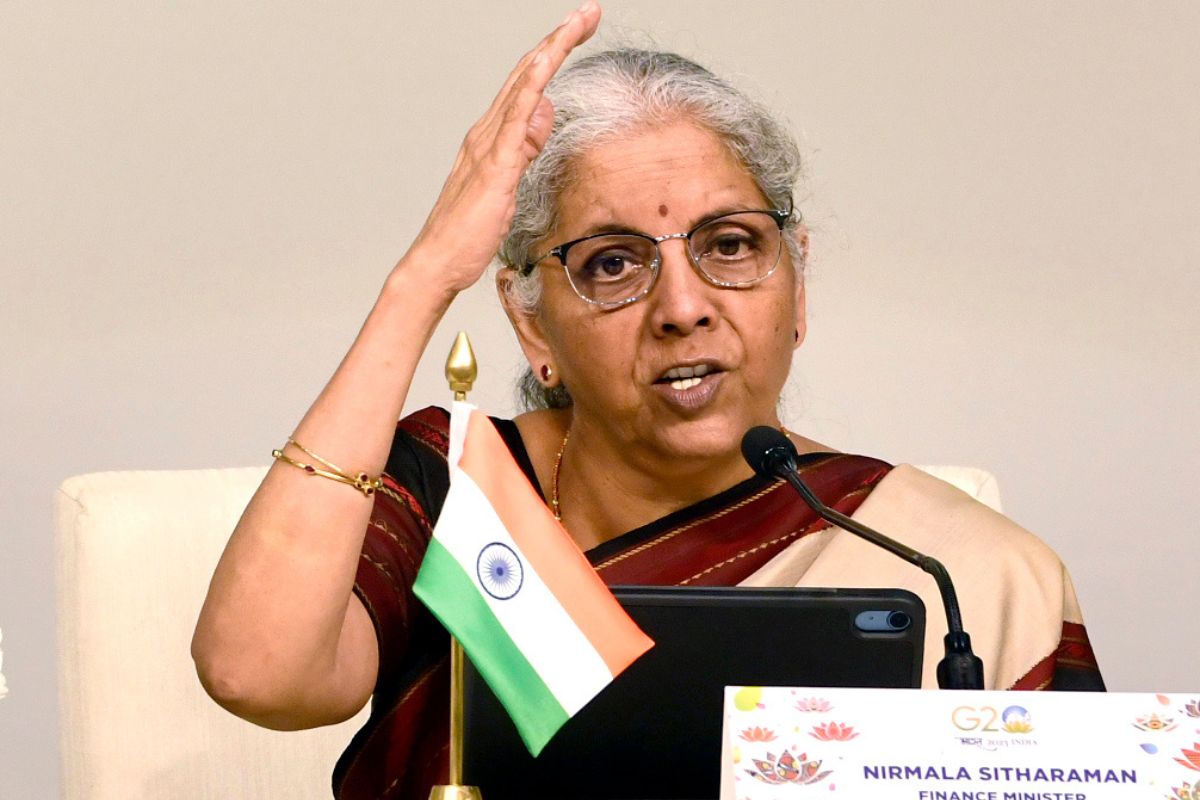
    Mysuru, November 8, 2024 – Union Finance Minister Nirmala Sitharaman addressed concerns regarding Karnataka’s development, particularly in the wake of growing attention on the state’s tourism and economic progress. In her speech at the inauguration of the Mysuru Sangeetha Suganda Music Festival at the KSOU Convocation Hall on Thursday, Sitharaman took the opportunity to present six significant initiatives to emphasize that the Central Government has not overlooked Karnataka, and particularly Mysuru, a city known for its cultural heritage and tourism.

    “With the Karnataka government’s representative by my side, I would like to present six crucial points to underline the Central Government’s continuous commitment to the development of the state, especially Mysuru,” Sitharaman remarked, addressing the gathered audience which included prominent figures from the government and the cultural sector.

    Sitharaman’s comments aimed to reassure the people of Karnataka that their concerns were being heard at the highest levels, focusing on key projects aimed at boosting tourism, infrastructure, and cultural heritage preservation.

    Six Key Points Highlighted by Sitharaman

    Boost to Tourism Infrastructure: Sitharaman pointed out the government’s efforts to enhance Karnataka’s tourism infrastructure, with Mysuru as a central focus. With the state seeing increased tourist footfall, several projects aimed at upgrading facilities and creating a more immersive experience for visitors have been put into motion. "Tourism is vital not only for Mysuru but for the entire state, and the Centre has ensured substantial funds for infrastructure development," she added.

    Mysuru as a Cultural Hub: Sitharaman emphasized Mysuru’s importance as a cultural hub, particularly in light of its classical music and dance heritage. “Mysuru’s rich traditions have made it a beacon for culture in India, and the Centre continues to support its growth through initiatives like the Mysuru Sangeetha Suganda Music Festival, which showcases the city's historical connection to classical music,” she noted.

    Funding for Heritage Conservation Projects: Highlighting the government's commitment to preserving the state's heritage, Sitharaman mentioned the allocation of funds for the restoration and conservation of historical monuments in Mysuru. “We have set aside a dedicated budget for preserving the grandeur of Mysuru’s iconic structures, which attract visitors from around the world,” she said.

    Skill Development Programs: The Finance Minister also pointed out the launch of skill development programs aimed at the youth of Karnataka, particularly in the tourism and hospitality sectors. “These programs are designed to empower the youth of Mysuru and other parts of Karnataka with skills that align with the growing demand in the tourism and service industries,” she shared.

    Connectivity Boost with National and International Routes: Sitharaman addressed the significant progress made in improving connectivity in Karnataka, especially between Mysuru and major tourist destinations. “We are working closely with the state government to ensure better connectivity through both road and air, making Mysuru more accessible to tourists from both India and abroad,” she said.

    Financial Assistance for Local Artisans and Artists: Lastly, Sitharaman touched upon the support being provided to local artisans and artists in Mysuru, particularly those involved in traditional crafts and performing arts. “Our government is offering financial aid and marketing opportunities to local craftsmen, ensuring their unique talents are preserved and showcased to the world,” she explained.

    A Pledge of Continued Support

    The Finance Minister concluded her speech by reaffirming that Mysuru, and Karnataka at large, would continue to receive both financial and developmental support from the Centre. “The projects we have initiated are just the beginning. We are committed to making Karnataka a global tourism and cultural destination while ensuring sustainable growth for its people,” she said, with strong conviction.

    The event also saw performances by local musicians, as the Mysuru Sangeetha Suganda Music Festival continued its tradition of celebrating Karnataka’s rich cultural legacy. Local residents and tourists alike were seen coming together to enjoy the festivities, with many expressing their appreciation for the government's efforts to put Mysuru on the national map.

    As Mysuru continues to grow as a cultural and tourism hub, Sitharaman’s remarks highlighted the collaborative efforts between the Centre and the state government to enhance its global standing while preserving its historical and cultural heritage.

    …
Error: Invalid API key. Please see https://openweathermap.org/faq#error401 for more info.