
Breaking News

Maha Kumbh 2025: Over 6.2 Million Devotees Take Holy Dip at Sangam on Basant Panchami’s Final ‘Amrit Snan’
RRB ALP 2025: City Intimation Slip Released, Exam Dates Announced

  • Facebook
  • X
  • LinkedIn
  • Youtube
  • Instagram
  • Whatsapp
  • Login
  • Advertisie with Us
My India Times My India Times News

My India Times News

  • ℃
  •   
  • Login
My India Times Logo
Billingezy
  • Home
  • India
    • India
    • Andhra Pradesh
    • Arunachal Pradesh
    • Assam
    • Bihar
    • Chhattisgarh
    • Goa
    • Gujarat
    • Haryana
    • Himachal Pradesh
    • Jharkhand
    • Karnataka
    • Kerala
    • Madhya Pradesh
    • Maharashtra
    • Manipur
    • Meghalaya
    • Mizoram
    • Nagaland
    • Odisha
    • Punjab
    • Rajasthan
    • Sikkim
    • Tamil Nadu
    • Telangana
    • Tripura
    • Uttar Pradesh
    • Uttarakhand
    • West Bengal
    • Andaman and Nicobar Islands
    • Chandigarh
    • Dadra and Nagar Haveli and Daman and Diu
    • Delhi
    • Lakshadweep
    • Ladakh
    • Jammu and Kashmir
    • Puducherry
  • World
  • Crime
  • Interactive Maps
  • Business
  • Technology
  • Education
  • Health Care
  • Chemical
  • Top Stories
  • Entertainment
    • Entertainment
    • Bollywood
    • Web Series
    • Film-Review
    • South Movies
  • Agriculture
  • Religion
    • Religion
    • Festivals
    • Video
    • Astrology
    • Stories
  • Sports
    • Sports
    • Upcoming Match
    • Cricket
    • Hockey
    • Olympic
    • IPL
  • Election
  • Calculators
  • Travel
  • Awareness
  • Universe
    • Earth
    • Ocean
    • Space
  • Home
  • India
    • Uttar Pradesh
    • Delhi
    • Punjab
    • Rajasthan
    • Uttarakhand
    • Bihar
    • Jharkhand
    • Madhya Pradesh
    • Haryana
    • Himachal Pradesh
    • West Bengal
    • Telangana
    • Jammu & Kashmir
    • Andhra Pradesh
    • Arunachal Pradesh
    • Assam
    • Chhattisgarh
    • Goa
    • Gujarat
    • Karnataka
    • Kerala
    • Manipur
    • Meghalaya
    • Maharashtra
    • Nagaland
    • Odisha
    • Sikkim
    • Tamil Nadu
    • Andaman & Nicobar
    • Chandigarh
    • Ladakh
    • Lakshadweep
    • Puducherry
    • Dadra & Nagar Haveli and Daman & diu
    • Tripura
    • Mizoram
  • World
  • Crime
  • Crime Map
  • Business
  • Technology
    Playing GIF
  • Education
    Playing GIF
  • Health Care
  • Travel
  • Calculators
  • Awareness
  • Universe
    • Earth
    • Space
    • Ocean
  • More
    • Chemical
    • Entertainment
      • TV
      • Bollywood
      • Web Series
      • Flim Review Hot
      • South Movies
    • Agricluture
    • Top Stories
    • Religion
      • Festivals
      • Video
      • Astrology
      • Stories
    • Election
    • Sports
      • Upcoming Match Hot
      • Cricket
      • Hockey
      • Olympic
      • IPL
  •   ℃
  •   
Maharashtra
2025-02-21

Rekha Gupta Sworn In as Delhi’s Fourth Woman Chief Minister

In a historic event at Delhi's Ramlila Maidan on February 20, 2025, Rekha Gupta was sworn in as the Chief Minister of Delhi, marking the Bharatiya Janata Party's (BJP) return to power in the national capital after 27 years. The ceremony was graced by prominent leaders, including Prime Minister Narendra Modi, Union Home Minister Amit Shah, and BJP National President JP Nadda.

Eknath Shinde's Heartfelt Congratulations

Maharashtra Deputy Chief Minister Eknath Shinde expressed immense joy over Rekha Gupta's elevation, referring to her as 'Ladli Behna' (beloved sister). He stated, "It is a matter of joy that our 'Ladli Behna' will take the oath in Delhi... We thank PM Modi for this..."

Rekha Gupta: A Journey from Grassroots to Leadership

Rekha Gupta's political journey exemplifies a profound commitment to grassroots activism. Initiating her career with the Akhil Bharatiya Vidyarthi Parishad (ABVP) at Delhi University, she held the position of President of the Delhi University Students' Union (DUSU) during the 1996-97 academic year. Her dedication continued through her role as general secretary of the BJP Mahila Morcha in Delhi and as a member of the party's national executive committee. In these positions, she led various initiatives aimed at empowering marginalized communities and promoting women's welfare. 

A Historic Milestone: Delhi's Fourth Woman Chief Minister

Gupta's ascension marks her as the fourth woman to hold the Chief Minister's office in Delhi, following in the footsteps of leaders from the BJP, Congress, and Aam Aadmi Party. She succeeds Atishi and brings a renewed focus on inclusive governance and development.


Commitment to Fulfilling Party Promises

In her inaugural address, Chief Minister Gupta emphasized her dedication to the promises made by the BJP during the election campaign. She stated, "It is a huge responsibility. I thank PM Modi and BJP high command for having faith in me... I will fulfill my responsibility with utmost honesty... My primary objective is to fulfill all commitments made by our party. Additionally, I emphasized the necessity of solidarity among the 48 BJP MLAs to ensure cohesive and effective governance.


Formation of the New Cabinet

Alongside Chief Minister Gupta, six ministers were sworn into the Delhi cabinet: Parvesh Sahib Singh, Ashish Sood, Manjinder Singh Sirsa, Ravinder Indraj Singh, Kapil Mishra, and Pankaj Kumar Singh. This team is poised to address key issues facing the capital, from infrastructure development to social welfare programs.


Prime Minister Modi's Endorsement

Prime Minister Narendra Modi lauded Gupta's journey and expressed confidence in her leadership. He remarked, "She has risen from the grassroots, being active in campus politics, state organization, municipal administration, and now MLA as well as Chief Minister... I am confident she will work for Delhi's development with full vigor."


A New Era for Delhi

The BJP's victory, securing 48 out of 70 seats in the assembly polls, signifies a significant shift in Delhi's political landscape. As the new government takes charge, there is a palpable sense of optimism and anticipation among Delhi's residents. The administration, under Chief Minister Gupta's leadership, is expected to prioritize transparency, development, and the welfare of all citizens, aiming to transform Delhi into a model of urban governance and inclusive growth.

As Delhi embarks on this new chapter, the collaborative efforts of the Chief Minister and her cabinet will be crucial in addressing the challenges ahead and fulfilling the aspirations of its diverse populace.
Maharashtra
2025-02-21

dhananjay munde’s health struggles and the political impact of his bell’s palsy diagnosis

Maharashtra’s Food and Civil Supplies Minister, Dhananjay Munde, recently revealed that he has been diagnosed with Bell’s Palsy, a condition that affects facial muscles, making it difficult to speak. This unexpected health issue has forced him to step away from official duties and cabinet meetings temporarily.

Munde had previously undergone eye surgery under the supervision of Dr. T.P. Lahane, a renowned ophthalmologist. Following the surgery, he was advised to avoid exposure to strong light, dust, and sunlight to ensure a smooth recovery. However, while recovering from his eye procedure, he started experiencing facial weakness, which led to the diagnosis of Bell’s Palsy.


common symptoms of bell’s palsy

facial drooping: One side of the face may appear sagged or stiff.

difficulty closing one eye: The inability to blink properly can lead to dry eyes and irritation.

slurred speech: The condition makes clear speech challenging.

loss of taste: Some patients may experience partial or total loss of taste.

sensitivity to sound: Sounds may appear louder in one ear, causing discomfort.

Munde is currently undergoing treatment at Reliance Foundation Hospital under Dr. Arun Shah. Although Bell’s Palsy is usually temporary, full recovery may take weeks or even months depending on the severity of nerve damage.


impact on his ministerial duties

Due to this health issue, Munde has been unable to attend cabinet meetings and public functions. He has informed Chief Minister Devendra Fadnavis and NCP Chief Ajit Pawar about his condition and assured them that he will resume his responsibilities once he recovers.

This temporary absence has raised concerns about the administration of his department, as his role in policy-making and implementation is crucial. While officials are managing daily operations, some political analysts believe that his prolonged absence might affect decision-making processes within the Maharashtra government.


political controversy amid health concerns

Munde’s health issue comes at a time when he is already facing political challenges. His close aide, Walmik Karad, was recently arrested in connection with an extortion case related to the abduction and murder of Sarpanch Santosh Deshmukh in Beed district.

Opposition parties and some ruling allies are demanding Munde’s resignation, alleging his involvement in the case. BJP MLA Suresh Dhas has also accused him of engaging in financial irregularities during his tenure as Agriculture Minister. According to Dhas, Munde allegedly bypassed financial protocols and approved large-scale purchases without proper requisitions.

Given these allegations, some critics argue that Munde’s health announcement may be a strategic move to divert attention from the ongoing controversies. However, his supporters insist that his condition is genuine and that he should be given time to recover before responding to the allegations.


public and political reactions

Munde’s health disclosure has sparked mixed reactions. His supporters have expressed concern, urging him to prioritize his recovery over political matters. Meanwhile, his critics remain skeptical, questioning the timing of his announcement.

Political analysts suggest that his absence from key government meetings could influence Maharashtra’s political landscape. If his recovery takes longer than expected, his ministerial duties might be reassigned, leading to possible shifts in power dynamics within the Nationalist Congress Party (NCP).


treatment and road to recovery

corticosteroids: To reduce inflammation and promote nerve recovery.

antiviral medications: If a viral infection is suspected as the cause.

physical therapy: To stimulate facial muscles and prevent long-term stiffness.

eye protection: Since patients may struggle to blink, eye drops and patches are often recommended.

Doctors believe that with proper treatment, Munde should regain full control of his facial muscles in the coming months. However, stress and fatigue can slow down recovery, making it essential for him to rest and avoid strenuous activities.


what’s next for dhananjay munde?

As Munde focuses on his recovery, the political developments surrounding him continue to unfold. His temporary withdrawal from ministerial duties may lead to:

temporary leadership changes: His responsibilities might be assigned to other ministers.

increased political scrutiny: Opponents may continue to question his integrity.

impact on public perception: His supporters hope he will return stronger and more determined.

For now, Munde remains committed to overcoming his health challenges and returning to serve Maharashtra. His recovery timeline will determine how soon he can resume his ministerial duties and address the allegations against him.

Maharashtra
2025-02-20

Maharashtra Cyber Seeks Removal of Objectionable Wikipedia Content on Chhatrapati Sambhaji Maharaj

The Maharashtra Cyber Police has formally issued a legal notice to the Wikimedia Foundation, requesting the removal of misleading and objectionable information concerning Chhatrapati Sambhaji Maharaj from Wikipedia. This action follows numerous complaints from Maratha organizations and historians, who allege that the page contains inaccuracies.
 

The controversy surrounding the Hindi film “Chhava”, which depicts the life of Sambhaji Maharaj, has escalated. This development has reignited discussions regarding his legacy and the accuracy of the historical information accessible online.
 

Why Did Maharashtra Cyber Issue a Notice to Wikipedia?

The Maharashtra Cyber Police acted after multiple complaints regarding historical distortions on Wikipedia. Experts have indicated that certain revisions have inaccurately portrayed facts regarding Sambhaji Maharaj’s contributions to Indian history and have lacked reputable sources.

Officials have expressed concern that such misinformation may incite communal discord and could lead to public unrest in Maharashtra, particularly given the profound respect that the populace holds for Sambhaji Maharaj. Fadnavis’ Intervention

Maharashtra Chief Minister Devendra Fadnavis took immediate action following the complaints and directed the Maharashtra Cyber Police to contact Wikipedia and demand corrective measures.

In a statement on Tuesday, Fadnavis stated that the government would not allow historical misrepresentations on public platforms like Wikipedia. He also mentioned that the state might push for stricter content regulations to ensure historical accuracy in digital spaces.

Legal Grounds for the Action Against Wikipedia

The Maharashtra Cyber Police has cited multiple legal provisions in its notice to the Wikimedia Foundation. The notice states:

"This notice is being served on you under Section 79 (3) (b) of the IT Act 2000 r/w the Information Technology (Intermediary Guidelines) Rules 2011, which makes you liable to be charged under Section 85(2) of the Information Technology Act 2000."

Officials have also invoked Section 168 of the Bharatiya Nagarik Suraksha Sanhita (BNSS), which deals with the prevention of cognizable offenses and allows authorities to take action against platforms hosting objectionable content.

Challenges in Regulating Wikipedia Content

Wikipedia operates as a crowdsourced platform, allowing users worldwide to edit and update content. While it follows editorial guidelines, the lack of strict content verification makes it prone to misinformation.

Many experts argue that Wikipedia’s open-editing model leaves it vulnerable to biases, distortions, and politically motivated edits. Since any registered user can modify entries, the accuracy of historical content often depends on community moderation.

Public Reaction and Social Media Backlash

The controversy has triggered outrage across social media, with people demanding strict action against Wikipedia. Maratha organizations have called for:

Permanent content moderation teams for historical pages.

Legal accountability for misinformation about revered figures.

Stronger Indian regulations for global digital platforms.

Supporters of Sambhaji Maharaj’s legacy have launched online petitions urging Wikipedia to correct the errors immediately.

What Happens If Wikipedia Fails to Comply?

If Wikipedia does not take corrective action, Maharashtra Cyber Police may consider stronger legal measures. Experts suggest that further penalties under Indian cyber laws could be imposed if Wikimedia fails to act swiftly.

Officials have hinted at the possibility of new regulations for global platforms that host Indian historical content, ensuring better verification mechanisms in the future.

Impact on Maharashtra’s Political Landscape

The issue has turned into a major political debate, with leaders from the BJP, NCP, and Shiv Sena criticizing Wikipedia for allowing historical distortions. Given that Sambhaji Maharaj is an iconic figure, this controversy could have political implications in upcoming elections.

Political analysts believe that parties may leverage this issue to strengthen their support base among the Maratha community.

Wikipedia’s Expected Response

As of now, Wikipedia has not issued an official statement regarding the Maharashtra Cyber notice. However, based on similar past incidents, it is expected that Wikipedia may:

Temporarily lock the page on Chhatrapati Sambhaji Maharaj to prevent further edits.

Conduct an internal review to verify and correct misleading information.

Engage with Indian historians to ensure factual accuracy.

Misinformation on Digital Platforms

This controversy highlights a broader issue—the challenge of maintaining historical accuracy on global digital platforms. While Wikipedia serves as an important knowledge source, its open-editing policy allows unverified content to spread quickly.

Many experts believe that India needs a dedicated digital history verification body to ensure accurate representation of historical figures on online platforms.

Maharashtra
2025-02-20

Maharashtra Minister Manikrao Kokate Sentenced to Two Years in 1995 Cheating Case

Manikrao Kokate, Maharashtra’s Agriculture Minister, has been sentenced to two years in jail along with his brother Sunil Kokate in a 1995 cheating and forgery case. The Nashik District Court delivered the verdict on February 20, 2025, also imposing a ₹50,000 fine on both.

The case, which had remained unresolved for nearly three decades, involved allegations of fraudulent land allocation under a government housing program. The conviction has posed significant political and legal challenges for Kokate, threatening his ministerial position.
 

What Is the 1995 Cheating Case Against Manikrao Kokate?

The case against Manikrao Kokate and Sunil Kokate dates back to 1995, when they were accused of forging documents to acquire a government-allocated flat meant for economically weaker sections.

Investigations uncovered that the accused provided inaccurate details regarding their income and presented fraudulent documents to unlawfully secure the property. This triggered legal action, resulting in a recent conviction.
 

How Did the Case Come to Light?

The case surfaced in 1997, when former minister Tukaram Dighole filed a complaint against Manikrao Kokate and his brother. Based on this complaint, the Sarkarwada Police Station in Nashik registered a case under various sections of the Indian Penal Code (IPC).

The allegations indicated that forged financial documents were utilized to fraudulently obtain government benefits, leading to a comprehensive investigation by law enforcement agencies.
 

Court’s Verdict: Key Details of the Judgment

The Nashik District Court found Manikrao Kokate and Sunil Kokate guilty of cheating, forgery, and misrepresentation under multiple sections of the IPC. Both were sentenced to two years of imprisonment and fined ₹50,000 each.

The court underscored that the inappropriate use of public resources for private benefit is unacceptable and highlighted the necessity of responsibility among public officials. This ruling has established a legal standard for analogous cases.
 

What This Means for Manikrao Kokate’s Political Career

Manikrao Kokate, a leader from the Ajit Pawar faction of the Nationalist Congress Party (NCP), won the Sinnar Assembly seat in the 2024 Maharashtra elections.

His conviction under Section 8(3) of the Representation of the People Act, 1951, could result in his disqualification from the Maharashtra Assembly. According to the law, any MLA or MP sentenced to two years or more in jail faces the risk of losing their seat unless the higher court grants a stay on the conviction.

Given his close association with Deputy Chief Minister Ajit Pawar, this development could also create internal political instability within the NCP faction.

Legal Options Available for Manikrao Kokate

Manikrao Kokate has the option to challenge the verdict in a higher court to prevent disqualification and protect his political career. If the court grants a stay on the conviction, he may continue as a minister and MLA.

However, if the higher court upholds the verdict, Kokate will be forced to resign, leading to a by-election in his constituency. Legal experts suggest that securing a stay is crucial for Kokate’s future in politics.

Political Reactions to the Conviction

Ajit Pawar’s NCP Faction Stands by Kokate

Leaders from the Ajit Pawar-led NCP faction have defended Manikrao Kokate, arguing that the case is politically motivated. They believe the timing of the conviction raises suspicions about an attempt to weaken their party.

A senior NCP leader stated, "We respect the judiciary, but we believe this case has been unfairly prolonged for political reasons. We will challenge the verdict in the higher court."

Opposition Demands Immediate Resignation

Opposition parties, including the Shiv Sena (Uddhav Thackeray faction) and Congress, have demanded Kokate’s resignation, stating that a convicted leader cannot hold public office.

A Congress spokesperson remarked, "This case exposes corruption at the highest levels. Maharashtra deserves honest leadership, not politicians involved in forgery and cheating."

What Happens Next?

With Manikrao Kokate preparing to file an appeal, the case is likely to become a prolonged legal battle. If the higher court grants relief, Kokate may continue as an MLA, but if the verdict is upheld, he will be permanently disqualified from holding public office.

The case is expected to have major political consequences, especially with the NCP faction already facing internal conflicts. Political analysts believe the outcome will shape the future of Maharashtra’s political landscape.

Maharashtra
2025-02-14

New Maharashtra Congress Chief Faces an Uphill Battle

Harshwardhan Sapkal has been appointed as the new Maharashtra Pradesh Congress Committee (MPCC) president, replacing Nana Patole. This transition in leadership occurs at a pivotal moment as Congress endeavors to reestablish its political presence in Maharashtra. Following a significant setback in the recent Assembly elections, there are mounting concerns regarding the party's prospects in the state. Sapkal is now tasked with the substantial challenge of revitalizing the party and reclaiming its former influence.

Who is Harshwardhan Sapkal?

Harshwardhan Sapkal is a former Congress MLA from Buldhana, a key constituency in Vidarbha.He has been actively engaged in the party for several years, assuming significant roles at both state and national levels. Mr. Sapkal is recognized for his grassroots political initiatives and his robust connections with youth and rural communities. Additionally, he has held the position of National Secretary of the All India Congress Committee (AICC) and has maintained a close association with Rahul Gandhi.

Congress in Maharashtra: A Party in Decline

The Congress party, once a dominant force in Maharashtra, has seen a sharp decline in its political influence over the years. In the 2024 Assembly elections, Congress secured only 16 out of 288 seats, a major drop from the 44 seats won in 2019. The party’s shrinking voter base and organizational weaknesses have raised serious concerns about its future in the state.

Why Did Congress Lose Its Grip in Maharashtra?

Congress has been losing its traditional vote bank to stronger political rivals in Maharashtra. The rise of the BJP, along with the split in the Shiv Sena and NCP, has significantly weakened Congress’s position. Internal conflicts, leadership instability, and a failure to connect with the changing political landscape have further contributed to its downfall.

The Challenges Ahead for Harshwardhan Sapkal

Harshwardhan Sapkal faces significant challenges as he assumes leadership of a party that is encountering difficulties on various fronts. His foremost tasks involve revitalizing the party's organizational structure, enhancing operational efficiency, and restoring public confidence among voters.
 

Rebuilding the Party’s Grassroots Network

Congress has lost its grassroots connect, especially in rural Maharashtra. The party once had strong support from farmers, laborers, and middle-class voters, but over time, this base has shifted to other parties. Sapkal must now focus on reconnecting with these groups and addressing key issues such as agricultural distress, unemployment, and economic inflation.

Bringing Unity Within the Party

Internal factionalism has been a major problem for Congress in Maharashtra. Many senior leaders have left the party, and those who remain are divided into different camps. Sapkal’s leadership will be tested by his ability to bring these different factions together and create a united front against the ruling parties.

Winning Back Dalit, OBC, and Minority Voters

Congress has historically relied on Dalits, Other Backward Classes (OBCs), and minority communities for electoral support. However, in recent years, these groups have increasingly aligned with the BJP, Shiv Sena, and NCP factions. To regain their trust, Congress must focus on policies that promote social justice, employment opportunities, and welfare schemes for these communities.

Strengthening the Maha Vikas Aghadi (MVA) Alliance

The Maha Vikas Aghadi (MVA) alliance, formed by Congress, Uddhav Thackeray’s Shiv Sena, and Sharad Pawar’s NCP faction, has been facing challenges due to internal conflicts and lack of coordination. Sapkal must work towards strengthening the alliance, ensuring that all three parties work together effectively to counter the BJP-led government in Maharashtra.

Preparing for the Upcoming Local Elections

The upcoming Mumbai, Pune, Nagpur, and Thane municipal elections will be Sapkal’s first major test as the state Congress chief. A strong performance in these elections could boost the party’s morale, while a poor showing could further weaken its position. Local elections will be a key indicator of Congress’s revival efforts under Sapkal’s leadership.

What Lies Ahead for Congress in Maharashtra?

Harshwardhan Sapkal has taken on a difficult but crucial role at a time when the Congress party is at its weakest in Maharashtra. His success will depend on his ability to mobilize party workers, strengthen alliances, and regain voter trust. If he succeeds, Congress could regain its position as a strong political force in Maharashtra. However, failure to revive the party could push it further into political irrelevance.


Maharashtra
2024-12-05

Devendra Fadnavis Returns as Maharashtra Chief Minister Amid Political Reshuffle: Swearing-In Today

Mumbai Set for Grand Political Event Mumbai is buzzing with political excitement as Devendra Fadnavis is all set to take the oath as the Chief Minister of Maharashtra for the third time today. The much-anticipated ceremony is projected to attract an audience of 42,000 attendees, with designated seating for 2,000 VIPs. This VIP roster includes religious figures, esteemed politicians, and notable personalities, emphasizing the event's importance.

A Dynamic Trio Returns With Swapped Roles

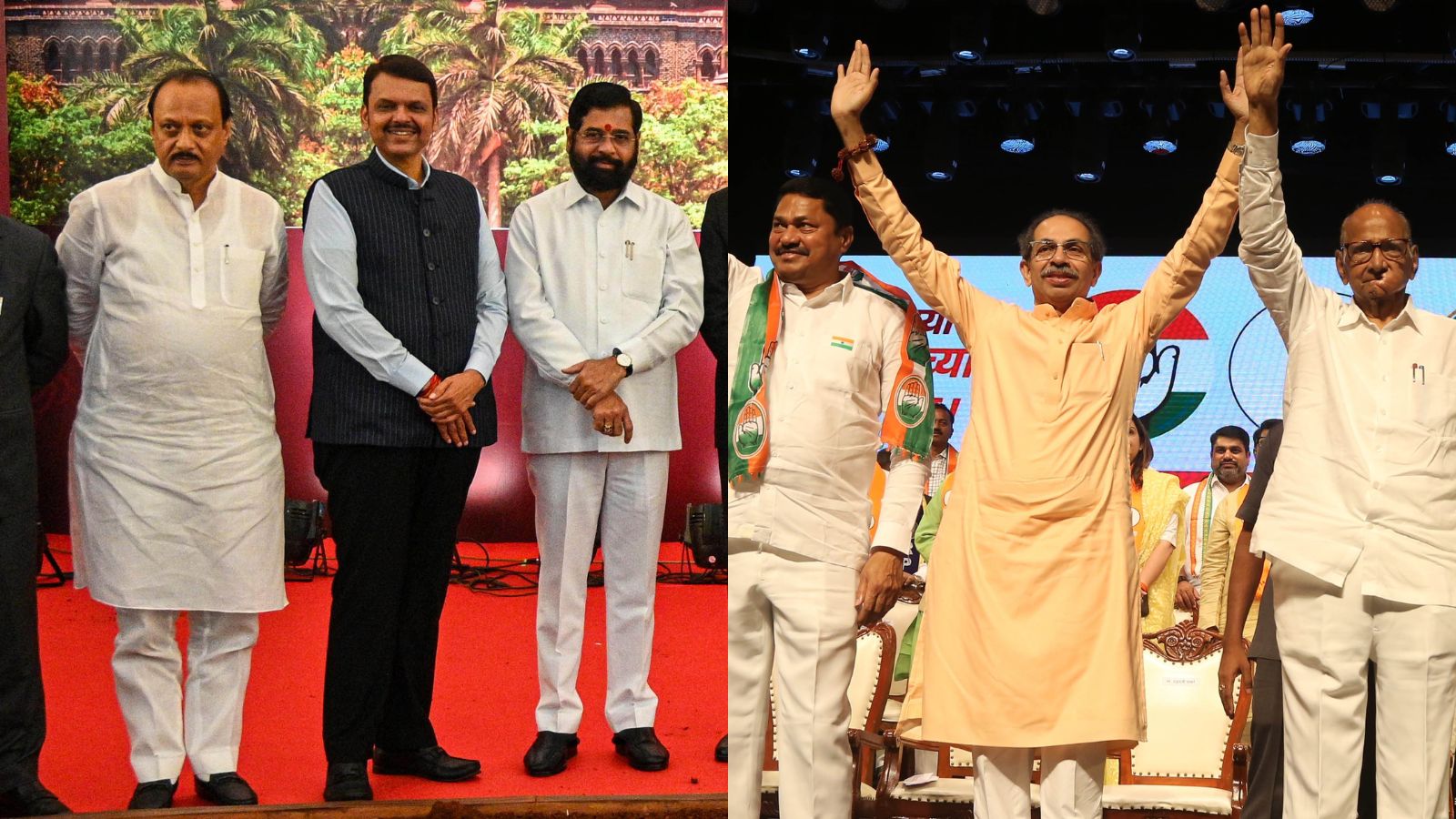
In a surprising turn of events, the Maharashtra cabinet will see a reshuffle of familiar faces. While Fadnavis reassumes his position as Chief Minister, Shiv Sena leader Eknath Shinde and NCP's Ajit Pawar will step in as Deputy Chief Ministers. This move solidifies a coalition government bringing together three major political entities: BJP, Shiv Sena (Shinde faction), and NCP (Ajit Pawar faction).

The power-sharing agreement represents a strategic collaboration designed to ensure stability in the governance of the state while effectively addressing the interests of all coalition partners. This reorganization of responsibilities also heralds a new phase in the intricate political landscape of Maharashtra.
 

A Third Term for Devendra Fadnavis

Known for his decisive leadership and administrative acumen, Devendra Fadnavis's return to the Chief Minister's office comes with high expectations. Having previously served as Maharashtra’s CM from 2014 to 2019 and briefly in 2022, Fadnavis is a seasoned politician with a reputation for tackling key issues like infrastructure development, investment promotion, and governance reforms.

His return signifies BJP’s confidence in his ability to lead Maharashtra’s coalition government effectively amid a dynamic and often turbulent political landscape.

Deputy Chief Ministers Eknath Shinde and Ajit Pawar

The inclusion of Eknath Shinde as Deputy CM reinforces the role of the Shiv Sena (Shinde faction) in the coalition, emphasizing their commitment to the alliance. Shinde has been a pivotal player in Maharashtra politics, particularly after his faction's split from the Uddhav Thackeray-led Shiv Sena.

Meanwhile, Ajit Pawar’s presence as Deputy CM brings the NCP (Ajit Pawar faction) closer to the BJP-led coalition. Pawar, known for his administrative expertise and stronghold in Western Maharashtra, is expected to play a critical role in decision-making and balancing the coalition's dynamics.

Grand Ceremony and Public Anticipation

The swearing-in ceremony, set to take place in Mumbai, is being organized on a grand scale. With 42,000 attendees expected, elaborate arrangements have been made to ensure a smooth and successful event. The inclusion of religious leaders and other dignitaries underscores the coalition’s effort to project unity and inclusivity in its governance approach.

Implications for Maharashtra's Political Landscape

This reshuffle and the formation of a new government come at a critical time for Maharashtra. The coalition aims to address key challenges such as economic recovery post-pandemic, improving infrastructure, and managing farmer-related issues. The combination of experienced leaders from BJP, Shiv Sena, and NCP offers the potential for cohesive governance, although the coalition will face challenges in balancing diverse political ideologies.

Maharashtra
2024-11-29

Air India Pilot Srishti Tuli’s Final Moments: Alleged Suicide or Foul Play?

Mumbai, November 25 — The tragic death of Srishti Tuli, a 25-year-old Air India pilot, has sent shockwaves through her family and the aviation community. Her unexpected passing has prompted significant inquiries, particularly regarding the events surrounding her death. According to sources, Srishti made a video call to her boyfriend, Aditya Pandit, shortly before her death, during which she allegedly showed him that she was about to end her life. The call came after a heated argument between the couple, during which Srishti is said to have threatened suicide.

A Heated Argument, A Desperate Cry for Help

The couple, reportedly in the midst of a dispute, saw Aditya leave for Delhi, despite Srishti’s pleas for him to stay. Sources say that in her distressed state, Srishti threatened to take her own life. When Aditya did not respond to her emotional plea, she made the video call, showing him her intent to hang herself. This unsettling final communication has ignited a discussion regarding the actual circumstances surrounding her demise, with her family expressing suspicions of foul play and urging law enforcement to conduct a more thorough investigation into the matter.

Allegations of Abuse and Manipulation: A Toxic Relationship?

Aditya, who is presently in police custody facing allegations of abetment to suicide, is under considerable scrutiny. Sources indicate that he reportedly deleted essential messages exchanged between the couple, including their last conversations. The police have confiscated his phone and dispatched it for forensic examination in efforts to retrieve the deleted communications.
 

According to Aditya’s account, he tried to prevent Srishti from taking any drastic steps by repeatedly calling her. Upon arriving at her home, however, he found the door locked. Along with a fellow pilot, Aditya called a locksmith to open the door, only to find Srishti’s body. The second pilot is now also being questioned as part of the ongoing investigation.

Srishti’s family, however, is not convinced by the police's suicide theory. The family has made serious allegations against Aditya, asserting that he has a history of manipulative and abusive behavior towards Srishti. They further contend that Aditya exercised undue financial control over her, claiming that he even restricted her dietary choices, including non-vegetarian food.They also point to a bank transaction, where Srishti transferred ₹65,000 to Aditya’s family around Diwali, as further evidence of his manipulative behavior.

Previous Incidents: Red Flags in the Relationship

The family's concerns about Aditya’s behavior date back to several incidents. Last November, an argument between the couple allegedly led to Aditya ramming a vehicle in a fit of rage. In another incident earlier this year, Aditya reportedly humiliated Srishti during a dinner with friends, leaving her stranded on the road after an argument over food choices. These past events, coupled with the allegations of abuse, have led the family to suspect that Srishti's death may not have been a suicide.

The Timeline of Events: A Final Conversation That Doesn’t Add Up

What makes this case even more suspicious is the timing of Srishti’s final conversation. Just 15 minutes before her death, she spoke to her mother and aunt, sounding cheerful and calm. This sudden shift in her behavior, combined with the tragic events that followed, has raised further questions about the true cause of her death.

Ongoing Police Investigation and Forensic Analysis

The Mumbai Police are currently piecing together the final moments of Srishti’s life, reviewing phone records, conducting forensic analysis, and questioning witnesses. The investigation has placed significant emphasis on the deleted messages from Aditya’s phone, which could potentially provide crucial insights into the couple’s last interactions.

While the police are proceeding with the assumption of suicide, citing the absence of a suicide note, Srishti’s family remains steadfast in their belief that Aditya’s actions played a key role in her untimely death. They are demanding a thorough and transparent investigation to uncover the truth.

A Family's Fight for Justice: Seeking the Truth Behind Srishti’s Death

Srishti’s family has called for justice and transparency in the investigation, expressing disbelief at the suicide theory. Her uncle, Vivek Tuli, poignantly remarked, “She was perfectly fine just moments before, and then she was gone. What happened in those final moments? What did he say to her?”

As the investigation continues, this tragic case has brought attention to the dangers of emotional abuse and psychological manipulation in relationships. The family remains hopeful that the truth will emerge and that justice will be served for the young pilot.

Maharashtra
2024-11-09

Maharashtra Assembly Elections: CEC Rajiv Kumar Sl

Mumbai, Maharashtra – In a stern response to derogatory remarks made against women during the ongoing Maharashtra Assembly election campaign, Chief Election Commissioner (CEC) Rajiv Kumar issued a powerful condemnation and called for swift, strict action against those responsible. His statement on November 8, 2024, came after political leaders and candidates were reported to have made offensive comments targeting women politicians.

Strong Stance Against Misogyny in Politics

During a video-conference review meeting with election commissioners Gyanesh Kumar and Sukhbir Singh Sandhu, CEC Kumar expressed his outrage at the growing trend of disparaging remarks aimed at women in the political arena. He called upon election officials to act decisively against any public statements or actions that undermine the dignity and honor of women. The CEC emphasized that any form of misogyny, particularly in the context of elections, should be met with zero tolerance.

Upholding the Integrity of the Election Process

“This behavior is completely unacceptable,” Kumar remarked, making it clear that such actions not only tarnish the electoral process but also degrade the role of women in politics. He added that political campaigns must remain respectful, inclusive, and dignified, reflecting the values of equality and respect for all.

The Election Commission (EC) had earlier issued directives to all political parties and candidates, urging them to refrain from making any statements that could be seen as offensive or degrading to women. Despite these guidelines, some instances of derogatory comments had emerged, prompting the CEC to take further action.

Ensuring Accountability for Gender-Based Insults

The Election Commission’s intervention highlights a growing concern about the intersection of gender and politics, especially in high-stakes elections like Maharashtra’s. Over the years, women politicians have often found themselves at the center of sexist commentary and disparaging remarks, both in public forums and on social media. By holding offenders accountable, the CEC hopes to send a strong message to political leaders and their supporters that such behavior will not be tolerated.

As per sources, the CEC has directed district officials to maintain heightened vigilance during the campaign period. Any individual or political figure found making such remarks will face swift action, including possible disqualification or legal consequences, to ensure that the electoral process remains free from gender-based bias.

The Need for Respectful Campaigning

The CEC’s statement is part of a broader effort by the Election Commission to maintain a fair and respectful atmosphere during the Maharashtra Assembly elections. This comes at a time when political campaigns have become increasingly polarized, with sharp rhetoric often crossing the line into personal attacks. The EC is now focusing on ensuring that candidates and political parties focus on policy discussions rather than indulging in negative campaigning that targets individuals based on gender, caste, or other personal attributes.

“The spirit of democracy must be about empowering citizens, not demeaning them. Women have the same right to engage in politics and public life with dignity and respect,” said Kumar.

A Wake-Up Call for Political Parties

This stern warning from the Election Commission serves as a wake-up call for political parties across Maharashtra. As the election heats up, political leaders will need to carefully calibrate their language and tone, ensuring that their campaigns do not descend into the type of misogynistic commentary that the CEC has now deemed unacceptable.

In addition to the action taken by the Election Commission, political parties are under pressure to enforce internal codes of conduct and ensure that their candidates adhere to the highest standards of respect for women. This is particularly important as the role of women in Indian politics continues to grow, with more women stepping into leadership roles at both the state and national levels.

Will This Shift the Election Narrative?

The CEC's firm stance could shift the narrative of the Maharashtra Assembly elections, moving the focus from personal attacks to a more substantive debate about governance, policies, and the future of the state. With women voters making up a significant portion of the electorate, the move to clamp down on sexist remarks also underscores the importance of gender inclusivity in contemporary politics.

As the polls approach, the Election Commission’s clear message of respect and dignity for women politicians will set the tone for the remainder of the campaign period. The ongoing scrutiny of candidates and their conduct during this election could become a crucial factor in determining the integrity of the democratic process in Maharashtra.

Maharashtra
2024-11-09

Sharad Pawar Accuses Modi Government of Protecting

Mumbai, Maharashtra – As the countdown to the Maharashtra Assembly elections intensifies, Nationalist Congress Party (NCP) leader Sharad Pawar has launched a scathing attack on Prime Minister Narendra Modi and his government, accusing them of protecting corrupt politicians and aligning with them for the sake of political power.

Addressing a packed rally in Jintur, Parbhani on Friday, November 8, 2024, Pawar made a bold statement, accusing the ruling Bharatiya Janata Party (BJP) of prioritizing alliances with corrupt individuals rather than addressing the pressing issues facing the state. "The Modi government's sole agenda is to protect those involved in corruption, joining hands with them just to stay in power," Pawar asserted, further escalating tensions in the lead-up to the high-stakes elections.

A Sharp Critique of Political Alliances

Pawar's remarks were particularly pointed in reference to his rival faction within the NCP, led by Ajit Pawar, and Maharashtra's political landscape. He highlighted a reported comment by State Minister Chhagan Bhujbal, a prominent leader from the Ajit Pawar camp, which Pawar cited as evidence of the BJP’s willingness to embrace individuals with alleged corrupt backgrounds for political convenience.

Pawar’s allegations come at a crucial time when the political scenario in Maharashtra is increasingly defined by shifting alliances and allegations of corruption, especially after the formation of the Shiv Sena-BJP-led Mahayuti government. Pawar’s sharp critique of the BJP's coalition with figures accused of corruption aims to drive a wedge between the ruling party and voters concerned with transparency and governance.

Allegations of Protectionism and Political Calculations

Pawar, a seasoned political strategist, went on to underline that the Modi government’s attempts to shield corrupt figures are not a recent phenomenon. He pointed to several high-profile cases of politicians who have allegedly faced corruption charges but were seemingly protected due to their political alliances.

“It is not just in Maharashtra that we see this pattern, but across the country. The BJP and its allies seem willing to align themselves with anyone, regardless of their past, as long as it serves their political interests,” said Pawar, drawing comparisons to the party’s controversial alliances in other states.

He also reminded the crowd of the NCP's long-standing commitment to fighting corruption, positioning his party as a defender of the common man against those he claims have misused their positions for personal gain.

The Political Fallout: A Call to Action for Voters

Pawar’s speech was not only a critique of the Modi government but also a call to action for the people of Maharashtra. The veteran leader urged voters to not be swayed by political gimmicks and to instead focus on the track record of politicians, especially those seeking re-election or fresh mandates.

"The time has come for the people to decide whether they want a government that is accountable to them or one that is driven by political expediency," Pawar declared, asserting that the NCP would always stand with the people and against any form of corruption.

This strong stance from Pawar and the NCP is likely to resonate with many in Maharashtra who are disillusioned by years of political infighting and unfulfilled promises. Pawar's rhetoric also appears to target the Modi government’s growing influence in the state, positioning the NCP as the voice of opposition to what he describes as a corrupt, centralized political system.

Maharashtra’s Elections: A Battle for Transparency

As Maharashtra approaches the election day, the battle between Pawar’s NCP and the BJP-led Mahayuti alliance will likely hinge on issues of governance, transparency, and trust. Pawar's accusations of corruption within the ruling alliance, alongside his repeated assertions of a "clean" political agenda, could strike a chord with voters looking for a credible alternative.

Furthermore, Pawar’s rhetoric could ignite the ongoing debate around the state’s governance model and its leadership’s commitment to holding corrupt politicians accountable, especially in a time when citizens are increasingly focused on government accountability and transparency.

The Election's Larger Narrative

In the coming days, the controversy surrounding corruption accusations, political allegiances, and the role of powerful leaders like Sharad Pawar and Narendra Modi will undoubtedly shape the Maharashtra elections. With both the ruling and opposition camps in fierce competition for voter support, the issue of corruption is expected to remain a central theme, influencing the decisions of Maharashtra’s electorate in one of India’s most politically charged states.

As the polls near, all eyes will be on how this dynamic unfolds, with the NCP’s stance on corruption providing a sharp contrast to the BJP-led government's political maneuvers, setting the stage for a fierce battle for Maharashtra’s political future.

/ Home / maharashtra

Maharashtra

  • Maratha Quota Activist Manoj Jarange Patil Withdra
    My India Times      2024-11-09  118

    Maratha Quota Activist Manoj Jarange Patil Withdra

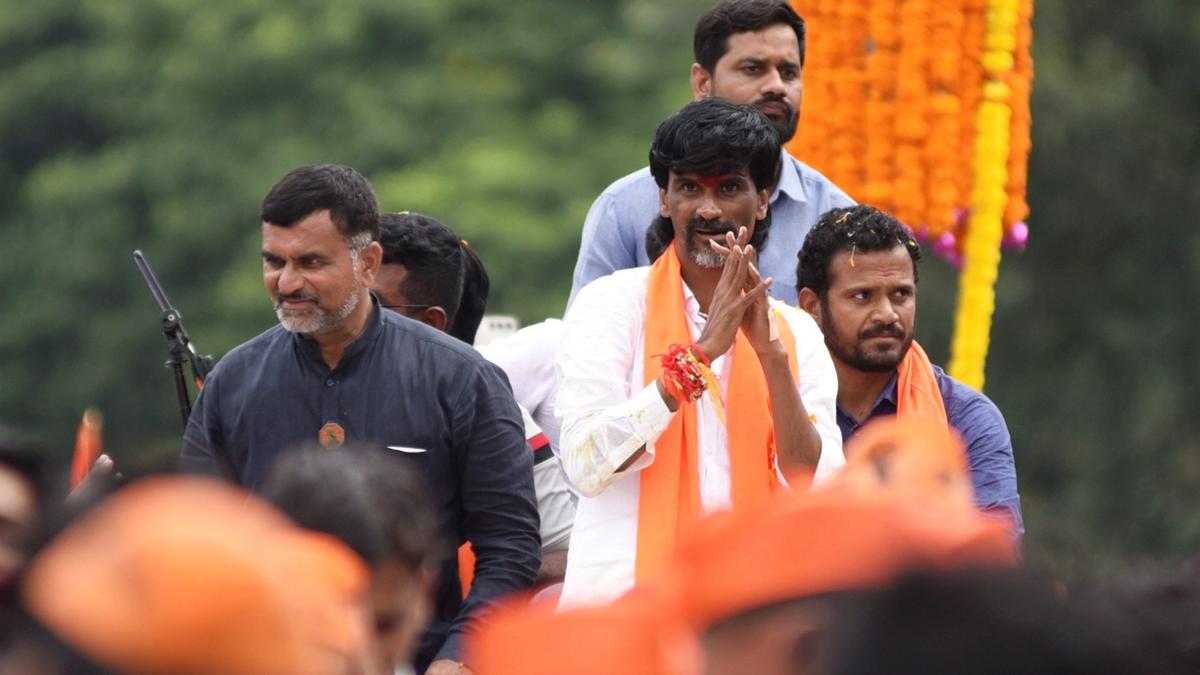
    Mumbai, Maharashtra — In a dramatic turn of events, Maratha quota activist Manoj Jarange Patil, who has been at the forefront of the state’s Maratha reservation agitation, has decided to withdraw from the political fray just days before the Maharashtra Assembly elections. His decision has sent shockwaves through the state’s political environment, as his earlier announcement of fielding candidates from several constituencies had already generated much debate.

    Speaking to media in his village of Antrawali Sarati, which became the epicenter of the Maratha agitation, Jarange Patil, once a staunch advocate for political entry, shared his change of heart. "I don’t want to lose the trust of my people. My fight for Maratha reservation continues, but I will not let political interests overshadow my commitment to the cause," he said.

    This surprising move comes after weeks of speculation regarding his influence on the ongoing electoral contest, especially in key constituencies where the Maratha community holds significant sway. Despite his withdrawal from the elections, Jarange Patil made it clear that the battle for the Maratha quota will not end, regardless of who forms the government in Maharashtra. He also directed his supporters to hold politicians accountable, stressing that they must choose candidates who genuinely support Maratha reservation.

    The Political Implications: A Major Shift in the Maharashtra Polls

    Jarange Patil’s decision to withdraw from the election race has sparked a flurry of discussions on its potential impact on the political equations in Maharashtra. Known for his aggressive stance on securing Maratha reservation, Jarange Patil had earlier fielded candidates in several constituencies, many of which are key battlegrounds for the ruling Bharatiya Janata Party (BJP)-led Mahayuti alliance and the opposition Maha Vikas Aghadi (MVA).

    In the past, Jarange Patil’s influence, often dubbed the "Jarange Factor," was seen as a game-changer in the Lok Sabha elections. His agitation for Maratha rights was pivotal in swinging key constituencies, including Jalna, Hingoli, Nanded, and Beed. His impact was most evident in the Nanded constituency, where Congress candidate Vasant Chavan emerged victorious, defeating the BJP’s incumbent Prataprao Chikhalikar Patil. Similarly, in Beed, Mahayuti candidate Pankaja Munde suffered a defeat at the hands of Bajrang Sonawane of the Maha Vikas Aghadi, a result that many attributed to the Maratha reservation movement.

    With Jarange Patil stepping back from direct political involvement, questions have arisen about the long-term influence of his movement on the assembly elections. Will the Maratha community, which has rallied behind him for over a year, continue to exert pressure on political parties to address their demands, or will his withdrawal create a vacuum in the movement?

    Maratha Quota: A Flashpoint for Maharashtra Politics

    The Maratha quota issue has remained one of the most contentious and emotive topics in Maharashtra’s political discourse. The community, which constitutes a significant portion of the state’s population, has been demanding reservations in government jobs and educational institutions for years. Despite large-scale protests and agitations led by activists like Jarange Patil, the state government has struggled to resolve the issue, leading to increasing disillusionment among Maratha youth.

    Jarange Patil’s move to field candidates in the elections was seen as an effort to hold politicians accountable for their failure to deliver on the promise of Maratha reservation. His withdrawal, however, signals a shift in his strategy. Rather than engaging in direct political confrontation, he now seems focused on continuing his agitation outside the electoral arena.

    "I am not leaving the fight; I am just choosing a different battlefield. This is not the end of my struggle for Maratha reservation. I will continue to push for what is rightfully ours," Jarange Patil remarked, emphasizing that his withdrawal does not signify a retreat from the Maratha cause.

    A Strategic Move or Political Recalibration?

    Some political analysts suggest that Jarange Patil's decision to withdraw could be a strategic recalibration. By distancing himself from direct electoral politics, he might be positioning himself as a neutral force capable of influencing the outcome without being tied to any specific party or alliance. This could allow him to maintain his credibility among his supporters, while still pressuring political parties to address the Maratha reservation demand.

    Moreover, Jarange Patil’s focus on ensuring the defeat of candidates who do not support Maratha reservation raises the stakes for Maharashtra’s upcoming elections. His call to voters to hold politicians accountable for their stance on the issue could result in a significant reshuffling of voter loyalties, particularly in constituencies with a large Maratha population.

    Maratha Voices: What’s Next?

    As the election campaign enters its final stages, political observers are watching closely to see how the Maratha community will respond to Jarange Patil’s latest move. While the withdrawal may have shocked some, it has also galvanized others within the community who feel that their fight for justice is far from over.

    The question now is whether Jarange Patil’s call for accountability will translate into electoral action. As Maharashtra’s political future hangs in the balance, the Maratha reservation issue remains one of the defining factors of this election. And with the "Jarange Factor" still looming large, parties across the spectrum will need to address the Maratha demand or risk alienating one of the state’s most influential voter bases.

    In the coming days, the true power of the Maratha movement will become clearer as political parties scramble to align their positions and secure the support of this crucial constituency. Whether or not Manoj Jarange Patil returns to the political battlefield, his impact on Maharashtra's elections is sure to be felt for years to come.

    …
  • Maharashtra Election Chaos: Seat-Sharing Formula R
    My India Times    2024-11-09  102

    Maharashtra Election Chaos: Seat-Sharing Formula R

    Mumbai, Maharashtra — As the Maharashtra Assembly election season heats up, the state is witnessing a whirlwind of uncertainty and drama. The final day for filing nominations on October 29, 2024, revealed deep divisions within both the ruling Mahayuti alliance and the opposition Maha Vikas Aghadi (MVA), as neither coalition has yet finalized its seat-sharing arrangements. With only days left before candidates can withdraw their nominations, the political scene is brimming with tension, and the clarity everyone’s waiting for might not come until after Deepavali on November 4.

    Both major political alliances in Maharashtra are scrambling to come to terms with internal disagreements over how seats will be distributed. The Mahayuti alliance, comprising the Bharatiya Janata Party (BJP) and its allies, and the MVA, including Shiv Sena (Uddhav faction), NCP, and Congress, are under pressure to strike deals that will determine the fate of their candidates in the upcoming state elections.

    While the alliances have been in talks for weeks, infighting and last-minute changes have left candidates and party members in the dark. As the deadline to withdraw nominations looms large, political leaders have begun to publicly admit that full seat-sharing clarity may only emerge after the festivities of Deepavali. The suspense surrounding the alliances’ negotiations has created significant political uncertainty, with many party workers left anxious about whether they’ll have a chance to contest elections under the banner of their respective parties or coalitions.

    Deepavali Deadline for Clarity

    Union Home Minister Amit Shah, in a recent speech, acknowledged the confusion within the political circles of Maharashtra and suggested that the ongoing seat-sharing issues would be addressed after the festival of lights. Sources within both the ruling and opposition alliances confirmed that leaders have now shifted their focus to resolving these internal conflicts, but with the clock ticking towards the November 4 deadline for withdrawal, the final outcomes are expected to be a last-minute scramble.

    The Battle for Maharashtra's Political Future

    The stakes in Maharashtra’s upcoming Assembly elections are high, with the state’s political future hanging in the balance. As one of India’s most important states, Maharashtra plays a crucial role in the country’s political landscape, and these elections are likely to have a ripple effect on national politics. With both alliances struggling to reach an agreement on how to split the seats, the focus is now shifting to whether they can find common ground before the withdrawal deadline.

    The state’s electorate is keenly watching this process, with both alliances seeking to balance their internal power structures and address the growing demand for leadership that will tackle key issues like employment, infrastructure, and regional development. However, political analysts suggest that this seat-sharing debacle could ultimately weaken the strength of both coalitions, leaving voters questioning the alliances' ability to deliver meaningful governance.

    Maharashtra's Technological Leap: Birth and Death Registration App

    In a different but equally significant move, Maharashtra’s governance has also seen progress in technology integration. On the same day as the chaos surrounding the seat-sharing issues, Union Home Minister Amit Shah launched the Civil Registration System (CRS) mobile application, aimed at streamlining the birth and death registration process across the state. This app is part of the government's initiative to simplify administrative tasks by utilizing technology to create an accessible and efficient registration system for all citizens.

    The CRS app promises to make it easier for families to register births and deaths in Maharashtra, cutting down on bureaucratic delays and offering a more transparent and user-friendly process. Shah praised the initiative, emphasizing how technology can bridge gaps between the government and citizens, making services more accessible.

    While the political landscape is currently embroiled in uncertainty and confusion over election seat-sharing, the launch of the CRS mobile app signals the state’s continued push towards digital governance. This move is expected to benefit Maharashtra’s citizens significantly, offering convenience and reducing the potential for fraud and errors in registration.

    What’s Next for Maharashtra’s Political Landscape?

    With just a few days remaining until the withdrawal deadline, political observers are watching closely to see how both the ruling and opposition alliances will resolve their seat-sharing disputes. The race for Maharashtra's leadership has only just begun, and how the alliances present themselves to voters will be crucial to their chances of success.

    The Mahayuti and MVA coalitions are expected to hold intense talks in the coming days, with political insiders suggesting that last-minute compromises and tactical seat-sharing adjustments will likely define the final outcomes. However, these internal disagreements might also work to the advantage of smaller parties and independent candidates who are capitalizing on the chaos within the major alliances.

    As Maharashtra moves closer to election day, the question remains whether these last-minute seat-sharing maneuvers will help stabilize the alliances or lead to further fragmentation in the state’s political landscape. While political leaders scramble to secure their positions, citizens are left to wonder whether this drama will translate into effective governance once the elections are over.

    In the meantime, the launch of the CRS mobile app stands as a testament to the state's commitment to integrating technology into its governance, signaling a brighter future for digital public services even as political turbulence continues.

    …
  • Maharashtra’s Curriculum Overhaul Stirs Controve
    My India Times    2024-11-09  99

    Maharashtra’s Curriculum Overhaul Stirs Controve

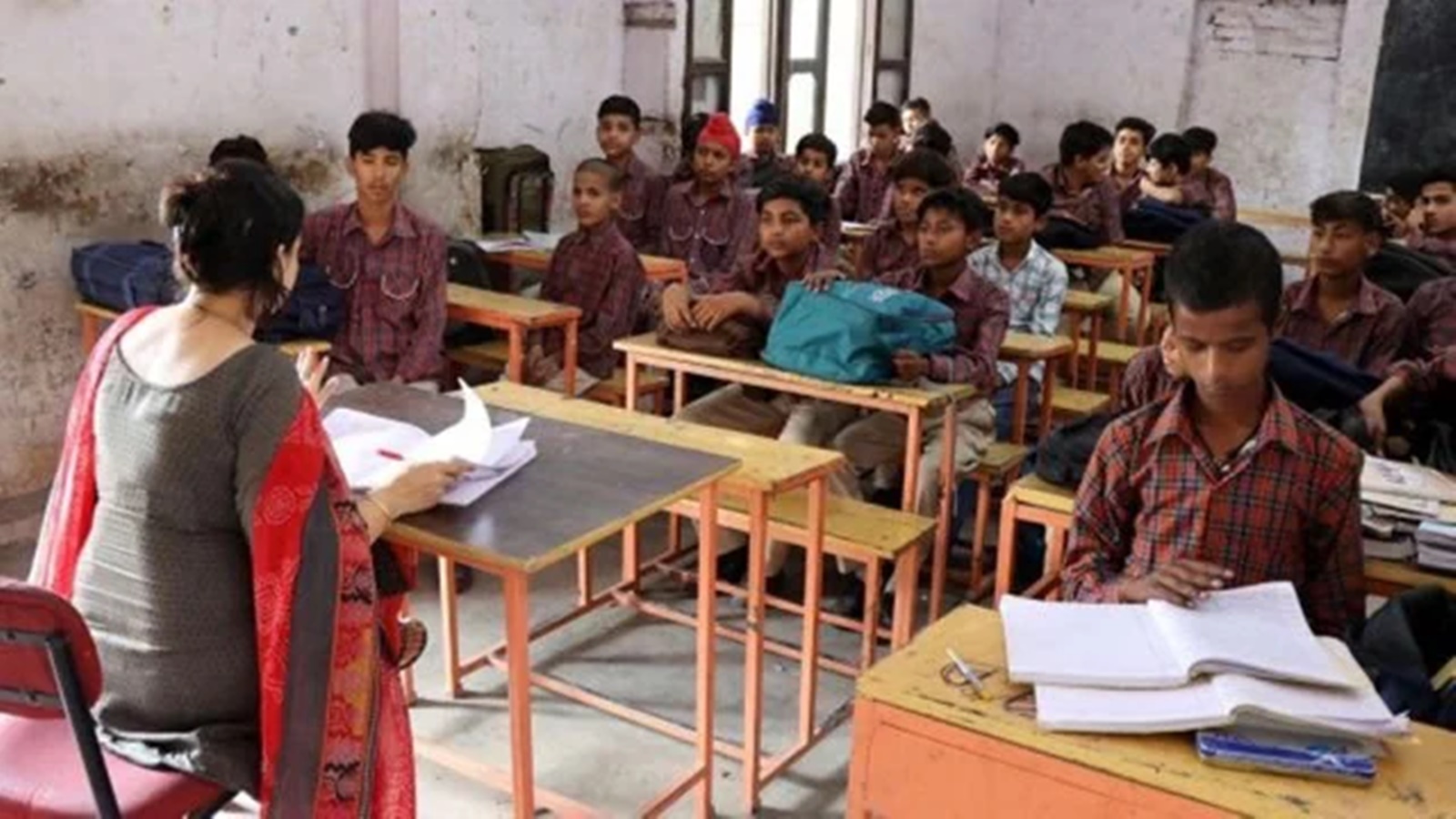
    Mumbai, Maharashtra — In a controversial move that has sparked heated debates across the state, the Maharashtra State Council for Educational Research and Training (SCERT) has finalized its revised State Curriculum Framework (SCF), a document that governs the state's school education system. The revised framework, which was released after months of deliberations, has drawn strong criticism for continuing to classify English as a ‘foreign language’ in the curriculum, despite public objections and opposition from education experts.

    This decision follows the release of the initial SCF draft in May 2024, which had already created a stir with its inclusion of controversial references to religious texts, including the Manusmriti and the Bhagavad Gita, which were later removed. Despite these changes, the decision to categorize English as a foreign language has remained unchanged, much to the dismay of educators, students, and parents alike.

    The Debate: Why Classify English as a ‘Foreign Language’?

    The move to classify English as a ‘foreign language’ in the revised SCF has raised questions about Maharashtra’s stance on the importance of English in the modern education system. Education experts and critics argue that this classification undermines the language's importance as a medium of instruction, communication, and business across India and globally.

    "While it's true that English is not of Indian origin, it has become an integral part of our society, government, and economy," says Vasant Kalpande, a noted education expert in Maharashtra. "To label it as a foreign language, in the context of global integration, sends the wrong message to students. The Constitution of India recognizes English as an official language; its role in Indian education cannot be minimized."

    The State Government’s Defense

    Maharashtra’s school education minister, Deepak Kesarkar, defended the decision, arguing that the classification reflects the state’s unique linguistic and cultural heritage. He stressed that the final version of the SCF was developed after a comprehensive review process, which included consultations with various educational bodies, experts, and feedback from the public.

    “The classification is based on linguistic origins, not the practical usage of the language. English, while important, is not an indigenous language. The decision reflects the framework's goal to preserve regional languages while recognizing the global importance of English,” Kesarkar said.

    Despite the criticism, Kesarkar reiterated that the government has considered all inputs before finalizing the revised framework. According to him, the SCF has undergone several rounds of revisions, with significant changes made to the initial draft after feedback from various stakeholders.

    The Introduction of ‘Advanced English’ and Its Implications

    One of the most notable changes in the final SCF version is the introduction of a new subject titled ‘Advanced English,’ designed to help students prepare for internationally recognized English proficiency exams, including IELTS, TOEFL, GRE, and GMAT. This move appears to address the concerns of those who argue that English proficiency is essential for global competitiveness and higher education opportunities.

    Under this new framework, students will have the option to choose between ‘Standard English’ and ‘Advanced English’ as part of their language curriculum. While this aims to provide a more comprehensive approach to learning English, it has not alleviated concerns over the language's categorization.

    “We are giving students the opportunity to enhance their English skills for global exams, but at the same time, the decision to call English a foreign language contradicts this initiative,” says Rekhavar, Director of SCERT. He acknowledges the controversy but maintains that the new subject was introduced to prepare students for global challenges and opportunities.

    The Public Reaction: Widespread Discontent

    The controversy over the SCF has sparked widespread protests among educationists, students, and political leaders. Many have expressed disbelief that, in a rapidly globalizing world, such a classification could be made in the 21st century.

    Critics argue that this move could hinder Maharashtra’s students' competitiveness on a global scale, particularly when English proficiency is critical in fields like technology, medicine, business, and academia. The decision also poses potential challenges for students who wish to pursue studies abroad, where English is the medium of instruction in many top universities.

    A Politically Charged Issue

    The decision to classify English as a foreign language has also turned into a political issue, with opposition parties accusing the government of undermining the importance of English to curry favor with regionalist sentiments. Leaders from various political parties, including the Congress and the Shiv Sena, have raised their voices against the move, calling it a step backward in Maharashtra’s education system.

    “This is nothing more than a political maneuver to appease certain vote banks. The fact is that English is not just a language of education; it’s a bridge to the world,” said Nitesh Rane, a member of the opposition.

    Looking Ahead: The Future of English Education in Maharashtra

    As the controversy surrounding the classification of English as a ‘foreign language’ continues to unfold, there remains uncertainty about its long-term impact on the state’s education system. While the new curriculum aims to foster multilingualism and preserve the state’s cultural heritage, the decision to classify English this way may lead to challenges in the global job market and higher education prospects for students.

    Education advocates are calling for a more balanced approach that would recognize the importance of English while also promoting regional languages. “We must ensure that our children are equipped to navigate a globalized world while preserving our local cultures. A nuanced approach is needed,” says Kalpande.

    As the debate continues, all eyes will be on the Maharashtra government to see how it handles the growing discontent and whether further revisions to the curriculum are on the horizon. For now, the classification of English as a ‘foreign language’ remains one of the most contentious issues in the state’s educational reform process.

    …
  • Maharashtra Election 2024: PM Modi’s Push for Ma
    My India Times   2024-11-09  110

    Maharashtra Election 2024: PM Modi’s Push for Ma

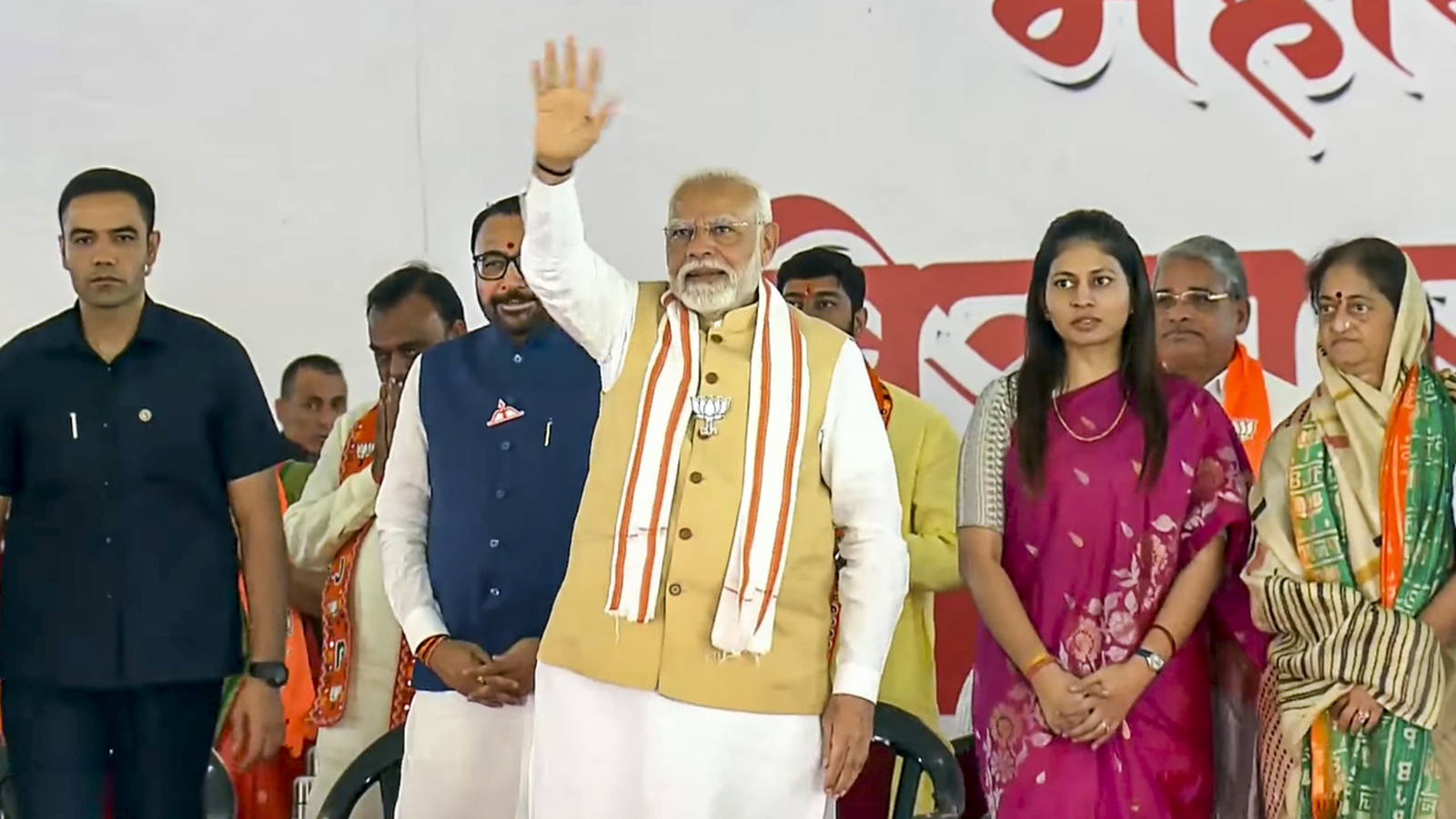
    Mumbai, Maharashtra — Prime Minister Narendra Modi's Maharashtra campaign for the 2024 assembly elections is gaining momentum, as he prepares to address rallies across the state. The focus is on bolstering the BJP's position while promoting the ongoing development in the state under the Mahayuti alliance government.

    On November 12, Modi will kick off his whirlwind tour with rallies in Chimur and Solapur, before engaging in a roadshow in Pune in the evening. The Prime Minister is expected to raise key issues ranging from regional pride to national security, delivering a stern message to the opposition parties.

    PM Modi’s Emphasis on Marathi Identity and Language

    At the heart of Modi’s election rhetoric is a renewed focus on strengthening Maharashtra’s cultural identity. During his rally in Dhule, Modi appealed directly to the people of Maharashtra, emphasizing the importance of protecting and promoting the Marathi language as an essential part of the state’s heritage. He reminded the audience that his government’s commitment to preserving regional languages and cultures has been unwavering.

    “Maharashtra’s soul lies in its language, in its culture. We will ensure that Marathi gets its due place in every domain, be it in education, administration, or business,” Modi said, resonating deeply with local sentiments.

    The call for safeguarding Marathi was met with applause, especially as the state has seen rising debates over the status of Marathi in official spheres and media. By highlighting the central government’s support for regional languages, Modi is not just appealing to the Marathi pride but is also aiming to attract voters who feel that local issues have often been sidelined by national politics.

    A Scathing Attack on Congress and the Opposition

    Modi’s address in Dhule was also marked by sharp criticism of the Congress party and the opposition INDIA bloc. Accusing them of undermining national unity, he lashed out at the opposition for what he described as their divisive politics, particularly in relation to Jammu and Kashmir. Referring to the recent uproar in the Jammu and Kashmir assembly over a resolution seeking the restoration of Article 370, Modi accused the opposition parties of “plotting” against the integrity of India.

    “While we work for the unity of the nation, the Congress and its allies play with the security of the nation. They continue to create chaos in Jammu and Kashmir, weakening the nation’s resolve to ensure peace and development,” Modi stated, calling on the people of Maharashtra to reject such divisive politics.

    This attack on the opposition follows a growing narrative that the Congress-led alliance is out of touch with the needs of the common people, focusing more on appeasement politics rather than addressing real issues like economic development, job creation, and security.

    A Vision for Continued Development in Maharashtra

    PM Modi’s message to the people of Maharashtra is clear: his government will continue the state’s development trajectory, a promise he made during his address. He underscored the Mahayuti government’s achievements in infrastructure development, the successful implementation of welfare schemes, and an improved business environment in Maharashtra.

    “Maharashtra’s growth is central to India’s growth. We have worked tirelessly to bring jobs, improve infrastructure, and enhance healthcare and education. The future of Maharashtra will be shaped by these reforms, and the BJP will continue its mission of transforming the state,” Modi assured the crowd.

    With Maharashtra being one of India’s economic powerhouses, Modi’s emphasis on continued development resonates with voters across the state, particularly in urban and industrial areas where economic growth and job creation are top priorities.

    Key Rallies Across Maharashtra

    Modi’s week-long campaign will see him visiting key cities and towns in Maharashtra, including Nashik, Kolhapur, and Nagpur, with a special focus on rural areas, where his appeal to development and regional pride is expected to win over the electorate. In each rally, Modi will highlight the government's efforts in improving infrastructure, education, and healthcare, while also laying out a roadmap for the future.

    “We are here to lay the foundation for a better tomorrow. A tomorrow that is secure, prosperous, and rooted in our values. This is the Maharashtra we want to build, and the people of Maharashtra will stand with us,” he told the crowd.

    The Road Ahead: Voter Sentiment and Political Implications

    As the Maharashtra elections approach, the political landscape remains heated, with the ruling Mahayuti alliance and the opposition INDIA bloc both vying for control of the state. While the BJP has focused on economic development and national security, the opposition is attempting to make inroads with issues such as agrarian distress, unemployment, and social justice.

    The challenge for the opposition will be to counter Modi’s narrative of stability, development, and national unity. As Modi continues his election tour, his ability to connect with voters on the ground and shift the focus from national issues to local governance will play a pivotal role in determining the outcome of the elections.

    Maharashtra's diverse electorate is looking for a government that will address both local concerns and national challenges, and PM Modi’s focus on language, development, and security seems poised to strengthen his position as the elections draw nearer. With his upcoming rallies in Chimur, Solapur, and Pune, PM Modi is setting the stage for a high-stakes election battle in one of India’s most important states.

    “Together, we will make Maharashtra a shining example of what India can achieve,” Modi concluded, as he prepares for the next phase of his campaign.

    …
  • hostinger
    No records found.
Error: Invalid API key. Please see https://openweathermap.org/faq#error401 for more info.