
Breaking News

Maha Kumbh 2025: Over 6.2 Million Devotees Take Holy Dip at Sangam on Basant Panchami’s Final ‘Amrit Snan’
RRB ALP 2025: City Intimation Slip Released, Exam Dates Announced

  • Facebook
  • X
  • LinkedIn
  • Youtube
  • Instagram
  • Whatsapp
  • Login
  • Advertisie with Us
My India Times My India Times News

My India Times News

  • ℃
  •   
  • Login
My India Times Logo
Billingezy
  • Home
  • India
    • India
    • Andhra Pradesh
    • Arunachal Pradesh
    • Assam
    • Bihar
    • Chhattisgarh
    • Goa
    • Gujarat
    • Haryana
    • Himachal Pradesh
    • Jharkhand
    • Karnataka
    • Kerala
    • Madhya Pradesh
    • Maharashtra
    • Manipur
    • Meghalaya
    • Mizoram
    • Nagaland
    • Odisha
    • Punjab
    • Rajasthan
    • Sikkim
    • Tamil Nadu
    • Telangana
    • Tripura
    • Uttar Pradesh
    • Uttarakhand
    • West Bengal
    • Andaman and Nicobar Islands
    • Chandigarh
    • Dadra and Nagar Haveli and Daman and Diu
    • Delhi
    • Lakshadweep
    • Ladakh
    • Jammu and Kashmir
    • Puducherry
  • World
  • Crime
  • Interactive Maps
  • Business
  • Technology
  • Education
  • Health Care
  • Chemical
  • Top Stories
  • Entertainment
    • Entertainment
    • Bollywood
    • Web Series
    • Film-Review
    • South Movies
  • Agriculture
  • Religion
    • Religion
    • Festivals
    • Video
    • Astrology
    • Stories
  • Sports
    • Sports
    • Upcoming Match
    • Cricket
    • Hockey
    • Olympic
    • IPL
  • Election
  • Calculators
  • Travel
  • Awareness
  • Universe
    • Earth
    • Ocean
    • Space
  • Home
  • India
    • Uttar Pradesh
    • Delhi
    • Punjab
    • Rajasthan
    • Uttarakhand
    • Bihar
    • Jharkhand
    • Madhya Pradesh
    • Haryana
    • Himachal Pradesh
    • West Bengal
    • Telangana
    • Jammu & Kashmir
    • Andhra Pradesh
    • Arunachal Pradesh
    • Assam
    • Chhattisgarh
    • Goa
    • Gujarat
    • Karnataka
    • Kerala
    • Manipur
    • Meghalaya
    • Maharashtra
    • Nagaland
    • Odisha
    • Sikkim
    • Tamil Nadu
    • Andaman & Nicobar
    • Chandigarh
    • Ladakh
    • Lakshadweep
    • Puducherry
    • Dadra & Nagar Haveli and Daman & diu
    • Tripura
    • Mizoram
  • World
  • Crime
  • Crime Map
  • Business
  • Technology
    Playing GIF
  • Education
    Playing GIF
  • Health Care
  • Travel
  • Calculators
  • Awareness
  • Universe
    • Earth
    • Space
    • Ocean
  • More
    • Chemical
    • Entertainment
      • TV
      • Bollywood
      • Web Series
      • Flim Review Hot
      • South Movies
    • Agricluture
    • Top Stories
    • Religion
      • Festivals
      • Video
      • Astrology
      • Stories
    • Election
    • Sports
      • Upcoming Match Hot
      • Cricket
      • Hockey
      • Olympic
      • IPL
  •   ℃
  •   
Ladakh
2025-03-06

Sonam Wangchuk Urges PM Modi to Lead Glacier Preservation Efforts, Warns of Severe Water Crisis

New Delhi: Renowned environmentalist and innovator Sonam Wangchuk has called upon Prime Minister Narendra Modi to take proactive steps in protecting India’s fast-melting Himalayan glaciers. In an open letter, Wangchuk emphasized that the survival of millions depends on these glaciers, which feed the country’s major rivers. He warned that if urgent measures are not implemented, India could face an unprecedented water crisis, leading to the drying up of rivers and devastating consequences for agriculture and livelihoods.

A Symbolic Journey to Highlight Climate Crisis

In an extraordinary initiative to raise global awareness, Wangchuk carried a piece of glacial ice from Ladakh’s Khardung La Pass to the United States. The ice, carefully insulated using Ladakh’s traditional Pashmina wool, was first taken to the United Nations office in Delhi before traveling to the Harvard Kennedy School, MIT, and the UN headquarters in New York.

On February 21, in a dramatic and symbolic gesture, Wangchuk immersed the melting ice at the confluence of the Hudson and East Rivers. This act highlighted the alarming rate at which glaciers are disappearing, urging global leaders to take decisive action.

The Himalayan Crisis: A Wake-Up Call

Wangchuk’s appeal comes at a critical time when studies indicate that Himalayan glaciers are shrinking at an accelerated pace due to climate change. These glaciers serve as the source of major rivers such as the Ganges, Indus, and Brahmaputra, which support millions of lives across South Asia. Experts warn that if the current trend continues, these rivers could face severe depletion, leading to catastrophic consequences for agriculture, drinking water supply, and hydroelectric power generation.

During his press conference in Delhi, Wangchuk painted a grim picture of the future, stating that if glaciers continue to melt unchecked, the next Maha Kumbh after 144 years may be held on dry riverbeds instead of near sacred waters. He emphasized that protecting glaciers is not just an environmental concern but a national security issue, as water scarcity could trigger conflicts and displacement.

A Call for Urgent Action

Wangchuk has urged the Indian government to take a leadership role in glacier preservation by adopting sustainable policies, reducing carbon emissions, and encouraging climate-friendly practices. He stressed that instead of merely looking for alternative sources of water, the focus should be on reducing consumption and minimizing wastage.

His message aligns with the United Nations’ decision to declare 2025 as the International Year of Glaciers’ Preservation. As the world prepares to observe The World Day for Glaciers on March 21, Wangchuk’s campaign serves as a stark reminder that the time for action is now.

A Global Responsibility

Wangchuk’s efforts have resonated worldwide, with climate activists and experts supporting his cause. His journey with the melting glacier symbolizes the ticking clock on climate change, reinforcing the urgency for governments, industries, and individuals to take responsibility.

With climate change already impacting millions through erratic weather patterns, droughts, and floods, Wangchuk’s plea serves as a powerful call to action. The preservation of glaciers is not just about saving rivers—it’s about securing the future of generations to come.

India, with its vast population and dependence on Himalayan rivers, stands at a crucial juncture. Will the nation rise to the challenge and lead the world in glacier conservation? The answer will determine the fate of its rivers, its people, and its future.


Ladakh
2025-03-06

Centre Weighs Landmark Land Policy for Ladakh, Discusses Granting Ownership Rights to Locals

New Delhi, January 15, 2025 – In a significant move, the Ministry of Home Affairs (MHA) is considering a proposal to transfer ownership of vast stretches of government wasteland in Ladakh to local residents who have been cultivating or tending these lands for years. The proposal, which seeks to regularize land usage and provide security to the people of Ladakh, was a key topic of discussion in a high-level meeting between Ladakhi civil society leaders and MHA officials on Wednesday.

The Historical Context of ‘Nautor’ Land Policy

The concept of granting land rights to locals for cultivating wastelands is not new. Known as Nautor, this practice was originally established under a 1932 rule by Maharaja Hari Singh, the then ruler of Jammu and Kashmir. A similar policy has existed in Himachal Pradesh since 1968, but its implementation has been stalled under the current Congress-led government due to concerns raised by Governor Shiv Pratap Shukla.

For decades, Ladakhis have been using barren lands for agriculture and other livelihood activities without formal ownership rights. This proposed policy seeks to rectify that by granting them legal titles, thus ensuring stability and long-term benefits for the local population.

Ladakh’s Demand for Land and Constitutional Protections

Since 2019, when the Centre revoked Article 370 of the Constitution, stripping Jammu and Kashmir of its special status, Ladakh has witnessed waves of protests. The region, which was carved out as a separate Union Territory (UT) without a Legislative Assembly, has been demanding constitutional safeguards, statehood, and land rights. Concerns over unchecked land acquisition by outsiders have fueled these protests, as locals fear the dilution of Ladakh’s unique cultural and demographic identity.

Several organizations, including the Leh Apex Body (LAB) and the Kargil Democratic Alliance (KDA), have been at the forefront of demanding special land and employment protections for Ladakhis. They have repeatedly urged the Centre to introduce laws similar to those in the northeastern states, where land ownership is restricted to indigenous communities.

What the Proposed Policy Could Mean for Ladakh

If the Centre moves forward with the new land policy, it could be a major step toward addressing long-standing grievances in Ladakh. Granting legal land titles would not only provide security to Ladakhi farmers and herders but also pave the way for sustainable agricultural development, afforestation, and land conservation efforts in the fragile Himalayan ecosystem.

Experts believe that a structured land policy could also play a role in boosting the local economy by encouraging responsible land use, preventing mass migration, and promoting eco-friendly tourism and agriculture. However, Ladakhi leaders remain cautious, emphasizing that land regularization should go hand-in-hand with constitutional protections that safeguard the region’s interests.

The Road Ahead

With growing pressure from local stakeholders, the Centre is likely to deliberate further on the proposed land policy. The outcome of these discussions will be crucial in determining the future governance framework for Ladakh, particularly regarding land ownership and autonomy.

As negotiations continue, all eyes are on the government’s next move—whether it will implement reforms that protect Ladakh’s unique identity while ensuring sustainable development or whether the region will continue to struggle for constitutional safeguards and self-governance.

Ladakh
2025-03-06

Shiv Sena Demands Equal Pay for J&K Daily Wagers, Calls for Ladakh-Like Wage Policy and Liquor Ban During Ramzan

Jammu, March 4, 2025: The Shiv Sena (UBT) has strongly urged the Jammu and Kashmir administration to rectify wage disparities and ensure fair compensation for daily wage earners, aligning their pay structure with that of the Union Territory of Ladakh. Addressing the media, Shiv Sena UBT state chief Manish Sahni called upon Lieutenant Governor and Chief Minister Omar Abdullah to enhance the honorarium of temporary employees and expedite their regularization.

Sahni highlighted the stark wage difference between Ladakh and Jammu & Kashmir, pointing out that the Ladakh administration has fixed salaries for temporary employees between Rs 28,950 and Rs 45,300, depending on their service tenure. In contrast, daily wage earners in J&K receive only Rs 311-449, while mid-day meal cooks in government schools earn an abysmal Rs 1,000 per month—equivalent to just Rs 33 per day.

"This wage disparity is a grave injustice. The central government has already set a minimum daily wage of Rs 783 to Rs 1,035. Why should J&K’s workers suffer? We demand immediate wage revisions to ensure justice for these hardworking individuals," Sahni asserted.

He also called on all Members of the Legislative Assembly (MLAs), regardless of their political affiliations, to unite in support of the workers' cause. General Secretary Vikas Bakshi was also present at the press conference.

Liquor Ban During Ramzan: A Respect for Religious Sentiments

In a separate appeal, Sahni demanded the closure of liquor shops in Muslim-majority areas of Jammu and Kashmir during the holy month of Ramzan. While advocating for a complete ban on liquor in the Union Territory, he urged authorities to at least restrict sales during significant religious periods.

"Many Muslim citizens have expressed their anguish over the continued sale of liquor during Ramzan. If authorities cannot impose a total liquor ban, they should at least prohibit sales in Muslim-dominated areas during this sacred month as a mark of respect," Sahni stated.

A local resident of Pahalgam, Shafi, voiced concerns about liquor sales near the Shri Amarnath Yatra base camp, even during the pilgrimage and the holy month of Ramzan. "This deeply hurts religious sentiments," he lamented.

Sahni urged the Lieutenant Governor and Chief Minister to take immediate action on both these critical issues, ensuring fair treatment for daily wage workers and upholding religious sensitivities during Ramzan.


Ladakh
2025-03-06

Shakti Ladakh Village: The Ultimate Multi-Generational Adventure for 2025

As the demand for thrilling, immersive, and multi-generational travel experiences continues to soar, Shakti Ladakh unveils an extraordinary new village house experience for families and groups seeking an unforgettable holiday together.

Nestled over 3,500 meters above sea level in the breathtaking high plateau of northern India, Ladakh—fondly referred to as ‘Little Tibet’—offers an unparalleled adventure. For the first time, guests can experience the region’s unique culture and natural beauty by staying at Thiksey House and The River House, two exclusive properties providing a luxurious and intimate base for up to 16 guests. With four en-suite bedrooms in Thiksey House overlooking the mesmerizing Thiksey Monastery, and an additional four bedrooms at The River House, these accommodations serve as the perfect backdrop for a once-in-a-lifetime gathering of family and friends.

A Journey Through Ladakh’s Rich Heritage and Exhilarating Activities

Families of all ages can immerse themselves in Ladakh’s vibrant traditions and exhilarating outdoor pursuits. Traverse the region’s stunning landscapes on the back of a double-humped Bactrian camel, master the ancient skill of archery, or experience the adrenaline rush of white-water rafting down the mighty Indus and Zanskar rivers. Guests can also participate in authentic local experiences such as traditional mud-brick making or unwinding with a serene picnic amidst Ladakh’s stunning scenery before gazing at the star-studded sky.

For those seeking tranquility and spiritual enrichment, the experience extends to the region’s iconic monasteries, where guests can spend time with young monks, learn the art of meditation, attend morning prayers, and shadow them in their daily activities. Additionally, families can partake in the traditional game of Santulia—a fascinating blend of rounders and Kubb—offering a glimpse into the leisurely pastimes of Ladakhi life. For an even deeper cultural connection, guests can join a local family for a home-cooked meal, learn to prepare Ladakh’s famed ‘momo’ dumplings, or take part in a spirited village cricket match.

A Landscape of Unrivaled Beauty

Ladakh’s rugged yet enchanting landscape is a sight to behold. This high-altitude desert, nestled amidst some of the world’s most awe-inspiring mountain ranges, transforms into a vibrant paradise come spring. The stark terrain bursts into life with pink apricot blossoms, lush barley and wheat fields, and striking turquoise lakes. The Indus and Zanskar rivers, newly thawed from their winter freeze, meander through this surreal landscape, enhancing the region’s ethereal beauty.

For those fascinated by history and spirituality, Ladakh is home to some of the world’s most significant and ancient monasteries, including Lamayuru, Alchi, Thiksey, Hemis, Shey, and Likir. Additionally, the summer months offer a chance to witness Ladakh’s vibrant festivals, such as Buddha Purnima (Buddha’s birthday) in late May, the enthralling Hemis Festival (June 10–23), the Phyang and Lamayuru Festivals in July, and the electrifying Ladakh Polo Festival (July 11–17). These events make summer the ideal season to explore this remarkable destination.

Luxury, Comfort, and Expert Guidance

Guests at Thiksey House and The River House are treated to the finest hospitality, with dedicated household staff ensuring a seamless stay. A private chef prepares exquisite, healthy Indian cuisine, elevating the culinary experience to new heights. To further enhance this journey, knowledgeable local guides and porters accompany guests throughout their adventure, offering deep insights into Ladakh’s people, culture, and traditions.

Plan Your Unforgettable Ladakh Experience

The Shakti Ladakh Village Experience operates between May and September, with customized itineraries to suit each group’s preferences. A minimum of seven nights is recommended to fully embrace the region’s rich heritage and exhilarating activities.

Prices start at USD 6,815 (GBP 5,308) per person, based on two guests traveling together. This exclusive package includes accommodations, all meals, beverages, guided activities, local airport transfers, and the services of experienced porters and guides.

For those seeking an authentic, luxurious, and adventure-packed escape, Shakti Ladakh Village promises an unforgettable journey into the heart of ‘Little Tibet’—a place where culture, adventure, and natural beauty converge to create memories that will last a lifetime.


Ladakh
2025-03-06

CTA Ladakh Delegation Engages in Crucial Dialogue with UoL Vice Chancellor to Address College Teachers’ Concerns

Kargil, March 4, 2025: In a significant development aimed at enhancing higher education in Ladakh, a delegation from the College Teacher Association (CTA) Ladakh, led by its President, Nasiruddin Khafi, met with the Vice Chancellor of the University of Ladakh (UoL), Prof. (Dr.) Saket Kushwaha, at his residence in Purig Guest House, Kurbathang, Kargil, on March 2, 2025. The meeting provided a platform for a constructive exchange of ideas and concerns related to the academic and administrative issues faced by college teachers across the region.

The delegation included prominent members such as Nasir Shabani, Tsewang Gyaltsan, and Aga Syed Mussavi, all Assistant Professors at Government Degree College (GDC), Kargil. Their discussions with the Vice Chancellor focused on pressing issues affecting faculty members, including service regulations, placement and promotion policies, administrative authority, and the rights of college teachers in Ladakh.

Warm Welcome and Vision for Academic Excellence

At the outset of the meeting, CTA President Nasiruddin Khafi extended a heartfelt welcome to Prof. Kushwaha and congratulated him on his recent appointment as the Vice Chancellor of UoL. Expressing optimism about the future of higher education under his leadership, Khafi highlighted the Vice Chancellor’s vast experience and commitment to academic excellence. He emphasized that Ladakh’s educational institutions stand to benefit immensely from Prof. Kushwaha’s dynamic vision and progressive approach.

Khafi reiterated that college teachers in the region play a pivotal role in shaping young minds and fostering a culture of academic rigor. However, he stressed that systemic challenges must be addressed to ensure a conducive teaching environment and equitable career progression for faculty members.

Key Issues Raised by CTA Ladakh

The delegation outlined several core issues affecting the teaching community in higher education institutions across Ladakh. Among the most critical matters discussed were:

Administrative Authority and Autonomy
The delegation emphasized the need for greater administrative clarity regarding the roles and responsibilities of college faculty. They called for streamlined decision-making processes to empower educators and improve institutional efficiency.

Service Records, Placement, and Promotion
The discussion highlighted the importance of maintaining accurate service records and ensuring timely placement and promotions for faculty members. The CTA representatives urged the university administration to expedite pending promotions and establish a transparent framework for career progression.

Transfer Policy and In-Service Ph.D. Permissions
Another pressing issue brought to the table was the transfer policy for college teachers. The delegation stressed the need for a fair and well-defined transfer mechanism to prevent disruptions in academic responsibilities. Additionally, they sought clarity on granting permissions for in-service Ph.D. programs, allowing faculty members to pursue higher qualifications without administrative hurdles.

Deputation of College Teachers to the University
The delegation also raised concerns regarding the deputation of college teachers to the university. They urged the Vice Chancellor to ensure that deputations are conducted in a transparent manner, ensuring fairness and merit-based selection.

Vice Chancellor’s Assurances and Commitment

Acknowledging the legitimacy of the concerns raised by CTA Ladakh, Prof. Kushwaha assured the delegation that he would address all issues within his administrative purview at the earliest. He committed to working towards:

Strengthening the administrative framework to grant college faculty more clarity on their roles and responsibilities.

Expediting pending promotions and placements to ensure that faculty members receive the recognition and career growth they deserve.

Proposing a structured transfer policy that balances institutional needs with faculty welfare.

Facilitating in-service Ph.D. programs by simplifying approval processes and encouraging academic advancement.

Liaising with the Secretary of Higher Education and other government authorities to advocate for systemic changes that require policy-level interventions.

Prof. Kushwaha emphasized that his primary goal is to create a thriving academic ecosystem in Ladakh, where educators can excel in their roles without unnecessary bureaucratic challenges. He encouraged college teachers to remain dedicated to their profession and assured them that their contributions to higher education in Ladakh would be duly recognized and supported.

A Positive Conclusion with a Shared Vision

The meeting concluded on a highly optimistic note, with both the CTA delegation and the Vice Chancellor expressing their commitment to collaborative efforts for the betterment of higher education in the region. The faculty members appreciated Prof. Kushwaha’s willingness to listen to their concerns and his proactive approach in addressing their grievances.

In his parting remarks, Prof. Kushwaha urged the college teachers to continue their unwavering dedication to nurturing the youth of Ladakh. He reassured them that his office remains open for continued dialogue and problem-solving to ensure that higher education institutions in the region reach new heights of academic excellence.

The meeting marked a significant step towards fostering a more inclusive and supportive academic environment for college educators in Ladakh. It underscored the importance of open dialogue and collaboration between faculty members and university leadership in shaping the future of education in the region.

As Ladakh continues its journey towards educational advancement, such engagements between stakeholders will play a crucial role in ensuring that faculty members receive the support they need to contribute effectively to the academic landscape of the Union Territory.


Ladakh
2025-03-06

J&K, Ladakh HC Expresses Strong Displeasure Over Delay in Filing Response on Healthcare PIL

Court Warns of Summoning Top Officials if Compliance Remains Pending

JAMMU, March 5: The Jammu & Kashmir and Ladakh High Court has taken serious note of the failure of both Union Territories (UTs) to respond to crucial suggestions aimed at improving healthcare infrastructure. The matter pertains to a Public Interest Litigation (PIL) filed by activist Balwinder Singh, which highlights the dire state of medical facilities and the acute shortage of doctors and paramedics in Jammu & Kashmir and Ladakh.

A Division Bench comprising Chief Justice Tashi Rabstan and Justice M A Chowdhary expressed deep dissatisfaction over the non-compliance of previous court directives. The court had earlier directed both UTs to file their responses to recommendations submitted by Advocate Sheikh Shakeel Ahmed, which were specifically designed to enhance healthcare services. However, the continued delay and apparent lack of seriousness have now prompted the court to issue a stern warning.

Court Grants ‘Last and Final’ Opportunity

During the proceedings, the Division Bench made it clear that the persistent inaction by the respective UT administrations was unacceptable. While reluctantly granting a final extension of two weeks, the court emphasized that this would be the last opportunity for Senior Additional Advocate General (AAG) SS Nanda, representing the J&K administration, and Deputy Solicitor General of India (DSGI) Vishal Sharma, representing the Ladakh administration, to comply with the court’s directive.

Should they fail to submit the required responses within the stipulated time, the court has ordered that the Administrative Secretaries of the Health & Medical Education Departments from both UTs must appear in person at the next hearing to explain the continued delay in implementing the court’s instructions.

Long-Standing Neglect of Healthcare Issues

Advocate SS Ahmed, along with his legal team comprising Advocates Rahul Raina, Supriya Chouhan, and M Zulkarnain Choudhary, expressed grave concern over the state of healthcare in the region. He pointed out that despite repeated pleas, the authorities had failed to take proactive steps to address the long-standing deficiencies in medical infrastructure.

One of the pressing concerns raised in the PIL is the non-recruitment of Dental Surgeons since 2012. On the previous date of hearing, the Division Bench had explicitly directed both UTs to explain why these crucial posts had not been advertised for over a decade. However, the latest hearing revealed that the government had yet to provide any satisfactory justification for this prolonged lapse.

Chief Justice Highlights Urgent Need for Hospital Connectivity

Chief Justice Tashi Rabstan, while addressing the issue, shared a firsthand account of a shocking experience at Government Medical College (GMC) Jammu. During a recent visit, he witnessed a critically ill patient being transferred from the Chest Diseases (CD) Hospital to GMC Jammu via the main road—on a stretcher. Expressing deep concern over such inefficiencies in patient transportation, the Chief Justice remarked that such a system posed serious risks to patient safety and dignity.

He then sought specific suggestions from Advocate SS Ahmed regarding potential solutions to streamline patient transfers between hospitals. One of the key suggestions put forth was the construction of overhead bridges connecting various hospitals. This would ensure swift and hassle-free transportation of patients, eliminating the need to navigate through busy streets and avoiding unnecessary delays in emergency cases.

Judicial Pressure Mounts Amid Government’s Non-Compliance

The Division Bench did not hold back in its criticism of the authorities. The judges remarked that if the court’s orders from February 4, 2025, were not implemented, they might have no choice but to summon the Chief Secretary to ensure accountability at the highest administrative level.

The delay in addressing these critical healthcare issues reflects a broader pattern of government inaction, which the court has now taken a firm stand against. The judges stressed that healthcare is a fundamental right, and any neglect in this domain directly affects the well-being of citizens.

Urgency of the Matter Recognized

Given the pressing nature of the issues raised in the PIL, the High Court directed the Registry to list the case for its next hearing on March 24. The court reiterated that it would not entertain any further delays and expected full compliance with its directives before the upcoming hearing.

Public Reaction and Implications for Healthcare

The ongoing judicial intervention has sparked widespread public discussion on the state of healthcare in Jammu & Kashmir and Ladakh. Many citizens and healthcare professionals have echoed the concerns raised in the PIL, urging the government to take swift and decisive action.

Medical experts emphasize that a shortage of doctors and paramedics, coupled with outdated infrastructure, significantly hampers the quality of healthcare services in the region. The failure to recruit Dental Surgeons for over a decade is just one example of the broader neglect plaguing the sector.

Legal analysts believe that the High Court’s strong stance on this matter could finally push the administration into action. The possibility of top officials being summoned to court adds an additional layer of accountability, making it harder for the authorities to ignore these pressing concerns any longer.

Way Forward: Government’s Response Awaited

With the court setting a final deadline, all eyes are now on the UT administrations to see whether they will comply with the directives. If the responses are not filed within the given two-week period, senior bureaucrats will have to personally appear before the court, a move that could further expose the government’s inefficiencies in handling healthcare issues.

As the next hearing approaches, stakeholders—including healthcare professionals, legal experts, and concerned citizens—are hopeful that this PIL will serve as a catalyst for much-needed reforms in the healthcare sector of Jammu & Kashmir and Ladakh. However, whether the administration will rise to the occasion or continue with its lackluster approach remains to be seen.

Conclusion

The Jammu & Kashmir and Ladakh High Court’s intervention in this matter underscores the importance of accountability in governance, particularly in sectors as crucial as healthcare. With the Division Bench making it clear that further delays will not be tolerated, the UT administrations are now under mounting pressure to deliver concrete results.

The March 24 hearing will be a crucial juncture in determining whether the authorities finally take decisive steps to improve healthcare services or whether the court will have to resort to stronger measures to enforce compliance. Either way, the message is clear—the judiciary will not stand by and allow government negligence to continue endangering the health and well-being of the people.

Ladakh
2025-02-15

Kargil’s Shahnaz Parveen Selected for World University Games

Shahnaz Parveen, a talented Taekwondo athlete from Sankoo, Kargil, has once again made her region proud by securing a spot in the World University Games in Germany. This remarkable achievement makes her the first female athlete from Ladakh to qualify for this prestigious competition for the second time.

Shahnaz’s selection is not just a personal victory but also a moment of pride for Ladakh. Her dedication, hard work, and relentless spirit have helped her reach this global platform, inspiring many young athletes in the region to pursue their dreams.

Support from the Ladakh Taekwondo Association

The Ladakh Taekwondo Association (LTA) has played a significant role in supporting Shahnaz on her journey.

Gulzar Hussain Munshi, President of LTA, expressed significant pride in her accomplishments, acknowledging her unwavering dedication and commitment to the sport.

He also recognized the contributions of Maharishi Dayanand University (MDU) and Coach Ashok Kumar, who have provided invaluable mentorship that has shaped Shahnaz into an elite international athlete. Their assistance has been pivotal in enhancing her skills and enabling her to compete at the highest echelons of the sport.

A Journey of Perseverance and Dedication

Shahnaz’s path to success has been anything but easy. Coming from Ladakh’s remote region, she had to overcome several challenges, including limited training facilities, harsh weather conditions, and financial constraints.

To improve her skills and compete at a global level, she moved out of her hometown and enrolled at MDU Rohtak, where she is currently pursuing B.P.Ed (1st year). Despite the struggles, she remained committed to her training and continued pushing herself beyond limits.

Major Achievements in Taekwondo

Shahnaz Parveen has built an impressive sports career, earning multiple accolades at national and international levels. Her consistent performance has made her one of Ladakh’s most celebrated athletes.

She was awarded the State Award in Sports (UT Ladakh 2023), recognizing her excellence in Taekwondo. She has also represented India in the World University Games in Chengdu, China, where she showcased exceptional talent.

One of her most significant achievements includes securing 8th place in the Group Women Under-30 category at the 8th Asian Taekwondo Poomsae Championship in Vietnam. Competing against some of the best athletes from Asia, she proved her mettle with an outstanding performance.

Challenges Faced by Athletes from Ladakh

Athletes from Ladakh often face multiple challenges, including a lack of proper infrastructure, professional coaching, and financial support. Extreme weather conditions also make it difficult for them to train consistently throughout the year.

Despite these difficulties, Shahnaz never let obstacles stop her. She adapted to challenging circumstances, trained rigorously, and remained focused on her goal of making a name for herself in the world of Taekwondo.

Her success story highlights the urgent need for better sports infrastructure and government support in Ladakh. Providing young athletes with proper training facilities, financial assistance, and exposure to international competitions can help them compete on a global stage.

Preparation for the World University Games

With the World University Games in Germany approaching, Shahnaz has intensified her training to ensure she performs at her absolute best. She follows a strict training routine under the supervision of Coach Ashok Kumar, focusing on strength, agility, and combat techniques.

Apart from physical training, she is also working on her mental endurance, an essential factor in high-level competitions. Competing at an international level requires not just skill but also strong mental resilience, and Shahnaz is preparing herself for the challenge.

Impact on Ladakh’s Sports Community

Shahnaz’s success has had a profound impact on Ladakh’s sports community. She has become an inspiration for aspiring athletes, especially young girls, proving that they, too, can achieve greatness despite limited resources.

Her journey has sparked greater interest in Taekwondo and other sports among Ladakh’s youth. Many young athletes now see her as a role model and aspire to follow in her footsteps.

Local sports authorities and organizations are also recognizing the potential of Ladakh’s athletes and are working towards providing better facilities and support. Her achievement is paving the way for a brighter future in sports for the region.

What’s Next for Shahnaz Parveen?

Shahnaz is determined to give her best at the World University Games in Germany. She aims not just to compete but to bring home a medal for India and make her country and Ladakh proud.

Her ultimate goal is to qualify for the Olympics and represent India on the biggest sporting stage in the world. With her dedication, talent, and strong support system, she is on the right path to achieving even greater success.

Beyond her personal achievements, Shahnaz hopes to encourage more girls from Ladakh to take up sports and break societal barriers. She believes that with the right mindset and support, anyone can achieve their dreams, no matter where they come from.

Ladakh
2025-02-15

5 Wild Adventures in Ladakh You Need to Try Before You Die

Ladakh is a region characterized by its rugged mountains, stunning landscapes, and exhilarating adventures. For those with a penchant for adrenaline and a desire to challenge their limits, this high-altitude desert in the Himalayas presents some of the most thrilling experiences available in India. From cycling along the world's highest roads to trekking on frozen rivers, Ladakh serves as a paradise for adventure enthusiasts. If you’re someone who lives for the thrill, here are five wild adventures in Ladakh that you must try at least once in your lifetime!

1. Ride Through the Mighty Khardung La Pass

If you love biking, then riding through Khardung La Pass should be at the top of your Ladakh adventure list. At 5,359 meters (17,582 feet) above sea level, this is one of the highest motorable roads in the world. The ride is not for the faint-hearted, as the narrow roads, sudden weather changes, and thin oxygen levels make it a real challenge.

As you progress upwards, you will be rewarded with spectacular vistas of the Himalayas and the Karakoram range. The excitement of navigating this challenging pass positions it as one of the most coveted experiences for motorcyclists. The best time to ride here is between May and September, when the roads are clear and the weather is more predictable.

2. Trek Across the Frozen Zanskar River (Chadar Trek)

For those who love extreme trekking, the Chadar Trek is a must-do. This distinctive expedition traverses the frozen Zanskar River, which becomes a solid ice surface throughout the severe winter months. Temperatures can plummet to as low as -30°C (-22°F), making this one of the most demanding winter treks globally.

The 8-day trek is filled with surreal sights – frozen waterfalls, towering cliffs, and icy landscapes that seem almost otherworldly. You’ll also get to experience the ancient culture of the Zanskari people, who have used this route for centuries. The trek is best attempted in January and February, when the ice is at its thickest. Proper preparation, including insulated boots, thermal layers, and good physical fitness, is necessary for this adventure.

3. Conquer the Rapids in White Water Rafting

Ladakh isn’t just about mountains; it also offers some of the most thrilling white-water rafting experiences in India. This unique expedition navigates the ice-bound Zanskar River, which transforms into a solid ice expanse during the harsh winter months. Temperatures can drop to as low as -30°C (-22°F), positioning this trek among the most challenging winter adventures worldwide.

Rafting through deep gorges, remote villages, and breathtaking valleys, you’ll witness the raw beauty of Ladakh from a whole new perspective. The Zanskar River, often called the "Grand Canyon of India," offers the most thrilling rapids, making it ideal for adventure seekers. The best time for rafting is between June and September, when the water levels are perfect for an exhilarating ride.

4. Paragliding Over the Stunning Valleys

If you’ve ever wanted to soar like a bird over the Himalayas, then paragliding in Ladakh is the perfect adventure for you. Flying above Leh, Nubra Valley, and the Indus Valley, you’ll get a bird’s-eye view of the breathtaking landscapes, snow-capped peaks, and winding rivers below.

Ladakh’s clear skies, strong winds, and high-altitude takeoff points make it one of the best paragliding destinations in India. Whether you’re a beginner or an experienced flyer, the thrill of gliding over one of the most scenic places on earth is unmatched. The best time for paragliding is between May and October, when the weather is stable. Always choose a certified pilot and check weather conditions before taking off for a safe and unforgettable experience.

5. Climb Stok Kangri – The Ultimate High-Altitude Challenge

For those looking to push their physical and mental limits, climbing Stok Kangri is the ultimate adventure. At 6,153 meters (20,187 feet), Stok Kangri is the highest trekking peak in India and offers a mountaineering experience without requiring technical climbing skills.

The trek takes you through lush green valleys, rocky terrains, glaciers, and snow-covered ridges. The final ascent is the most challenging part, as the oxygen levels drop significantly, and the last stretch is a steep, ice-covered climb. However, the panoramic view from the summit, showcasing the Zanskar Range, Karakoram Range, and even K2 on a clear day, makes it all worth it.

The best time to climb Stok Kangri is between June and September. However, proper acclimatization and high-altitude trekking experience are crucial to making a successful summit attempt.

Why Ladakh is the Ultimate Adventure Destination

Ladakh is not just a travel destination; it’s an adventure that tests your limits. Whether it’s navigating high-altitude roads, trekking through ice-cold rivers, or flying above stunning valleys, each experience in Ladakh leaves you with unforgettable memories.

Apart from these adventures, Ladakh is also home to Bactrian camel rides in Nubra Valley, camping under the stars at Pangong Lake, and off-roading in remote villages. The region offers a perfect mix of natural beauty, thrilling experiences, and cultural richness, making it a must-visit for every adventure enthusiast.

Ladakh
2025-02-15

From Gulmarg to Leh-Ladakh: Must-Visit Places in India During Spring for a Refreshing Getaway

Spring is a magical season when nature comes alive with vibrant colors, mild temperatures, and a fresh atmosphere. As the winter frost dissipates, the landscapes of India are transformed into a breathtaking paradise, making it an opportune moment to embark on a scenic retreat. From majestic snow-capped mountains to vibrant blooming valleys and tranquil hill stations, India presents an array of destinations that are ideally suited for exploration during the spring season. Below are some of the most stunning locations you absolutely must visit for an unforgettable spring holiday.

Gulmarg – The Meadow of Flowers

Nestled in the heart of Jammu and Kashmir, Gulmarg is a dream destination during spring. During the winter months, the meadows are adorned with a blanket of snow, which subsequently transforms into a vibrant display of wildflowers in spring, offering a captivating sight. Adventure enthusiasts can partake in activities such as trekking, experiencing cable car rides via the Gulmarg Gondola, and enjoying nature walks. The delightful weather, with temperatures between 10°C and 15°C, serves as a perfect retreat for nature lovers.

Leh-Ladakh – A Tranquil Himalayan Retreat

Spring marks the beginning of the tourist season in Leh-Ladakh. As the snow starts to melt, the breathtaking landscapes of Ladakh, with its serene monasteries, crystal-clear lakes, and rugged mountains, become accessible. Visit Pangong Lake, Nubra Valley, and the famous monasteries of Hemis and Thiksey for an immersive cultural experience. The fresh mountain air and tranquil environment make Ladakh a must-visit during spring.

Valley of Flowers – A Floral Wonderland

Located in Uttarakhand, the Valley of Flowers is a UNESCO World Heritage Site and a paradise for nature lovers. In the spring season, the valley evolves into a vibrant tapestry of blossoming flowers, establishing itself as one of India's most visually stunning destinations. Hikers and adventure enthusiasts have the opportunity to navigate the picturesque trails while observing rare Himalayan flora and fauna. The best time to visit is from March to June when the valley is at its vibrant best.

Darjeeling – The Queen of Hill Stations

Darjeeling, with its lush green tea plantations, cool breeze, and mesmerizing views of the Kanchenjunga mountain range, is an ideal spring getaway. Enjoy a ride on the Darjeeling Himalayan Railway, explore the scenic viewpoints like Tiger Hill, and take a walk through the aromatic tea gardens. The pleasant weather and blooming flowers in local gardens make Darjeeling a perfect destination to relax and rejuvenate.

Munnar – Kerala’s Green Paradise

Spring in Munnar is all about mist-covered hills, sprawling tea estates, and lush green landscapes. This hill station in Kerala is famous for its exotic flora and fauna, breathtaking waterfalls, and tea plantations. The Eravikulam National Park, Mattupetty Dam, and Attukal Waterfalls are some of the must-visit attractions. The comfortable climate and fresh aroma of tea make Munnar a refreshing retreat during spring.

Coorg – The Scotland of India

Coorg, located in Karnataka, is known for its aromatic coffee plantations, lush greenery, and misty hills. Spring enhances the beauty of this hill town, making it a fantastic destination for nature lovers. Visit Abbey Falls, Raja’s Seat, and Dubare Elephant Camp for an enriching experience. Trekking, river rafting, and coffee estate tours are some of the activities that make Coorg a delightful destination during spring.

Shillong – The Abode of Clouds

Shillong, the capital of Meghalaya, is a must-visit destination in spring, with its cascading waterfalls, scenic hills, and pleasant climate. The city is surrounded by lush greenery, crystal-clear lakes, and pine forests, creating a tranquil escape from the hustle and bustle of city life. Don’t miss attractions like Umiam Lake, Elephant Falls, and the living root bridges in nearby Cherrapunji.

Andaman and Nicobar Islands – A Tropical Paradise

For those who prefer a beach vacation, the Andaman and Nicobar Islands are an excellent choice during spring. With crystal-clear waters, white sandy beaches, and vibrant marine life, this tropical paradise is perfect for snorkeling, scuba diving, and relaxing by the shore. Havelock Island, Radhanagar Beach, and Neil Island are some of the top attractions that promise a rejuvenating experience.

Ranthambore National Park – A Wildlife Enthusiast’s Haven

Spring is the best time to visit Ranthambore National Park in Rajasthan, as the pleasant weather increases the chances of spotting majestic tigers and other wildlife species. The park is home to a diverse range of flora and fauna, making it a paradise for photographers and nature lovers. Enjoy a thrilling jungle safari and explore the historic Ranthambore Fort while soaking in the beauty of the natural surroundings.

Manali – A Himalayan Wonderland

Manali, with its snow-capped mountains, lush valleys, and gushing rivers, is a breathtaking destination during spring. The Rohtang Pass and Solang Valley offer adventure activities like paragliding, skiing, and trekking. The apple orchards start to bloom, adding to the town’s scenic charm. Manali’s blend of adventure and tranquility makes it a perfect getaway for families, honeymooners, and solo travelers alike.

/ Home / ladakh

Ladakh

  • India to Launch Major Tri-Services Military Exerci
    My India Times      2024-11-11  81

    India to Launch Major Tri-Services Military Exerci

    India is set to launch one of its largest tri-services military exercises in the eastern sector, dubbed ‘Poorvi Prahaar,’ beginning on November 8, 2024. This highly anticipated 10-day-long exercise will see the Indian Army, Navy, and Air Force joining forces in a display of unmatched synergy and combat readiness. The exercise comes on the heels of the recent disengagement between Indian and Chinese troops in eastern Ladakh, and it highlights India’s commitment to strengthening its military capabilities in response to evolving security challenges.

    A Showcase of Strength and Synergy

    ‘Poorvi Prahaar’ will serve as a platform for showcasing the integrated combat power of India’s armed forces. The exercise is aimed at enhancing the operational coordination among the three services, reinforcing their preparedness for various scenarios in the region. The eastern sector, strategically important due to its proximity to both China and Myanmar, is a focal point for India’s defense posture.

    The exercise will involve comprehensive training operations, simulating real-time combat situations. According to sources, the Indian Army will be deploying its frontline units, including artillery guns and specialized equipment like Light Combat Helicopters (LCH) and Unmanned Aerial Vehicles (UAVs). These assets will be tested in rugged terrains and under challenging operational conditions, refining the Army's agility and precision in modern warfare.

    The Air Force: A Powerhouse of Air Superiority

    The Indian Air Force (IAF) will play a crucial role in ‘Poorvi Prahaar,’ bringing its advanced aircraft into the exercise. Su-30 MKI and Rafale fighters, the backbone of India’s air superiority, will provide air dominance and strategic strikes. Additionally, C-130J Super Hercules transport aircraft will be used to simulate rapid troop deployments and logistical support, while helicopters will enhance mobility for both combat and reconnaissance operations.

    The IAF’s involvement underscores the importance of air superiority in modern warfare and the need for multi-domain coordination between ground forces and aerial units. The integration of various aircraft, drones, and transport systems will be critical for ensuring timely responses to any external threats.

    Naval Forces Enhancing Maritime Security

    The Indian Navy’s assets will also be crucial to the success of the exercise, providing a strong maritime component. The Navy’s role in safeguarding India’s extensive eastern coastline, along with its strategic interests in the Bay of Bengal, is paramount. The exercise will test the Navy’s ability to conduct coordinated strikes, surveillance, and defense against potential maritime threats in the region.

    A Message of Readiness to Global Threats

    The launch of ‘Poorvi Prahaar’ is seen as a direct response to the growing security challenges in the Indo-Pacific region. With increasing concerns over China’s growing influence and assertiveness, India has been focusing on enhancing its defense infrastructure along its eastern border. The successful conduct of this tri-services exercise sends a strong message about India’s ability to respond to any situation that may arise in the region.

    Security analysts believe that the exercise is also a testament to India’s commitment to upholding peace and stability in the region. By showcasing its military prowess and readiness, India aims to strengthen its deterrence capabilities and promote stability in the face of growing geopolitical tensions.

    Training and Operational Readiness for Future Conflicts

    Beyond its immediate military objectives, ‘Poorvi Prahaar’ serves as an important training opportunity for India’s armed forces. The exercises will focus on improving joint operational planning, real-time coordination, and rapid response mechanisms across the Army, Navy, and Air Force. It will also refine India’s strategic responses to a range of potential conflicts, from high-intensity combat scenarios to peacekeeping missions and disaster response efforts.

    Coordinated and Comprehensive Defense Strategy

    The significance of ‘Poorvi Prahaar’ lies in its holistic approach to defense readiness. As part of India’s ongoing efforts to modernize its defense apparatus, the exercise aims to integrate cutting-edge technologies, tactics, and techniques into military operations. This approach is crucial for ensuring that India remains prepared to deal with the multi-dimensional threats of the 21st century, whether they are on land, air, or sea.

    As the exercise unfolds over the next 10 days, it will undoubtedly provide valuable insights into India’s military capabilities, ensuring the country remains well-equipped to defend its borders and uphold its strategic interests in a rapidly evolving global security environment

    …
  • Sonam Wangchuk and 20 Others Detained for Protesti
    My India Times    2024-11-11  89

    Sonam Wangchuk and 20 Others Detained for Protesti

    In a dramatic turn of events on Sunday, October 13, 2024, renowned climate activist Sonam Wangchuk, along with 20 other protestors, was detained by the Delhi Police for staging a protest outside the Ladakh Bhawan in the national capital. The group, led by Wangchuk, was advocating for urgent action on climate change and the preservation of Ladakh’s unique ecosystem.

    Protest Against Environmental Degradation

    Wangchuk, who is widely known for his pioneering work in sustainable development and environmental activism, has long been a vocal critic of the impact of climate change on Ladakh’s fragile environment. His recent protest, which involved a hunger strike, is part of an ongoing campaign to raise awareness about the environmental degradation affecting the region. The protesters were calling for the Indian government to take stronger steps in preserving the glaciers, water resources, and traditional ways of life in Ladakh, which are increasingly threatened by the rapid changes brought about by global warming.

    In a statement issued before his arrest, Wangchuk said, "The glaciers of Ladakh, which have been a lifeline for its people, are melting faster than ever before. We cannot afford to wait any longer to address the climate crisis that is impacting our future." Wangchuk’s dedication to this cause has earned him widespread recognition, not just in India but across the world, as a champion for environmental sustainability.

    The Protest and Detention

    The protest, which saw around 20 to 25 individuals taking part, began early in the morning outside the Ladakh Bhawan, a central office for the Ladakh Union Territory in Delhi. The activists, many of whom were also from Ladakh, had gathered to draw attention to the pressing environmental issues facing their homeland, which includes the shrinking of glaciers and dwindling water sources that directly impact local communities.

    Despite their peaceful demonstration, the Delhi Police detained Wangchuk and his fellow protesters on charges of unlawful assembly. They were taken to the Mandir Marg Police Station, where they were later released. "We were protesting for a cause that is important not just for Ladakh, but for the entire world. We will continue to fight for the protection of our environment," said Wangchuk after his release.

    Wangchuk’s Ongoing Advocacy for Ladakh

    Sonam Wangchuk has been at the forefront of environmental activism in Ladakh for years. His innovative projects, including solar-powered heaters and ice stupas to store winter water for agriculture, have earned him admiration for his commitment to sustainable development in one of the harshest climates in the world. His work has drawn global attention to Ladakh’s unique environmental challenges and the need for action to mitigate the effects of climate change in the region.

    Wangchuk’s protest also resonates with the ongoing concerns of the people of Ladakh, who are witnessing firsthand the drastic changes in their landscape due to rising temperatures and shifting weather patterns. Many of the protesters expressed solidarity with Wangchuk, stating that their livelihoods, particularly in agriculture and water conservation, are increasingly at risk.

    The Bigger Picture: Ladakh’s Environmental Crisis

    Ladakh’s environment is particularly vulnerable to the impacts of climate change due to its high-altitude, arid conditions. The region, which is home to several glaciers, is witnessing accelerated melting due to rising temperatures, leading to the shrinking of water sources that communities rely on for farming and daily use. The traditional way of life in Ladakh, which is closely tied to the natural environment, is under threat as temperatures rise and the water resources dwindle.

    Wangchuk’s protest is a reflection of the growing concern not only in Ladakh but across India regarding the rapid pace of climate change. Experts warn that if urgent action is not taken, many regions like Ladakh could face severe consequences, including water shortages, loss of biodiversity, and changes to local weather patterns that could disrupt agricultural cycles.

    A Call for Action

    Wangchuk’s arrest has sparked widespread discussions on social media, with many of his supporters calling for greater action from the government to address the climate crisis. "This is not just a fight for Ladakh, but for the future of our planet," said a fellow protester. "We need urgent policies that focus on sustainability and preserving the environment."

    The incident has also drawn attention to the growing environmental activism in India, particularly among young people, who are becoming increasingly vocal about the need for government accountability in addressing climate change. Wangchuk’s campaign continues to inspire many, and the protests outside the Ladakh Bhawan serve as a reminder of the urgent need to protect not just the region of Ladakh, but the planet as a whole.

    …
  • Historic Voter Turnout in Ladakh’s First Electio
    My India Times    2024-11-11  93

    Historic Voter Turnout in Ladakh’s First Electio

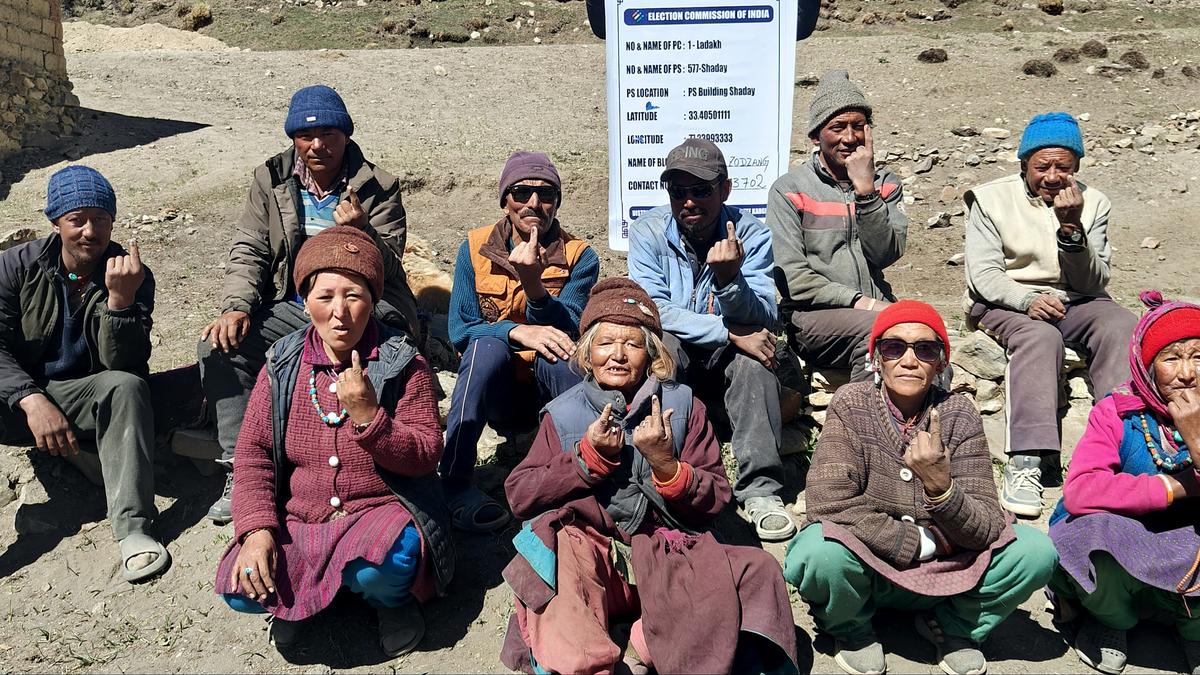
    In a significant milestone for Ladakh, the region witnessed a historic voter turnout of 67.15% in its first-ever Lok Sabha election since it became a Union Territory in 2019. The election, which was held on May 20, marked a new chapter in the region's political history, as Ladakhers came out in large numbers to cast their votes for the future of the region under its new administrative status.

    Record Turnout Across the Region: A Symbol of Political Engagement

    The Chief Electoral Officer for Ladakh reported a healthy turnout with significant regional variations. Leh, the district with a predominantly Buddhist population, saw 62.5% voter participation, while Kargil, the Muslim-majority district, recorded a higher turnout of 71.45%. This divergence reflects the region's diverse socio-political landscape and the distinct local interests at play.

    For the people of Ladakh, this election was more than just a routine exercise in democracy. It was a moment of empowerment and a demonstration of their voice in the national political arena, especially after the region's transition to Union Territory status in 2019. The residents of this high-altitude region, often distant from the political hubs of India, now have a direct say in shaping their future.

    Political Parties Competing for the Heart of Ladakh

    The election was fiercely contested, with national political parties like the Bharatiya Janata Party (BJP), Congress, and regional players all vying for the attention of Ladakh’s electorate. For many, this was the first time they had the opportunity to vote under the new Union Territory setup, which is still adapting to the changes brought about by the revocation of Article 370.

    In Leh, which is home to Buddhist communities, there was a strong presence of candidates advocating for the preservation of Ladakhi culture and heritage. Meanwhile, Kargil, with its Muslim-majority demographic, saw candidates focusing on issues related to religious minorities and development in remote areas. The contrasting priorities of the two districts made this election particularly unique, as local issues took center stage, while national parties navigated the regional aspirations of Ladakh’s diverse communities.

    Voter Enthusiasm Reflects a Sense of Ownership and Change

    The high voter turnout reflects an increasing political awareness among Ladakh’s residents, who are eager to influence the future trajectory of their region. With the region’s distinct cultural identity and strategic significance to India’s security, many voters expressed a sense of duty to contribute to this defining moment in Ladakh’s history.

    "This election means a lot to us. After the change in status, we feel that our voices matter more now. We hope this will bring more development and a better future for Ladakh," said Norbu, a young voter from Leh. Similarly, in Kargil, residents spoke of how they hoped the election would pave the way for greater autonomy and more focused development efforts in their region.

    Security and Accessibility: A Challenge for Ladakh’s Electoral Process

    Conducting an election in Ladakh comes with its own set of challenges. The region’s harsh weather conditions, rugged terrain, and remote locations make logistics and accessibility a critical factor. However, the success of this election also showcases the efforts made by the Election Commission and local authorities to overcome these barriers. Special arrangements were made for remote polling stations, and the smooth conduct of the election despite Ladakh’s geographical hurdles was a testament to the region's resilience and commitment to the democratic process.

    Looking Ahead: The Road to Greater Political Representation

    As Ladakh now steps into this new political era, the results of this first election will serve as a foundation for future political developments. The successful conduct of the election, coupled with the active participation of the electorate, signals that Ladakh is ready for more political empowerment.

    With its new status as a Union Territory, Ladakh’s residents are increasingly hopeful that this election marks the beginning of better governance, more focused development, and greater political representation in the years to come. As they continue to seek their place in India’s democratic framework, Ladakh’s people are determined to ensure that their region’s voice is heard at the national level.

    …
  • Amit Shah Announces Creation of Five New Districts
    My India Times   2024-11-11  109

    Amit Shah Announces Creation of Five New Districts

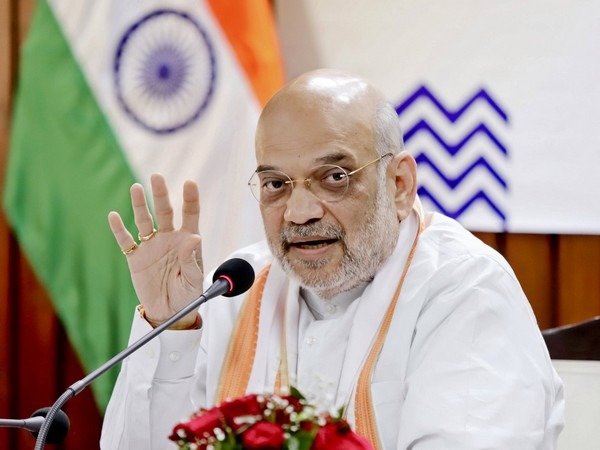
    In a landmark decision aimed at enhancing governance and administration in the region, Union Home Minister Amit Shah announced on Monday that five new districts would be carved out in the Union Territory of Ladakh. The new districts — Zanskar, Drass, Sham, Nubra, and Changthang — are set to empower remote areas and bring governance closer to the people, ensuring that every corner of Ladakh benefits from focused administrative attention.

    At present, Ladakh comprises two districts: Leh and Kargil, both of which operate with autonomous hill development councils. The creation of these five new districts marks a significant expansion in the administrative landscape of the region, with the promise of more localized governance and development.

    A Step Toward Inclusivity and Better Access

    Addressing the announcement, Amit Shah emphasized that the creation of these new districts would facilitate the delivery of public services and improve infrastructure across Ladakh's remote and often challenging terrain. "This move is aimed at bolstering governance in every nook and cranny of Ladakh, ensuring that all areas, including the most distant, receive the attention and services they deserve," Shah said during his address.

    The decision is seen as part of the broader vision for Ladakh’s development, ensuring that even the most isolated communities are not left behind in the race for progress. The new districts will enable more efficient management of resources and bring essential services such as healthcare, education, and infrastructure development closer to the people.

    Prime Minister Modi's Vision: Bringing Governance Closer to the People

    Prime Minister Narendra Modi, who also welcomed the announcement, lauded the creation of the new districts as a crucial step towards better governance and prosperity for Ladakh. In a tweet, he said, "The creation of these districts will bring services and opportunities even closer to the people. This move will help in ensuring that Ladakh, with its unique culture and geographical significance, progresses further."

    The Prime Minister also noted that these new districts would empower local populations, particularly in the remote areas of Zanskar, Nubra, Changthang, and others, by decentralizing administration and allowing for greater focus on region-specific needs.

    Ladakh's Rich Cultural Heritage and Strategic Importance

    Ladakh, with its breathtaking landscapes and rich cultural heritage, is strategically important for India, particularly in light of its proximity to sensitive borders with China and Pakistan. The region, known for its high-altitude deserts and rugged terrain, has long faced challenges related to connectivity and accessibility. This restructuring of the administrative framework is expected to address some of these issues by streamlining decision-making processes and bringing governance closer to the ground level.

    The move also resonates with Ladakh's unique socio-cultural fabric, which is home to various ethnic groups, including Buddhists, Muslims, and indigenous communities, each with their own distinct needs. Local governance through the newly created districts is expected to better reflect these needs and prioritize community-driven development.

    Empowering Local Governance: A Long-Awaited Change

    For residents of Ladakh, the announcement comes as a welcome change. Local leaders and community members have long advocated for better representation and more localized governance. “For years, our people have felt disconnected from the decision-making centers in Leh and Kargil. This change is a long-awaited step towards a more inclusive and responsive administration," said Tsewang Norbu, a local community leader from Zanskar.

    The new districts will have more administrative autonomy, with plans to establish local offices, courts, and developmental bodies that can cater specifically to the needs of their populations. This decentralization is expected to empower local leaders and improve the overall governance of the region.

    A Step Forward in Ladakh’s Development Journey

    Ladakh, which was made a Union Territory in 2019 following the abrogation of Article 370, has seen significant political changes in recent years. With an increasing focus on tourism, infrastructure, and economic development, the creation of the new districts is being viewed as a progressive step toward ensuring that Ladakh's growth reaches every corner.

    As the region continues its journey of transformation, the hope is that this new administrative structure will lead to increased access to government schemes, better delivery of public services, and the overall prosperity of Ladakh’s people.

    …
  • hostinger
    No records found.
Error: Invalid API key. Please see https://openweathermap.org/faq#error401 for more info.