
Breaking News

Maha Kumbh 2025: Over 6.2 Million Devotees Take Holy Dip at Sangam on Basant Panchami’s Final ‘Amrit Snan’
RRB ALP 2025: City Intimation Slip Released, Exam Dates Announced

  • Facebook
  • X
  • LinkedIn
  • Youtube
  • Instagram
  • Whatsapp
  • Login
  • Advertisie with Us
My India Times My India Times News

My India Times News

  • ℃
  •   
  • Login
My India Times Logo
Billingezy
  • Home
  • India
    • India
    • Andhra Pradesh
    • Arunachal Pradesh
    • Assam
    • Bihar
    • Chhattisgarh
    • Goa
    • Gujarat
    • Haryana
    • Himachal Pradesh
    • Jharkhand
    • Karnataka
    • Kerala
    • Madhya Pradesh
    • Maharashtra
    • Manipur
    • Meghalaya
    • Mizoram
    • Nagaland
    • Odisha
    • Punjab
    • Rajasthan
    • Sikkim
    • Tamil Nadu
    • Telangana
    • Tripura
    • Uttar Pradesh
    • Uttarakhand
    • West Bengal
    • Andaman and Nicobar Islands
    • Chandigarh
    • Dadra and Nagar Haveli and Daman and Diu
    • Delhi
    • Lakshadweep
    • Ladakh
    • Jammu and Kashmir
    • Puducherry
  • World
  • Crime
  • Interactive Maps
  • Business
  • Technology
  • Education
  • Health Care
  • Chemical
  • Top Stories
  • Entertainment
    • Entertainment
    • Bollywood
    • Web Series
    • Film-Review
    • South Movies
  • Agriculture
  • Religion
    • Religion
    • Festivals
    • Video
    • Astrology
    • Stories
  • Sports
    • Sports
    • Upcoming Match
    • Cricket
    • Hockey
    • Olympic
    • IPL
  • Election
  • Calculators
  • Travel
  • Awareness
  • Universe
    • Earth
    • Ocean
    • Space
  • Home
  • India
    • Uttar Pradesh
    • Delhi
    • Punjab
    • Rajasthan
    • Uttarakhand
    • Bihar
    • Jharkhand
    • Madhya Pradesh
    • Haryana
    • Himachal Pradesh
    • West Bengal
    • Telangana
    • Jammu & Kashmir
    • Andhra Pradesh
    • Arunachal Pradesh
    • Assam
    • Chhattisgarh
    • Goa
    • Gujarat
    • Karnataka
    • Kerala
    • Manipur
    • Meghalaya
    • Maharashtra
    • Nagaland
    • Odisha
    • Sikkim
    • Tamil Nadu
    • Andaman & Nicobar
    • Chandigarh
    • Ladakh
    • Lakshadweep
    • Puducherry
    • Dadra & Nagar Haveli and Daman & diu
    • Tripura
    • Mizoram
  • World
  • Crime
  • Crime Map
  • Business
  • Technology
    Playing GIF
  • Education
    Playing GIF
  • Health Care
  • Travel
  • Calculators
  • Awareness
  • Universe
    • Earth
    • Space
    • Ocean
  • More
    • Chemical
    • Entertainment
      • TV
      • Bollywood
      • Web Series
      • Flim Review Hot
      • South Movies
    • Agricluture
    • Top Stories
    • Religion
      • Festivals
      • Video
      • Astrology
      • Stories
    • Election
    • Sports
      • Upcoming Match Hot
      • Cricket
      • Hockey
      • Olympic
      • IPL
  •   ℃
  •   
Delhi
2025-04-29

Over 200 Flights Delayed at Delhi Indira Gandhi International Airport

On April 28, more than 200 flights were delayed at Delhi's Indira Gandhi International (IGI) Airport due to the combined impact of runway closure and weather conditions. The fourth runway at IGI has been closed since April 8 for an upgrade of its Instrument Landing System (ILS), significantly affecting the airport's capacity to handle air traffic. With only three runways operational, the ability to manage the usual flow of arrivals and departures was compromised, leading to substantial delays.

Easterly Winds Worsen Flight Operations

In addition to the runway closure, the weather conditions worsened the situation. The presence of strong easterly winds forced air traffic control to manage departures using only two runways, while arrivals were restricted to just one runway. These weather patterns further limited the airport's ability to efficiently manage flight traffic, leading to delays for passengers trying to board or disembark.

Flight Delays and Passenger Impact

The flight tracking website Flightradar24 reported that the average delay for flights was around 30 minutes. However, many passengers experienced much longer wait times, with some reporting delays of several hours. While no flights were diverted to other airports, the congestion at IGI Airport was evident, and passengers faced prolonged waiting times. The lack of clear communication from airlines added to the frustration, as many travelers found themselves without updates or assistance during their long waits.

Special Measures to Manage Congestion

To address the growing congestion, special air traffic flow management measures were implemented by airport authorities from 2:30 pm to 6:30 pm on April 28. They put these measures in place to make sure the remaining flights could land and take off safely, all while sticking to international rules. Even with everything, the airport still couldn’t handle the usual number of flights, so the delays kept stacking up.

Passenger Frustration and Complaints

Many passengers voiced their frustration on social media, highlighting issues like poor communication and lack of support during the long delays. Complaints on social media centered around passengers being stuck in aircrafts or lounges for extended periods, with no explanation for the delays or plans for when they might be resolved.

Runway Reopening Expected in Early May

The fourth runway at IGI is expected to reopen in the first week of May, once the upgrade of the Instrument Landing System (ILS) is completed. The reopening of the runway is expected to help restore the airport's normal operational capacity, enabling it to handle a higher volume of flights and reducing the number of delays. In the meantime, airport authorities have been working to manage the situation as best as possible, while ensuring that safety remains a priority.

Delhi
2025-03-28

Supreme Court Declines Urgent Hearing in Delhi Judge Cash Case

On March 27, 2024, the Supreme Court of India refused to grant an urgent hearing for a petition seeking an investigation into the recovery of burnt bundles of cash from the residence of Delhi High Court Judge, Justice Yashwant Varma. The decision has sparked debates on judicial transparency, accountability, and the legal immunity granted to judges.

Background of the Case

On March 14, 2024, a fire broke out in the outhouse of Justice Yashwant Varma’s official residence. So, when the firefighters showed up, they found some charred bundles of cash lying around. This really got people fired up, and they started calling for a thorough and honest investigation. However, no FIR (First Information Report) was filed immediately, raising suspicions about a possible cover-up.

Petitioners’ Allegations and Demands

The petition was filed by advocate Mathews J. Nedumpara along with others, demanding an immediate registration of an FIR against unknown persons. They’re calling for a serious investigation to figure out where the money’s coming from, want everything in the judiciary to be more transparent, and think there should be accountability for any financial issues. Plus, they believe it’s time to get rid of the legal immunity that stops criminal cases against judges unless the Chief Justice of India gives the go-ahead.

Supreme Court’s Response

A bench led by Chief Justice Sanjiv Khanna refused to hear the plea on an urgent basis, stating that the matter would be listed in due course. The court also gave a little nudge to the petitioners, suggesting they shouldn't talk about the case publicly. Plus, the way the case hasn't been prioritized is raising some eyebrows about how transparent the judicial process really is and how these kinds of cases are dealt with in the system.

Why Was No FIR Registered?

Several questions have been raised about the handling of the case. Why was an FIR not registered immediately after the cash was found? Why was no seizure record prepared for the burnt cash? Why did it take nearly a week for the matter to become public? If Justice Varma was not involved, why did he not file a complaint himself? These unanswered questions have fueled further speculation and controversy.

Justice Yashwant Varma’s Statement

Justice Varma has categorically denied any links to the burnt cash, stating that he and his family have no knowledge of its origin. He has suggested that the entire controversy is a conspiracy to tarnish his reputation. However, legal experts believe that even if he is innocent, an impartial probe is necessary to clear doubts and uphold judicial integrity.

Judiciary’s Internal Inquiry

To address concerns, the Supreme Court has set up a three-member in-house inquiry committee. This committee consists of senior high court judges and is responsible for examining the evidence related to the burnt cash discovery, evaluating the need for further legal action, and submitting recommendations on judicial accountability and transparency. However, critics argue that an internal probe lacks credibility and that an independent agency like the CBI (Central Bureau of Investigation) should take over the case.

Public Perception and Impact on Judicial Integrity

The incident has led to widespread public skepticism regarding the judiciary’s ability to self-regulate. Many legal experts and activists believe that without external oversight, such cases will continue to raise doubts about the integrity of India’s judicial system. The lack of transparency in judicial appointments and disciplinary actions, the absence of a clear legal framework to handle allegations against sitting judges, and the possibility of undue influence in internal investigations are major concerns.

Demand for Judicial Reforms

In light of this controversy, many legal experts and activists are demanding reforms such as the revival of the Judicial Standards and Accountability Bill, 2010, which seeks stricter regulations on judicial conduct. They also advocate for a mechanism to allow independent agencies like the CBI or Lokpal to investigate allegations against judges, real-time public disclosure of judicial inquiries to ensure greater transparency, and mandatory FIR registration in all cases involving public officials to avoid cover-ups.


Delhi
2025-02-25

Rekha Gupta-Led Delhi Government to Table 14 CAG Reports on AAP Regime in Assembly Today

Critical Financial and Performance Audits of Kejriwal-Led Administration Under Scrutiny

New Delhi, February 25: The Bharatiya Janata Party (BJP)-led Delhi government is set to present 14 Comptroller and Auditor General (CAG) reports concerning the previous Aam Aadmi Party (AAP) administration on the second day of the three-day Delhi Assembly session. These reports, which remained unpublished during the AAP government’s tenure, will now be tabled for public and legislative scrutiny.

Sources indicate that the CAG reports contain vital audits and assessments covering financial management, social welfare, infrastructure, public health, and environmental policies implemented during the Kejriwal-led government’s tenure. The reports are expected to provide insights into governance shortcomings, inefficiencies, and potential irregularities in various projects and schemes executed under AAP.

Blocked Reports Now to See the Light of the Day

According to government sources and media reports, these audits were allegedly delayed or "blocked" from being tabled by the AAP regime. With the BJP government now in power, it has decided to release these reports, ensuring accountability and transparency in governance.

"We are committed to revealing the truth behind the governance of the previous regime. These reports will shed light on critical aspects of public administration, financial allocations, and the execution of government programs," a senior BJP leader said.

Key CAG Reports to Be Presented

The reports scheduled for tabling include a mix of financial, social, economic, and environmental performance audits. Some of the key reports include:

1. State Finances Audit Report (for the year ended March 2021)

This report evaluates the financial health of the Delhi government, focusing on revenue generation, fiscal deficit, expenditure patterns, and debt management strategies.

2. Revenue, Economic, Social, and General Sectors and PSUs (for the years ended March 31, 2020 and 2021)

This document provides insights into revenue collection efficiency, public sector undertakings' (PSUs) performance, and the overall economic condition of the state during AAP's tenure.

3. Performance Audit of Prevention and Mitigation of Vehicular Air Pollution (for the year ended March 31, 2021)

With Delhi battling severe air pollution year after year, this report examines the effectiveness of measures taken by the AAP government to control vehicular pollution, including the success of initiatives such as the Odd-Even scheme and electric vehicle policies.

4. Performance Audit of Children in Need of Care and Protection (for the year ended March 31, 2021)

This assessment sheds light on government policies and interventions for vulnerable children, evaluating the performance of state-run shelters, foster care programs, and child welfare schemes.

5. State Finances Audit Report (for the year ended March 2022)

Similar to the 2021 financial report, this audit focuses on revenue and expenditure trends, debt management, and financial governance during AAP’s rule in 2022.

6. Performance Audit on Liquor Supply

One of the most contentious audits, this report is expected to analyze the state's liquor distribution policies, revenue collection, and any discrepancies or mismanagement under the now-scrapped excise policy.

7. State Finances Audit Report (for the year ended March 2023)

This latest financial report provides an in-depth review of the financial health of Delhi’s economy under AAP’s governance in its final full year.

8. Performance Audit on Public Health Infrastructure and Management of Health Services

This report examines the efficiency of healthcare services, particularly in the wake of the COVID-19 pandemic, and evaluates the functioning of Delhi’s hospitals, clinics, and emergency response systems.

9. Performance Audit Report on the Functioning of Delhi Transport Corporation (DTC)

Public transport is a crucial lifeline for millions in Delhi. This report assesses the efficiency of the DTC, fleet expansion plans, financial viability, and the impact of various transportation schemes.

Political Reactions and Implications

The release of these reports is expected to trigger intense political debate. While BJP leaders argue that making these reports public is a step towards greater transparency, AAP has dismissed the move as a politically motivated attempt to tarnish its image ahead of upcoming elections.

AAP leaders have accused the BJP of selectively targeting their administration while ignoring governance failures in other BJP-ruled states. "These reports are being strategically used to mislead the public. The BJP government is more interested in political vendetta than real governance," an AAP spokesperson said.

On the other hand, BJP leaders have emphasized the need for accountability. "For years, these reports were kept under wraps. The people of Delhi have the right to know how their tax money was spent and whether public welfare programs delivered the promised results," a BJP MLA said.

Public Interest and Potential Fallout

The CAG reports could have a significant impact on Delhi’s political landscape. If they reveal major governance lapses, AAP may face public backlash, potentially influencing voter sentiment ahead of elections. Conversely, if the findings are not as damaging as expected, it could provide AAP with ammunition to counter BJP’s allegations.

Experts believe that these audits will offer crucial insights into financial prudence, administrative efficiency, and policy effectiveness. “Performance audits are a vital tool in evaluating governance. If discrepancies are found, corrective measures must be taken, irrespective of political affiliations,” said a senior policy analyst.

What’s Next?

As the reports are tabled, the Delhi Assembly will likely witness heated debates between the ruling BJP government and the opposition AAP. The reports' findings may lead to further inquiries, policy reviews, or even legal actions if any financial mismanagement or irregularities are uncovered.

With the eyes of Delhiites fixed on these revelations, the coming days could prove crucial in shaping the governance discourse in the national capital. Whether these reports will bring real change or just fuel another political war remains to be seen.

Stay tuned for further updates on the developments unfolding in the Delhi Assembly session.

Delhi
2025-02-24

Atishi Appointed as First Woman Leader of Opposition in Delhi Assembly

In a historic move, the Aam Aadmi Party (AAP) has appointed senior leader and Kalkaji MLA Atishi as the Leader of Opposition (LoP) in the Delhi Assembly. This decision was taken unanimously by AAP legislators during a crucial meeting held on Sunday. Atishi's appointment marks a significant milestone, as she becomes the first woman to hold this prestigious position in the history of the Delhi Assembly.

A Landmark Decision

Atishi’s selection as the LoP is seen as a strategic move by AAP, especially in the wake of the recent Assembly elections, where the party faced a major setback. Despite the challenges, Atishi emerged as one of the few prominent AAP leaders to secure a victory in her constituency. Her elevation to the LoP position is expected to bring a dynamic and vocal opposition to the Delhi government, ensuring robust legislative debates and accountability.

Atishi’s Reaction to the Appointment

Following the announcement, Atishi expressed her gratitude and reaffirmed her commitment to serving the people of Delhi. “The people of Delhi have entrusted AAP with the responsibility of playing the role of a strong opposition. We accept this mandate with full dedication and will work tirelessly to ensure the concerns of Delhiites are raised effectively in the Assembly,” she said.

She further emphasized that being in the opposition does not mean being powerless but rather provides an opportunity to be the voice of the people. “We will hold the ruling government accountable for every promise made, every policy implemented, and every issue that affects the daily lives of our citizens,” she added.

Atishi’s Political Journey

Atishi, known for her strong policy-making skills and education reforms, has been a prominent figure in AAP since its inception. A Rhodes Scholar and an educationist by background, she played a crucial role in revolutionizing Delhi’s government school education system, making it one of the most acclaimed models in the country. Her policy insights and administrative acumen made her a key asset to AAP’s leadership.

Over the years, she has been a vocal advocate for transparency, women’s empowerment, and social justice. Her ability to engage in articulate debates and her firm stance on governance issues make her a formidable opposition leader.

Challenges Ahead

While Atishi’s appointment is a moment of pride, it also comes with its own set of challenges. AAP, which once held a dominant position in Delhi politics, has seen a dip in its influence following the recent elections. The party now faces the task of re-establishing its credibility and proving its effectiveness as the opposition.

Atishi, as the face of this transformation, will have to navigate a tough political landscape, balancing constructive criticism with strong advocacy. She is expected to challenge the ruling party on critical issues such as urban development, women’s safety, pollution control, and governance transparency.

AAP’s Role as Opposition

With Atishi at the helm, AAP is likely to adopt a proactive approach to opposition politics. The party has already hinted at raising key concerns such as corruption allegations, governance lapses, and public welfare policies. Atishi’s leadership will play a crucial role in ensuring that the ruling government is held accountable, while also offering alternative policy solutions.

Political analysts believe that her appointment signals a shift towards a more structured and policy-driven opposition. Unlike traditional opposition figures who focus solely on criticism, Atishi is expected to bring data-driven arguments and well-researched policy counterpoints to legislative debates.

Support and Criticism

Atishi’s appointment has been welcomed by many within AAP and among political observers. Her supporters believe that she is the right person to lead the opposition, given her intellectual depth and political experience.

However, critics argue that AAP’s reduced presence in the Assembly could make it difficult for her to push forward a strong opposition agenda. The challenge for Atishi will be to ensure that her party’s voice is heard despite numerical limitations.

A Step Towards Women’s Leadership

Atishi’s selection as the first female LoP is also a progressive step towards increased representation of women in politics. In a field where leadership roles are often male-dominated, her appointment sets an inspiring precedent. Women leaders across the country have hailed this move, calling it a victory for gender inclusivity in governance.

Political experts suggest that her leadership could encourage more women to participate in active politics, paving the way for a more balanced and representative political landscape.

Future Prospects

As Atishi steps into this new role, the coming months will be crucial in shaping her legacy as an opposition leader. How she tackles governance issues, challenges the ruling party, and mobilizes public support will determine the effectiveness of AAP as an opposition party in Delhi.

With a strong background in policy-making and governance, Atishi is well-positioned to redefine the role of opposition in the Delhi Assembly. Whether she can steer AAP back into a position of greater influence remains to be seen, but her appointment is undoubtedly a defining moment in Delhi’s political history.

Conclusion

Atishi’s appointment as the Leader of Opposition is a historic and strategic move for AAP. As the first woman to hold this position, she brings a fresh and policy-driven approach to opposition politics in Delhi. With several challenges ahead, her leadership will be instrumental in shaping the future of AAP and the overall governance landscape in the national capital. Delhi’s citizens will be keenly watching as she takes on this new role, hoping for a stronger, more accountable political system under her watch.


Delhi
2025-02-21

Rekha Gupta Appointed Delhi's New Chief Minister: BJP's Strategic Move Explained

New Delhi: February 21, 2025

In a decision that has surprised many, the Bharatiya Janata Party (BJP) has appointed Rekha Gupta as the new Chief Minister of Delhi. Gupta, a first-time MLA from Shalimar Bagh, was chosen over more experienced candidates, including former Lok Sabha MP Parvesh Verma and seasoned leader Vijender Gupta. The move, according to political analysts, signals a strategic shift by the BJP in Delhi's political landscape.

The Unexpected Choice

Rekha Gupta’s appointment came after nearly two weeks of intense deliberations within the BJP’s senior leadership. Her name was finalized late last night, following discussions that had been delayed due to Prime Minister Narendra Modi's foreign visits to France and the United States.

While many expected the party to select a more experienced candidate, the BJP ultimately decided on Gupta, a move that aligns with its long-term strategy for Delhi. Sources within the party say that Gupta’s selection was driven by two key factors: the BJP’s focus on women's empowerment and its attempt to consolidate the Vaishya vote bank.

Why Rekha Gupta? The Two Key Reasons

1. Women Empowerment as a Core BJP Strategy

One of the key reasons for choosing Rekha Gupta as Chief Minister is the BJP’s commitment to promoting women in leadership roles. Women’s empowerment has been a central theme in the BJP’s election campaigns, with initiatives like Beti Bachao, Beti Padhao, Ujjwala Yojana, and Nari Shakti Vandan Adhiniyam (the Women’s Reservation Bill) being widely promoted.

By appointing a woman Chief Minister, the BJP seeks to reinforce its pro-women stance, especially at a time when the party is actively engaging with female voters across the country. This decision could help the BJP counter opposition narratives and position itself as a progressive party that prioritizes gender inclusion.
 

2. Consolidating the Vaishya Vote Bank

Delhi’s complex caste demographics have always played a crucial role in electoral strategies. The BJP has previously had Chief Ministers from different dominant communities—Madan Lal Khurana (Punjabi), Saheb Singh Verma (Jat), and Sushma Swaraj (Brahmin). However, the Vaishya community, which forms a significant part of the capital’s business class, had not been represented in this role.

By selecting Rekha Gupta, a Vaishya leader, the BJP aims to consolidate this key voter base. Business owners and traders, a core support group for the BJP, have expressed concerns over economic policies and taxation issues in recent years. With Gupta at the helm, the party hopes to reassure Delhi’s business community and strengthen its electoral prospects.

Vijender Gupta: The Other Contender

Vijender Gupta, a veteran BJP leader and former Leader of the Opposition in the Delhi Assembly, was seen as a strong contender for the Chief Ministerial post. Like Rekha Gupta, he also belongs to the Vaishya community, making him a natural choice from a caste perspective. However, his exclusion from the top position came down to one key factor—gender.

The BJP’s leadership had reportedly decided early on that the next Chief Minister of Delhi would be a woman. While Vijender Gupta’s experience made him a credible candidate, the party’s top brass remained firm in their decision to project a female leader. As a result, Vijender Gupta has instead been appointed as Speaker of the Delhi Assembly, a position of significant influence within the state’s legislative framework.

BJP’s Broader Political Strategy in Delhi

The BJP’s decision to appoint Rekha Gupta as Chief Minister is part of a broader strategy to strengthen its foothold in Delhi. The party has faced stiff competition from the Aam Aadmi Party (AAP) in recent years, with Arvind Kejriwal’s governance model winning popular support. However, with Kejriwal’s government facing scrutiny over corruption allegations and policy challenges, the BJP sees an opportunity to reclaim its position in Delhi politics.

Rekha Gupta’s clean image, coupled with her strong grassroots connect, makes her a compelling choice to lead the BJP’s charge in the national capital. Her tenure is expected to focus on issues that resonate with Delhi’s middle class, including infrastructure development, business-friendly policies, and women’s safety initiatives.

Challenges Ahead for Rekha Gupta

Despite the strategic advantages of her appointment, Rekha Gupta faces several challenges as she steps into the role of Delhi’s Chief Minister:

Countering the AAP Government’s Welfare Model – Arvind Kejriwal’s AAP has built a strong reputation for providing free electricity, water, and education. Rekha Gupta will need to carve out a governance model that balances development with fiscal responsibility.

Winning Over a Divided BJP Cadre – While her appointment aligns with the party’s broader strategy, not all BJP leaders were in favor of her selection. Managing internal party dynamics will be crucial for her success.

Navigating Delhi’s Unique Political Landscape – Unlike other states, Delhi has limited powers due to its status as a Union Territory. Many key decisions rest with the Lieutenant Governor and the central government, making governance a complex challenge.

Delivering Tangible Results Before Elections – With the next Delhi Assembly elections approaching, Rekha Gupta has a short window to make an impact. Quick and effective policy decisions will be necessary to boost her leadership credentials.

Public Reaction and Future Prospects

Rekha Gupta’s appointment has drawn mixed reactions from political observers and Delhi’s citizens. While BJP supporters have welcomed the decision, calling it a progressive move, opposition parties have questioned her experience and ability to govern a complex city like Delhi.

AAP leaders have criticized the BJP’s choice, arguing that Gupta lacks the administrative experience needed to tackle Delhi’s challenges. Congress, on the other hand, has remained largely silent, focusing instead on rebuilding its political base in the capital.

Conclusion: A Defining Moment for BJP in Delhi

Rekha Gupta’s elevation to the Chief Minister’s post marks a turning point for the BJP in Delhi. Her appointment aligns with the party’s broader national strategy of promoting women in leadership and consolidating key voter bases. However, the true test of her leadership will lie in her ability to navigate the challenges of governance and deliver results that resonate with Delhi’s electorate.

As she takes charge, all eyes will be on Rekha Gupta to see whether she can turn the BJP’s strategic gamble into a political success. With elections on the horizon, her performance in the coming months will be crucial in determining the party’s future in the capital.

Delhi
2025-02-03

Delhi Assembly Elections 2025 | ‘Daughter’ of Kalkaji Atishi Tries to Woo Voters; Congress, BJP Give Tough Fight

As the political temperature in Delhi rises ahead of the 2025 Assembly elections, Kalkaji MLA and Aam Aadmi Party (AAP) leader Atishi is leaving no stone unturned in her bid to retain the seat. Known for her strong educational reforms and welfare initiatives, Atishi is positioning herself as the ‘daughter’ of Kalkaji, appealing to voters with a mix of governance record and grassroots outreach. However, with the Congress and BJP mounting a strong challenge, the electoral battle in this key constituency is set to be intense.

Atishi’s Outreach: AAP’s Welfare Model in Focus

Atishi, who emerged as a key figure in Delhi’s political landscape under Chief Minister Arvind Kejriwal’s leadership, is banking on AAP’s governance model. From free electricity and water schemes to improvements in government schools, her campaign highlights AAP’s track record. She has been actively engaging with residents, particularly women and senior citizens, reinforcing her connection as “Kalkaji ki Beti” (Daughter of Kalkaji).

“In the last five years, we have transformed schools, provided free healthcare, and improved infrastructure. I am not just a politician; I am a daughter of Kalkaji, and I will continue to serve my people,” Atishi said during a campaign rally.

Congress Eyes a Comeback

Despite its decline in Delhi politics, the Congress is hoping for a revival, banking on its traditional voter base and dissatisfaction among a section of the electorate. The party has fielded a seasoned leader who is focusing on issues like inflation, unemployment, and alleged corruption within AAP. Congress is also emphasizing its past achievements in Delhi’s infrastructure and healthcare sectors under former Chief Minister Sheila Dikshit.

A Congress spokesperson stated, “AAP has made promises, but the ground reality is different. People are struggling with rising prices, unemployment, and inadequate infrastructure. Congress has always worked for the people, and we are ready to serve again.”

BJP’s Aggressive Campaign: Aiming to Break AAP’s Stronghold

The Bharatiya Janata Party (BJP), which has been out of power in Delhi for over two decades, is running an aggressive campaign, targeting AAP on governance issues, corruption allegations, and law and order concerns. The party’s candidate, a prominent local leader, is focusing on Delhi’s air pollution crisis, unauthorized colonies, and alleged financial mismanagement by the Kejriwal government.

A BJP leader remarked, “AAP has failed to deliver on its promises. People are fed up with their politics of excuses. BJP will bring real development, not just publicity stunts.”

The Road Ahead: A Tough Three-Way Battle

With AAP banking on governance, Congress reviving its grassroots connect, and BJP pushing a narrative of change, the Kalkaji constituency is witnessing a high-stakes battle. Voter turnout, last-minute alliances, and key community support could play a crucial role in deciding the outcome.

As Delhi gears up for polling, Kalkaji remains one of the most watched constituencies, where Atishi’s ‘daughter of the soil’ narrative will be tested against the strong opposition campaigns. Will the voters reward her governance record, or will they opt for a change? The answer lies in the ballot box.

Delhi
2025-01-28

Delhi Elections 2025: TMC MP Shatrughan Sinha to Campaign for Arvind Kejriwal's AAP in New Delhi

In a surprising move ahead of the 2025 Delhi Assembly elections, Trinamool Congress (TMC) Member of Parliament (MP) Shatrughan Sinha has announced his decision to campaign for Delhi Chief Minister Arvind Kejriwal’s Aam Aadmi Party (AAP). The former Bollywood actor-turned-politician, who has been a prominent figure in Indian politics, is set to play a significant role in bolstering the AAP's efforts to retain power in the national capital.

Shatrughan Sinha, known for his outspoken nature and larger-than-life persona, has always been a man of bold decisions in the political sphere. His shift from the Bharatiya Janata Party (BJP) to TMC in 2019 was one of the most discussed political developments in recent years. His association with Mamata Banerjee’s party was seen as a strategic move to enhance his political relevance and align with the growing opposition forces against the BJP.

The announcement of Shatrughan Sinha's support for Arvind Kejriwal and AAP comes at a crucial time, as Delhi's political landscape is gearing up for intense competition between the AAP, BJP, and other regional parties. Sinha’s move signals a growing synergy between opposition leaders as they prepare to challenge the dominance of the BJP in the upcoming elections.

Shatrughan Sinha's decision to support AAP is seen as a reflection of the shifting political dynamics in India. While Mamata Banerjee’s TMC and Kejriwal’s AAP have largely been considered separate entities in the past, the increasing polarization in Indian politics has prompted leaders to seek common ground for mutual benefit. Sinha’s decision to campaign for Kejriwal is also a sign of solidarity between regional parties aiming to take on the BJP at the state and national levels.

Sinha’s long-standing connection with Delhi and his popularity among the masses is expected to give AAP a boost in the upcoming elections. Known for his charismatic personality and his reputation as a seasoned politician, Shatrughan Sinha has the ability to connect with voters across different sections of society. His involvement in the election campaign could add a new dimension to AAP’s strategy, especially as the party seeks to appeal to a wider audience beyond its core supporters.

Arvind Kejriwal, who has been the face of AAP in Delhi for the last several years, welcomed Sinha's decision to join the party's campaign. Kejriwal expressed his gratitude for the support and mentioned that Sinha’s involvement would bring fresh energy to the party's electoral efforts. The AAP leadership is hoping that Shatrughan Sinha's star power will help the party strengthen its position in New Delhi, where the BJP has always been a formidable contender.

While the BJP has been critical of the TMC-AAP collaboration, accusing both parties of indulging in political opportunism, Sinha’s decision has sparked fresh debates within political circles. BJP leaders have questioned the sincerity of such alliances, suggesting that these moves are driven more by electoral calculations than genuine ideological alignment. However, Sinha has made it clear that his support for AAP is a strategic decision aimed at defeating the BJP and ensuring that Delhi remains under the leadership of a party committed to the welfare of its people.

Shatrughan Sinha’s involvement in the Delhi elections could also play a crucial role in bringing attention to important local issues, including education, healthcare, and infrastructure. Kejriwal’s AAP government has gained significant traction in Delhi due to its focus on these areas, and Sinha's public support may further highlight the party’s achievements in governance.

As the Delhi Elections 2025 approach, the political landscape in the capital is becoming more dynamic, with unexpected alliances and shifting loyalties. Shatrughan Sinha’s decision to campaign for AAP is a clear indication that the opposition parties are coming together to mount a serious challenge to the BJP’s influence in the region. With his star power and Kejriwal’s popular governance model, this alliance could prove to be a game-changer in the upcoming elections. The next few months will be crucial as the political drama unfolds in the capital, with all eyes now on the TMC, AAP, and BJP as they prepare for what promises to be a fiercely contested electoral battle.

Delhi
2025-01-17

Delhi Fog Update: Rain Brings Relief from Severe Pollution, but Dense Fog Disrupts Flights

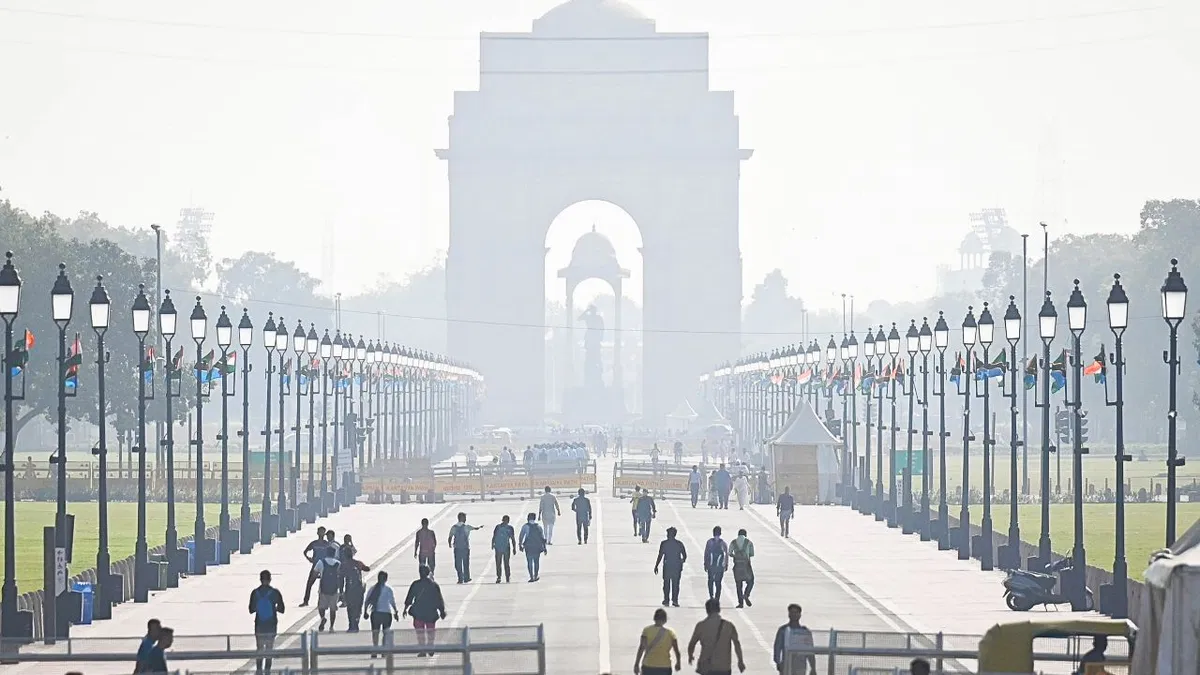
Delhi's weather took a dramatic turn this week, offering some relief from the choking smog that had blanketed the city. Rainfall on Wednesday brought down pollution levels, improving the air quality significantly. However, dense fog continued to grip the region, leading to travel disruptions, including delayed flights at the Indira Gandhi International (IGI) Airport on Friday morning.

Rain Offers Respite, Air Quality Improves

The rain has been a blessing for Delhiites, washing away layers of pollutants that had pushed the city's Air Quality Index (AQI) into the "Severe" category earlier this week. On Thursday, the AQI dropped to 302, categorized as "Very Poor," marking a considerable improvement from levels above 400. By Friday morning, the AQI had further dipped to 294, moving closer to the "Poor" range.

This improvement prompted the Commission for Air Quality Management (CAQM) to revoke Stage-IV measures under the Graded Response Action Plan (GRAP) for Delhi-NCR. GRAP 4 is the most stringent level of anti-pollution measures, including bans on construction, non-essential industrial activities, and strict traffic curbs.

While the improvement is a step forward, Delhi's air quality remains far from ideal. Environmental experts have cautioned that while the rain offers short-term relief, consistent efforts are needed to tackle pollution at its roots.

Dense Fog Causes Chaos at IGI Airport

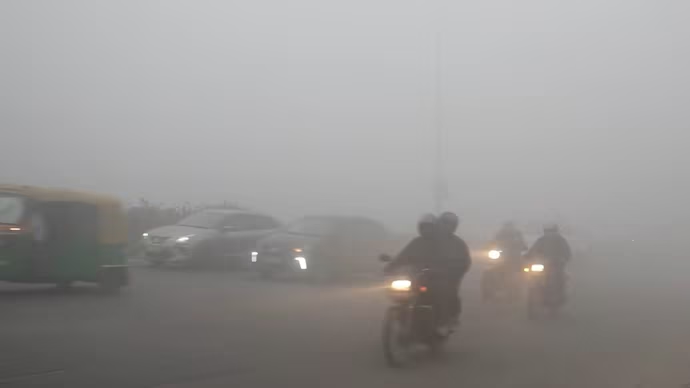
Even as the air quality improved, dense fog descended over Delhi and its neighboring regions, disrupting visibility and causing delays at IGI Airport. Passengers traveling early in the morning found themselves stranded as flights were delayed due to poor weather conditions.

“I reached the airport on time for my flight, but it’s been delayed for over two hours now. The visibility outside is terrible,” said Priya Sharma, a traveler heading to Bengaluru.

According to the India Meteorological Department (IMD), very dense fog blanketed several parts of the city on Friday morning, with visibility dropping to dangerously low levels in isolated areas. The IMD also predicted that the fog might persist in patches during the evening and night, further complicating travel plans for many.

Passengers have been advised to stay updated with flight schedules and allow extra time for commuting to the airport.

Foggy Commutes and Weather Predictions

Dense fog hasn’t just disrupted flights—it’s also made road travel difficult. Commuters struggled on major highways and arterial roads like the Delhi-Gurugram Expressway, with reduced visibility causing traffic snarls.

The IMD has forecasted partly cloudy skies for Friday, with temperatures ranging from 7°C in the morning to around 19°C during the day. While the fog may lift slightly as the sun comes out, it is expected to return by evening, creating further challenges for commuters.

Delhiites React to Weather Changes

The city’s residents have mixed feelings about the changing weather. While many are relieved by the drop in pollution levels, the dense fog has brought its own set of challenges.

Sanjay Mehta, a businessman from South Delhi, shared his thoughts: “It’s good to see the AQI improving, but the fog is causing havoc on the roads. Visibility is so poor that driving feels unsafe, especially during early mornings.”

Environmentalists, too, have weighed in on the situation. Dr. Neha Verma, an air quality expert, highlighted the need for sustained efforts. “While rain helps bring temporary relief, we need to focus on long-term solutions such as reducing vehicular emissions, increasing green cover, and investing in clean energy alternatives.”

The Bigger Picture: Addressing Pollution at Its Core

The persistent issue of air pollution and fog in Delhi is a complex problem that requires systemic change. Over the years, measures like the introduction of electric vehicles, stricter industrial regulations, and campaigns against stubble burning have made some impact. However, these steps need to be scaled up significantly.

The Delhi government has taken initiatives such as promoting public transport and implementing odd-even traffic schemes during peak pollution periods. Yet, collaboration between states and at the national level is crucial for sustained progress.

A Glimpse of Hope Amid Challenges

For now, Delhiites can take solace in the improvement in air quality. However, the foggy conditions serve as a reminder of the challenges winter weather brings to the region every year. Experts suggest that residents take precautions during this period—wearing masks, avoiding outdoor activities during peak pollution hours, and staying updated on weather forecasts.


Conclusion

Delhi’s journey from “Severe” to “Very Poor” air quality is a small victory, but the battle against pollution and weather-related disruptions is far from over. As the city continues to grapple with dense fog and fluctuating temperatures, there’s an urgent need for collective action to ensure cleaner air and safer living conditions.

The road ahead demands sustainable solutions and a united effort from citizens, governments, and industries alike. While Delhi enjoys a momentary sigh of relief, the foggy skies remind us all of the work that still lies ahead.

Delhi
2025-01-16

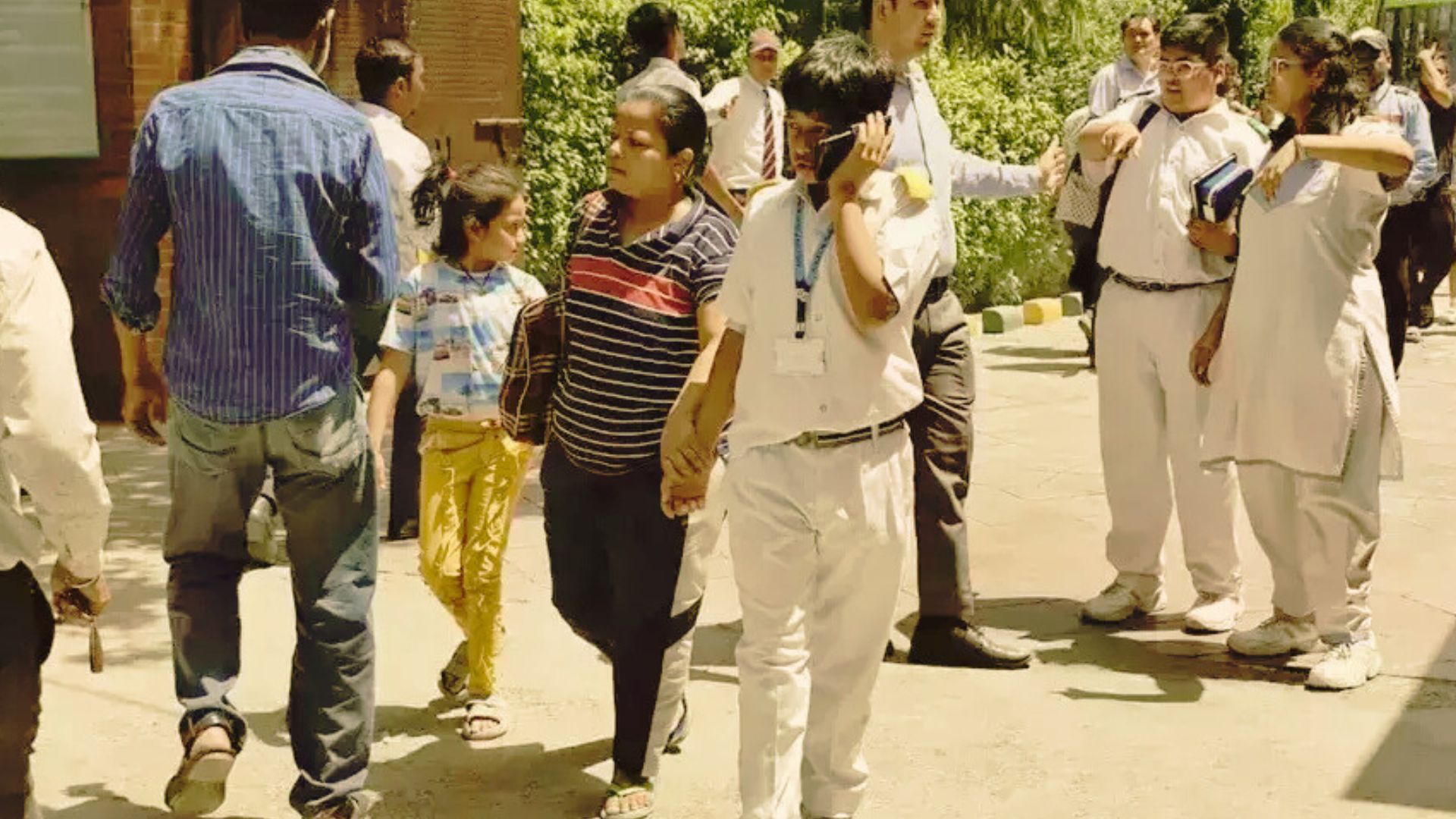
AAP Accuses BJP of 'Politicizing' Bomb Threats to Delhi Schools: Calls Allegations 'Fabricated'

Aam Aadmi Party (AAP) Rajya Sabha MP Sanjay Singh on Tuesday accused the Bharatiya Janata Party (BJP) of using the recent bomb threats to Delhi schools as a political tool. Singh's remarks came after Delhi Police claimed that a student arrested in connection with the threats had links to an NGO that allegedly supports a political party.

Singh criticized the BJP for politicizing the issue, stating that the bomb threats to school children had first surfaced in May 2024. Despite the gravity of the situation, Singh pointed out that it took almost nine months for the police to make a statement, while BJP leader Sudhanshu Trivedi held a press conference just weeks before the elections. Singh suggested that the BJP's claims were exaggerated and based on "fabricated stories."

Addressing the media, BJP MP Sudhanshu Trivedi had earlier alleged that several bomb threats received by schools in Delhi over the past months were traced to a juvenile linked to an NGO involved in politically charged activities. Trivedi's statements also mentioned the connection of this NGO to protests against the 2013 hanging of Afzal Guru, linking them to AAP's leadership.

Trivedi further claimed that the family of Delhi CM Atishi, who had supported a clemency petition for Afzal Guru, was tied to these NGOs. He called for an explanation from AAP, questioning whether these NGOs had any influence over vulnerable young minds.

In response, Singh urged the BJP to stop turning serious threats into political fodder and focus on ensuring the safety of Delhi's children, accusing them of stirring unnecessary controversy ahead of the elections.

/ Home / delhi

Delhi

  • Dense Fog Grips Delhi: Over 100 Flights Delayed, 26 Trains Affected Amid Visibility Crisis
    My India Times      2025-01-15  99

    Dense Fog Grips Delhi: Over 100 Flights Delayed, 26 Trains Affected Amid Visibility Crisis

    New Delhi: A heavy blanket of fog descended upon Delhi and the National Capital Region (NCR) on Wednesday, paralyzing daily life and disrupting major transportation networks. The extreme weather conditions caused delays in over 100 flights at the Indira Gandhi International (IGI) Airport and slowed down at least 26 trains, some by over two hours.

    Fog Throws Delhi Into Disarray

    As dawn broke, dense layers of fog engulfed the city, reducing visibility to near-zero in Noida, Ghaziabad, and other parts of NCR. Morning commuters braved icy roads and hazardous driving conditions, with many vehicles crawling at a snail’s pace.

    “It felt like driving into a white wall,” said Priya Malhotra, a resident of Noida. “Even with fog lights on, I could barely see the road ahead. It was terrifying.”

    Flight Operations Take a Hit

    At IGI Airport, the severe fog played havoc with air travel. More than 100 flights were delayed, leaving thousands of passengers stranded in overcrowded terminals.
    “We were ready to board, but the flight was delayed again and again. No clear updates were provided, and it was very frustrating,” said Rajeev Kumar, a traveler heading to Mumbai.

    Airport authorities stated that while advanced navigation systems like the Instrument Landing System (ILS) are operational, the intensity of the fog brought visibility levels below safe operational thresholds.

    To manage the chaos, additional ground staff were deployed to assist passengers, but many still complained of insufficient information and long wait times.

    Trains Struggle to Stay on Track

    The railways fared no better, with at least 26 trains running behind schedule. Passengers at key stations like New Delhi, Anand Vihar, and Hazrat Nizamuddin faced long hours of uncertainty as they waited in freezing conditions.
    “I was supposed to reach Lucknow for an important meeting, but my train was delayed by three hours. There were no proper announcements, and the waiting room was packed,” said Sunil Mishra, a stranded passenger.

    Railway officials have issued advisories for passengers to stay updated through mobile apps and helpline numbers. However, the sheer volume of delays has overwhelmed the system, leaving many in the lurch.

    Safety Concerns on Roads

    The fog also led to several minor road accidents across Delhi and NCR. In areas with zero visibility, drivers were forced to halt vehicles or risk collisions. Traffic police have urged motorists to drive cautiously, avoid speeding, and use fog lights to navigate safely.

    The Delhi Traffic Police have also set up temporary checkpoints in high-risk zones to monitor and guide drivers through the foggiest stretches.

    Health Warnings Amid Harsh Conditions

    In addition to travel disruptions, the fog and accompanying cold wave have heightened health concerns. The air quality index (AQI) in Delhi remained in the “severe” category, exacerbating respiratory issues for vulnerable groups.

    Doctors have advised residents to stay indoors as much as possible, especially during early morning hours when pollution and fog are at their peak.
    “Those with asthma or chronic respiratory conditions must take extra precautions, including wearing N95 masks and using air purifiers at home,” said Dr. Anjali Sharma, a pulmonologist at Safdarjung Hospital.

    Cold Wave Adds to the Misery

    The biting cold wave sweeping through northern India has compounded the challenges posed by the fog. Minimum temperatures in parts of Delhi dipped to 3°C, adding to the discomfort. The Indian Meteorological Department (IMD) has forecast that the icy weather, combined with fog, will likely persist for the next two days.

    “The cold wave is being intensified by strong northwesterly winds and a lack of sunlight due to the dense fog,” said Rajesh Kumar, an IMD official.

    Human Spirit Shines Through Adversity

    Despite the chaos, stories of kindness and resilience emerged across the city. Non-profit organizations and local volunteers set up food and blanket distribution drives for those stranded or homeless.

    “We saw a group of passengers stranded at the railway station and handed out warm meals and tea. It’s the least we can do in such difficult times,” said Arjun Singh, a volunteer in Ghaziabad.


    Advisory for Residents

    Authorities have issued guidelines to ensure safety and preparedness during this period of extreme weather:

    1. For Drivers: Use low-beam headlights, maintain safe distances, and avoid unnecessary travel during peak fog hours.
    2. For Air Travelers: Check flight statuses online or through airline apps before heading to the airport.
    3. For Rail Passengers: Use railway helplines or apps like NTES for live updates on train schedules.
    4. Health Measures: Wear warm clothing, stay hydrated, and avoid prolonged exposure to the outdoors.


    Looking Ahead

    As Delhi battles one of the harshest fog seasons in recent years, authorities are working tirelessly to restore normalcy. From improving public communication to deploying additional resources, every effort is being made to mitigate the impact on residents.

    While the city remains shrouded in mist, its resilience shines through, offering a glimmer of hope amid the cold and chaos. For now, Delhiites can only wait for the sun to break through, bringing warmth and clarity to a city frozen in time.

    …
  • Delhi Pollution: GRAP Stage III Restrictions Lifted Following Improved Air Quality
    My India Times    2025-01-13  106

    Delhi Pollution: GRAP Stage III Restrictions Lifted Following Improved Air Quality

    New Delhi, Jan 11 – The capital city of India, notorious for its severe air pollution, has witnessed a reprieve as recent rainfall has led to a noticeable improvement in air quality. In response, the Commission for Air Quality Management (CAQM) has officially revoked the Stage III restrictions under the Graded Response Action Plan (GRAP) in Delhi-NCR. This announcement comes as a beacon of hope for residents who have been enduring months of poor air quality and stringent measures.

    A Welcome Change in Air Quality

    Delhi-NCR’s Air Quality Index (AQI), which had been teetering in the “very poor” and “severe” categories for weeks, showed a significant drop in pollution levels following consistent rainfall over the past few days. According to data from the Central Pollution Control Board (CPCB), the region’s AQI improved dramatically, providing much-needed relief from the thick smog that has often shrouded the city.

    The rains, though light, have effectively washed away suspended particulate matter (PM2.5 and PM10) from the atmosphere, bringing cleaner and fresher air to the residents. Meteorologists have also pointed out that the drizzle and cooler temperatures have played a crucial role in dispersing pollutants that typically linger due to Delhi’s unique geographical and meteorological conditions.

    GRAP Measures and Their Impact

    The Graded Response Action Plan, commonly referred to as GRAP, is a set of emergency measures designed to tackle air pollution in Delhi and its surrounding areas. These measures are implemented in stages, ranging from I to IV, depending on the severity of air quality levels. Stage III restrictions, which are triggered when AQI enters the “severe” category, include the following:

    A ban on non-essential construction and demolition activities.

    Restrictions on industries that are not compliant with pollution control norms.

    Intensified measures to control dust pollution.

    Strict curbs on vehicular movement, especially those using older, polluting vehicles.

    While these measures aim to mitigate pollution levels, they often disrupt daily life and economic activities. The decision to lift Stage III restrictions is expected to bring relief to the construction sector and industries, which had been bearing the brunt of these limitations.

    Statement from the CAQM

    In a public statement, the CAQM acknowledged the significant improvement in air quality and justified the decision to revoke Stage III measures. “Following rains across Delhi-NCR, the AQI has shown substantial improvement. In accordance with the Supreme Court’s directions to implement GRAP measures dynamically, we are revoking Stage III restrictions,” the commission stated.

    The CAQM emphasized that the decision was based on a thorough analysis of meteorological data and air quality monitoring. However, it also warned that the situation could deteriorate quickly without continued vigilance and responsible behavior from residents and authorities.

    Public Reactions

    The lifting of restrictions has been met with mixed reactions. Residents and workers in the construction and industrial sectors have expressed relief, citing the economic hardships caused by the stringent measures. On the other hand, environmentalists have cautioned against complacency, urging the government to remain proactive in addressing the underlying causes of Delhi’s air pollution.

    “While rainfall has provided temporary relief, we cannot ignore the fact that pollution levels could spike again once the weather changes. Long-term solutions, such as transitioning to cleaner energy sources and enhancing public transportation, are crucial,” said Anjali Sharma, an environmental activist based in Delhi.

    The Role of Weather and Geography

    Delhi’s air pollution crisis is often exacerbated by its unique geographical location and weather patterns. The city is surrounded by industrial hubs and agricultural regions where crop residue burning remains a significant contributor to air pollution. During winter, cooler temperatures and low wind speeds trap pollutants close to the ground, leading to the infamous smog that blankets the city.

    The recent rainfall, while a natural blessing, underscores the need for sustainable measures to combat pollution. Experts have repeatedly highlighted the importance of reducing emissions from vehicles, industries, and agricultural practices to ensure cleaner air throughout the year.

    Looking Ahead

    The CAQM has urged residents to continue adopting eco-friendly practices, such as carpooling, using public transport, and avoiding unnecessary vehicle usage. Authorities have also been advised to intensify efforts to monitor and curb emissions from key sources, including industries and construction sites.

    Despite the temporary relief, the journey toward achieving sustainable air quality remains a formidable challenge for Delhi. The government, civil society, and residents must work together to implement long-term strategies that address the root causes of pollution. Initiatives like promoting electric vehicles, enhancing waste management, and increasing green cover are essential steps in this direction.

    Conclusion

    The revocation of GRAP Stage III restrictions marks a significant milestone in Delhi’s battle against air pollution. However, it also serves as a reminder that the fight is far from over. As the city breathes a little easier for now, it must seize this opportunity to double down on efforts to create a cleaner, healthier environment for its residents.

    Delhi’s air quality story is a testament to the delicate balance between nature’s interventions and human actions. While the rains have offered temporary relief, the long-term solution lies in consistent and collaborative efforts to address the systemic issues driving air pollution. Only then can the city hope to sustain the improvements and provide its citizens with the quality of life they deserve.

    …
  • Arvind Kejriwal Demands Inclusion of Delhi Jats in Central OBC List; BJP Questions Intentions
    My India Times    2025-01-11  122

    Arvind Kejriwal Demands Inclusion of Delhi Jats in Central OBC List; BJP Questions Intentions

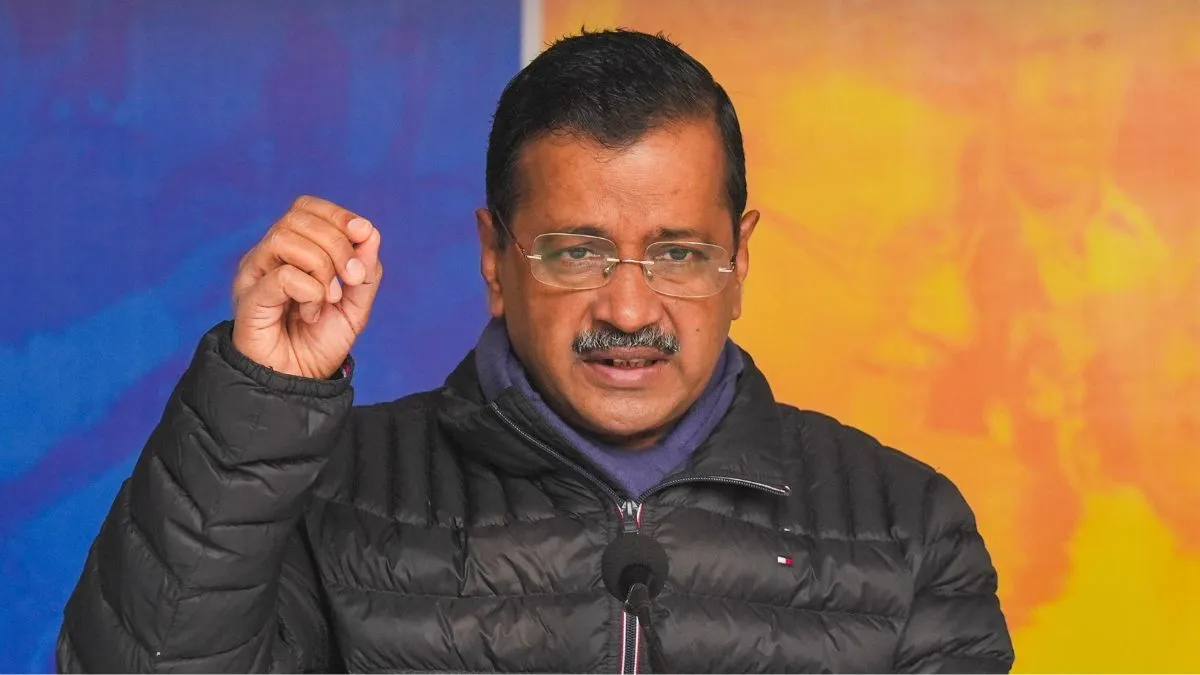
    Aam Aadmi Party (AAP) supremo and Delhi Chief Minister Arvind Kejriwal has once again drawn attention to the demand for including Delhi’s Jat community in the Central Other Backward Classes (OBC) list. At a press conference on Thursday, Kejriwal accused the central government of neglecting the community’s long-standing demand while making empty promises for political mileage. The AAP leader’s remarks have reignited the debate over reservation policies, with the BJP questioning the timing of this demand.

    Kejriwal Calls Out "Broken Promises"

    Kejriwal criticized the BJP for failing to fulfill assurances made to the Jat community over the past decade. He highlighted instances where prominent BJP leaders, including Prime Minister Narendra Modi and Union Home Minister Amit Shah, allegedly promised action but did not deliver.

    "In 2015, Jat leaders were invited to the Prime Minister's residence, where they were assured that Delhi's Jat community would soon be added to the Central OBC list. Again in 2019, Home Minister Amit Shah reiterated this promise. However, these assurances have remained empty words. Nothing has been done to address the community’s concerns," Kejriwal said, citing reports from PTI.

    The AAP leader’s remarks reflect growing frustration within the Jat community, which has long sought OBC status at the central level to access educational and employment reservations. According to Kejriwal, the Centre’s inaction has left thousands of young Jat students from Delhi disadvantaged compared to their counterparts in other states.

    Unequal Access to Reservations

    A key issue highlighted by Kejriwal is the disparity in reservation benefits for Jats across different states. He pointed out that Jat students from neighboring Rajasthan are eligible for OBC reservations at Delhi University (DU), while Jat students from Delhi do not enjoy the same privilege.

    "Thousands of children from Delhi’s Jat community are being unfairly denied admission opportunities at DU and other central institutions because they are not part of the Central OBC list. This discrimination is unjust and must be addressed immediately," he asserted.

    The AAP leader’s argument underscores the challenges faced by marginalized communities when inconsistent policies create unequal access to opportunities. He questioned why the central government has failed to resolve this issue despite repeated promises over several years.

    BJP Responds: Timing Under Scrutiny

    In response, the BJP criticized Kejriwal’s demand, questioning the timing and intentions behind his statements. BJP leaders argued that the AAP’s focus on this issue now—just ahead of key elections—is an attempt to garner political support from the Jat community.

    "It is no coincidence that such demands resurface only during election cycles. The AAP government has been in power in Delhi for years but has done little to address this issue at its level. Instead, they are now trying to shift the blame to the Centre to score political points," a BJP spokesperson said.

    The BJP also defended its track record on addressing reservation demands, stating that the party has consistently worked towards social justice. However, they stopped short of providing a clear timeline for including Delhi’s Jats in the Central OBC list.

    Broader Implications for Policy and Community

    The demand for inclusion in the Central OBC list is not just a matter of electoral politics but a significant issue for the affected community. Access to OBC reservations opens doors to reserved seats in educational institutions, government jobs, and other opportunities that can uplift marginalized groups.

    Delhi’s Jats argue that their exclusion from the Central OBC list has placed them at a disadvantage compared to Jats in states like Rajasthan, Haryana, and Uttar Pradesh. This disparity has fueled resentment and a sense of neglect among the community, which feels overlooked in policy decisions.

    Kejriwal’s push for inclusion has brought this issue back into the spotlight, with many wondering whether it will lead to concrete action or remain another unfulfilled promise. The central government’s response—or lack thereof—will likely influence public perception, especially within the Jat community.

    Kejriwal’s Broader Strategy

    This is not the first time Kejriwal has positioned himself as a champion of marginalized groups. His governance model, often centered on free education, healthcare, and social welfare schemes, has resonated with many voters in Delhi. By taking up the Jat community’s cause, Kejriwal may be seeking to expand his political appeal beyond the traditional urban voter base.

    Observers believe that this move could be part of a broader strategy to counter the BJP in northern states where the Jat community holds significant influence. By addressing a sensitive issue that directly impacts thousands of families, Kejriwal is challenging the BJP’s narrative of being the sole protector of community interests.

    What Lies Ahead?

    The inclusion of Delhi’s Jats in the Central OBC list would require a formal proposal and approval from the central government. While the AAP leader’s demand has amplified public attention on this issue, actual progress will depend on political will and bureaucratic processes at the Centre.

    For now, the ball is in the BJP-led central government’s court. The community’s growing frustration, combined with heightened political scrutiny, may pressure the Centre to act. However, whether this translates into tangible benefits for Delhi’s Jats remains uncertain.

    Conclusion

    Arvind Kejriwal’s call for the inclusion of Delhi’s Jat community in the Central OBC list highlights a critical issue of equity and representation. While his demands have struck a chord with many, the political overtones and BJP’s skepticism add layers of complexity to the debate. As the issue unfolds, it will be a litmus test for both the AAP and BJP to demonstrate their commitment to addressing community grievances through meaningful action rather than rhetoric.


    …
  • Delhi Chief Minister Atishi Officially Opens Punjabi Bagh Flyover, Projected to Save 1.8 Million Liters of Fuel Annually
    My India Times   2025-01-02  109

    Delhi Chief Minister Atishi Officially Opens Punjabi Bagh Flyover, Projected to Save 1.8 Million Liters of Fuel Annually

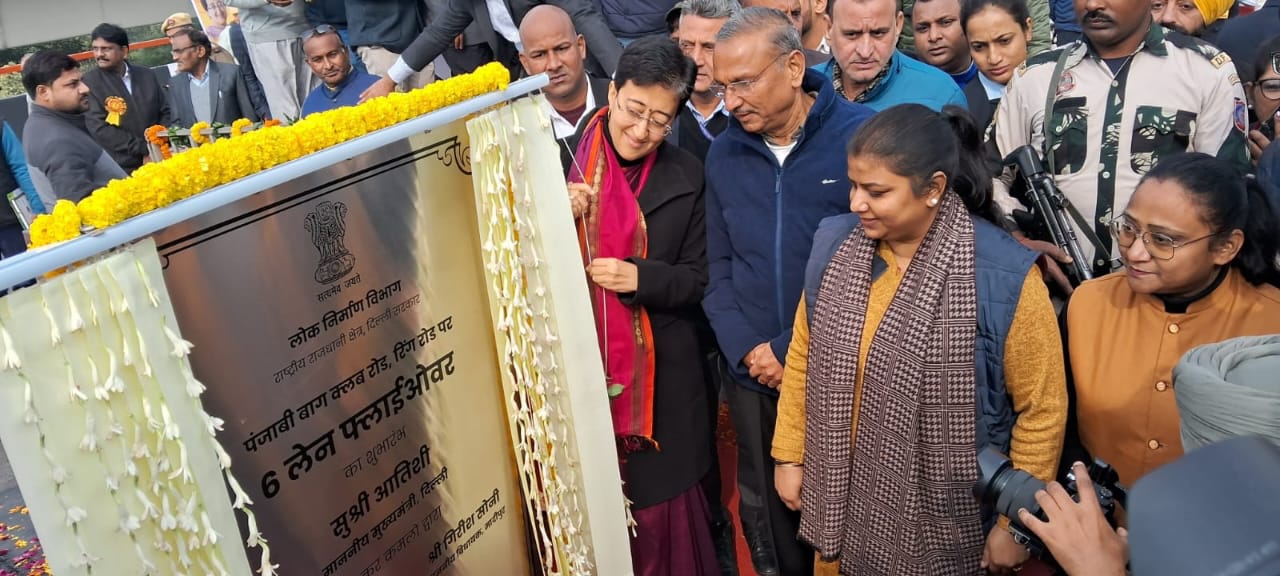
    In a significant advancement for Delhi's transportation infrastructure, Chief Minister Atishi inaugurated the highly anticipated Punjabi Bagh Flyover on Thursday. This ceremony marked the completion of a crucial initiative designed to alleviate traffic congestion, encourage public transit use, and reduce fuel consumption. Atishi was accompanied by Delhi Assembly Deputy Speaker Rakhi Birlan and Moti Nagar MLA Shiv Charan Goel, celebrating the transformative benefits this flyover is expected to bring to West Delhi.Constructed under the West Delhi Integrated Transit Corridor Development, the flyover is projected to serve as a paradigm for sustainable urban mobility, addressing one of Delhi’s long-standing challenges—traffic congestion.

    Mitigating Traffic Challenges

    Spanning 1.1 kilometers, the Punjabi Bagh Flyover is engineered as a six-lane facility, providing an essential link for commuters in West Delhi. Constructed at an estimated cost of ₹352.32 crore, it features a total width of 23 meters, facilitating seamless vehicle movement across its length.This initiative has transformed the 18-kilometer Ring Road corridor between Dhaula Kuan and Azadpur into a signal-free route, significantly decreasing travel times and fuel consumption. Commuters can now traverse important locations such as Naraina, Mayapuri, Raja Garden, Punjabi Bagh, Moti Nagar, and Shalimar Bagh without interruption, offering a much-needed solution to the city's notorious traffic jams.

    Environmental and Economic Advantages

    A standout benefit of the Punjabi Bagh Flyover is its ability to save 1.8 million liters of fuel each year, resulting in both economic benefits for commuters and contributions to environmental sustainability. By minimizing vehicle idling and reducing traffic jams, the flyover also aims to decrease carbon emissions, reinforcing Delhi’s ongoing initiatives to address air pollution.Furthermore, improved traffic flow is anticipated to boost public transportation use, leading to enhanced reliability and efficiency of buses and other transit services. This transition could further lessen the number of private vehicles on the streets, fostering a cleaner and more sustainable urban environment.

    Overcoming Obstacles

    The construction of the flyover was not without its challenges. Initially scheduled for completion by November 2024, the project encountered delays due to the implementation of Graded Response Action Plan (GRAP-4) measures aimed at addressing escalating pollution levels in Delhi.Despite these setbacks, the project was successfully completed in December 2024, just a month behind schedule. This timely completion reflects the determination and efficient coordination of Delhi’s administrative and engineering teams.

    Key Features and Design

    The Punjabi Bagh Flyover is a testament to modern engineering, tailored to meet the growing demands of Delhi’s traffic.

    Length: 1.1 kilometers

    Width: 23 meters (11.5 meters on each side)

    Capacity: Six lanes, accommodating up to six cars in each direction

    Cost: ₹352.32 crore

    Its strategic location ensures connectivity across critical junctions, enabling vehicles to bypass congested intersections and facilitating smoother commutes for both local residents and long-distance travelers.

    Benefits for West Delhi

    The inauguration of the Punjabi Bagh Flyover brings multiple advantages for residents and businesses in West Delhi:

    1. Reduced Congestion: By diverting traffic away from crowded intersections, the flyover alleviates pressure on local roads.

    2. Time Efficiency: Signal-free travel between Dhaula Kuan and Azadpur means faster commutes for daily travelers.

    3. Cost Savings: Reduced idling and smoother traffic translate to lower fuel consumption, offering economic relief to drivers.

    4. Improved Safety: Enhanced road design and lane markings minimize the risk of accidents.

    5. Boost to Local Economy: Easier access to Punjabi Bagh and surrounding areas is expected to increase footfall for local businesses.

    Addressing Long-Term Challenges

    While the Punjabi Bagh Flyover is a significant milestone, it also highlights the complexities of balancing urban development with environmental conservation. The delays caused by GRAP-4 underscore the need for proactive planning and the incorporation of contingency measures in future infrastructure projects.Moreover, Delhi’s transport network must continue to evolve to accommodate its rapidly growing population. With vehicle numbers rising every year, the city requires a comprehensive approach that integrates flyovers, public transport enhancements, and non-motorized transport options.

    CM Atishi’s Vision

    During the inauguration ceremony, Chief Minister Atishi reaffirmed her government’s commitment to building a more efficient, sustainable, and people-centric transport system. She emphasized the importance of reducing vehicular dependence by encouraging public transport and carpooling.Atishi also highlighted the broader vision of the Delhi government, which includes developing integrated transit corridors and investing in eco-friendly infrastructure to address the twin challenges of congestion and pollution.

    Local Impact and Public Response

    The Punjabi Bagh Flyover has been welcomed by residents and commuters alike, who see it as a long-awaited solution to the area’s traffic woes. Local businesses are optimistic about the increased accessibility, which is likely to boost customer footfall and streamline deliveries.Residents also appreciate the reduced noise and air pollution that come with less congested roads, enhancing the overall quality of life in Punjabi Bagh and its surroundings.

    A Roadmap for the Future

    The successful completion of the Punjabi Bagh Flyover sets a benchmark for upcoming infrastructure projects in Delhi. Key lessons from this project, particularly the importance of balancing development with environmental considerations, will inform the planning and execution of future initiatives.In addition to flyovers, the government is focusing on expanding metro networks, improving bus services, and encouraging green mobility solutions like cycling and pedestrian-friendly zones. Together, these efforts aim to create a city that is not only better connected but also more livable and sustainable.

    …
  • hostinger
  • Delhi Breathes Easier: Air Quality Improves After Continuous Rains, Stage 3 GRAP Curbs Lifted
    My India Times    2024-12-28  64

    Delhi Breathes Easier: Air Quality Improves After Continuous Rains, Stage 3 GRAP Curbs Lifted

    After weeks of suffocating air and alarming pollution levels, Delhi is finally experiencing some relief. Continuous rainfall over the past few days has helped wash away pollutants, leading to a marked improvement in air quality across the National Capital Region (NCR). On Friday, the Commission for Air Quality Management (CAQM), the central body tasked with tackling air pollution in Delhi-NCR, announced the withdrawal of stage 3 restrictions under the Graded Response Action Plan (GRAP).

    However, stage 2 restrictions remain in place to ensure pollution levels do not worsen again. This decision comes as the region’s 24-hour average Air Quality Index (AQI) dropped to 324 on Friday evening, down from its earlier hazardous levels. Although still categorized as ‘very poor,’ the AQI shows a positive downward trend, giving the city’s residents hope for cleaner air in the coming days.

    Rain and Wind Bring Relief

    According to experts from the India Meteorological Department (IMD) and the Indian Institute of Tropical Meteorology (IITM), favorable meteorological conditions have been key to the improvement. Rainfall over the past few days has not only helped settle airborne particles but has also improved visibility and air circulation. Stronger winds have further dispersed pollutants, allowing Delhi and its neighboring areas to breathe a little easier.

    The forecast suggests that these favorable conditions will persist, potentially leading to further improvement in air quality. Residents and authorities alike are cautiously optimistic, though they remain vigilant about preventing pollution levels from spiking again.

    What Does Stage 2 of GRAP Mean?

    With the lifting of stage 3 restrictions, the region now operates under stage 2 of GRAP, which includes several measures aimed at maintaining air quality:

    1. Mechanized Road Cleaning and Anti-Smog Guns: Roads in Delhi-NCR are being cleaned using mechanized sweepers, while anti-smog guns and water sprinkling are deployed in high-pollution hotspots to tackle dust pollution.
    2. Ensuring Uninterrupted Power Supply: Power providers have been directed to ensure continuous electricity to reduce the need for diesel generator sets, which are major contributors to air pollution.
    3. Public Awareness Campaigns: Authorities are using newspapers, radio, and television to inform the public about pollution levels and precautionary measures.

    Advisories for Residents

    While government agencies are taking steps to mitigate pollution, residents also play a critical role in maintaining and improving air quality. To prevent the AQI from worsening, citizens are urged to:

    • Use public transport, carpool, or switch to bicycles instead of using personal vehicles.
    • Choose less congested routes to avoid traffic-related pollution, even if it means taking a slightly longer journey.
    • Regularly service their vehicles and replace air filters to minimize emissions.
    • Refrain from burning waste or biomass, which directly adds to air pollution.

    Health Implications and Caution

    Despite the improvement, an AQI of 324 still falls in the ‘very poor’ category, which poses serious health risks to vulnerable groups such as children, the elderly, and individuals with respiratory issues. Experts recommend wearing masks when outdoors, using air purifiers indoors, and avoiding strenuous outdoor activities, especially for those with pre-existing conditions.

    Long-Term Solutions in Focus

    While the immediate improvement is encouraging, Delhi’s battle with air pollution is far from over. Authorities are now focusing on long-term measures to prevent a relapse into the ‘severe’ or ‘hazardous’ AQI categories. Key strategies include stricter enforcement of construction and dust control rules, transitioning to cleaner energy sources, and monitoring emissions from industrial and vehicular sources.

    The government is also promoting green initiatives such as increasing public transportation options, incentivizing electric vehicles, and expanding green cover across urban areas.

    A Shared Responsibility

    The improvement in air quality is a reminder that significant change is possible when authorities, residents, and nature work together. However, maintaining these gains will require consistent effort and cooperation. By adopting sustainable practices and being mindful of daily actions that contribute to pollution, Delhi-NCR residents can play a crucial role in ensuring cleaner, healthier air for themselves and future generations.

    As the city looks forward to better days, this development serves as a hopeful step in Delhi’s ongoing fight against air pollution—a fight that demands commitment from everyone involved.

    …
  • NDA Leaders Meet Amit Shah: Paving the Way for Simultaneous Elections and Stronger Alliance Unity
    My India Times    2024-12-25  74

    NDA Leaders Meet Amit Shah: Paving the Way for Simultaneous Elections and Stronger Alliance Unity

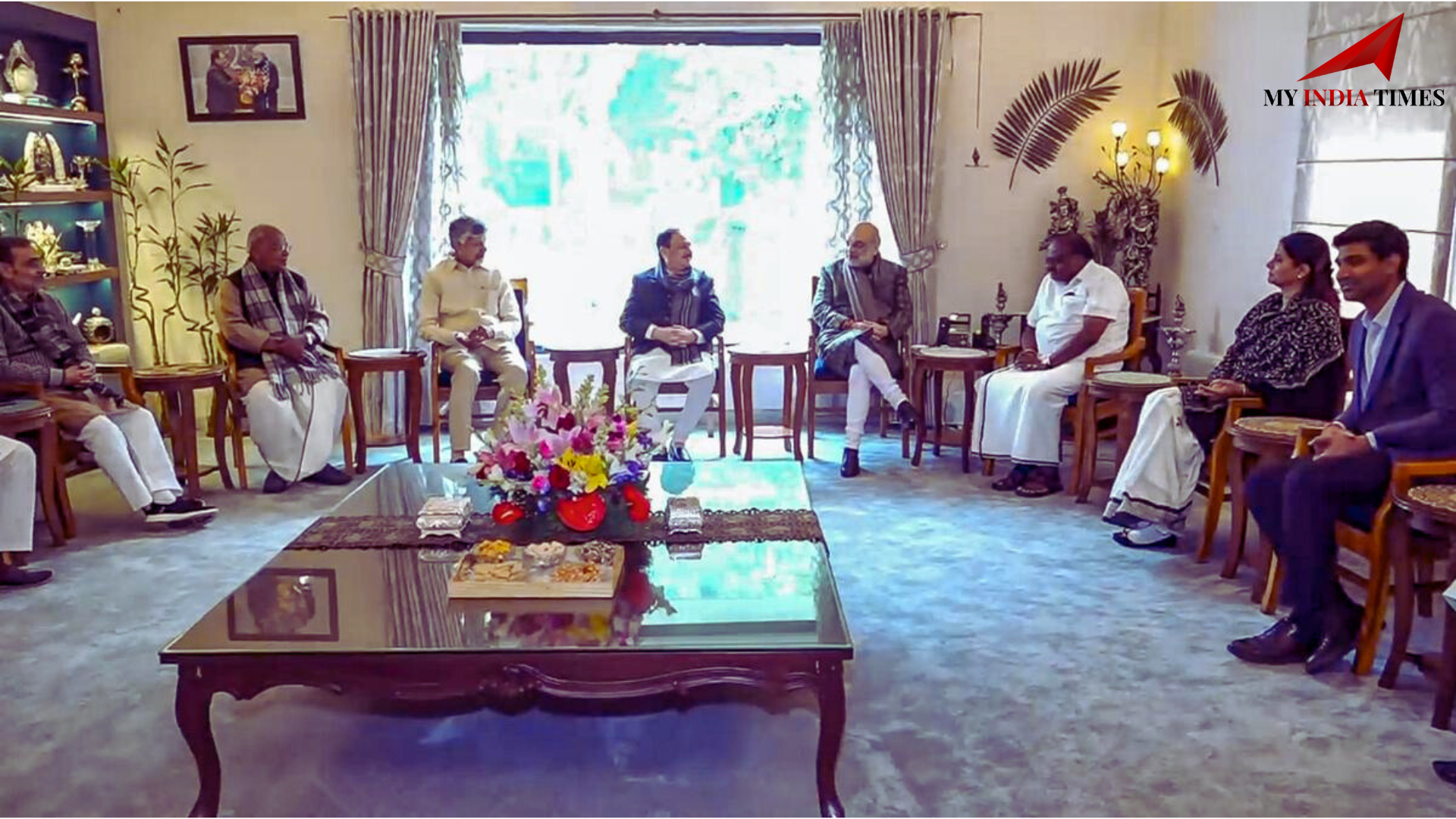
    In a significant political development, National Democratic Alliance (NDA) leaders gathered at BJP President J.P. Nadda’s residence in New Delhi for a high-profile meeting chaired by Union Home Minister Amit Shah. The goal of the gathering was to improve alliance cohesion and plan on important governance and electoral issues against the backdrop of opposition parties' increasing political rhetoric.

    Leading Figures in Attendance: A Display of Power
     

    Key NDA leaders attended the event, demonstrating the alliance's cohesion and strength as a whole. Among the prominent attendees were:

    • Chandrababu Naidu (TDP President and Andhra Pradesh Chief Minister)
    • Rajiv Ranjan Singh (JD(U) Leader and Union Minister)
    • Anupriya Patel (Apna Dal (S) President and Union Minister)
    • H.D. Kumaraswamy (JD(S) Leader and Union Minister)
    • Jitan Ram Manjhi (Hindustani Awam Morcha (S) Leader and Union Minister)
    • Upendra Kushwaha (Rashtriya Lok Morcha President and Rajya Sabha MP)
    • Thushar Vellappally (Bharath Dharma Jana Sena President)

    The diverse representation underscored the NDA’s extensive reach across regions and its ability to bring together varied political stakeholders under one umbrella.

    Core Agenda: Good Governance and Simultaneous Elections

    While the official agenda remained undisclosed, insiders revealed two primary focus areas:

    ​Effective Governance:
     

    Leaders talked about practical ways to boost transparency, strengthen governance, and expedite the provision of public services. Emphasis was placed on developmental outreach and addressing regional challenges effectively.

    Simultaneous Elections:

    The spotlight was on the ‘One Nation, One Election’ proposal—a vision aimed at holding Lok Sabha and state assembly elections simultaneously across the country.

    • Why Simultaneous Elections?
      • Reduce the financial burden of frequent polls.
      • Minimize policy stagnation caused by prolonged election periods.
      • Improve the continuity of governance and administrative efficiency.
         

    The NDA leadership stated that they all supported this bold reform, emphasizing how it may change the electoral landscape in India. A Joint Parliamentary Committee (JPC) meeting scheduled for January 8 will delve deeper into the legislative framework needed to make this vision a reality.

    Symbolic Timing: Atal Bihari Vajpayee’s Legacy

    The meeting coincided with the birth centenary of former Prime Minister Atal Bihari Vajpayee—a leader celebrated for his consensus-driven coalition politics. Vajpayee’s leadership in managing India’s first coalition government to complete a full term remains a hallmark of political diplomacy.

    The choice of this date sent a powerful symbolic message: the NDA remains committed to the values of unity, inclusiveness, and collective leadership.

    Addressing Opposition Allegations

    The meeting also took note of recent opposition attacks on the NDA, including accusations of disrespecting Dr. B.R. Ambedkar’s legacy. In response, the NDA leaders collectively reaffirmed their commitment to constitutional values, social justice, and inclusive development.

    This segment of the discussion underscored the importance of countering misinformation and ensuring that the alliance’s developmental achievements are effectively communicated to the public.

    Charting the Road Ahead: Strategic Unity and Preparedness

    With the 2024 General Elections on the horizon, the NDA is gearing up for an organized and strategic electoral campaign. The leadership stressed the importance of:

    • Strengthening coordination between alliance partners.
    • Addressing regional concerns with tailored approaches.
    • Maintaining ideological cohesion while respecting regional identities.

    This meeting served not only as a policy brainstorming session but also as a rallying call for united action.

    Conclusion: A Vision for Progress and Unity

    The NDA meeting concluded on a note of optimism and determination. The alliance reaffirmed its commitment to good governance, inclusive growth, and transformative electoral reforms.

    As the NDA marches forward, the focus remains clear: stronger regional alliances, seamless coordination, and people-centric governance.

    A Unified NDA Poised for the Future 

    The coming months will be crucial as the alliance translates these strategies into actionable outcomes, reshaping India’s political and developmental landscape.

    Stay connected for more updates on this evolving political journey!

    …
  • Delhi’s Air Quality Hits 'Severe' Levels Again Despite Rain: Here’s What You Need to Know
    My India Times    2024-12-23  102

    Delhi’s Air Quality Hits 'Severe' Levels Again Despite Rain: Here’s What You Need to Know

    Delhi continues to battle its ongoing air quality crisis, with pollution levels remaining in the "severe" category despite some light rain on Monday. The city’s Air Quality Index (AQI) has remained dangerously high for the second consecutive day, with certain areas such as Anand Vihar, Wazirpur, and Bawana recording AQI levels well above 400. This hazardous level of pollution is raising serious health concerns for Delhi's residents, and here’s everything you need to know about the current situation.

    What Does a 'Severe' AQI Really Mean?

    In Delhi, an AQI between 401 and 500 is considered “severe,” a level that poses a significant health risk to everyone, not just vulnerable groups. Exposure to such polluted air can cause immediate respiratory issues, exacerbate chronic conditions, and lead to long-term health consequences. This means that residents of Delhi, especially children, elderly people, and those with pre-existing health conditions like asthma, should take immediate precautions.

    Monday’s AQI readings were alarming, with Anand Vihar recording an AQI of 443, Wazirpur at 460, and Bawana peaking at 476, according to the Central Pollution Control Board (CPCB). The main pollutant contributing to this hazardous air quality is PM 2.5—tiny particles that are 2.5 micrometers in diameter or smaller. These particles are so fine that they can enter deep into the lungs and even the bloodstream, leading to serious respiratory and cardiovascular problems.

    Why Didn’t the Rain Help Clear the Air?

    While many hoped the drizzle in the morning would bring relief, it didn’t do enough to improve Delhi’s air quality. Light rain can reduce dust particles on the ground temporarily but does little to tackle the high concentration of PM 2.5 in the air. The rain’s impact is minimal unless it’s a heavy downpour that can wash away pollutants effectively. Unfortunately, this wasn’t the case on Monday, and pollution levels remained dangerously high.

    The Hidden Dangers of PM 2.5: What You Should Know

    PM 2.5 is particularly dangerous because of its size.Due to its minuscule particles, PM 2.5 can circumvent the body's natural defense systems, such as the nasal passages and throat, penetrating deeply into the lungs where it can inflict significant damage. Prolonged exposure to PM 2.5 is associated with chronic respiratory illnesses, cardiovascular issues, and even lung cancer.The short-term effects include coughing, throat irritation, and difficulty breathing, especially for people with pre-existing lung conditions.

    It is essential for Delhi's residents to understand the risks of breathing in such polluted air. The authorities have issued multiple health advisories urging people to avoid outdoor activities and limit exposure to the harmful effects of the air.

    What’s the Weather Forecast for Delhi?

    Delhi’s weather isn’t helping the pollution situation either. The city recorded a maximum temperature of just 18.4°C on Monday, 2.3°C lower than the seasonal average, while the minimum temperature dropped to 8.6°C, below the expected range. Early morning fog combined with high humidity levels (ranging from 79% to 95%) has further trapped the pollutants, creating a thick blanket of smog.

    The India Meteorological Department (IMD) has forecasted more cloudy skies and light rain on Tuesday, but this is unlikely to have a significant impact on air quality. The high humidity and low wind speeds mean that the pollutants are likely to persist in the air for an extended period.

    What Can You Do to Protect Yourself?

    Given the severe air quality, it’s crucial for everyone to take necessary precautions. Here are a few steps to protect your health:

    • Stay Indoors: Limit outdoor exposure, especially during peak pollution hours (morning and evening).
    • Wear a Mask: If you need to go outside, wear an N95 mask to protect yourself from inhaling harmful particles.
    • Use Air Purifiers: If possible, use an air purifier at home to reduce indoor pollution.
    • Hydrate: Drink plenty of water to help your body flush out toxins.
    • Keep Windows Closed: This helps prevent more polluted air from entering your living space.

    What’s Next for Delhi’s Pollution Crisis?

    The IMD has warned of a below-normal cold wave for north-western India, which could worsen the situation. With less wind to disperse the pollutants, the city is likely to face more stagnant air, keeping the pollution levels high for an extended period. The combination of cold weather and high pollution could also result in smog that lingers over the city, further deteriorating air quality.

    Conclusion: Delhi Needs Immediate Action to Tackle Air Pollution

    Delhi’s air quality crisis is not going away anytime soon, and it requires immediate action from both the authorities and residents. While temporary measures like wearing masks and staying indoors can help, long-term solutions, such as stricter regulations on emissions and improved waste management, are crucial to tackle the root causes of pollution.

    …
  • Ads images
  • Delhi Municipal Schools Target Illegal Bangladeshi Migrants: A New MCD Directive
    My India Times    2024-12-21  104

    Delhi Municipal Schools Target Illegal Bangladeshi Migrants: A New MCD Directive

    The Municipal Corporation of Delhi (MCD) has issued an important directive that requires a comprehensive citywide initiative to identify and expel undocumented Bangladeshi migrants, with a particular emphasis on municipal schools. As of December 18, this order instructs various departments to verify the status of students, ensuring that only legal residents are enrolled. Additionally, the MCD is focusing on preventing illegal migrants from acquiring birth certificates and encroachments on public land.

    MCD’s Plan to Address the Illegal Immigration Issue

    Following a December 12 meeting with Delhi’s Principal Secretary (Home), the MCD has stepped up its efforts to address the growing concern of illegal immigration, especially among Bangladeshi nationals. The MCD Commissioner’s office, alongside zonal heads, will carry out a verification process, aimed at ensuring that municipal schools are not enrolling illegal migrants.

    Education Department to Oversee Student Verification

    The MCD's Education Department has been tasked with implementing strict verification measures during student admissions. The objective is to prevent the enrollment of unauthorized migrants in the educational system. This proactive identification strategy is essential for ensuring that resources are allocated to legal residents, thereby delivering quality education to those legitimately entitled to it.

    Ensuring Birth Registration Compliance

    The Public Health Department is also taking action, ensuring that illegal migrants do not gain access to birth certificates. These certificates are often used as proof of residence, and the MCD is keen on preventing their issuance to migrants who do not have legal standing in the city. A verification process will help uncover any birth certificates issued inappropriately in the past, leading to swift corrective measures.

    Zonal Authorities Tasked with Action

    Each zone in Delhi has been assigned the responsibility to oversee the removal of encroachments made by illegal migrants. This includes performing routine evaluations and implementing removal actions as needed. The objective is to restore public spaces and deter the unlawful occupation of municipal land.

    A Broader Strategy Against Illegal Immigration

    This initiative is part of a wider strategy introduced by Lieutenant Governor V K Saxena. Earlier this month, Saxena instructed Delhi’s Chief Secretary and Police Commissioner to ramp up efforts to identify and remove illegal Bangladeshi migrants from the city. Delhi Police have already begun conducting drives across slums and unauthorized colonies to verify the legal status of residents.

    Why This Is Crucial for Delhi’s Future

    The MCD's directive is essential for maintaining the integrity of the city's public services, such as education and health. With illegal migrants occupying critical public spaces and taking up resources, this drive will ensure that services are only provided to legal residents. Furthermore, this initiative sends a clear message that Delhi will not tolerate the misuse of municipal resources by unauthorized individuals.

    This coordinated effort between various government departments – including Education, Public Health, and the Police – is a significant step towards a cleaner, more efficient Delhi. It will help the city manage resources better, safeguard legal residents’ rights, and create a more transparent system.

    Conclusion: A Growing Focus on Legality in Delhi

    The drive to identify and remove illegal Bangladeshi migrants is just one part of a larger effort by the Delhi government to address illegal immigration issues in the city. As these initiatives unfold, the hope is that Delhi can set an example for other Indian cities grappling with similar challenges.

    …
  • Second Bomb Threat in a Week Targets 16 Delhi Schools, Raising Safety Concerns
    My India Times    2024-12-13  90

    Second Bomb Threat in a Week Targets 16 Delhi Schools, Raising Safety Concerns

    New Delhi: In a distressing recurrence, 16 schools across Delhi received bomb threat emails early on Friday morning, sending shockwaves through parents, students, and school administrations. The incident, which follows a similar threat earlier this week, triggered emergency searches and evacuations as officials scrambled to ensure safety.

    A Timeline of Panic: Threats Received Early Morning

    The threatening emails were sent in the early hours, warning of explosives planted in the school premises. The messages deceptively referenced routine school activities such as “parent-teachers’ meetings” and “sports day” before issuing ominous warnings of impending bomb blasts on Friday and Saturday.

    Here’s the timeline of events as reported by the Delhi Fire Services:

    • Bhatnagar International School, Paschim Vihar: Alert received at 4:21 am
    • Cambridge School, Shri Niwas Puri: Alert received at 6:23 am
    • DPS Amar Colony, East of Kailash: Alert received at 6:35 am
    • South Delhi Public School, Defence Colony: Alert received at 7:57 am
    • Delhi Police Public School, Safdarjung: Alert received at 8:02 am
    • Venkateshwar Global School, Rohini: Alert received at 8:30 am

    The emails immediately triggered a coordinated response involving the fire department, Delhi Police, bomb detection teams, and dog squads. Parents were alerted and advised either to keep their children at home or pick them up if they had already reached school.

    Swift Action from Schools and Police

    Cambridge School’s principal, Madhavi Goswami, noticed the threatening email during her routine morning check and promptly informed the police. The school promptly transitioned to online classes to prioritize student safety and reduce disruption.

    In a similar vein, South Delhi Public School decided to dismiss students, advising parents to pick up their children. A school guard shared that this decision was taken to avoid any potential risk while the searches were underway.

    Kejriwal Calls Out Authorities, Raises Children’s Safety Concerns

    Former Delhi Chief Minister and AAP National Convenor Arvind Kejriwal expressed deep concern over the repeated bomb threats. He took to social media to criticize the Delhi Police and the Union Home Ministry for their inability to curb these incidents.

    In his post, Kejriwal said, “If this continues, how will it affect our children? What will happen to their education and mental health? This is not just about security but also about the long-term impact on young minds.”

    Security Agencies Investigate Links Between Threats

    This is the second instance of mass bomb threats targeting Delhi schools within a week. On Monday, emails warning of explosives were sent to 44 schools, resulting in panic-driven evacuations and day-long searches. Though those threats were later declared hoaxes, the latest recurrence has heightened fears among parents and teachers.

    The Delhi Police is now investigating whether the two sets of emails were connected and if they were orchestrated by the same individual or group. Cybercrime experts have been roped in to trace the origin of the emails and identify the perpetrators.

    Impact on Parents and Students

    The repeated threats have left parents deeply concerned about their children’s safety. Many have called for stronger security measures, including:

    • Installation of advanced surveillance systems at school entrances
    • Deployment of trained security personnel during school hours
    • Regular safety audits and drills to prepare students and staff for emergencies

    A parent whose child attends one of the targeted schools shared their frustration: “This cannot become a recurring event. It disrupts not just education but also the peace of mind of families. We need stricter measures to prevent such incidents in the future.”

    Schools Urged to Enhance Security Protocols

    While no explosive devices were found during Friday’s searches, these incidents have sparked a broader debate about the safety and security of educational institutions in Delhi. Security agencies and school administrations are being urged to collaborate on robust protocols to prevent and handle such threats effectively.

    A Wake-Up Call for School Safety

    The series of bomb threats has exposed vulnerabilities in the security frameworks of educational institutions. As authorities continue their investigations, these incidents serve as a stark reminder of the urgent need for vigilance and preparedness to safeguard children’s futures.

    While the immediate threat has been neutralized, parents, teachers, and officials are calling for swift action to restore confidence and ensure that schools remain safe havens for learning, free from fear and disruption.

    …
  • Bomb threats targeting multiple schools in Delhi have led to swift action, with students sent home for safety while authorities conduct thorough searches and investigations.
    My India Times    2024-12-09  90

    Bomb threats targeting multiple schools in Delhi have led to swift action, with students sent home for safety while authorities conduct thorough searches and investigations.

    Numerous Delhi Schools Receive Bomb Threats

    On Monday, more than 40 schools across Delhi were sent bomb threats via email, sparking panic and prompting urgent action from authorities. The schools affected included well-known institutions like Mother Mary’s School, British School, Salwan Public School, Delhi Public School (DPS), and Cambridge School. As a precaution, students were immediately sent home, while police and emergency services were dispatched to investigate.

    Details of the Threats and Initial Reactions

    The first bomb threats arrived early in the morning, with Delhi Public School in RK Puram receiving an email at 7:06 AM, and GD Goenka School in Paschim Vihar getting a similar message at 6:15 AM. The emails asserted that explosives had been concealed within the school premises and demanded a ransom of $10,000 to avert detonation. The communications depicted the explosives as compact and strategically hidden, warning of potential harm to individuals if the ransom request was not fulfilled.

    Police and Emergency Response

    In response to the bomb threats, Delhi Police, along with bomb disposal squads, fire services, and dog units, quickly arrived at the schools to conduct thorough searches. The schools were evacuated, and all areas were meticulously examined. Thankfully, the searches turned up no suspicious devices. While they continued to look into the origin of the threats, authorities reassured the public that they were taking all necessary precautions to guarantee the safety of the personnel and pupils.

    Public Outrage and Political Reactions
     

    The recent bomb threats have elicited significant political responses, with AAP leader Manish Sisodia voicing his discontent over the circumstances and condemning the government’s management of law and order in Delhi. Sisodia noted that the city has become an increasingly dangerous environment for children, accusing the governing party of creating a climate of fear. He further scrutinized the central government's effectiveness in ensuring security, particularly in a major metropolitan center like Delhi.
     

    A Pattern of Threats: Similar Incidents in Recent Weeks

    This incident is part of a worrying trend of bomb threats in the capital. Just the week before, Venkateshwar Global School in Rohini also received a bomb threat via email, which was later confirmed to be a hoax. To make matters worse, there had also been a low-intensity explosion close to the school. These occurrences demonstrate the increasing demand for more stringent security protocols at Delhi's educational institutions.

    Delhi High Court’s Directive for Action Plan on Bomb Threats

    In response to the recurring bomb threats, the Delhi High Court has ordered the Delhi government and police to create a comprehensive action plan within eight weeks. The plan, which includes developing a Standard Operating Procedure (SOP), will define the roles of school administrations, law enforcement agencies, and municipal authorities in handling bomb threats and other emergencies. The SOP aims to enhance coordination and ensure a swift, effective response to future threats.

    Bomb Threats Across the Region: A Widening Concern

    While Delhi has been the primary focus of these threats, neighboring states have also reported similar incidents. In Uttar Pradesh, bomb threats were received for key locations in Lucknow, including Charbagh railway station and Hussainganj metro station. However, these threats were later found to be hoaxes after detailed checks. Other cities, like Mumbai, have also seen bomb threats targeting prominent individuals, increasing fears of coordinated attacks.

    Conclusion: The Need for Stronger Security Measures

    The recent wave of bomb threats targeting schools in Delhi underscores the growing challenges in ensuring public safety, particularly in educational institutions. While authorities have assured the public that they are doing everything possible to secure schools and students, the incidents have sparked a wider conversation about the importance of preventive measures and improved security protocols. As investigations continue, there is hope that better planning and more effective responses will prevent such threats in the future, ensuring the safety of children and staff across the city.

    …
  • Ads images
  • Historic Breakthrough: Centre and Opposition Unite for Constitution Debate in Parliament
    My India Times    2024-12-02  106

    Historic Breakthrough: Centre and Opposition Unite for Constitution Debate in Parliament

    In a rare and significant development, the Centre and Opposition have put aside their differences to agree on holding a Constitution debate to mark the 75th anniversary of the adoption of India’s Constitution. After weeks of acrimonious parliamentary impasse, this is a welcome respite. Union Minister Kiren Rijiju said at a press event outside Parliament that the Lok Sabha and Rajya Sabha will hold the debates on December 13 and 14, respectively.

    Rijiju urged MPs to make sure that everything went smoothly, saying, "This is an important moment for our democracy."“We appeal to all opposition leaders to respect this consensus and make the discussions productive.”

    1. A Tribute to the Constitution: 75 Years of Democracy

    The Constitution debate will provide a platform to reflect on the evolution of India's democratic framework since 1949. The Indian Constitution has endured many hardships throughout the years and remains a pillar of equality, justice, and government.

    Important subjects anticipated to be covered include:

    Federalism's function is to promote harmony in the face of variety.

    • Safeguarding the judiciary’s independence from political interference.
    • Protecting the rights of minorities is a pressing problem.
      Political observers see the discussion as a fantastic chance to restate the Preamble's tenets of social justice, liberty, and secularism.
       

    2. Focus of Opposition: Human Rights and Disputes

    The opposition intends to use the discussion to draw attention to urgent problems. MPs from the Trinamool Congress (TMC) are anticipated to voice their concerns about the persecution of minorities in Bangladesh, specifically the assaults on Hindu communities. In a similar vein, the Samajwadi Party (SP) hopes to raise awareness of the violence in Sambhal, an unsettling communal hot spot in Uttar Pradesh.
     

    However, the Congress Party remains firm in its demand for a discussion on the Adani Group controversy, where US prosecutors have accused the industrial giant of bribery and fraud. A senior Congress leader remarked, “The government is attempting to sideline the Adani scandal, but we will ensure it remains in the spotlight.”

    3. Prime Minister Modi’s Potential Role in the Debate

    Speculation is rife about Prime Minister Narendra Modi's potential participation in the debate. Sources suggest that Modi may deliver a closing statement, emphasizing the government’s commitment to constitutional values. However, it is unlikely that the Adani issue will be addressed directly, given the sensitivity surrounding it.

    A senior BJP leader commented, “The Prime Minister will focus on celebrating the Constitution’s legacy. It’s a solemn occasion, not a time for mudslinging.”

    4. Parliamentary Stalemate Ends: Consensus Restored

    The agreement to hold the Constitution debate follows weeks of intense disruptions that paralyzed both Houses of Parliament. Last week’s Lok Sabha sessions were entirely washed out due to persistent protests by opposition MPs. However, an all-party meeting, chaired by Lok Sabha Speaker Om Birla, played a crucial role in bridging the gap between the government and the opposition.

    Om Birla expressed optimism about the upcoming debates, stating, “This is a proud moment for India’s democracy. We look forward to meaningful contributions from all members.”

    5. Implications for Indian Democracy

    The upcoming debates are more than ceremonial. They symbolize a collective effort to uphold the democratic spirit amid political divisions. Observers believe this could serve as a model for constructive dialogue in future sessions.

    The debates are expected to highlight:

    • Strengthening cooperative federalism by revisiting Centre-State relations.
    • Enhancing transparency and accountability in governance.
    • Reinforcing the role of civil society in democratic governance.

    Conclusion: A Crucial Test for Democratic Values

    The Constitution debate in Parliament offers a chance to showcase India’s vibrant democracy. As the world watches, this debate will be a testament to the resilience of India’s democratic institutions and the enduring relevance of its Constitution.

    Both the Centre and Opposition must seize this opportunity to engage in meaningful discourse, reaffirming their commitment to the values that have guided India for 75 years.

    …
  • India’s First Vande Bharat Sleeper Train to Connect New Delhi and Srinagar
    My India Times    2024-11-22  204

    India’s First Vande Bharat Sleeper Train to Connect New Delhi and Srinagar

    Indian Railways is set to transform long-distance travel with the launch of the country’s first Vande Bharat Sleeper Train, which will connect New Delhi to Srinagar. This semi-high-speed train is not only a leap forward in technology but also a milestone in ensuring greater connectivity to the Kashmir Valley. Manufactured by Bharat Earth Movers Limited (BEML), this train is specifically designed for overnight journeys, offering a seamless blend of speed, comfort, and efficiency.

    This train will operate on the Udhampur-Srinagar-Baramulla Rail Link (USBRL) and is expected to commence commercial services in January 2025. Prime Minister Narendra Modi will flag off the inaugural run, marking the beginning of a new era in Indian Railways. Currently, trial runs are underway to ensure its smooth operation on this challenging route, which features mountainous terrains and high-altitude stretches.

    Travel Time and Key Features

    The Vande Bharat Sleeper Train will cover a distance of approximately 800 kilometers in under 13 hours, making it one of the fastest options for travelers. At present, there is no direct rail service between New Delhi and Srinagar, making this initiative a first-of-its-kind direct rail link to the Kashmir Valley.

    The train will operate as an overnight service, departing from New Delhi at 7:00 PM and reaching Srinagar by 8:00 AM the next day. Major stoppages along the route include Ambala Cantt Junction, Ludhiana Junction, Kathua, Jammu Tawi, Shri Mata Vaishno Devi Katra, Sangaldan, and Banihal.

    Modern Design and Passenger Comfort

    The train is equipped with a sleeper coach design, making it ideal for long-distance journeys. It boasts a total of:

    • 11 AC 3-tier coaches
    • 4 AC 2-tier coaches
    • 1 First AC coach

    Each coach is designed with state-of-the-art amenities, including modern seating, ample legroom, reading lights, and advanced air-conditioning systems to ensure a comfortable experience for passengers. The train is also expected to feature automatic doors, GPS-enabled information systems, and enhanced security measures with CCTV cameras.

    Ticket Pricing

    The ticket prices for the Vande Bharat Sleeper Train are designed to cater to a wide range of travelers:

    • ₹2000 for AC 3-Tier
    • ₹2500 for AC 2-Tier
    • ₹3000 for First AC

    These prices reflect the premium services and comfort offered by the train, which is aimed at providing a world-class travel experience at an affordable rate.

    Significance of the Train

    The launch of this train is more than just a technological achievement; it holds immense importance for the region and the nation:

    1. Improved Connectivity: For the first time, the Kashmir Valley will have a direct rail connection with the national capital, significantly reducing travel time and boosting accessibility.
    2. Tourism Boost: The new service is expected to increase tourist inflow to Jammu & Kashmir, benefiting local businesses and the regional economy.
    3. Enhanced Comfort: The sleeper coaches are designed to offer superior comfort, ensuring passengers enjoy a relaxing overnight journey.
    4. Strategic Importance: The train highlights the government’s focus on integrating the Kashmir Valley with the rest of the country through advanced infrastructure projects.

    Challenges and Innovations

    Building a rail link to the Kashmir Valley has been a significant engineering challenge due to the region’s rugged terrain and harsh weather conditions. The USBRL project, which this train will operate on, is one of India’s most ambitious railway projects, featuring feats like the Chenab Bridge, the world’s highest railway bridge.

    The Vande Bharat Sleeper is designed to navigate these demanding conditions, with modern engineering ensuring safety, reliability, and speed. This project underscores Indian Railways' commitment to delivering cutting-edge solutions to address the nation’s unique transportation needs.

    Conclusion

    The introduction of the Vande Bharat Sleeper Train marks a turning point for Indian Railways and the region it will serve. By combining speed, luxury, and convenience, this train is set to redefine overnight rail travel in the country. With its modern features, competitive pricing, and strategic significance, the New Delhi-Srinagar Vande Bharat Sleeper promises to be a game-changer for millions of passengers and a symbol of India’s technological and infrastructural progress.


    …
  • Tragic Diwali Night in Delhi: Double Murder and At
    My India Times    2024-11-06  108

    Tragic Diwali Night in Delhi: Double Murder and At

    In a shocking act of violence that marred Diwali celebrations in northeast Delhi’s Shahdara, a 40-year-old man and his teenage nephew were ruthlessly shot dead, while his 10-year-old son sustained injuries. The entire horrifying incident, which took place around 8 PM on Thursday, was captured on CCTV, leaving the city reeling from the cold-blooded attack.

    The victims—Akash Sharma, his 16-year-old nephew Rishabh Sharma, and his son Krish Sharma—were celebrating the festival of lights when tragedy struck. According to police reports, Akash and Rishabh were standing outside their home, dressed in yellow kurtas and preparing to burst firecrackers, as part of the Diwali festivities.

    Chilling Footage: The Cold-Blooded Attack Unfolds

    The video footage from a nearby CCTV camera paints a chilling picture of the incident. The camera captures the moment when the two assailants, riding a scooter, approached the house. As Akash attempted to retreat into the safety of his home, one of the assailants stepped off the scooter and fired at point-blank range.

    Rishabh, in a desperate bid to protect his uncle, ran after the attackers, only to be shot as well. The attackers, after completing their grisly task, fled the scene, leaving behind a scene of chaos and heartbreak. Akash, Rishabh, and Krish were rushed to a nearby hospital, where Akash and Rishabh were declared dead on arrival. Krish, the young survivor, was admitted with injuries, though his condition is reported to be stable.

    A Family Torn Apart on Diwali: Questions of Motive and Justice

    The brutal murders have left the Sharma family and their neighbors devastated. The question of why such a senseless and violent act occurred remains unclear, with authorities now diving into potential motives. Initial investigations suggest that the assailants may have had a personal vendetta, but police are not ruling out other angles, including the possibility of a robbery gone wrong or a gang-related conflict.

    What is most striking about this tragedy is the timing. Diwali, a festival meant to bring families together in celebration and joy, has now become associated with unspeakable loss for the Sharma family. The festive atmosphere of the neighborhood quickly turned to one of mourning as word spread of the double murder.

    Surveillance Leads to Breakthrough: Police Take Swift Action

    As the investigation unfolds, the CCTV footage has proved crucial for the police. The clarity of the video has allowed investigators to closely examine the attackers' identities, with the authorities now working to track down the individuals seen in the footage. Law enforcement agencies are examining the scooter’s registration details and working to gather additional leads from the area.

    The police have launched a manhunt for the assailants, focusing on local areas where the suspects may have fled after the attack. “We are analyzing the CCTV footage thoroughly and pursuing all leads. The perpetrators will be brought to justice,” assured a senior police officer.

    Community in Shock: Neighbors and Loved Ones Grieve

    Neighbors of the Sharma family have expressed their shock and grief over the incident. Many spoke of Akash and Rishabh as warm, friendly individuals who were loved by all in the community. "They were good people, always willing to help. It's hard to believe that something so horrific could happen to them," said one neighbor, visibly shaken.

    The Sharma family, who were known for their peaceful and humble nature, had no prior history of disputes with anyone in the locality, leading to further speculation about the motives behind this heinous act. "They were celebrating Diwali with their family, and now this... It’s just unimaginable," said another local resident.

    The Trauma of Krish Sharma: The Youngest Survivor

    While Akash and Rishabh tragically lost their lives, the most heartbreaking part of the story is that young Krish, Akash’s 10-year-old son, was a direct witness to the violence. The trauma of seeing his father and cousin murdered before his eyes is likely to have a lasting psychological impact on the young boy. The family and their close ones are rallying together to provide Krish with the emotional support he will need to cope with the horrific incident.

    The Broader Context: Rising Concern Over Delhi’s Safety

    This incident comes on the heels of growing concern about crime and safety in Delhi. The city has seen a sharp rise in violent crimes, with gun violence and gang-related incidents becoming more common. Residents have raised alarms over the need for stricter law enforcement and improved safety measures, especially during public events and festivals when many families are out on the streets.

    Delhi police are under increasing pressure to tackle the rising tide of violence and ensure the safety of its citizens, particularly during festive seasons when the city is at its most vulnerable.

    A Call for Justice and Accountability

    As the Sharma family grapples with this unimaginable loss, the public is demanding swift justice for Akash and Rishabh. The shocking nature of this crime, caught on video for all to see, has drawn widespread condemnation, with calls for authorities to take stronger action against the perpetrators and any possible accomplices involved in this brutal attack.

    The Sharma family, once full of life and excitement, now faces a future filled with grief. As the investigation continues, the hope is that the attackers will be swiftly brought to justice and that the Sharma family will find the strength to heal from this tragic event.

    …
  • Ads images
  • Delhi Tree Felling Controversy: Lt Governor & Civi
    My India Times    2024-11-06  195

    Delhi Tree Felling Controversy: Lt Governor & Civi

    In a dramatic turn of events surrounding the controversial tree felling in Delhi’s Ridge area, the city’s Lieutenant Governor (LG) VK Saxena and the Delhi Development Authority (DDA) have now come together on the same page, offering a clearer explanation to the Supreme Court amid the ongoing legal battle.

    On Monday, LG Saxena clarified his stance in a Supreme Court affidavit, shedding light on the sequence of events surrounding the felling of over 600 trees in a vital green space. According to Saxena, he was initially informed "verbally" about the felling in April. However, the magnitude of the issue only became fully apparent in June, when it was revealed that the felling had started as early as February.

    This clarification followed a series of conflicting statements made by the Lieutenant Governor and DDA officials, which had raised alarms within the court. The issue stemmed from the inconsistency between Saxena’s affidavit, which stated that he first received formal notice of the tree felling on June 10, and earlier communications that seemed to suggest awareness before April 12.

    The felling of trees in the Ridge area, a crucial environmental zone in the city, had ignited widespread outrage from environmental groups and citizens alike. Many voiced concerns about the destruction of trees in a region known for its biodiversity and role in maintaining the ecological balance of the national capital.

    The Timeline of Events: Contradictory Claims, Rising Tensions

    The crux of the matter lies in the timing of when officials truly became aware of the felling of trees, and the conflicting reports surrounding the incident. The Supreme Court had raised questions about why Saxena’s office was only apprised of the felling in June, despite claims from DDA officials that they had been made aware much earlier. The court also pointed out that a letter dated June 10 from the DDA vice chairman clearly indicated that Saxena had been informed about the tree-cutting operation before April 12.

    In his affidavit, the Lieutenant Governor revealed that he had been verbally briefed by DDA vice chairman at a review meeting concerning the PM-UDAY scheme, held at the LG’s residence on April 12. During this meeting, he was alerted about the ongoing tree felling operation, but it wasn’t until June 10 that he learned the felling had actually started in February.

    “While I was first informed verbally about the issue in April, I only received confirmation on June 10 regarding the actual commencement of the felling activities,” Saxena explained. He added that the decision to proceed with felling had been taken without his explicit authorization, and that DDA had failed to communicate the gravity of the situation until much later.

    The DDA's Position: Growing Accountability Amid Legal Pressure

    The confusion surrounding the timeline of the tree felling has only deepened after statements from the former DDA vice chairman, who also filed an affidavit in the case. According to him, he learned about the tree felling on March 18, when the Delhi High Court issued a contempt notice against him, prompting an immediate investigation into the matter.

    The DDA’s chief engineer for the South Zone, along with his staff, conducted a site visit, revealing that 642 trees had already been felled by the time they were alerted. While Saxena’s clarification placed the felling's discovery in April, the vice chairman’s affidavit indicates that he had been made aware earlier but failed to act decisively.

    This revelation has sparked fresh criticism from environmental activists and the petitioners involved in the case, who allege that DDA officials were fully aware of the tree felling, yet failed to take timely action to prevent it. During the court's previous hearing, Senior Advocate Gopal Sankaranarayanan, representing the petitioner, questioned the DDA’s apparent failure to monitor such a critical issue. Sankaranarayanan also pointed out the contradictory statements from Saxena and the vice chairman, stressing that, despite the LG’s claim of being informed in June, contempt notices had already been issued to DDA officials by May, making it clear that the felling was no secret by that point.

    A Bitter Legal Battle: Who's to Blame for the Tree Felling?

    The DDA’s shifting narrative has further complicated matters, with accusations of scapegoating being thrown at its officials. Sankaranarayanan, assisted by Advocate Vishal Sinha, suggested that the tree cutting was done "on their own accord" and that those responsible for the felling were now trying to shift blame. According to them, DDA and other authorities had been applying for tree-cutting permits for years, and they can no longer claim ignorance about the legality of their actions.

    The court, already grappling with the question of accountability, is now tasked with determining the extent to which the DDA and its officials are responsible for the deforestation in the Ridge area. Should the authorities face legal consequences, it could have far-reaching implications for the governance of urban green spaces across the city.

    Compensatory Afforestation: A Path to Environmental Restoration

    Amid the legal wrangling, one positive step is the push for compensatory afforestation. Saxena has requested the court to drop contempt notices against DDA officials and instead focus on directing the authority to proceed with compensatory tree plantation efforts. This move aligns with his stance on mitigating the environmental damage caused by the felling of trees and ensuring that Delhi’s green cover is restored.

    However, for many, the question remains: how can we ensure that such incidents of unauthorized tree cutting do not happen again? The incident has highlighted the urgent need for stronger governance mechanisms to protect urban ecosystems and ensure that ecological balance is maintained amid rapid urbanization.

    A Turning Point for Delhi's Urban Green Spaces?

    The tree felling controversy has become more than just a legal matter—it has raised critical questions about urban planning, environmental stewardship, and accountability. With the Ridge area being one of the few remaining natural habitats in Delhi, its destruction has deepened concerns about the loss of green spaces in the city.

    As the case moves forward, Delhi’s residents, environmentalists, and the legal system will closely watch the outcome. The decisions made here could set an important precedent for how urban authorities manage and protect green spaces in the future. The ongoing controversy also underscores the growing demand for better communication and transparency in governance, especially when it comes to the environment.

    For now, the focus shifts to the Supreme Court’s next steps. Will they uphold accountability for the officials involved, or will the matter be resolved with an emphasis on remediation and the restoration of Delhi’s green cover? Only time will tell.

    …
  • Will November Bring Relief from Delhi's Scorching
    My India Times    2024-11-06  87

    Will November Bring Relief from Delhi's Scorching

    After enduring a month of unprecedented temperatures, Delhi’s residents are hoping for a much-needed respite from the relentless heat. October 2024 saw record-breaking heat, making it the hottest in the capital in over seven decades, with maximum temperatures touching 36.2°C. As November ushers in, the India Meteorological Department (IMD) offers a forecast that promises a welcome change—but with a few unexpected twists.

    A Welcome Drop in Daytime Temperatures, But Not for the Nights

    According to IMD forecasts, Delhi will experience a shift in weather patterns starting this November, with daytime temperatures expected to dip below the seasonal average. This could mean more bearable afternoons for the city’s residents, who have had to endure sweltering temperatures in the preceding months.

    However, the anticipated relief may not be as extensive as expected. While the days could see cooler temperatures, the nights are likely to remain warmer than usual. IMD predicts that minimum temperatures will hover above normal, maintaining the relatively mild warmth through the night, which might affect those who are accustomed to Delhi’s typically cooler November evenings.

    Unusual Weather Patterns for November: A Deviation from the Norm

    November usually brings a more balanced and pleasant climate to Delhi, with maximum temperatures averaging around 28°C and the minimum ranging from 13°C to 14°C. But this year, the weather department has noted a significant deviation from the norm. The city’s early November weather is showing unusual warmth at night, which could be attributed to a variety of atmospheric factors—including global climate shifts.

    While the IMD predicts a slight drop in day temperatures, the persistent warmth during the evenings has raised concerns, particularly regarding energy use and increased demand for cooling. This imbalance could affect daily routines and the comfort level of the city's residents, especially with the long-standing expectation of cooler nights in November.

    National Weather Outlook: Mixed Bag for India

    The national weather forecast for November offers a broad picture of varied climate scenarios across the country. While Delhi may witness a dip in its daytime temperatures, other regions are seeing different trends:

    South Peninsular India: Forecasts indicate above-normal rainfall in several southern regions, including Tamil Nadu, Puducherry, Coastal Andhra Pradesh, and South Interior Karnataka. These areas are expected to see rainfall that exceeds 123% of the Long Period Average (LPA), likely due to a persistent weather system in the Bay of Bengal. This could bring much-needed water to parched regions but may also lead to localized flooding in some areas.

    Northwest and Central India: For parts of northwest and central India, IMD anticipates below-normal rainfall. The lack of significant rainfall could worsen ongoing drought conditions in certain areas, making water conservation efforts crucial.

    Temperatures Across the Country: The forecast predicts above-normal maximum temperatures in parts of northeast and east-central India, with certain regions in Peninsular India also experiencing warmer-than-usual daytime highs. On the flip side, some areas in the west-central part of India may see maximum temperatures below normal, which could provide relief to residents there.

    Night Temperatures: Across most parts of the country, night temperatures are expected to remain higher than usual. This could mean uncomfortable nights in regions where people rely on cooler evenings for respite from the heat.

    Hottest October in 73 Years: A Wake-Up Call

    As Delhi enters November, the sting of the record-breaking October heat still lingers. October’s temperatures in Delhi hit a staggering 36.2°C, the highest since 1951. Safdarjung, the city’s weather station, recorded a maximum of 35.1°C and a minimum of 21.2°C—both well above the average for the month.

    The significant rise in temperatures over the past few months has raised alarms about the growing impact of global warming on India’s climate. Climate experts point to these record highs as clear indicators of an intensifying environmental crisis that could have long-term implications for the city’s ecology, infrastructure, and daily life. This is not just a one-off weather event but part of a broader trend of rising temperatures in urban areas across the globe.

    Experts stress that cities like Delhi must brace for more extreme weather events in the coming years, driven by rising emissions, deforestation, and urbanization. In fact, the drastic temperature shifts between seasons—such as the one being experienced this year—are becoming more frequent, leaving little room for complacency.

    The Impact of Rising Temperatures: A Complex Challenge for Delhi

    Delhi’s residents are already feeling the weight of the climate crisis, and the prolonged heatwaves in October have only intensified the issue. The public health impact of rising temperatures is undeniable, as heat-related illnesses become more common and air quality deteriorates. The high temperatures, coupled with increased vehicular emissions and stubble burning, have worsened the city’s air quality, contributing to hazardous pollution levels.

    As November progresses, residents might enjoy a temporary respite from the searing heat, but the overall weather unpredictability indicates that Delhi will need to remain vigilant. The city’s infrastructure, healthcare systems, and residents’ adaptability will be tested as it faces the ongoing challenges of air pollution, heatwaves, and shifting rainfall patterns.

    Looking Ahead: Climate Resilience and Adaptability

    The forecast for November is a reminder of how climate change is rapidly altering the weather patterns across India. While Delhi’s residents might welcome the cooler daytime temperatures, the warmer nights signal that adaptation is needed at all levels—whether in urban planning, public health, or lifestyle choices. The city’s efforts to reduce emissions, increase green spaces, and improve public infrastructure will play a critical role in preparing for the challenges ahead.

    In the coming months, experts urge that both policy makers and residents embrace strategies to address the growing climate crisis—from reducing carbon footprints to improving water management systems. Only through collective action can Delhi—and cities across India—safeguard their future against increasingly erratic weather conditions.

    …
  • Delhi's Record-Breaking Pre-Diwali Liquor Sales Hi
    My India Times    2024-11-06  104

    Delhi's Record-Breaking Pre-Diwali Liquor Sales Hi

    In a remarkable pre-Diwali retail performance, New Delhi has shattered records with a staggering 3.87 crore liquor bottles sold in just two weeks leading up to the festival, netting a revenue of ₹447.62 crore for the excise department. This uptick marks a sharp rise of 1.18 crore bottles compared to last year, underscoring the growing demand for alcoholic beverages in the city ahead of the festivities. With Diwali celebrated on October 31, the festival’s eve saw the peak of this sales surge, setting a precedent for the capital's liquor retail sector.

    A Surge in Liquor Demand

    According to the official data released on Saturday, the sale of 3.87 crore bottles over the 15 days prior to October 30 represents a significant leap from last year’s numbers. A breakdown of this year’s sales shows that 2.98 crore bottles were of Indian Made Foreign Liquor (IMFL), while beer sales accounted for 89.48 lakh bottles. This is the highest volume of liquor sold in the city during the pre-Diwali period, marking a trend shift as consumers stock up for the grand celebrations.

    Notably, on October 30—the eve of Diwali—Delhi witnessed the sale of 33.80 lakh liquor bottles, generating a revenue of ₹61.56 crore. This remarkable sales figure shows that alcohol remains an integral part of Diwali celebrations, with many choosing to indulge in premium spirits during the festivities.

    Growth Despite Setbacks

    The increase in sales comes at a time when the Delhi liquor industry has faced several challenges, particularly following the controversial withdrawal of the 2021-22 liquor policy. The policy had previously allowed private operators to manage liquor stores across the city, bringing in a wave of new retail outlets and offerings. However, the legal challenges and subsequent policy changes put a halt to the growth trajectory of Delhi’s liquor market.

    Despite these disruptions, the excise department’s revenue figures have shown significant resilience. In the first half of the financial year (April–October 2024), the department reported earnings of ₹3,047 crore, a 7% increase compared to the same period last year. For the entire period, including VAT, the total excise revenue surged to ₹4,495 crore—up from ₹4,188 crore in 2023.

    A Changing Retail Landscape

    The current rise in liquor sales also highlights the city's evolving retail landscape. The reinstatement of the old excise regime, following the cancellation of the new policy, has made the liquor retail sector more stable, albeit with fewer private players involved. Nevertheless, the excise department has worked to make liquor more accessible through its own network of stores, and the increased sales demonstrate that consumers are adjusting to this new structure.

    With Diwali being designated a 'dry day' on October 31, liquor stores across the city remained closed, further spiking the demand the previous day. As Delhi’s drinkers hurried to stock up, it reflected not only a cultural attachment to alcohol but also an emerging trend of alcohol consumption being increasingly mainstreamed during Indian festivals, including Diwali.

    Economic Impact and Consumer Behavior

    The impressive growth in liquor sales is not merely a reflection of increased alcohol consumption but also of the evolving spending habits of Delhi's residents. The city’s demographic shift, the rise of younger working professionals, and growing affluence among the middle class have significantly boosted demand for alcoholic beverages.

    The excise department’s impressive revenue boost aligns with the broader economic trend in the city, which is witnessing increased disposable income and spending on premium goods. For instance, premium IMFL brands and craft beer sales have grown noticeably, signifying a shift toward more sophisticated alcohol choices among urban consumers.

    Experts attribute part of the increase in sales to the post-pandemic economic rebound, with people eager to celebrate the festivals with grander gestures than before. The pandemic-induced restrictions in 2020 and 2021 curtailed large-scale gatherings, but this year’s record-breaking sales reflect pent-up demand and a return to pre-pandemic celebration norms.

    What’s Next for Delhi’s Liquor Market?

    Looking forward, the future of Delhi's liquor industry remains a subject of great interest. Analysts predict that this upward trajectory will continue in the coming months, fueled by festive seasons and an improving economy. However, experts also caution that regulatory challenges, including ongoing legal battles over the excise policy, could dampen growth if the government imposes stricter rules or alters the retail landscape again.

    On the other hand, industry stakeholders hope that the Delhi government might reconsider some of the provisions of the 2021 excise policy to help further liberalize the market, allowing for more private operators to enter the space. If the state returns to the more dynamic retail environment that characterized the previous policy, it could lead to a fresh wave of innovation and competition in the liquor industry.

    Long-Term Trends: The Rise of Premium Liquor

    Another significant trend emerging from this sales boom is the increased demand for premium liquor brands. With Delhi’s growing affluence, there has been a noticeable shift toward higher-end alcoholic products, as consumers increasingly opt for luxury and artisanal beverages over traditional offerings.

    Additionally, Delhi's transformation into a gastronomic hub, with fine dining establishments embracing a range of premium liquors, has played a key role in shifting consumer preferences. As such, the city’s liquor market is likely to become more diversified, with a broader range of products catering to evolving tastes.

    Conclusion: The Record-Breaking Sales and Their Implications

    The 3.87 crore bottles sold in two weeks leading up to Diwali is more than just a statistic; it signals the continued importance of alcohol in Delhi’s festive culture, even amid regulatory changes. The revenue figures, coupled with the overall growth in liquor sales, suggest a promising outlook for the excise department and the broader retail liquor market.

    However, balancing growth with responsible consumption remains a critical issue, and as Delhi moves forward, policymakers, industry leaders, and consumers will need to consider the social and environmental implications of this growth. For now, though, the record pre-Diwali liquor sales reflect both the city’s thriving economy and its insatiable appetite for festive indulgence.

    …
  • Ads images
  • Delhi’s Air Quality Reaches ‘Severe’ Levels:
    My India Times    2024-11-06  88

    Delhi’s Air Quality Reaches ‘Severe’ Levels:

    As Delhi grapples with an air quality crisis, the situation has worsened in the wake of Diwali celebrations. Despite a government ban on firecracker sales and use, pollution levels have spiked dramatically, sending the Air Quality Index (AQI) soaring beyond 400 in multiple parts of the city. This marks the beginning of a sharp deterioration in air quality that signals a dangerous shift into the "severe" category—posing significant health risks to residents.

    While the aftermath of Diwali is partially to blame, there are deeper, more systemic contributors to the pollution crisis. The deteriorating air quality is the result of a complex mix of factors, each exacerbating the other, and there’s no single culprit. Experts warn that if left unchecked, Delhi’s air pollution could have far-reaching impacts on public health, the environment, and the economy.

    Stubble Burning: A Persistent, Seasonal Foe

    The phenomenon of stubble burning by farmers in neighboring states of Punjab, Haryana, and Uttar Pradesh remains a significant contributor to Delhi’s pollution woes. According to recent data from the Indian Institute of Tropical Meteorology (IITM), Pune, stubble burning was responsible for 23.4% of the pollution in Delhi on Monday, a sharp increase from 15% on Saturday and 20% on Sunday. The practice, which involves setting fire to crop residue after harvest, leads to the release of massive amounts of particulate matter (PM2.5) that quickly travels southward and infiltrates Delhi’s atmosphere.

    Every year, as the harvest season peaks, stubble burning becomes a familiar but toxic occurrence. Despite government initiatives and subsidies to discourage this practice, farmers face significant financial pressures, and alternative methods of residue management remain inaccessible to many. The annual recurrence of stubble burning underlines the urgent need for a sustainable, long-term solution to tackle this issue, with experts advocating for improved farming technologies and government incentives for eco-friendly alternatives.

    Vehicular Emissions: A Year-Round Problem with Seasonal Amplification

    Another major source of Delhi's pollution is vehicular emissions, responsible for approximately 13.7% of the pollution levels on Monday. With offices and businesses reopening after the Diwali weekend, the city witnessed a spike in commuter traffic, further exacerbating pollution from vehicles. This problem has worsened in recent years due to the increasing number of vehicles on Delhi’s congested roads and the lack of robust public transport infrastructure.

    Despite various efforts to introduce cleaner vehicles and improve public transport systems, vehicular emissions continue to be a persistent issue. The government's push for electric vehicles (EVs) may offer some relief in the future, but it remains unclear whether such efforts can match the rapidly growing demand for cars and fuel in the city.

    Industrial Activities and Construction: Silent Polluters

    Aside from stubble burning and vehicular emissions, industrial activities in Delhi and its surrounding regions add another layer to the pollution problem. On Monday, industries were responsible for 3.4% of the city’s total pollution, with construction activities contributing nearly 2%. Construction sites, which are present across the city, generate large amounts of dust and particulate matter, while industrial plants release a cocktail of toxic gases into the air.

    Delhi’s growth as a mega-metropolis has come at the cost of its environment, with rapid urbanization and industrial expansion taking a heavy toll. Addressing pollution from these sources requires stronger regulatory oversight and the enforcement of green building norms and industrial emission standards.

    Waste Burning: A Growing Concern

    One often-overlooked contributor to Delhi’s pollution is the practice of waste burning, which continues to be prevalent across the city. On Monday, waste burning added over 1.3% to the pollution levels, with residents frequently resorting to open burning of waste as a means of disposal. The government has attempted to combat this issue by promoting waste segregation and processing, but with limited success in curbing the practice.

    The high levels of open waste burning, combined with stagnant air conditions and low wind speeds, cause dangerous buildups of smoke and particulate matter in the atmosphere, further aggravating Delhi’s pollution crisis.

    Pollution from Neighboring Regions: A Regional Crisis

    Air pollution in Delhi is not solely an urban problem but a regional one, as neighboring cities and states contribute significantly to the city’s deteriorating air quality. On Monday, Ghaziabad emerged as the highest contributor among neighboring areas, contributing 9% to Delhi’s pollution. Noida followed closely at 6.5%, with Gurugram and Faridabad contributing 2.6% and 2.2%, respectively.

    This highlights the need for a more coordinated regional approach to air pollution management. Experts argue that pollution doesn’t adhere to state boundaries, and any meaningful efforts to address the issue must involve collaboration between Delhi and its surrounding states to create effective air quality policies and enforcement.

    Wastewater, Energy, and Residential Sources: A Multifaceted Crisis

    While large-scale pollution sources like stubble burning and vehicular emissions dominate the conversation, smaller contributors also add up. Wastewater treatment plants and energy production in Delhi account for 1.7% of the pollution, with residential sources (such as the burning of coal or wood for heating and cooking) responsible for 3.6%. These sources may seem small in isolation but play an important role in maintaining the high levels of pollution in the city.

    Looking Ahead: What Needs to Be Done

    As the AQI breaches the 400 mark and enters the "severe" category, it is clear that Delhi faces a pollution crisis of immense scale and complexity. Experts argue that the city must adopt a more holistic approach that tackles all sources of pollution, from vehicular emissions to stubble burning, industrial waste, and residential activities. For this to happen, both short-term interventions and long-term structural changes are needed.

    One immediate solution lies in stricter enforcement of existing regulations, such as the ban on firecrackers, along with greater investments in pollution control technologies. However, true change will only come with a sustained, multi-pronged approach that includes investment in green energy, improved waste management systems, enhanced public transport, and regional cooperation to curb emissions across the National Capital Region (NCR).

    Weather Update: A Brief Reprieve for Delhi

    The weather office has forecast mainly clear skies for Tuesday, with the maximum temperature expected to be around 32°C and the minimum around 16°C. While this may provide some temporary relief from the dense smog, it will not be enough to address the deeper environmental issues plaguing the capital.

    Delhi’s residents and policymakers must confront the harsh reality of the city’s deteriorating air quality and work together to forge a path toward cleaner air, healthier lives, and a more sustainable future.

    …
  • Delhi High Court Upholds Ban on Yamuna River Chhat
    My India Times    2024-11-06  131

    Delhi High Court Upholds Ban on Yamuna River Chhat

    As Delhi braces for the upcoming Diwali celebrations, the Delhi government has launched an extensive awareness campaign aimed at mitigating the worsening air pollution levels in the city. With the festival of lights known for its fireworks and outdoor celebrations, the government is urging citizens to adopt eco-friendly practices, such as using green crackers, lighting fewer fireworks, and avoiding open burning.

    The initiative, spearheaded by the Delhi Pollution Control Committee (DPCC), includes a series of public service announcements, street plays, and social media campaigns to encourage responsible celebration. "We want to ensure that people can enjoy Diwali with joy and zeal, but without compromising the health and well-being of our citizens. This year, we are focusing on reducing the harmful effects of pollution and guiding people towards more sustainable ways to celebrate," said a senior government official.

    In addition to promoting green crackers, the Delhi government has partnered with local environmental NGOs and schools to engage in community-driven programs aimed at spreading awareness about the impact of pollution. As part of this, volunteers have been distributed across key markets and high-traffic areas to educate the public on cleaner ways to mark the festival.

    Authorities have also announced that a strict crackdown will be implemented on illegal firecracker vendors, with fines and legal actions for violations. The government's decision comes after years of rising concerns over the hazardous air quality levels during and after Diwali, with data showing a significant spike in particulate matter (PM) pollution during the festive season.

    Environmentalists have welcomed the move but stress that more needs to be done to tackle the root causes of pollution in the capital. “While the government’s efforts to reduce pollution from firecrackers are commendable, we need a sustained approach to tackling pollution throughout the year. Air pollution in Delhi is not just a Diwali issue but a year-round challenge," said a member of an environmental advocacy group.

    Local residents, however, remain divided over the new regulations. While some have praised the initiative, noting the need for cleaner air, others feel that restrictions on celebrations undermine the spirit of Diwali. "Diwali is a time of togetherness, joy, and family, and for many, fireworks are an integral part of the celebration. While I understand the need for change, it is hard to imagine the festival without them," said a resident of South Delhi.

    Meanwhile, the Delhi Police have announced heightened security measures to ensure safety during the celebrations. With an increased risk of accidents from fireworks, authorities are urging people to celebrate responsibly and adhere to safety guidelines.

    As Diwali approaches, it is clear that this year’s festivities will look different in Delhi, but the hope remains that the city can find a balance between tradition and sustainability. The success of the government's campaign will likely set a precedent for how major cities across India address pollution concerns during festival seasons.

    …
Error: Invalid API key. Please see https://openweathermap.org/faq#error401 for more info.