
Breaking News

Maha Kumbh 2025: Over 6.2 Million Devotees Take Holy Dip at Sangam on Basant Panchami’s Final ‘Amrit Snan’
RRB ALP 2025: City Intimation Slip Released, Exam Dates Announced

  • Facebook
  • X
  • LinkedIn
  • Youtube
  • Instagram
  • Whatsapp
  • Login
  • Advertisie with Us
My India Times My India Times News

My India Times News

  • ℃
  •   
  • Login
My India Times Logo
Billingezy
  • Home
  • India
    • India
    • Andhra Pradesh
    • Arunachal Pradesh
    • Assam
    • Bihar
    • Chhattisgarh
    • Goa
    • Gujarat
    • Haryana
    • Himachal Pradesh
    • Jharkhand
    • Karnataka
    • Kerala
    • Madhya Pradesh
    • Maharashtra
    • Manipur
    • Meghalaya
    • Mizoram
    • Nagaland
    • Odisha
    • Punjab
    • Rajasthan
    • Sikkim
    • Tamil Nadu
    • Telangana
    • Tripura
    • Uttar Pradesh
    • Uttarakhand
    • West Bengal
    • Andaman and Nicobar Islands
    • Chandigarh
    • Dadra and Nagar Haveli and Daman and Diu
    • Delhi
    • Lakshadweep
    • Ladakh
    • Jammu and Kashmir
    • Puducherry
  • World
  • Crime
  • Interactive Maps
  • Business
  • Technology
  • Education
  • Health Care
  • Chemical
  • Top Stories
  • Entertainment
    • Entertainment
    • Bollywood
    • Web Series
    • Film-Review
    • South Movies
  • Agriculture
  • Religion
    • Religion
    • Festivals
    • Video
    • Astrology
    • Stories
  • Sports
    • Sports
    • Upcoming Match
    • Cricket
    • Hockey
    • Olympic
    • IPL
  • Election
  • Calculators
  • Travel
  • Awareness
  • Universe
    • Earth
    • Ocean
    • Space
  • Home
  • India
    • Uttar Pradesh
    • Delhi
    • Punjab
    • Rajasthan
    • Uttarakhand
    • Bihar
    • Jharkhand
    • Madhya Pradesh
    • Haryana
    • Himachal Pradesh
    • West Bengal
    • Telangana
    • Jammu & Kashmir
    • Andhra Pradesh
    • Arunachal Pradesh
    • Assam
    • Chhattisgarh
    • Goa
    • Gujarat
    • Karnataka
    • Kerala
    • Manipur
    • Meghalaya
    • Maharashtra
    • Nagaland
    • Odisha
    • Sikkim
    • Tamil Nadu
    • Andaman & Nicobar
    • Chandigarh
    • Ladakh
    • Lakshadweep
    • Puducherry
    • Dadra & Nagar Haveli and Daman & diu
    • Tripura
    • Mizoram
  • World
  • Crime
  • Crime Map
  • Business
  • Technology
    Playing GIF
  • Education
    Playing GIF
  • Health Care
  • Travel
  • Calculators
  • Awareness
  • Universe
    • Earth
    • Space
    • Ocean
  • More
    • Chemical
    • Entertainment
      • TV
      • Bollywood
      • Web Series
      • Flim Review Hot
      • South Movies
    • Agricluture
    • Top Stories
    • Religion
      • Festivals
      • Video
      • Astrology
      • Stories
    • Election
    • Sports
      • Upcoming Match Hot
      • Cricket
      • Hockey
      • Olympic
      • IPL
  •   ℃
  •   
Tamil Nadu
2025-04-24

Tamil Nadu Imposes One-Year Ban on Raw Egg Mayonnaise

Tamil Nadu has banned the manufacture, storage, distribution, and sale of mayonnaise made using raw eggs for a period of one year, effective from April 8, 2025. The Food Safety Department of Tamil Nadu has decided to take this step under Section 30(2)(a) of the Food Safety and Standards Act, 2006. Basically, it's a precautionary move to keep people safe, especially since raw egg-based mayonnaise can be risky. We just want to make sure everyone stays healthy and avoids any food-related issues.


Health Risks Behind the Ban

According to officials, mayonnaise made from raw eggs is highly susceptible to bacterial contamination, especially when stored improperly. Harmful bacteria such as Salmonella Typhimurium, Salmonella Enteritidis, E. coli, and Listeria Monocytogenes can grow rapidly in such environments, leading to food poisoning. These bacteria can cause serious health issues, and in some cases, they can even be life-threatening—especially for kids, older adults, and folks with weaker immune systems.


Complete Ban on All Activities Involving Raw Egg Mayonnaise

The ban applies to all activities involving raw egg mayonnaise including its production, processing, packaging, storage, transportation, catering, and retail sale. It will impact many food business operators, particularly those who rely on mayonnaise for fast food items like shawarma, sandwiches, and burgers. Many small vendors and restaurants will now have to switch to safer alternatives like pasteurized egg mayonnaise or egg-free mayonnaise, which are considered safer and are not affected by this ban.


Strict Enforcement and Penalties

The Food Safety Department has stated that strict inspections will be carried out across the state to ensure compliance. People who break these rules could end up with fines, having their licenses suspended, or even facing legal trouble. The idea is to keep everyone safe by stopping using an ingredient that's often linked to food poisoning.


Other States Have Taken Similar Steps

This is not the first time such a measure has been taken in India. Telangana had earlier imposed a similar ban in November 2024 after several reported cases of food poisoning. Experts believe that Tamil Nadu's decision could encourage other states to follow suit, especially as food safety becomes a bigger concern across the country.


Though some food businesses have expressed concerns over the sudden ban and its effect on their operations, many health experts and consumer groups have welcomed the decision. It is seen as a responsible move by the government to safeguard public health, even in the face of commercial inconvenience. As the ban continues for one year, food operators are expected to find safe alternatives and adapt their menus accordingly. Consumers are also advised to be cautious while buying or consuming mayonnaise, ensuring that it is egg-free or made from pasteurized eggs.

Tamil Nadu
2025-04-12

Amit Shah Pays Tribute to Chhatrapati Shivaji at Raigad; Udayanraje Bhosale Pushes for Memorial

Raigad, Maharashtra, April 12, 2025 — Today, Union Home Minister Amit Shah made a special trip to Raigad Fort to pay his respects to Chhatrapati Shivaji Maharaj on his 345th death anniversary. He was joined by Maharashtra's Chief Minister Devendra Fadnavis and Deputy Chief Ministers Eknath Shinde and Ajit Pawar, and together, they laid flowers at the samadhi (memorial) of the legendary Maratha warrior king.

A Casual Chat Amid the Ceremonies

While he was there, Shah also took some time to chat with leaders from the Mahayuti alliance, like NCP state president Sunil Tatkare, to sort out issues regarding the appointments of Guardian Ministers for Raigad and Nashik districts—something that’s been a bit of a sticking point among the alliance partners.

A Call for a Shivaji Memorial in Mumbai

BJP MP Udayanraje Bhosale, who’s actually a descendant of Chhatrapati Shivaji, reiterated his call for building a grand memorial to Shivaji in Mumbai. He suggested using a piece of the 50-acre land at Raj Bhavan, right by the Arabian Sea, for this project. Bhosale pointed out that this idea had been on the table for years but got stalled due to environmental concerns.

Paying Homage to Jijamata


Besides honoring Shivaji Maharaj, Amit Shah and the other dignitaries also paid their respects at the memorial of Jijamata, Shivaji’s mother, recognizing how critical she was in shaping her son’s values and vision.

A Nod to Culture and What's Next

This commemoration at Raigad Fort really emphasizes how Chhatrapati Shivaji Maharaj's legacy continues to resonate in India’s cultural and political scenes. The conversations that took place during Shah’s visit could have a big impact on future regional governance and the long-awaited Shivaji memorial in Mumbai.


Tamil Nadu
2025-03-20

French Woman Lured to Tamil Nadu Hill with 'Moksha' Promise, Sexually Assaulted

A shocking incident has come to light in Tamil Nadu’s Tiruvannamalai district, where a 46-year-old French woman was allegedly taken to the top of a sacred hill under the false pretense of attaining ‘moksha’ (salvation) and was sexually assaulted by a tourist guide. This horrific crime has sparked serious concerns about the safety of international visitors, especially those seeking spiritual enlightenment in India.

A Spiritual Journey Turns into a Nightmare

The victim, a French national, arrived in Tiruvannamalai in January 2025, hoping to experience spiritual awakening.

She was chilling at this private ashram, just like a lot of foreign visitors do when they come to this spiritual town, famous for its temples and meditation retreats. Tiruvannamalai has been a go-to spot for those searching for inner peace, but this whole incident really shines a light on the not-so-great side of unchecked tourism and exploitation around here.

Trapped by False Promises

According to reports, the woman was drawn to the Deepamalai hill by a group of tourist guides who convinced her that meditating there would help her attain ‘moksha.’ Despite a government-imposed ban on public access to the hill after a 2024 landslide, she proceeded with the group, unaware of the danger that lay ahead.

Once she reached a secluded cave to meditate, one of the guides, identified as Venkatesan, allegedly attacked and sexually assaulted her. She was left traumatized, but somehow managed to escape and seek help.

Swift Police Action and Medical Assistance

After what happened, the woman went to the local police to report the crime, and they jumped into action to arrest the guy. The suspect, Venkatesan, is facing charges under several parts of the Indian Penal Code (IPC), including sexual assault and criminal intimidation.
 

The victim is currently in the district government hospital, getting the medical care and counseling she needs. Authorities are making sure she's safe and getting all the legal support during this tough time.
 

Tourist Safety Concerns in Tiruvannamalai

Tiruvannamalai has a rich spiritual vibe that pulls in tons of visitors each year. But lately, there's been some worrying news about the safety of travelers, especially for those coming from abroad who might not be aware of local dangers. Reports say that some shady folks are taking advantage of naive tourists, using the charm of spirituality to mask their criminal activities.
 

Local residents and activists are now demanding stricter regulations for tourist guides and stronger safety measures in high-risk areas. Many believe there should be mandatory registration and background verification of guides to prevent such incidents.

Government and Law Enforcement Response

Following this incident, Tamil Nadu’s tourism department and law enforcement agencies have been urged to improve safety protocols for tourists. The state government has announced plans to review and strengthen existing guidelines for the protection of foreign visitors.

Authorities are also considering increasing police patrols in sensitive locations, installing CCTV cameras, and launching awareness campaigns to educate travelers about potential risks and emergency contacts.

Ensuring Justice and Future Prevention

As investigations continue, legal experts and human rights activists are pushing for swift and strict action against the accused. If convicted, the suspect faces severe penalties under Indian law. This case serves as a crucial test for Tamil Nadu’s justice system in ensuring the safety and dignity of all visitors.

Meanwhile, the shocking nature of this crime has put the spotlight on the need for better regulation of tourism-related activities in India. While the country remains a top destination for spiritual seekers, the safety of international travelers must be prioritized to maintain its reputation as a place of peace and enlightenment.

Tamil Nadu
2025-03-20

Tamil Nadu History-Sheeter Hacked to Death in Salem, Murder Caught on Camera

A shocking incident unfolded on the Salem-Nasiyanur highway in Tamil Nadu, where a history-sheeter was brutally murdered in broad daylight. The shocking attack, which was caught on camera, left people stunned as onlookers watched in disbelief while the attackers brutally killed the victim. The victim, a 35-year-old guy named Chanakya, also known as John, was out with his wife when the assailants came after him. This broad daylight murder has raised serious questions about safety and law enforcement in the state, leading to a major police investigation.

Brutal Attack Caught on Camera

The entire incident was captured on video, revealing the chilling sequence of events. John, a resident of Periyapalayam in Tiruppur, was driving with his wife, Saranya, when his car was suddenly rammed from behind near Nasiyanur. As he stepped out to assess the situation, four armed men emerged from another vehicle. Without hesitation, they dragged his wife aside and launched a frenzied attack with machetes, hacking him repeatedly in broad daylight. Despite Saranya’s desperate pleas for mercy, the attackers showed no remorse and continued their assault until John lay lifeless on the ground. The assailants then fled the scene, leaving behind a horrifying spectacle that has since gone viral on social media.

A History of Criminal Activities

John was known to the police, with multiple criminal cases registered against him in several police stations across Salem. So, he was apparently in the vehicle sales and loan biz, but his sketchy past made him a target for some unsavory characters. The exact reason behind his murder is still being looked into, but authorities think it might have something to do with his past dealings or maybe even an old rivalry. Considering he was part of the underground scene, officials are leaning towards the idea that this attack was some sort of planned revenge.

Police Response and Investigation

As soon as the crime was reported, the Sithodu police arrived at the scene and took charge of the situation. John’s body was immediately sent to Perundurai Government Hospital for an autopsy while forensic experts collected crucial evidence from the crime scene. With the murder caught on camera, police had clear visuals of the suspects, which helped them launch a swift manhunt.

Thanks to some surveillance footage and mobile tracking, the cops managed to figure out who the four suspects were in that awful murder case. They surrounded three of the guys—Sarish, Saravanan, and Bhoopalan—and during a short standoff, they ended up getting shot and taken in. The fourth suspect, Karthik, was later arrested in a separate operation. All four accused are now in police custody, and further interrogations are underway to determine the exact reason behind the killing.

Rising Concerns Over Law and Order

The incident has sparked widespread concern over public safety and the increasing boldness of criminals in Tamil Nadu. The fact that such a brutal murder could take place in broad daylight, with bystanders unable to intervene, highlights serious lapses in security. Local residents and political leaders have called for stricter measures to curb organized crime and ensure that such violent acts do not go unchecked.

Tamil Nadu police officials have assured the public that they will take stringent action against criminal gangs operating in the region. The authorities are also investigating whether there are deeper connections between John’s murder and ongoing gang rivalries in the area. Additional police personnel have been deployed to monitor activities in high-crime zones, and security has been tightened in and around Salem.

Tamil Nadu
2025-03-20

Tamil Nadu Government and TASMAC Challenge ED Raids in Court

The Tamil Nadu government and the Tamil Nadu State Marketing Corporation (TASMAC) have filed a petition in the Madras High Court against the recent raids conducted by the Enforcement Directorate (ED). Earlier this month, there were some pretty intense raids aimed at TASMAC, which is the state-run liquor retail monopoly. They’re alleging that there are some financial issues that clock in at over ₹1,000 crore. The state government argues that the ED’s moves are messing with federal principles and stepping on state autonomy, so it looks like we’re gearing up for a big legal showdown.

Legal Battle Over State Autonomy

The Tamil Nadu government is saying that the ED is overstepping its boundaries and messing with how the state manages liquor sales. TASMAC, which works under the state’s authority, has been a huge source of income for Tamil Nadu. The petition claims that the ED's searches happened without asking the state first, which goes against the principles of federalism laid out in the Indian Constitution. The government has sought legal intervention to restrain the ED from further actions against TASMAC without state approval.

ED’s Allegations of Corruption

The ED says its investigation found some serious financial shenanigans going on within TASMAC. They’re talking rigged tenders, favoritism for certain distilleries, and extra charges slapped on liquor bottles that weren’t supposed to be there. Apparently, officials took advantage of their positions to squeeze out an extra ₹10 to ₹30 per bottle, which has led to huge losses in revenue. They also got their hands on some really damaging documents about transport tenders and bar license distributions, which they claim show a bigger web of corruption in the state’s liquor scene.
 

TASMAC and Government’s Defense

In response, the Tamil Nadu government and TASMAC have strongly refuted the allegations, stating that the ED’s actions are politically motivated. They argue that the agency has overstepped its authority by conducting intrusive searches and detaining employees without due process. According to government sources, TASMAC officials were subjected to prolonged questioning, and several employees were allegedly harassed. The government has demanded that the ED provide copies of the Enforcement Case Information Report (ECIR) and justify the legal basis for its actions.

Madras High Court's Intervention

The Madras High Court has taken cognizance of the matter and has directed the ED to submit a detailed response regarding its raids on TASMAC. A division bench of Justices MS Ramesh and N Senthilkumar has sought explanations on whether the agency adhered to legal procedures and respected state jurisdiction. The court has also asked the ED to clarify the basis of its financial misconduct claims and whether it obtained the necessary approvals before conducting searches.

Political Repercussions and Opposition's Stance

The controversy surrounding the ED’s raids has sparked a heated political debate in Tamil Nadu. The opposition Bharatiya Janata Party (BJP) has accused the ruling Dravida Munnetra Kazhagam (DMK) of shielding corruption within TASMAC. BJP leaders have staged protests demanding a transparent investigation into the alleged financial misconduct. Meanwhile, the DMK has countered these allegations, asserting that the central government is misusing investigative agencies to target non-BJP-ruled states. Chief Minister MK Stalin has labeled the raids as an attempt to destabilize the state administration ahead of the upcoming budget session.

Implications for Federalism and State-Center Relations

The legal dispute between Tamil Nadu and the ED underscores broader concerns about federalism in India. The issue raises fundamental questions about the extent of central agencies' authority in probing state-run enterprises without state consent. Legal experts argue that if the court rules in favor of the state, it could set a precedent limiting central agencies' powers in state matters. Conversely, if the ED is allowed to continue its probe unrestricted, it could embolden central agencies to conduct similar raids in other states, potentially altering the balance of power between the center and states.

Tamil Nadu
2025-03-11

Language War in Tamil Nadu: Protesters Blacken Hindi Signboards in Defiance

The Union Minister of Education, Dharmendra Pradhan, sparked a major controversy on February 15, 2025, at the inauguration of the Kashi Tamil Sangamam in Varanasi. His statement that Tamil Nadu would not receive funds under the Samagra Shiksha scheme unless it accepted the National Education Policy (NEP) in full triggered a massive backlash. Pradhan's comments about how Tamil Nadu should stick to constitutional norms and not think it's above the Constitution really reignited the conversation. This has brought back to life Tamil Nadu’s long-standing resistance to the push for Hindi and strengthened the state's dedication to its two-language policy.

A Historical Stand Against Hindi Imposition

Tamil Nadu has historically opposed the imposition of Hindi since the early 20th century. The first major anti-Hindi protests began in 1937 when the then British government attempted to introduce Hindi in schools. The protests intensified in the 1960s, leading to violent demonstrations against making Hindi the sole official language of India. This resulted in the continued use of English for official purposes, as per the Official Languages Act of 1963. Tamil Nadu has since remained steadfast in its commitment to the two-language policy, which includes only Tamil and English in its educational system.

The Two-Language Policy and Its Importance

Tamil Nadu follows a unique two-language policy that promotes Tamil as the mother tongue and English as the medium for higher education and communication with the rest of the country. Unlike the three-language formula advocated by the NEP, which includes Hindi, Tamil Nadu believes that adding Hindi to the curriculum would burden students unnecessarily. The state government thinks that knowing English opens up a lot of global opportunities for students. They believe that forcing Hindi on them would really hurt their academic growth and job chances.

Political Reactions and Public Outrage

Following Dharmendra Pradhan’s statement, political leaders from Tamil Nadu, including Chief Minister M.K. Stalin, strongly condemned the Centre’s approach. Stalin accused the Union government of using education as a tool for political coercion and reiterated that Tamil Nadu would never compromise on its linguistic identity. Opposition parties, student organizations, and Tamil scholars also voiced their concerns, stating that language policies should respect regional sentiments and historical contexts rather than being imposed from the Centre.

Impact on Education and State Autonomy

The withholding of funds under the Samagra Shiksha scheme could have severe consequences for Tamil Nadu’s education system. The scheme provides crucial financial aid for school infrastructure, teacher training, and digital learning resources. The Tamil Nadu government has made it clear that it will continue to resist any pressure to adopt the NEP’s three-language policy, even if it means arranging funds through alternative sources. Educational experts warn that such conflicts between the Centre and the state could negatively impact students, especially those from rural and economically weaker sections.

The Road Ahead: Will Tamil Nadu Compromise?

Despite mounting pressure, Tamil Nadu remains firm in its stance against Hindi imposition. The state government is exploring legal and constitutional measures to challenge any directives that may undermine its autonomy in education. The Tamil Nadu Assembly has previously passed resolutions rejecting the three-language formula, and it is likely to continue advocating for its linguistic rights at the national level.

As the debate intensifies, the Centre and Tamil Nadu must find common ground to ensure that students' education is not compromised. While national integration remains important, respecting linguistic diversity and regional autonomy is equally crucial. The ongoing language debate is a reflection of India’s pluralistic identity, and any policy changes must consider the historical, cultural, and educational perspectives of states like Tamil Nadu.


Tamil Nadu
2025-03-11

Heavy Rainfall Warning for Tamil Nadu – IMD Alert for Next 3 Days

The Indian Meteorological Department (IMD) has issued a warning about heavy rainfall in many parts of Tamil Nadu over the next three days. There’s a low-pressure system brewing over the Bay of Bengal, and it’s set to whip up some strong winds and non-stop rain. The IMD is reminding folks to stay on their toes and take some precautions because this heavy rain could really shake things up in daily life.

Districts Expected to Receive Heavy Rainfall

Several districts, including Chennai, Kanchipuram, Tiruvallur, Villupuram, Nagapattinam, Thanjavur, Tiruvarur, Mayiladuthurai, Cuddalore, and Ramanathapuram, are expected to receive heavy to very heavy rainfall. This kind of weather can cause a bunch of issues like waterlogging, flooding, and even damage to roads and buildings. The government is keeping a close eye on things and is taking steps to lessen the impact as much as possible.

Waterlogging and Flooding Concerns

Heavy rainfall often leads to waterlogging in low-lying areas. Streets may get flooded, making it difficult for people to travel. In some places, water may enter homes, causing inconvenience to residents. Public transport services could be affected, with buses and trains experiencing delays. People who rely on two-wheelers for commuting may find it challenging to navigate the waterlogged roads. Those living in low-lying areas are at a higher risk of facing severe water accumulation around their homes.

Risk of Landslides in Hilly Areas

In hilly regions, continuous rainfall can loosen the soil, leading to landslides. Roads could get blocked and it might be tough for people in remote areas to stay connected. Authorities are warning folks living in landslide-prone spots to stay alert and head to safer places if they need to. Rescue teams are ready to jump into action if there's an emergency.

Power Outages Due to Rain and Winds

Heavy rain accompanied by strong winds can also damage power lines, leading to electricity outages in many areas. Falling trees and water accumulation around electrical poles can make the situation worse. People are advised to keep flashlights, candles, and fully charged power banks ready in case of a prolonged power cut. Electricity workers are on high alert to restore power supply quickly if any disruptions occur.

Warning for Fishermen and Coastal Villages

Fishermen have been advised not to venture into the sea for the next three days due to rough weather conditions. Strong winds and high waves pose a serious risk to small fishing boats. The government has urged fishermen to stay onshore and follow weather updates before making any plans to go out to sea. Coastal villages are also on alert for possible storm surges that could affect fishing communities.

Government Preparations and Rescue Operations

The Tamil Nadu government is actively working to ensure the safety of its residents. Rescue teams have been deployed to areas prone to flooding. Authorities are keeping an eye on reservoirs and water bodies to manage water levels and prevent overflow. In case of extreme flooding, temporary relief shelters have been set up to provide accommodation and food to affected people.

Precautions for the Public

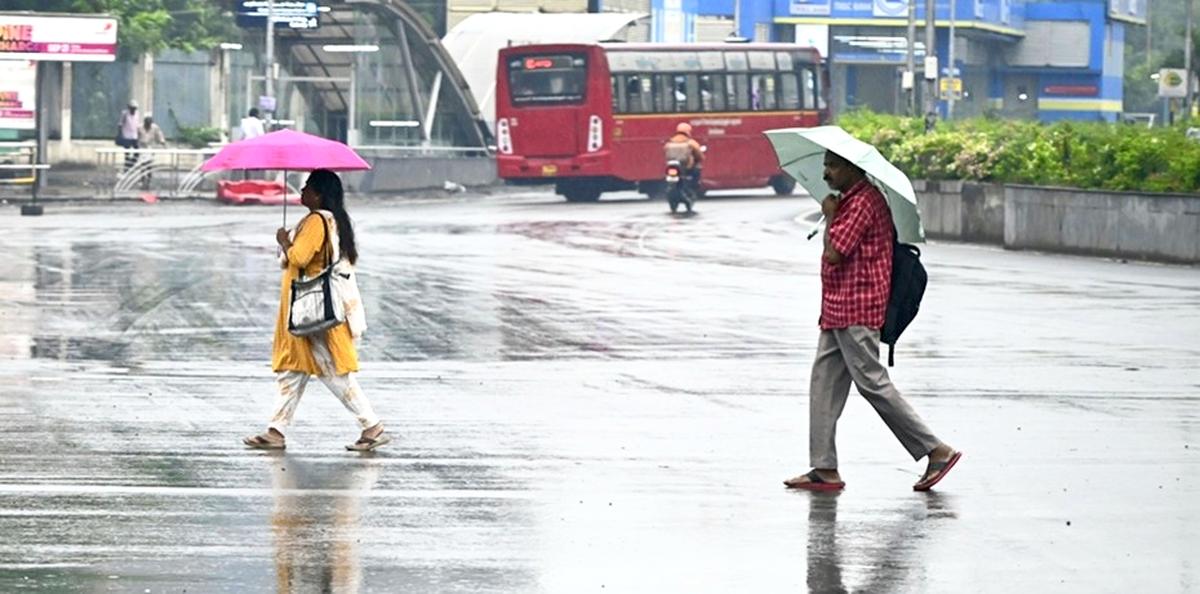
People are urged to take precautions to stay safe during the heavy rains. It is best to remain indoors as much as possible. If it is necessary to go out, carrying an umbrella or raincoat is advisable. Flooded roads should be avoided as they may hide open drains, potholes, or electrical hazards. Walking or driving through deep water can be dangerous, and people should exercise caution while commuting.

Storing Essential Supplies

Residents are advised to store essential supplies like food, drinking water, and medicines to avoid any difficulties if the rain continues for several days. Keeping important documents in waterproof covers is also recommended to prevent damage. Households should check their drainage systems to ensure water flows out properly, reducing the chances of waterlogging inside homes.

Communication and Emergency Contact Numbers

Charging mobile phones and power banks in advance is crucial to ensure communication is not interrupted during power cuts. Emergency contact numbers, including police, fire services, and local government offices, should be saved on phones. Staying updated with weather reports from reliable sources like IMD and government announcements is essential to avoid misinformation.

Avoiding Fake News and Rumors

It is important not to believe or spread fake news regarding the weather situation. Rumors can cause unnecessary panic among people. Official sources should be trusted for accurate information, and social media should be used responsibly to share only verified updates.

What to Do in Case of an Emergency

If someone finds themselves in an emergency situation due to flooding, they should seek help immediately. Calling emergency helplines, moving to higher ground, and following safety guidelines can save lives. It is crucial not to attempt to cross heavily flooded areas, as strong water currents can be dangerous. Rescue teams are available to assist those in need, and people should cooperate with authorities during evacuations if required.

Tamil Nadu
2025-03-11

BJP vs Opposition in Odisha Assembly Over "Disrespect" To Biju Patnaik

The Odisha Assembly witnessed an intense political showdown as members of the opposition stormed into the Well of the House, protesting against the alleged disrespect to the late former Chief Minister Biju Patnaik. Things got pretty wild in the assembly hall, with slogans ringing out everywhere. You could really feel the tension between the ruling BJP and the opposition parties, especially the BJD and Congress.

Controversy Over Panchayati Raj Divas

One of the core issues triggering the uproar was the Odisha government's decision to observe Panchayati Raj Divas on April 24 instead of Biju Patnaik’s birth anniversary on March 5. Opposition leaders are calling out the BJP-led state government for trying to wipe away the legacy of this iconic leader, who really helped shape Odisha’s political scene.

The BJD, founded by Biju Patnaik’s son Naveen Patnaik, strongly opposed this move, stating that since 1993, Panchayati Raj Divas had been observed on Biju Patnaik Jayanti. However, the BJP government defended its decision, stating that April 24 is nationally recognized as Panchayati Raj Divas and aligning Odisha’s observance with the national calendar would be a logical step.

Opposition's Aggressive Stand

The opposition members, led by BJD MLA Adhiraj Panigrahi and Congress leader Taraprasad Bahinipati, took their protest to the next level. The chaos inside the House escalated when some legislators attempted to climb the Speaker's podium, shouting slogans demanding the reinstatement of March 5 as Panchayati Raj Divas.

The Speaker, Surama Padhy, had to adjourn the proceedings multiple times as the disorder continued. The morning session was disrupted, and even after the House resumed at noon, the protests did not subside, leading to another adjournment till 4 PM.

Protest Beyond the Assembly

The demonstrations were not limited to the Assembly premises. BJD members staged a sit-in near the statue of Biju Patnaik, expressing their anger against the state government’s decision. At the same time, Congress leaders held a demonstration near Mahatma Gandhi’s statue, criticizing the government for what they called "disrespect" towards Odisha’s beloved leader.

Meanwhile, BJP leaders dismissed the opposition’s allegations, asserting that their government held Biju Patnaik in high regard and that the decision was purely administrative. Panchayati Raj Minister Rabi Narayan Naik defended the move, accusing the opposition of creating unnecessary hurdles in the Assembly’s proceedings.

Women's Safety Also a Key Issue

Apart from the Biju Patnaik issue, Congress leaders raised concerns over rising crimes against women in the state. They claimed that since the BJP came to power in Odisha in June 2024, cases of violence against women had surged, and the government had failed to ensure their safety. This added another layer of confrontation between the ruling party and the opposition.

The BJP’s Counterattack

The ruling BJP remained firm on its stand, rejecting the allegations of disrespecting Biju Patnaik. They argued that the opposition was trying to politicize the issue to divert attention from their own failures. BJP leaders claimed that Biju Patnaik’s legacy would always be honored and that observing Panchayati Raj Divas on April 24 was not an act of disrespect but a step towards uniformity with the national calendar.

Tamil Nadu
2025-03-06

MK Stalin's Stand Against Delimitation: Is It About Federalism or Just Politics

Tamil Nadu's Chief Minister and DMK leader MK Stalin is making some serious waves with his opposition to the proposed delimitation exercise. He recently led an all-party meeting in Chennai where he raised some strong concerns that this exercise could end up weakening the representation of South Indian states in the Lok Sabha.

Stalin's main point is pretty straightforward: states like Tamil Nadu, which have managed to keep population growth in check, shouldn’t be punished for it. Meanwhile, northern states with booming populations could end up snagging more parliamentary seats. Despite Union Home Minister Amit Shah's claim that no state will lose their current seats, Stalin isn’t buying it. And on top of opposing delimitation, he’s made it clear he’s not a fan of the three-language formula, ramping up his criticism of the central government.

But is Stalin’s outcry truly about protecting the interests of Tamil Nadu? Or is this more of a calculated move as he gears up for the 2026 Tamil Nadu Assembly elections? Let’s dive deeper into this situation.

What Went Down at the All-Party Meeting

The all-party meeting, hosted by Stalin, saw attendance from AIADMK, Congress, the Left parties, and even actor Vijay’s Tamilaga Vettri Kazhagam (TVK). However, the absence of the BJP, Tamil nationalist party NTK, and GK Vasan’s Tamil Maanila Congress (Moopanar) really emphasizes the splits in political opinions on this issue.

One of the big takeaways from the meeting was the decision to form a Joint Action Committee made up of MPs and representatives from different South Indian political groups. The idea is for this committee to spearhead protests, raise public awareness, and engage with policymakers to block any attempts at implementing delimitation based on the new census data.

Everyone in the meeting was on the same page, insisting that the 1971 census should be the benchmark for seat distribution for the next 30 years, which would keep Tamil Nadu’s parliamentary representation steady at 7.18%. They argued that Tamil Nadu's valuable contributions to India’s economy and governance shouldn’t be overlooked because of its successful population control efforts.

Why Tamil Nadu is Pushing Back on Delimitation

Tamil Nadu is really stepping up as a key opponent of the delimitation process, with Congress-led Karnataka and Telangana also voicing their concerns. On the flip side, Andhra Pradesh's Chief Minister N. Chandrababu Naidu is taking a more reserved approach.

During a recent visit to Tamil Nadu, Union Home Minister Amit Shah reassured southern states that no state’s parliamentary seats would be reduced. Despite this assurance, Stalin and his allies remain skeptical, arguing that even if seats are not reduced, their influence in the Lok Sabha will be diluted if northern states gain more seats.

Population Control: A Political Disadvantage

A key concern raised by Stalin is that Tamil Nadu’s successful population control policies could now work against the state. In contrast, states like Uttar Pradesh and Bihar, which have experienced rapid population growth, might be rewarded with additional parliamentary seats.

Interestingly, Stalin is now urging Tamil Nadu’s youth to have more children to maintain demographic balance. He argues that population growth is necessary to sustain Tamil Nadu’s political and economic influence in the country.

This view is shared by Andhra Pradesh Chief Minister N. Chandrababu Naidu, who recently reversed his stance on family planning, stating that southern states are facing an aging population crisis. Naidu has even suggested offering incentives for larger families. However, he maintains that this issue should not be directly linked to delimitation.

The changing stance on population growth in the South reflects growing concerns about representation and federal balance in India’s governance structure.

Political Strategy Behind Stalin’s Stand on Delimitation and Hindi

With Tamil Nadu’s assembly elections scheduled for 2026, Stalin’s aggressive stance against delimitation and the imposition of Hindi appears to be part of a broader electoral strategy.

 Consolidating Tamil Identity

Stalin has positioned himself as the protector of Tamil identity, a sentiment that resonates strongly in the state. The DMK has a long history of opposing Hindi imposition, dating back to the anti-Hindi agitations of the 1960s. By linking the language issue with delimitation, Stalin is reinforcing his image as a strong regional leader who defends Tamil Nadu’s interests against central interference.

 Isolating the BJP in Tamil Nadu

By making delimitation and language imposition major electoral issues, Stalin is forcing all regional parties to take a stand against the BJP. This puts AIADMK, the BJP’s ally, in a difficult position, as opposing delimitation would mean going against the Centre.

If Stalin successfully builds a broad anti-BJP consensus on these issues, the saffron party could find itself increasingly isolated in Tamil Nadu politics. This, in turn, would weaken its prospects in both the 2026 state elections and the 2029 general elections.

 Dividing the Opposition

Stalin’s strategy could also divide the opposition within Tamil Nadu. If he takes a dominant stance against delimitation, other regional parties like AIADMK and PMK will be forced to either support his campaign or risk alienating Tamil voters. This would leave the DMK as the primary beneficiary of Tamil Nadu’s strong regional sentiment.

What Lies Ahead

MK Stalin’s battle against delimitation is far from over. His opposition is not just about preserving Tamil Nadu’s parliamentary strength but also about leveraging the issue for political gains. His anti-Hindi and anti-delimitation stance allows him to keep the BJP on the defensive while reinforcing his leadership in the state.

However, the central government is unlikely to retreat easily. The final decision on delimitation will depend on the political dynamics leading up to the 2029 general elections. If the BJP remains strong in North India, it may push forward with delimitation despite opposition from southern states.

For now, Stalin has successfully turned delimitation into a major political issue in Tamil Nadu. His opposition is not just about numbers; it’s a strategic move to secure a political advantage ahead of the 2026 assembly elections. Whether this strategy will translate into electoral success remains to be seen, but one thing is certain—Tamil Nadu’s politics is set for a fierce battle over representation and federal rights in the coming years.


/ Home / tamil-nadu

Tamil Nadu

  • Monsoon Weather Update in Tamil Nadu
    My India Times      2024-11-09  123

    Monsoon Weather Update in Tamil Nadu

    The Volleyball World Beach Pro Tour, scheduled for November 21-24 on Marina Beach in Chennai, marks a milestone for Indian sports as it reintroduces world-class beach volleyball to the country after nearly a decade. This international event will bring together top athletes from across the globe, offering fans and aspiring players a unique chance to witness high-level competition up close. The tour’s stop in Chennai highlights Tamil Nadu’s efforts to position itself as a prime sports destination, drawing on the appeal of the city’s coastal location and sports-friendly infrastructure.

    Chennai’s selection as the venue for this prestigious tour is strategic. Known for its sprawling Marina Beach, the city provides an ideal setting for the sport, with wide sands, a tropical climate, and a natural coastline that draws both locals and tourists. By hosting this event, the Tamil Nadu government and its tourism department aim to spotlight the region’s beauty while boosting local tourism, which is expected to generate increased revenue for local businesses, hotels, and restaurants. This synergy of tourism and sports aligns with the state’s broader plans to establish Chennai as a hub for high-profile sports events, showcasing its potential for organizing and hosting international competitions.

    The tournament is also expected to draw in a diverse crowd, including sports fans, tourists, and local residents eager to experience the excitement of beach volleyball. Engagement zones and fan areas will be set up around the venue, allowing audiences to meet and interact with the players, creating a more immersive experience. Workshops and training sessions are also planned for young, aspiring volleyball players, promoting grassroots development and nurturing local talent in the sport. These efforts not only celebrate beach volleyball but also seek to inspire the next generation of athletes, giving young players a chance to see international stars in action and learn about the dedication and skill required at the professional level.

    The Volleyball World Beach Pro Tour is anticipated to generate considerable media attention, placing Chennai and Marina Beach on the global map for beach sports. This exposure could lead to an increase in similar events, both for beach volleyball and other beach-based sports, further enhancing Chennai’s reputation as an attractive destination for athletes and sports fans alike. The tour stop is part of an ongoing effort by the Tamil Nadu government to support and develop diverse sports initiatives, aiming to foster a culture of sportsmanship and athletic excellence within the state.

    Ultimately, the Volleyball World Beach Pro Tour promises to be more than just a sports event; it’s a cultural experience that reflects Chennai’s growing prominence on the international stage. By hosting this event, Tamil Nadu is not only providing a platform for world-class competition but also investing in local sports culture, tourism, and youth development, setting a precedent for future events. As the tournament approaches, excitement builds for a vibrant celebration of sport, community, and international unity on the shores of Marina Beach.

    …
  • Beach Volleyball World Pro Tour in Chennai
    My India Times    2024-11-09  109

    Beach Volleyball World Pro Tour in Chennai

    The Volleyball World Beach Pro Tour, scheduled for November 21-24 on Marina Beach in Chennai, marks a milestone for Indian sports as it reintroduces world-class beach volleyball to the country after nearly a decade. This international event will bring together top athletes from across the globe, offering fans and aspiring players a unique chance to witness high-level competition up close. The tour’s stop in Chennai highlights Tamil Nadu’s efforts to position itself as a prime sports destination, drawing on the appeal of the city’s coastal location and sports-friendly infrastructure.

    Chennai’s selection as the venue for this prestigious tour is strategic. Known for its sprawling Marina Beach, the city provides an ideal setting for the sport, with wide sands, a tropical climate, and a natural coastline that draws both locals and tourists. By hosting this event, the Tamil Nadu government and its tourism department aim to spotlight the region’s beauty while boosting local tourism, which is expected to generate increased revenue for local businesses, hotels, and restaurants. This synergy of tourism and sports aligns with the state’s broader plans to establish Chennai as a hub for high-profile sports events, showcasing its potential for organizing and hosting international competitions.

    The tournament is also expected to draw in a diverse crowd, including sports fans, tourists, and local residents eager to experience the excitement of beach volleyball. Engagement zones and fan areas will be set up around the venue, allowing audiences to meet and interact with the players, creating a more immersive experience. Workshops and training sessions are also planned for young, aspiring volleyball players, promoting grassroots development and nurturing local talent in the sport. These efforts not only celebrate beach volleyball but also seek to inspire the next generation of athletes, giving young players a chance to see international stars in action and learn about the dedication and skill required at the professional level.

    The Volleyball World Beach Pro Tour is anticipated to generate considerable media attention, placing Chennai and Marina Beach on the global map for beach sports. This exposure could lead to an increase in similar events, both for beach volleyball and other beach-based sports, further enhancing Chennai’s reputation as an attractive destination for athletes and sports fans alike. The tour stop is part of an ongoing effort by the Tamil Nadu government to support and develop diverse sports initiatives, aiming to foster a culture of sportsmanship and athletic excellence within the state.

    Ultimately, the Volleyball World Beach Pro Tour promises to be more than just a sports event; it’s a cultural experience that reflects Chennai’s growing prominence on the international stage. By hosting this event, Tamil Nadu is not only providing a platform for world-class competition but also investing in local sports culture, tourism, and youth development, setting a precedent for future events. As the tournament approaches, excitement builds for a vibrant celebration of sport, community, and international unity on the shores of Marina Beach.

    …
  • Tamil Nadu CM Stalin Launches State-Wide Education
    My India Times    2024-11-09  120

    Tamil Nadu CM Stalin Launches State-Wide Education

    In an ambitious drive to revitalize public education infrastructure, Tamil Nadu Chief Minister M.K. Stalin virtually inaugurated a new wave of classrooms, science laboratories, and residential school facilities across 141 government schools, spanning 29 districts, on November 8, 2024. This large-scale project, costing over ₹171.16 crore, aims to make quality education more accessible, especially in rural areas, by providing modern classrooms and well-equipped science labs, part of a broader mission to bridge educational disparities and prepare students for a competitive future.

    Expanding Educational Reach and Accessibility

    Aiming to reach underserved and rural areas, the state’s initiative includes 754 newly constructed classrooms and 17 advanced laboratories. This project aligns with Tamil Nadu’s ongoing commitment to educational reform, targeting both infrastructure and learning outcomes, particularly for students in state-run institutions. The initiative further emphasizes inclusivity through improvements at Kasturba Gandhi Balika Vidyalayas (KGBV) and Netaji Subhash Chandra Bose Awasiya Vidyalayas (NSCBAV) schools, which provide residential schooling options for marginalized students, including girls from economically weaker sections and first-generation learners.

    Emphasizing Science and Technology Education

    The new science labs are anticipated to play a pivotal role in encouraging hands-on, experiential learning, critical for subjects like science and technology. Recognizing the importance of these skills in today’s job market, the state’s investment in lab infrastructure underscores a commitment to equipping students with essential STEM (Science, Technology, Engineering, and Mathematics) skills. These enhancements are also part of the Tamil Nadu government's strategy to empower students to succeed in technical fields and prepare them for national-level competitive exams, in line with CM Stalin’s vision of producing future-ready graduates.

    Fostering Gender and Social Equity

    Addressing gender and social disparities in education is central to the Tamil Nadu government’s strategy. The upgrades to KGBV and NSCBAV reflect the government’s dedication to supporting young women’s education and fostering gender parity. By improving facilities at these residential schools, the administration aims to offer a safe and empowering environment for girls to pursue their studies, thereby aiming to close gender gaps in literacy and academic achievement in the state.

    Tamil Nadu’s Vision for Educational Reform

    This project is a part of CM Stalin’s broader educational vision, which includes several recent initiatives like the Illam Thedi Kalvi program that provides doorstep learning resources, the Naan Mudhalvan scheme aimed at developing career skills, and the CM’s Breakfast Scheme, which supports nutrition for young children. Together, these efforts create a comprehensive framework to improve both access to and quality of education in Tamil Nadu.

    The government is also working to cultivate a culture of lifelong learning among students, with plans for more digital classrooms, enhanced vocational training, and curriculum innovations that align with national standards and global education trends. By fostering a nurturing, resource-rich educational environment, Tamil Nadu positions itself as a leader in transforming public education in India.

    …
  • Madras High Court Takes Landmark Decision to Maint
    My India Times   2024-11-09  99

    Madras High Court Takes Landmark Decision to Maint

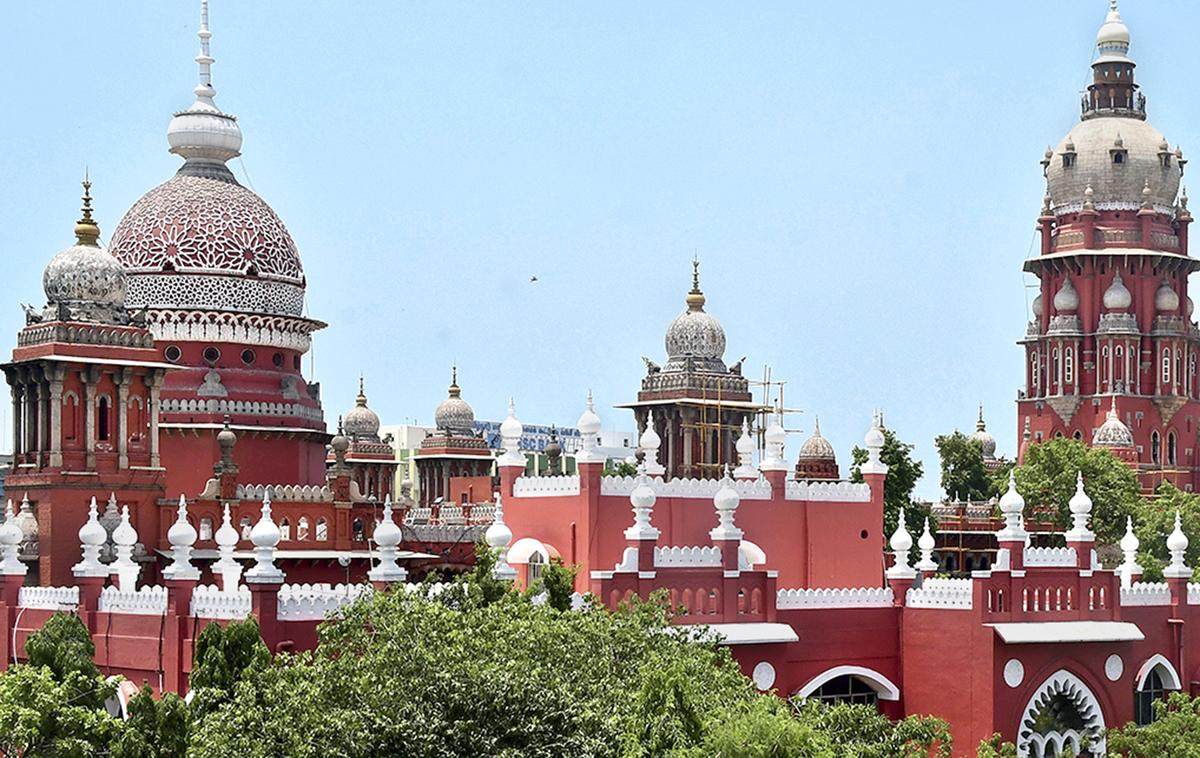
    In a progressive move aimed at enhancing the efficiency of the judiciary, the Madras High Court has decided to maintain a live database of its retired judges. This decision, announced on November 8, 2024, by the court’s first Division Bench comprising Chief Justice K.R. Shriram and Justice Senthilkumar Ramamoorthy, will have far-reaching implications for the management of judicial resources in the state.

    The Need for a Live Database

    The decision to maintain a comprehensive and continuously updated database of retired judges comes in response to growing concerns over the backlog of cases in the court system. Public interest litigant Rajendra Krishnan had highlighted the pressing need for such a database to facilitate the efficient appointment of ad hoc judges when required. This move comes at a time when judicial backlogs have become a critical issue, affecting the timely delivery of justice to millions of citizens.

    With 13 judges set to retire in 2025 alone, the Madras High Court's proactive approach is seen as a step towards tackling these challenges. A live database will allow the court to efficiently tap into the expertise of retired judges, enabling the court to engage them as ad hoc judges, should the need arise. This initiative will not only address the issue of backlog but also make use of the seasoned experience of retired judges to streamline court proceedings.

    The Importance of Ad Hoc Judges

    Ad hoc judges are often appointed in times of judicial crisis or when there is a shortage of judges to handle the growing volume of cases. By creating a database of retired judges, the Madras High Court ensures that it can quickly access qualified candidates, thus avoiding delays in case processing. Moreover, this will allow the court to maintain continuity in its judgments, as these experienced judges are already familiar with the state’s legal landscape and can bring a wealth of knowledge to the bench.

    Addressing Backlog and Ensuring Justice for All

    The growing judicial backlog has been a long-standing issue in India, with courts across the country struggling to clear pending cases. The decision to maintain a live database of retired judges is seen as an innovative solution to this problem, especially at a time when the Indian judicial system is under significant strain. The Madras High Court’s move is expected to serve as a model for other high courts in India, encouraging them to adopt similar strategies for judicial resource management.

    This initiative is part of a larger effort to enhance transparency, efficiency, and access to justice in India. With the help of a live database, the Madras High Court hopes to streamline the judicial process, ensuring that the delivery of justice is not impeded by administrative delays.

    A Step Towards Modernization

    The decision to digitize and maintain such a database reflects the Madras High Court’s commitment to modernizing its operations and improving the overall efficiency of the legal system. As technology continues to play a pivotal role in legal processes, this move will likely inspire other courts to explore digital solutions for managing judicial resources more effectively.

    In conclusion, this move by the Madras High Court is a significant step towards addressing the persistent challenges of judicial backlog and improving the administration of justice. By leveraging the expertise of retired judges, the court is ensuring that justice remains swift, fair, and accessible to all, setting a precedent for other courts across India to follow.

    …
  • hostinger
  • Tamil Nadu Declares Snakebite Envenomation as Noti
    My India Times    2024-11-09  69

    Tamil Nadu Declares Snakebite Envenomation as Noti

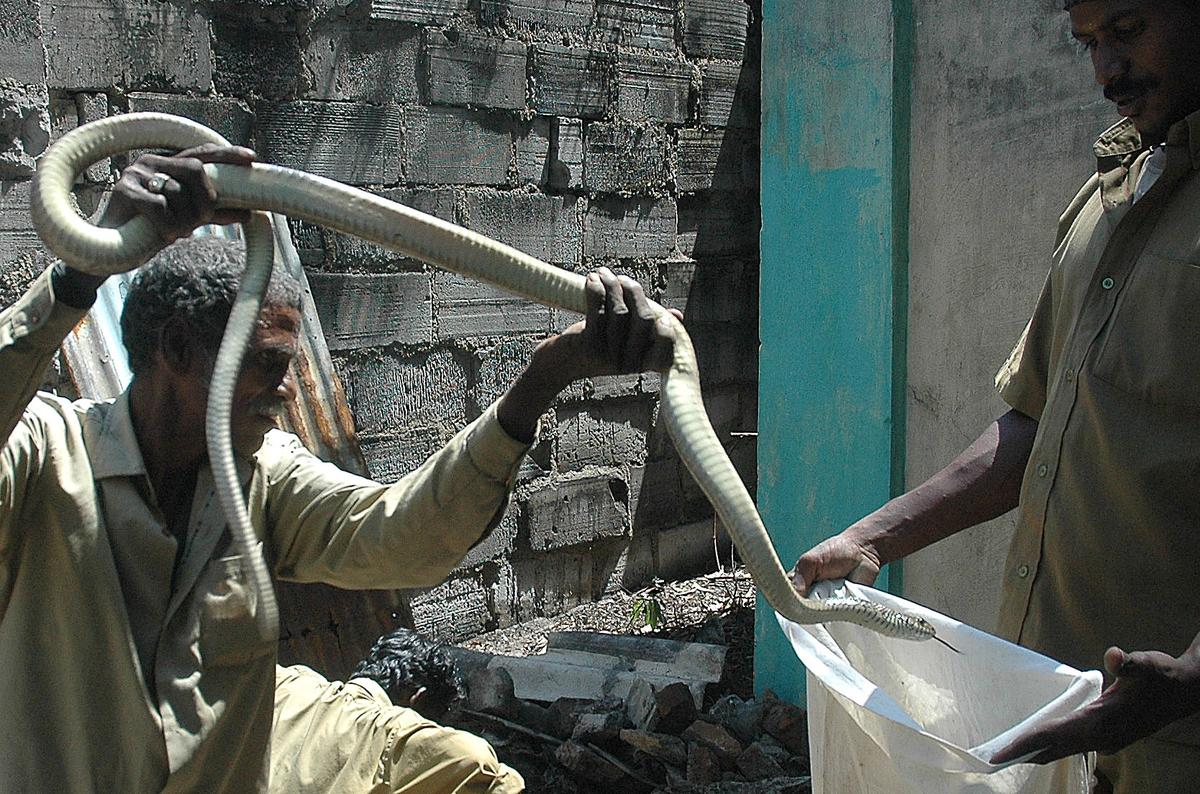
    The Tamil Nadu government has taken a groundbreaking step to address the life-threatening issue of snakebite envenomation by officially declaring it a notifiable disease under the Tamil Nadu Public Health Act, 1939. The move, formalized through a Government Order issued by the Health and Family Welfare Department on November 4 and published in the Tamil Nadu Government Gazette on November 6, marks an effort to mitigate the risks associated with snakebites, particularly in rural and snake-endemic areas where medical resources are limited.

    Why This Move is Critical for Tamil Nadu's Public Health

    Snakebite envenomation is a prevalent yet underreported medical emergency in India, with rural areas being most affected due to their proximity to snake habitats and limited healthcare access. Tamil Nadu, with its extensive rural population and diverse snake species, experiences a significant number of snakebite cases each year, often resulting in severe health complications or fatalities. The declaration as a notifiable disease will make it mandatory for hospitals and healthcare providers to report cases of snakebite envenomation, enabling the government to collect accurate data, monitor trends, and formulate effective intervention strategies.

    Government Initiatives to Support Affected Areas

    By designating snakebite envenomation as notifiable, the Tamil Nadu government intends to improve early intervention and treatment facilities across the state. The new classification will help the government gather data to identify high-risk areas, allocate resources, and conduct public awareness campaigns about preventative measures and first-aid practices. Additionally, this move is expected to enhance training for rural healthcare workers to ensure they are equipped to handle snakebite cases efficiently and administer life-saving anti-venom treatments.

    Reducing Fatalities and Disabilities Through Swift Medical Responses

    Snakebite cases in Tamil Nadu frequently go unreported or untreated due to limited access to healthcare facilities, especially in rural communities. By making snakebite incidents notifiable, the government aims to streamline medical responses, potentially reducing the number of fatalities and long-term disabilities associated with snakebite envenomation. Data collected under this mandate will enable the state to improve the distribution of anti-venom supplies and allocate emergency response teams to regions where snakebite cases are most common.

    A Collaborative Approach to Combatting Envenomation

    Tamil Nadu’s move aligns with the World Health Organization’s (WHO) categorization of snakebite envenomation as a high-priority neglected tropical disease. It highlights the government’s commitment to addressing rural health crises and aligns with global efforts to reduce the impact of snakebites. By involving healthcare providers, local authorities, and communities, the Tamil Nadu government is setting an example for other states in India to recognize and act upon the pressing health issue of snakebite envenomation.

    Looking Ahead

    Declaring snakebite envenomation as a notifiable disease is only the first step in Tamil Nadu’s long-term strategy to reduce snakebite-related health risks. Public health campaigns, improved access to anti-venom, and enhanced rural healthcare infrastructure are expected to follow, potentially transforming the way snakebite cases are managed and responded to in India.

    …
  • Tamil Nadu Government Issues Strict Email Policy f
    My India Times    2024-11-09  77

    Tamil Nadu Government Issues Strict Email Policy f

    The Tamil Nadu government recently rolled out an updated email policy for its 1.10 lakh employees, setting clear boundaries to ensure ethical, secure, and responsible use of its official email services. Aimed at promoting a secure digital environment within the state’s vast workforce, the new policy addresses a wide range of content and security issues, with particular emphasis on maintaining respectful and lawful communication practices. This update is part of a broader strategy to safeguard against misuse, cyber threats, and breaches that could compromise governmental integrity and the public’s trust.

    Key Guidelines on Communication Conduct

    The policy strictly prohibits content that could be perceived as offensive or discriminatory based on religion, caste, ethnicity, or other sensitive social identities. Messages that contain derogatory language or anti-national sentiments are explicitly forbidden, underscoring Tamil Nadu’s commitment to fostering a respectful and inclusive working environment for all employees. Additionally, any obscene content is banned, with severe repercussions likely for policy violators.

    Emphasis on Security and Confidentiality

    To strengthen cybersecurity measures, the new policy prohibits employees from sharing their official email passwords. This restriction is a proactive approach to limit unauthorized access and potential leaks of confidential information. With thousands of state employees relying on the Tamil Nadu government’s email network daily, the risks associated with weak password security and password sharing are high. By restricting access and requiring that each employee safeguard their credentials, the state is taking significant steps to protect government data.

    Compliance and Cybersecurity Training

    The new email policy includes provisions for compliance checks and cybersecurity training to ensure that employees understand and adhere to these regulations. The government is prioritizing education on digital ethics and cyber responsibility, aiming to equip staff with the knowledge necessary to avoid security threats such as phishing, malware, and other forms of cyberattacks that have become increasingly common in today’s digital landscape.

    Building a Secure Digital Ecosystem for Tamil Nadu

    This policy marks an important milestone in Tamil Nadu’s efforts to modernize its administrative practices and maintain a strong, ethical, and secure digital presence. It reflects the government’s dedication to safeguarding digital integrity while promoting a respectful communication environment among employees. By upholding strict standards and reinforcing accountability, Tamil Nadu is setting a precedent for government employees’ conduct in India’s digital age.

    This move aligns with broader cybersecurity initiatives across the country, highlighting the importance of strong policies to protect sensitive information and maintain public trust.

    …
Error: Invalid API key. Please see https://openweathermap.org/faq#error401 for more info.