Breaking News

Maha Kumbh 2025: Over 6.2 Million Devotees Take Holy Dip at Sangam on Basant Panchami’s Final ‘Amrit Snan’
RRB ALP 2025: City Intimation Slip Released, Exam Dates Announced

  • Facebook
  • X
  • LinkedIn
  • Youtube
  • Instagram
  • Whatsapp
  • Login
  • Advertisie with Us
My India Times My India Times News

My India Times News

  • ℃
  •   
  • Login
My India Times Logo
Billingezy
  • Home
  • India
    • India
    • Andhra Pradesh
    • Arunachal Pradesh
    • Assam
    • Bihar
    • Chhattisgarh
    • Goa
    • Gujarat
    • Haryana
    • Himachal Pradesh
    • Jharkhand
    • Karnataka
    • Kerala
    • Madhya Pradesh
    • Maharashtra
    • Manipur
    • Meghalaya
    • Mizoram
    • Nagaland
    • Odisha
    • Punjab
    • Rajasthan
    • Sikkim
    • Tamil Nadu
    • Telangana
    • Tripura
    • Uttar Pradesh
    • Uttarakhand
    • West Bengal
    • Andaman and Nicobar Islands
    • Chandigarh
    • Dadra and Nagar Haveli and Daman and Diu
    • Delhi
    • Lakshadweep
    • Ladakh
    • Jammu and Kashmir
    • Puducherry
  • World
  • Crime
  • Interactive Maps
  • Business
  • Technology
  • Education
  • Health Care
  • Chemical
  • Top Stories
  • Entertainment
    • Entertainment
    • Bollywood
    • Web Series
    • Film-Review
    • South Movies
  • Agriculture
  • Religion
    • Religion
    • Festivals
    • Video
    • Astrology
    • Stories
  • Sports
    • Sports
    • Upcoming Match
    • Cricket
    • Hockey
    • Olympic
    • IPL
  • Election
  • Calculators
  • Travel
  • Awareness
  • Universe
    • Earth
    • Ocean
    • Space
  • Home
  • India
    • Uttar Pradesh
    • Delhi
    • Punjab
    • Rajasthan
    • Uttarakhand
    • Bihar
    • Jharkhand
    • Madhya Pradesh
    • Haryana
    • Himachal Pradesh
    • West Bengal
    • Telangana
    • Jammu & Kashmir
    • Andhra Pradesh
    • Arunachal Pradesh
    • Assam
    • Chhattisgarh
    • Goa
    • Gujarat
    • Karnataka
    • Kerala
    • Manipur
    • Meghalaya
    • Maharashtra
    • Nagaland
    • Odisha
    • Sikkim
    • Tamil Nadu
    • Andaman & Nicobar
    • Chandigarh
    • Ladakh
    • Lakshadweep
    • Puducherry
    • Dadra & Nagar Haveli and Daman & diu
    • Tripura
    • Mizoram
  • World
  • Crime
  • Crime Map
  • Business
  • Technology
    Playing GIF
  • Education
    Playing GIF
  • Health Care
  • Travel
  • Calculators
  • Awareness
  • Universe
    • Earth
    • Space
    • Ocean
  • More
    • Chemical
    • Entertainment
      • TV
      • Bollywood
      • Web Series
      • Flim Review Hot
      • South Movies
    • Agricluture
    • Top Stories
    • Religion
      • Festivals
      • Video
      • Astrology
      • Stories
    • Election
    • Sports
      • Upcoming Match Hot
      • Cricket
      • Hockey
      • Olympic
      • IPL
  •   ℃
  •   
Lakshadweep
2025-04-24

ICAR-CIARI Introduces Groundbreaking Poultry Feed in Lakshadweep

In a big step towards greener farming in India’s island areas, the ICAR-Central Island Agricultural Research Institute (CIARI) has handed over a new poultry feed technology license to a local entrepreneur in Lakshadweep. The technology, called DweepMAS-Poultry Feed, has been developed using processed tuna fish—an abundant resource in the Lakshadweep Islands. The agreement was signed at the CIARI regional station in Minicoy, handing over the rights to produce and market the feed to Mr. Ibrahim Manikfen, a local businessman.


Tuna-Based Feed Replaces Traditional Soy Meal

Unlike traditional poultry feed which relies heavily on imported soybean meal, this innovative product uses MASMIN—a base derived from smoked and dried tuna fish. The feed is packed with a high level of crude protein, reaching up to 70%. It's made for easy digestion and quick nutrient absorption. Whether your birds are just starting out, growing, laying eggs, or finishing up as broilers, this feed has got you covered with options personalized for each stage of poultry development.


Developed by a Team of Expert Scientists

The technology was developed by a team of scientists including Dr. T. Sujatha, Dr. Y. Gladston, Dr. M. Ajina, and Dr. E. B. Chakurkar. They focused on using fish waste that is typically discarded, turning it into a high-value agricultural product. This not only helps reduce environmental waste but also promotes a circular economy by turning local resources into economic opportunities.


Feed Costs Reduced by Up to 30%

One of the biggest advantages of this feed is its ability to reduce poultry farming costs. The developers say that this new feed could cut costs by as much as 30% compared to the usual options, which are often imported from the mainland. That’s a breakthrough for small farmers on remote islands like Lakshadweep, where transportation can be really expensive and logistics are a real headache.


Boosting Local Entrepreneurship and Employment

By teaming up with a local entrepreneur and licensing the technology, CIARI is really encouraging the community to get involved in farming innovations. Mr. Manikfen will take charge of making and distributing the feed all over Lakshadweep, which opens up new jobs and business opportunities. This kind of partnership between the public and private sectors is a great way to support rural entrepreneurs, especially young people and women, and helps lay the groundwork for local farming businesses to succeed.


Promoting Self-Reliance and Food Security

The use of local tuna as the primary ingredient means farmers in Lakshadweep no longer need to rely on external feed sources. This helps strengthen food security, reduces dependence on mainland suppliers, and ensures that poultry farmers have consistent access to quality nutrition for their birds. It also supports India’s larger Atmanirbhar Bharat vision of making local economies more self-reliant.


An Eco-Friendly Solution Using Marine Waste

Additionally, the use of tuna waste has environmental benefits. Instead of throwing away fish processing byproducts, the technology puts them to use in a sustainable way, reducing waste and promoting marine conservation. This eco-friendly solution also contributes to reducing the carbon footprint associated with importing feed from distant locations.


Model for Other Coastal and Island Regions

The success of this project could open the door for similar models in other coastal or island territories. With the right support, this type of locally-driven innovation has the potential to transform how feed is produced and distributed across regions where access to traditional agricultural inputs is limited. It showcases how targeted research, combined with community involvement, can lead to impactful, real-world solutions that benefit both people and the planet.
Lakshadweep
2025-03-08

India's New Naval Base Near Maldives: A Bold Power Move in the Indian Ocean

India just made a big splash by opening up a new naval base, INS Jatayu, not too far from the Maldives. This is definitely a revolutionary and has gotten both Malé and Beijing buzzing. The base sits on Minicoy Island in the Lakshadweep archipelago and is all about beefing up India's maritime security. It sends a strong signal that India means business when it comes to countering China's growing influence in the area.

Given the recent friction between India and the Maldives, especially with President Mohamed Muizzu at the helm—who's been pretty open about wanting closer ties with China—this move feels even more major. As the geopolitical environment shifts in the Indian Ocean, India's latest step shows it’s serious about keeping its edge and protecting its interests.

India's Maritime Expansion: A Smart Move

INS Jatayu: Boosting India's Naval Muscle

The opening of INS Jatayu is a big deal in India's maritime defense strategy. It's positioned right at a key point in the Indian Ocean, which means it boosts India's ability to keep an eye on and secure important sea routes that are essential for trade and energy transport.

India has had a bit of a presence on Minicoy Island for a while now, but with tensions ramping up in the region, it’s taking things to the next level by turning it into a full-fledged naval base. INS Jatayu is set to be equipped with high-tech surveillance systems, maritime patrol aircraft, and warships, which will help India tackle security threats, piracy, and any foreign military actions in the area.

Countering China’s ‘String of Pearls’ Strategy

China has been expanding its footprint in the Indian Ocean with its “String of Pearls” strategy, building ports and military bases across key spots like Sri Lanka, Pakistan, and the Maldives. This growing presence definitely poses a challenge to India, making INS Jatayu a key counterpunch.

By strengthening its presence in Lakshadweep, India is making it loud and clear that it won't let outside forces surround its strategic interests. This also helps solidify India's partnerships with other like-minded countries in the Indo-Pacific, like the US, Japan, and Australia, who are also concerned about China's increasing influence.

India-Maldives Tensions: A Shifting Diplomatic Scene

A Growing Rift Between New Delhi and Malé

India and the Maldives have shared strong historical ties, but relations have deteriorated following President Mohamed Muizzu’s victory in the 2023 elections. Muizzu has pushed for the removal of Indian military personnel from Maldivian soil, arguing that their presence infringes upon national sovereignty.

The Indian military personnel, deployed to operate humanitarian and surveillance aircraft, were instrumental in assisting the Maldives in medical emergencies and disaster relief. However, under Muizzu’s pro-China stance, the Maldives has distanced itself from India, leading New Delhi to reassess its approach toward its island neighbor.

China’s Growing Influence in the Maldives

China has aggressively expanded its presence in the Maldives through infrastructure investments and economic aid under its Belt and Road Initiative (BRI). Beijing’s growing footprint has raised concerns in India, as it could allow China to establish a strategic outpost in India's maritime backyard.

India’s decision to operationalize INS Jatayu is seen as a direct response to China’s increasing involvement in the Maldives, ensuring that New Delhi retains a firm grip over the Indian Ocean’s security architecture.

Strategic and Global Implications

 Securing Critical Sea Lanes

The Indian Ocean is a crucial corridor for global trade, with nearly 80% of the world’s maritime oil shipments passing through its waters. The presence of INS Jatayu enables India to better safeguard these vital routes from external threats, including piracy and illegal activities.

 Reinforcing Regional Stability

By establishing a powerful naval base near the Maldives, India enhances regional stability by preventing any single country—particularly China—from dominating the Indian Ocean. The base will allow India to rapidly respond to security challenges and maintain a balance of power.

 Strengthening India’s Defense Posture

INS Jatayu strengthens India’s ability to conduct long-range maritime surveillance, anti-submarine warfare, and rapid-response operations. It also complements India’s other naval bases along its coastline, ensuring a strong network of defense installations across the region.

China’s Reaction: A Diplomatic Balancing Act

Beijing has not officially commented on India’s latest move, but it is closely monitoring the situation. Experts suggest that China views this development as a challenge to its growing influence in the Indian Ocean.

With India reinforcing its presence near the Maldives, China may seek to deepen its military and economic ties with Malé, further complicating regional geopolitics. The coming months will likely see intensified diplomatic engagements as both India and China vie for strategic leverage in the region.

Lakshadweep
2025-03-07

Massive Coral Bleaching in Lakshadweep Raises Alarming Concerns, Government Updates Parliament

The fragile coral ecosystems of Lakshadweep have been significantly impacted by an unprecedented mass coral bleaching event, with 84.6% of coral reefs in the region affected during 2023-24. This alarming revelation was made by the Ministry of Earth Sciences (MoES) in response to a query in the Lok Sabha, highlighting the severity of coral reef degradation caused by rising ocean temperatures.

The issue comes in the backdrop of the Fourth Global Coral Bleaching Event (GCBE4), which has severely impacted marine ecosystems across the world. Scientists warn that the situation is a major indicator of escalating climate change effects, further endangering ocean biodiversity and local livelihoods dependent on these reefs.


Global Coral Bleaching Crisis: NOAA Identifies Severe Oceanic Stress

The National Oceanic and Atmospheric Association (NOAA) had previously announced in April 2024 that the world is experiencing a global coral bleaching event, marking the fourth recorded instance and the second in the past decade.

According to NOAA’s Coral Reef Watch (CRW), bleaching-level heat stress has been extensively recorded across the Atlantic, Pacific, and Indian Oceans, leading to severe damage to marine ecosystems. Rising sea surface temperatures, driven by global warming and extreme weather conditions, have played a major role in accelerating this crisis.


Lakshadweep Among the Worst-Hit, While Andaman and Gulf of Mannar Show Partial Recovery

The MoES report to Parliament confirmed that the Lakshadweep region has experienced the most severe impact, with an overwhelming 84.6% of coral reefs suffering bleaching due to extreme heat stress. While the ministry noted that some reefs in the region have started to recover, the overall damage is substantial.

In contrast, smaller-scale bleaching events were observed in the South Andaman region, affecting 15-18% of coral reefs, with most of them now showing signs of recovery. Similarly, the Gulf of Mannar recorded localized bleaching in certain patchy areas, though it was not as widespread as in Lakshadweep.

The report further noted that coral reef degradation has been progressively worsening in various parts of India, underscoring the urgent need for conservation efforts.


Government’s Measures to Combat Coral Bleaching and Promote Reef Conservation

In response to concerns over the large-scale coral loss, Minister of State for Earth Sciences, Jitendra Singh, outlined the steps taken by the government to monitor, restore, and protect coral reef ecosystems across India.

The Zoological Survey of India (ZSI) has been conducting in-situ observations of coral reefs since 2002, focusing on developing effective restoration strategies and assessing ecological threats. Additionally, the establishment of Marine Protected Areas (MPAs) has helped limit human activities in sensitive reef zones, promoting natural coral recovery.

One of the most notable conservation efforts includes India’s largest coral translocation project in the Gulf of Kutch, where approximately 16,000 corals were relocated to safer habitats in an attempt to restore the reef ecosystem and mitigate environmental stress.


Climate Change and Infrastructure Development: A Double Threat to Lakshadweep’s Coral Reefs

The climate crisis, marine heatwaves, and large-scale tourism projects have emerged as significant threats to Lakshadweep’s already fragile coral reef systems. Reports suggest that extreme temperature fluctuations since October 2023 have intensified bleaching, pushing the ecosystem toward long-term degradation.

Further concerns have been raised regarding the impact of mega-tourism initiatives and infrastructure expansion, which could disrupt the delicate balance of Lakshadweep’s environment. With a total land area of just 32 square kilometers, including 10 inhabited and 26 uninhabited islands, the region’s coral ecosystems are particularly vulnerable to unsustainable human activities and development projects.


Long-Term Monitoring Indicates Declining Coral Cover Across Indian Coastlines

The Space Applications Centre in Ahmedabad has been conducting long-term assessments of coral reef health through its Inventory of Indian Coral Reefs project. Preliminary results indicate significant loss of reef area in multiple locations, signaling a continuous decline in coral coverage.

For instance, data from Malvan reef in Maharashtra suggests a visible loss of coral over a period of 13 years (2007-2020). Similarly, four reefs in the Gulf of Mannar—Koswari, Nalla Tanni Tivu, Pichaimoopan Valasai, and Shingle reef—have experienced a decline over a period of 12-14 years (2004/05 to 2018), indicating long-term damage due to environmental stressors.


The Road Ahead: Strengthening Policies for Coral Reef Protection

As India faces the repercussions of a rapidly changing climate, experts emphasize the urgent need for strengthened policies, increased funding for conservation projects, and enhanced research on coral resilience.

While the government has undertaken multiple initiatives to monitor and protect reefs, there is a growing demand for more proactive measures such as reducing carbon emissions, regulating coastal developments, and expanding marine protected zones. Collaboration between scientists, policymakers, and environmental organizations will be key in ensuring the long-term survival of India’s coral ecosystems.

As the global coral bleaching crisis unfolds, Lakshadweep’s reefs serve as a stark reminder of the immediate threats posed by climate change, urging both national and global efforts to protect these vital marine ecosystems before it’s too late.


Lakshadweep
2025-03-06

Unprecedented Discovery: Ancient European Warship Wreck Found Near Lakshadweep, Raising New Questions About Maritime History

Divers Stumble Upon a Mysterious Shipwreck Near Kalpeni Island, Unveiling a Piece of Lost Naval History

In a groundbreaking discovery, a team of deep-sea divers exploring the waters near Kalpeni Island in the Lakshadweep archipelago has uncovered what appears to be the remains of a centuries-old warship, believed to have belonged to a European naval fleet from the 17th or 18th century.

The shipwreck, previously undocumented in the region, is already drawing the attention of maritime historians and archaeologists who believe it could hold critical clues about historical naval conflicts, trade routes, and the expansion of colonial powers in the Indian Ocean.


A Forgotten Warship Beneath the Waves: The Significance of This Discovery

This unexpected discovery has raised excitement among experts, as the shipwreck—most likely a Portuguese, British, or Dutch warship—could be directly linked to historical battles fought for dominance over Indian Ocean trade routes.

Experts believe the ship may have been part of a military convoy or an armed merchant vessel that either sank during combat, was caught in a storm, or was abandoned due to structural failures.

The condition of the wreckage, extensive coral growth, and the presence of a cannon strongly indicate that it has remained submerged for at least two to three centuries.


A European Warship From the 17th or 18th Century? Experts Analyze the Ship’s Origins

Initial assessments of the ship’s structure, materials, and artifacts suggest that it belonged to a European power that actively traded and fought for control over the lucrative spice and textile trade routes.

According to Idrees Babu, a scientist at the Department of Science and Technology and a mentor to the divers’ group, the presence of a cannon and the size of the wreck suggest it was likely a warship, possibly built using iron or a combination of iron and wood—a common construction style of the era.

“The coral growth on the wreckage and its level of corrosion make it difficult to determine whether the ship was fully made of iron or had wooden components. However, the ship’s design and size point to it being a military vessel or an armed trading ship, used extensively by the Portuguese, British, or Dutch navies during their time in the Indian Ocean,” Babu explained.


Hidden Beneath the Ocean for Centuries: What the Wreckage Reveals About Colonial-Era Naval Warfare

The location of the wreck on the western side of Kalpeni Island suggests that the ship may have either been involved in a battle or was attempting to navigate through the region when it met its unfortunate fate.

Satyajit Mane, the lead diver of the exploration team, highlighted that the size of the ship—estimated to be around 50 to 60 meters in length—aligns with naval warships of the 17th and 18th centuries.

“The East India Company and other European naval forces started using iron-reinforced ships on this trade route during the 17th century, and this discovery suggests that Lakshadweep played a larger role in historical maritime activities than previously thought,” Mane said.


A Lost Chapter of History? The Shipwreck’s Connection to Maritime Conflicts of the Indian Ocean

Historians believe that the shipwreck could be linked to some of the most intense maritime conflicts that took place between European colonial powers in the Indian Ocean.

During the 17th and 18th centuries, the British, Portuguese, and Dutch navies frequently clashed over control of trade routes between the Middle East, India, and Sri Lanka, as they sought to dominate the spice trade, textile exports, and maritime commerce.

The presence of a large anchor and a mounted cannon suggests that the ship was not a simple merchant vessel but an armed military or trading ship, possibly engaged in battles against rival European forces or local resistance groups in the Indian Ocean.


Next Steps: Why This Discovery Requires Urgent Underwater Archaeological Investigation

While the initial findings are exciting, experts stress that detailed underwater archaeological studies are needed to determine the ship’s exact origins, purpose, and historical significance.

Maritime archaeologists are now calling for immediate protective measures to preserve the site until a full-scale investigation can be conducted.

According to Idrees Babu, the site must be protected from treasure hunters and unauthorized divers until experts can safely recover historical artifacts that may provide further insight into the ship’s nationality, purpose, and cause of sinking.

"We need a scientific expedition to analyze the wreckage, document its features, and possibly recover important artifacts. Until then, the area must be preserved as a historical maritime heritage site,” he added.


A Remarkable Discovery That Could Rewrite Lakshadweep’s Role in Maritime History

This shipwreck discovery could rewrite the history of Lakshadweep’s role in colonial maritime trade and naval warfare, revealing how the archipelago was not just a remote island chain but a crucial point in the struggles between European empires.

If further studies confirm the ship’s European origins, it would cement Lakshadweep’s place in global naval history, offering new insights into how colonial powers navigated, traded, and fought in the Indian Ocean.


Final Thoughts: A New Era of Maritime Discoveries in Lakshadweep?

As technology and interest in underwater archaeology continue to grow, this latest discovery raises hopes for even more lost historical treasures waiting to be uncovered beneath the ocean.

This European warship wreck near Kalpeni Island is a monumental discovery, proving that Lakshadweep’s waters hold deep, untold secrets of the past.

With further studies and explorations, this discovery could become one of the most significant underwater archaeological finds in India, drawing historians, researchers, and global travelers eager to learn about the untold stories of the Indian Ocean’s maritime legacy.

Lakshadweep
2025-03-06

Surge in Travel Demand Sparks Plans for New Flights to Lakshadweep as PM Modi’s Visit and Improved Connectivity Boost Tourism

Lakshadweep Experiences a Tourism Boom Following Prime Minister Modi’s Visit, With Travel Demand Reaching New Heights

Lakshadweep has witnessed an unprecedented surge in tourist interest, thanks to enhanced connectivity, increased flight operations, and the global spotlight created by Prime Minister Narendra Modi’s visit on January 4 last year.

With its pristine beaches, crystal-clear waters, and rich marine biodiversity, Lakshadweep is now rapidly emerging as a preferred holiday destination for Indian travelers seeking an exotic island getaway.


Daily Passenger Arrivals at Agatti Airport Have Increased Five-Fold, Signaling a Travel Boom

The impact of this growing interest is most evident at Agatti Airport, the primary aviation gateway to the Lakshadweep archipelago.

During the peak winter travel season, the daily passenger arrivals at Agatti Airport have increased five-fold compared to the previous year. This surge is a direct result of enhanced flight connectivity, making it easier for both domestic tourists and business travelers to access the island chain.


New Airlines and Additional Flight Routes Under Consideration to Meet Growing Travel Demand

To accommodate the rising number of travelers, major airlines such as Alliance Air and FLY91 are currently evaluating the launch of additional flight routes to Lakshadweep.

The objective is to bolster tourism and trade opportunities by providing more frequent and accessible air travel options. With Lakshadweep gaining immense popularity, airlines are keen to capitalize on this demand by expanding their flight networks.


Lakshadweep Emerges as a Preferred Travel Destination Amidst Declining Indian Tourist Interest in the Maldives

A significant factor contributing to Lakshadweep’s rising appeal is the declining interest of Indian travelers in the Maldives, which began in early 2024 following a diplomatic strain between India and the island nation.

Between April and November 2024, Agatti Airport handled 69,027 passengers, compared to just 28,144 passengers during the same period in 2023—a remarkable increase in tourist footfall.

Although diplomatic relations between India and the Maldives have since stabilized, Lakshadweep has continued to benefit from this shift, attracting more Indian tourists who previously preferred the Maldives for luxury island vacations.


Expanded Air Connectivity Strengthens Lakshadweep’s Accessibility With Multiple New Flight Routes

Until last winter, Alliance Air’s daily flight from Kochi was the only air link connecting Lakshadweep to mainland India.

However, in April 2024, airline giants IndiGo and FLY91 launched direct flights to Lakshadweep, dramatically enhancing connectivity and making the destination more accessible than ever before.

Currently, Agatti Airport handles 25 flights per week, with routes connecting it to key cities such as Bengaluru, Goa, and Kochi. These flights operate using 72-seater ATR-72 aircraft, providing seamless air access to the archipelago.


Operational Challenges at Agatti Airport Due to Infrastructure Limitations

Despite the increase in passenger arrivals, Agatti Airport still faces operational challenges that limit its full potential.

Presently, the airport handles approximately 250-260 daily arrivals, but the number of departing passengers remains lower due to runway length restrictions and obstacles such as trees along the departure path.

Since departing aircraft cannot take off at full load, airlines are currently exploring potential solutions to overcome these limitations, including expanding flight frequencies and optimizing aircraft capacity.


FLY91’s Lakshadweep Operations See Success, Leading to Consideration of New Flight Routes

FLY91, one of the new entrants in Lakshadweep’s aviation market, has reported exceptional performance on its Goa-Lakshadweep route.

According to Manoj Chacko, MD & CEO of FLY91, the airline has witnessed a high volume of connecting passengers from Mumbai, Delhi, Hyderabad, and Bengaluru, highlighting the strong demand for direct connectivity to Lakshadweep.

Encouraged by this success, FLY91 is now actively evaluating new flight routes, with Kozhikode (Calicut) being a potential addition to its summer flight schedule.


Alliance Air Plans to Expand Lakshadweep Connectivity by Introducing Additional Flights in the Next Winter Schedule

Alliance Air, one of the pioneers of air travel to Lakshadweep, has also expressed strong intentions to expand its flight services.

According to Alliance Air CEO Rambabu Ch, the airline is committed to launching additional flights to Lakshadweep in the upcoming winter schedule, as it expects its grounded aircraft to return to service within the next six to eight months.

By adding more flights, Alliance Air aims to further improve travel accessibility, allowing even more tourists and business travelers to explore Lakshadweep’s breathtaking landscapes.


Airlines Support Lakshadweep’s Supply Chain by Facilitating Essential Goods Transportation

Apart from passenger travel, airlines operating in Lakshadweep have played a crucial role in supporting the region’s supply chain by facilitating the transport of essential goods.

During the monsoon season, FLY91 provided additional baggage allowances at discounted rates to transport grocery items, fresh fruits, and vegetables to Lakshadweep, ensuring uninterrupted supplies for local residents and businesses.

This initiative has significantly improved food security and essential commodity availability on the islands, demonstrating the critical role of aviation in supporting remote communities.


Lakshadweep’s Growing Popularity Sets the Stage for a Bright Future in Tourism and Aviation

With Lakshadweep emerging as a top travel destination, the islands are on a path to sustained tourism growth and enhanced air connectivity.

The combination of strong domestic travel interest, increased flight operations, and strategic tourism initiatives positions Lakshadweep as a key contender in India’s luxury island tourism sector.

As airlines prepare for further route expansions and operational improvements, travelers can expect more convenient, efficient, and accessible air travel options to this tropical paradise in the coming months.


Final Thoughts: The Best Time to Visit Lakshadweep is Now

With growing airline connectivity, improved tourism infrastructure, and rising global recognition, there has never been a better time to explore the beauty of Lakshadweep.

As new flight routes are introduced and tourism demand continues to climb, visitors can look forward to unparalleled island experiences, untouched beaches, and world-class diving opportunities.

For travel enthusiasts, holidaymakers, and adventure seekers, Lakshadweep is fast becoming India’s most sought-after island paradise—an opportunity that shouldn’t be missed.


Lakshadweep
2025-03-06

Lakshadweep Issues Tender for 2,107 kW Rooftop Solar Project with Advanced Battery Storage on Government Buildings

Lakshadweep Electricity Department Opens Bidding for a Large-Scale Solar Power Initiative to Strengthen Renewable Energy Adoption

The Lakshadweep Electricity Department has officially announced a tender for the installation of 2,107 kW of rooftop solar photovoltaic (PV) systems on various government buildings. This ambitious project is designed to enhance the region’s renewable energy capabilities by integrating advanced battery energy storage solutions along with solar power systems.

Each rooftop solar installation will be complemented by a 3 kWh battery energy storage unit per kilowatt of solar capacity, ensuring continuous energy supply even during non-sunlight hours. By adopting this model, the administration aims to reduce dependency on traditional fossil fuels and encourage sustainable energy consumption.


Bidding Process and Key Submission Deadlines for Interested Companies

The tendering process for this large-scale solar installation project is now open for qualified bidders. Companies looking to participate in this initiative must submit their proposals by April 10, 2025. This deadline marks the final date for bid submission, after which the proposals will be evaluated to determine the most competent service provider.

Following the submission deadline, the bids will be opened on April 11, 2025, allowing for an immediate assessment of the proposals received. This transparent and structured evaluation process will ensure that only the most capable and experienced bidders secure the contract.


Mandatory Financial and Technical Qualifications for Bidders

To maintain high standards in execution and project delivery, the Lakshadweep Electricity Department has imposed strict eligibility criteria for participating bidders. Interested companies must fulfill both financial and technical requirements to qualify for the bidding process.

Financial Requirements:

  • Bidders must demonstrate an average annual turnover of at least ₹10.85 crore over the past three financial years.
  • Alternatively, companies may qualify if they provide a net worth certificate of at least ₹36.2 crore, verified by a certified chartered accountant.

Technical Requirements:

  • Companies must have prior experience in installing grid-connected solar power projects with a cumulative commissioned capacity of at least 2 MW in the last five financial years.
  • At least one of these projects must have a minimum installed capacity of 300 kW and should have been operational for at least six months before the bid submission date.

Additionally, companies engaged in other industrial infrastructure projects such as power generation, steel production, oil and gas, petrochemicals, fertilizers, cement manufacturing, or coal mining may also qualify if they have completed a single project worth at least ₹10 crore in the last ten years. The completed project should have been operational for at least one year before the bid opening date.


Earnest Money Deposit and Security Requirements for the Winning Bidder

To ensure the credibility of bidders and maintain financial commitment, participating companies must submit an earnest money deposit (EMD) of ₹46.19 lakh along with their bid submission. This deposit serves as a financial guarantee and will be refunded to unsuccessful bidders after the selection process.

The successful bidder will be required to submit a security deposit equivalent to 5% of the total contract value before signing the final agreement. This security deposit ensures the bidder's commitment to the project and guarantees project completion within the stipulated timeframe.


Comprehensive Five-Year Warranty and Long-Term Maintenance Commitments

As part of the contract requirements, the awarded company will be responsible for ensuring high-quality installation and providing a five-year warranty for the solar photovoltaic systems. During this period, any defects, performance issues, or system failures will be addressed at no additional cost to the government.

Furthermore, the successful bidder must also provide comprehensive operation and maintenance (O&M) services for five years to ensure the seamless functioning of the solar power infrastructure. This maintenance period may be extended up to 25 years, depending on the future energy needs and performance of the installed systems.


Strict Compliance with Government-Approved Solar Module Standards

To maintain high efficiency and durability, the solar modules used in this project must be listed under the Approved List of Models and Manufacturers (ALMM) issued by the government. This ensures that only top-tier, tested, and certified photovoltaic modules are installed, maximizing energy generation and system longevity.

By adhering to these stringent standards, the Lakshadweep administration aims to build a reliable and future-ready solar power infrastructure that can withstand environmental challenges while delivering consistent energy output.


Project Vision: Transforming Lakshadweep into a Leader in Renewable Energy

This 2,107 kW rooftop solar initiative marks a significant milestone in Lakshadweep’s efforts toward sustainable energy development. By leveraging solar power and battery storage solutions, the administration seeks to:

  • Reduce dependence on diesel-based power generation, which is currently a primary source of electricity in the region.
  • Minimize carbon emissions and promote a greener environment through clean energy adoption.
  • Ensure energy security for government buildings, reducing operational costs and improving efficiency.
  • Encourage future investments in renewable energy, setting an example for other regions to follow.

Through this initiative, Lakshadweep is positioning itself as a renewable energy hub, demonstrating its commitment to a sustainable, eco-friendly, and energy-independent future.


Final Call: A Golden Opportunity for Solar Developers to Contribute to Lakshadweep’s Green Future

With the tender submission deadline approaching, this is a golden opportunity for eligible solar developers to be part of a transformative project. The Lakshadweep government’s proactive approach in promoting renewable energy presents a lucrative business potential for companies specializing in solar infrastructure.

Interested bidders are encouraged to prepare and submit their proposals before April 10, 2025, ensuring compliance with all technical, financial, and regulatory requirements. By participating in this project, companies not only stand to gain from a major government contract but also contribute to India’s larger mission of achieving clean and sustainable energy solutions.


Lakshadweep
2025-03-06

Exclusive Luxury Hospitality Brand Signs Landmark Hotel Management Agreement with Indian Hotels Company Ltd for Bangaram Island Resort, Lakshadweep

A Strategic Collaboration to Elevate Luxury Travel in India’s Pristine Island Destination

New Delhi: A significant milestone has been achieved in India’s luxury hospitality industry as a leading hospitality brand finalizes a hotel management agreement with Indian Hotels Company Ltd (IHCL) to oversee operations at an upcoming ultra-luxurious resort on the breathtaking Bangaram Island, Lakshadweep. This alliance aims to redefine premium island tourism while upholding world-class sustainability standards.


A Vision for World-Class Hospitality and Sustainable Tourism

The upcoming resort, set to be classified under IHCL’s prestigious SeleQtions brand, will establish a new benchmark in luxury hospitality. Through this partnership, travelers will experience top-tier accommodations, gourmet dining, rejuvenating spa treatments, and bespoke recreational activities, all tailored to provide an unforgettable stay in an unparalleled island paradise.


Leaders in Hospitality Join Forces to Enhance the Guest Experience

Recognized for its expertise in premium hospitality, IHCL will ensure that the Bangaram Island Resort maintains the highest standards of service excellence. The agreement signifies a commitment to not only providing luxurious experiences but also preserving the fragile island ecosystem.

A spokesperson from the hospitality group stated, “Partnering with Indian Hotels Company Limited is a pivotal moment in our journey to redefine luxury tourism in India’s island territories. IHCL’s expertise and commitment to sustainability align perfectly with our vision to create an exceptional resort experience that also prioritizes environmental conservation.”


Bangaram Island: A Paradise for Luxury Seekers and Nature Enthusiasts

Located in the heart of the Lakshadweep archipelago, Bangaram Island is a secluded haven known for its pristine turquoise waters, soft white sands, and thriving coral reefs. The destination is a haven for marine life enthusiasts, scuba divers, and travelers seeking a serene, exclusive retreat away from the bustling tourist hotspots.

With its commitment to responsible tourism, the upcoming resort will offer guests an immersive experience that blends world-class luxury with the untouched beauty of Lakshadweep.


Lakshadweep: A Rising Star in Global Luxury Tourism

India’s coastal and island tourism sector is experiencing rapid growth, and Lakshadweep is at the forefront of this transformation. The archipelago has seen a steady rise in high-end tourism, drawing both domestic and international travelers seeking exclusive, nature-driven experiences.

The government’s focus on developing infrastructure and sustainable tourism practices further strengthens Lakshadweep’s potential as a world-class luxury travel destination. This partnership between a premium hospitality brand and IHCL is a testament to the region’s bright future in global tourism.


About the Luxury Hospitality Brand Behind the Resort

The hospitality group spearheading this development is renowned for its eco-responsible luxury resorts, strategically located in destinations of cultural, heritage, and natural significance. Their properties allow travelers access to pristine locations where traditional construction is not feasible, ensuring sustainable tourism flourishes while protecting delicate ecosystems.

Due to the brand’s exceptional quality and high-end guest experiences, its resorts enjoy remarkable occupancy rates, strong pre-sales, and lucrative returns on investment. The company also has a solid foundation in the events industry, specializing in large-scale, world-class venue structures in record time. Recently, the group has expanded into destination weddings and banquet hospitality, further diversifying its luxury offerings.


Market Performance and Investment Potential

The company’s market trajectory reflects its industry leadership. With a market capitalization of over Rs 1,214 crore and a PE ratio of 94.1x, the brand trades at a premium valuation compared to the industry’s PE of 33x. Additionally, a healthy dividend payout of 47.5% showcases the company’s financial strength and commitment to rewarding investors.

Given its impressive growth, strategic collaborations, and dominance in luxury hospitality, this small-cap stock is one that investors should closely watch in the coming years.


With this landmark agreement, the Bangaram Island Resort is set to become an iconic luxury destination, offering a seamless blend of exclusivity, opulence, and sustainable tourism. As Lakshadweep cements its position on the global luxury travel map, this collaboration marks the beginning of a new era in high-end hospitality within India’s untouched island paradise.


Lakshadweep
2025-03-06

Lakshadweep and Andaman & Nicobar Islands Set for Transformation into Global Fisheries Hubs

Government Unveils Visionary Plan to Tap Marine Potential for Economic Growth and Sustainability

New Delhi: The Government of India has announced a groundbreaking initiative to transform Lakshadweep and the Andaman & Nicobar Islands into thriving fisheries hubs by harnessing their vast marine resources. This strategic move aims to unlock untapped potential, bolster infrastructure, and establish a robust value chain that benefits local coastal communities while ensuring sustainable fisheries development.


Strengthening Infrastructure and Value Chains for Long-Term Growth

To achieve this vision, the government is focusing on enhancing local fisheries value chains, developing world-class infrastructure, and creating a self-sustaining economy for coastal communities. These measures will not only uplift the fisheries sector but also contribute to the long-term socio-economic growth of the region by providing employment opportunities and financial stability to those engaged in marine-based activities.


Government's Commitment to Regional Development and Sustainability

Union Minister SP Singh Baghel, in a recent statement, reiterated the government’s strong commitment to revolutionizing fisheries in these island territories. He highlighted that the establishment of fisheries cluster zones is a key strategy to maximize the marine potential of Lakshadweep and Andaman & Nicobar Islands while ensuring sustainable exploitation of resources.


Promoting Fisheries Clusters to Boost Exports and Economic Prosperity

One of the core elements of this initiative is the development of fisheries cluster zones, aimed at scaling up seafood exports and improving the overall economy of the region. By training local fishers, modernizing fishing practices, and providing government-backed financial assistance, these fisheries clusters will enhance productivity and global market reach for India’s marine products.


Doubling Fish Farmers’ Incomes Through Financial Support and Policy Reforms

The government has laid out a comprehensive framework that includes financial incentives and strategic policies to double the income of fish farmers. These efforts involve expanding cold storage facilities, increasing export opportunities, and ensuring modern fisheries management to drive sustainable growth in the sector while maintaining ecological balance.


Budget 2025-26: A New Era for India’s Marine Fisheries Sector

The Union Budget 2025-26 has placed a special focus on developing the Exclusive Economic Zone (EEZ) and High Seas, with Lakshadweep and Andaman & Nicobar Islands at the forefront of this initiative. This policy framework aims to ensure the responsible and efficient utilization of marine fisheries resources while upholding sustainability and environmental conservation.


Tapping into the High-Value Potential of Marine Fish Resources

The Indian EEZ and adjacent High Seas offer an enormous opportunity for the sustainable harvesting of high-value fish species, particularly tuna and other deep-sea fish varieties. Given the ideal marine conditions around Lakshadweep and Andaman & Nicobar Islands, the government is working towards positioning India as a leader in deep-sea fishing by promoting resource-specific vessel acquisition, advanced fishing technologies, and global trade integration.


Deep-Sea Fishing and Technological Advancements to Drive Growth

To unlock the full potential of deep-sea fishing, the government is actively supporting capacity development programs and providing financial aid for acquiring advanced fishing vessels. These initiatives will ensure that Indian fisheries operations align with international standards, further solidifying the nation’s position in the global seafood trade.


A Sustainable Future: Merging Economic Growth with Environmental Responsibility

The government’s strategic emphasis on sustainability ensures that fisheries development does not come at the cost of marine biodiversity and ecological balance. Policies are being crafted to reduce overfishing, promote marine conservation programs, and encourage responsible fishing practices, thereby securing the longevity of India’s marine resources.


With these groundbreaking reforms, Lakshadweep and the Andaman & Nicobar Islands are poised to become globally recognized fisheries hubs, offering an ideal blend of economic prosperity, environmental sustainability, and cutting-edge marine technology advancements. This initiative will not only transform India's fisheries sector but also pave the way for a more resilient and self-sufficient coastal economy in the years to come.


Lakshadweep
2025-03-06

Cool Find: 17th or 18th Century European Warship Discovered in Lakshadweep

Lakshadweep, this beautiful Indian archipelago with amazing beaches and bright coral reefs, is making headlines for something pretty incredible. Divers exploring the waters near Kalpeni Island, tucked away on the western side of Lakshadweep, have discovered the wreck of an ancient European warship that dates back to the 17th or 18th century.

This exciting find has got maritime historians, archaeologists, and researchers buzzing with curiosity. It could be one of the oldest shipwrecks discovered in the area, and if it checks out, we might learn a whole lot more about colonial-era naval warfare, trade routes, and maritime history in the Indian Ocean.

The Discovery: A Lucky Find Underwater

A group of professional divers was just doing their usual survey of marine biodiversity near Kalpeni Island, checking out the health of the coral reefs and exploring the underwater ecosystem. While they were at it, they spotted something unusual sitting on the seabed.

At first, it looked like a bunch of rocks, but when they took a closer look, they figured out it was actually the remains of a sunken warship. Realizing the importance of what they'd found, the divers quickly called in local authorities and marine archaeology experts.

A specialized team of maritime archaeologists, historians, and marine scientists jumped in to check out the wreck. Early findings hint that this ship might've been part of a Portuguese, Dutch, or British naval fleet, dating back to a time when European powers were battling it out for control over trade routes in the Indian Ocean.

Which European Nation Launched This Warship?

Back in the 17th and 18th centuries, European colonial powers—like Portugal, the Netherlands, and Britain—were all over Indian waters. Each of these countries had big naval fleets involved in trade, exploration, and military skirmishes in the area. Experts are leaning towards the idea that the shipwreck could belong to one of these colonial heavyweights.

1. The Portuguese Connection: The First European Naval Force in India

The Portuguese were the first Europeans to settle in India, rolling in during the early 1500s. They set up key trade spots in Goa, Daman, and Diu, controlling the seas in the Arabian Sea.

If this wreck is traced back to the Portuguese, it might have been a warship that met its end while defending trade routes, getting into naval battles, or caught in a fierce storm.

2. Dutch Influence: The Aggressive Trade Power

The Dutch East India Company (VOC), founded in 1602, aggressively expanded its trade empire in the Indian Ocean region. The Dutch often clashed with Portuguese and British forces, fighting for control over spice trade routes.

If this ship belonged to the Dutch fleet, it may have sunk during a military battle or due to an accident while navigating through the treacherous waters of Lakshadweep.

3. British Presence: The Rising Superpower

By the 18th century, the British East India Company had emerged as the most dominant European power in India. The British navy was involved in major naval battles against the Dutch, the French, and Indian rulers.

If the wreck is British, it could have been a warship that was attacked, lost in a storm, or abandoned due to damage.

That Have Divers Found in the Shipwreck?

So far, the archaeological team has recovered several key artifacts from the wreckage, including:

Wooden remains of the ship's hull

Fragments of cannons and iron cannonballs

Rusty iron chains and anchors

Bronze and copper coins

Ceramic pottery and storage jars

Each of these artifacts is being carefully analyzed to determine the exact age and origin of the ship. Carbon dating and sonar imaging techniques are being used to map the wreck site and understand the ship’s design and structure.

How Did This Warship Sink? Possible Theories

Historians and maritime experts are exploring multiple theories to understand how this warship ended up at the bottom of the Lakshadweep waters:

1. Naval Warfare

During the 17th and 18th centuries, European powers frequently engaged in naval battles to protect their trade monopolies. This ship may have been attacked by rival forces, suffered critical damage, and eventually sank.

2. Violent Storms and Cyclones

The Lakshadweep region is notorious for tropical cyclones and unpredictable monsoons. It is possible that this warship got caught in a violent storm and was unable to withstand the powerful waves.

3. Navigational or Structural Failure

Early warships relied on manual navigation, making them vulnerable to crashes into coral reefs or rocky seabeds. The ship may have been wrecked due to poor navigation or structural damage from long voyages.

Why This Discovery is Groundbreaking

This warship discovery is not just an archaeological treasure but also a historical milestone for India’s maritime heritage. Here’s why this find is so important:

1. Unlocking Colonial-Era History

This wreck could reveal undocumented information about naval warfare, trade routes, and colonial rivalries in the Indian Ocean.

2. Establishing Lakshadweep’s Strategic Significance

This discovery proves that Lakshadweep was not just an isolated island chain but played a crucial role in global trade and maritime history.

3. Advancing Marine Archaeology in India

This find could open new avenues for underwater archaeology and encourage further exploration of India’s lost maritime history.

4. Boosting Heritage Tourism

If properly preserved, this wreck site could become a major tourist attraction, drawing historians, archaeologists, and adventure seekers from around the world.

Next Steps: Preserving and Studying the Wreckage

A dedicated team of marine archaeologists and researchers is currently mapping and documenting the wreckage. The following technologies are being used:

Sonar Scanning: To create a detailed 3D map of the shipwreck site.

Carbon Dating: To determine the age of the wooden remains.

Artifact Preservation: To restore and analyze the recovered objects.

Authorities are also exploring ways to protect the wreckage from illegal salvage operations, ensuring its historical integrity remains intact.

/ Home / lakshadweep

Lakshadweep

  • Government Outlines Visionary Framework to Unlock Fisheries Potential in Andaman & Nicobar and Lakshadweep
    My India Times      2025-03-06  119

    Government Outlines Visionary Framework to Unlock Fisheries Potential in Andaman & Nicobar and Lakshadweep

    Strategic Discussions Held to Transform Island Fisheries into Economic Powerhouses

    New Delhi, March 2 – The Government of India recently hosted a high-level post-budget webinar focusing on agriculture and rural prosperity, with an emphasis on harnessing the immense fisheries potential of the Andaman & Nicobar Islands and Lakshadweep. This initiative, led by the Ministry of Fisheries, aims to revolutionize these coastal regions into world-class fisheries hubs, thereby fostering economic growth, employment opportunities, and sustainable fisheries management.


    Building a Robust Infrastructure and Empowering Local Communities

    A key component of the proposed framework is the development of robust infrastructure to support large-scale fisheries activities while ensuring the active participation of local communities. During the discussions, officials underscored the necessity of specialized training programs to equip local fishermen with modern techniques, optimize marine resource utilization, and ensure sustainable fishing practices.


    Government's Commitment to Advancing Fisheries in EEZ and High Seas

    Union Minister of Fisheries, Rajeev Ranjan Singh, along with junior ministers SP Singh Baghel and George Kurian, highlighted the government’s strong commitment to marine resource expansion within India’s 2.2 million sq km Exclusive Economic Zone (EEZ). Through research-driven advancements spearheaded by the Indian Council of Agricultural Research (ICAR), India aims to scale up its fisheries sector while maintaining a sustainable ecological balance.


    Doubling Fishermen's Income and Establishing Fisheries Cluster Zones

    The government’s initiative is not just about increasing production but also about ensuring that fishermen and coastal communities reap economic benefits. Junior Minister George Kurian emphasized plans to double fish farmers’ incomes by introducing fisheries cluster zones in Andaman & Nicobar and Lakshadweep. These zones will integrate advanced fishery techniques, technology-driven cold storage facilities, and efficient distribution networks to maximize profitability for fish farmers.


    Innovative Fisheries Management Strategies for Global Competitiveness

    The breakout session on ‘Sustainable Fisheries in EEZ and High Seas’, chaired by Fisheries Secretary Abhilaksh Likhi, outlined strategic measures for sustainable fisheries development, seafood export expansion, and employment generation. The session covered various key topics, including deep-sea fishing innovations, modern vessel design, enhanced credit facilities for fisheries cooperatives, and offshore technological advancements to ensure marine resource efficiency.


    Sustainable Development: The Core of India’s Fisheries Expansion

    One of the central pillars of this ambitious framework is the integration of environmental responsibility with economic expansion. The discussions focused on balancing fisheries development with marine ecosystem conservation, ensuring that fisheries expansion does not compromise ecological integrity. This involves enhancing regulatory mechanisms, reducing overfishing risks, and implementing best practices for marine conservation.


    A Blueprint for India’s Global Leadership in Fisheries

    The webinar served as a critical platform for laying the groundwork for a structured and scalable fisheries sector. By strengthening infrastructure, streamlining regulations, and expanding market access, the government aims to position India as a global leader in sustainable and responsible fisheries. Special focus on Andaman & Nicobar and Lakshadweep is expected to boost seafood exports, generate employment, and create a self-sustaining fisheries industry that contributes significantly to India’s economic growth.


    This initiative represents a transformative leap forward in India’s fisheries sector, ensuring long-term prosperity for coastal communities while solidifying India’s position on the global fisheries map.


    …
  • Praveg Ltd. Collaborates with IHCL for Exclusive Luxury Resort Management on Bangaram Island, Lakshadweep
    My India Times    2025-03-06  165

    Praveg Ltd. Collaborates with IHCL for Exclusive Luxury Resort Management on Bangaram Island, Lakshadweep

    A Strategic Partnership to Elevate Hospitality Standards in Lakshadweep

    Praveg Ltd. has announced a landmark hotel management agreement with the esteemed Indian Hotels Company Ltd (IHCL) to manage its opulent resort, Praveg Atoll, located on the pristine Bangaram Island in Lakshadweep. This collaboration marks a significant step in enhancing luxury tourism in the region while maintaining world-class service and sustainable hospitality.


    Praveg Atoll: A Symbol of Luxury Under the Prestigious SeleQtions Brand

    Under this exclusive agreement, Praveg Atoll will be managed under IHCL’s SeleQtions brand, renowned for its commitment to delivering extraordinary luxury experiences. This development further amplifies the resort’s standing in the high-end hospitality segment, promising guests an unmatched blend of comfort, style, and personalized service.


    Unveiling a Unique and Sustainable Hospitality Experience

    Through its alliance with IHCL, Praveg Ltd. is set to redefine the hospitality experience on Bangaram Island. The resort will not only offer a sanctuary of tranquility for travelers but also prioritize eco-friendly practices to preserve the island’s natural beauty. With a commitment to sustainability, the collaboration aims to set new benchmarks in responsible tourism while ensuring a lavish stay for guests.


    IHCL’s Operational Excellence to Enhance Guest Experiences

    With IHCL taking full operational control of the resort, guests can expect impeccable service standards synonymous with the luxury hospitality leader. IHCL’s management will introduce a seamless blend of hospitality excellence, high-end comfort, and tailor-made experiences to make every guest’s stay truly unforgettable.


    Signature Offerings and Exclusive Luxury Services

    IHCL is set to introduce a range of bespoke luxury services at Praveg Atoll. These include gourmet dining experiences curated by top chefs, rejuvenating spa treatments, and a selection of recreational activities designed to create an enriching island escape. Guests will also benefit from IHCL’s well-integrated loyalty programs, ensuring a seamless and rewarding experience for affluent travelers.


    Eco-Conscious Tourism: A Commitment to Sustainability

    The partnership goes beyond just delivering luxury; it focuses on fostering eco-conscious tourism. IHCL will implement sustainable tourism practices to minimize the ecological footprint on Bangaram Island. This includes eco-friendly construction, renewable energy integration, waste management strategies, and conservation initiatives to protect marine and island biodiversity.


    Leadership Insights on the Partnership

    Expressing his enthusiasm over this monumental collaboration, Vishnukumar Patel, Chairman of Praveg Ltd., stated, "Partnering with IHCL, a pioneer in luxury hospitality, is a momentous step towards realizing our vision for Praveg Atoll. Their deep-rooted expertise and commitment to sustainability align perfectly with our mission to offer a world-class hospitality experience while preserving the pristine nature of Bangaram Island."


    Market Impact and Future Prospects

    While Praveg Ltd.’s shares witnessed a 4% decline, closing at ₹468.75 per piece on the BSE, the long-term growth potential of this strategic partnership remains promising. The collaboration is expected to attract high-value travelers, boosting Lakshadweep’s tourism appeal and enhancing revenue prospects for both Praveg Ltd. and IHCL in the future.


    With this visionary partnership, Praveg Ltd. and IHCL are set to transform Bangaram Island into a premier luxury destination, offering an unparalleled blend of opulence, sustainability, and immersive guest experiences.


    …
  • Students from Kerala and Lakshadweep Embark on Cul
    My India Times    2024-11-11  136

    Students from Kerala and Lakshadweep Embark on Cul

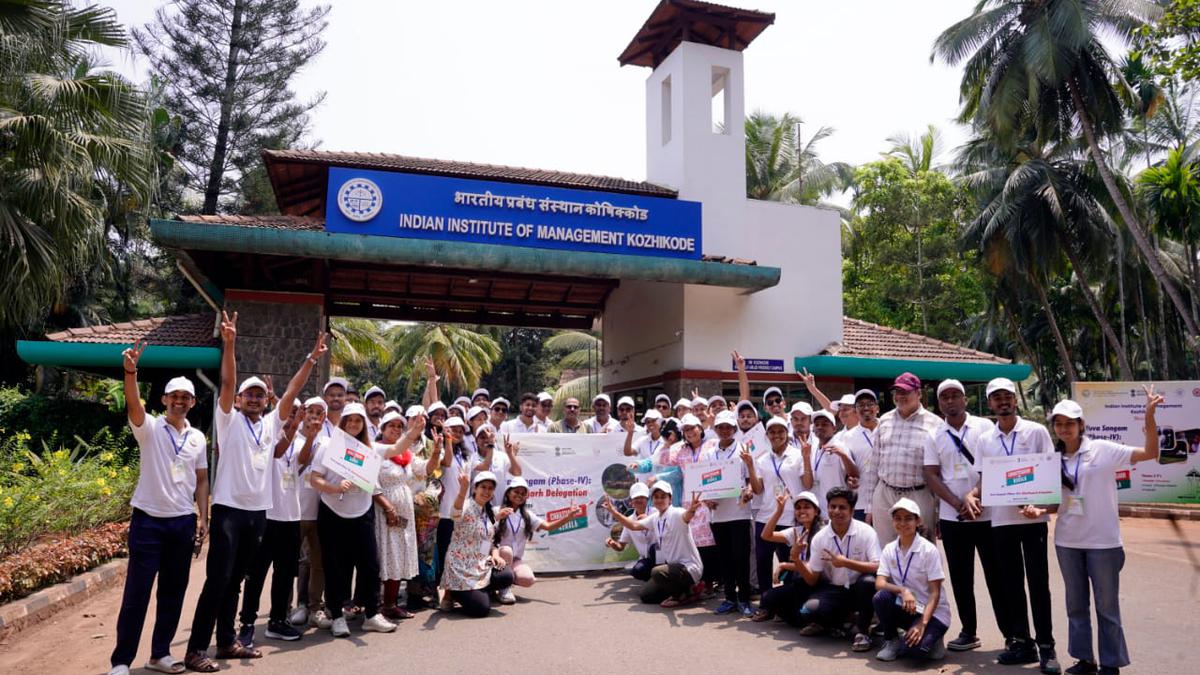
    A new chapter in India’s student exchange programs unfolded on Thursday as a delegation of students from Kerala and Lakshadweep set off for a cultural exploration in Chhattisgarh. The initiative, a part of Phase IV of Yuva Sangam under the Ek Bharat Shreshtha Bharat (EBSB) campaign, aims to foster a deeper understanding and appreciation of India’s diverse cultures.

    The Indian Institute of Management, Kozhikode (IIM-K), in collaboration with Guru Ghasidas University (GGU), Bilaspur, initiated the exchange program, with IIM-K’s Director Debashis Chatterjee flagging off the delegation. The program allows selected students from the southern states of Kerala and Lakshadweep to experience Chhattisgarh's rich cultural heritage, history, and traditions firsthand.

    Promoting National Integration through Student Exchange

    The Ek Bharat Shreshtha Bharat initiative seeks to strengthen the bonds of unity and cultural understanding between different regions of India. By facilitating these exchange programs, the government hopes to broaden students' perspectives, helping them recognize the diversity and commonalities that shape the nation’s identity. As part of the program, students and accompanying faculty from IIM-K will spend time in Chhattisgarh, immersing themselves in the local culture, history, and language.

    The collaboration between IIM-Kozhikode and Guru Ghasidas University adds an academic dimension to the program, offering participants a chance to engage in discussions, workshops, and activities designed to showcase Chhattisgarh’s unique culture.

    Exploring Chhattisgarh's Rich Heritage

    The students from Kerala and Lakshadweep will visit various sites of historical and cultural significance in Chhattisgarh. From the tribal traditions to the folk arts, the state is a treasure trove of diverse cultures, and the exchange program will provide a rare opportunity to explore this vibrant heritage.

    Inspiring Youth Across the Nation

    The Yuva Sangam program and the Ek Bharat Shreshtha Bharat campaign serve as a testament to the government's commitment to fostering unity among the youth of India. The experiences shared during these exchanges are expected to leave a lasting impression on the participants, equipping them with a broader understanding of India's social and cultural fabric.

    As the students embark on this journey of discovery, the collaboration between IIM-K and GGU Bilaspur promises to be a defining moment for both educational institutions and their communities. The initiative is expected to further solidify the bonds between Kerala, Lakshadweep, and Chhattisgarh while highlighting the importance of cultural exchange in shaping the future leaders of the nation.

    …
  • Lakshadweep Administration Defends Travel Arrangem
    My India Times   2024-11-11  111

    Lakshadweep Administration Defends Travel Arrangem

    In the face of mounting criticism regarding travel connectivity between Lakshadweep and the mainland, the Lakshadweep administration has issued a strong defense, asserting that it has put adequate measures in place to ensure seamless transportation for island residents. The statement, issued on Sunday, comes amid growing concerns over the sufficiency of travel options and accusations of poor infrastructure, which the administration claims are based on misinformation and ulterior motives.

    Government’s Response to Connectivity Allegations

    The administration refuted allegations that there were insufficient travel arrangements between the mainland and the islands, emphasizing that these claims were unfounded. In a detailed communication, the Lakshadweep administration highlighted the services provided by both all-weather vessels and high-speed crafts (HSCs), which are in operation to ensure smooth connectivity. The government specifically addressed accusations suggesting a lack of travel options, labeling them as "baseless" and driven by "ulterior motives."

    According to the administration, these travel services are in place to cater to the transportation needs of residents and visitors alike, linking the group of islands with the mainland. The all-weather vessels, which can operate in varying weather conditions, are complemented by the high-speed crafts designed to ensure quick and reliable travel for passengers.

    A Statement of Assurance to Islanders

    In an attempt to reassure the public, the Lakshadweep administration emphasized that the travel arrangements were regularly monitored to meet the demands of the islanders. The government’s message underscored that the infrastructure in place is not only reliable but also capable of meeting the increasing demands for connectivity. They urged citizens to dismiss the ongoing campaign that casts doubt on these arrangements, attributing the misinformation to those with vested interests in undermining the administration’s efforts.

    The statement from the Lakshadweep administration further affirmed its commitment to the welfare of the islanders, asserting that efforts to improve and expand the transportation infrastructure continue to be a top priority. With the upcoming election in the region, these assurances take on added significance, as the public's trust in government services could play a pivotal role in shaping electoral outcomes.

    Impact of Connectivity Issues on Local Elections

    As Lakshadweep heads into the 2024 Lok Sabha elections, the ongoing debate over travel connectivity has become a central issue. While the administration defends its measures, opposition groups and local activists have raised concerns about the adequacy of these services. For islanders, whose daily lives are closely tied to these transport services, the issue of accessibility and the efficiency of travel arrangements could be a determining factor in the upcoming vote.

    Given the small, close-knit population of the Union Territory, the impact of these travel-related concerns is amplified, making it a highly charged political issue. The administration’s defense may help mitigate some of the frustration, but it remains to be seen how this issue will play out in the electoral campaigns.

    Looking Ahead: Ensuring Continued Connectivity for Lakshadweep

    As political campaigns intensify, the issue of connectivity will undoubtedly continue to be a major topic of discussion. For the Lakshadweep administration, the challenge lies in convincing both the islanders and political observers that the services provided are sufficient and reliable. At the same time, the administration will have to address the larger question of whether future developments will further enhance the region’s transportation infrastructure.

    In the long term, ensuring that Lakshadweep remains well-connected to the mainland will be crucial for both the economic development of the region and the quality of life for its residents. How the government handles these concerns, both during the election and after, could play a significant role in shaping the future of the Union Territory.

    …
  • ads image
  • Lakshadweep Faces Political Turmoil Ahead of 2024
    My India Times    2024-11-11  111

    Lakshadweep Faces Political Turmoil Ahead of 2024

    The normally quiet and low-key elections in Lakshadweep, a group of islands in the Arabian Sea, are set to unfold under an air of unrest and dissatisfaction, as the region prepares to vote in the 2024 Lok Sabha elections. The once peaceful electoral atmosphere has been rattled by a series of controversial reforms imposed by Praful Khoda Patel, the Union Territory’s administrator since December 2020. These changes, aimed at modernizing the region, have sparked widespread protests and political friction, drawing attention from all corners of the political spectrum.

    The heart of the controversy lies in the reforms championed by Patel, which include large-scale tourism projects, a reduction in the power of local panchayats, and a reduction in employment opportunities. Critics argue that these moves threaten the cultural heritage of the islanders, disrupt their traditional livelihoods, and undermine the autonomy of the local governance system. With the administration’s increasing focus on commercializing the islands, many residents fear that their way of life is under siege.

    Unpopular Reforms Stir Political Controversy

    At the center of the political storm is Patel’s push for tourism development. His vision for Lakshadweep includes the construction of large-scale resorts and infrastructure to boost tourism, which some argue would lead to environmental degradation and the destruction of the region’s pristine beauty. The opposition to these projects has been vocal, with local residents and environmental activists warning that the push for tourism could lead to the exploitation of the islands' fragile ecosystem.

    Moreover, the government’s reforms have also resulted in significant changes to the political landscape. One of the most contentious measures has been the reduction in the power of the local panchayats, which has stirred resentment among islanders who feel that their voices and concerns are being ignored. The reforms also include cuts to local employment opportunities, which critics argue could lead to economic instability and further marginalization of the local population.

    Political Fallout: NCP and the Candidates

    In the run-up to the election, the political atmosphere in Lakshadweep has been charged with heightened emotions. Both factions of the Nationalist Congress Party (NCP) have fielded candidates, further intensifying the political battle. The NCP has been the dominant political force in the region, but it has also faced criticism for its handling of local issues, particularly with respect to the controversial reforms.

    The party’s internal divisions have only added fuel to the fire, as both factions vie for control of the political narrative in Lakshadweep. The local elections, traditionally seen as low-profile affairs, have now turned into a significant battleground with national implications, as political parties from across India have begun to take a keen interest in the outcome.

    Islanders’ Protest Against Reforms

    The discontent in Lakshadweep has sparked widespread protests, with islanders taking to the streets to voice their opposition to the reforms. The protests, which have been fueled by resentment towards Patel’s administration, reflect a deep sense of alienation and frustration among the residents. Many islanders argue that the changes being implemented fail to address their core concerns and that the government’s focus on tourism and development has overshadowed their needs for employment, education, and healthcare.

    These protests have not only attracted local attention but have also gained support from political leaders and activists across the country, who have voiced solidarity with the islanders. The issue of cultural preservation has become a central theme of the protests, as many islanders believe that the reforms threaten their traditional way of life, which has remained largely unchanged for centuries.

    What Lies Ahead for Lakshadweep in the 2024 Polls?

    As Lakshadweep heads to the polls in 2024, the stakes have never been higher. The islanders are at a crossroads, torn between the promises of modernization and the preservation of their cultural heritage and livelihoods. The upcoming elections will serve as a referendum on the controversial reforms and the future direction of the Union Territory.

    For many residents, the 2024 elections will be a chance to have their voices heard and to stand up against what they see as an imposition of outside interests on their way of life. The outcome of the election will not only shape the political landscape of Lakshadweep but will also send a powerful message to the Indian government about the importance of balancing development with respect for local communities and their traditions.

    The Road Ahead for Lakshadweep Politics

    As political campaigns heat up, candidates will have to navigate the complex web of local concerns, national politics, and the cultural sensitivities of the islanders. The issues surrounding tourism, governance, and employment will dominate discussions in the lead-up to the election, as candidates seek to address the deep-rooted grievances of the island population.

    The 2024 Lok Sabha elections in Lakshadweep will undoubtedly be one of the most fiercely contested in recent memory, as the region’s voters weigh their options and make their decision on which political force will best represent their interests and protect their future. The islanders’ fight for their rights and identity is far from over, and the coming elections could be the turning point in a battle that has only just begun.

    …
  • Lakshadweep Election 2024: INC's Muhammed Hamdulla
    My India Times    2024-11-11  111

    Lakshadweep Election 2024: INC's Muhammed Hamdulla

    In a major political shift in Lakshadweep, Indian National Congress (INC) candidate Muhammed Hamdulla Sayeed has won the 2024 Lok Sabha elections, defeating the incumbent Member of Parliament Mohammed Faizal Padippura from the Nationalist Congress Party (Sharadchandra Pawar) [NCP(SP)]. Sayeed secured a victory by a margin of 2,647 votes in a fiercely contested election, marking a significant change in the Union Territory's political landscape.

    The election, held on April 19, 2024, was part of the first phase of the 18th Lok Sabha elections, and saw a voter turnout of 84.16%. The Union Territory of Lakshadweep, with a total voter base of 57,594, has only one Lok Sabha constituency. This year’s results indicate a major challenge to the dominance of the NCP(SP) in the region, which had won the sole seat in the 2014 and 2019 General Elections.

    A Close Contest: INC vs NCP(SP)

    The main contest in Lakshadweep was between the Indian National Congress-led INDIA alliance and the Bharatiya Janata Party (BJP)-led National Democratic Alliance (NDA). The NCP(SP), led by Sharad Pawar, fielded its incumbent MP Mohammed Faizal Padippura, who had previously secured consecutive victories in 2014 and 2019. However, this time, he was up against the experienced Muhammed Hamdulla Sayeed, a former MP and the son of P.M. Sayeed, who was the longest-serving MP from Lakshadweep.

    The INC, part of the INDIA bloc, saw Sayeed's candidacy as a significant chance to regain political ground in the region. Sayeed’s victory is seen as a reflection of growing discontent with the NCP(SP) and a shift in local political dynamics.

    The NDA and Tourism Push

    The Bharatiya Janata Party (BJP) and its allies in the NDA had fielded T.P. Yousuf from the NCP (Ajit Pawar faction) to contest the seat. However, the main contest remained between the NCP(SP) and INC, both of which are members of the INDIA bloc.

    Ahead of the elections, Prime Minister Narendra Modi visited Lakshadweep to promote tourism in the region. Photos of the Prime Minister snorkeling in the archipelago gained traction in the media, with speculations that his visit was part of a strategy to boost the region's appeal as a tourism destination while simultaneously courting local votes. The BJP’s push for tourism development was seen as an attempt to enhance the region's profile, especially in light of the growing global interest in eco-tourism.

    Ramazan Impact on Poll Campaigns

    Due to the timing of the election during the holy month of Ramazan, much of the campaigning took place in the evenings after Iftar, in line with local customs. This factor also influenced the intensity and timing of political rallies, with candidates and their supporters adjusting their strategies to accommodate the fasting hours. This gave a unique flavor to the electioneering process, with a heavy emphasis on community outreach during non-daylight hours.

    Results and Future Implications

    Muhammed Hamdulla Sayeed's victory represents a notable shift in Lakshadweep's political trajectory. His win, by such a close margin, highlights the changing political landscape and suggests that the region’s electorate is becoming increasingly open to new leadership. Sayeed's victory is also a testament to the Congress party’s continued relevance in the region, despite the dominance of the NCP(SP) and the ongoing influence of BJP-led initiatives.

    With a Muslim-majority population, Lakshadweep’s elections have always been closely watched by political analysts for their potential to affect broader national political trends. Sayeed’s win is expected to shift power dynamics in the Union Territory and influence future political campaigns in the region.

    Looking Ahead: What’s Next for Lakshadweep?

    The outcome of the 2024 Lakshadweep election will have a long-lasting impact on the region's governance, with local leaders now seeking to capitalize on the political changes. Whether the victory will translate into greater influence for the INC or serve as a springboard for Sayeed’s political future remains to be seen. However, the significance of this election lies not only in the change of leadership but in the ongoing evolution of the region’s political identity in a rapidly changing India.

    …
Error: Invalid API key. Please see https://openweathermap.org/faq#error401 for more info.