
Breaking News

Maha Kumbh 2025: Over 6.2 Million Devotees Take Holy Dip at Sangam on Basant Panchami’s Final ‘Amrit Snan’
RRB ALP 2025: City Intimation Slip Released, Exam Dates Announced

  • Facebook
  • X
  • LinkedIn
  • Youtube
  • Instagram
  • Whatsapp
  • Login
  • Advertisie with Us
My India Times My India Times News

My India Times News

  • ℃
  •   
  • Login
My India Times Logo
Billingezy
  • Home
  • India
    • India
    • Andhra Pradesh
    • Arunachal Pradesh
    • Assam
    • Bihar
    • Chhattisgarh
    • Goa
    • Gujarat
    • Haryana
    • Himachal Pradesh
    • Jharkhand
    • Karnataka
    • Kerala
    • Madhya Pradesh
    • Maharashtra
    • Manipur
    • Meghalaya
    • Mizoram
    • Nagaland
    • Odisha
    • Punjab
    • Rajasthan
    • Sikkim
    • Tamil Nadu
    • Telangana
    • Tripura
    • Uttar Pradesh
    • Uttarakhand
    • West Bengal
    • Andaman and Nicobar Islands
    • Chandigarh
    • Dadra and Nagar Haveli and Daman and Diu
    • Delhi
    • Lakshadweep
    • Ladakh
    • Jammu and Kashmir
    • Puducherry
  • World
  • Crime
  • Interactive Maps
  • Business
  • Technology
  • Education
  • Health Care
  • Chemical
  • Top Stories
  • Entertainment
    • Entertainment
    • Bollywood
    • Web Series
    • Film-Review
    • South Movies
  • Agriculture
  • Religion
    • Religion
    • Festivals
    • Video
    • Astrology
    • Stories
  • Sports
    • Sports
    • Upcoming Match
    • Cricket
    • Hockey
    • Olympic
    • IPL
  • Election
  • Calculators
  • Travel
  • Awareness
  • Universe
    • Earth
    • Ocean
    • Space
  • Home
  • India
    • Uttar Pradesh
    • Delhi
    • Punjab
    • Rajasthan
    • Uttarakhand
    • Bihar
    • Jharkhand
    • Madhya Pradesh
    • Haryana
    • Himachal Pradesh
    • West Bengal
    • Telangana
    • Jammu & Kashmir
    • Andhra Pradesh
    • Arunachal Pradesh
    • Assam
    • Chhattisgarh
    • Goa
    • Gujarat
    • Karnataka
    • Kerala
    • Manipur
    • Meghalaya
    • Maharashtra
    • Nagaland
    • Odisha
    • Sikkim
    • Tamil Nadu
    • Andaman & Nicobar
    • Chandigarh
    • Ladakh
    • Lakshadweep
    • Puducherry
    • Dadra & Nagar Haveli and Daman & diu
    • Tripura
    • Mizoram
  • World
  • Crime
  • Crime Map
  • Business
  • Technology
    Playing GIF
  • Education
    Playing GIF
  • Health Care
  • Travel
  • Calculators
  • Awareness
  • Universe
    • Earth
    • Space
    • Ocean
  • More
    • Chemical
    • Entertainment
      • TV
      • Bollywood
      • Web Series
      • Flim Review Hot
      • South Movies
    • Agricluture
    • Top Stories
    • Religion
      • Festivals
      • Video
      • Astrology
      • Stories
    • Election
    • Sports
      • Upcoming Match Hot
      • Cricket
      • Hockey
      • Olympic
      • IPL
  •   ℃
  •   
Uttarakhand
2025-04-21

Uttarakhand Tragedy: 5 Dead as Wedding Car Falls Into Gorge in Chamoli – Celebration Turns Into Mourning

A heart-wrenching tragedy unfolded in Uttarakhand’s Chamoli district on Friday evening when a car carrying people returning from a wedding plunged into a deep gorge, killing five people on the spot. The incident occurred around 7 PM near Koreldhar on the Birhi-Nijmola motor road, sending shockwaves through the local community and leaving families devastated.

Returning from a Wedding Turns Fatal

According to initial reports, the victims were returning from a wedding in Nijmola village and were headed to their native village of Harmani in the Dasholi block. While driving through the hilly terrain amidst light rain and poor visibility, the car lost control near a dangerous curve and fell into a gorge over 200 meters deep. The impact was so severe that all five occupants died on the spot.

Search Began After One Car Went Missing

The tragedy came to light when one of the wedding cars failed to arrive at the destination. Family members and relatives began searching the route when the vehicle did not show up for several hours. As they scanned the hilly road near Koreldhar, they discovered the wreckage of the car deep in the valley. Panic ensued, and the local authorities were immediately informed.

Rescue Teams Face Difficult Terrain

Soon after receiving the alert, teams from the police, State Disaster Response Force (SDRF), and the district administration reached the spot. However, due to heavy rainfall and darkness, the rescue operation was extremely challenging. Despite the adverse conditions, all five bodies were recovered after hours of strenuous effort. The bodies were sent for post-mortem to the district hospital.

Grief Strikes the Village

As the news reached Harmani village, where the victims belonged, an atmosphere of mourning replaced the earlier celebrations. The families that were once rejoicing the union of two souls were now grieving the loss of their loved ones. Wails and sobs echoed through the village streets, as neighbors and relatives gathered in disbelief and sorrow.

Chief Minister Expresses Condolence

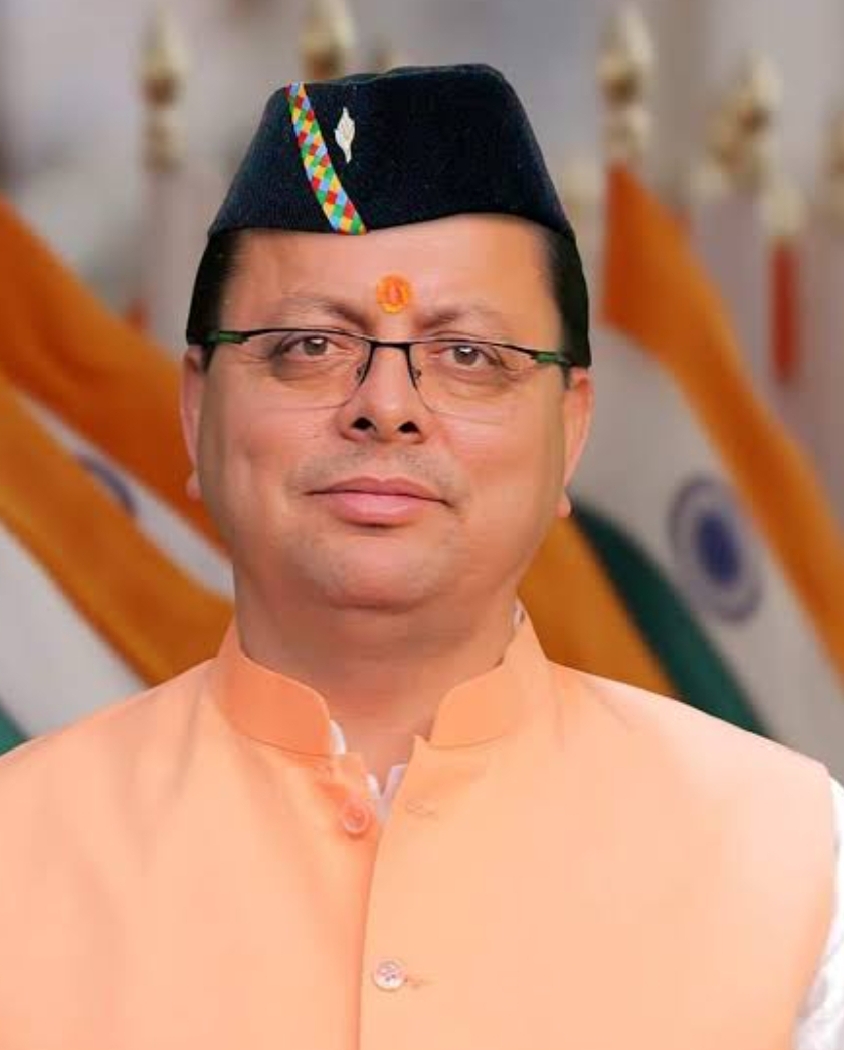
Uttarakhand Chief Minister Pushkar Singh Dhami expressed deep grief over the tragic incident. In a statement, he offered condolences to the bereaved families and assured that the state government would provide all possible assistance. He directed the local administration to expedite the compensation process and ensure that the victims’ families are not left alone in this hour of crisis.

A Stark Reminder of Road Safety in Hills

This accident once again raises questions about road safety in the hilly regions of Uttarakhand. Narrow roads, lack of protective barriers, and unpredictable weather often make driving in these areas extremely risky. Experts have long warned about the dangerous conditions of mountain roads and the need for infrastructural upgrades.

Locals pointed out that the Birhi-Nijmola route, in particular, is known for its sharp turns and lack of guardrails. They have demanded that the road be widened and proper safety measures be implemented, especially in accident-prone stretches. According to them, this isn’t the first time such a tragedy has occurred on this route.

Avoid Travel During Bad Weather, Urge Authorities

In light of the accident, local authorities have appealed to residents and travelers to avoid unnecessary travel during inclement weather. The district administration has also reminded people to follow safety norms strictly and ensure that vehicles are properly maintained before undertaking hill travel. The Meteorological Department has issued a rain alert for the next three days, making travel even more hazardous in such areas.

Joy Turns Into Grief – A Tragedy No One Expected

What was supposed to be a joyous return from a wedding turned into a devastating chapter in the lives of five families. The suddenness of the loss, the helplessness of the victims, and the irreparable emotional damage have left an entire community shaken. The heartbreaking part is not just the accident itself, but the fact that these were lives full of hope, returning with smiles, unaware of the fate awaiting them around the bend.

A Call for Immediate Action

The incident should serve as a wake-up call for state authorities to take immediate steps toward improving road infrastructure in mountainous regions. Emergency services, warning systems, and weather-sensitive travel advisories must be enhanced to prevent further loss of lives. While nature and terrain cannot be changed, human negligence and administrative apathy can be corrected.

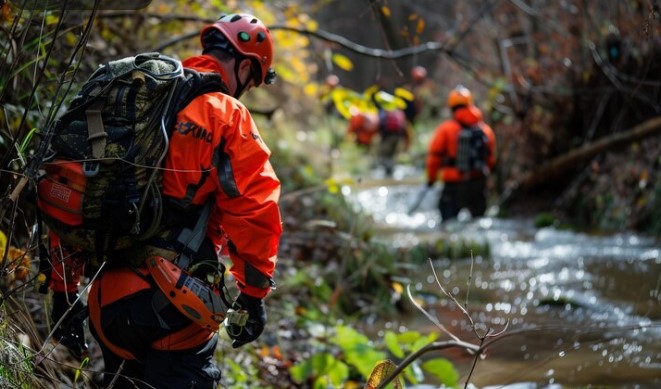
Uttarakhand
2025-02-13

Tragic Incident on Shimla Bypass: Driver Loses Life in Devastating Fire

In a tragic event on the Shimla Bypass Road, a head-on collision involving two large trucks led to a catastrophic explosion, resulting in the death of one driver. The accident transpired near the Matar Majri intersection, leaving both the local community and authorities in disbelief.

Fatal Collision Claims a Life

The collision occurred when two trucks, traveling in opposing directions, collided with significant force. The impact ignited a substantial fire that engulfed both vehicles. The flames rapidly spread, and despite the intervention of local firefighters, one driver, identified as Pawan Kumar, was tragically unable to escape the inferno.

Emergency services, including personnel from the Kulhal police outpost, arrived promptly at the location. Firefighters exerted considerable effort to control the blaze and prevent further damage. However, by the time the fire was extinguished, the driver had succumbed to the overwhelming heat and smoke within his vehicle.

Victim Confirmed as Pawan Kumar

The deceased was later confirmed as 40-year-old Pawan Kumar, a resident of Kundiyo village in the Pota Sahib area of Sirmaur district in Himachal Pradesh. His family was notified of the tragedy, and relatives hurried to the scene to identify the body and pay their final respects. The passing of Pawan Kumar has devastated his family, and the community mourns the premature loss of a diligent individual known for his work ethic and responsibility.

Driver of the Dumper Truck Evades Capture

The second vehicle involved in the incident was a dumper truck. Following the collision, the dumper truck driver fled the scene, abandoning the wreckage. Local authorities have initiated an investigation to locate the dumper driver, who is sought for questioning regarding the fatal accident. It remains uncertain whether the dumper truck was speeding, malfunctioning, or if driver negligence contributed to the incident.

Authorities are conducting a thorough inquiry into the cause of the crash, assessing whether it stemmed from reckless driving or other factors. They have also begun collecting statements from witnesses and reviewing any available footage from nearby surveillance cameras.

Increased Focus on Road Safety

This tragic incident has once again underscored the growing concerns regarding road safety on the Shimla Bypass, a critical route for locals and long-distance travelers alike.

Residents have called for improved signage, better speed control measures, and more frequent inspections of vehicles, especially large trucks, to prevent such incidents in the future. Many have also demanded enhanced safety protocols at intersections like Matar Majri, which are known for their high traffic volume.


In the wake of the accident, there has been a growing demand for stronger enforcement of traffic regulations. Many in the community are calling for awareness programs for drivers to promote safe driving practices. There is also a plea for better accident prevention measures, including the installation of more traffic cameras and safety barriers along the road.

This tragic incident serves as a stark reminder of the importance of following road safety protocols. As the investigation continues, the community hopes that this heart-wrenching event will lead to stronger actions aimed at improving road safety, protecting lives, and preventing future accidents.

Uttarakhand
2025-02-08

Chief Minister Yogi Adityanath’s Visit to Uttarakhand: Advancing Education Through Infrastructure Enhancements

Uttar Pradesh Chief Minister Yogi Adityanath is currently undertaking a three-day visit to Uttarakhand, which commenced with participation in his niece’s wedding before transitioning into a dedicated tour of local educational institutions. On the final day of his visit, CM Yogi is scheduled to evaluate four schools, representing a significant moment for the regional education framework. The institutions selected for his inspection hold personal significance for the Chief Minister, as they played a crucial role in his educational development. This initiative includes upgrading these schools with state-of-the-art facilities, funded by Corporate Social Responsibility (CSR) programs.

On Saturday, CM Yogi will visit Government Primary School Thangar, Junior High School Thangar, Government Primary School Bithyani, and Government Junior High School Kandi. The importance of these visits is not solely derived from the planned infrastructure enhancements but also from the personal connection CM Yogi maintains with these schools, especially with Government Primary School Thangar, where he commenced his academic journey.

Yogi Adityanath’s Profound Connection to These Educational Institutions

CM Yogi’s visit to these schools carries substantial meaning due to his personal background with them. He was once a pupil at Government Primary School Thangar and Junior High School Thangar, where he received his foundational education. His experiences in these institutions largely shape his vision for the educational advancement of Uttar Pradesh. By revisiting these schools, CM Yogi is affirming his enduring commitment to enhancing education in both urban and rural environments.

After his time at these schools, Yogi Adityanath continued his studies at Janata Inter College Chamkotkhal, Government Inter College Gaja, Tehri, before proceeding to Bharat Mandir Inter College, Rishikesh for his higher secondary education. This educational trajectory, rooted in his formative experiences, informs his current policies focused on improving educational standards in rural sectors throughout the state.

School Renovations: Prioritizing Modern Infrastructure

A key aspect of CM Yogi’s visit is the emphasis on modernizing educational facilities. All four schools under inspection have experienced substantial renovations during his tenure. These enhancements have been facilitated through CSR funding, which has been critical in providing the financial resources necessary for improving the schools' infrastructures.

In addition, both schools now feature dedicated virtual classrooms, providing students with the opportunity to learn through modern, technology-driven methods. This digital infrastructure aims to prepare students for the future by integrating modern learning tools into their education.

Furthermore, significant attention has been given to the physical comfort of students. Both schools have received new furniture, ensuring that children can learn in an environment conducive to their academic success. This upgrade in facilities is expected to have a direct impact on the students' engagement and academic performance.

Enhancing Security and Safety

In addition to the infrastructure upgrades, CM Yogi has also prioritized the safety and security of students. Both Government Primary School Thangar and Junior High School Thangar now have four security personnel each, ensuring the protection of students and staff during school hours. The presence of trained security staff adds an extra layer of assurance for parents and teachers alike.

Additionally, sanitation workers have been appointed to maintain cleanliness on the premises, ensuring that students learn in a hygienic environment. These measures not only improve the physical infrastructure but also contribute to creating a safer and more conducive learning atmosphere.

A Community-Wide Celebration

The renovations have sparked excitement across the local community. Teachers, students, and villagers are eagerly awaiting CM Yogi’s visit. The schools have been decorated with flowers to celebrate the improvements, and everyone is looking forward to showing their appreciation for the upgraded facilities. The visit is seen as a moment of pride for the local community, which is excited to see their schools transformed into modern, well-equipped institutions.

Students have expressed their enthusiasm for the changes, noting how the new resources and technology have made their learning environment much more engaging. For many students, the introduction of computer labs and virtual classrooms is an exciting step forward, as it opens doors to digital education that was previously inaccessible.

Teachers are equally optimistic, recognizing that these upgrades will lead to better learning outcomes and will foster an environment of growth and development. The improvements will help students gain valuable skills, especially in digital literacy, preparing them for a future in an increasingly technological world.

CSR’s Role in Educational Development

The renovations have been funded through CSR, demonstrating the power of public-private partnerships in improving public services. Corporate funding has allowed the schools to access resources that would otherwise be difficult to obtain through government channels alone. This collaboration serves as a model for other regions, showing how CSR initiatives can play a vital role in supporting public education.

These upgrades are also a reminder of the importance of continued investment in education. By providing students with the tools they need to succeed, such as digital resources and modern facilities, these schools are paving the way for a brighter future for all students.

Uttarakhand
2025-02-07

Enigmatic Cave Uncovered in Uttarakhand’s Gobaradi Village: Insights into Ancient Heritage

An exhilarating discovery in Uttarakhand has unveiled a captivating cave in the tranquil village of Gobaradi, located in the Pithoragarh district. This cave has generated significant interest due to its historical and cultural relevance, with scholars hypothesizing that it traces back to the Katyuri dynasty or the reign of the Bamh rulers. The finding has initiated discussions regarding the ancient Silk Route, as the locale of the cave is thought to have been a section of this historic trade pathway that once linked Tibet to Iran.

Discovery by Trekking Expedition

The cave was discovered by a trekking expedition headed by Tarun Mehra from Kafal Hill, a renowned trekking organization recognized for its explorations in the area. The team was navigating the steep cliffs adjacent to the village of Gobaradi when they chanced upon the concealed cave. Spanning approximately 100 meters in length, the cave is reportedly embellished with elaborate paintings, providing an extraordinary glimpse into the artistic heritage of that period.

According to Mehra, the artistry found within the cave is likely attributed to the Katyuri or Bamh dynasty, which ruled the region in antiquity. The decorative motifs on the cave's walls offer a rare window into the visual culture of those civilizations, potentially illuminating the customs, rituals, and lifestyle of the inhabitants during that epoch.

Relation to the Ancient Silk Route

The area surrounding the cave holds historical significance, as it is believed to have been part of the ancient Silk Route. This renowned trade route connected the East with the West, extending from China and Tibet, traversing the Himalayas, and ultimately reaching Iran and beyond. For centuries, traders, travelers, and pilgrims navigated this route, promoting not only commerce but also cultural interchange.

Local experts propose that the cave may have served as a refuge for traders seeking protection from the threats posed by bandits who often roamed the challenging landscape of the Silk Route. Given the extensive size of the cave, capable of accommodating numerous individuals, it could have functioned as a sanctuary for merchants and their goods while they traveled along the route. This discovery might offer fresh perspectives on the strategic significance of the region during the heyday of the Silk Route.

An Archaeological Gem

While the initial finding has raised numerous inquiries, it is anticipated that further research and archaeological investigation will reveal additional insights into the cave’s origins and functions.

The cave’s location near an ancient Shiva temple only adds to its historical importance. The presence of religious structures in close proximity suggests that this area may have been a place of worship and pilgrimage, in addition to being a trade route. Researchers believe that there may be more undiscovered artifacts and historical remnants in the surrounding region, which could further enrich our understanding of this ancient time.

Local villagers are particularly excited about the find. They believe that the cave, along with the nearby Shiva temple, could attract significant attention from tourists and historians alike. Many hope that the discovery will boost the local economy, as the region could become a prime destination for cultural and historical tourism.

The Structure of the Cave

The cave itself is divided into three distinct sections, each offering unique features that contribute to its mystery. The first 30 meters of the cave are narrow, measuring only about two and a half to three feet in width. This tight passage could have been used for specific purposes, perhaps for offering rituals or as a defensive feature.

In the next section, the cave opens up significantly, with a larger space that includes a well. This section is believed to have been more hospitable and may have provided shelter for longer periods. The well suggests that the cave could have supported an extended stay for travelers or traders, offering both water and protection.

The final part of the cave is the most spacious, with a width of two to three meters. This section, which stands at a comparable height, appears to have been sealed off with stones at the exit, suggesting it may have been used for a specific purpose or kept hidden for centuries. Nearby, the remains of old structures, possibly ancient homes, are scattered around the area, further indicating that this region was once a thriving settlement.

The Future of the Discovery

As the investigation into the cave progresses, it is expected that more findings will come to light, potentially leading to a breakthrough in understanding the ancient Silk Route and the civilizations that once inhabited the area. Experts are hopeful that further study of the cave and its surroundings will reveal even more historical treasures, offering valuable insights into the trade routes and cultural exchanges of the past.

In the meantime, the discovery has already sparked interest from both locals and tourists. The hope is that this newfound historical site will become a focal point for cultural tourism in Uttarakhand, providing economic opportunities for the region and helping to preserve its rich history.

Uttarakhand
2025-01-24

Two Earthquakes Impact Uttarkashi, Uttarakhand on Friday Morning; Concerns Rise Over Landslide Risks

On Friday morning, residents of Uttarkashi, located in the mountainous region of Uttarakhand, experienced two notable tremors within a short timeframe, causing considerable apprehension regarding their safety. The series of earthquakes incited panic among the local population, prompting many individuals to evacuate their homes as a precaution. Fortunately, there have been no reports of fatalities or injuries; however, the tremors have rekindled memories of previous disasters, leaving the community in a state of anxiety.

Details of the Earthquakes:

The National Center for Seismology (NCS) confirmed that the initial tremor occurred at 7:41 AM, registering a magnitude of 2.7 on the Richter scale. Although this was considered a minor quake, it was felt across various regions of the district, raising concerns about potential aftershocks. The more significant event transpired at 8:19 AM with a second earthquake measuring 3.5 in magnitude, amplifying the intensity of the tremors and heightening resident fears. This stronger quake compelled many to seek refuge in open spaces.

As the region endured these seismic activities, reports emerged from surrounding areas regarding falling rocks, particularly from the Varunavat mountain, renowned for its susceptibility to landslides. The sight of stones descending the mountain contributed to the prevailing sense of danger, intensifying anxiety about geological instability in the vicinity.

Authorities Respond:

In light of the circumstances, Dr. Meharban Singh Bisht, the District Magistrate of Uttarkashi, promptly directed local authorities to evaluate the status of all at-risk areas within the district. He underscored the importance of compiling data on landslide risks and any structural damage incurred due to the earthquakes. The district administration is actively monitoring developments, with officials anticipated to conduct comprehensive assessments of the Varunavat mountain region to ensure no immediate threats exist for residents.

Authorities have also started collecting reports from local villagers, who quickly alerted the administration about the rockfall incidents. Such occurrences pose a substantial risk of triggering major landslides, which is a critical concern for both residents and authorities.

Seismic Activity in Uttarkashi:

The Friday tremors, while not as strong as some previous earthquakes, have nonetheless reminded the people of Uttarkashi of the destructive potential of seismic activity in the area. Local officials are working with experts to monitor seismic trends and take preventive measures to mitigate any further risks.

The Legacy of the 1991 Earthquake:

The 1991 Uttarkashi earthquake, which struck the region with a magnitude of 6.6, remains a deeply etched memory for the local population. The devastating earthquake resulted in the loss of hundreds of lives and caused widespread damage across the district. In the aftermath, the district experienced significant rebuilding efforts, and the memory of that disaster continues to linger in the minds of the residents, many of whom were directly impacted by it.

The recurrence of earthquakes in the region brings back those painful memories, adding to the stress and anxiety felt by the local population. The fear of another major earthquake or subsequent landslides is a real concern, especially for the people living in the hilly and fragile terrain of Uttarkashi. The frequent seismic activity in the region has made many residents wary, and the authorities have been working continuously to improve disaster preparedness and response strategies.

Concerns About Landslides:

In addition to the immediate threat of earthquakes, the risk of landslides in the mountainous region poses a significant challenge. Uttarkashi’s geography, with its steep slopes and unstable rock formations, makes it particularly vulnerable to landslides, especially during periods of heavy rainfall or seismic activity. The Varunavat mountain, where stones began to fall following the earthquake, is considered a high-risk area for landslides, and its instability was exacerbated by the tremors.

The authorities are closely monitoring the situation to prevent any potential disasters. While there have been no reports of major damage or casualties from the landslides so far, the threat remains real, and further geological surveys are planned to assess the vulnerability of the region.

Preparedness and Response:

Local authorities are stressing the importance of preparedness among the residents. Public awareness campaigns have been conducted to educate people on how to respond during an earthquake, including how to take shelter, avoid danger zones, and safely evacuate if necessary. Moreover, the government has been investing in improving the infrastructure and disaster management systems in the region to ensure a swift and efficient response in case of a major emergency.

Emergency response teams are on high alert, and the district has already set up temporary shelters for those who might need them. Additionally, authorities are urging residents to stay updated through local news channels and official social media pages for any warnings or further information regarding potential aftershocks.

Uttarakhand
2025-01-19

Nainital: Villager Fends Off Leopard Attack in Betalghat, Displays Exceptional Courage

Nainital, January 19, 2025 – The serene region of Betalghat in Nainital has become a hotspot for frequent leopard and tiger attacks, causing distress among residents. On Sunday evening, another alarming incident unfolded in Haldyani village, where a leopard attacked a local villager grazing goats near the fields. The villager displayed extraordinary courage and managed to escape, despite sustaining injuries.

The Incident: A Close Encounter with Danger

At approximately 4:30 PM, Dayal Chandra (50), son of Indramani, was tending to his goats near the fields in Haldyani village. Out of nowhere, a leopard pounced on him. Caught off guard, Dayal acted swiftly and courageously, throwing stones at the predator while shouting to alert nearby villagers.

The leopard, startled by the commotion and the approaching villagers, retreated into the forest. Dayal, though injured, was quickly taken to the Betalghat Community Health Center (CHC), where doctors provided him with primary medical care.

Rising Fear Among Villagers

The incident has left the residents of Haldyani and neighboring areas in a state of heightened fear. According to locals, leopards have been frequently spotted in the region over the past few weeks, yet no substantial action has been taken by the Forest Department.

“This is not the first incident,” said a concerned villager. “Leopards and tigers have been roaming near our fields and homes, making it unsafe to step out, especially in the evenings. We need immediate action before more lives are endangered.”

A Growing Pattern of Attacks

The attack on Dayal Chandra is not an isolated event. Similar incidents have been reported in the Betalghat region recently:

A merchant’s narrow escape in Joshikhola: A few days ago, a local trader encountered two leopards while riding his motorcycle. He managed to flee unharmed by speeding away.

Fatal tiger attack in Okhaldunga: On January 7, a tiger killed a woman in the Okhaldunga area, adding to the growing list of casualties in the region.

Forest Department Under Pressure

Residents have reported these incidents to the Forest Department, but many feel the response has been inadequate. The department has yet to take significant steps to address the issue, despite repeated complaints.

Forest officials, when contacted, assured that measures are being taken to mitigate the threat. “We are setting up camera traps to monitor the movements of wild animals in the area. Additionally, we are planning awareness drives to educate villagers on safety measures,” said a department spokesperson.

Villagers Demand Immediate Action

The villagers are urging the authorities to implement stronger safety measures, including:

Deployment of Rapid Response Teams: Dedicated teams to handle emergencies and respond quickly to animal attacks.

Installation of Barriers and Fencing: Creating protective barriers between forested areas and human settlements to minimize animal intrusions.

Tranquilization and Relocation: Identifying and relocating problematic animals to safer habitats away from villages.

Enhanced Patrolling: Increasing patrolling in high-risk zones to deter wild animals from venturing into human areas.

Coping with the Human-Wildlife Conflict

The incidents in Betalghat highlight the growing challenges of human-wildlife coexistence. Shrinking forest cover and urban expansion have forced wild animals like leopards and tigers to venture into human settlements in search of food.

Experts emphasize the importance of balancing conservation with the safety of local communities. Wildlife biologist Dr. Anupam Sinha remarked, “While we must protect endangered species like leopards, it is equally important to ensure the safety of people living near forests. A collaborative approach involving locals and authorities is the need of the hour.”

Stories of Courage Amidst Danger

Despite the fear and uncertainty, stories like that of Dayal Chandra inspire hope and resilience. His quick thinking and bravery not only saved his life but also showcased the indomitable spirit of those living in high-conflict zones.

Moving Forward: A Call for Vigilance

The recurring attacks in Betalghat and surrounding areas underline the urgency of implementing effective safety measures. Authorities must prioritize the well-being of villagers while addressing the root causes of human-wildlife conflict.

As investigations into recent incidents continue, it is crucial to create a safer environment for both humans and wildlife. Through proactive measures, community involvement, and sustained efforts, a peaceful coexistence can be achieved.

For now, the focus remains on ensuring the safety of villagers like Dayal and preventing such terrifying encounters in the future.

Uttarakhand
2025-01-18

Tragic Train Accident Results in the Death of Congress Leader’s Brother in Udham Singh Nagar

In a deeply upsetting incident in Kashipur, Udham Singh Nagar, Rajkumar Sharma, the younger brother of former Congress Block President Suresh Kumar Sharma Jangi, sadly passed away after being struck by a train. The severe accident has profoundly affected the family and local community, as they now struggle with the loss of their cherished member.

The occurrence took place on the morning of January 17, 2025, when local authorities received notification at approximately 10:00 AM regarding a fatal train accident near the Balli Dhaba railway crossing on Bajpur Road. Upon arrival at the scene, Sub-Inspector Prakash Singh Bisht identified the deceased as Rajkumar Sharma, aged 72, a resident of Ramnagar Road, Indira Colony, Katora Tal. His identity was verified by a nearby gatekeeper.

Preliminary investigations suggest that Rajkumar had been tending to his fields situated on either side of the railway track. Eyewitnesses indicated that Rajkumar, while conversing on his mobile phone, attempted to cross the tracks to inspect his fields when the train, en route from Lal Kuan to Kashipur, collided with him at approximately 9:00 AM. Despite bystanders’ attempts to assist, Rajkumar could not survive the collision and passed away at the scene.

The tragic news of Rajkumar Sharma's death has brought immense grief to his family. He is survived by his wife Madhu Sharma, son Rajat Sharma, and daughters Ragini and Ruchita, who are now left to navigate the sudden loss. Family members, alerted to the situation, arrived at the site in distress over the unfortunate event.

This incident raises pressing concerns regarding railway safety, particularly at the Balli Dhaba crossing. The absence of adequate safety measures such as barriers and warning signals has been a persistent issue, with local residents frequently expressing their concerns about the dangers of unprotected crossings. Despite the heavy foot traffic and the regular movement of trains, the area remains insufficiently secured, endangering many lives.

In the aftermath of the incident, the police have initiated an investigation to ascertain the precise cause of the accident. Authorities are currently reviewing available CCTV footage and gathering witness testimonies. There is a specific emphasis on determining whether the victim's conduct or any negligence on the part of railway authorities contributed to the tragedy. Concurrently, local residents have voiced their discontent, calling for immediate safety enhancements to avert similar occurrences in the future.

Uttarakhand
2025-01-17

Haridwar Incident: Motorcyclist Dragged for Over a Kilometer Following Vehicle Collision; Driver Flees Scene, Victim in Critical Condition

A disturbing and distressing event transpired in Haridwar on Thursday afternoon when a motorcyclist was hit by a speeding vehicle and dragged for more than a kilometer while clinging to the car's bonnet. The incident, which occurred near Shiv Chowk in Jhabreda, has left residents shocked and angered as the victim endures grave injuries, prompting authorities to intensify efforts to locate the driver responsible for this egregious act.

Collision and Reckless Escape

The victim, a 25-year-old named Kadir Ali from Kotwal Alam Pur village, was en route to the Jhabreda market when disaster struck. At approximately 2 PM, Kadir reached the bustling Shiv Chowk, where a car traveling at high speed from the opposite direction collided with his motorcycle. The impact was so severe that Kadir was propelled onto the car’s bonnet. Rather than stopping, the driver accelerated, continuing to travel at a reckless pace with Kadir clinging to the bonnet.

Eyewitnesses observed in horror as Kadir called for help, desperately imploring the driver to halt. Despite his cries, the car sped through the streets of Jhabreda without any indication of stopping. As the vehicle continued its dangerous course, Kadir’s pleas for mercy diminished, but the driver remained unaffected. Recognizing the critical nature of the situation, bystanders rushed to assist, yet the car showed no signs of slowing.

Desperate Search for the Driver

The harrowing act ensued until the car reached Gorakhnath Temple, nearly a kilometer from the collision site. At this point, the driver abruptly applied the brakes, sending Kadir tumbling off the bonnet and onto the roadside. With the injured victim lying helplessly on the ground, the driver hastily escaped the scene on foot, leaving Kadir in a pool of blood.

Witnesses who had pursued the vehicle in a desperate attempt to stop the driver quickly arrived at the scene and contacted emergency services. Kadir was promptly transported to a nearby hospital in Jhabreda for initial treatment. His injuries were critical, with fractures in both arms and legs, leading doctors to refer him to a specialized medical facility in Roorkee for advanced care.

Serious Injuries and Ongoing Treatment

Kadir's condition has been stabilized but remains critical. Medical professionals are closely observing his health, as the injuries sustained in the incident may have lasting implications.His family is distraught, and local authorities are actively searching for the driver of the car, who remains on the run.

The police have launched a full-scale investigation into the hit-and-run incident, with a focus on identifying the vehicle and the driver involved. Surveillance cameras in the area are being reviewed, and eyewitness accounts are being collected to piece together the sequence of events. Despite these efforts, the identity of the driver is still unknown.

Police Investigation in Full Swing

The police, led by Station Head Ankur Sharma, have registered a formal case against the unknown car driver. According to the latest report from the police, Kadir suffered multiple fractures, deep lacerations, and other injuries, but thankfully, his life is no longer in immediate danger. Investigators are hopeful that new leads, particularly from the CCTV footage and witness testimonies, will help pinpoint the driver.

Police officials have also been consulting local residents who might have seen the car or the driver prior to the accident. Their objective is to build a clear picture of the events and locate the person responsible for this horrific crime. Local authorities have promised a swift response, emphasizing that the full weight of the law will be brought down on anyone found guilty of such reckless behavior.

Community in Shock and Outrage

The incident has deeply shocked the local community, with many expressing their outrage over the driver’s apparent disregard for human life. The fact that the driver did not stop to assist the injured Kadir after dragging him for such a long distance has sparked widespread condemnation. Residents of Jhabreda are demanding swift justice and greater accountability for reckless drivers who pose a danger to public safety.

Many are calling for stricter enforcement of road safety laws to prevent similar tragedies in the future. The local community is especially distressed by the driver’s decision to flee the scene, abandoning Kadir in his time of need. This callousness has drawn outrage from people across Haridwar and beyond.

Call for Stricter Penalties

This incident has reignited debates on the need for stricter penalties for hit-and-run drivers and reckless motorists. Social media platforms have been flooded with posts expressing anger over the tragedy and calling for reforms in road safety laws. Many have pointed out that accidents like these could be prevented if harsher punishments were meted out to those who endanger lives on the road.

Kadir's family, too, has voiced their frustration over the delay in justice, and they are urging the authorities to intensify their search for the driver. They have expressed hope that the police will not rest until the responsible individual is caught and held accountable for the horrific accident.

Urgency for Justice

As the investigation progresses, the police are continuing to gather information from witnesses and sifting through any available evidence to track down the fleeing driver. Authorities are appealing to anyone with information about the vehicle or its driver to come forward, emphasizing the importance of community cooperation in solving such crimes.

The case has garnered widespread media attention, and there is a growing demand for justice on behalf of Kadir, who remains in critical condition. As the local community rallies for swift action, there is hope that the driver will soon be brought to justice, and measures will be taken to prevent similar incidents from occurring in the future.

For now, the search continues as Kadir and his family hold onto hope for a full recovery.


Uttarakhand
2025-01-17

Yamunotri Highway: Dumper Overturns Near Dobata, Driver Miraculously Escapes

An accident of significant magnitude occurred on the Yamunotri Highway on Friday morning when a dumper, en route from Pol village to Barkot, overturned near Dobata. Fortunately, the driver successfully escaped injury by jumping from the vehicle as it began to tip over.The incident transpired in the early hours of Friday, as the heavily loaded dumper navigated a bend near Dobata. While attempting to maneuver the turn, the vehicle lost control and toppled onto its side, obstructing both lanes of the highway. This unexpected event created a major traffic blockage, causing delays for nearly 30 minutes.

Rapid Reflexes Ensured Driver's Safety

In an impressive display of quick thinking, the driver, the sole occupant of the dumper, leapt out just as the vehicle was flipping. This swift decision potentially spared him from serious injury or fatality. Although the dumper sustained significant damage, the driver emerged without any harm, a fortunate outcome in such perilous circumstances.

Eyewitness accounts indicated that the driver’s timely exit from the vehicle was critical in preventing a dire incident. As the dumper careened onto its side, obstructing the entire highway, it could have resulted in a severe injury to anyone remaining inside. Thankfully, the driver’s immediate reaction facilitated an escape from harm.

Traffic Delays and Efficient Response

The overturned dumper led to notable traffic interruptions, especially for individuals traveling toward the Yamunotri region. The Yamunotri Highway serves as a vital route for pilgrims visiting the Yamunotri Temple, a revered site in Uttarakhand. Any disruptions along this path result in considerable delays for travelers, as the highway is narrow and winding, presenting limited alternative routes.

Authorities responded promptly to the situation. Local police and highway officials arrived swiftly to assess the circumstances and formulate a plan to clear the blockage. A crane was summoned to remove the dumper from the roadway. After approximately half an hour of coordinated efforts, the highway was restored to normal traffic flow.

Investigating the Accident's Causes

Investigations into the circumstances surrounding the accident are currently ongoing. Initial reports suggest that the slick and wet conditions on the road, exacerbated by heavy early morning fog, may have played a role in the dumper’s loss of control. This region is often beset by dense fog, particularly in winter, which significantly reduces visibility and creates hazardous driving conditions.

Preliminary reports suggest that wet and slippery conditions on the road, caused by dense early morning fog, may have contributed to the dumper’s loss of control. The fog in the region is often thick, particularly during the winter months, significantly reducing visibility and making the road hazardous.

While there were no other vehicles involved, and no injuries have been reported from the public, authorities have emphasized the need for caution when driving on such treacherous roads. The weather conditions, combined with the challenging terrain, make the Yamunotri Highway a particularly dangerous stretch of road.

Enhanced Safety Measures Urged

This incident serves as a stark reminder of the inherent dangers of traveling on hilly and winding highways like the Yamunotri route. Local authorities have urged all drivers to exercise extra caution, especially during periods of fog, rain, or snow, which make road conditions unpredictable and hazardous.

To prevent similar accidents in the future, authorities have assured the public that safety measures will be reviewed and improved. These measures may include better road maintenance, the installation of more prominent warning signs, and enhanced traffic monitoring systems along the highway.

As the investigation continues, it is expected that further details will be revealed, shedding light on any additional factors that may have played a role in the accident. Meanwhile, travelers are encouraged to stay informed about the road conditions before embarking on their journey, especially if they plan to travel along the Yamunotri Highway.


/ Home / uttarakhand

Uttarakhand

  • Hope on the Horizon for Parkinson's Disease: Successful First Phase of Human Trials
    My India Times      2025-01-16  178

    Hope on the Horizon for Parkinson's Disease: Successful First Phase of Human Trials

    Parkinson’s disease, a progressive neurological disorder recognized for its debilitating consequences, may have encountered a promising advancement in treatment options. In a pivotal development, a U.S.-based pharmaceutical firm has successfully concluded the initial phase of human clinical trials for a novel drug designed to alleviate the symptoms of Parkinson's disease and potentially decelerate its progression. This breakthrough has instilled hope among millions of individuals affected by Parkinson’s globally as the research progresses to its subsequent phase.

    The Long-Awaited Advancement: Parkinson's Disease Treatment Exhibits Promise

    Parkinson’s disease is among the most challenging and currently uncurable conditions, characterized by tremors, stiffness, and slowness of movement. Affecting millions across the globe, the disorder arises from the degeneration of dopamine-producing neurons in the brain. For years, the medical community has faced difficulties in identifying a cure, with treatments traditionally aimed at managing symptoms. However, recent advancements in clinical research indicate that an effective treatment may soon be available, presenting renewed hope for patients and their families.

    A significant milestone has recently been reached with the successful completion of the initial phase of human clinical trials conducted by the U.S.-based pharmaceutical company, Hanol Biopharma, in collaboration with Devung Pharmaceuticals and Neuran Pharmaceuticals. The drug under scrutiny represents a promising new therapeutic approach that seeks not only to manage symptoms but also to slow the progression of the disease. The official announcement revealed that the trials did not present any major safety concerns, and the drug was well-accepted by participants, thus enabling progression to the next stage of evaluation.

    The Initial Phase: Successful Trials and Encouraging Outcomes

    The first phase of the clinical trial involved 76 participants diagnosed with Parkinson's disease. The medication was administered to all participants, and throughout the trial, none experienced severe adverse reactions. The results were overwhelmingly favorable, revealing no safety issues and indicating that the participants tolerated the drug excellently. Furthermore, there were no reports of serious side effects or health complications during the trial period.

    Motivated by these findings, the pharmaceutical companies have advanced to phase two of the clinical trials, which will encompass a larger participant cohort. This forthcoming phase is anticipated to emphasize testing the drug's long-term effects, optimal dosage, and its potential to enhance the quality of life for individuals with Parkinson's disease.

    These trials will be crucial in determining if the drug is safe and effective enough to be made available for general use.

    Professor Diwan Singh Rawat, the Vice Chancellor of Kumaun University, who played a key role in the drug's development, expressed optimism regarding the future of Parkinson's treatment. "We are hopeful that this year will mark the beginning of treatment for Parkinson's patients based on this drug," Rawat said. "The next phase will be vital in confirming the drug’s effectiveness in improving the health of those affected by Parkinson's disease.

    Kumaun University’s Groundbreaking Research: The Foundation of a New Treatment

    The promising treatment for Parkinson’s disease stems from research conducted at Kumaun University, led by Professor Rawat and his team. Their research began in 2012 with the goal of uncovering the molecular causes of Parkinson's disease and identifying compounds that could intervene in its progression. Over the years, the team synthesized and tested over 600 compounds, leading to the development of the drug currently undergoing human trials.

    The research's groundbreaking nature was underscored by the fact that it resulted in the filing of 12 international patents. The most recent patent was granted in 2022, solidifying the scientific community's recognition of the potential impact of the findings. The collaboration between Kumaun University’s researchers and the pharmaceutical companies has now entered a new chapter, with clinical trials offering the first concrete evidence of the drug's potential.

    Understanding Parkinson's Disease: A Struggle for Millions

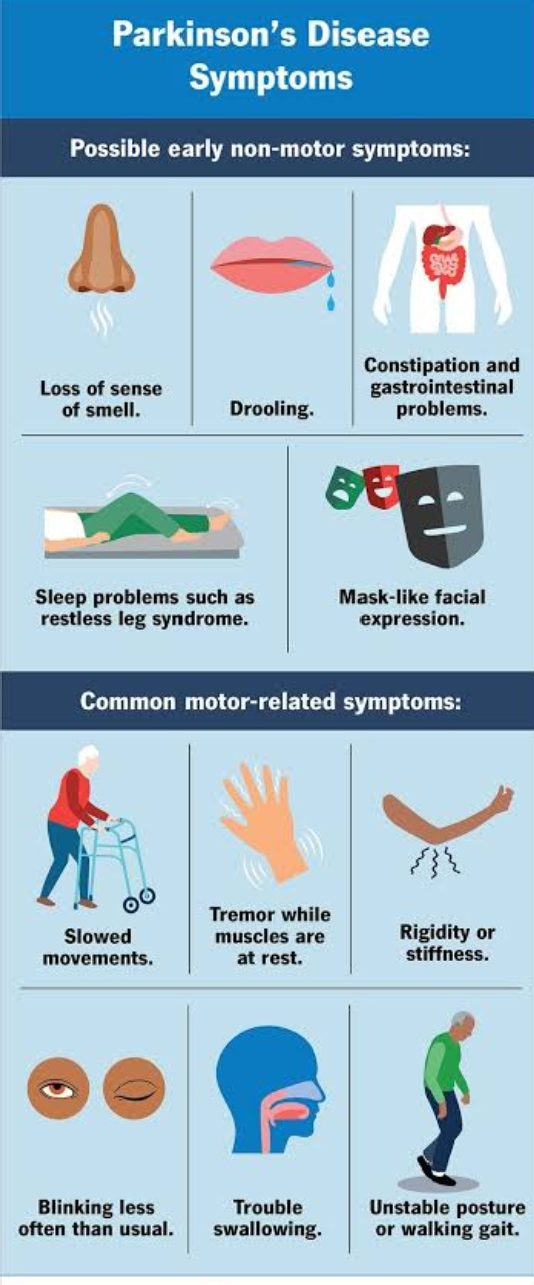
    Parkinson's disease affects the motor system, leading to symptoms such as tremors, muscle stiffness, slow movements, and difficulty balancing. As the disease progresses, patients can experience speech and swallowing difficulties, as well as cognitive and mood disturbances. Despite various treatments available, no current medication has been proven to halt or reverse the disease's progression.

    While the exact cause of Parkinson’s remains uncertain, a combination of genetic and environmental factors is believed to contribute to the degeneration of dopamine-producing cells in the brain. Given the challenges in treatment and the debilitating nature of the disease, the recent success in human trials offers new hope for patients, providing a potential solution that could alleviate suffering and improve quality of life.

    What This Breakthrough Means for Patients: A New Hope

    For those living with Parkinson’s disease, this breakthrough could be life-changing. The drug developed by Hanol Biopharma and its partners promises not only to alleviate the symptoms of Parkinson’s but also to slow the disease's progression, providing a new lease on life for affected individuals. If the second phase of trials proves successful, the drug could offer much-needed relief to millions worldwide.

    The potential of this drug is immense," Professor Rawat remarked. "It could revolutionize the way we manage Parkinson's disease, offering patients more than just symptom relief—it could alter the course of the disease."

    The second phase of trials will involve a larger group of patients and will assess the drug’s long-term efficacy, dosage, and potential side effects. Early results suggest that the drug may be administered once daily, making it easier for patients to incorporate into their daily routines.

    Looking Toward a Better Future for Parkinson's Patients

    For millions of Parkinson’s patients and their families, the success of the first phase of trials brings newfound hope. With the next phase of research underway, there is optimism that this treatment will significantly improve the quality of life for those living with the disease. Should the trials be successful, the drug may soon become a crucial part of Parkinson’s disease management, providing relief and possibly slowing disease progression.

    As clinical trials continue, both the medical community and patients eagerly await the results. The promise of a treatment that could halt or slow Parkinson’s disease offers hope where there has long been little. The coming months will be crucial in determining whether this new drug is the breakthrough the world has been waiting for.

    In conclusion, while Parkinson’s disease remains a formidable challenge, the recent success in human trials signals a new era of treatment for this debilitating condition. The collaboration between scientists, pharmaceutical companies, and research institutions like Kumaun University marks a critical turning point in the fight against Parkinson’s disease, bringing a brighter future within reach for those affected by this condition.

    …
  • Tragic Fire in Haridwar: Individual Loses Life After Jumping from Third Floor to Evade Blaze
    My India Times    2025-01-16  180

    Tragic Fire in Haridwar: Individual Loses Life After Jumping from Third Floor to Evade Blaze

    Haridwar, January 16: A sorrowful incident occurred in the Jwalapur Kotwali area of Haridwar on Friday night when a destructive fire engulfed a residential building, resulting in the death of an individual who leaped from the third floor in a desperate attempt to escape the flames. This incident has raised alarms within the local community, highlighting concerns regarding fire safety in residential environments.

    The fire ignited in Nakshatra Vatika, a residential complex situated near Bhumanand Hospital in Raniipur Jhal. Authorities received notification late on Friday night as the blaze rapidly spread throughout the three-story edifice. Firefighters arrived promptly, yet the swift escalation of the fire hampered rescue operations significantly.

    The deceased, identified as Sonu Singh, a 36-year-old occupant of flat number 57 in Nakshatra Vatika, was among those trapped within the building. As the fire consumed the structure, Sonu, in a state of panic, sought to escape by jumping from the third floor. The fall resulted in severe injuries to his chest, hips, and various other areas of his body.

    Emergency responders swiftly transported Sonu to the nearby district hospital, where medical personnel attempted to stabilize his condition. Regrettably, the extent of his injuries proved to be fatal, and he was pronounced dead shortly after his arrival. His remains were subsequently transferred to the mortuary of the district hospital for post-mortem examination. Law enforcement has initiated an investigation into the event, with preliminary findings indicating that the fire may have stemmed from a short circuit. Nevertheless, officials have emphasized that the investigation remains active, with all potential causes being examined.

    The fire, which erupted late at night, incited widespread panic among the residents of the Nakshatra Vatika complex. Many tenants were unable to evacuate the building in time due to the rapid spread of the fire. The intense heat and thick smoke rendered escape routes challenging to navigate. Firefighters labored diligently for hours to bring the inferno under control, though it was evident that many lives had been significantly impacted.

    Police and fire department officials have highlighted that although the fire spread rapidly, the building’s fire safety provisions, including emergency exits and alarm systems, were inadequate. One tenant, who opted to remain anonymous, voiced concerns regarding the lack of fire preparedness. "By the time the fire ignited, the entire building had become filled with smoke.

    We had no alarms to warn us. If there were proper fire exits and alarms, many people could have escaped safely," the resident said, visibly shaken by the incident.

    Authorities have begun an immediate review of the safety protocols in the building. Jwalapur Kotwali’s police station in-charge, Pradeep Bisht, assured the public that the investigation would be thorough. "We are examining every angle to determine the exact cause of the fire. While early indications suggest a short circuit, we will ensure a comprehensive investigation is carried out," Bisht said.

    The tragic loss of life has highlighted several critical issues surrounding fire safety in Haridwar’s residential areas. Experts have pointed out that buildings, especially older complexes, often lack the necessary fire prevention infrastructure, such as fire alarms, sprinklers, and easily accessible emergency exits. These shortcomings could be contributing to the high number of injuries and fatalities in fire incidents across the region.

    Local authorities have expressed their intention to bolster fire safety regulations in the area. This includes ensuring that residential buildings adhere to fire safety norms, which many experts believe are currently under-enforced. "This incident underscores the importance of having proper fire safety measures in place, not just for high-rise buildings, but for all residential complexes," said a senior fire official involved in the response efforts.

    Community members have been vocal in their calls for action. Many have urged the local administration to prioritize fire drills and awareness campaigns to equip residents with the knowledge needed to respond effectively in case of fire emergencies. "We need better awareness and preparation. A fire can break out anywhere, and we need to be ready," said a local resident, emphasizing the need for urgent reforms in fire safety practices.

    Despite the somber mood following Sonu Singh’s death, there is a shared resolve among the residents of Haridwar to ensure that such an incident is never repeated. Many are now calling for greater accountability from building owners and local authorities to enforce fire safety regulations.

    As the investigation into the fire continues, the authorities are expected to hold regular inspections and safety checks on buildings across the city. Officials have also promised to review the fire safety measures in place and ensure that all residential complexes meet the required standards.

    The tragic incident in Nakshatra Vatika has ignited a conversation about fire safety that many hope will lead to significant improvements in the coming months. The death of Sonu Singh is a stark reminder of the devastating consequences of neglecting fire safety in residential buildings. While the investigation is still underway, the hope is that this tragedy will prompt necessary changes to protect the lives of others in the future.

    As Haridwar mourns the loss of one of its residents, the community is also coming together to demand better preparedness and stricter enforcement of fire safety measures. The hope is that this incident will not be forgotten and that meaningful reforms will be made to prevent future tragedies.

    …
  • Tragic Accident in Kotdwar, Uttarakhand: Two Lives Lost as Delhi-Bound Car Plunges into Gorge
    My India Times    2025-01-15  188

    Tragic Accident in Kotdwar, Uttarakhand: Two Lives Lost as Delhi-Bound Car Plunges into Gorge

    Kotdwar, Uttarakhand: A tragic accident in the Kotdwar region of Uttarakhand has resulted in the loss of two lives and left another individual in critical condition. On Wednesday, a vehicle traveling from Delhi lost control and fell into a steep gorge, leading to the untimely deaths of two passengers and leaving the driver severely injured. The victims, members of a family visiting their ancestral home in Pokhari, were returning after a brief stay in the area when this unfortunate incident occurred.

    The Incident Overview

    This incident transpired on the Khalyunda-Bhaun Motor Road, a narrow and winding roadway navigating through the hilly landscape of Pauri Garhwal. Initial reports from local authorities indicate that the vehicle was hired by a Pokhari resident who had traveled to Delhi for work and was returning to his village for a short visit. Upon reaching the village, the car driver dropped the family members off at the Khalyunda Stand, a regular stop for travelers in the area.

    The driver resumed his journey back to Delhi via the same motor road after fulfilling his duty. However, just a few kilometers from the drop-off location, the vehicle unexpectedly swerved uncontrollably and plunged into the deep gorge below. The descent was abrupt and steeper than anticipated, and by the time emergency responders arrived at the site, the vehicle had sustained significant damage.

    Identification of the Victims

    The individuals involved in this tragic incident have been identified as Ramesh Lal and Pradeep, both of whom were passengers in the vehicle. Ramesh Lal, a resident of Pokhari, was visiting family after an extended stay in Delhi. Pradeep, another passenger, was from Delhi and accompanied Ramesh on his return trip. Tragically, both Ramesh Lal and Pradeep succumbed to their injuries at the scene of the accident.

    The family of Ramesh Lal remains in profound shock as they cope with the sudden loss. Ramesh had traveled to Delhi for professional reasons and had intended to spend quality time in his village. His family, profoundly impacted by the incident, described him as a dedicated and humble individual, someone who eagerly anticipated his short visit to the village. The sorrow is magnified by the unforeseen nature of this heartbreaking tragedy.

    The injured driver, whose identity has not yet been disclosed, was promptly transported to the nearest medical facility. Authorities have confirmed that the driver has sustained serious injuries, and his condition is being closely monitored. Medical professionals have expressed cautious optimism regarding his recovery, although further evaluation will be required in the forthcoming days.

    Hazards of the Mountainous Terrain

    Local authorities have pointed out the inherent dangers posed by the region's treacherous roads, especially during the winter months. The Khalyunda-Bhaun Motor Road is notoriously difficult to navigate, with sharp curves, narrow lanes, and a steep drop-off along the sides. The road conditions have worsened with recent rains, making it even more perilous for vehicles traveling through this area.

    Visibility on the road is often compromised due to fog, which can create an illusion of wider lanes and less steep inclines, leading to drivers underestimating the danger of certain sections. The combination of wet roads, sharp turns, and potentially high speeds may have contributed to the tragic loss of life.

    In light of this accident, many residents are calling for enhanced road safety measures and more stringent regulations for drivers operating in these mountainous regions. The lack of proper guardrails and clear signage along steep cliffs is a major concern for locals, who are pushing for better infrastructure to prevent future accidents.

    Government’s Response and Investigation

    In response to the accident, local police, fire services, and rescue teams were quickly mobilized. An investigation is underway to determine the exact cause of the crash. Initial reports suggest that a combination of factors may have contributed, including the vehicle’s speed, possible mechanical failure, and the challenging terrain. Authorities have indicated that they will thoroughly examine all angles, including whether the driver had any previous issues with the vehicle or was speeding in the dangerous area.

    The district administration has expressed deep condolences to the families of the victims, and the state government has pledged support for the affected families. Local leaders have also called for a review of road safety practices in the region, stressing the urgent need for improved infrastructure and road maintenance to avoid similar incidents in the future.

    Public Outrage and Safety Demands

    The tragedy has sparked widespread public outrage in the region. Locals have taken to social media to express their grief and anger, demanding that the government take immediate action to improve road safety. Calls for the installation of guardrails, road signs, and better maintenance of mountain roads are gaining traction, with many highlighting the growing frequency of such accidents in the area.

    There is a dire need for better safety measures on our roads,” said one local resident. “We cannot afford to lose lives like this. The authorities must take steps to ensure that such incidents do not continue.”

    A Deeply Affected Community

    The loss of Ramesh Lal and Pradeep has left a profound impact on the community in Pokhari and Kotdwar. Friends, relatives, and neighbors have gathered to offer their condolences and support to the grieving families. Local leaders have described the accident as a devastating event that has left the entire area in mourning.

    Losing two lives in such a tragic way is a huge blow to the community. Our thoughts and prayers are with the families who are suffering,” said a community leader from Kotdwar.

    For Ramesh Lal’s family, this loss is particularly devastating. They were not only coping with the shock of his sudden death but also trying to understand how such an accident could have occurred on a road they had known for years. The village of Pokhari, once filled with the joy of Ramesh’s return, is now marked by an overwhelming sense of grief.

    …
  • Medicines and Samples Reached Haridwar Jail from Rishikesh AIIMS in 23 Minutes via Drone
    My India Times   2025-01-15  167

    Medicines and Samples Reached Haridwar Jail from Rishikesh AIIMS in 23 Minutes via Drone

    In a significant advancement for healthcare logistics, the All India Institute of Medical Sciences (AIIMS) Rishikesh has successfully employed drones to deliver essential life-saving medications to inmates at Haridwar's Roshanabad District Jail. This initiative represents a landmark achievement in the integration of advanced technology within healthcare systems, dramatically enhancing the speed of delivery and accessibility to vital treatments for incarcerated individuals.

    The deployment of drones to transport medications from Rishikesh to the jail in Haridwar is part of a pioneering effort to modernize healthcare access for inmates. The flight duration was merely 23 minutes, illustrating the efficacy of drone technology in overcoming logistical barriers and providing immediate solutions in critical medical situations. This marks the inaugural use of drones for transporting Hepatitis C treatment medications in India, underscoring AIIMS Rishikesh’s dedication to innovation in the healthcare domain.

    A Milestone in Prison Healthcare

    This recent initiative was prompted when a batch of blood samples from multiple inmates at Roshanabad jail was sent to AIIMS Rishikesh last month for analysis. Ten prisoners tested positive for Hepatitis C, a viral infection that can invoke severe liver complications if left untreated. In response, specialists at AIIMS prescribed a treatment pathway that necessitated the swift delivery of medications to the affected individuals.

    Opting against conventional transportation methods, AIIMS Rishikesh strategically chose to deploy drones for the medication delivery. Drones carrying the necessary Hepatitis C treatment arrived from the medical institute at approximately 11:30 AM. Within 23 minutes, the drone reached the jail, where it was received by Senior Jail Superintendent Manoj Kumar Arya and a pharmacist. The entire operation, from the preparation to the arrival of the medications at the jail, was accomplished in under half an hour, a remarkable feat unattainable through traditional delivery means.

    The Rationale for Utilizing Drones in Medical Deliveries

    The importance of employing drones for medical deliveries is immense, especially within the prison system. The rapid and effective transportation of medications can avert treatment delays that may otherwise lead to significant health repercussions for inmates. Given the highly contagious nature of Hepatitis C and the challenges prisons face in managing infectious diseases due to overcrowding, the use of drones for swift and direct medication delivery presents an innovative solution to minimize health risks in these confined settings.

    The use of drones also eliminates common delays associated with road transport, especially in regions where traffic congestion or poor infrastructure can slow down delivery times. In this case, the prompt arrival of the drugs not only saved valuable time but also allowed for immediate treatment of the affected prisoners, minimizing the risk of further spread of the infection.

    Cost of the Treatment and the Role of AIIMS

    The treatment provided to the 10 affected prisoners was valued at approximately INR 36,000 per person, bringing the total cost to around INR 3.60 lakh. AIIMS Rishikesh provided the medication free of charge, ensuring that financial constraints did not hinder the prisoners' access to necessary healthcare. This initiative is an example of how medical institutions can leverage technological advancements to enhance the quality of care, even in challenging environments such as prisons.

    By using drones for delivery, AIIMS not only expedited the process but also demonstrated a commitment to providing equitable healthcare to all citizens, including those who are incarcerated. Senior Jail Superintendent Arya noted the importance of this effort, especially in light of the ongoing challenges of managing public health in prisons. “This initiative will not only help the inmates but also enhance the overall healthcare delivery system, ensuring faster access to critical medical care,” he said.

    A Vision for the Future of Medical Logistics

    The success of this drone delivery highlights the growing role of unmanned aerial vehicles (UAVs) in healthcare logistics, which could revolutionize how medical supplies are transported in the future. The use of drones is already gaining traction in several countries, including Rwanda, where they have been used to deliver blood, vaccines, and medical supplies to remote villages. Drones have the potential to drastically cut down delivery times and reduce the logistical burden on healthcare providers, particularly in areas that are difficult to access or have inadequate transportation infrastructure.

    In India, this success story could pave the way for wider adoption of drones in medical logistics. AIIMS Rishikesh has set a precedent for using drones in healthcare delivery, and this trial run could be expanded to other medical institutions across the country. With the ability to deliver not only medicines but also medical samples and equipment, drones can significantly improve healthcare efficiency, especially in emergencies and rural areas.

    A Step Toward a Healthier and More Efficient Healthcare System

    As drones continue to gain popularity, their integration into India’s healthcare system could help address some of the country’s most pressing medical challenges. From reducing transportation time for critical drugs to facilitating faster diagnostic processes, drones offer a promising solution for improving overall healthcare delivery. This development at AIIMS Rishikesh is just one example of how technology can be used to create a more responsive and efficient healthcare system that caters to the needs of all, regardless of their location or circumstances.

    For AIIMS Rishikesh, this successful drone delivery is not just a one-time achievement; it is part of a broader vision to incorporate innovative technologies into the healthcare ecosystem. As Dr. Meenu Singh, Director of AIIMS Rishikesh, put it, “Our focus is on improving healthcare accessibility, and through initiatives like drone-assisted deliveries, we are taking steps to ensure that essential medical treatments reach everyone, including those in difficult-to-reach areas or situations.

    …
  • hostinger
  • Uttarakhand to Introduce 10 Mandatory Subjects for Class 10 Students in Government Schools Under NEP 2020 Framework
    My India Times    2025-01-14  116

    Uttarakhand to Introduce 10 Mandatory Subjects for Class 10 Students in Government Schools Under NEP 2020 Framework

    In a pivotal advancement intended to improve the educational framework in Uttarakhand, the state has resolved to mandate 10 subjects for Class 10 students in government schools, replacing the previous requirement of only five. This initiative is in line with the National Education Policy (NEP) 2020, which advocates for a more comprehensive and multifaceted educational approach. The draft detailing these modifications has been prepared by the State Council of Educational Research and Training (SCERT) and is presently undergoing review prior to submission for final approval by the state government.

    This initiative is part of a broader educational reform strategy that the state plans to implement in the forthcoming academic year. By introducing these 10 compulsory subjects, Uttarakhand aspires to provide students with a well-rounded knowledge base that nurtures critical thinking, creativity, and practical skills. The implementation of this updated curriculum is viewed as a direct manifestation of the NEP 2020's suggestions, which prioritize diminishing rote learning and promoting a more adaptive, skill-focused educational experience.

    A Progressive Shift for Uttarakhand’s Education System

    The most significant alteration for Class 10 students in government schools of Uttarakhand will be the expansion of compulsory subjects from five to ten. This action aligns with the NEP 2020's vision of multidisciplinary education. Educational experts assert that these changes aim to cultivate an education system that is flexible, diverse, and all-encompassing, equipping students not solely for examinations but also for the fast-changing demands of the contemporary world.

    At present, students in Uttarakhand are required to study five subjects: their primary language, secondary language, mathematics, science, and social science. However, under the proposed framework, students will now engage with a broader array of subjects across multiple disciplines, affording them a more comprehensive education. While the new system is slated to be implemented next year, the draft for the new curriculum has already been established, detailing how students will engage with these subjects in the 10th grade.

    The government's initiative responds to the increasing necessity for an education system that equips students to navigate the complexities of the real world, where interdisciplinary knowledge is essential. The state's endeavor also aligns with the NEP's goal of delivering a curriculum that emphasizes skills, critical thinking, and knowledge extending beyond traditional subjects.

    Details of the 10 Compulsory Subjects

    The new curriculum draft, which has been crafted by SCERT, recommends that Class 10 students be required to take the following 10 subjects:

    Three Languages: Students will need to study three languages. At least two of these will be Indian languages, with the third being either another Indian language or a foreign language, depending on the availability at their schools.

    Mathematics: As a core subject, Mathematics will continue to play a vital role in the curriculum, with 135 hours allocated for its study.

     Science: Divided into three branches—Physics, Chemistry, and Biology—Science remains a fundamental part of the curriculum, with 135 hours dedicated to its teaching.

    Social Science: This includes History, Geography, Political Science, and other related subjects, aiming to provide students with a comprehensive understanding of societal systems, governance, and the world around them.

    Art Education: This subject is intended to nurture creativity and artistic expression, helping students develop their artistic talents and skills.

    Physical Education and Health: Given the importance of physical fitness and mental health, this subject will encourage students to maintain a healthy lifestyle through physical activities and well-being practices.

    Vocational Education: Aimed at preparing students for career-oriented paths, vocational education will provide practical skills that can be applied in various industries.

    Computational Thinking: This subject is intended to equip students with digital literacy skills, including basic coding, problem-solving, and understanding technology’s role in modern life.

    Life Skills: Focusing on emotional well-being, decision-making, and conflict resolution, this subject aims to develop students’ soft skills, which are essential for personal and professional growth.

    Environmental Education: In light of global environmental challenges, this subject will emphasize sustainability, eco-friendly practices, and the importance of protecting the planet.

    This broad array of subjects not only ensures that students gain proficiency in traditional academic fields but also that they develop practical and life skills essential for success in today’s fast-paced, technology-driven world.

    Teacher Training and Curriculum Implementation

    One of the key challenges in implementing this ambitious new curriculum is ensuring that teachers are adequately trained and equipped to teach these subjects. According to department officials, the government is already working to prepare teachers for this transition. Professional development programs are being designed to help educators familiarize themselves with the new curriculum, teaching methods, and the resources required to deliver these subjects effectively.

    The government will also ensure that schools are provided with updated textbooks, teaching aids, and other resources to facilitate the smooth implementation of the new curriculum. Teachers will receive training in pedagogical methods that emphasize creativity, inquiry-based learning, and practical skills, aligning with the new educational philosophy promoted by the NEP.

    Aligning with the National Education Policy (NEP) 2020

    The National Education Policy (NEP) 2020 has been a game-changer for India’s education system, aiming to provide quality education that prepares students for future challenges. The policy promotes a more inclusive, flexible, and student-centric approach to education, emphasizing the importance of multidisciplinary learning. Uttarakhand’s decision to introduce 10 mandatory subjects for Class 10 students is in line with these objectives, aiming to offer a more diversified learning experience.

    The NEP also advocates for the reduction of rote learning and encourages critical thinking and problem-solving skills, which are key to preparing students for a rapidly changing world. Uttarakhand’s education system is now moving towards creating a more adaptive and skill-oriented curriculum that focuses on fostering students’ abilities beyond traditional textbook knowledge.

    Future Prospects and Conclusion

    With the proposed changes in place, Uttarakhand is poised to become a leader in implementing the National Education Policy at the state level. These reforms will provide students with a richer, more dynamic educational experience that is aligned with modern-day needs. As the final draft undergoes approval, stakeholders are optimistic about the positive impact these changes will have on students across the state, preparing them for both academic and real-world success.

    By emphasizing a broad-based education that incorporates a mix of academics, life skills, and vocational training, Uttarakhand’s education system is set to be more inclusive, adaptable, and forward-thinking—ensuring that students are not only academically competent but also capable of thriving in an ever-evolving global landscape.


    …
  • Tragedy Strikes in Pauri: Bus Plunges into 80-Meter Gorge, CM Dhami Announces Financial Support for Victims’ Families
    My India Times    2025-01-13  131

    Tragedy Strikes in Pauri: Bus Plunges into 80-Meter Gorge, CM Dhami Announces Financial Support for Victims’ Families

    On Sunday, a devastating bus accident occurred in the Pauri district of Uttarakhand when a bus transporting passengers from Pauri to Dehalchauri unexpectedly lost control and fell into a steep gorge along the Satya Khaal Motor Road, near Kyarak and Chuladhar. The bus descended approximately 80 meters, resulting in the fatalities of five individuals, while 21 others suffered serious injuries. Chief Minister Pushkar Singh Dhami has instructed that the families of the deceased receive Rs 4 lakh each, and those severely injured be granted Rs 1 lakh each as financial support.

    The Incident: Bus Falls 80 Meters into a Gorge

    This tragic event transpired around 3 PM on Sunday. The bus, en route from Pauri to Dehalchauri, suddenly lost control and veered off the roadway near Kyarak and Chuladhar. It subsequently plunged into a deep ravine, approximately 80 meters below. Following the descent, chaos erupted inside the bus as passengers cried out for assistance. Local police were promptly notified, and, in collaboration with community members, a rescue operation was swiftly initiated. The injured passengers were extricated from the gorge and transported to the nearest hospital for urgent medical care.

    Rescue Operation: Community and Police Collaborate to Save Lives

    The police, aided by local residents, commenced rescue operations without delay after the accident. Community members played an essential role in rescuing passengers from the steep gorge, assisting in lifting and carrying the injured to safety. Both ambulances and private vehicles were utilized to convey the injured passengers to the district hospital. Tragically, five individuals succumbed to their injuries during treatment, while 21 others were admitted to the Base Hospital in Srinagar for continued care. One passenger, who sustained minor injuries, was treated and subsequently discharged from the District Hospital in Pauri.

    Identification of the Deceased

    The police have identified the five victims involved in the accident. The deceased include: Sunita (25), wife of Narendra, from Village Dobha; Pramila and her 17-year-old son Priyanshu; and Nagendra and his wife Sulochana, residents of Kesunder, Pauri Garhwal. The police have transported the bodies to the hospital morgue for post-mortem examinations. SDM Sadar, Deepak Ramchandra Set, confirmed that five fatalities occurred in Pauri, with one additional death occurring during treatment at the Base Hospital in Srinagar.

    CM Dhami's Response and Support

    Chief Minister Pushkar Singh Dhami promptly addressed the incident and announced financial assistance of Rs 4 lakh for each family of the deceased and Rs 1 lakh for those suffering from severe injuries.In his statement, the Chief Minister expressed his condolences and assured that the state government stands by the affected families in this tragic time. He also directed officials to conduct a thorough investigation into all aspects of the accident to prevent such incidents in the future.

    CM Dhami’s Statement

    In a statement, Chief Minister Pushkar Singh Dhami said, “This is an extremely tragic incident, and our government stands with the affected families during this difficult time. We are taking all necessary measures to ensure the prompt treatment of the injured. The families of the deceased will be provided all possible assistance. We must all stay vigilant about road safety to prevent such accidents in the future.”

    Treatment of the Injured

    The injured passengers are currently receiving treatment at the Base Hospital in Srinagar. Hospital officials confirmed that after initial treatment, the patients were admitted to various wards, and their conditions are stable. Doctors stated that some of the injured passengers are in critical condition, but they are expected to recover with proper medical care.

    The Need for Road Safety

    This tragic accident has once again highlighted the critical importance of road safety measures. The hilly terrain of Uttarakhand, where roads are narrow and treacherous, poses a unique challenge for motorists. Awareness regarding vehicle speed and road conditions is paramount. To prevent such accidents in the future, there is a pressing need for better road construction, along with strict adherence to traffic regulations.

    State Government's Action

    In response to the accident, the state government has sought reports from the Transport Department and local administration to understand the causes of the accident and to implement stricter safety measures. Chief Minister Dhami assured that once the investigation into the cause of the accident is complete, appropriate steps will be taken to enhance the safety of all major roads in the state. He also emphasized the importance of road safety and regular maintenance of roads, especially in hilly areas.

    Preventing Future Accidents: A Priority for the Government

    The state government is now prioritizing the safety of public transportation and road users in Uttarakhand. Officials from the Transport Department will be inspecting roads across the state, especially in the mountainous regions, to ensure that they meet safety standards. Chief Minister Dhami has expressed his commitment to ensuring that similar accidents do not occur in the future.Additionally, there are discussions about introducing more stringent road safety measures, including improved signage on risky roads, better training for bus drivers, and regular monitoring of bus conditions.

    …
  • Uttarakhand's Rural Water Crisis: Falling Behind Uttar Pradesh and Bihar in Clean Drinking Water Access
    My India Times    2025-01-02  145

    Uttarakhand's Rural Water Crisis: Falling Behind Uttar Pradesh and Bihar in Clean Drinking Water Access

    Despite being recognized as the "Land of Rivers," Uttarakhand encounters significant challenges in providing clean drinking water for its rural population. The state's difficulties in water accessibility are starkly illustrated in the Annual Modular Survey 2024 conducted by the National Sample Survey Office (NSSO). The report highlights Uttarakhand’s inferior performance compared to its neighboring states, Uttar Pradesh and Bihar, in ensuring access to potable water.

    The Statistics Tell the Story

    While 98% of Uttarakhand's overall population has access to clean water sources, further analysis reveals considerable disparities in rural regions. Only 97.1% of rural households in Uttarakhand have access to safe drinking water, in contrast to 99.4% in Uttar Pradesh and 99.6% in Bihar. These statistics underline the urgent need for the state to prioritize the development of water infrastructure, particularly in its rural and mountainous areas.

    A Comprehensive Overview

    India’s landscape presents a diverse picture regarding water accessibility. States such as Goa, Andhra Pradesh, Punjab, Sikkim, and Tamil Nadu have surpassed Uttarakhand in ensuring better access to clean water for their populations. Conversely, Uttarakhand performs better than states like Kerala, Assam, Gujarat, and Odisha in this regard.Although Uttarakhand’s performance is commendable in certain areas, it still falls short of the benchmarks established by the leading states. The state must tackle its geographical and infrastructural challenges to improve its ranking.

    Sanitation Achievements: A Positive Aspect

    In contrast to its water accessibility issues, Uttarakhand has made significant strides in sanitation. The state boasts 100% access to improved sanitation facilities, including modern toilets, across both rural and urban households.Neighboring states, Uttar Pradesh and Bihar, while leading in water accessibility, lag behind in sanitation. Uttar Pradesh has achieved 98.5% sanitation coverage, while Bihar stands at 96.7%.This achievement reflects the success of government initiatives, such as the Swachh Bharat Abhiyan, in raising awareness and developing infrastructure for sanitation. However, experts warn that a lack of clean water can diminish these advancements, as water and sanitation are fundamentally interconnected.

    Water Shortages in Uttarakhand’s Rural and Hilly Regions

    While urban Uttarakhand has witnessed improvements in water infrastructure, rural and hilly areas continue to face severe water shortages.These challenges are compounded by the state's rugged terrain and seasonal water sources, which often dry up during summer months.

    Key Issues in Hilly Regions

    1. Geographical Challenges: The state's mountainous topography complicates the construction and maintenance of pipelines and storage systems.

    2. Seasonal Dependency: Many villages rely on rain-fed springs and streams, which are unreliable and deplete quickly.

    3. Neglect of Traditional Sources: Over the years, traditional water systems like natural springs and step wells have been abandoned or degraded due to urbanization and neglect.

    Real Stories from Affected Villages

    In Chamoli, residents often walk miles to collect water from dwindling natural springs.Villages in Pithoragarh depend heavily on rainwater harvesting, which proves insufficient during prolonged dry spells.Ironically, the Uttarkashi district, home to the Ganges' origin, faces water shortages in several of its villages.These examples underline the urgent need for targeted interventions to alleviate the water crisis in Uttarakhand's rural areas.

    Ripple Effects of the Water Crisis

    1. Health Hazards: The lack of clean water increases vulnerability to waterborne diseases like diarrhea, cholera, and typhoid.

    2. Economic Consequences: Villagers, particularly women and children, spend hours fetching water, reducing time for education and economic activities.

    3. Migration Trends: Many families migrate to urban areas due to water shortages, causing disruptions in rural livelihoods and increasing pressure on urban infrastructure.

    4. Environmental Degradation: Over-extraction of groundwater and deforestation are exacerbating the crisis, threatening the state’s ecological balance.

    Recommendations: A Path Forward

    1. Invest in Water Infrastructure

    The government must prioritize constructing and maintaining water pipelines, filtration plants, and storage systems, particularly in remote regions. Leveraging modern technology can help overcome logistical challenges.

    2. Revitalize Traditional Water Systems

    Efforts should be made to revive traditional sources like springs and step wells. Community participation in maintaining these systems can ensure sustainability.

    3. Promote Rainwater Harvesting

    Rainwater harvesting should be mandatory for households and institutions, especially in water-scarce areas. Providing subsidies and incentives can encourage adoption.

    4. Enhance Public Awareness

    Education campaigns can inform rural populations about water conservation and efficient usage practices. Behavioral changes are key to long-term solutions.

    5. Collaborate with High-Performing States

    Uttarakhand can learn from neighboring Uttar Pradesh and Bihar, adopting best practices and policies that have successfully improved water accessibility.

    6. Combat Climate Change

    Addressing the root causes of water scarcity requires long-term strategies to tackle climate change. Afforestation, pollution control, and sustainable farming practices must be integral to the state’s policies.

    …
  • Ads images
  • Bareilly to Jageshwar Dham Car Accident: Seven Injured in Tragic Incident
    My India Times    2025-01-01  182

    Bareilly to Jageshwar Dham Car Accident: Seven Injured in Tragic Incident

    On the first day of the new year, a devastating road accident occurred in Uttarakhand's Almora district. A car (UP16 EK 2368) carrying pilgrims from Bareilly to Jageshwar Dham lost control and plunged into a 100-meter-deep gorge. The accident left all seven passengers injured, with four sustaining critical injuries.

    Quick Action by Authorities

    Upon receiving the information, the Dhoulchina Police, led by Station Officer Vijay Negi, and the SDRF team promptly reached the spot. A rescue operation was conducted, during which the injured passengers were safely pulled out of the gorge. The swift action by the authorities helped save lives and mitigate the impact of the accident.On the inaugural day of the new year, a tragic road accident transpired in the Almora district of Uttarakhand. A vehicle (UP16 EK 2368) transporting pilgrims from Bareilly to Jageshwar Dham lost control, resulting in it plummeting into a gorge approximately 100 meters deep. This unfortunate incident left all seven passengers injured, with four of them suffering from serious injuries.

    Prompt Response from Authorities

    Upon notification, the Dhoulchina Police, under the leadership of Station Officer Vijay Negi, along with the SDRF team, quickly arrived at the scene. A thorough rescue operation ensued, during which the injured passengers were safely extracted from the gorge. The decisive response from the authorities played a crucial role in saving lives and lessening the consequences of the accident.

    Status of the Injured

    Among the seven injured individuals, four are critically hurt. All the injured were promptly transported to the district hospital in Almora with the assistance of a 108 ambulance. Medical personnel are prioritizing treatment for those in serious condition.

    Injured Individuals List

    1. Deepak Sharma

    2. Pradeep Sharma (Resident of Sector 70, Noida)

    3. Ankit

    4. Ashu Sharma

    5. Amar Sharma

    6. Suresh Sharma

    7. Sunil Sharma (Resident of Bareilly)

    Accident Circumstances

    Based on eyewitness accounts and police reports, the accident resulted from the vehicle losing control on narrow and winding roads. The challenging terrain, combined with inadequate safety measures, is believed to have contributed to this unfortunate event. This route has witnessed multiple accidents previously, underscoring the urgent need for enhanced traffic management and infrastructure improvements.

    Commendable Efforts of Police and SDRF

    The collaborative actions of the Dhoulchina Police and SDRF were vital in the successful rescue of injured passengers. Utilizing ropes and specialized equipment, the rescue team effectively retrieved the victims from the gorge. Their timely response averted further casualties and demonstrated the operational efficiency of disaster response units in the region.

    Safety Concerns on Mountainous Roads

    This unfortunate accident has once again underscored the urgent safety concerns associated with mountain roads. Despite being a favored pilgrimage route, the road is deficient in necessary safety features such as guardrails and warning signs. Local residents and travelers are imploring the authorities to implement critical safety protocols to avert similar tragedies in the future.

    Pilgrims in Distress

    The incident has left pilgrims en route to Jageshwar Dham unsettled. Many are reconsidering their travel plans or are taking additional precautions while navigating through hilly terrains.

    Administrative Appeal

    In response to this incident, the administration has urged travelers to exercise increased caution while driving in mountainous areas. Drivers are recommended to adhere to safe speed limits, refrain from overtaking on curves, and ensure their vehicles are in optimal condition prior to embarking on such journeys. Furthermore, the administration has advised individuals to seek immediate assistance from local authorities in the event of emergencies.

    Appeal from the Administration

    In light of this incident, the administration has appealed to travelers to exercise caution while driving in hilly areas. Drivers are advised to maintain a safe speed, avoid overtaking on curves, and ensure their vehicles are in good condition before embarking on such journeys. Additionally, the administration has urged people to seek immediate assistance from local authorities in case of emergencies.

    …
  • Earthquake in Nepal Sends Tremors Across Uttarakhand, Residents on Alert
    My India Times    2024-12-31  165

    Earthquake in Nepal Sends Tremors Across Uttarakhand, Residents on Alert

    On Tuesday morning, an earthquake originating in Nepal resulted in tremors felt across the adjacent regions of Uttarakhand, including Pithoragarh. The earthquake struck at 7:54 AM IST, with its epicenter located in Nepal’s Baitadi district. Although the tremors instigated concern among residents, there were no casualties or property damage reported in Uttarakhand.

    Epicenter and Magnitude of the Earthquake

    According to Chintan Timcina, director of the Surkhet Earthquake Monitoring Center, the earthquake's epicenter was identified in Nepal’s Baitadi district. While the precise magnitude is yet to be ascertained, the tremors were substantial enough to be sensed in bordering regions. Residents reported feeling the ground sway, which led many to evacuate their residences and congregate in open spaces for safety.

    Effects in Pithoragarh and Surrounding Areas

    In Pithoragarh district of Uttarakhand, the tremors, though mild, incited panic among the populace. Numerous individuals vacated their homes and opted to stay outdoors for an extended period, concerned about potential aftershocks. District authorities confirmed that there were no reports of fatalities or property damage.Officials reassured residents that they are continuously monitoring the situation and urged individuals to remain composed.

    Recurring Earthquakes in Nepal

    December has seen a total of six seismic events in Nepal's far-western and systemic districts. This ongoing series of earthquakes has not only impacted Nepal but has also raised alarms in the border regions of Uttarakhand.Both Nepal and Uttarakhand are situated within seismically active zones, where tectonic activities occur frequently due to the interaction between the Indian and Eurasian plates.

    Preparedness in Pithoragarh

    In light of the recent tremors, the Pithoragarh administration has placed disaster management teams on high alert. Public awareness initiatives have been launched to inform residents about effective safety protocols during earthquakes.Officials have stressed the necessity of remaining calm and relying solely on official communications for updates. Local educational institutions and community centers are actively being utilized for disseminating information regarding emergency preparedness.

    Increasing Seismic Activity in the Himalayan Region

    The Himalayan region, encompassing Nepal and Uttarakhand, is exceedingly susceptible to earthquakes due to the convergence of tectonic plates. This geological occurrence produces considerable stress beneath the Earth's surface, resulting in frequent seismic activity.Experts caution that regions of this nature must maintain vigilance and implement robust safety measures to alleviate the impact of future seismic events.

    Safety Tips During an Earthquake

    To ensure safety during earthquakes, the following measures are recommended:

    1. Seek Shelter: Take cover under sturdy furniture or move to an open area away from buildings and trees.

    2. Turn Off Utilities: Immediately switch off gas, electricity, and other utilities to reduce the risk of fires and gas leaks.

    3. Prepare an Emergency Kit: Keep essentials such as water, medicines, a flashlight, and non-perishable food ready at all times.

    4. Stay Informed: Rely only on official updates and avoid spreading or believing in rumors.

    5. Practice Earthquake Drills: Regular drills can help individuals and families react effectively during emergencies.

    Government’s Role in Disaster Management

    Given Uttarakhand’s vulnerability to earthquakes, authorities must prioritize disaster preparedness. This includes constructing earthquake-resistant infrastructure, conducting regular safety drills, and improving public awareness about natural disasters.Additionally, the government should focus on setting up advanced seismic monitoring systems to detect and mitigate potential risks.


    …
  • CEC Rajiv Kumar’s Chopper Makes Emergency Landin
    My India Times    2024-11-07  125

    CEC Rajiv Kumar’s Chopper Makes Emergency Landin

    In a dramatic turn of events, Chief Election Commissioner (CEC) Rajiv Kumar and his entourage were forced to make an emergency landing in a remote village in Uttarakhand’s Pithoragarh district on Wednesday. The mishap occurred due to sudden weather changes, leaving the top election official and his team stranded for several hours as rescue efforts faced significant delays.

    The Incident: Emergency Landing in Ralam Village

    The CEC, accompanied by Uttarakhand’s Additional Chief Election Officer Vijay Kumar Jogdand and security personnel, was on a routine visit to Milan village to assess election preparedness in the region. The helicopter, which was flying over the rugged terrain of the region, was forced to make an emergency landing in Ralam village around 1:00 PM, approximately 200 kilometers from the district headquarters.

    “Bad weather, including heavy rain and poor visibility, made it impossible for the pilot to continue the flight safely,” an official from the local administration confirmed. The chopper’s landing, though executed safely, left the CEC and his team stranded in an area with limited access to immediate rescue services.

    Stranded for Hours: Rescue Teams Struggle with Weather Challenges

    Despite the gravity of the situation, it took rescue teams nearly nine hours to reach the stranded CEC due to the treacherous terrain and worsening weather conditions. With the region already experiencing a drop in temperatures and continuous rainfall, the operation became more complex.

    District Magistrate Vinod Goswami confirmed the efforts were underway but acknowledged that the adverse weather was hampering rescue efforts. “I have been in contact with CEC Rajiv Kumar via satellite phone, and he has assured me that he is safe and secure,” Goswami said. "The delay in reaching him is mainly due to the challenging weather conditions, including rain and freezing temperatures, which have made the terrain difficult for the rescue teams to navigate."

    In the meantime, the CEC and his team were reportedly provided with shelter and supplies by the local authorities. "They have been safely taken care of by the local administration. We are working on getting them back as soon as possible,” added Goswami.

    Why the Visit Was Critical: Assessing Election Preparations

    The visit to Milan village, nestled in the remote hills of Pithoragarh, was part of the CEC’s routine inspection to review the election preparedness in Uttarakhand’s far-flung regions. The region, known for its difficult terrain, is a challenge for election authorities due to the logistical issues posed by its isolation. Kumar’s visit was intended to understand firsthand the challenges faced by officials in organizing elections in such a rugged area, where traditional modes of transport are often not feasible.

    Continuous Updates: Rescue Operation in Full Swing

    As rescue teams continued their journey towards Ralam village, local authorities, along with the Indo-Tibetan Border Police (ITBP), were coordinating the operation. Due to the remoteness of the area, the authorities were relying on satellite communication to ensure the safety of the CEC and to direct the teams appropriately.

    “The situation is being monitored closely, and we are in constant touch with the rescue teams," stated an ITBP spokesperson. "We expect the rescue operation to conclude successfully early Thursday morning when the weather clears up."

    A Stranded Journey with Calm Leadership

    Despite the challenges, the Chief Election Commissioner remained composed, assuring the local authorities of his safety and continuing communication via satellite phone. The situation highlighted the unpredictability of weather conditions in Uttarakhand, especially in its more remote, hilly areas, where rescue operations can often take longer than expected due to logistical hurdles.

    Rajiv Kumar, known for his leadership and diligence in ensuring smooth electoral processes across the country, maintained a calm demeanor throughout the ordeal. His experience and the prompt actions of local authorities ensured that the situation remained under control, despite the hours-long delay.

    Weather Challenges in Uttarakhand: A Constant Hurdle

    Uttarakhand, with its mountainous terrain and unpredictable weather, frequently faces such challenges, particularly in its remote regions. In recent years, the state has seen a rise in weather-related incidents, including landslides, cloudbursts, and sudden drops in temperature, all of which can make rescue operations more complicated. The emergency landing of CEC Kumar’s helicopter underscores the continuous challenges that both locals and visitors face when navigating the state’s rugged geography.

    Rescue and Relief: Awaiting a Safe Return

    As the weather improved and rescue teams neared the landing site, local authorities confirmed that the CEC and his team would be safely brought back to Pithoragarh early on Thursday morning. The incident, though alarming, ended with no casualties, thanks to the timely intervention of Uttarakhand’s emergency services and the cooperation between local and national agencies.

    Conclusion: A Close Call for Election Commissioner

    While the emergency landing of the Chief Election Commissioner’s helicopter was an alarming event, it highlighted the complexities of conducting government operations in Uttarakhand’s challenging environments. The quick response from both the local administration and rescue teams ensured that what could have been a much more dangerous situation was managed with professionalism and calm.

    As of now, CEC Rajiv Kumar remains safe, and the election preparations in Milan village continue. The authorities will no doubt review the incident to improve safety protocols for high-level visits in the future, ensuring that the operations proceed smoothly despite the unpredictable weather conditions in the hilly state.

    Stay tuned to My India Times for the latest updates on the situation, and for more insights on the logistical challenges faced by election authorities in Uttarakhand’s remote areas.

    …
  • Ads images
  • Tensions Escalate in Uttarkashi: Over 200 Proteste
    My India Times    2024-11-07  117

    Tensions Escalate in Uttarkashi: Over 200 Proteste

    In a dramatic escalation of tensions in Uttarkashi, over 200 individuals have been booked for violence during a protest rally led by the Sanyukt Hindu Sangathan on October 24, 2024. The rally, which was initially peaceful, turned violent as clashes broke out between the protesters and the police. The incident has sparked widespread concern across the district, with several injured, including both law enforcement officers and demonstrators.

    The Protest: A Call for Mosque Demolition

    The protest began early Thursday morning when members of the Sanyukt Hindu Sangathan gathered to demand the demolition of a mosque in the Barahat area. Their contention was that the mosque had been illegally constructed on government land, a claim that has ignited passionate debate across the community.

    As the protesters assembled on the Gangotri National Highway, tensions quickly rose when they sat down for a dharna and began reciting the ‘Hanuman Chalisa.’ The mood turned more aggressive as protesters attempted to breach barricades set up by the police. According to local authorities, this action triggered a violent altercation.

    Clash Between Police and Protesters: A Dangerous Escalation

    The situation deteriorated rapidly as some protesters began throwing stones at the police, prompting law enforcement to deploy tear gas and later engage in a lathicharge to disperse the crowd. In the ensuing chaos, 27 people, including seven police officers, were injured. Among the injured were also several protesters who had been caught in the scuffle. Eyewitnesses described the scene as chaotic, with both sides suffering casualties from the ensuing violence.

    “Despite our efforts to manage the crowd peacefully, the situation escalated when the protesters ignored the barricades and became violent,” said Uttarkashi Kotwali SHO, Amarjeet Singh. “The use of force was necessary to restore order and prevent further damage to public property and ensure the safety of officers and citizens.”

    Prohibitory Orders Imposed, District Under Tense Surveillance

    In response to the unrest, prohibitory orders were issued under section 163 of the Bharatiya Nagarik Suraksha Sanhita (BNSS), and additional police forces were deployed throughout the district to maintain order. Uttarkashi Superintendent of Police Amit Shrivastava confirmed that flag marches were conducted, and sensitive areas remained under strict surveillance.

    “Given the scale of the unrest, we have taken proactive measures to prevent the situation from escalating further,” said Shrivastava. “The district remains on high alert, and we are continuing to monitor developments closely.”

    The Mosque Dispute: Allegations and Clarifications

    At the heart of the protest lies the claim that the mosque in the Barahat area was built illegally on government land. Protest leaders have been vocal in their call for the mosque’s demolition, citing its location on what they believe to be state-owned land.

    However, the district administration has firmly rejected these allegations. District Magistrate Meharban Singh Bisht clarified that the mosque was constructed on land belonging to local Muslim community members, and not on government property. Despite these assurances, the situation has remained tense, with community leaders on both sides accusing the other of misrepresentation.

    District Response and Bandh Call

    The violence prompted district authorities to intervene. District officials, including the DM and SP, conducted a joint tour of the area to assess the situation firsthand. The markets in Uttarkashi remained shut as a precautionary measure following a bandh call issued by the protest group in retaliation to what they perceive as the government's inaction on their demands.

    While the bandh disrupted normal activities, including business and transport, authorities have remained resolute in their commitment to preventing further violence and ensuring peace. The situation has called into question the efficacy of local governance in managing such high-stakes communal issues.

    A Divided Community

    The mosque dispute has exposed deep divisions within the local community, with both sides claiming ownership of the land and its rightful use. Hindu groups argue that the mosque’s presence on what they describe as “public land” is a violation, while Muslim leaders insist that the land was legally purchased and designated for community use. The central government’s silence on the issue has only fueled further mistrust, with both sides awaiting a decisive response from the local administration and courts.

    As the region braces for potential further unrest, the need for dialogue and resolution becomes more pressing. The current standoff in Uttarkashi is a stark reminder of the fragility of community relations in sensitive regions and the importance of clear, transparent governance to prevent such issues from escalating into full-blown conflicts.

    Authorities Scramble to Restore Peace

    With the threat of further protests looming, authorities have called for calm and urged both communities to resolve their grievances through peaceful dialogue. As tensions continue to simmer in Uttarkashi, the focus will be on the police’s handling of future demonstrations and whether the district can avoid another outbreak of violence. Local leaders from various communities are being encouraged to come forward and mediate to ensure that the situation does not spiral further out of control.

    My India Times will continue to monitor this developing story, providing readers with the latest updates on the ongoing protests, police response, and any further political developments. As the investigation into the incident unfolds, all eyes will remain on Uttarkashi, awaiting an outcome that can bring lasting peace to this troubled region.

    …
  • Uttarakhand's Forest Fire Management Faces Critica
    My India Times    2024-11-07  144

    Uttarakhand's Forest Fire Management Faces Critica

    Uttarakhand’s majestic forests, which are an integral part of the state's natural heritage and ecological balance, are facing an urgent challenge. A recent report submitted to the National Green Tribunal (NGT) has exposed severe infrastructure deficiencies that are hampering the effective management of forest fires in the state. These gaps, which are deeply concerning for both the environment and the communities living in forest-adjacent areas, call for immediate action from the government to mitigate the risks posed by forest fires in the state.

    The report, dated October 14, was submitted by advocate Gaurav Bansal, appointed as the amicus curiae (friend of the court) to assist with a case concerning the issue of leaf burning in the Badkot forest range along the Rishikesh-Dehradun Road. The case has brought to the forefront the systemic shortcomings in Uttarakhand’s firefighting capabilities and the critical need for upgraded infrastructure.

    A State at Risk: Uttarakhand’s Forest Fire Crisis

    Uttarakhand, known for its vast forests and biodiversity, has become increasingly vulnerable to devastating forest fires, particularly during the dry months. These fires not only threaten the natural environment but also disrupt local livelihoods, tourism, and even public health due to the release of smoke and particulate matter. The situation has been exacerbated by the lack of effective infrastructure to combat such fires in a timely manner, as highlighted by the amicus curiae report.

    The state’s Forest Department, tasked with protecting the region’s extensive forest cover, is struggling with several pressing issues. The report outlines a series of alarming deficiencies, including:

    Insufficient Firefighting Equipment: The Forest Department is severely under-equipped to tackle large-scale fires. Essential firefighting tools like protective goggles, firefighting gear, and fire-control weapons are either outdated or unavailable in adequate quantities. This puts forest personnel and emergency responders at risk while they fight fires in hazardous conditions.

    Lack of Patrolling Vehicles for Remote Areas: Many forest areas in Uttarakhand, particularly in the hills and mountainous regions, are difficult to access. Without an adequate number of vehicles, especially all-terrain vehicles, patrolling these areas during the fire season becomes nearly impossible. This delay in detection often leads to the escalation of fires, making them harder to contain.

    Deficient Communication Systems: Effective communication is vital during firefighting operations. However, the state faces a significant lack of communication infrastructure, such as wireless and satellite phones, which are crucial for coordinating fire response teams, particularly in remote forest areas where network coverage is limited.

    Inadequate Infrastructure at Forest Stations: The report also points out that many forest guard posts and forester chowkis, which are supposed to serve as the first line of defense against forest fires, are located in remote and difficult-to-reach areas. These posts are not equipped with the basic amenities necessary for the staff to perform their duties effectively, such as proper accommodation, restrooms, and communication tools.

    Workforce Shortage: The Forest Department is facing a significant shortage of trained personnel to monitor and manage forest fires. As the number of fires has increased in recent years, the demand for a larger workforce with specialized training has grown. Yet, recruitment has not kept pace with this demand, leaving the department stretched thin.

    The Rising Threat of Forest Fires in Uttarakhand

    The frequency and intensity of forest fires in Uttarakhand have been rising steadily. The summer and spring months, especially after the Diwali season when leaf burning is common, see an increase in fire outbreaks. As the state’s forests face both natural and human-induced fires, the lack of proper resources has made it increasingly difficult to control and prevent them.

    In 2023 alone, Uttarakhand reported a significant increase in forest fire incidents, with several forest areas in the Kumaon and Garhwal regions witnessing massive blazes that caused extensive damage to biodiversity and local ecosystems. In addition to forest fires, these events often disrupt life in surrounding areas, forcing residents to evacuate, threatening livestock, and even causing significant property damage.

    Urgent Call for Infrastructure Overhaul

    The report urges the NGT to recommend an overhaul of Uttarakhand’s forest fire management system. It calls for the immediate procurement of essential firefighting equipment and the establishment of a robust communication network that will allow for swift action during fire outbreaks. Furthermore, the report suggests improving the infrastructure at remote forest stations to ensure that forest guards are adequately equipped to handle emergencies.

    The report also stresses the importance of increasing the workforce and providing adequate training to local personnel, particularly in forest fire management. As the situation stands, without a comprehensive and modern approach to forest fire management, Uttarakhand's forests and the livelihoods of its residents remain at significant risk.

    Government and Expert Responses

    Following the report’s submission, several environmentalists and local leaders have called for immediate action. Many have argued that the state’s forest fires are not only an environmental issue but also a public health crisis. "The lack of infrastructure to manage forest fires is a ticking time bomb for Uttarakhand. It’s essential for the government to invest in firefighting resources, and not just during the peak fire season but year-round," said Ramesh Pokhriyal, an environmental expert.

    The state government has yet to respond officially to the findings of the report, but there are hopes that the NGT’s intervention will prompt swift action. Experts have warned that the current system is inadequate for managing the growing number of forest fires, especially as climate change continues to exacerbate the situation.

    Looking Ahead: A Sustainable Solution

    Uttarakhand’s forest fire management system must evolve with the times. A comprehensive approach that includes better preparedness, advanced technology, and a well-trained workforce is the key to reducing the devastating impact of these fires. As one of India’s most ecologically sensitive regions, Uttarakhand’s forests deserve more than just protection—they require a robust, modern infrastructure to safeguard them for future generations.

    At My India Times, we continue to monitor the situation closely, providing detailed coverage on the steps needed to address this looming crisis. We will update our readers as new developments unfold and as the government works towards implementing more effective forest fire management strategies in the state.

    …
  • Kedarnath and Yamunotri Temples Close for Winter A
    My India Times    2024-11-07  150

    Kedarnath and Yamunotri Temples Close for Winter A

    As the winter chill begins to envelop the Himalayan peaks, the portals of two of Uttarakhand's most revered temples, Kedarnath and Yamunotri, were officially closed for the winter season on Sunday. The closure was marked by grand Vedic rituals, a significant event in the religious calendar, which saw thousands of devotees and temple officials gather for a final darshan of the deities before the shrines are closed to the public for the harsh winter months.

    Kedarnath Temple Closure: A Spiritual Farewell

    At 8:30 am sharp, the sacred gates of the Kedarnath Temple, dedicated to Lord Shiva, were ceremonially closed in a traditional ceremony. Pilgrims, both local and from across the country, had gathered in large numbers to witness this significant event, which marks the end of the pilgrimage season in the region.

    The closure was preceded by an elaborate ceremony that began early in the morning. The temple committee, led by priests, performed intricate Vedic rituals to invoke the blessings of Lord Shiva for a safe and peaceful winter. The most sacred moment of the ceremony was the departure of Lord Shiva's idol from the temple, which was carried in a beautifully adorned palanquin to its winter abode in Ukhimath, where it will remain until the temple reopens in the spring.

    Over 18,000 pilgrims, braving the cold mountain air, witnessed the closure ceremony, their devotion filling the air with prayers and chants. For many, this moment was as spiritually enriching as their journey to Kedarnath itself, as it symbolizes the devotion and faith that bind the people to the sacred land of the Himalayas.

    Yamunotri Temple: Goddess Yamuna’s Winter Journey

    Just hours after the closure of Kedarnath, the gates of the Yamunotri Temple, dedicated to Goddess Yamuna, were closed at 12:05 pm. The idol of Goddess Yamuna was also moved in a ceremonial palanquin to her winter residence in Kharsali, a village situated in the foothills of the Himalayas.

    Much like Kedarnath, the temple closure was marked by Vedic hymns, prayers, and rituals, signifying the end of the pilgrimage season to Yamunotri. Pilgrims who had come to witness the closing ceremony of this revered shrine were blessed with a final darshan of the goddess before she departs for her winter abode. Yamunotri, which witnesses thousands of pilgrims annually, sees a significant drop in footfall during the winter months, with the roads often becoming impassable due to heavy snowfall.

    A Yearly Tradition of Devotion and Reverence

    The closing of the Kedarnath and Yamunotri temples is a time-honored tradition, rooted in the ancient practices of the region. This marks the beginning of the winter season, where the snow-covered peaks and harsh weather conditions make it difficult for pilgrims to visit these temples. The gods, too, take a winter rest in their respective abodes, only to return to their shrines in spring when the weather becomes favorable once again.

    This year’s ceremony was marked by increased devotion, as pilgrims and temple officials came together to celebrate this annual spiritual ritual. In an official statement, Harish Gaur, media in-charge of the Badrinath-Kedarnath Temple Committee (BKTC), highlighted the significance of the closure ceremonies and thanked the devotees for their unwavering faith throughout the pilgrimage season.

    Upcoming Closure of Badrinath Temple

    The religious calendar for Uttarakhand's Himalayan temples continues, with the closure of the Badrinath Temple scheduled for November 17. This will mark the final temple in the Char Dham circuit to close for the winter season. The temple dedicated to Lord Vishnu will also see its idol, along with other sacred artifacts, being moved to its winter residence in Pandukeshwar.

    The closure of Badrinath will be another significant event, with the usual fanfare and rituals that mark this seasonal transition. The town of Badrinath, located at an altitude of 3,133 meters, sees a steady stream of pilgrims through the summer and autumn months. As the weather cools and the roads become increasingly difficult to navigate, the temple's closure will bring the pilgrimage season to a close.

    The Spirit of the Himalayas

    The closing ceremonies of Kedarnath and Yamunotri serve as a reminder of the unique blend of spirituality, devotion, and the harsh realities of the Himalayan environment. The mountain gods and goddesses, revered by millions, are seen not only as divine figures but also as guardians of these sacred lands. Their journey to their winter homes symbolizes a deeper connection between the people, the mountains, and the divine.

    The Char Dham pilgrimage in Uttarakhand is not just a religious journey but also a celebration of nature, faith, and the eternal bond between the human spirit and the Himalayan gods. As the gates of Kedarnath and Yamunotri close for the winter, and with the anticipated closure of Badrinath, the region enters a phase of quiet reflection, awaiting the return of the deities in the spring.

    Stay tuned to My India Times for more updates and coverage of the Char Dham temple closures and the latest developments in Uttarakhand’s religious circuit.

    …
  • Ads images
  • Four Foreign Tourists Stranded on Neelkanth Trek i
    My India Times    2024-11-07  170

    Four Foreign Tourists Stranded on Neelkanth Trek i

    In a remarkable display of bravery and quick action, four foreign tourists stranded on the challenging Neelkanth trek in Chamoli district of Uttarakhand were rescued after an intense and hours-long search operation by local authorities. The tourists, three Brazilians and one Spaniard, were safely brought to Badrinath after spending an entire night stranded in the rugged terrain under adverse weather conditions.

    A Harrowing Ordeal in the Himalayas

    The stranded tourists were identified as Joseph, 56, from Spain, and three men from Brazil—Paulo, 39, Rodrio, 38, and Danilo, 43. The group had been trekking the Neelkanth route, a popular but treacherous trail in the Garhwal Himalayas, when they found themselves caught in a severe weather disturbance. As night fell on Tuesday, the hikers lost their way and became disoriented in the dense forest, unable to find shelter or a way out.

    With no means of communication and the night growing colder, the situation rapidly escalated into an emergency. Local officials say the four were in a vulnerable position, with limited supplies and the temperature plunging as the region is known for its unpredictable weather conditions, especially at higher altitudes.

    Search and Rescue Operation

    The distress call was raised shortly after the tourists were last heard from on Tuesday evening, prompting an immediate response from the Chamoli police and the State Disaster Response Force (SDRF). The operation commenced under difficult conditions, with heavy rainfall and thick fog making the search extremely hazardous. The search teams, equipped with high-tech communication devices, trekked through the dense forest and rocky paths in pitch-black darkness, battling the elements to locate the missing trekkers.

    After several hours of searching, the rescuers finally traced the group late on Tuesday night, approximately 4 kilometers from the Neelkanth temple, one of the most revered pilgrimage sites in the region. Despite the challenging conditions, the tourists were found safe, albeit exhausted and distressed from their ordeal.

    Safe Rescue and Transport to Badrinath

    Once the group was located, the rescue teams provided them with immediate medical attention, including warmth and hydration. They were then carefully escorted down the steep, rocky path toward Badrinath, which was the nearest safe location. Officials said the group was in stable condition, though shaken by the frightening experience.

    The group of tourists was welcomed at Badrinath, where they were provided with further medical treatment to ensure they had fully recovered from the ordeal. Authorities also arranged for their safe transport to Dehradun, from where they would be flown back to their respective countries.

    A Global Effort for Rescue

    The successful operation highlighted the efficiency and coordination between local police, the SDRF, and other emergency teams, as well as the resilience of the tourists, who remained calm during the crisis. "The efforts of our rescue teams are commendable," said Chamoli District Magistrate, Ajeet Kumar Sinha. "They managed to locate the tourists in challenging conditions, demonstrating the professionalism and preparedness of our teams."

    The rescue operation was also supported by volunteers from local trekking communities, who assisted in navigating the difficult terrain. This incident has once again brought attention to the importance of safety measures for trekkers in the Himalayan region, especially during unpredictable weather.

    Calls for Enhanced Safety Measures

    While the rescue was successful, it has sparked fresh debates about the safety of trekking in the region. Many local environmentalists and trekking experts have called for more rigorous safety protocols to be put in place for foreign tourists and trekkers, including better communication systems and more accessible rescue services in remote areas.

    "While the Neelkanth trek is undoubtedly beautiful, it can be dangerous, especially for those who are unfamiliar with the terrain," said Ramesh Kumar, a local trekking guide and safety advocate. "It's essential that trekkers have proper guides, equipment, and, most importantly, an awareness of the risks involved."

    The Importance of Preparedness

    This incident underscores the importance of preparedness when embarking on treks in the Himalayas, a region known for its rugged landscapes and unpredictable weather patterns. It also highlights the crucial role of emergency services and the need for improved infrastructure to ensure the safety of trekkers, especially foreign nationals who may not be familiar with the challenges of the terrain.

    The successful rescue of the four tourists is a testament to the strength of local rescue teams, the community spirit of volunteers, and the global collaboration that came together to ensure their safe return. As tourists continue to flock to Uttarakhand’s treacherous yet beautiful treks, authorities are urged to prioritize the safety and security of adventurers exploring the Himalayas.

    Final Thoughts

    While the four tourists have been safely rescued, this incident serves as a stark reminder of the inherent risks associated with trekking in the Himalayas. It also highlights the resilience of local rescue teams who brave difficult conditions to save lives. Moving forward, this experience may prompt authorities to reconsider current safety protocols and improve infrastructure to ensure that such a terrifying ordeal does not befall any other adventurer in the future.

    Stay tuned for more updates as My India Times continues to bring you the latest developments on the rescue operation and expert analysis on trekking safety in Uttarakhand.

    …
  • Tragic Bus Accident in Uttarakhand’s Almora Clai
    My India Times    2024-11-07  169

    Tragic Bus Accident in Uttarakhand’s Almora Clai

    In a heart-wrenching incident on Monday morning, a bus carrying over 60 passengers fell into a steep gorge in Almora district, Uttarakhand, killing at least 36 people and leaving 26 others injured, four of them critically. The ill-fated bus, which was overcrowded, was traveling from Pauri in the Garhwal region to Ramnagar in Kumaon, a distance of roughly 250 kilometers.

    The Tragic Incident

    The accident occurred at around 8:00 am, just as the bus was nearing its destination after an overnight journey. The vehicle, a private bus operated by the Garhwal Motor Owners Union, plunged into a 200-meter deep gorge near the Marchula area, approximately 35 kilometers from Ramnagar. The bus, which was designed to carry 43 passengers, was reportedly overcrowded, with the number of passengers exceeding safe limits.

    The bus rolled down the forested and rocky slope, finally coming to a halt just shy of a stream. The shocking visuals from the scene show the mangled remains of the bus, crushed and distorted by the force of the fall. The tragic accident is being regarded as one of the most devastating road mishaps in the region in recent times.

    Rescue and Relief Operations

    The rescue teams, comprising local police, district authorities, and emergency services, were quick to respond. The arduous operation, which lasted for over five hours, involved extricating the passengers from the wreckage of the bus. Helicopters were reportedly on standby to airlift the most critically injured, while ambulances rushed the others to nearby medical facilities.

    District Magistrate Alok Kumar Pandey confirmed that 28 people died at the scene, while another eight succumbed to their injuries at the Ramdutt Joshi Joint Hospital in Ramnagar. Among the deceased were 10 women, with several passengers believed to have been returning to work after the Diwali festivities.

    Government and Political Leaders Express Grief

    The tragedy has shaken the nation, with messages of condolence pouring in from leaders across the political spectrum. President Droupadi Murmu expressed her sorrow, tweeting, "The news of the death of many people, including women and children, in a road accident in Almora, Uttarakhand is heart-rending. I express my condolences to the bereaved families and pray for the speedy recovery of those injured."

    Prime Minister Narendra Modi, Union Home Minister Amit Shah, and Congress President Mallikarjun Kharge also shared their grief and extended their heartfelt condolences. PM Modi announced an ex-gratia payment of ₹2 lakh to the families of the deceased and ₹50,000 for those who were injured. "The local administration is making every possible effort for relief and rescue," PM Modi assured.

    Cause and Investigation

    Preliminary reports suggest that the overcrowding of the bus may have contributed to the fatal accident. The vehicle was reportedly carrying more passengers than its designated capacity, raising concerns about safety protocols and oversight. The District Magistrate confirmed that a magisterial inquiry has been ordered into the incident, while the Assistant Regional Transport Officers of Pauri and Almora have been suspended pending further investigation.

    Experts have raised alarm about the safety standards of the private buses operating in hilly terrains like Almora, where treacherous roads and sharp curves are a common challenge. The region has been witnessing a rising number of road accidents, leading to calls for stricter enforcement of traffic laws and regulations.

    A Nation in Mourning

    The tragedy has not only left the local community in shock but has also drawn nationwide attention to the growing concerns around road safety, particularly in the hilly and remote regions of Uttarakhand. This accident highlights the need for better transportation infrastructure and enhanced passenger safety measures on the state’s mountainous roads.

    In response to the incident, several NGOs and social activists have called for an urgent review of the safety standards for buses operating in these areas, especially regarding overcrowding and maintenance. They have also urged the Uttarakhand government to enforce stricter regulations and conduct regular audits of the vehicles used for public transport.

    The Road Ahead

    As the community begins to mourn the loss of lives, the focus now shifts to the survivors and their recovery. The local hospital has set up a special ward for the victims, and several social organizations are organizing fundraisers to support the affected families. The next steps will involve ensuring that such a tragic incident never happens again, as questions continue to be raised about the safety measures in place for public transport in Uttarakhand.

    Final Thoughts

    This tragic accident in Almora serves as a stark reminder of the fragility of life and the urgent need for improvements in road safety. It also brings to light the critical issue of overcrowded public transportation, which is often overlooked in the rush to meet demand. As the investigation continues, there is hope that this incident will prompt both the authorities and the public to reflect on the need for stricter safety measures and responsible transportation practices to prevent such heart-wrenching accidents in the future.

    My India Times will continue to provide updates on the situation as it unfolds, offering live reports, expert analysis, and support for the affected families. Stay tuned as we cover this devastating incident and the ongoing relief efforts.

    …
Error: Invalid API key. Please see https://openweathermap.org/faq#error401 for more info.