Breaking News

Maha Kumbh 2025: Over 6.2 Million Devotees Take Holy Dip at Sangam on Basant Panchami’s Final ‘Amrit Snan’
RRB ALP 2025: City Intimation Slip Released, Exam Dates Announced

  • Facebook
  • X
  • LinkedIn
  • Youtube
  • Instagram
  • Whatsapp
  • Login
  • Advertisie with Us
My India Times My India Times News

My India Times News

  • ℃
  •   
  • Login
My India Times Logo
Billingezy
  • Home
  • India
    • India
    • Andhra Pradesh
    • Arunachal Pradesh
    • Assam
    • Bihar
    • Chhattisgarh
    • Goa
    • Gujarat
    • Haryana
    • Himachal Pradesh
    • Jharkhand
    • Karnataka
    • Kerala
    • Madhya Pradesh
    • Maharashtra
    • Manipur
    • Meghalaya
    • Mizoram
    • Nagaland
    • Odisha
    • Punjab
    • Rajasthan
    • Sikkim
    • Tamil Nadu
    • Telangana
    • Tripura
    • Uttar Pradesh
    • Uttarakhand
    • West Bengal
    • Andaman and Nicobar Islands
    • Chandigarh
    • Dadra and Nagar Haveli and Daman and Diu
    • Delhi
    • Lakshadweep
    • Ladakh
    • Jammu and Kashmir
    • Puducherry
  • World
  • Crime
  • Interactive Maps
  • Business
  • Technology
  • Education
  • Health Care
  • Chemical
  • Top Stories
  • Entertainment
    • Entertainment
    • Bollywood
    • Web Series
    • Film-Review
    • South Movies
  • Agriculture
  • Religion
    • Religion
    • Festivals
    • Video
    • Astrology
    • Stories
  • Sports
    • Sports
    • Upcoming Match
    • Cricket
    • Hockey
    • Olympic
    • IPL
  • Election
  • Calculators
  • Travel
  • Awareness
  • Universe
    • Earth
    • Ocean
    • Space
  • Home
  • India
    • Uttar Pradesh
    • Delhi
    • Punjab
    • Rajasthan
    • Uttarakhand
    • Bihar
    • Jharkhand
    • Madhya Pradesh
    • Haryana
    • Himachal Pradesh
    • West Bengal
    • Telangana
    • Jammu & Kashmir
    • Andhra Pradesh
    • Arunachal Pradesh
    • Assam
    • Chhattisgarh
    • Goa
    • Gujarat
    • Karnataka
    • Kerala
    • Manipur
    • Meghalaya
    • Maharashtra
    • Nagaland
    • Odisha
    • Sikkim
    • Tamil Nadu
    • Andaman & Nicobar
    • Chandigarh
    • Ladakh
    • Lakshadweep
    • Puducherry
    • Dadra & Nagar Haveli and Daman & diu
    • Tripura
    • Mizoram
  • World
  • Crime
  • Crime Map
  • Business
  • Technology
    Playing GIF
  • Education
    Playing GIF
  • Health Care
  • Travel
  • Calculators
  • Awareness
  • Universe
    • Earth
    • Space
    • Ocean
  • More
    • Chemical
    • Entertainment
      • TV
      • Bollywood
      • Web Series
      • Flim Review Hot
      • South Movies
    • Agricluture
    • Top Stories
    • Religion
      • Festivals
      • Video
      • Astrology
      • Stories
    • Election
    • Sports
      • Upcoming Match Hot
      • Cricket
      • Hockey
      • Olympic
      • IPL
  •   ℃
  •   
Meghalaya
2025-03-06

Meghalaya to Invest ₹1,900 Crore in Sports Infrastructure for 39th National Games 2027

Shillong, March 6, 2025: Meghalaya is set to make history by hosting the prestigious 39th National Games in 2027, marking a significant milestone in the state's sporting journey. To ensure the successful organization of the event, the state government has committed a staggering ₹1,900 crore towards the development of world-class sports infrastructure, training facilities, and event management.

The investment is expected to not only elevate the state’s sporting ecosystem but also boost tourism, employment, and local business growth. The National Games will witness participation from athletes across India, competing in multiple disciplines, making this one of the biggest sporting spectacles in the country.

A Historic Opportunity for Meghalaya

Meghalaya’s selection as the host of the National Games 2027 is a momentous achievement for the state, which has been striving to position itself as a sports hub in the Northeast. The National Games, often referred to as India’s own mini-Olympics, will bring in thousands of athletes, officials, and spectators, offering a unique opportunity to showcase Meghalaya’s rich culture, traditions, and scenic beauty.

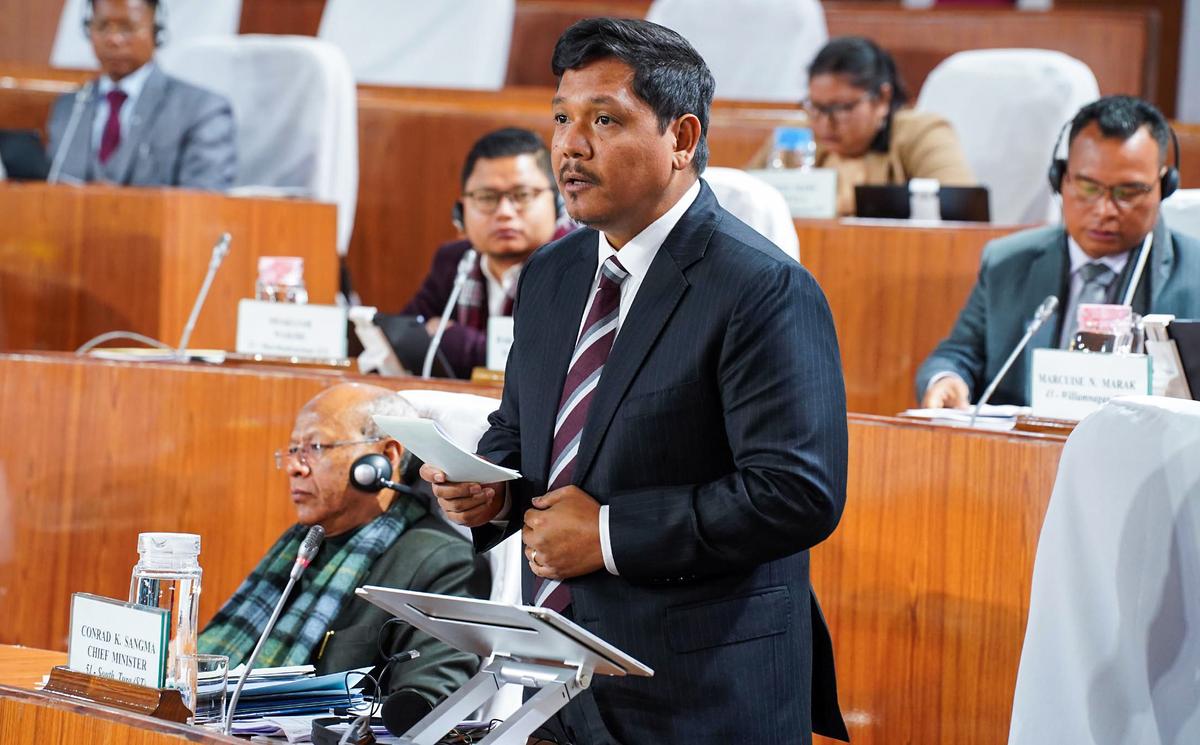
Chief Minister Conrad Sangma expressed his enthusiasm for the upcoming event, stating, "The 39th National Games will be a landmark event for Meghalaya, demonstrating our capability to host large-scale sporting events while simultaneously uplifting our sports infrastructure and economy. This is a golden opportunity to put Meghalaya on the national sports map."

₹1,900 Crore Mega Investment in Sports Infrastructure

The ₹1,900 crore funding will be utilized for the construction and renovation of state-of-the-art stadiums, sports complexes, athlete villages, and training facilities across the state. Some key highlights of the planned investment include:

A Multi-Sport Stadium in Shillong: A state-of-the-art stadium with modern amenities, capable of hosting large-scale sporting events.

Upgraded Indoor Sports Arenas: Renovation and expansion of indoor sports complexes to accommodate sports like badminton, table tennis, and gymnastics.

Athletes' Village: A dedicated residential facility with world-class lodging and training facilities for participating athletes and officials.

Aquatic and Athletics Centers: Advanced swimming and track & field facilities to ensure high-quality competition standards.

Grassroots Sports Development: Funds will also be allocated to improve grassroots sports infrastructure in rural areas, nurturing young talent for future national and international competitions.

Boost to Local Economy and Employment

Hosting an event of this magnitude is expected to provide a substantial boost to the state’s economy. The hospitality, transport, and tourism sectors are set to benefit immensely from the influx of athletes, officials, and visitors. Additionally, the construction and upgrading of sports facilities will generate employment opportunities for engineers, laborers, and professionals in the sports management sector.

Tourism, a vital industry for Meghalaya, will receive a significant push as the National Games will attract visitors from across the country. The state government is also working on enhancing connectivity and upgrading existing infrastructure such as roads, airports, and public transport to accommodate the expected surge in visitors.

Enhancing Meghalaya’s Sporting Culture

The National Games 2027 is seen as a catalyst for promoting sports culture in Meghalaya. The state has produced exceptional athletes in disciplines such as football, archery, and athletics. The enhanced infrastructure will enable budding athletes to receive world-class training, thereby increasing Meghalaya’s representation in national and international sporting events.

Sports Minister Banteidor Lyngdoh emphasized the long-term impact of the games, saying, "This is not just about 2027; it’s about the future of sports in Meghalaya. The improved facilities will serve as a legacy for future generations, inspiring young athletes to excel in their respective fields."

Challenges and Roadmap Ahead

While the ₹1,900 crore investment promises to transform Meghalaya’s sporting landscape, challenges such as timely project execution, environmental concerns, and maintaining infrastructural quality remain key considerations. The state government is collaborating with private players, sports bodies, and central agencies to ensure that the project meets international standards and is completed within the stipulated timeline.

A special task force has been set up to oversee the planning and execution of the National Games, ensuring efficiency, transparency, and accountability. The government is also actively engaging with national sports federations and international experts to ensure the smooth conduct of the games.

Conclusion

The 39th National Games 2027 is set to be a game-changer for Meghalaya. The ₹1,900 crore investment not only cements the state’s commitment to sports but also paves the way for economic growth, infrastructural development, and enhanced sports culture. As Meghalaya gears up to host the nation’s top athletes, the excitement and anticipation among sports enthusiasts continue to build. With meticulous planning and execution, the event is poised to be a landmark in India's sporting history, showcasing Meghalaya as a rising powerhouse in sports.

Meghalaya
2025-03-06

Meghalaya CM Announces ₹210 Crores for Youth-Centric Initiatives: A Major Boost for Development

Meghalaya Chief Minister Conrad Sangma has announced a ₹210 crore investment aimed at empowering the youth of the state. This initiative reflects the government's commitment to enhancing education, skill development, entrepreneurship, and sports infrastructure to create new opportunities for young people.

Chief Minister’s Youth Development Scheme (CMYDS):

The Chief Minister’s Youth Development Scheme (CMYDS) is designed to foster national unity, instill a sense of responsibility among the youth, and enhance their skills for productive employment. The program aims to create a collaborative approach between the administration and young citizens, motivating them to contribute to social and economic development.

CM-ELEVATE: Boosting Entrepreneurship

To encourage entrepreneurship, the CM has launched CM-ELEVATE, which aims to create over 20,000 entrepreneurial opportunities across sectors such as agriculture, horticulture, and tourism in the next three years. The government will invest nearly ₹300 crore in this program, covering 35% to 75% of project costs to reduce financial risks for startups and small businesses.

Investment in Sports Infrastructure

The government has planned an investment of over ₹1,000 crore in sports infrastructure development. This includes building Meghalaya’s largest stadium in New Shillong, featuring a world-class aquatics and swimming complex, with an estimated cost of ₹350 crore. Additionally, rural sports infrastructure will be improved through community collaborations, providing better facilities for aspiring athletes.

Prioritizing Youth in Governance

CM Sangma has emphasized that youth-focused policies are at the heart of the government's agenda. Programs in education, skill development, sports, and entrepreneurship are being tailored to meet the aspirations of young people, ensuring their active participation in the state's growth.

Conclusion

The Meghalaya government’s initiatives mark a significant step towards youth empowerment. These efforts will not only create new opportunities but also accelerate the state’s economic and social progress, making Meghalaya a hub for young talent and innovation.

Meghalaya
2025-03-06

Meghalaya: The Agricultural Powerhouse of Northeast India

Meghalaya, often called the "Abode of Clouds," goes beyond a pretty face with its stunning views but also boasts a fantastic agricultural scene. Thanks to its unique climate and fertile soil, this state is a hotspot for all kinds of farming, turning out some of the best crops and fruits India has to offer. You've got your staple grains like rice and maize, and then there are the exotic fruits like Khasi Mandarin and jackfruit. The agricultural sector here is super important for the state’s economy.

Rice and Maize: The Backbone of Meghalaya’s Agriculture

For many people living in Meghalaya, farming is the main gig, and the lush lands here are perfect for growing essential crops like rice and maize. These staples not only feed the local communities but also boost the state’s farming economy.

Rice: The Most Cultivated Staple

Rice is the go-to crop in Meghalaya, flourishing in the terraced fields and fertile valleys. Thanks to the varied environment, farmers can grow different types of rice, including both upland and wetland varieties. Most farmers stick to traditional organic methods, so what you get is fresh, chemical-free produce. With more folks wanting organic rice these days, Meghalaya’s farmers are finding new markets to tap into.

Maize: A Multipurpose Crop

Then there's maize, a essential crop grown widely in the Garo Hills. It’s a staple for locals and also makes great feed for livestock. Maize is super adaptable to different weather patterns, meaning it’s a steady source of income for farmers in Meghalaya. Thanks to government support and new farming techniques, maize production is on the rise.

Meghalaya’s Bountiful Fruit Basket

Thanks to its diverse climate, which ranges from subtropical to temperate, Meghalaya is a fruit lover's paradise. The state produces some of the juiciest and most delicious fruits, many of which are making waves in both local and international markets.

1. Khasi Mandarin: The Pride of Meghalaya

One of the shining stars of Meghalaya’s agricultural lineup is the Khasi Mandarin, a standout type of orange that’s known for its sweet, juicy flavor. Grown primarily in the Khasi Hills, it’s a favorite in markets throughout India. To help farmers out, the government has rolled out programs to encourage Khasi Mandarin farming, providing them with subsidies and better transport options.

2. Pineapple: A Sweet Delight

The pineapples from Meghalaya are among the best in India, particularly those grown in the Garo Hills and Ri-Bhoi district. Known for their rich flavor and high natural sugar content, these pineapples are cultivated using organic farming practices, making them a favorite among health-conscious consumers. Meghalaya’s pineapples are in high demand not just within India but also in international markets.

3. Banana: A Nutrient-Rich Staple

Bananas are widely grown across Meghalaya, and their rich taste and texture make them a staple in local diets. The state produces several varieties, each with its unique flavor. Apart from being consumed fresh, bananas are also used in traditional dishes and desserts, contributing to Meghalaya’s rich culinary heritage.

4. Jackfruit: The Superfood of Meghalaya

Jackfruit is another major fruit grown in Meghalaya, valued for its high nutritional content and versatility. It is increasingly being recognized as a sustainable plant-based meat alternative. Farmers are now focusing on commercializing jackfruit production due to its rising demand in food and health industries.

5. Plums, Pears, and Peaches: Meghalaya’s Temperate Delights

In the cooler regions of the East Khasi Hills and Jaintia Hills, farmers cultivate plums, pears, and peaches. These fruits, known for their rich flavor and juiciness, thrive in Meghalaya’s mild summers and cold winters. The increasing demand for high-quality temperate fruits has encouraged farmers to expand their orchards, boosting Meghalaya’s fruit export potential.

Sustainable Farming Practices and Government Initiatives

Recognizing the immense potential of Meghalaya’s agricultural sector, the state government has introduced various schemes and initiatives to support farmers. Some of the key measures include:

Promotion of Organic Farming: The government is encouraging farmers to adopt organic farming techniques to meet the growing demand for chemical-free produce.

Financial Assistance and Subsidies: Various financial programs help farmers with seed procurement, irrigation facilities, and storage infrastructure.

Training and Skill Development: Farmers receive training in modern agricultural techniques, improving their productivity and profitability.

These initiatives aim to strengthen Meghalaya’s position as a leader in sustainable and eco-friendly farming.

The Future of Meghalaya’s Agriculture

With its abundant natural resources and government-backed initiatives, Meghalaya is on the path to becoming a key player in India’s agricultural sector. The state’s focus on organic farming and high-quality produce has positioned it as a major supplier of premium fruits and grains.

To further expand its agricultural reach, Meghalaya is exploring new avenues such as:

Agro-Tourism: Encouraging tourists to visit farms and orchards, providing farmers with an alternative income source.

Food Processing Industry: Developing industries for processing and packaging fruits, increasing their shelf life and market value.

Export Expansion: Strengthening logistics and transportation to facilitate the export of Meghalaya’s agricultural products to global markets.

Meghalaya
2025-03-06

Meghalaya: The Abode of Clouds and a Nature Lover's Paradise

Meghalaya is one of those places in India that just takes your breath away! With its misty hills, lush forests, stunning waterfalls, and a rich cultural vibe, it’s an absolute treasure waiting for you to discover. Situated in the northeast part of the country, this "Abode of Clouds" is a perfect mix of jaw-dropping natural beauty and deep-rooted traditions. From being the wettest place on the planet to its shimmering rivers and fascinating living root bridges, Meghalaya is definitely a hidden gem.

A Nature Lover's Dream

This state is like a painting come to life, filled with the most gorgeous environments in the country. Those rolling hills and deep valleys, along with the diverse plants and animals, make it a hotspot for anyone looking for a little adventure or a peaceful escape.

1. Cherrapunji and Mawsynram: The Wettest Places on Earth

Meghalaya is home to two of the wettest places on Earth—Cherrapunji and Mawsynram. These locales see the highest rainfall anywhere, resulting in jaw-dropping waterfalls and bright green scenery. You absolutely can’t miss the stunning Nohkalikai Falls, which is India’s tallest waterfall, plunging from a huge 1,115 feet!

2. Living Root Bridges: Nature’s Coolest Creation

One of the coolest things about Meghalaya is its living root bridges, especially around Cherrapunji and Mawlynnong. These bridges are crafted by the Khasi and Jaintia tribes over generations by training rubber tree roots to grow across streams. Some of them have been around for over a century and offer a super eco-friendly way to cross rivers.

3. Dawki: A River That Looks Like It's From a Dream

The Umngot River in Dawki is famous for its crystal-clear waters, making it one of the most stunning rivers in India. You can go boating on this beautiful river and soak in the awesome views of the hills around you. Plus, Dawki is an important trade route between India and Bangladesh.

The Cultural Mosaic of Meghalaya

Meghalaya is mostly home to three major tribal communities—the Khasi, Garo, and Jaintia—each boasting their own unique customs, languages, and traditions. One standout feature of Khasi and Jaintia culture is their matrilineal system, where family lineage and inheritance are passed down through the mother.

1. Festivals Full of Life

The lively culture in Meghalaya shines through its colorful festivals, which celebrate the rich heritage and traditions of its indigenous tribes.

Shad Suk Mynsiem – A spring celebration by the Khasi people, bursting with bright dances and music.

Wangala Festival – A Garo tribal festival dedicated to the Sun God, marked by rhythmic drumming and dancing.

2. Meghalaya’s Unique Cuisine

Food lovers will be delighted by Meghalaya’s diverse and flavorful cuisine. Some of the must-try dishes include:

Jadoh – A Khasi specialty made of rice and meat, cooked with aromatic spices.

Doh-Khlieh – A refreshing pork salad mixed with onions and chilies.

Tungrymbai – A traditional fermented soybean dish enjoyed with rice.

Adventure and Eco-Tourism in Meghalaya

Meghalaya is a dream destination for adventure seekers, offering activities like trekking, caving, and wildlife exploration.

1. Trekking Through Breathtaking Landscapes

Meghalaya has numerous trekking trails that take visitors through picturesque hills, valleys, and forests. The Laitlum Canyons, located near Shillong, offer panoramic views of the rolling hills and deep gorges. Another popular trek is the David Scott Trail, an ancient route that takes travelers through rivers, bridges, and dense forests.

2. Exploring Meghalaya’s Mysterious Caves

Meghalaya is home to some of the longest and deepest caves in India, making it a paradise for spelunking enthusiasts. The Mawsmai Caves in Cherrapunji and the Siju Caves in the Garo Hills are famous for their stunning limestone formations and underground rivers.

3. Wildlife Spotting in Nokrek and Balpakram National Parks

For nature lovers, Meghalaya’s Nokrek National Park and Balpakram National Park offer a chance to witness diverse wildlife, including the rare red panda, Asian elephants, and clouded leopards. Bird watchers can spot exotic species such as the hornbill and the Himalayan griffon.

Mawlynnong: Asia’s Cleanest Village

Mawlynnong, a small village in Meghalaya, has earned the title of "Asia’s Cleanest Village" due to its strong community-driven cleanliness initiatives. The villagers actively participate in waste management, making it a model for sustainable living. Visitors to Mawlynnong can also explore the nearby Sky View Tower, which provides a breathtaking view of the Bangladesh plains.

Shillong: The Scotland of the East

Shillong, the capital of Meghalaya, is a charming hill station known for its colonial-era architecture, vibrant markets, and scenic beauty. Popular attractions in Shillong include:

Umiam Lake – A picturesque man-made lake surrounded by pine forests.

Elephant Falls – A multi-tiered waterfall offering a stunning view.

Police Bazaar – A bustling market where visitors can shop for local handicrafts, clothes, and souvenirs.


Meghalaya
2025-03-05

Meghalaya Government Aims to Double GDP and Achieve Billion Economy by 2028

Shillong, March 3: Meghalaya Governor Chandrashekhar H Vijayashankar has reaffirmed the state government's commitment to doubling its Gross Domestic Product (GDP) and transforming Meghalaya into a billion economy by 2028. Addressing the Republic Day celebrations at Polo Grounds, the Governor highlighted the state’s impressive economic growth and outlined key sectors driving this transformation.


Steady Economic Growth Over the Years

Governor Vijayashankar emphasized that Meghalaya's GDP has witnessed a significant rise over the past nine years, growing from ₹23,235 crore in FY15 to ₹53,057 crore in FY24. He credited this growth to strategic investments and focused development across crucial sectors, including roads, housing, water supply, power, tourism, and information technology (IT).


Connectivity as a Key Growth Driver

The Governor highlighted infrastructure development as a major contributor to the state's economic expansion. Over the past five years, more than 2,500 km of roads have been constructed under the Pradhan Mantri Gram Sadak Yojana (PMGSY). Additionally, in the last two years alone, the state government has sanctioned road projects covering 568 km, significantly improving connectivity across Meghalaya.

To further enhance the road sector, the Centre has recently sanctioned mega infrastructure projects worth ₹2,500 crore, recognizing Meghalaya's excellent performance in this domain.


Urban Development and Infrastructure Expansion

Governor Vijayashankar underlined the government’s commitment to creating sustainable and dynamic urban spaces. Key projects underway include the construction of the New Secretariat in Mawdiangdiang, the Skills Hub, the Unity Mall, the New Shillong Water Supply Scheme, and various sports infrastructure initiatives.

He also highlighted the launch of the Shillong Integrated Command and Control Centre, which deploys 328 cameras to monitor urban service delivery and improve traffic management.


Boosting Private Investment and Employment

To stimulate economic growth and employment opportunities, the state has introduced the Meghalaya State Investment Promotion and Facilitation Act 2024, along with a new State Industrial Policy. Under these policies, 90% of non-managerial jobs in new industries will be reserved for local people.

Additionally, land banks are being created in compliance with the Meghalaya Transfer of Land Act, 1971, ensuring that development does not infringe upon the rights of indigenous communities.


Housing for All: Achievements and Future Plans

Under the state’s ambitious housing initiative, over 1.18 lakh houses have been constructed, with 82,995 rural homes built in the past two years alone. In urban areas, 3,097 out of 4,554 sanctioned houses have already been completed.


Ensuring Clean Drinking Water

Governor Vijayashankar noted the remarkable progress in providing clean drinking water under the Jal Jeevan Mission. Meghalaya, which had fewer than 4,500 functional tap connections in 2019, now boasts over 5.29 lakh households with access to clean water.


Power Sector Reforms and Energy Security

The Governor assured that Meghalaya is making strides in the power sector, with scheduled load shedding eliminated due to improvements undertaken by the Meghalaya Energy Corporation Limited (MeECL). Technical and commercial losses have been reduced from 32% to 16% in the last five years, and the state expects to continue operating without load shedding in 2025.


Tourism Development and Promotion of Indigenous Culture

Meghalaya is heavily investing in tourism infrastructure, with major projects including the Shillong Peak Ropeway, the redevelopment of MICE infrastructure at Mawkhanu and Umiam Lake, and the establishment of around 600 homestays under the Meghalaya Tourism Homestay Scheme.

Additionally, four indigenous products—Meghalaya Garo Textile, Lyrnai Pottery, Meghalaya Chubitchi, and Lakadong Turmeric—received the prestigious Geographical Indication (GI) tag in 2024. The government is also pursuing GI certification for Ryndia, a traditional fabric from the Ri-Bhoi district.


Health and Social Welfare Initiatives

The Meghalaya Early Childhood Development Mission has played a crucial role in reducing maternal mortality by 53% and infant mortality by 40% over the past five years. The Chief Minister Safe Motherhood Scheme has further enhanced healthcare services for pregnant women, benefiting over 3 lakh expectant mothers through improved transportation, diagnostics, and delivery services.


Empowering Youth Through Sports: Mission Football 2.0

Recognizing Meghalaya’s deep-rooted passion for football, the government is set to launch Mission Football 2.0. This initiative aims to train young athletes, establish 100 grassroots football infrastructures, and support the development of clubs and academies. The program is expected to generate over 3,000 direct and indirect jobs through football-related events and activities.


A Vision for a Prosperous Meghalaya

Governor Vijayashankar’s address underscored Meghalaya’s ambitious yet achievable goal of becoming a $10 billion economy by 2028. With strategic investments in infrastructure, private sector development, social welfare, and tourism, the state is well on its way to realizing this vision.

The government’s focus on sustainable growth, employment generation, and community-driven development ensures that Meghalaya’s economic expansion benefits every section of society, laying the foundation for a brighter and more prosperous future.


Meghalaya
2025-03-05

Seven Water Bodies in Meghalaya Declared Polluted: Rising Environmental Concerns

Shillong, March 2: Meghalaya is grappling with a growing environmental crisis as seven of its major water bodies have been officially identified as polluted. This alarming revelation comes from the annual report for 2022-23 presented by the Meghalaya State Pollution Control Board (MSPCB) in the Assembly.


Statewide Water Monitoring Network and Pollution Identification

To systematically assess and control water pollution, the MSPCB has established an extensive network of Water Quality Monitoring Stations across Meghalaya. Under the National Water Monitoring Programme (NWMP), the state currently operates 84 monitoring stations, covering 67 rivers, 4 lakes, and 13 springs or wells.

However, despite these monitoring efforts, critical pollution levels have been detected at several sites. The Central Pollution Control Board (CPCB) has classified seven key water bodies as polluted due to their high Biological Oxygen Demand (BOD) levels, which indicate severe contamination.


List of Polluted Water Bodies in Meghalaya

The following rivers have been flagged as critically polluted:

Umkhrah River – East Khasi Hills District

Umshyrpi River – East Khasi Hills District

Kyrhukhla River – Identified as contaminated in East Jaintia Hills District

Lunar River (a tributary of Lukha River) – Myndihati, East Jaintia Hills District

Umtrew River – Byrnihat, Ri Bhoi District

Myntdu River – Jowai, West Jaintia Hills District

Nanbah River – Nongstoin, West Khasi Hills District

These rivers, which serve as vital water sources for local communities, are increasingly deteriorating due to pollution from urban runoff, industrial waste, and domestic sewage.


Government Measures and Action Plans

In response to this concerning situation, the MSPCB has formally notified the Deputy Commissioners of the affected districts, urging immediate action to mitigate pollution sources. The district administrations have been directed to collaborate with relevant departments to formulate an effective action plan for pollution control.

Key steps taken so far include:

Directives issued to district officials to monitor pollution sources actively.

Coordination with environmental and urban development departments to address industrial and domestic waste discharge.

Prohibitory orders against dumping of solid and liquid waste into these rivers and streams.

Public awareness campaigns encouraging responsible waste disposal practices.


Urgent Need for Sustainable Water Conservation Strategies

The identification of these polluted water bodies underscores the urgent need for enhanced environmental regulations, strict enforcement of pollution control measures, and community involvement in preserving natural water resources. Meghalaya’s fragile ecosystem depends on collective efforts from the government, industries, and residents to ensure clean and sustainable water bodies for future generations.

As environmental concerns mount, the need for continuous monitoring and proactive initiatives becomes ever more critical in safeguarding Meghalaya’s invaluable water resources.


Meghalaya
2025-03-05

Ronnie V Lyngdoh: My Political Future Depends on People's Will

Lone Congress MLA Speaks on His Political Journey

SHILLONG, March 4: Ronnie V Lyngdoh, the sole Congress legislator in Meghalaya, has stated that his political future will be guided entirely by the will of the people. He emphasized that any decision to continue with or leave the Congress will depend on the desires and aspirations of his supporters.

As a single legislator, he clarified that the anti-defection law does not apply to him, granting him the flexibility to make independent political choices. Lyngdoh reassured his constituents that he would carefully consider their opinions before making any major political moves.


Congress' Performance and Relevance in Meghalaya

Reflecting on the recent Khasi Hills Autonomous District Council (KHADC) elections, Lyngdoh expressed disappointment over the Congress' failure to secure a seat. However, he remained optimistic about the party's enduring presence in the state's political landscape.

“Congress will never be irrelevant in Meghalaya,” Lyngdoh affirmed, asserting that the party’s values and legacy still hold significance among the people. Despite the setbacks, he believes that the party can rebuild and regain its lost influence in the state.


The Rise of the Voice of the People Party (VPP)

Addressing the growing prominence of the Voice of the People Party (VPP), Lyngdoh acknowledged the mandate given to the relatively new political force. He recognized the electorate’s desire for change and welcomed the emergence of a new political player in Meghalaya.

“It is good that people have given them a chance, but now it will depend on how they work and what results they deliver,” Lyngdoh stated. He stressed that gaining public trust is only the first step and that the real test for the VPP lies in their governance and ability to meet the people's expectations.


Looking Ahead

As political dynamics in Meghalaya continue to shift, Lyngdoh remains steadfast in his commitment to serving the people. Whether he stays with the Congress or explores other political avenues, his decision will be driven by the aspirations of his supporters and the broader interests of the state.

The political landscape in Meghalaya is evolving, and as Lyngdoh navigates his path, all eyes will be on his next move and its impact on the future of Congress in the state.


Meghalaya
2024-11-09

Meghalaya Joins Mizoram and Nagaland in Rejecting

Shillong, Meghalaya — In a significant move that underscores the state's cultural and religious sensitivities, the Meghalaya government has firmly declined to rename its health and wellness centres as "Ayushman Arogya Mandirs," following similar decisions by Mizoram and Nagaland. The decision comes after receiving a directive from the central government in November 2023 suggesting the renaming of these centres as part of the Ayushman Bharat scheme, which aims to provide universal health coverage across the country.

Meghalaya, with a population where around 75% practice Christianity, has chosen to maintain the secular identity of its healthcare institutions, which have been a critical part of the state's health infrastructure. The state's Health and Family Welfare Minister, S. N. Kynjing, confirmed that there would be no notification issued to change the names of the existing health and wellness centres, which are seen as neutral and inclusive spaces for all citizens.

A Culturally Sensitive Decision

The decision to maintain the original names of health centres comes at a time when religious and cultural considerations are playing an increasingly prominent role in governance. With Christianity being the predominant religion in Meghalaya, the government is keen on ensuring that its public health policies do not inadvertently alienate large sections of its population. Health centres are seen as community hubs, and the name change could have sparked controversy among religious communities sensitive to terms associated with Hindu traditions.

“Health is a state subject, and as such, we have the right to make decisions that align with the cultural sensitivities of our people,” Kynjing said in a statement. “We are committed to providing the best healthcare services to our people, but we must also respect their beliefs and traditions.”

This decision mirrors the stance taken by the governments of Mizoram and Nagaland, where similar objections were raised against the renaming of health centres. In these states, where the Christian population is even higher—about 90% in both regions—the renaming of health centres as "Arogya Mandirs" (temples of health) was met with resistance for reasons of cultural incompatibility.

Religious Sensitivity and Public Health

For many in Meghalaya, the issue is not about opposing government healthcare schemes but about ensuring that health services remain inclusive and free from religious connotations. “The name of a health centre is about providing care to everyone, regardless of their faith. It should be a neutral space, a place where all people can come for help, without any religious undertones,” said Rev. Samson Kharshiing, a prominent Christian leader from Shillong.

Health and wellness centres, particularly those under the Ayushman Bharat initiative, are critical to the government's mission of improving healthcare access to the underprivileged. However, renaming these centres to include terms closely associated with Hinduism, such as “mandir” (temple), raised concerns about whether it would create a divide among the people of Meghalaya, where religious tensions could arise over such terminology.

The Political Landscape and Secularism

The Meghalaya government’s decision highlights the importance of secularism in the state’s political discourse. Meghalaya has a history of navigating the delicate balance between different religious and ethnic groups, and the state has largely managed to avoid the sectarian divisions that have plagued other parts of the country.

“This is a crucial move to preserve the secular fabric of Meghalaya. Health services should never be linked to religion, and the people of this state expect their leaders to respect this fundamental principle,” stated political analyst Patricia Marak. “Renaming the health centres could have created a divide, and the government’s decision to retain the existing names is a clear signal of its commitment to inclusivity.”

Ayushman Bharat and Regional Priorities

While the decision to reject the renaming of health centres has garnered widespread approval from local communities and political leaders in Meghalaya, it is also seen as a reaffirmation of the state’s ability to prioritize its own needs and values within the framework of national schemes.

The Ayushman Bharat scheme, launched by the Indian government, aims to provide financial protection to poor and vulnerable families against health-related expenses. While the scheme is an important part of the government's efforts to enhance healthcare access, states like Meghalaya are asserting their autonomy in how such initiatives are implemented locally.

The central government's advisory to rename health and wellness centres is part of a broader push to standardize the branding of government initiatives across the country. However, states like Meghalaya, Mizoram, and Nagaland have opted for more regionally appropriate solutions that reflect their unique cultural identities.

A Unified Approach to Healthcare

Despite the decision on the name, the Meghalaya government remains committed to improving healthcare delivery through initiatives such as Ayushman Bharat, which continues to benefit a significant portion of the state’s population. The state government has emphasized that the focus will remain on delivering quality healthcare services, regardless of the name on the building.

“What matters most is the healthcare that people receive, not the name on the door,” Minister Kynjing added. “Our people are our priority, and we will continue to work towards a healthier Meghalaya.”

As the state continues to navigate the complexities of national policies and regional sensitivities, the decision on the health and wellness centre names marks a clear stance on the importance of cultural respect and inclusivity in public service. For now, the health centres in Meghalaya will retain their original identities, serving the needs of all citizens without religious connotations, and standing as symbols of unity in a diverse and pluralistic society.

Meghalaya
2024-11-09

Meghalaya's Lyngkhong Village in Fear as Banglades

Lyngkhong, Meghalaya — As political unrest in neighboring Bangladesh continues to grow, villagers in the Meghalaya border town of Lyngkhong are living in constant fear. Located just meters from the International Border, these residents are taking extreme measures, including reinforcing bamboo fences and maintaining overnight vigilance, as tensions escalate over a potential influx of refugees and security threats.

The small village, home to around 90 residents in East Khasi Hills district, is on high alert after the recent overthrow of the Sheikh Hasina government in Bangladesh. With no formal border fence in sight due to land demarcation issues and the complex presence of local habitation within 150 yards of the border pillar, Lyngkhong villagers have been forced to rely on makeshift defenses to protect themselves and their homes.

Bamboo Fences, Sleepless Nights, and Growing Anxiety

During the COVID-19 pandemic, the villagers of Lyngkhong took the initiative to construct a bamboo fence along their border with Bangladesh, hoping it would deter petty crimes, such as smuggling and illegal crossings. However, with the unfolding political crisis in Bangladesh, the fence is now seen as a fragile line of defense in a growing security nightmare.

“The bamboo fence was all we could do, but we know it won't hold up against anything serious. Our lives are at risk,” says 47-year-old community leader, Rajesh Lyngdoh, his voice heavy with concern. “We have been forced to stay up at night, keeping watch. It’s not just about safety; it’s about survival now.”

With the situation in Bangladesh becoming increasingly unstable, residents of Lyngkhong are worried about a surge in refugees or infiltrators crossing into Meghalaya, which has already witnessed tensions along the porous border. The lack of an official border fence due to complex land issues has only heightened fears that their village will become a gateway for people fleeing the political unrest in Bangladesh.

The Struggle for Border Security in Meghalaya

The Lyngkhong villagers' fears are not unfounded. Meghalaya shares a 443-kilometer border with Bangladesh, much of which remains difficult to monitor due to its rugged terrain and the lack of proper fencing in several areas. Border security has always been a contentious issue for the region, and the absence of an effective barrier makes places like Lyngkhong vulnerable to border-related tensions.

Land demarcation issues further complicate the situation, as the construction of a formal border fence has been stalled. This has left villagers to fend for themselves, relying on temporary solutions to protect their homes. “The government says the border fence will come, but it’s been years, and we are still waiting. What will happen if the situation worsens?” asks Sushila Marbaniang, a local resident, as she tends to her garden near the makeshift fence.

Bangladesh Unrest: A Regional Ripple Effect

The political crisis in Bangladesh has added fuel to the already tense situation in Meghalaya. As unrest over the ousting of Prime Minister Sheikh Hasina's government intensifies, many fear that the border could see an influx of displaced people seeking refuge. Over the years, the porous border has already been a point of contention between the two countries, with illegal migration and cross-border crime continuing to be persistent issues.

“We have no way of knowing who will cross the border. Our community is small, and we can’t handle a large number of people showing up,” says Phora Lyngdoh, a farmer in the village. “We don’t have the resources or the support we need to deal with this.”

Authorities have been providing limited assistance to these communities, but the situation remains precarious. While the Indian government has strengthened its border security measures, locals fear that the unstable situation in Bangladesh could spill over into Meghalaya, putting them at greater risk.

A Fragile Peace and Community Resilience

Despite the ongoing threats, the residents of Lyngkhong have shown remarkable resilience. They have banded together to protect their village, not just through vigilance, but by supporting each other in their efforts to keep safe. The sense of unity among the villagers has become their strongest asset in the face of mounting uncertainty.

“We may not have much, but we have each other,” says Phora. “We will do whatever it takes to keep our homes safe. The government needs to step up and help us, but until then, we’ll continue to watch over each other.”

As tensions continue to rise and political instability looms just across the border, Lyngkhong stands as a symbol of the delicate balance between safety and survival. The community’s vigilance and resourcefulness are a testament to their determination to hold on to their way of life amidst the growing uncertainty.

A Call for Action

With each passing day, the villagers' fear becomes more palpable, and their plea for help grows louder. While the government has promised to bolster border security, villagers like Rajesh Lyngdoh are still waiting for real action. “We need a proper fence, a permanent solution. We need security, not promises,” he says.

The situation in Lyngkhong is a stark reminder of the fragility of border security in India’s northeastern states, where geographical challenges and political unrest on both sides of the border have compounded the vulnerabilities of local populations. As the villagers continue their nightly vigil, the question remains: will their voices be heard before it's too late?

For now, the bamboo fence stands—an uneasy barrier against an uncertain future.

/ Home / meghalaya

Meghalaya

  • Political Shift in Meghalaya: Three Congress MLAs
    My India Times      2024-11-09  91

    Political Shift in Meghalaya: Three Congress MLAs

    Shillong, Meghalaya — In a significant political development, three Congress MLAs in Meghalaya have defected to the National People’s Party (NPP), which is an ally of the Bharatiya Janata Party (BJP). This move, announced on Monday, has sent shockwaves through the political landscape of the state, raising questions about the future of the Congress party and the growing influence of the BJP-led alliance in the region.

    The three MLAs—who represent key constituencies—joined the NPP in a ceremony attended by senior leaders of the party, including NPP national president Conrad K. Sangma. This marks a crucial moment in the ongoing realignment of political forces in Meghalaya, as the NPP, which is part of the ruling coalition, strengthens its foothold in the state legislature.

    A Shift in Allegiance

    The defection of these Congress MLAs has dealt a heavy blow to the opposition party, leaving Ronnie V. Lyngdoh, the lone Congress legislator in the state, to carry the party’s flag in the Meghalaya Assembly. Lyngdoh, who represents the Mylliem Assembly constituency, now stands as the solitary voice for the grand old party in a state where political alliances have been fluid and volatile.

    The three defecting MLAs—whose identities have not yet been officially disclosed—cited growing dissatisfaction within the Congress party as a reason for their decision. “The Congress party in Meghalaya has been plagued by internal conflict, and we believe that joining the NPP will allow us to better serve our constituents and contribute to the state’s development,” said one of the defectors, speaking anonymously.

    This shift in allegiance marks a significant chapter in the political history of Meghalaya, where coalitions have often been fluid, and party loyalty is subject to change. The Congress, which has been a dominant force in the state’s political scene, now faces a tough challenge in re-establishing its relevance.

    Rising Influence of NPP-BJP Alliance

    The NPP’s rise in Meghalaya is part of a broader trend across northeastern India, where the BJP has been making strategic inroads by forging alliances with regional parties like the NPP. This move comes at a time when the BJP is strengthening its position in the region, gaining support through both political maneuvering and promises of development.

    The NPP, led by Chief Minister Conrad K. Sangma, has been positioning itself as a formidable force, especially with the backing of the BJP. The three Congress MLAs joining NPP not only strengthen the party's presence in the state Assembly but also signal the growing sway of the NPP-BJP alliance over local politics.

    “We are committed to bringing about transformative change in Meghalaya, and this addition to our ranks will further bolster our efforts to improve governance and address the issues faced by the people,” said Conrad K. Sangma during the announcement of the defections.

    Impact on Meghalaya's Political Landscape

    The shift of Congress MLAs to NPP is a sign of the ongoing realignment in Meghalaya’s political ecosystem. With an upcoming election cycle, the state is witnessing an unprecedented consolidation of power by the NPP and its allies. This strategic move could also have long-term implications for the Congress party, which is already grappling with a weakened position in several states across India.

    For Meghalaya’s electorate, the development has raised concerns about the future of political accountability. “We don’t know where the loyalty of these leaders lies. What does this mean for us? Will they really work for the people who elected them?” said Jymmy Rymbai, a resident of Shillong, expressing skepticism over the political defection.

    Congress Faces an Uphill Battle

    With the exit of three prominent Congress leaders, the party now faces a significant uphill battle in maintaining its influence in Meghalaya. Ronnie V. Lyngdoh, the remaining Congress MLA, will now be tasked with holding the fort for the party, which has lost considerable ground in recent years due to internal factionalism and the rise of regional alternatives.

    “The Congress party needs to reconsider its strategies in Meghalaya. The people are looking for leaders who are not only ideologically aligned but also committed to development,” said political analyst R. P. Syiem. “If Congress cannot regroup and present a united front, it will continue to lose its grip on the state’s political landscape.”

    What Lies Ahead for Meghalaya?

    As the NPP solidifies its position with the support of BJP, the state’s political landscape is set to undergo significant changes. With three Congress MLAs now part of the ruling coalition, the opposition faces a critical juncture in its future. The defection underscores the increasing fragmentation of traditional political alignments, with regional parties like NPP gaining strength at the expense of national parties.

    In the coming months, all eyes will be on the electorate of Meghalaya as they watch how this political drama unfolds and whether the Congress can recover or if the NPP-BJP alliance will maintain its dominance.

    For now, with Ronnie V. Lyngdoh standing as the only Congress representative in the state legislature, the future of Meghalaya’s political equilibrium remains uncertain. As defections continue to shake the foundations of established parties, one thing is clear: Meghalaya’s political landscape is evolving, and it will never be the same again.

    …
  • Meghalaya CM Conrad K. Sangma Hospitalized After T
    My India Times    2024-11-09  137

    Meghalaya CM Conrad K. Sangma Hospitalized After T

    Shillong, Meghalaya — Meghalaya Chief Minister Conrad K. Sangma has been hospitalized after testing positive for scrub typhus, a disease linked to climate change, along with typhoid. The 45-year-old leader was admitted to Shillong Civil Hospital on August 23, 2024, following severe symptoms that began on August 22. His condition, though concerning, is stable as his vitals remain within normal limits, according to an official statement from the Chief Minister's office.

    Sangma's diagnosis comes amid increasing concerns over the rising prevalence of climate-induced diseases in the region. Scrub typhus, a vector-borne illness caused by bacteria transmitted through the bite of infected mites, has been reported with alarming frequency across Northeast India, where changing weather patterns and rising temperatures create ideal conditions for such outbreaks.

    A Personal Battle Amid Regional Crisis

    In a heart-wrenching update, the Chief Minister’s family shared their distress over his condition. “It’s been a tough few days for us. We are grateful for the medical care he is receiving, and our thoughts are with him as he battles through this illness,” said Sangma’s sister, who has been by his side throughout the ordeal.

    The family has expressed hope for his speedy recovery, noting that Sangma remains in high spirits despite his health struggles. “He’s always been a fighter, and we’re confident he will get through this,” she added, her voice steady but filled with concern.

    Scrub Typhus: A Growing Threat to Meghalaya

    As the state grapples with Sangma's health crisis, health experts are warning that scrub typhus has become a major concern in Meghalaya and the surrounding Northeast region. The disease, which manifests as fever, rashes, and severe fatigue, is often misdiagnosed as a common flu, delaying proper treatment. Scrub typhus has emerged as one of the “climate change diseases” that experts believe are spreading due to rising temperatures and erratic weather patterns.

    “The rise in scrub typhus cases is directly related to climate change. The shift in weather conditions creates a more hospitable environment for the mites that transmit this disease,” explains Dr. Priya Khongwir, a Shillong-based epidemiologist. “We need to act fast to mitigate these environmental changes to protect both our people and our ecosystems.”

    The growing frequency of such diseases highlights a looming public health crisis in the region, as the healthcare infrastructure struggles to keep pace with the demand for treatment and awareness campaigns. In recent years, local health officials have reported a surge in scrub typhus cases, particularly in rural areas, where the majority of people lack access to proper medical care.

    The Chief Minister’s Ongoing Fight for a Healthier Meghalaya

    As he recovers, CM Sangma has pledged to continue his work on improving public health systems in Meghalaya. His office released a statement emphasizing his commitment to addressing climate-related health threats and ensuring better preparedness for future outbreaks.

    “This is a personal wake-up call for me,” Sangma said from his hospital bed in a statement. “While I focus on recovering, I am also committed to working with healthcare professionals and experts to address the root causes of diseases like scrub typhus and ensure our state is better equipped to handle the impacts of climate change.”

    Under Sangma’s leadership, the state has been making strides in improving healthcare accessibility and awareness of vector-borne diseases. In the past year, the government has rolled out initiatives aimed at strengthening healthcare infrastructure, including expanding medical facilities in remote areas and increasing community education on preventing climate-related illnesses.

    A Growing Public Health Crisis

    As the state watches its leader battle an illness that has increasingly affected local communities, many residents are beginning to question the long-term health risks posed by climate change. “I never thought our Chief Minister would fall sick to something like this,” said 35-year-old schoolteacher Neha Rynjah. “If it can happen to him, it could happen to anyone. We need to take this seriously.”

    Public health organizations are now calling for an urgent response from the state government to tackle the rising tide of scrub typhus cases and other climate-related diseases. Experts are advocating for better awareness programs, early detection systems, and improved sanitation measures to curb the spread of these diseases.

    A Call for Climate Action

    The outbreak of scrub typhus in Meghalaya is not an isolated event. Across India, diseases linked to climate change, such as dengue, malaria, and scrub typhus, are on the rise, with more and more regions being affected by erratic weather patterns and rising temperatures. In response, environmental groups are urging the government to prioritize climate action as part of its public health strategy.

    “The health of our people is directly tied to the health of our planet. Addressing climate change is not just an environmental issue—it’s a public health issue,” says Radhika Bhattacharya, an environmental advocate. “We need to act now to mitigate these diseases and protect our most vulnerable populations.”

    As Chief Minister Sangma recovers, his fight against scrub typhus serves as a stark reminder of the challenges that lie ahead for Meghalaya and other regions of India in the face of climate change. While Sangma’s leadership has long focused on economic growth and development, it is clear that a new frontier of challenges—centered around health and environmental sustainability—must now be addressed with urgency.

    …
  • Tragic Floods and Landslides in Meghalaya Claim 10
    My India Times    2024-11-09  97

    Tragic Floods and Landslides in Meghalaya Claim 10

    Shillong, Meghalaya — In the wake of relentless rains, Meghalaya has been devastated by floods and landslides, resulting in the tragic loss of 10 lives and leaving communities in desperate need of assistance. Thousands have been displaced across the state, with roads washed away, homes buried under debris, and essential supplies cut off in affected areas. Chief Minister Conrad K. Sangma held an emergency review and has directed district authorities to mobilize resources and seek government assistance to provide immediate relief.

    For the residents of the worst-hit areas, the relentless rains are more than just a natural disaster; they have turned lives upside down. “In one night, everything we worked for is gone,” says Haren Marak, a farmer whose entire crop was submerged in floodwaters. “We have no food, no shelter—only hope that help will come.”

    “Living Through a Nightmare”

    Heavy downpours triggered multiple landslides across East Khasi Hills and West Jaintia Hills, burying homes, blocking roads, and leaving many stranded. For children like eight-year-old Ankita Lyngdoh, these landslides have meant days without schooling and nights spent sheltering with her family under makeshift tarpaulins. “I miss my school and my friends,” she says, her eyes brimming with tears.

    Rescue workers are facing monumental challenges. Braving the floods, members of the State Disaster Response Force (SDRF) have been carrying out operations in treacherous conditions, risking their own lives to pull people to safety. Roads to key areas have been rendered impassable, hampering the delivery of food, medicine, and clean water to those in dire need.

    “Getting aid into these villages is our first priority,” says Ramesh Singh, a local SDRF official. “But with roads gone and landslides blocking major routes, every operation is taking twice as long.”

    Government Response and Aid Mobilization

    Recognizing the scale of the disaster, Chief Minister Sangma assured the public that resources would be available for emergency relief. During his review meeting, he called on district administrators to report resource gaps so the state could mobilize additional funds, supplies, and personnel. “We will do everything possible to support our people,” Sangma said in a public address. “No one should have to face this alone.”

    In collaboration with the National Disaster Management Authority (NDMA) and local NGOs, the government is setting up relief camps across affected districts, providing food, temporary shelter, and medical care to displaced families. The government has also promised financial aid to help families rebuild after the disaster, and helicopters are being used in remote areas to air-drop essential supplies where roads remain blocked.

    A Community United in Crisis

    Despite the devastation, the resilience of the local communities has shone through. Volunteers from neighboring towns and villages have joined hands to help those in need, sharing food, providing shelter, and comforting those who have lost family members. Young volunteers, like college student Sameer Das, have been instrumental in rescue efforts. “Seeing my community suffer like this was heartbreaking, so I had to help,” says Sameer, who has been working tirelessly with rescue teams to distribute food and help evacuate people.

    In the village of Nongstoin, elderly residents recount similar floods from decades past but say the frequency and severity have grown worse in recent years. “We’ve had floods before, but never like this,” says 70-year-old Daiaka Mawlong, who lost her home in a landslide. “I fear this will only become more common if we don’t take action to protect our land.”

    The Road to Recovery

    As Meghalaya begins its long journey to recovery, residents hope for more long-term solutions to prevent future disasters. Environmental experts emphasize that Meghalaya’s steep terrains and increasing deforestation make it especially vulnerable to landslides and floods. Calls are growing for a comprehensive disaster management plan that includes reforestation, improved drainage systems, and sustainable development practices.

    “The crisis is a wake-up call for us all,” says Dr. Mira Nongrum, an environmental scientist based in Shillong. “To protect Meghalaya’s people and its unique environment, we need to prioritize sustainable land use and climate resilience.”

    For those left in the wake of this disaster, the government’s response and the community’s unity have brought hope amid despair. But as the state grapples with the immediate impacts, calls for change are growing louder, with locals demanding action to prevent such tragedies from repeating.

    As the skies clear, the people of Meghalaya are left to rebuild not only their homes but also their hope for a safer future.

    …
  • NEHU Students on Hunger Strike as Protests Against
    My India Times   2024-11-09  121

    NEHU Students on Hunger Strike as Protests Against

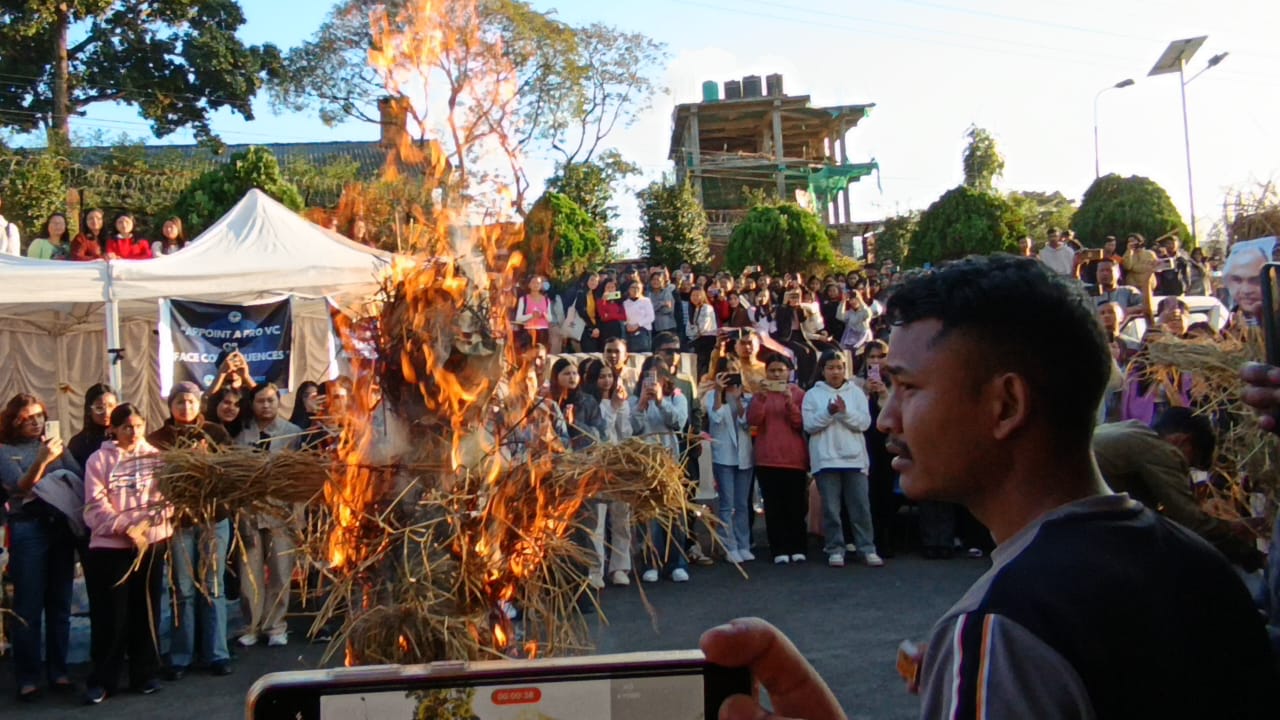
    Shillong, Meghalaya — In a fervent call for change, students at North Eastern Hill University (NEHU) have entered the fourth day of an indefinite hunger strike, demanding a sweeping overhaul in university leadership. The protest, which started as a sit-in, has now intensified into a full-scale demonstration involving nearly 5,000 students and faculty members, who say their pleas for action against Vice-Chancellor PS Shukla and his administration have long been ignored. The crisis has drawn the attention of Meghalaya Governor CH Vijayashankar, who has met with university representatives to discuss a resolution.

    The hunger strike, organized by the North-Eastern Hill University Students' Union (NEHUSU), has disrupted campus life and placed NEHU in the national spotlight. Protesters are not only calling for the Vice-Chancellor’s removal but also for the dismissal of the university’s Registrar and Deputy Registrar, whom students and faculty alike claim have failed to uphold their duties. Effigies of the officials were burned outside the Vice-Chancellor’s office earlier this week, symbolizing what students describe as the “decay” of NEHU’s administration.

    “This strike is not just about us; it’s about future generations who deserve a better system,” says Arun Tamang, a third-year student participating in the hunger strike. “We are willing to risk our health because we believe this is the only way our voices will be heard.”

    Amid growing concerns for the students’ health, Governor Vijayashankar, who also serves as NEHU’s chief rector, expressed his support for a peaceful resolution. He encouraged students to prioritize their well-being while urging university leaders to address their grievances swiftly. “It is disheartening to see students sacrificing their health for change,” the Governor remarked. “I urge all parties to consider dialogue as the first step toward reconciliation.” He has called on NEHU’s faculty and administrative staff to submit recommendations to help bring the crisis to a close.

    While the Governor’s involvement is a promising development, the protesters remain skeptical. Prof. Lakhon Kma, President of the North Eastern Hill University Teachers' Association (NEHUTA), confirmed that faculty members have joined the students in their demands for leadership change. “This is not just about students; it’s about restoring faith in our institution. The leadership has eroded that trust, and we believe only their resignation can start the healing process,” said Prof. Kma.

    One of the primary demands involves appointing a Pro Vice-Chancellor for NEHU’s Tura campus, a position that has remained vacant for years, leading to alleged neglect of resources and academic support for students in Tura. In response, Vice-Chancellor Shukla has announced that a pro-VC appointment will be made by the end of the month. “We are working within university ordinances to address these issues, and I urge students to engage in a constructive dialogue,” Shukla said in a statement, directly appealing to students to end their hunger strike.

    Shukla’s appeal, however, has largely fallen on deaf ears as student leaders maintain that dialogue is insufficient after years of unmet promises. “We’ve tried dialogue. Now we need change,” says Amina Pariat, a NEHUSU representative. She notes that the lack of accountability has left students feeling unsupported, leading them to take these drastic measures.

    The strike has drawn solidarity from across Meghalaya, with local communities, alumni, and activists joining the call for reform. Arjun Bora, a prominent Shillong-based activist, commented, “If NEHU doesn’t address this crisis, it could become a blueprint for student movements across India. Higher education institutions must be held accountable.”

    The unfolding crisis at NEHU has prompted educators nationwide to consider the broader implications for India’s academic institutions. Education analysts warn that if NEHU’s leadership fails to address the grievances, the university’s reputation as a prominent educational institution in the northeast could suffer, deterring prospective students and damaging Meghalaya’s standing as an educational hub.

    As NEHU students continue their hunger strike, the outcome remains uncertain. For students like Arun and Amina, however, the stakes are clear. “We’re not just asking for leadership change,” says Amina. “We’re fighting for the future of our university.”

    …
  • hostinger
    No records found.
Error: Invalid API key. Please see https://openweathermap.org/faq#error401 for more info.