Breaking News

Maha Kumbh 2025: Over 6.2 Million Devotees Take Holy Dip at Sangam on Basant Panchami’s Final ‘Amrit Snan’
RRB ALP 2025: City Intimation Slip Released, Exam Dates Announced

  • Facebook
  • X
  • LinkedIn
  • Youtube
  • Instagram
  • Whatsapp
  • Login
  • Advertisie with Us
My India Times My India Times News

My India Times News

  • ℃
  •   
  • Login
My India Times Logo
Billingezy
  • Home
  • India
    • India
    • Andhra Pradesh
    • Arunachal Pradesh
    • Assam
    • Bihar
    • Chhattisgarh
    • Goa
    • Gujarat
    • Haryana
    • Himachal Pradesh
    • Jharkhand
    • Karnataka
    • Kerala
    • Madhya Pradesh
    • Maharashtra
    • Manipur
    • Meghalaya
    • Mizoram
    • Nagaland
    • Odisha
    • Punjab
    • Rajasthan
    • Sikkim
    • Tamil Nadu
    • Telangana
    • Tripura
    • Uttar Pradesh
    • Uttarakhand
    • West Bengal
    • Andaman and Nicobar Islands
    • Chandigarh
    • Dadra and Nagar Haveli and Daman and Diu
    • Delhi
    • Lakshadweep
    • Ladakh
    • Jammu and Kashmir
    • Puducherry
  • World
  • Crime
  • Interactive Maps
  • Business
  • Technology
  • Education
  • Health Care
  • Chemical
  • Top Stories
  • Entertainment
    • Entertainment
    • Bollywood
    • Web Series
    • Film-Review
    • South Movies
  • Agriculture
  • Religion
    • Religion
    • Festivals
    • Video
    • Astrology
    • Stories
  • Sports
    • Sports
    • Upcoming Match
    • Cricket
    • Hockey
    • Olympic
    • IPL
  • Election
  • Calculators
  • Travel
  • Awareness
  • Universe
    • Earth
    • Ocean
    • Space
  • Home
  • India
    • Uttar Pradesh
    • Delhi
    • Punjab
    • Rajasthan
    • Uttarakhand
    • Bihar
    • Jharkhand
    • Madhya Pradesh
    • Haryana
    • Himachal Pradesh
    • West Bengal
    • Telangana
    • Jammu & Kashmir
    • Andhra Pradesh
    • Arunachal Pradesh
    • Assam
    • Chhattisgarh
    • Goa
    • Gujarat
    • Karnataka
    • Kerala
    • Manipur
    • Meghalaya
    • Maharashtra
    • Nagaland
    • Odisha
    • Sikkim
    • Tamil Nadu
    • Andaman & Nicobar
    • Chandigarh
    • Ladakh
    • Lakshadweep
    • Puducherry
    • Dadra & Nagar Haveli and Daman & diu
    • Tripura
    • Mizoram
  • World
  • Crime
  • Crime Map
  • Business
  • Technology
    Playing GIF
  • Education
    Playing GIF
  • Health Care
  • Travel
  • Calculators
  • Awareness
  • Universe
    • Earth
    • Space
    • Ocean
  • More
    • Chemical
    • Entertainment
      • TV
      • Bollywood
      • Web Series
      • Flim Review Hot
      • South Movies
    • Agricluture
    • Top Stories
    • Religion
      • Festivals
      • Video
      • Astrology
      • Stories
    • Election
    • Sports
      • Upcoming Match Hot
      • Cricket
      • Hockey
      • Olympic
      • IPL
  •   ℃
  •   
Madhya Pradesh
2025-05-06

Principal and Librarian Fight in Madhya Pradesh School Goes Viral: Both Removed After Shocking Incident

In a disturbing turn of events, a government school in Madhya Pradesh's Khargone district became the center of nationwide attention after a video showing a physical fight between the school’s principal and librarian went viral on social media. The two women were seen slapping, pulling each other’s hair, and yelling at one another in front of shocked teachers and students. The altercation occurred at the Government Eklavya Adarsh Awasiya Vidyalaya, a residential school for tribal students, and has sparked serious questions about decorum and discipline in educational institutions.

Fight Breaks Out Over Book Distribution Task

According to reports, the incident took place on Saturday during a disagreement between Principal Praveen Dahiya and librarian Madhu Rani regarding the division of responsibilities—specifically, who would distribute books to the students. The argument reportedly started when the librarian questioned the principal’s instructions, claiming she was being overburdened with tasks outside her official duties. The principal, allegedly offended by the resistance, responded sharply.

As the verbal spat intensified, librarian Madhu Rani began recording the interaction on her mobile phone, possibly as a form of documentation or self-defense. This act enraged the principal, who attempted to snatch the phone. What followed was an unprecedented and shocking scene inside the school premises.

Viral Video Shows Shocking Behavior From Educators

The video, filmed by other staff members present at the scene, captures the moment when Principal Dahiya lunges at Madhu Rani, slaps her across the face, and throws her mobile phone to the ground, shattering it. In retaliation, the librarian shouts, “How dare you touch me and break my phone!” and slaps the principal back. The two can then be seen physically struggling—pushing, slapping, and grabbing each other’s hair—while other teachers try to intervene.

The incident took place in a school hallway and was seen by several students and staff members. The video quickly started popping up all over social media and even made its way onto local news channels, which sparked a lot of criticism from the public and school officials alike.
 

Immediate Action Taken: Both Removed Pending Inquiry

In response to the viral incident and public outrage, the District Education Office in Khargone took immediate action. Both the principal and the librarian were relieved of their duties with immediate effect. An official inquiry has been launched to determine the cause of the fight and whether any further disciplinary or legal action needs to be taken.

District Education Officer (DEO) Rajendra Vyas told media outlets that such behavior from senior teaching staff is completely unacceptable. “We have zero tolerance for such unprofessional conduct, especially inside a school campus. A detailed inquiry has been initiated, and both individuals have been removed from their posts until the investigation is complete,” he said.

Public and Parental Outrage Over ‘Shameful’ Conduct

The video has triggered a wave of anger among parents and community members, many of whom rely on the Eklavya school system for quality education for their tribal children. “If our children see their teachers and principals behaving like this, what kind of discipline will they learn?” questioned Ramesh Patel, a parent of a student at the school.

Social media users condemned the behavior, with many calling it “shameful,” “unbecoming of educators,” and “a failure of the school system.” The video has garnered thousands of views and comments within hours of surfacing, with hashtags like #TeacherFight and #SchoolBrawl trending locally.

Raises Questions on Professional Conduct in Education Sector

This is not the first time educators have made headlines for the wrong reasons, but such a public and violent confrontation between two female staff members is rare. Education experts say the incident highlights a deeper issue of lack of conflict resolution mechanisms and stress management in government schools.

“Teachers and administrators are under increasing pressure, and without proper training or support systems, such confrontations are bound to happen,” said Dr. Alka Sharma, an education consultant based in Bhopal. “But physical violence can never be justified, especially from authority figures in schools.”

Call for Training and Conflict Resolution Programs

In the aftermath of the incident, educational authorities in Madhya Pradesh are considering introducing mandatory conflict resolution training for school staff to help prevent such episodes in the future. Many have suggested that every school must have a clear grievance redressal system where disagreements can be resolved professionally.

“This is a wake-up call,” said DEO Vyas. “We must ensure our teachers are not only academically qualified but also emotionally and professionally equipped to handle pressure and disagreements.”

Conclusion: A Cautionary Tale for School Administrators Across India

The brawl between Principal Praveen Dahiya and Librarian Madhu Rani will likely be remembered as a cautionary tale of how unresolved workplace tensions can spiral out of control. More than just a viral moment, it has become a symbol of the urgent need for reform in how school staff interact and resolve their issues. While disciplinary action is underway, the larger conversation about teacher training, professional ethics, and mental well-being in India’s schools has only just begun.

Madhya Pradesh
2025-04-14

First Action Under Waqf Act: Illegal Madrasa Demolished in Madhya Pradesh's Panna

In a major move under the Waqf Act, the administration in Panna district, Madhya Pradesh, has demolished an illegally constructed madrasa built on government land. This madrasa was located in BD Colony, one of the prime areas of the town. Despite several complaints from locals over the years, no significant action had been taken until recently when a formal complaint reached BJP State President Vishnu Dutt Sharma, prompting swift government intervention.

Authorities Spring Into Action After Formal Complaint

According to sources, the BJP leadership received a serious complaint stating that government land was being misused under the cover of a madrasa, with suspicions of unlawful activities being carried out. Following this, the local administration acted immediately, verifying the claims and issuing demolition orders without delay. This action has sent a strong message that the government will not tolerate illegal encroachments or suspicious activities on public land.

Role of the Waqf Board in Highlighting the Issue

Abdul Hameed, the District President of the Waqf Board and the original complainant, revealed that the madrasa was operated by Abdul Rauf Qadri, an outsider who had allegedly occupied the land illegally. Hameed asserted, "It was not merely an unauthorized structure, but a hotspot for suspicious activities. The action was long overdue and necessary for maintaining order." His persistent efforts finally resulted in the government taking strict action.

Builders Begin Demolition Themselves

After receiving official notices from the administration, those responsible for the illegal construction started dismantling the madrasa voluntarily. They decided not to talk to the media or release any official statements about what happened. Some folks at the scene shared some unverified claims trying to defend the situation while the demolition was happening, but the administration made sure everything stayed calm and orderly.

Strict Warning from the Administration

Sub-Divisional Magistrate (SDM) Sanjay Nagvanshi stated, "Upon receiving directives from higher authorities, we acted promptly. Despite numerous previous complaints, the issue was only prioritized after it was escalated to the state leadership. We are now taking measures to secure the government land to prevent future encroachments."

He further emphasized that the administration will continue strict monitoring across the district to ensure that no illegal structures are allowed to thrive on public property.

State-Wide Survey of Madrasas Underway

This action in Panna is not an isolated case. Recently, the Madhya Pradesh government initiated a state-wide inspection of 1,677 madrasas. According to Education Minister Uday Pratap Singh, madrasas that do not comply with government regulations or are found engaging in any suspicious activities will lose their registration. Already, the registrations of 61 madrasas have been canceled. This comprehensive check aims to ensure transparency, proper use of educational institutions, and the safeguarding of public property.

Mixed Reactions from the Local Community

The demolition of the illegal madrasa has evoked mixed responses from the residents of Panna. While many locals have welcomed the move, appreciating the government’s firm stance against land encroachment, some expressed concerns that such actions might lead to communal tension. However, the authorities have clarified that the operation was carried out strictly according to legal procedures and without targeting any specific community.

Madhya Pradesh
2025-03-31

Ban on Meat Sale During Navratri in Maihar, Bhopal, and Indore

The administration of Maihar, a town in Madhya Pradesh's Satna district, has imposed a complete ban on the sale of meat, fish, and eggs during the nine-day Sharadiya Navratri festival. This decision has been taken to respect religious sentiments and maintain the sanctity of the festival. The ban will be in effect from October 3 to October 12 (midnight), and authorities have been directed to strictly enforce it. Violators of this order will face legal action under Section 188 of the Indian Penal Code (IPC) as per the Criminal Procedure Code (CrPC) Section 144, which restricts activities that could disrupt public peace and religious observances.


Significance of Navratri and the Ban

Navratri is a sacred festival celebrated with devotion and enthusiasm across India. It is dedicated to Goddess Durga, and devotees observe fasting, perform special prayers, and follow a sattvic (pure) diet during these nine days. In Hindu tradition, consuming non-vegetarian food, including meat, fish, and eggs, is considered impure during religious observances. The restriction on the sale of non-vegetarian food ensures a spiritually pure environment for devotees visiting the famous Maa Sharda Temple in Maihar, one of the Shakti Peethas in India.


Why the Ban is Important in Maihar?

The Maa Sharda Temple is a major religious site, attracting millions of devotees from different parts of the country, especially during Navratri. Devotees undertake long pilgrimages, climb the temple hill, and participate in religious rituals with full faith and devotion. The presence of meat and other non-vegetarian food items in the vicinity of the temple is often seen as a disruption to the spiritual atmosphere. Given the high footfall of pilgrims, the administration has decided to ban the sale of meat and eggs to ensure that devotees can observe their religious practices without any distractions.


Implementation of the Ban and Public Reaction

The local administration, along with law enforcement agencies, has been tasked with implementing this order. Strict monitoring will be carried out to prevent any violations. Authorities have also engaged with local meat traders and vendors to inform them about the importance of this decision and request their cooperation.

While some meat sellers have expressed concerns about their loss of livelihood during this period, many have agreed to respect the religious sentiments of the devotees and follow the order voluntarily.


Support and Opposition from the Local Community

The decision has been met with mixed reactions. Many residents and temple-goers support the ban, considering it necessary to maintain the sanctity of the temple and the festival. They believe that since Navratri is a time for devotion and purification, prohibiting non-vegetarian food during this period is a step in the right direction.

On the other hand, some traders have voiced concerns about the financial losses they may incur due to the restrictions. However, in towns like Maihar, where religious tourism is a major economic driver, community support for such measures is generally strong.


Temple Committee’s Decision to Ban VIP Darshan

Apart from the meat ban, the Maa Sharda Temple Management Committee has also taken another significant decision. To ensure fair access to all devotees, the temple authorities have banned VIP Darshan during Navratri. This means that no special privileges will be granted to any individuals, and all devotees will have to follow the same queue system for darshan. This decision has been widely appreciated by devotees, as it promotes equality and inclusivity in religious practices.


Other Preparations for Navratri in Maihar

The administration has also made other necessary arrangements to handle the large crowds expected during Navratri.

Special police personnel will be deployed to manage security and crowd control, ensuring a smooth and safe experience for devotees.

Cleanliness and sanitation measures around the temple and town have also been intensified, given the large number of visitors.


Meat Ban in Other Cities: Bhopal and Indore

Similar restrictions on meat sales have been observed in other parts of Madhya Pradesh, including Bhopal and Indore, where local municipal bodies have announced a temporary ban on meat sales in certain areas during Navratri. This trend reflects the growing awareness and respect for religious sentiments among different state administrations.


Why is Meat Consumption Avoided During Navratri?

The nine-day Navratri festival is one of the most significant celebrations in Hinduism. Each day is dedicated to worshipping a different form of Maa Durga, and the festival concludes with Kanya Pujan and other auspicious rituals.

Devotees abstain from tamasic foods, including garlic, onion, alcohol, and non-vegetarian items, as they are believed to disturb spiritual discipline and purity. Following a strict vegetarian diet, offering prayers, and practicing self-discipline during these days are considered ways to attain divine blessings and inner purification.

Madhya Pradesh
2025-02-17

Surge in Traffic at Madhya Pradesh-Uttar Pradesh Border as Devotees Flock to Prayagraj

The number of vehicles heading towards Prayagraj for Maha Kumbh 2025 has significantly increased, particularly at the Chakghat border in Madhya Pradesh's Rewa district. Officials report that nearly 1,000 vehicles per hour are moving towards Prayagraj in Uttar Pradesh, while around 800 vehicles per hour are returning.

Prayagraj, which is 45 kilometers from the Chakghat border, is experiencing a continuous flow of devotees. The administration has ramped up efforts to ensure smooth traffic movement and prevent congestion on the major connecting routes.

First Parking Facility Set Up Near Madhya Pradesh-Uttar Pradesh Border

To manage the heavy influx of vehicles, officials have established the first designated parking area for Maha Kumbh-bound pilgrims just six kilometers from the Chakghat border in Uttar Pradesh. These "holding areas" serve as waiting zones, where vehicles can halt before entering the main pilgrimage site.

Furthermore, dedicated assistance centers have been established at strategic locations to provide pilgrims with guidance, transportation options, and emergency support. The administration is committed to mitigating traffic congestion and facilitating a smooth travel experience for worshippers.
 

Traffic Volume Increases on National Highway 30

The surge in pilgrims has resulted in a significant increase in vehicle movement on National Highway 30, the primary route connecting Madhya Pradesh to Prayagraj. The weekend rush has further escalated traffic, as more devotees prefer to travel on holidays to participate in the religious gathering.

According to Inspector General of Police, Rewa Range, Saket Prakash Pandey, authorities are actively monitoring the situation. “As of now, we are not stopping vehicles at Bela, Gangev, and Chakghat holding points, but the police and administration are on high alert,” he stated.

Despite the increased traffic, officials confirm that no major traffic jams have occurred so far, though crowd management measures are being strictly enforced.

Prayagraj Declared a No-Vehicle Zone

To accommodate the massive footfall, the Maha Kumbh fairgrounds and Prayagraj city have been declared no-vehicle zones. This means that vehicles will not be allowed inside the main pilgrimage area, and devotees will need to park at designated zones and use shuttle services, rickshaws, or walk to reach the sacred Sangam.

Authorities have implemented special traffic diversion plans to regulate vehicle movement and avoid congestion in and around the Maha Kumbh site.

Police and Administration on High Alert

With the rising number of pilgrims, law enforcement agencies have intensified their efforts to manage traffic and ensure public safety. According to Sub Divisional Officer of Police (SDOP) Udit Mishra, additional police personnel have been deployed at crucial points to monitor the situation.

“The number of vehicles heading toward Prayagraj has significantly increased due to the weekend rush, but we have made the necessary arrangements. Holding areas have been improved, and help centers have been enhanced to assist devotees,” said Mishra.

To further streamline traffic management, additional holding areas have been set up in Maihar, Katni, and Satna districts of Madhya Pradesh, allowing authorities to control the flow of vehicles before they reach Prayagraj.

Lessons from Past Traffic Jams

Earlier this month, the 250-kilometer stretch from Katni to the Uttar Pradesh border experienced heavy traffic congestion due to the influx of pilgrims. This prompted officials to revise their traffic management strategy and implement new measures to prevent similar issues.

Authorities have now introduced strict vehicle regulations, alternative routes, and designated parking zones to ensure that Maha Kumbh-bound devotees face minimal travel disruptions.

The World's Largest Religious Gathering

The Maha Kumbh Mela, which commenced on January 13, 2025, and will conclude on February 26, 2025, is one of the largest spiritual gatherings in the world. Millions of devotees participate in the event to take a holy dip in the Ganges at Prayagraj, which is believed to cleanse sins and lead to spiritual liberation.

Madhya Pradesh
2025-02-17

Heartbreaking Tragedy in Madhya Pradesh: Groom Dies During Wedding Procession

In a devastating incident on Friday night, Pradeep Jat, a groom in Sheopur city, Madhya Pradesh, collapsed and passed away during his wedding procession. Known for his involvement as the former district president of the National Student Union of India (NSUI), Pradeep was reportedly in good health before the tragedy struck. His untimely death has left the community in shock and grief, as what should have been a joyous occasion turned into a moment of heartbreak.


A Joyous Occasion Turns Into Tragedy

The wedding procession, a cherished tradition in many Indian weddings, took place at Jat Hostel in Sheopur. Pradeep, riding a beautifully decorated horse, was surrounded by family, friends, and well-wishers, all celebrating the momentous event. The groom's arrival represents a significant cultural tradition, where he is ceremoniously escorted to the bride's residence, frequently mounted on a horse, accompanied by jubilant cheers, music, and festive celebrations.

However, as the procession continued, something unexpected happened. Pradeep suddenly lost control of the horse and, moments later, collapsed to the ground. The entire scene was captured in a viral video, where Pradeep appeared to faint before he fell, and a man rushed to catch him. While others tried to help him regain his balance, it was too late.


The Immediate Response and Tragic Outcome

As Pradeep was helped off the horse, the crowd gathered around him, visibly distressed. Despite the best efforts of those around him, Pradeep was quickly rushed to Sheopur District Hospital. Unfortunately, he was declared dead on arrival.

Before the collapse, witnesses stated that Pradeep had briefly dismounted the horse to join the crowd in a celebratory dance, a common tradition in wedding processions. He had been happily interacting with family and friends, unaware of the medical emergency that was about to unfold. It is suspected that Pradeep may have suffered a heart attack, but the post-mortem examination will confirm the exact cause of death.


A Shocking Health Tragedy: Heart Attack Suspected

Although the precise cause of Pradeep’s death is yet to be confirmed, it is believed that he suffered a heart attack. Heart attacks can occur suddenly, even in individuals who seem otherwise healthy, and often without warning signs. While Pradeep had no prior health complaints that were publicly known, the stress and excitement of his wedding day, combined with the physical exertion of participating in the procession, may have triggered the fatal event.

This tragedy highlights the importance of regular health check-ups and being mindful of one’s physical well-being, especially in high-stress situations like weddings. For many, this will be a stark reminder that heart attacks can happen at any time, often without any warning.


Another Sudden Loss: A Similar Incident in Indore

This unfortunate event in Sheopur is not an isolated case. Earlier this week, another tragic loss occurred in Indore, Madhya Pradesh, when Parinita Jain, a 23-year-old woman, collapsed and died shortly after dancing at her cousin’s wedding. She was reportedly performing to the Bollywood hit “Sharara Sharara,” but tragically collapsed right after. These two incidents occurring in such a short span highlight a hidden danger — the unforeseen health risks that can occur during emotionally intense and physically demanding events like weddings.

Both tragedies serve as a reminder of how fragile life can be, even during moments that are meant to be full of joy and celebration.


The Emotional Toll of Sudden Tragedy on a Wedding

Weddings are among the most joyous and eagerly anticipated moments in a person’s life. Family, friends, and loved ones come together to celebrate the union of two individuals, and the festivities are usually filled with music, dance, and tradition. However, as demonstrated by this incident, sudden tragedies can cast a shadow on what is supposed to be a day of happiness.

For Pradeep Jat’s family and the guests at his wedding, the shock of his collapse turned the celebration into mourning. The sight of a groom collapsing during his wedding procession will likely leave an emotional scar on everyone who witnessed it. What was meant to be a night of celebration became one of sorrow, as Pradeep’s sudden death has left a void in the hearts of those who knew him.


 Physical and Emotional Strain During Weddings

Weddings are not only emotionally taxing but can also be physically demanding. The excitement, combined with the social interactions, dancing, and long hours of celebration, can sometimes put a strain on one’s health. For many, this event serves as a reminder that it is important to take health seriously, even during happy and busy occasions.

Although many weddings can be physically intense, the overwhelming emotional stress, as well as a lack of attention to one’s health, can sometimes lead to unexpected consequences. This is especially true for individuals with underlying health conditions, who may not always show symptoms of heart problems or other medical issues until it is too late.


The Importance of Health Awareness: Taking Precautions

While Pradeep’s tragic death cannot be undone, it serves as a wake-up call for others. Heart disease is a leading cause of death worldwide, and the emotional and physical strain of major events like weddings can be triggers for heart-related issues.

It is important to remember that regular check-ups, staying hydrated, and being mindful of stress levels can all contribute to better overall health and potentially prevent similar incidents. Furthermore, maintaining mental well-being and ensuring that those attending major events are in good health is crucial for everyone involved.


The Lasting Impact of Pradeep Jat’s Death

Pradeep Jat’s untimely passing leaves a void not just in the hearts of his family and friends, but also in the community. He had been an active figure in local politics and had earned the respect of many during his time as the district president of NSUI. His contributions, especially in political spheres, will be remembered by those who knew him.

As the post-mortem results are awaited, the family is left grieving the loss of a beloved son, friend, and partner. The emotional toll of this tragedy is still being felt throughout Sheopur, and this will be a story that resonates for years to come.

Madhya Pradesh
2025-02-17

Madhya Pradesh’s New Excise Policy: Shaping the Future of Liquor Consumption and Religious Area Restrictions

Madhya Pradesh, a state recognized for its rich cultural heritage and diverse religious practices, has recently unveiled a progressive excise policy for 2025-26 aimed at overseeing the sale and consumption of alcoholic beverages within the state. This new policy incorporates several notable modifications, including the prohibition of liquor shops in areas of religious significance, the establishment of a new category for low-alcohol beverages, and stringent regulations governing liquor licensing. Through these initiatives, the state government intends to harmonize contemporary commercial interests with a deep respect for sacred traditions and religious sentiments.


 A Bold Step towards Protecting Spiritual Spaces

In a major development, the Madhya Pradesh cabinet has approved a plan to close liquor shops in several key religious areas starting from April 1, 2025. The regions encompass sacred sites such as Ujjain, Omkareshwar, Maheshwar, Mandleshwar, Orchha, Maihar, among others that possess considerable religious significance. By implementing this restriction, the state government intends to preserve the holiness of these esteemed locations and respond to the sentiments of millions of religious tourists and devotees who frequent them annually.

The move has been hailed as a step towards preserving spiritual values, especially in areas that attract large numbers of pilgrims. According to the new policy, from the beginning of the next fiscal year, no new liquor licenses will be granted in these religious zones, and the existing shops will be phased out. This initiative marks a clear stance on promoting faith-based tourism and preserving the essence of these sacred locales.


Changing the Dynamics of Alcohol Consumption

A key highlight of the new excise policy is the introduction of the ‘Low Alcoholic Beverage Bar’ category. This move has opened up new avenues for socializing and drinking in a more controlled and responsible manner. Under this new licensing system, bars will be allowed to serve beer, wine, and ready-to-drink alcoholic beverages with a maximum alcohol content of 10% V/V (volume on volume). However, hard spirits like whiskey, rum, or vodka will remain strictly prohibited in these establishments.

This innovative policy is expected to cater to the growing demand for milder alcoholic beverages in a more relaxed environment. With a rising preference for wine and beer culture, the introduction of these bars will not only create new business opportunities but also encourage more responsible drinking. As the policy restricts high-alcohol content drinks, it aims to ensure public health and safety while allowing people to enjoy alcoholic beverages in moderation.


Impact on Local Communities and Tribal Culture

The new policy also brings a positive shift for tribal communities in Madhya Pradesh. To promote local culture and heritage, the state has decided to allow the sale of wine and heritage liquors through licensed outlets, including airports. This initiative is expected to provide an economic boost to local tribal artisans and encourage the preservation of traditional brewing and distillation methods. Tribal communities often possess knowledge of age-old fermentation techniques, and this policy allows them to showcase their unique heritage liquors to a broader audience.

Additionally, the sale of these indigenous beverages will be regulated through authorized wine outlets, ensuring that tribal communities benefit from the policy without compromising on quality or safety standards. By incorporating local cultures into the broader alcohol industry, the policy is a win-win for both traditional communities and the tourism sector.


District-Level Liquor Store Management and Relocation

Another significant aspect of the excise policy is the introduction of a District Disposal Committee that will be responsible for managing the relocation of liquor stores across the state. This committee will assess potential locations for new liquor stores, set reserve prices, and oversee the establishment or reorganization of liquor outlets. District collectors will also play a critical role in the administration of liquor stores in new districts, which will allow for better regulation and oversight.

The relocation of stores is part of a larger effort to streamline the alcohol distribution system in Madhya Pradesh and prevent the clustering of shops in sensitive or densely populated areas. By managing the distribution more effectively, the state aims to reduce illegal alcohol trade and ensure the responsible sale of liquor.


License Renewals and Regulatory Measures

As part of the new policy, the liquor shop renewal fees for the fiscal year 2025-26 have been increased by 20% compared to the previous year. This fee hike is intended to reflect the rising costs of administration and the need for more stringent monitoring. Additionally, current license holders will have the first opportunity to renew their licenses for the upcoming year. Afterward, the state will allow a lottery-based application process for new applicants.

Moreover, all liquor stores will now be required to install Point of Sale (POS) machines and adhere to strict billing practices. Excise Adhesive Labels (EAL) on liquor bottles must be scanned for each transaction, ensuring transparency and traceability in the sale of alcoholic beverages. To further improve the security of alcohol distribution, foreign liquor stores will be converted into smart warehouses, equipped with biometric e-locks to prevent unauthorized access and tampering.


Enhancing the Travel Experience

The policy also includes provisions for foreign liquor outlets at key airports in the state, including those in Bhopal, Indore, Jabalpur, and Gwalior. Each airport will be allowed to have only one outlet at each arrival and departure gate, ensuring orderly operations and controlled access to liquor for passengers. The introduction of liquor sales at airports will cater to both domestic and international travelers, adding a convenient option for those wishing to purchase alcohol while traveling.

Moreover, commercial events that charge admission fees will be subject to a special liquor license fee, which will depend on the number of participants. This additional licensing system aims to regulate alcohol consumption at large events and festivals, ensuring that alcohol is sold responsibly and within the limits set by the authorities.

Madhya Pradesh
2025-02-17

Vulture Census Begins Today in the Tiger State: Why These Birds Are Essential for Humans

India is home to a significant portion of the world’s tiger population, and conservation efforts over the past few decades have yielded some positive results. The population of tigers in India has increased due to various conservation programs like Project Tiger, but this success is not without its challenges. Despite the significant progress made in recent years, tigers continue to face numerous threats, including habitat degradation, illegal poaching, and conflicts with human populations. These challenges could jeopardize the extensive efforts dedicated to the conservation of these magnificent creatures.

Habitat Preservation and Fragmentation

A vital component of tiger conservation is the safeguarding of their natural habitats. India has been proactively engaged in the establishment of tiger reserves; however, these initiatives encounter significant challenges due to deforestation and land encroachment for agricultural purposes. As forests are cleared to accommodate human populations, the subsequent fragmentation of habitats markedly impacts tiger populations. Tigers require large territories to roam freely, hunt, and establish their territory. If these territories are disrupted or too fragmented, their survival becomes uncertain. Experts emphasize the need for connecting isolated forests through wildlife corridors to allow tigers to safely move between habitats.

Poaching and Illegal Wildlife Trade

Poaching remains one of the largest threats to tiger populations in India. The illicit trade in tiger body parts, encompassing skins, bones, and organs, perpetuates illegal poaching, irrespective of the strict regulations enacted to safeguard these majestic animals. The worldwide demand for tiger components, particularly within traditional medicine practices, renders them extremely attractive to poachers. In response, enhanced law enforcement initiatives, including the deployment of advanced technologies like camera traps and drones, have been introduced in tiger reserves. Furthermore, community involvement and educational programs are essential in fostering a protective atmosphere for tigers.

Human-Wildlife Conflict and Coexistence

The increase in human-wildlife conflict presents a significant challenge for tiger conservation. As human populations expand, tigers are increasingly drawn into agricultural regions, resulting in heightened conflict. Instances of tigers attacking livestock often provoke retaliatory actions from local farmers. This conflict not only threatens the tiger population but also creates a tense relationship between wildlife conservationists and the local community. The solution lies in creating buffer zones, where humans and wildlife can coexist safely. Measures like livestock enclosures, compensation for lost animals, and awareness campaigns are crucial in alleviating human-wildlife conflict.

Tiger Monitoring and Population Data

Monitoring tiger populations through national surveys is essential in understanding the dynamics of their numbers and overall health. The annual tiger census provides valuable data on the distribution, population, and behavior of tigers. This data helps conservationists gauge the effectiveness of current strategies and adjust them accordingly. It also helps identify areas of high tiger activity, which can be further protected or restored. Additionally, monitoring allows for early intervention in areas where tiger numbers are declining.

Ecological Impact of Tiger Conservation

Tigers play a critical role in maintaining ecological balance. As apex predators, they regulate the populations of herbivores, preventing overgrazing that could otherwise harm plant life. This, in turn, ensures the health of entire ecosystems. The conservation of tigers is not only about saving one species but also about protecting the broader ecosystem that they inhabit. Healthy tiger populations contribute to the vitality of forests, making tiger conservation a critical part of maintaining biodiversity in India.


The Future of Elephants in India

Elephants are an iconic species in India, and the country is home to around 60% of the global Asian elephant population. However, the species faces various threats, including habitat loss, poaching, and human-elephant conflict. Elephants play an essential role in maintaining ecological balance by shaping the environment, dispersing seeds, and helping to maintain the integrity of forests and grasslands. Conservationists are working hard to ensure the survival of elephants by addressing the challenges they face and strengthening conservation efforts across the country.

The Threat of Habitat Loss and Human-Elephant Conflict

The loss of elephant habitats due to deforestation and land conversion for agriculture has led to an increase in human-elephant conflict. Elephants, in search of food and water, often wander into human settlements, leading to crop destruction and sometimes injuries or fatalities. This conflict results in a negative perception of elephants among local communities. However, conservationists have been focusing on creating wildlife corridors that allow elephants to travel safely without coming into conflict with people. These corridors not only protect elephants but also help maintain healthy ecosystems by allowing for the free movement of wildlife.

Combating Poaching and the Ivory Trade

Poaching for ivory remains one of the biggest threats to elephants. Although international trade in ivory has been banned, illegal poaching persists in some areas, often driven by the high demand for ivory. Efforts to curb poaching include the strengthening of anti-poaching laws, training of local wildlife rangers, and the use of technology for monitoring elephant populations. Increased cooperation between law enforcement agencies and conservation organizations has helped reduce poaching, but there is still much work to be done to protect these animals.

Reducing Human-Elephant Conflict

Reducing human-elephant conflict requires a multi-pronged approach. One successful strategy involves the use of electric fences, trenches, and other physical barriers to keep elephants away from agricultural areas. Additionally, local communities are being trained to handle elephants safely, and compensation schemes for crop damage have been introduced to reduce retaliation against elephants. Education programs aimed at fostering a positive relationship between people and elephants are helping build understanding and promote peaceful coexistence.

The Importance of Elephant Monitoring Programs

Monitoring elephant populations is crucial to understanding the health and movement patterns of these animals. The data gathered through satellite tracking, camera traps, and field surveys helps conservationists make informed decisions regarding elephant conservation. It also helps in the identification of critical habitats that need additional protection. Monitoring allows for targeted efforts to prevent conflicts and to ensure that the elephants’ habitat remains intact.

Ecological Role of Elephants

Elephants are considered keystone species, meaning that their actions help shape the ecosystem in profound ways. Through activities such as uprooting trees and digging waterholes, elephants create spaces for other species to thrive. They are also critical seed dispersers, helping to regenerate forests and maintain biodiversity. Protecting elephants means preserving the ecosystem services they provide, which benefits not just other wildlife, but human communities as well.

Madhya Pradesh
2025-02-17

Madhya Pradesh Weather Update: Rising Temperatures But Major Change Expected Soon

Madhya Pradesh is experiencing a sudden rise in temperatures, with both daytime and nighttime temperatures soaring over the past few days. However, meteorologists predict a major shift in weather conditions as a new Western Disturbance is set to impact the region.


Current Weather Conditions in Madhya Pradesh

Over the past 24 hours, multiple cities in the state have reported a temperature surge. The heatwave-like conditions are particularly noticeable in key districts such as Bhopal, Indore, Gwalior, Jabalpur, and Ujjain.

City-Wise Temperature Updates:

Bhopal: 31.8°C (Max) | 14.4°C (Min)

Indore: 30.3°C (Max) | 16.5°C (Min)

Gwalior: 30°C (Max) | 13.3°C (Min)

Jabalpur: 32°C (Max) | 13°C (Min)

Ujjain: 31.5°C (Max) | 14.1°C (Min)

The sudden rise in temperature can be attributed to the absence of any active weather system, which has allowed dry and warm winds to dominate the region.


Why Is the Temperature Rising?

According to meteorologists, the increasing temperature is due to the weakening of cold winds from the north. With the previous Western Disturbance fading, clear skies and prolonged sunshine have resulted in warmer days and slightly milder nights.

However, experts predict that these warm conditions will be short-lived as a fresh Western Disturbance is likely to impact Madhya Pradesh in the coming days.


Weather Change Expected from February 18

According to meteorologists, the upcoming weather change is expected due to the influence of a new Western Disturbance over the western Himalayas. The system will begin impacting Madhya Pradesh from February 18 onwards, leading to a significant drop in temperatures.

With the approach of this disturbance, the region may experience cloudy skies, stronger winds, and a dip in both daytime and nighttime temperatures. Some areas, particularly in the northern and central districts, might also witness light showers or drizzles, further contributing to cooler conditions.


Impact on Agriculture and Daily Life

According to meteorologists, fluctuating temperatures could affect both agriculture and daily routines. The rise in temperature might accelerate the growth of wheat, mustard, and pulse crops, but a sudden drop could stress certain plant varieties.

Residents should prepare for changing conditions by staying updated with official weather reports. Farmers, in particular, are advised to adjust irrigation schedules and protect sensitive crops from unexpected weather shifts.


Precautionary Measures for People

According to meteorologists, individuals should take necessary precautions to safeguard their health and maintain a stable routine amidst changing weather conditions. Wearing layered clothing, staying hydrated, and avoiding direct exposure to cold winds are essential steps to prevent seasonal illnesses.

Farmers should remain vigilant and take preventive measures to safeguard their crops. Those cultivating fruits and vegetables should take extra precautions, as unseasonal weather fluctuations might impact yield and quality.

Madhya Pradesh
2025-01-18

Ujjain Youth Escapes Death as Chinese Manja Slices His Neck; Rising Danger Sparks Concern

Ujjain, Madhya Pradesh – In a distressing event on Friday evening, a 21-year-old resident of Ujjain narrowly averted tragedy when his neck was severely injured by the infamous Chinese manja, a perilous kite-flying string. The individual, identified as Mohammad Irshad, was traveling on a motorcycle with a companion when the cutting thread wrapped around his neck. The razor-sharp string inflicted a significant laceration, resulting in substantial blood loss. Irshad was promptly transported to Charak Hospital, where medical professionals swiftly intervened, utilizing 20 stitches to close the injury. Had the thread penetrated even marginally deeper, it could have resulted in fatal consequences.

Irshad, employed as a compounder at a local dental clinic, was riding alongside his friend, Sadawan, in proximity to Dhanka Bhawan when the incident transpired. The hazardous Chinese manja, notorious for its glass-coated sharpness, unexpectedly ensnared Irshad's neck, causing the traumatic injury. His friend acted quickly to rush him to Charak Hospital for emergency medical attention.

Timely Emergency Response and Life-Saving Treatment

The seriousness of the situation became evident as Irshad’s wound began to bleed profusely. Upon arrival at Charak Hospital, the medical team quickly assessed the injury and initiated immediate treatment. After conducting a series of emergency procedures, they successfully sutured the wound with 20 stitches. The doctors cautioned that had the thread cut even slightly deeper, it could have damaged critical arteries or caused significant harm, potentially leading to Irshad's death.

Following the initial treatment at Charak Hospital, Irshad was subsequently transferred to a private facility for enhanced care. Fortunately, his condition is now stable; nonetheless, this incident underscores the severe dangers associated with Chinese manja, which poses an increasing threat despite regulatory prohibitions.

The Dangers of Chinese Manja and Its Escalating Impact

This occurrence is indicative of a troubling trend, as Chinese manja continues to inflict injuries despite official bans on its sale and use. The synthetic kite-flying thread, frequently coated with sharp glass powder, has precipitated numerous injuries throughout India. The most commonly affected individuals in Chinese manja incidents are motorcyclists, pedestrians, and even children, who may inadvertently encounter the hazardous thread.

This is not the first tragic incident linked to Chinese manja in Ujjain. In 2022, a young student named Neha Anjana tragically lost her life when her throat was severed by Chinese manja while crossing Zero Point Bridge.

Neha's death highlighted the severe risks posed by this illegal kite-flying string, spurring calls for tighter enforcement of the ban and heightened public awareness.

The most recent incident involving Irshad is not an isolated one. Since the beginning of 2024, over 20 individuals have been injured in Ujjain alone due to Chinese manja. The victims include a range of individuals, such as an electrician near Mahakal Police Station, a youth riding a bike in Shipra Vihar, and a two-wheeler driver near Zero Point Bridge. The injuries sustained by these individuals have been significant, further underlining the immediate need for effective action to curb the menace of Chinese manja.

Despite the Ban, Chinese Manja Continues to be Sold Illegally

Despite the government's clear stance on banning the sale and use of Chinese manja, the dangerous material continues to be widely available in local markets. Sellers often operate covertly, catering to the demand for the product, particularly during kite-flying festivals like Makar Sankranti. The persistence of Chinese manja in the market, even after official bans, is a reflection of the challenges faced by authorities in curbing its illegal sale.

Authorities, including the police, have called for greater public cooperation in identifying and reporting instances of Chinese manja sales or use. However, illegal vendors often manage to evade law enforcement, and the material remains easily accessible to kite enthusiasts. In light of this, the Ujjain police have ramped up efforts to crack down on the illegal trade of Chinese manja.

Stricter Enforcement and Surveillance Measures

The Ujjain police have responded to the growing threat of Chinese manja by taking significant steps to enforce the ban more effectively. In the run-up to Makar Sankranti, law enforcement agencies across Ujjain, including Mahakal, Neelganga, Chimanganj, Kotwali, and Nagjiri police stations, carried out coordinated raids to arrest individuals found selling or using Chinese manja.

In addition, the police have deployed drone surveillance technology to monitor areas where kites are commonly flown. The use of drones allows the police to keep a close watch on rooftops and public spaces where illegal kite-flying activities might occur, enabling them to take swift action against offenders.

Though these measures have helped reduce the visibility of Chinese manja in some areas, the challenge remains substantial. The illegal sale and use of the material continue to put lives at risk, making it clear that both law enforcement and the public need to take collective action to tackle this issue effectively.

The Role of Public Awareness Campaigns

While law enforcement is a key element in reducing the risk posed by Chinese manja, public awareness campaigns also play a vital role in preventing accidents. There is a growing need for educational programs aimed at informing the public about the dangers associated with Chinese manja and the legal consequences of using it.

Local leaders, safety experts, and organizations are increasingly urging people to adopt safer alternatives to Chinese manja when engaging in kite-flying activities. These campaigns can include public service announcements, workshops, and school programs to educate people, especially children and young adults, about the risks involved and the importance of adhering to the law.

Moreover, these campaigns emphasize that kite-flying can still be an enjoyable and safe activity when done responsibly. By promoting awareness of safer kite-flying practices, the hope is to gradually shift people away from the dangerous habit of using Chinese manja.

Community and Authorities Must Act Together

The recent injury of Mohammad Irshad and the numerous incidents involving Chinese manja in Ujjain underline the urgent need for coordinated action from both the community and local authorities. The government has taken steps to ban the dangerous material, and law enforcement has intensified its crackdown on sellers. However, for these efforts to be successful, it is essential that the public cooperates by reporting illegal activities and being mindful of their surroundings.

Residents are urged to stay alert during festivals like Makar Sankranti and report any instances of Chinese manja use or illegal sales. Additionally, local authorities must continue to refine their enforcement strategies, ensuring that offenders face strict penalties. The collaborative efforts of the public and authorities can go a long way in curbing the widespread issue of Chinese manja and preventing further harm.

/ Home / madhya-pradesh

Madhya Pradesh

  • Ravichandran Ashwin Announces Retirement from International Cricket After Successful Career
    My India Times      2024-12-20  170

    Ravichandran Ashwin Announces Retirement from International Cricket After Successful Career

    In a heartfelt announcement that has left the cricketing world in awe, Ravichandran Ashwin, India's premier off-spinner, has confirmed his retirement from international cricket following the conclusion of the third Test match against Australia in Brisbane. Ashwin made this significant announcement during the post-match press conference after the final day of the Gabba Test, marking the end of his illustrious Test career.

    The decision follows an extraordinary journey that has seen Ashwin solidify his status as one of the greatest spinners in the history of cricket.

    Throughout his career, Ashwin has been a fundamental component of India's bowling lineup, consistently performing in pivotal situations. His retirement marks the conclusion of a significant era in Indian cricket.

    Over the course of 106 Test matches, Ashwin has amassed 537 wickets at an impressive average of 24, making him India’s second-highest wicket-taker in the format, just behind the legendary Anil Kumble. 

    Known for his tactical brilliance, ability to turn the ball both ways, and adaptability across various conditions, Ashwin's contributions to Indian cricket cannot be overstated.

    Ashwin's skillset extended beyond mere wicket-taking; his intelligence on the field and his ability to outthink batsmen set him apart from his contemporaries. He became renowned not just for his orthodox off-spin but also for his variations, including the carom ball and his exceptional control over flight and speed. His memorable performances against top-tier teams such as Australia, England, and South Africa, both at home and abroad, solidified his place in Indian cricket history.

    Among Ashwin's many career highlights, his performances during India's historic 2017 series win in the West Indies, his stellar contributions in home series victories, and his dominance on spin-friendly Indian pitches will remain etched in the memories of fans. Additionally, Ashwin’s ability to balance his role as a bowler and a handy lower-order batsman made him a valuable asset to the Indian team. His contributions with the bat, including a remarkable century against the West Indies, proved that he was not just a bowler, but a complete cricketer.

    As Ashwin hangs up his boots from international cricket, the cricketing fraternity pays tribute to his outstanding contributions to the sport. His retirement marks the end of an era of Indian spin dominance, but his legacy will undoubtedly influence future generations of cricketers.

    Ashwin’s journey from a young boy who initially struggled to make his mark to becoming one of the most successful spinners in the history of cricket is a testament to his hard work, resilience, and passion for the game.

    Opposition MPs Stage Protest in Parliament Over Amit Shah’s Ambedkar Remarks

    In a politically charged atmosphere, both the Rajya Sabha and Lok Sabha were adjourned for the day following intense protests by opposition MPs. The protests were sparked by remarks made by Home Minister Amit Shah, which were perceived as derogatory towards Dr. B.R. Ambedkar, the principal architect of the Indian Constitution. During a debate on the Constitution in the Rajya Sabha on December 17, Mr. Shah commented that the repeated invocation of Ambedkar’s name had become a “fashion.” He went on to compare this practice to repeatedly invoking the name of God, suggesting that doing so would lead to reaching heaven.

    Shah’s comments immediately provoked outrage across the political spectrum, with opposition leaders demanding an apology. The controversy centered on the significance of Ambedkar’s contributions to the nation and the respect accorded to his legacy, particularly in the context of ongoing discussions on the Constitution. Many saw Shah’s comments as an attempt to downplay the reverence that Ambedkar holds for millions of Indians, especially among Dalit communities, who regard him as a champion of their rights and social justice.

    The remarks triggered a chain reaction, with MPs from opposition parties demanding that the Home Minister clarify his statements and offer a public apology. The protests soon escalated, leading to disruptions in both houses of Parliament. The adjournment of proceedings was a testament to the intensity of the protests, as opposition members raised slogans and walked out in protest against Shah’s remarks.

    This incident has reignited a wider debate about the political use of Ambedkar’s legacy and his place in contemporary Indian politics. As the protests continue, the issue of caste-based discrimination and the role of Ambedkar in shaping India’s democratic framework is expected to remain at the forefront of political discourse. While the BJP has defended Shah’s statement, claiming it was taken out of context, the opposition remains steadfast in its demand for an apology.

    The events of today underline the ongoing tensions within India’s political landscape, where issues of caste, history, and the interpretation of the Constitution continue to shape debates in Parliament.

    …
  • Madhya Pradesh Train Derailment: Two Coaches of Ra
    My India Times    2024-11-07  122

    Madhya Pradesh Train Derailment: Two Coaches of Ra

    Itarsi, Madhya Pradesh — In a narrowly avoided tragedy, two coaches of the Rani Kamlapati-Saharsa Special Passenger Train derailed near Itarsi station in Madhya Pradesh on Monday evening. The incident, which occurred around 6:10 PM, fortunately resulted in no injuries, largely due to the train’s slow speed of under 5 km/h at the time of derailment, officials confirmed.

    Derailment Details and Emergency Response

    The derailment took place as the train was preparing to pull into platform number 2 at Itarsi Junction in Hoshangabad district. The railway crew and emergency responders swiftly responded to the situation, ensuring that all passengers were safe and secure. As of two-and-a-half hours post-incident, the train remains stationed at Itarsi Junction for further inspection and to ensure passenger safety before resuming service.

    An official source remarked, “The prompt response and slow speed of the train prevented what could have been a serious incident.”

    Investigation Underway

    Railway authorities have launched an investigation to determine the cause of the derailment. While initial reports suggest that track or technical issues may have been contributing factors, a full assessment will reveal any underlying issues and potential safety improvements needed.

    Railway Authorities Ensuring Safety Measures

    Following the incident, railway authorities have initiated a detailed safety review to ensure the integrity of the tracks and operational equipment, minimizing risks for future travel. Additionally, a technical team has been dispatched to conduct thorough inspections at Itarsi Junction.

    Itarsi Junction: Key Railway Hub

    Itarsi Junction, one of Madhya Pradesh’s busiest railway intersections, plays a critical role in connecting various regions across India. Monday’s derailment marks an unusual incident for the station, reinforcing the need for ongoing infrastructure assessments and upgrades in high-traffic zones.

    Key Takeaways:

    • Two coaches of the Rani Kamlapati-Saharsa train derailed near Itarsi station; no injuries were reported.
    • The derailment occurred at a low speed, significantly reducing the potential for harm.
    • Railway authorities are actively investigating the incident and implementing additional safety measures at Itarsi Junction.
    …
  • 
Madhya Pradesh Cabinet Approves Increased Womenâ
    My India Times    2024-11-07  170

    Madhya Pradesh Cabinet Approves Increased Womenâ

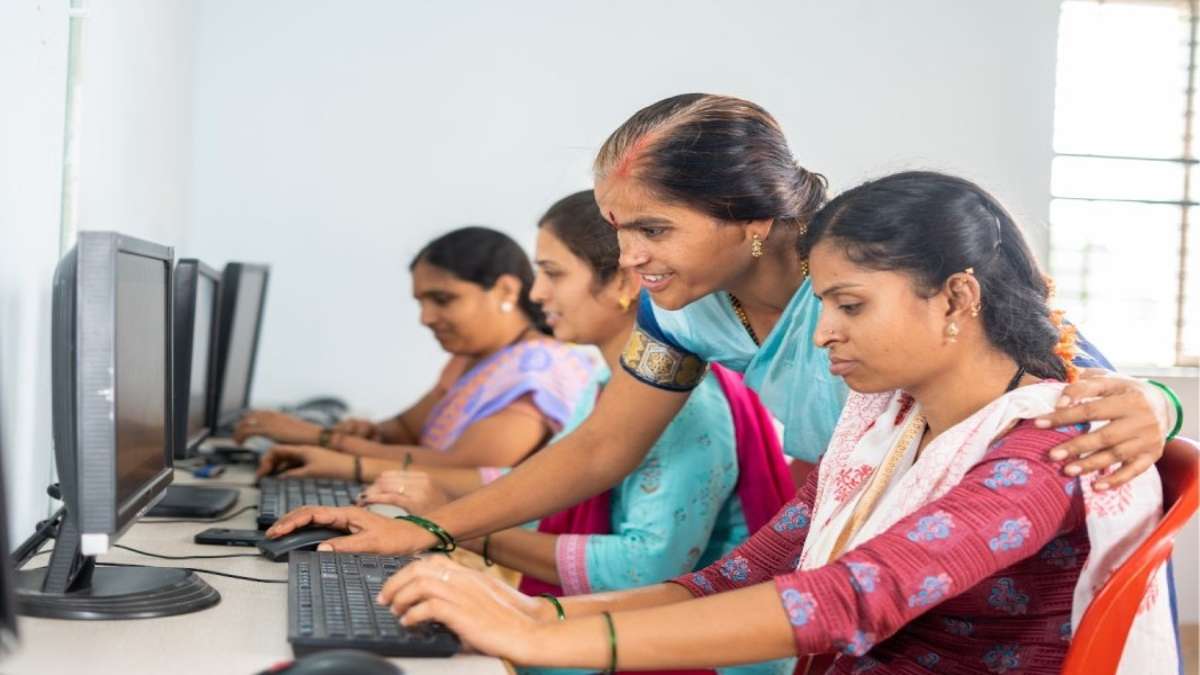
    Bhopal, Madhya Pradesh — In a landmark decision aimed at advancing gender equality in state services, the Madhya Pradesh government raised the reservation for women from 33% to 35% in all state government job recruitments. This move, approved in a cabinet meeting led by Chief Minister Mohan Yadav, is a significant step toward empowering women across the state by ensuring broader opportunities in various departments.

    Enhanced Reservation for Women in State Jobs

    The cabinet’s decision marks an increase in the women’s quota for direct recruitment across all state departments, including posts conducted by the Madhya Pradesh Public Service Commission (MPPSC) and the Employee Selection Board (ESB). Deputy Chief Minister Rajendra Shukla, describing the measure as a “historic stride for women empowerment,” emphasized the expanded opportunities this new quota will unlock for women applicants statewide.

    This policy update follows the Madhya Pradesh Civil Services (Special Provisions for Appointment of Women) Rules, 1997, ratified through recent state government orders and notifications issued earlier this year.

    Cabinet Decisions to Address Medical Teacher Shortage

    In response to a pressing need for medical educators in new government colleges, the cabinet also approved an age limit increase for assistant professor appointments in medical colleges, raising the maximum age from 40 to 50 years. This adjustment aligns with the senior residency age cap of 45 years, making it easier for experienced candidates to qualify for teaching positions in the state's medical institutions.

    Investments in Agriculture and Cooperatives

    To streamline fertilizer distribution for the upcoming Kharif and Rabi seasons, the state government will support the establishment of 254 new fertilizer sales centers. The cabinet approved funding for human resources, amounting to an anticipated Rs. 1.72 crore, enhancing farmer access to essential agricultural resources.

    Furthermore, the cabinet endorsed the computerization of the Registrar of Cooperative Societies under the Union Ministry of Cooperation’s project, “Strengthening of Cooperatives through IT Interventions.” With an allocated budget of Rs. 3.68 crore, this initiative will enhance the digital infrastructure of cooperative societies, with the state and central governments sharing the cost at 40% and 60%, respectively.

    New Thermal Power Project to Meet Energy Demands

    In a bid to modernize energy infrastructure, the cabinet granted approval for a 660 MW critical thermal power plant in Sarni. This plant, which will replace aging units totaling 830 MW, aims to meet the state’s rising power demands more sustainably.

    Record Investments from Regional Industrial Conclave

    In a major win for the state’s industrial sector, Madhya Pradesh hosted a successful Regional Industrial Conclave in Rewa, attracting over 4,000 business leaders and investors. Deputy CM Shukla reported that the event generated investment proposals worth a staggering Rs. 31,000 crore, expected to create upwards of 28,000 new jobs. These investments promise substantial economic growth, making Madhya Pradesh a prime destination for industrial expansion.

    Key Takeaways:

    1. Women’s job reservation in state services raised to 35%, benefiting job aspirants across departments.
    2. Expanded age limit for assistant professor roles to address medical teaching shortages.
    3. New fertilizer sales centers and digitization of cooperatives to improve agriculture and cooperative management.
    4. Approval for a new 660 MW power plant and recent industrial investments bolster state infrastructure and employment.

    This comprehensive set of cabinet decisions reflects Madhya Pradesh’s ongoing commitment to social equity, economic development, and sustainable infrastructure, positioning the state for significant advancements across sectors.

    SEO Keywords: Madhya Pradesh news, women’s reservation in jobs, MP cabinet decisions, Madhya Pradesh women quota increase, MP medical education, infrastructure investments, industrial conclave Rewa, sustainable power projects

    …
  • Flies on Suspect’s Clothing Lead Madhya Pradesh
    My India Times   2024-11-07  94

    Flies on Suspect’s Clothing Lead Madhya Pradesh

    Jabalpur, Madhya Pradesh – In a remarkable breakthrough, police have solved the murder case of a 26-year-old man, Manoj Thakur alias Mannu, based on an unusual clue: flies attracted to blood stains on a suspect’s clothing. This observant approach led to the arrest of Dharam Thakur (19), the victim’s nephew, in what authorities describe as a money-related dispute turned deadly.

    The Incident: A Missing Man and a Grisly Discovery

    The incident began when Manoj left home for work on October 30 but didn’t return by nightfall, raising concern among his family. Tragically, his body was found in an agricultural field in Deori Tapria village the next morning, sparking a police investigation led by Additional Superintendent of Police (Rural) Sonali Dubey.

    How Flies Helped Crack the Case

    Chargawan police station in-charge Abhishek Pyasi, who was present at the murder scene, noticed an unusual detail on Dharam Thakur. Standing among the crowd at the crime scene, Dharam’s eyes appeared red, and there were visible marks on his chest. But it was the persistence of flies sticking to his clothes that piqued Pyasi's suspicion.

    "Flies repeatedly landed on certain areas of his dark clothing, suggesting the presence of blood, even though the stains weren’t immediately visible," explained Pyasi. This unusual behavior raised red flags and prompted police to have Dharam’s clothing tested by a forensic team on-site. The forensic analysis confirmed the presence of bloodstains, leading officers to further question Dharam.

    Confession and Evidence Collection

    Under questioning, Dharam initially denied involvement but eventually admitted to the crime. Investigation revealed that Dharam and Manoj had been seen together in the Chargawan market on CCTV footage. They were seen purchasing liquor and chicken before heading toward Deori Tapria, where a dispute reportedly erupted over splitting the expenses.

    The argument escalated when Dharam allegedly grabbed a wooden object embedded with nails, striking Manoj multiple times. The severe injuries sustained proved fatal for Manoj, who succumbed to his wounds on-site. Following the confession, police also recovered the murder weapon, strengthening the case.

    Forensic Support and Additional Clues

    The forensic team discovered bloodstained wood pieces near the body, corroborating Dharam’s account of the attack. Officers also retrieved CCTV footage and witness testimonies placing the two together before the tragic incident, further cementing the case against Dharam.

    Closing Thoughts

    This unusual case underscores the value of attentive observation and forensic collaboration in solving complex cases. From subtle clues like insect behavior to advanced forensic testing, the Madhya Pradesh police showcased the power of keen investigative work in cracking even the most puzzling crimes.

    …
  • hostinger
  • Tragic Elephant Rampage in Bandhavgarh Leaves Two
    My India Times    2024-11-07  85

    Tragic Elephant Rampage in Bandhavgarh Leaves Two

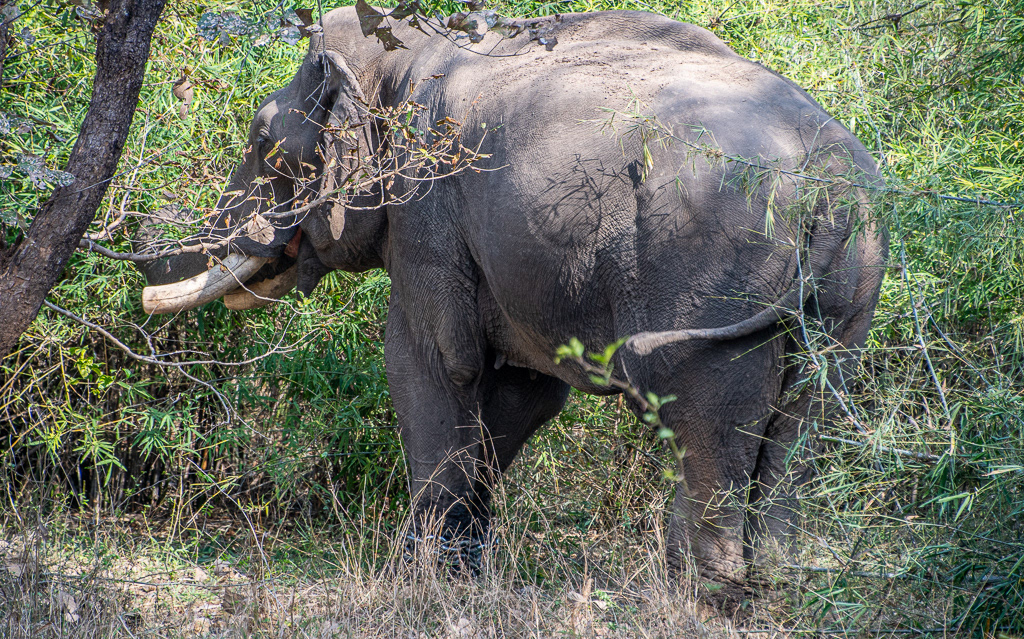
    Bandhavgarh, Madhya Pradesh – In a series of devastating events, three grieving elephants from a herd linked to recent mysterious deaths in Bandhavgarh Tiger Reserve (BTR) attacked villagers, leaving two people dead and one injured. This tragic incident underscores the ongoing turmoil within the affected herd, as reports confirm ten elephants from this group have died recently under suspicious circumstances.

    The Elephant Attacks: What Happened?

    The attacks occurred in separate villages surrounding Bandhavgarh, marking a dramatic response from elephants believed to be mourning the loss of their herd members. The elephants first attacked Ramratan Yadav in Devra village, killing him, before traveling over 10 kilometers to Brahe village, where they claimed the life of Bhairav Kol (35) and injured Malu Sahu (32) in nearby Banka village. All three attacks happened close to the buffer zone of BTR, where elephants often roam near human settlements.

    Link to the Mysterious Elephant Deaths in Bandhavgarh

    Officials believe that these elephants are part of a larger group of thirteen, of which ten have tragically perished in the past week. Authorities have yet to confirm the exact cause of the fatalities, though early reports suggest potential poisoning or disease. Initial investigations began after four elephants were found dead in the Salkhania beats of Pataur and Khiatuli ranges on October 29, followed by six more succumbing shortly afterward. Despite rapid intervention and medical care by forest personnel and veterinarians, four of the sick elephants died on October 30, with two additional deaths reported on October 31, bringing the toll to ten.

    Out of the ten deceased elephants, one was male, nine were female, with a mix of juveniles and adults. The herd reportedly ventured into nearby farmlands to feed on Kodo millet, raising suspicions about possible human-elephant conflict over crop damage.

    Emotional Mourning Observed Among Surviving Elephants

    In a rare display of mourning, a lone tusker reportedly returned to the burial site of its herd members, performing what appeared to be a grieving ritual. Eyewitnesses recounted the elephant’s emotional response, noting its distressed trumpeting, vigorous ear-flapping, and stomping around the burial area, a scene that left forest personnel and villagers deeply moved. This display underscores the intense emotional bonds within elephant herds, where members often exhibit signs of distress or mourning when faced with the death of their companions.

    Safety Measures and Community Support

    Following the recent fatalities, officials have heightened monitoring efforts, while local authorities advise residents in affected areas to exercise caution and report sightings of the grieving elephants. Forest rangers are patrolling the region to ensure human and elephant safety, though the emotional and environmental impacts of this event are expected to linger.

    …
  • Madhya Pradesh Woman Forced to Deliver on Handcart
    My India Times    2024-11-07  64

    Madhya Pradesh Woman Forced to Deliver on Handcart

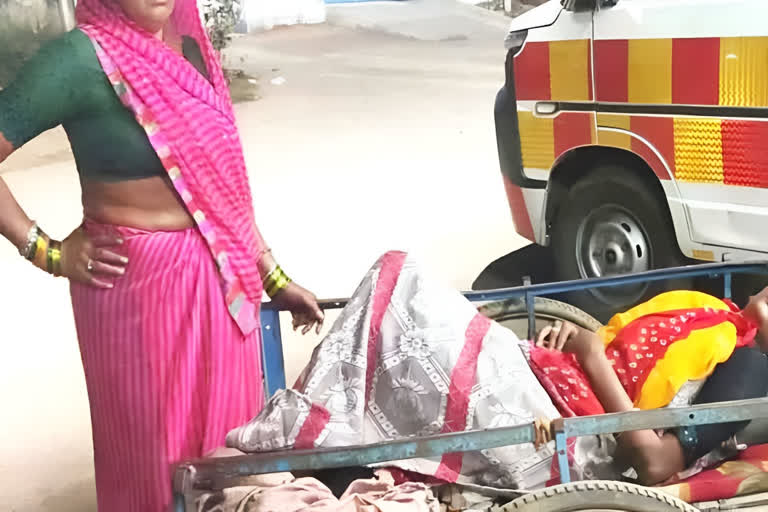
    Sidhi, Madhya Pradesh – In a heartbreaking incident, a woman in Sidhi district was compelled to deliver her baby on a handcart after a delayed ambulance response. Tragically, upon reaching the hospital, medical officials confirmed that the newborn had passed away, prompting immediate action and an investigation into the circumstances surrounding the incident.

    The Incident

    Urmila Rajak, a resident of a remote area in Sidhi, went into labor late Friday night. With no ambulance in sight despite repeated calls, her family resorted to transporting her on a handcart, navigating narrow lanes in a desperate attempt to reach the main road. Urmila delivered en route, but upon arrival at the hospital, doctors declared the baby deceased. Hospital officials revealed that the newborn had likely passed away approximately 24 hours before, but the circumstances surrounding the delivery remain deeply troubling for the family and local community.

    Ambulance Delay and Health Department Response

    Civil Surgeon Deeprani Israni explained that the ambulance arrived 25 minutes after the family contacted the centralized emergency call center, attributing part of the delay to logistical challenges in reaching the remote location. She noted that the centralized booking system limits district-level control, which may impact response times in difficult-to-access areas.

    Government Action: Investigation and Accountability

    In light of the incident, Additional Collector Anshuman Raj confirmed that a show-cause notice has been issued to several health department officials involved in managing emergency response. The investigation aims to identify any failures in protocol and examine ways to prevent similar incidents in the future.

    Community Outrage and Need for Improved Healthcare Access

    This tragic event has reignited discussions about the urgent need for better healthcare access in rural areas, with local advocates calling for more decentralized control over ambulance dispatch in high-need zones. Sidhi district, like many rural areas in India, faces infrastructural challenges that often delay emergency services—issues that health officials and community leaders are now vowing to address.

    …
  • 
Madhya Pradesh Govt Boosts Women's Empowerment w
    My India Times    2024-11-07  60

    Madhya Pradesh Govt Boosts Women's Empowerment w

    Bhopal, November 5 – In a progressive step towards women's empowerment, the Madhya Pradesh government announced a landmark increase in the reservation for women in government jobs, raising it to 35% from the previous 33%. This decision, ratified during a cabinet meeting led by Chief Minister Mohan Yadav, is part of a broader agenda to promote gender equality and economic empowerment for women across the state.

    Key Highlights of the Decision

    Deputy Chief Minister Rajendra Shukla, sharing details of the policy update, emphasized the state’s commitment to creating a supportive workplace environment for women. "By increasing the reservation for women to 35%, we are taking an active step towards strengthening women’s representation in the workforce," he stated.

    This decision places Madhya Pradesh among a select group of states leading the way in prioritizing gender representation in public sector employment.

    Additional Cabinet Decisions: Fertilizer Centers, Power Plant Overhaul, and Age Relaxation for Medical Professors

    Beyond the women's reservation policy, the cabinet also announced several measures aimed at bolstering infrastructure and improving access to resources:

    254 New Fertilizer Sales Centers for Farmers
    In a bid to support Madhya Pradesh's large agricultural community, the cabinet has approved the opening of 254 new fertilizer sales centers. This will help reduce long wait times and improve accessibility, allowing farmers to obtain fertilizer more easily, enhancing efficiency for the upcoming agricultural seasons.

    Revamping Power Infrastructure
    The cabinet also sanctioned a new 660-megawatt critical thermal power plant in Sarni, which will replace older units totaling 830 MW. By decommissioning these outdated plants, Madhya Pradesh aims to reduce environmental impacts and improve energy efficiency in the region.

    Age Limit Increase for Assistant Professors in Medical Colleges
    The state has increased the upper age limit for recruitment of assistant professors in medical colleges from 40 to 50 years. This change will offer greater career opportunities for experienced professionals in the medical field, helping to address staffing shortages and enhance the quality of healthcare education.

    Empowering Women and Strengthening MP’s Workforce

    This latest move to increase women’s reservation is a positive step for gender inclusivity in Madhya Pradesh, setting an example for other states. With this policy, the state government aims to inspire more women to enter public service roles, thereby promoting a more balanced and representative workforce.

    A Step Forward for Madhya Pradesh

    These decisions underscore the Madhya Pradesh government's commitment to advancing social equity, bolstering the agricultural and energy sectors, and enhancing healthcare education. By prioritizing these reforms, the government is fostering a brighter future for women, farmers, and professionals across the state.

    Stay tuned for more updates as Madhya Pradesh leads the charge in progressive reforms and inclusive policies.

    …
  • Ads images
Error: Invalid API key. Please see https://openweathermap.org/faq#error401 for more info.