
Breaking News

Maha Kumbh 2025: Over 6.2 Million Devotees Take Holy Dip at Sangam on Basant Panchami’s Final ‘Amrit Snan’
RRB ALP 2025: City Intimation Slip Released, Exam Dates Announced

  • Facebook
  • X
  • LinkedIn
  • Youtube
  • Instagram
  • Whatsapp
  • Login
  • Advertisie with Us
My India Times My India Times News

My India Times News

  • ℃
  •   
  • Login
My India Times Logo
Billingezy
  • Home
  • India
    • India
    • Andhra Pradesh
    • Arunachal Pradesh
    • Assam
    • Bihar
    • Chhattisgarh
    • Goa
    • Gujarat
    • Haryana
    • Himachal Pradesh
    • Jharkhand
    • Karnataka
    • Kerala
    • Madhya Pradesh
    • Maharashtra
    • Manipur
    • Meghalaya
    • Mizoram
    • Nagaland
    • Odisha
    • Punjab
    • Rajasthan
    • Sikkim
    • Tamil Nadu
    • Telangana
    • Tripura
    • Uttar Pradesh
    • Uttarakhand
    • West Bengal
    • Andaman and Nicobar Islands
    • Chandigarh
    • Dadra and Nagar Haveli and Daman and Diu
    • Delhi
    • Lakshadweep
    • Ladakh
    • Jammu and Kashmir
    • Puducherry
  • World
  • Crime
  • Interactive Maps
  • Business
  • Technology
  • Education
  • Health Care
  • Chemical
  • Top Stories
  • Entertainment
    • Entertainment
    • Bollywood
    • Web Series
    • Film-Review
    • South Movies
  • Agriculture
  • Religion
    • Religion
    • Festivals
    • Video
    • Astrology
    • Stories
  • Sports
    • Sports
    • Upcoming Match
    • Cricket
    • Hockey
    • Olympic
    • IPL
  • Election
  • Calculators
  • Travel
  • Awareness
  • Universe
    • Earth
    • Ocean
    • Space
  • Home
  • India
    • Uttar Pradesh
    • Delhi
    • Punjab
    • Rajasthan
    • Uttarakhand
    • Bihar
    • Jharkhand
    • Madhya Pradesh
    • Haryana
    • Himachal Pradesh
    • West Bengal
    • Telangana
    • Jammu & Kashmir
    • Andhra Pradesh
    • Arunachal Pradesh
    • Assam
    • Chhattisgarh
    • Goa
    • Gujarat
    • Karnataka
    • Kerala
    • Manipur
    • Meghalaya
    • Maharashtra
    • Nagaland
    • Odisha
    • Sikkim
    • Tamil Nadu
    • Andaman & Nicobar
    • Chandigarh
    • Ladakh
    • Lakshadweep
    • Puducherry
    • Dadra & Nagar Haveli and Daman & diu
    • Tripura
    • Mizoram
  • World
  • Crime
  • Crime Map
  • Business
  • Technology
    Playing GIF
  • Education
    Playing GIF
  • Health Care
  • Travel
  • Calculators
  • Awareness
  • Universe
    • Earth
    • Space
    • Ocean
  • More
    • Chemical
    • Entertainment
      • TV
      • Bollywood
      • Web Series
      • Flim Review Hot
      • South Movies
    • Agricluture
    • Top Stories
    • Religion
      • Festivals
      • Video
      • Astrology
      • Stories
    • Election
    • Sports
      • Upcoming Match Hot
      • Cricket
      • Hockey
      • Olympic
      • IPL
  •   ℃
  •   
Mumbai
2025-03-31

Mumbai’s First Elevated Nature Walkway

Mumbai has introduced its first elevated nature walkway at Malabar Hill, providing a peaceful retreat for locals and tourists. Check out Singapore's amazing ‘Tree Top Walk’! This incredible 485-meter-long trail lets you soak in the city's lush greenery from up high. After four years of hard work to develop it, it's now the go-to spot for anyone who loves nature, wants to get in some exercise, or just snap some great photos.

A Walk Through Lush Greenery

This elevated walkway takes visitors through the treetops, surrounded by over 100 plant species such as Gulmohar, Almond, Jamun, and Banyan trees. The lush greenery here is like a magnet for all sorts of birds, like kingfishers, parakeets, and bulbuls. It really is a birdwatcher's paradise! Plus, you'll spot some small reptiles too, like lizards and pythons hanging around. With the enhanced design, folks can soak in the beauty of nature without bothering the wildlife.

Stunning Views and Exciting Features

One of the highlights is the Sea Viewing Deck, which provides breathtaking views of Mumbai’s Arabian Sea coastline and Girgaon Chowpatty. The Glass-Bottom Viewing Deck offers a thrilling experience, giving visitors the feeling of walking on air above the forest. A dedicated birdwatching area allows nature lovers to quietly observe Mumbai’s avian species. The peaceful atmosphere makes it a perfect escape from city life.

How to Reach the Walkway

The walkway is accessible from Siri Road, located behind Kamala Nehru Park. Visitors can reach the location by train, with Charni Road and Grant Road being the nearest railway stations. BEST buses and private vehicles can also reach the area, with parking available nearby.

Entry Fee, Timings, and Guidelines

The walkway is open daily from 6:00 AM to 10:00 AM and from 4:00 PM to 7:00 PM. Indian citizens pay an entry fee of ₹25, while foreign tourists are charged ₹100. To prevent overcrowding, only 400 visitors are allowed at a time. CCTV cameras ensure safety, and carrying food is prohibited to keep the area clean and protect wildlife.

An Eco-Friendly Initiative

Built at a cost of ₹25 crore, the walkway was designed with sustainability in mind. Made primarily of wood, it minimizes environmental impact while preserving the natural slopes of Malabar Hill. The project allows rainwater to flow freely and wildlife to move without obstacles, contributing to Mumbai’s green initiatives.

Why You Should Visit

This walkway offers a fresh way to experience Mumbai’s natural beauty. Whether for birdwatching, photography, or simply a relaxing walk, it provides an opportunity to connect with nature. The combination of stunning views, peaceful surroundings, and eco-friendly design makes it a must-visit destination in the city.

Mumbai
2025-03-27

Aishwarya Rai Bachchan’s Car Hit by BEST Bus in Mumbai’s Juhu

Bollywood actress Aishwarya Rai Bachchan’s luxury car was involved in a minor accident in Mumbai’s Juhu area when a BEST bus hit it from behind. On Wednesday, there was a bit of a kerfuffle near Amitabh Bachchan’s famous house. Thankfully, no one got hurt, and everything was sorted out right there on the spot.


What Exactly Happened?

According to eyewitnesses, the BEST bus, which was en route from the Juhu Bus Depot, accidentally grazed the rear side of Aishwarya Rai Bachchan’s luxury vehicle. The car was parked near ‘Jalsa,’ Amitabh Bachchan’s bungalow, at the time of the incident. While the impact was minor, the momentary disruption attracted public attention.

It is confirmed that Aishwarya Rai Bachchan was not inside the vehicle when the accident occurred. The driver and staff present inside the car assessed the damage immediately.


Reactions at the Scene

The accident led to a heated altercation between the staff at the bungalow and the bus driver. Reports suggest that a security guard from Bachchan’s residence confronted the BEST bus driver regarding the mishap. Some sources even claim that the bus driver was allegedly slapped during the confrontation. However, no formal complaint has been lodged regarding the incident.

Mumbai Police arrived at the scene shortly after receiving information about the minor collision. Both parties discussed the issue, and the incident was resolved without further legal proceedings. 


Did the Car Sustain Any Damage?

While the car did sustain minor scratches and dents, there were no significant damages reported. The BEST bus, which belongs to Mumbai’s public transport system, also did not suffer any major impact. After a brief inspection, the vehicle was moved away from the accident site, and traffic resumed smoothly in the Juhu area.


No Legal Action Taken

Despite the brief dispute between the involved parties, no FIR or official complaint was filed. The Bachchan family staff and the BEST authorities decided to resolve the matter amicably. Given that the accident was minor and did not result in injuries, both parties agreed to let the issue go without escalating it further.


Public and Media Reaction

As soon as the news of Aishwarya Rai Bachchan’s car accident surfaced, fans took to social media to express their concern. Several netizens speculated about the extent of damage and possible legal actions. Some viral videos even claimed that a bouncer from the Bachchan household was involved in a scuffle with the bus driver.

However, sources close to the Bachchan family later clarified that Aishwarya was completely safe and was not present at the accident site. The minor mishap did not cause any harm to her or anyone else.


Importance of Safe Driving in Busy Areas

The incident once again highlights the need for cautious driving in congested urban areas like Mumbai. Juhu, being a prime location, often witnesses heavy traffic, making it prone to minor road accidents. BEST bus drivers operate under tight schedules, and sometimes, minor misjudgments can lead to such situations.

Similarly, car owners should ensure their vehicles are parked in safe spots to avoid accidental damages from large vehicles like buses.

Mumbai
2025-03-21

Elderly Woman Falls Victim to Cyber Fraud

An 86-year-old woman from South Mumbai fell victim to a cyber scam and lost over ₹20 crore. Fraudsters pretending to be CBI officers called her and falsely claimed that her Aadhaar-linked bank account was involved in money laundering. They manipulated her into believing she was under investigation and needed to cooperate to avoid legal trouble. Out of fear, she followed their instructions, staying confined in her home for nearly two months while transferring money to various bank accounts.

The Modus Operandi of 'Digital Arrest'

The criminals used a technique called 'Digital Arrest,' where they psychologically controlled the victim through constant phone calls and threats. They really freaked her out, convincing her that someone was watching her every move and that her kids might get arrested if she didn’t do what they said. Terrified for her family's safety, she sent them all her savings without even pausing to think if it was legit. They kept her cut off from the outside world, telling her to stay home and checking in on her location with calls every three hours. They ramped up the fear, making her feel totally helpless and like she had to follow their orders.

How the Scam Was Exposed

The fraud came to light when her domestic help noticed unusual behavior. She rarely left her room, only came out for meals, and often seemed stressed while talking on the phone. Concerned, the housemaid informed her daughter, who intervened and discovered the scam. She immediately approached the Mumbai Cyber Crime Police, leading to an investigation. The police acted swiftly and arrested three individuals involved in the scam. They also managed to freeze ₹77 lakh in bank accounts before the money could be withdrawn or moved further. Investigators are now tracing the other accounts where the funds were transferred in an effort to recover more of the stolen money.

Rising Cyber Fraud Targeting the Elderly

This situation shows just how big of a problem cyber fraud has become for older folks. They're often not as clued in on digital scams, making them an easier target. The Mumbai Police are encouraging everyone to keep their eyes open and help spread the word about these scams, especially for the seniors. In this case, the crooks used scare tactics, pretended to be police officers, and manipulated the victim's everyday life to keep her under their control. They did not allow her to speak to family members, as they knew that any outside intervention might expose their scam.

How to Stay Safe from Cyber Fraud

Cyber scams like these are becoming increasingly common, with fraudsters using fear tactics to exploit innocent people. To stay safe, it is important to verify the identity of anyone claiming to be an official, never share personal or financial information over the phone, and report suspicious activity to authorities. Senior citizens, who are often targeted, should be made aware of such scams and encouraged to consult family members before making any financial transactions. The Mumbai police continue their investigation, warning people to stay vigilant against cyber fraud and take necessary precautions to protect themselves from such crimes.

Police Advice and Preventive Measures

The police also advised citizens to educate their elderly family members about cyber fraud and financial scams. Fraudsters often use fear and urgency to trick people into complying with their demands. If someone receives a call from an unknown person claiming to be from law enforcement or a government agency, they should immediately verify the details through official sources. Real officers will never ask for money transfers or threaten arrest over a phone call. If anyone suspects fraudulent activity, they should immediately contact the cybercrime helpline at 1930 and report the incident.

Ongoing Investigation and Future Precautions

Additionally, the police are now working to identify more such scam networks operating across India. Many cyber fraud cases involve international criminal groups who use technology to deceive victims and move stolen money through multiple accounts to avoid detection. Law enforcement agencies are collaborating with banks and financial institutions to improve monitoring systems and prevent such crimes in the future. People are also advised to stay informed about the latest scams, avoid clicking on suspicious links, and never share OTPs or banking details with unknown callers.

Mumbai
2025-02-03

Porter Arrested for Raping Woman in Empty Train Coach at Mumbai’s Bandra Terminus

Mumbai: In a shocking incident, a porter has been arrested for allegedly raping a woman inside an empty train coach at Mumbai’s Bandra Terminus. The crime took place late on Saturday night, and the Government Railway Police (GRP) swiftly apprehended the accused following an investigation.

Incident Overview

According to officials, the victim, a middle-aged woman, had arrived at Bandra Terminus along with her son on a long-distance train. After deboarding, she reportedly entered another train stationed on the opposite platform, which was empty at the time. Unbeknownst to her, a railway porter was inside the coach. Taking advantage of the deserted surroundings, the porter allegedly assaulted and raped her before fleeing the scene.

The traumatized woman immediately sought help and approached the Bandra GRP station to lodge a formal complaint. The police promptly launched an investigation, scanning surveillance footage from multiple CCTV cameras installed at the railway station to identify and track down the suspect.

Swift Action by Railway Police

After analyzing the CCTV recordings, the authorities successfully identified the porter and arrested him. He has been booked under the stringent provisions of the Bharatiya Nyaya Sanhita, replacing the previous penal code.

An official from the GRP stated, “We are investigating why the woman entered the empty train after alighting from her own. Regardless of the circumstances, such an act is unacceptable, and we are ensuring that the perpetrator faces the full extent of the law.”

Safety Concerns at Railway Stations

This disturbing incident has once again highlighted safety concerns at railway stations, particularly during late hours. Railway platforms and stationary trains are often left unattended, making them potential danger zones for crimes such as theft, harassment, and even violent assaults.

Following the incident, railway authorities have assured the public that security measures will be tightened at Bandra Terminus and other major stations. Additional personnel will be deployed, and patrolling will be increased, especially during non-peak hours.

Legal Proceedings and Investigation

The accused is currently in police custody, and further investigations are underway. Authorities are also recording witness statements and reviewing additional footage to reconstruct the sequence of events leading up to the crime.

Under the provisions of the Bharatiya Nyaya Sanhita, rape is a severe criminal offense carrying stringent punishment. If convicted, the porter faces a long-term prison sentence, ensuring justice for the victim.

Public Reaction and Demand for Security Measures

The incident has sparked outrage among citizens and activists who have long been advocating for enhanced security at railway stations. Many have pointed out the urgent need for:

Increased police patrolling at railway premises

Improved surveillance and monitoring

Special helplines for passengers to report crimes immediately

Stricter screening of railway staff, including porters

Women’s rights organizations and safety groups have also urged authorities to take immediate steps to prevent such incidents in the future.

“The government needs to ensure that women feel safe while traveling, even at odd hours. Strict action must be taken not just against the perpetrator but also to improve safety measures,” said a social activist working on women’s safety initiatives.

Railway Authorities Respond

In response to growing concerns, railway officials have reassured passengers that security measures will be enhanced. Steps such as:

Deployment of additional security personnel at stations

Regular patrols inside empty train coaches

Ensuring functional CCTV cameras in all key areas

Launching awareness campaigns for passenger safety

are being planned to prevent such tragic incidents from occurring in the future.

Conclusion

The horrific crime at Bandra Terminus has once again underscored the vulnerability of women in public spaces. While law enforcement agencies acted swiftly in arresting the accused, the need for systemic changes to enhance passenger safety remains critical. Authorities, activists, and citizens alike must work together to ensure railway stations and trains are secure for all passengers, particularly women traveling alone.

As the case progresses, it is expected that the legal system will deliver justice to the survivor while reinforcing the message that crimes against women will not be tolerated in any form. Meanwhile, passengers are urged to stay vigilant and report any suspicious activity to railway authorities to ensure a safer travel experience for everyone.


Mumbai
2025-01-23

Jalgaon Train Tragedy Revives Remembrances of Goregaon Local Incident: A Heart-wrenching Narrative of Alarm and Mourning

The recent train accident in Jalgaon, Maharashtra, has once again raised significant concerns regarding the safety of railway travel in India. The tragic loss of 15 lives in this incident has resurfaced haunting recollections of a comparable occurrence that transpired over thirty years ago. In 1993, a catastrophic train disaster in Goregaon, Mumbai, resulted in the fatalities of 22 individuals, with a series of unfortunate events resonating in today’s calamity. The unfortunate coincidence of lethal train accidents in both Jalgaon and Goregaon invokes the chaos, fear, and ultimately the heartbreaking loss of innocent lives.

Goregaon Train Catastrophe: A Startling Disaster

On the evening of October 13, 1993, a train traveling from Borivali to Kandivali, designated as a women's special local train, became the scene of one of Mumbai’s most tragic railway accidents. It was during the bustling evening rush hour, at 7:14 PM, when passengers in the first-class compartment were struck by a panic-inducing rumor: there was a fire on the train. In an instant, a stampede-like situation erupted, and several women leaped from the moving train in sheer terror.

Regrettably, many of them were unaware that another train was approaching from the opposite direction on the same track. Tragically, the women were struck by a Borivali-Churchgate local train, resulting in the loss of 22 lives, including 21 women and one young boy. This catastrophe, often referred to as the "Goregaon Local Tragedy," signifies a dark chapter in Mumbai’s railway history and profoundly affected the city. During that period, the lifeblood of the city – the local trains – had transformed into a death trap due to the unspeakable horror.

The Jalgaon Incident: A Parallel Nightmare

Fast forward 31 years to the tragic occurrence in Jalgaon on January 22, 2025. Mirroring the Goregaon accident, panic and confusion were pivotal in this disaster. The unfortunate derailment claimed 15 lives, including foreign nationals, and left the entire region in disbelief. According to reports, the incident transpired when passengers aboard the Karnataka Express could not adequately assess the situation due to a bend in the tracks, resulting in the driver’s inability to recognize the impending danger.

The Jalgaon tragedy also reflects the disarray that enveloped the Goregaon disaster. In both incidents, rumors of a fire circulated, leading to a chaotic evacuation.But the fear caused by these rumors escalated the situation and led to tragic consequences.

The Impact of Weather and Track Design on Both Disasters

Both the 1993 Goregaon tragedy and the recent Jalgaon accident were exacerbated by unfavorable weather conditions. In the case of Goregaon, the incident occurred during a storm, and the ensuing heavy rainfall and lightning added to the confusion and difficulty in rescuing the victims. A significant power cut at the time also hampered the rescue operation. Similarly, in Jalgaon, the track’s curved design played a key role in reducing visibility for the train operators, leading to the collision.

Further, in Jalgaon, the Karnataka Express was traveling at a speed of over 100 km/h, which left little room for the driver to react in time. The combination of high speed, weather conditions, and the track design all contributed to the tragic outcome.

Lessons to Be Learned and the Call for Change

The two incidents raise critical questions about the safety measures in place for Indian railways, particularly with regard to ensuring passenger safety during emergencies. In the case of both disasters, the lack of clear communication and the panic caused by false alarms worsened the situation. Moreover, the track design, high-speed travel, and the vulnerability of the railway infrastructure to adverse weather conditions need urgent attention.

India’s railway system, which serves millions of passengers daily, must be modernized to prevent such disasters. It is crucial for the authorities to reassess safety protocols, improve train tracking systems, ensure that drivers are better trained to handle such emergencies, and provide clear communication to passengers in case of a crisis.

The tragic Jalgaon accident and the 1993 Goregaon disaster are stark reminders of the need for reform in India’s railway safety measures. The authorities must act swiftly to ensure that the deaths of these 15 individuals, and the 22 lives lost in Goregaon, are not in vain. Only through systemic change and a focus on safety can the lives of countless future passengers be safeguarded.

Conclusion: A Call for Better Rail Safety in India

In conclusion, the Jalgaon tragedy has reawakened painful memories of the 1993 Goregaon accident, emphasizing the pressing need for better safety measures and infrastructure upgrades within the Indian railway system. Both tragedies underscore the urgent necessity of addressing systemic flaws in communication, track design, and emergency response protocols to prevent future accidents and loss of lives.

As the country mourns these losses, it is hoped that the lessons from these tragedies will lead to swift, decisive actions that will protect future generations of railway passengers from such horrific disasters.

Mumbai
2025-01-17

Daya Nayak: Mumbai’s Encounter Specialist at the Helm of Saif Ali Khan Attack Investigation

Mumbai: The recent shocking incident involving an attack on Bollywood actor Saif Ali Khan’s residence has sparked widespread concern. Despite the presence of tight security around the actor’s home, an assailant managed to breach the premises, raising serious questions about the vulnerability of high-profile individuals in the city. The case is now being probed by the Mumbai Police’s Crime Branch, with one of Mumbai’s most respected and seasoned officers, Daya Nayak, leading the investigation. Nayak, known for his history of tackling dangerous criminals and his expertise as an encounter specialist, was seen near the crime scene in a direct involvement with the investigation. As the case continues to unfold, we take a deep dive into the career of Daya Nayak, a man whose career has been as controversial as it has been distinguished.

Early Life and Career Beginnings

Daya Nayak’s journey from a small village in Karnataka to becoming one of Mumbai’s most well-known police officers is nothing short of extraordinary. Born in Udupi, Karnataka, to Badda and Radha Nayak, he was raised in a Konkani-speaking household. With limited resources, Nayak pursued his education in a Kannada-medium school until the seventh grade, after which he moved to Mumbai in 1979 to find work and support his family.

In the bustling metropolis of Mumbai, Nayak began working menial jobs, but his aspirations led him to join the Mumbai Police. He entered the force in 1995, quickly rising through the ranks. His no-nonsense attitude and impeccable work ethic earned him a reputation as an officer with a clear focus on bringing criminals to justice, no matter the cost.

A Legendary Encounter Specialist

Daya Nayak’s career truly began to take shape when he was posted to the Juhu Police Station in 1996. It was during this time that Nayak earned recognition for his participation in numerous high-profile encounters. An "encounter" in police parlance refers to situations where law enforcement officers confront criminals, often leading to casualties. These operations are especially prevalent in Mumbai, given the city’s notorious underworld.

Nayak was involved in more than 80 encounters during his career, which brought him into direct confrontation with some of the most dangerous gangsters in Mumbai’s criminal underworld. His strategic approach to handling such situations, combined with his fearlessness, made him a key figure in eliminating several prominent criminals.

As a result, Nayak became known as one of the most successful encounter specialists in India. He was instrumental in dismantling parts of the Mumbai underworld, working closely with other high-ranking officers like Pradeep Sharma, and earning the admiration of both his colleagues and the public.

Serving in the Anti-Terrorism Squad (ATS)

Nayak’s skill set didn’t just extend to tackling gangsters. In his efforts to protect the citizens of Mumbai from various threats, he also served in the Maharashtra Anti-Terrorism Squad (ATS) for three years. His role in the ATS focused on countering terrorism-related activities in the state. His ability to analyze situations and his aptitude for intelligence gathering were key to his success in this division. Nayak was part of several critical counter-terrorism operations, which added another layer to his already well-rounded profile as an officer dedicated to safeguarding the city’s peace and stability.

The Controversies That Shaped His Career

Despite his numerous accomplishments, Daya Nayak’s career has not been without controversy. In 2004, he came under suspicion for allegedly accumulating wealth disproportionate to his known sources of income. The Maharashtra Control of Organized Crime Act (MCOCA) court instructed the Anti-Corruption Bureau (ACB) to investigate his finances. Multiple raids were conducted on properties belonging to Nayak, including locations in Bangalore, revealing that he reportedly owned a fleet of luxury buses.

These allegations led to his brief arrest, but he was later reinstated in the Mumbai Police as the Additional Police Commissioner in 2012. Despite the accusations, which some believed were politically motivated, Nayak was able to regain his position, continuing to serve in various critical roles within the police force. While his reputation took a hit due to these investigations, Nayak’s ability to weather the storm only solidified his standing in the department.

Daya Nayak Today: A Pillar of Mumbai Police

Today, Daya Nayak remains one of the most senior and respected officers in the Mumbai Police. His recent role in investigating the attack on Saif Ali Khan only highlights his importance in the force. The fact that Nayak is spearheading this critical investigation speaks volumes about his expertise and ability to handle complex and sensitive cases. His involvement in such high-profile matters shows that, despite any controversies, he is regarded as an invaluable asset to the Mumbai Police.

Beyond his work in the field, Nayak is known for mentoring younger officers, imparting his knowledge and experience to the next generation of law enforcement professionals. His legacy is one of a relentless commitment to justice, ensuring that Mumbai remains a safer place for its residents.

A Career Marked by Triumphs and Tribulations

Daya Nayak’s career has been a rollercoaster ride—marked by significant achievements, public admiration, and legal scrutiny. As he leads the investigation into Saif Ali Khan’s attack, the public is keenly watching his every move. While he has faced moments of controversy, his professional conduct and his track record in confronting dangerous criminals cannot be easily overshadowed. His dedication to tackling crime in Mumbai, particularly through encounters, has left an indelible mark on the city’s law enforcement history.

As the investigation continues, one thing is clear: Daya Nayak is far more than just an officer with a colorful history—he is a symbol of resilience, expertise, and commitment in the face of both personal and professional challenges. His journey serves as a testament to the complexities of policing in a city like Mumbai, where danger, intrigue, and honor are part of the daily grind.


Mumbai
2025-01-16

Saif Ali Khan Assaulted in His Home: Disturbing Act Results in Injuries, Investigation Ongoing

In a concerning incident late Wednesday night, Bollywood actor Saif Ali Khan was assaulted within his Mumbai residence at Guru Sharan Apartment, situated on the 12th floor of a prestigious Khar building. The attack, which transpired around 1:30 a.m., inflicted serious injuries on the actor, including stab wounds to his neck, back, shoulder, and head. The situation escalated when a fragment of the knife became embedded in his spine, resulting in fluid leakage that required urgent surgical attention.

The Assault and Immediate Medical Actions

Following the multiple stab wounds, Saif Ali Khan was swiftly transported to the nearby Lilavati Hospital at approximately 2:00 a.m. Dr. Neeraj Uttamani, Chief Operating Officer (COO) of Lilavati Hospital, confirmed that Saif’s condition was critical due to the knife fragment lodged in his spine, which led to the leakage of spinal fluid. “The knife fragment has been surgically excised, and his condition is now stabilized,” stated Dr. Uttamani. Furthermore, Saif underwent plastic surgery to address severe wounds on his left hand and neck.

While Saif’s condition has been stabilized, the incident has sent shockwaves throughout the film industry and among his fans, raising concerns over the security measures in place at his residence and the circumstances surrounding the attack.

Investigation Underway: One Suspect Identified

The Mumbai Police have made significant advancements in the investigation. According to Deputy Commissioner of Police (DCP) Gedam Dikshit, one assailant has been identified from the CCTV footage, which shows him accessing the sixth floor of the building where Saif Ali Khan resides. Reports indicate that the assailant gained entry to the apartment building via the stairs, prompting inquiries regarding security protocols in this supposedly high-security residential complex.

The police have registered a case for attempted murder and unlawful entry. Three individuals, including a domestic worker at Saif’s residence, have been detained for questioning related to the incident. Initial investigations suggest that the assailant was permitted entry by someone within the house, indicating that no forced entry occurred.

Disturbing Facts: Assault on Saif in the Children’s Room

Reports indicate that the assault took place in the children’s room, where Saif and Kareena Kapoor’s two young sons, Taimur and Jeh, were resting.According to initial information, the housekeeper, Ariyama Philip, was in the room when the attacker confronted her. Upon hearing her screams, Saif rushed to the room, only to be attacked by the assailant. The housekeeper also sustained injuries and was admitted to Lilavati Hospital.

As of now, there are two theories surrounding the motive behind the attack. One theory suggests that the attacker may have intended to commit theft, while another speculates a more personal connection to the household. The Mumbai Police and Crime Branch are investigating both theories with a heightened level of scrutiny.

Police Deploy Multiple Teams for Investigation

To bring the perpetrator to justice, the Mumbai Police have deployed a total of 18 teams, including 10 from the Bandra Police Station and 8 from the Crime Branch. The teams have already visited Saif’s residence as part of their probe. Among those assisting in the investigation is well-known encounter specialist, Daya Nayak.The police are working tirelessly to answer several key questions, such as how the attacker managed to gain access to a high-security apartment complex, why there was a confrontation between the attacker and the maid, and whether the attacker was known to anyone in the household.

Theories and Questions Surrounding the Attack

There are still numerous unanswered questions surrounding the attack, adding to the complexity of the investigation:

1. How did the attacker gain access to a high-security building? Given the residential complex’s robust security system, it remains unclear how the assailant was able to enter without raising alarms.

2. Why was the maid involved in a confrontation with the attacker? Investigators are probing whether the maid had a prior relationship with the assailant or whether she was simply caught in the middle of a random act of violence.

3. Did the maid allow the attacker into the home? Authorities are investigating the possibility that the maid might have given the attacker entry to the apartment, as no forced entry was made.

Family Arrives at Hospital; Kareena Kapoor and Kids at Home

Upon hearing the news, Saif Ali Khan’s children’s mother, Kareena Kapoor Khan, rushed to Lilavati Hospital to be by his side. Video footage from the hospital shows Kareena visibly shaken as she spoke with hospital staff and coordinated with the authorities. Later, Saif’s children, Taimur and Jeh, were reported to be at home, under the care of other household staff members.In a show of support, Saif’s children’s half-siblings, Sara Ali Khan and Ibrahim Ali Khan, also arrived at the hospital to visit their father. The family’s presence highlights the close-knit nature of the family during this difficult time. Additionally, director Siddharth Anand, a close friend of the actor, was seen visiting Saif at the hospital.

Kareena Kapoor’s Distress: Videos Surface

In the hours following the attack, a video surfaced showing Kareena Kapoor outside the apartment complex. She appeared distressed as she spoke to security personnel, reflecting the shock and concern felt by the family in the aftermath of the incident.

Saif and Kareena’s Home: A Glimpse into Their Personal Space

The attack took place in Saif and Kareena’s new home, a luxurious apartment located in the upscale Satguru Sharan Building in Bandra, Mumbai. Designed by renowned interior designer Darshini Shah, the home features a blend of classic aesthetics and modern luxury, complete with a library, an art collection, a swimming pool, and a dedicated nursery for their children. The apartment’s sophisticated design is tailored to give the family a comfortable, safe space. However, this shocking event has highlighted potential vulnerabilities in even the most secure of settings.

Mumbai
2025-01-16

Mumbai’s BEST Bus Accidents: A Growing Crisis and the Urgent Need for Action

The public transport system in Mumbai, particularly the Brihanmumbai Electric Supply and Transport (BEST) buses, is crucial to the daily routines of millions. However, troubling statistics concerning accidents involving these buses have sparked serious concerns regarding commuter safety. In the past five years, there have been 834 recorded accidents involving BEST buses, resulting in 88 fatalities and numerous injuries. Although financial compensation is being provided, it appears insufficient given the scale of this escalating crisis. The pressing question remains: what specific measures are being implemented to enhance the safety of BEST buses and prevent future incidents?

A Grim Toll: The Human Cost of Accidents

Data obtained through a Right to Information (RTI) request by activist Anil Galgali highlights the severity of the issue. Out of the 834 accidents involving BEST buses, 352 were directly attributable to buses operated by BEST, leading to 51 deaths. The remaining 482 accidents were associated with private contractors under the BEST framework, resulting in 37 fatalities. These figures underscore a critical need for evaluation of safety protocols and operational effectiveness within the system.

The years 2022-23 and 2023-24 were particularly tragic, with each year recording 21 fatalities. These statistics represent not just numbers but the profound loss felt by families. The escalating incidents necessitate an urgent and comprehensive response to avert further tragedies and injuries.

Financial Compensation: A Temporary Palliative

In a bid to offer relief, BEST has disbursed a total of ₹42.40 crore to victims of accidents, addressing 494 cases over the last five years. While this financial support may provide some comfort to bereaved families, it remains a short-term solution. Compensation cannot substitute for lost lives or ease the trauma endured by victims.

Moreover, the underlying causes of these accidents are yet to be tackled. The question arises: is it sufficient to provide compensation, or must BEST prioritize long-term strategies to address the safety challenges faced by its buses? The solution lies in adopting a proactive stance to prevent such accidents from occurring in the first instance.

Disciplinary Action: More Than Just a Band-Aid

To combat the escalating issue of negligence, BEST has instituted disciplinary actions against its personnel.Over the last five years, 12 employees were dismissed for their involvement in fatal accidents, and two were fired for injury-related incidents. Additionally, 24 employees were suspended due to accidents causing personal injuries. However, while these actions are necessary, they may not be enough to address the deeper systemic issues contributing to the accidents.

Disciplinary actions like dismissals and suspensions may offer temporary accountability, but they do little to address the root causes of these accidents. The need for a more robust, long-term approach is evident. This includes better driver training, stringent safety measures, and enhanced maintenance protocols for the buses. A holistic approach is needed to minimize accidents and ensure the safety of passengers and pedestrians.

The Heart of Mumbai’s Transport System

For millions of Mumbaikars, BEST buses are not merely a means of transport—they are integral to the city’s lifeblood, providing access to work, education, and essential services. These buses serve as a connection between different parts of the city, helping to manage Mumbai’s ever-growing traffic and population. However, the frequency of accidents involving BEST buses has cast a shadow over this essential service.

According to Galgali, the concern goes beyond just financial compensation. "Each accident represents a failure in safeguarding human lives," he states. To truly prevent such accidents, BEST must adopt a more proactive approach, focusing on driver training, regular maintenance, and enforcement of stringent safety protocols.

The Need for Comprehensive Reforms

The data regarding these accidents serves as a wake-up call for BEST, signaling that immediate and comprehensive reforms are necessary to safeguard the lives of commuters. As Mumbai grapples with increasing traffic and congestion, ensuring the safety of passengers and pedestrians must be a top priority for the authorities.

While financial compensation is an important step, it cannot undo the damage caused by these accidents. The real challenge lies in eliminating the factors contributing to these tragedies. A system-wide reform is necessary to address the underlying issues that lead to these incidents. For instance, better management of traffic congestion, upgraded safety features in buses, and improved monitoring of contractors can help mitigate the risk of accidents.

BEST must recognize that, in order to restore public trust and confidence, it must prioritize safety alongside its primary objective of providing reliable transportation.

A Systematic Overhaul: Can BEST Deliver?

As the number of accidents continues to rise, there is growing pressure on BEST to overhaul its operations. While the financial compensation and disciplinary measures are steps in the right direction, they are not sufficient in the long run. A fundamental shift is needed in the way BEST operates to ensure the safety of its passengers.

This overhaul must include comprehensive driver training programs that go beyond basic skills, focusing on safety awareness, fatigue management, and emergency response. Additionally, new technologies—such as GPS tracking, real-time monitoring of bus speed, and collision detection systems—can be employed to improve safety. Furthermore, regular checks and upgrades to buses should become the norm, ensuring that they meet high safety standards.

Traffic congestion, which is a significant issue in Mumbai, must also be tackled. By coordinating with local authorities to improve road conditions and traffic management around key bus routes, the likelihood of accidents can be minimized.

​A City’s Safety in the Hands of BEST

Ultimately, the safety of Mumbai’s citizens rests in the hands of BEST and its administration. The growing number of accidents has revealed critical weaknesses in the current system, but these issues are not insurmountable. With concerted efforts, innovative solutions, and a renewed commitment to safety, BEST can rise to the challenge and ensure that its buses are a source of connectivity and security for Mumbaikars, not tragedy.

As the city continues to evolve, it is crucial that authorities learn from these incidents and take decisive action. The road ahead may be challenging, but it also presents an opportunity to create a safer, more reliable public transportation system that serves the people of Mumbai with the safety and respect they deserve.


Mumbai
2025-01-15

Sharad Pawar Invites PM Modi to Marathi Literary Conference: A Political Gesture or a Strategic Move

Mumbai: In a surprising development, Sharad Pawar, the prominent leader of the Nationalist Congress Party (NCP), has formally invited Prime Minister Narendra Modi to inaugurate a significant Marathi literary event, the All India Marathi Literary Conference (AIMLC). While this invitation is being perceived as an expression of appreciation towards the central government for bestowing classical language status upon Marathi, it has also instigated political speculation concerning Pawar’s motives and future aspirations within Maharashtra's intricate political landscape.

The AIMLC, organized by the Akhil Bharatiya Marathi Sahitya Mahamandal, is one of the foremost cultural gatherings dedicated to Marathi literature, convening scholars, authors, and cultural aficionados from across the nation. This year, the conference will take place in New Delhi from February 21 to 23, marking its inaugural event in the national capital. Sharad Pawar, the president of the event’s organizing committee, has extended an official invitation to Prime Minister Modi, requesting his presence for the inauguration.

In his invitation to the Prime Minister, Pawar highlighted the event's historical significance, citing that the 37th edition of the conference was inaugurated by India’s first Prime Minister, Jawaharlal Nehru. This connection with esteemed figures from the past, including Lokmanya Tilak, V.D. Savarkar, and Gopal Krishna Gokhale, emphasizes the event's importance for the Marathi-speaking community and Maharashtra’s rich cultural legacy.

In important facet of Pawar’s invitation is the context of its issuance. The event follows the Modi-led government’s designation of Marathi as a classical language in 2021, a decision celebrated by Marathi speakers as a significant achievement. Pawar’s invitation appears to reflect this acknowledgment, with the NCP leader underscoring the historical nature of the central government's recognition. He indicated the appropriateness of Modi inaugurating the event in light of the classical language status conferred upon Marathi.

In his letter to the Prime Minister, Pawar stated, “This decision during your tenure has been a historic one. In this context, it would be fitting for you to inaugurate this year’s conference, which honors the confluence of Marathi language and culture.” This statement served not only as a gesture of gratitude but also as an invitation that connects the central government’s endorsement of Marathi with the literary and cultural relevance of the conference.

However, Pawar’s invitation has sparked a strong response from some of his political allies. The Shiv Sena (UBT), a key ally of the NCP in Maharashtra's ruling Maha Vikas Aghadi (MVA) coalition, has taken a more critical stance. Shiv Sena (UBT) leader Sanjay Raut, while acknowledging the importance of Marathi’s new classical status, emphasized that the recognition was the result of a collective effort, involving years of work by various political leaders, including several Maharashtra Chief Ministers. Raut pointed out, “This recognition is the result of decades of collective efforts, not the work of any single leader or party.” This comment has fueled speculation about internal tensions within the MVA, as the Shiv Sena (UBT) remains cautious about giving undue credit to the Modi government.

This public divergence between the NCP and Shiv Sena (UBT) raises the question of whether Pawar’s invitation to Modi is a mere gesture of thanks or part of a broader political strategy. Given the NCP’s struggles in recent elections, particularly the 2019 Maharashtra assembly polls, some political observers believe that Pawar’s outreach to Modi could be an attempt to strengthen his party’s position on the national stage. By publicly acknowledging the Modi government’s contribution to Marathi culture, Pawar may be seeking to bolster the NCP’s relationship with the BJP, despite the ongoing challenges within the MVA coalition.

The timing of this invitation is particularly interesting as Maharashtra heads into a crucial political phase ahead of the 2024 state elections. While the NCP continues to try to regain ground after its poor performance in previous elections, the Shiv Sena (UBT) remains a significant force in the state’s politics. This dynamic makes it essential for Pawar to navigate a careful balancing act, managing his party’s relations both within the MVA and with the BJP-led government at the Centre.

Pawar has long been known for his political acumen, and many see his invitation as a way to strategically position himself and his party in the evolving political landscape of Maharashtra. While the NCP has faced challenges in recent years, Pawar’s invitation to Modi could be a way of sending a message to the BJP that the NCP is willing to work cooperatively on issues of cultural importance, potentially paving the way for future collaboration.

The central government’s decision to grant Marathi the status of a classical language has been met with widespread acclaim, particularly in the Marathi literary and cultural communities. Scholars, writers, and cultural activists have welcomed the recognition, believing it will help preserve and promote the Marathi language, literature, and traditions. The decision to include Marathi in the list of classical languages has already begun to yield benefits, with increased funding for academic research and cultural initiatives focused on the language.

In this context, Pawar’s invitation to PM Modi could also be seen as a gesture that aligns his party with the growing momentum for the promotion of Marathi language and culture, which is expected to remain a hot-button issue in Maharashtra politics. The NCP’s involvement in such a significant event adds weight to its role in the state’s cultural and intellectual life.

In conclusion, while Sharad Pawar’s invitation to Prime Minister Modi could be interpreted as a simple thank-you for the government’s support in granting Marathi classical language status, the political implications of the move are far from straightforward. As Maharashtra prepares for the upcoming elections, Pawar’s actions, particularly his relationship with the BJP, will be closely scrutinized. Whether this invitation is a genuine gesture of appreciation or a calculated move to strengthen his political position remains to be seen. However, it certainly highlights the delicate balancing act that Pawar is attempting to navigate in a rapidly changing political environment.

/ Home / mumbai

Mumbai

  • Sudden Death of Former Solapur Mayor Mahesh Kothe: A Political Giant’s Demise Shakes Maharashtra
    My India Times      2025-01-14  86

    Sudden Death of Former Solapur Mayor Mahesh Kothe: A Political Giant’s Demise Shakes Maharashtra

    Solapur: The untimely passing of Mahesh Kothe, former mayor of the Solapur Municipal Corporation and a prominent leader of the Nationalist Congress Party (NCP), has sent shockwaves throughout Maharashtra. Kothe, recognized for his dynamic political career and significant influence in Solapur, tragically succumbed to a heart attack while attending the Kumbh Mela in Prayagraj. Reports indicate that after taking a holy dip in the Ganga, Kothe suffered a sudden heart attack, which was reportedly attributed to blood clots formed due to the extreme cold weather. His unforeseen demise has not only brought sorrow to his family but has also created a substantial void within the political landscape of Solapur and Maharashtra at large.

    Mahesh Kothe’s passing has resulted in an outpouring of grief across Solapur, where he was regarded as a highly respected political figure. The city is now enveloped in mourning, as he played a pivotal role in shaping the political dynamics and significantly contributed to the Congress Party's growth in Solapur. Kothe's political career commenced with Congress, and he subsequently forged alliances with NCP and Shiv Sena, leaving a lasting impact on each party he was associated with. His strategic leadership fortified the Congress's standing in Solapur, guiding the municipality through a transformative period.

    The news of Kothe’s death disseminated rapidly, prompting a collective pause in the city as citizens and politicians mourned the loss of a seasoned leader. His passing has resulted in a noticeable political vacuum in the region, particularly for the NCP, which has lost one of its most effective and prominent leaders. Mahesh Kothe was instrumental in advancing numerous key initiatives within the Solapur Municipal Corporation, and his absence will undoubtedly be felt for many years.

    Kothe had recently participated in the state elections, running from the Solapur City North Assembly constituency on an NCP ticket. Despite facing formidable competition from the BJP’s Vijaykumar Deshmukh, Kothe proved to be a powerful contender. His political insight, coupled with his deep-rooted connections within the local community, established him as a leader whose influence was difficult to rival. His passing thus signifies not only a personal loss for his family but also a considerable setback for the political framework of Solapur.

    According to sources, following the tragic incident at Kumbh, Mahesh Kothe’s remains were flown back to Solapur, where family members and supporters gathered at his residence to pay tribute. The city has been inundated with condolences from politicians, social workers, and local residents, who have united in mourning the loss of a leader who profoundly impacted countless lives.

    Kothe’s political influence extended far beyond the confines of Solapur, with his leadership impacting the broader political landscape of Maharashtra. His strategic vision and political foresight allowed him to navigate the complexities of local governance while keeping his political base intact. Known for his work in enhancing infrastructure and urban development, Kothe’s contributions to the Solapur Municipal Corporation will be long remembered. His legacy is etched in the growth and progress the city witnessed during his tenure.

    Beyond politics, Kothe was known for his close ties with many influential political figures, including former Congress leaders and Shiv Sena representatives. His ability to unite different factions and work towards the common good of the region earned him a reputation as a unifying force. His death has left a leadership void that will be difficult to fill.

    The suddenness of Mahesh Kothe’s passing serves as a stark reminder of life’s unpredictable nature. No matter how accomplished one may be in their field, the fragility of life often catches us by surprise. Kothe’s untimely departure has left many reflecting on his vast contributions to the political, social, and developmental landscape of Solapur.

    In the wake of his death, his supporters have vowed to carry forward his vision and continue working toward the growth of Solapur. Local leaders from various political parties have expressed their admiration for Kothe’s work and have pledged to honor his memory by contributing to the development of the region. His family, too, has expressed gratitude for the outpouring of support from the citizens, acknowledging the loss of a man who dedicated much of his life to public service.

    As Maharashtra and Solapur come to terms with the loss of Mahesh Kothe, his contributions will continue to resonate in the political and social spheres. His unwavering commitment to the welfare of his city, his strong political principles, and his ability to lead during challenging times will remain his lasting legacy. The political leadership in Solapur now faces the difficult task of filling the gap left by Kothe, but his impact on the region will be felt for many years to come.

    Mahesh Kothe’s death has brought home the reality that even the most influential figures are not immune to the unpredictability of life. His journey, marked by dedication and service, will continue to inspire future leaders and politicians in Maharashtra. While Solapur mourns his loss, his legacy will live on through the projects and changes he initiated, ensuring that his name will always be remembered in the city’s political history.

    …
  • Stone Pelting on Tapi Ganga Express Near Jalgaon: Passengers Panic During Journey to Kumbh Mela
    My India Times    2025-01-13  117

    Stone Pelting on Tapi Ganga Express Near Jalgaon: Passengers Panic During Journey to Kumbh Mela

    Mumbai: On Sunday evening, the Tapi Ganga Express train experienced an incident of stone pelting while approaching Jalgaon railway station, as it traveled from Surat to Prayagraj for the Kumbh Mela. This event caused alarm among the passengers, though there were no reported injuries. Police have registered a First Information Report (FIR) and commenced an investigation. A window in the B6 coach incurred damage; however, all passengers remained unharmed.

    Passengers Alarmed After Stone Pelting

    The Tapi Ganga Express, bustling with attendees traveling to the Kumbh Mela, was operating as part of its usual schedule. Officers from the Jalgaon Railway Police Station indicated that the event transpired shortly after the train departed from Jalgaon station. A sudden loud noise created distress among passengers, who later discovered that a stone had shattered the window.According to accounts from passengers, the stone pelting took place approximately 2-3 kilometers after the train departed Jalgaon station, coinciding with their peaceful journey toward Prayagraj for the Kumbh Snan.

    Jalgaon Police Initiates FIR

    Jalgaon police have formally registered an FIR regarding this incident and are conducting an investigation against an unidentified suspect. Railway officials have confirmed that efforts are underway to identify the individual responsible for the stone pelting. Authorities reported no injuries resulted from the incident, although the window glass was damaged.A Jalgaon Railway Police representative stated, "We have conducted a site inspection, and with assistance from passengers who provided information via social media, the investigation is progressing." The official emphasized that occurrences of this nature tend to unsettle passengers, thereby necessitating decisive action from law enforcement to ensure their safety.

    Passengers Documented the Incident on Social Media

    The incident garnered attention on the social media platform 'X' (formerly Twitter), where passengers detailed their experience of the stone pelting. Many expressed their initial shock and confusion upon hearing the loud noise.One passenger recounted, "Our journey commenced from Udhna, Surat, and as soon as we left Jalgaon station, we were startled by a loud bang. We feared there had been an accident, but upon inspecting the window, we realized it had been shattered by a stone."

    Suspicion of Malicious Intent Behind the Attack

    Local police and railway officials suspect that the stone pelting may be attributed to the actions of anti-social elements.Railway authorities have instructed to increase security after the incident, and all aspects of the investigation are being considered. The police are gathering clues in the surrounding area to identify the perpetrator.

    Investigation Into Possible Motives ContinuesStone Pelting on Tapi Ganga Express Near Jalgaon: Passengers Panic During Journey to Kumbh Mela


    Police and railway officials have formed a team to investigate all aspects of the case. However, the exact reason behind the stone pelting remains unclear, but the police assured that passenger safety is their top priority, and appropriate action will be taken once the investigation is complete.Following the incident, passengers have urged railway authorities to enhance security measures to prevent such incidents in the future. They have emphasized the need for a safer environment for passengers traveling on trains, especially when they are on long journeys like the one to the Kumbh Mela.This incident has raised concerns about passenger safety, and the authorities are being urged to take prompt action to ensure that similar occurrences do not disrupt the safety and peace of the passengers in the future.

    …
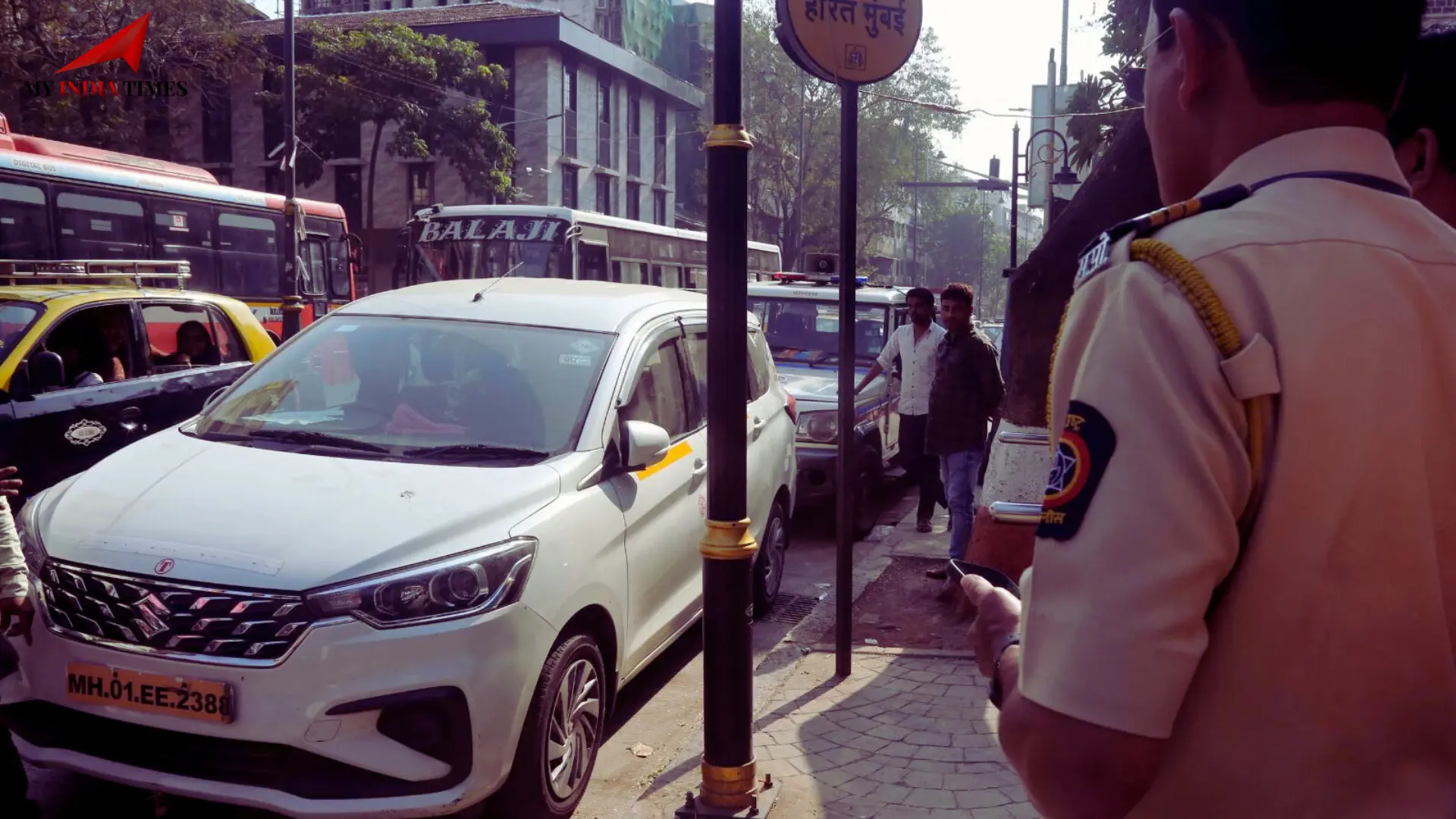
  • 200+ BEST Buses Taken Off Mumbai Roads Amid Sudden Driver Strike
    My India Times    2025-01-13  85

    200+ BEST Buses Taken Off Mumbai Roads Amid Sudden Driver Strike

    Mumbai, often called the city that never sleeps, faced a significant disruption in its public transportation on Monday. Over 200 buses operated by the Brihanmumbai Electric Supply and Transport (BEST) were pulled off the roads following an unannounced strike by drivers working under a wet lease agreement. The strike created chaos across the city, leaving countless commuters stranded and frustrated.

    What Triggered the Strike?

    The incident that prompted the strike involved a pregnant conductor working for Mateshwari Urban Transport, the contractor responsible for the buses in question. The conductor had submitted a request for modified duties due to her advanced pregnancy, but her manager allegedly dismissed the request and subjected her to derogatory remarks. This display of disrespect incited her colleagues, leading them to cease operations in protest.
     

    Impact on Mumbai's Public Transport

    The strike affected buses from two major depots—Pratiksha Nagar and Dharavi. Over 100 key routes connecting South Mumbai, the central suburbs, and the eastern parts of the city were disrupted. For daily commuters, the sudden halt in bus services meant turning to more expensive alternatives like auto-rickshaws and taxis.

    With BEST buses being a lifeline for millions, the disruption caused widespread frustration. Passengers lamented the lack of reliability in a service they depend on every day.

    Workers’ Long-Standing Grievances

    Beyond the immediate trigger of the strike, the protest highlights the ongoing issues faced by contractual workers under the wet lease system:

    • Delayed Salaries: Workers have complained about irregular and delayed salary payments, making it difficult for them to sustain their livelihoods.
    • Low Wages: The pay provided to drivers and conductors under the contract is significantly lower than permanent employees of BEST.
    • Job Insecurity: Contractual employees have repeatedly demanded permanent employment status, which would grant them better pay, benefits, and job security.

    BEST's Financial and Leadership Challenges

    The current circumstances highlight the internal challenges faced by BEST. The organization is presently functioning without a General Manager, which has resulted in a lack of robust leadership to oversee public transportation operations efficiently.Additionally, BEST is burdened with liabilities amounting to nearly ₹10,000 crore, further hindering its ability to address worker concerns or improve services.

    Penalties and Actions by BEST

    BEST has criticized the wet lease contractor, Mateshwari Urban Transport, for failing to handle worker grievances appropriately. Officials have announced plans to impose penalties on the contractor to hold them accountable. However, restoring bus services and resolving deeper issues will require long-term solutions.

    The Human Cost of Neglect

    The plight of the pregnant conductor is a stark reminder of the human cost of systemic neglect and poor workplace policies. For workers, such incidents reinforce the perception that their well-being is not a priority. While the strike was a drastic step, it reflects the growing frustration among workers who feel undervalued and unheard.

    A Call for Reforms

    This strike underscores the urgent need for reforms in Mumbai's public transport system:

    • Improved Worker Policies: Timely salary payments, better working conditions, and permanent employment opportunities for contractual staff must be prioritized.
    • Leadership Appointments: BEST needs a capable leader to steer the organization through its current challenges.
    • Financial Stability: Addressing BEST’s financial liabilities will be critical for its long-term sustainability.

    Conclusion: A Wake-Up Call for BEST

    The sudden strike by BEST drivers disrupted the lives of thousands of Mumbai residents, highlighting the fragile state of the city’s public transport system. For BEST, this should serve as a wake-up call to address worker grievances and improve management practices.

    Mumbai relies on its public transport to stay connected, and only through swift action and comprehensive reforms can BEST ensure reliable services for its passengers and create a better working environment for its employees.

    …
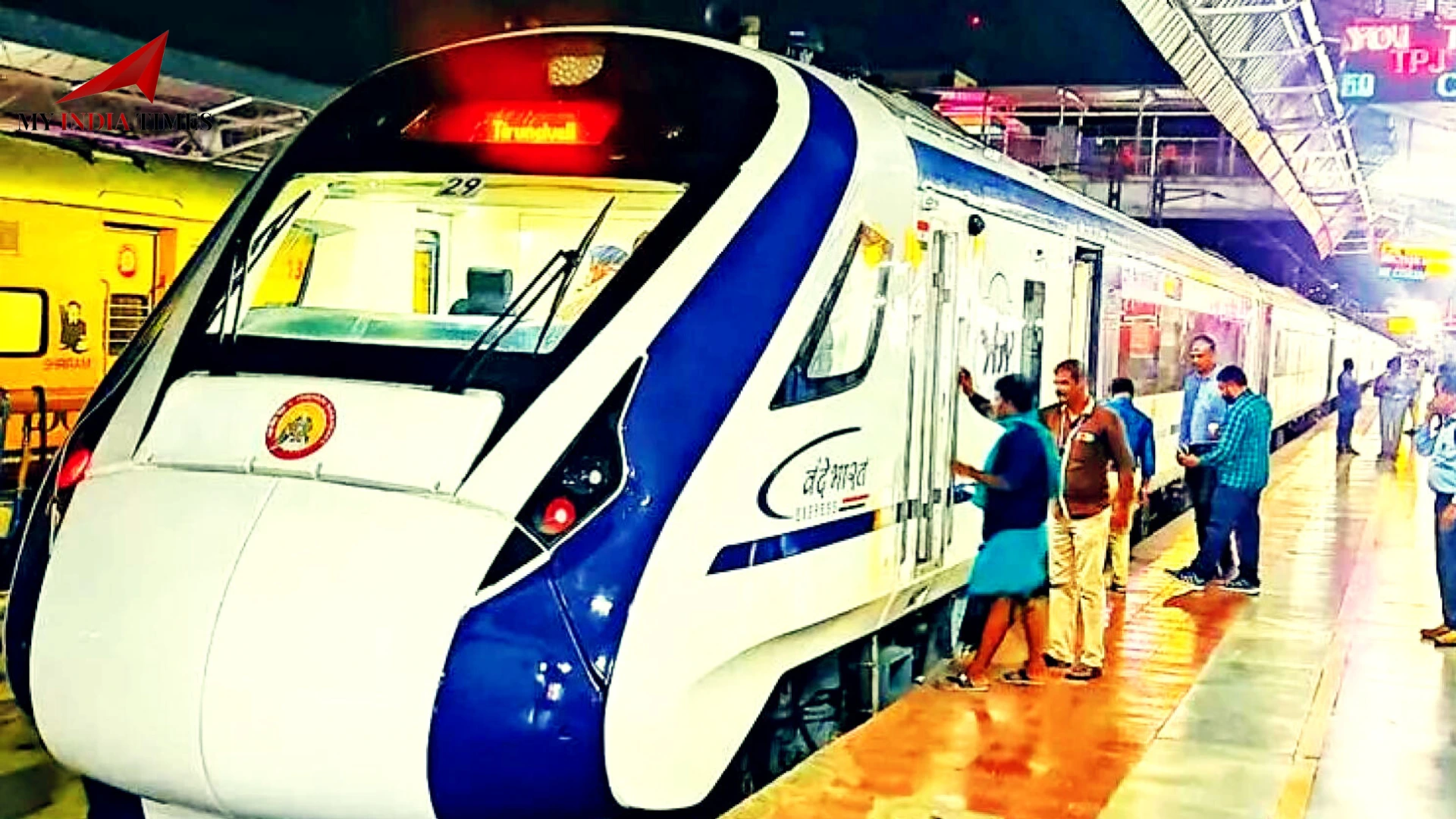
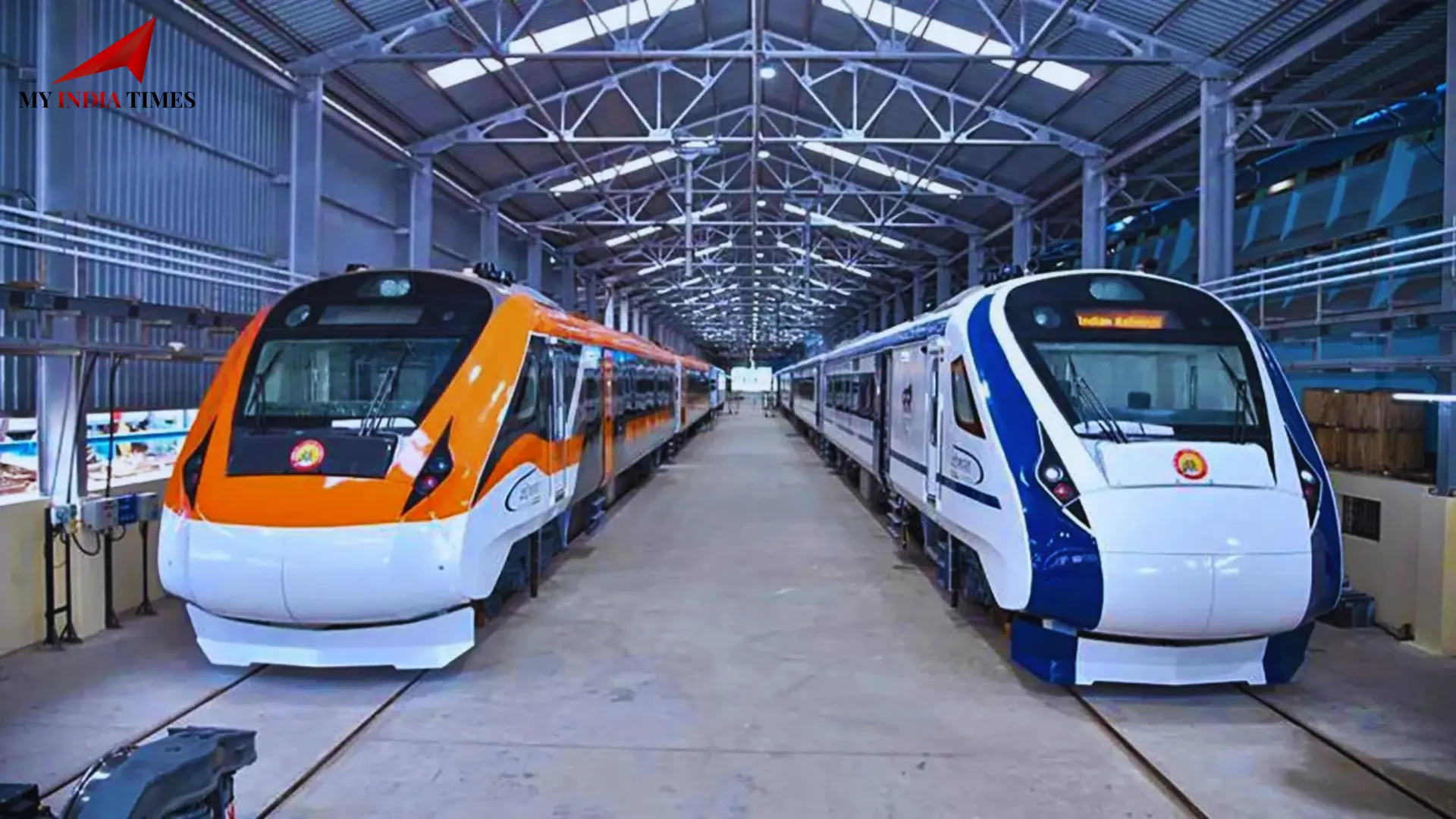
  • Vande Bharat Express Makes Its Bollywood Debut: A New Era for Indian Railways and Cinema
    My India Times   2025-01-11  116

    Vande Bharat Express Makes Its Bollywood Debut: A New Era for Indian Railways and Cinema

    India's pride, the Vande Bharat Express, is all set to make a historic debut in Bollywood. The semi-high-speed train, which has already become a symbol of modern Indian transportation, will now be showcased on the big screen. This promising partnership between Indian Railways and the film industry is set to showcase India's advanced infrastructure in a cinematic context.

    Shoojit Sircar Takes the Lead: A Director's Vision

    Award-winning filmmaker Shoojit Sircar is the visionary director behind this film that will feature the Vande Bharat Express. Recognized for his exceptional storytelling in films such as Piku and Vicky Donor, Sircar consistently integrates themes of emotional resonance and societal significance. By featuring the Vande Bharat Express in his forthcoming project, Sircar is not merely presenting a train; he is also honoring the nation’s advancements and innovations.

    The First Bollywood Shoot at Mumbai Central Station

    The historic shoot is being conducted at Mumbai Central Station, where the Vande Bharat Express will be featured in a commercial production. This is the first time that Indian Railways has allowed the use of the Vande Bharat train for such a purpose. The shoot will take place on platform number five, adding an authentic touch to the film’s scenes.

    Western Railway officials explained that the Vande Bharat Express train used for this shoot is parked on Wednesdays for maintenance, making it available for filming. This decision aligns with the railway’s policies of allowing commercial shoots when the trains are not in operation.

    Revenue Generation: A Win-Win for Both Railways and Bollywood

    While the collaboration benefits Bollywood filmmakers, it also helps the Indian Railways generate significant revenue. The Vande Bharat Express shoot alone has earned Western Railway approximately Rs 23 lakh in non-fare box revenue. Interestingly, this amount is slightly higher than the revenue generated from the train's regular journey between Mumbai and Ahmedabad the day before.

    Indian Railways has seen great success in earning revenue from film shoots, with a total of around Rs 1 crore generated this financial year alone. This revenue helps in improving railway assets and amenities, ultimately contributing to the development of the country's railway network.

    Why Trains Are Perfect for Indian Cinema

    Trains have always held a special place in Indian cinema. They are not just a mode of transport but also an integral part of storytelling. The Vande Bharat Express brings a modern twist to this narrative. With its sleek design and high-speed capabilities, it is not just another train; it represents India's vision for the future. By incorporating such an iconic symbol into films, directors can bring an extra layer of authenticity and realism to their stories.

    The public’s emotional connection to trains is another reason why they are frequently featured in Indian films. Whether it’s the iconic Dilwale Dulhania Le Jayenge or Rajdhani Express, trains have long been a symbol of love, adventure, and travel. The Vande Bharat Express, being a modern marvel, will take this tradition to a whole new level.

    Promoting Indian Infrastructure through Cinema

    This collaboration between Indian Railways and Bollywood goes beyond just earning revenue. It’s a way to showcase the country's advancements in infrastructure to a global audience. As filmmakers use the Vande Bharat Express in their stories, they highlight not only the train’s design and speed but also the country's vision for modern transportation. For India, trains like the Vande Bharat Express are not just about getting from point A to point B; they represent progress, innovation, and a glimpse of the future.

    Future of Vande Bharat in Bollywood

    With this being the first film shoot involving the Vande Bharat Express, it is expected that the train will appear in more Bollywood films in the future. Just as other iconic trains have been featured in Indian films, the Vande Bharat Express is poised to become a regular feature on the big screen.

    By showcasing such advanced infrastructure, filmmakers not only tap into the emotional connection people have with trains but also celebrate the rapid development taking place in India. The use of the Vande Bharat Express in films is a perfect example of how infrastructure and entertainment can come together to create compelling stories.

    A Glimpse into the Future: More Commercial Shoots on the Tracks

    Indian Railways has already opened up its premises for various commercial shoots in recent years. From popular Bollywood films to web series, railways stations and trains have become important settings in the entertainment industry. Movies like Railwaymen, Gaslight, and Heropanti 2 have all featured Western Railway trains in their shoots. This trend of allowing commercial shoots on railway properties not only generates substantial revenue but also promotes Indian Railways as an integral part of the nation’s cultural fabric.

    Western Railway's Chief PRO, Vineet Abhishek, stated that showcasing trains in films benefits both the filmmakers and the railway department. While filmmakers get access to iconic and authentic locations, the Railways benefit from the revenue, which is used for developing infrastructure and improving passenger amenities.

    Conclusion: Celebrating India’s Progress through Cinema

    The collaboration between Shoojit Sircar’s film and the Indian Railways marks a historic moment for both the film industry and the country’s transportation sector. The Vande Bharat Express, with its sleek design and modern amenities, is set to take the limelight in Bollywood, celebrating India's journey towards modernity.

    As more filmmakers incorporate the Vande Bharat Express into their narratives, the train will not only continue to capture the imagination of moviegoers but also serve as a symbol of India's remarkable progress. This partnership exemplifies how cinema and infrastructure can work together to create an impact that resonates with millions of people across the nation.

    …
  • hostinger
  • Maharashtra Plans Congestion Taxes and Car Ownership Limits to Reduce Traffic
    My India Times    2025-01-11  78

    Maharashtra Plans Congestion Taxes and Car Ownership Limits to Reduce Traffic

    Mumbai and its surrounding cities in the Mumbai Metropolitan Region (MMR) have long struggled with traffic congestion, parking shortages, and increasing air and noise pollution. To address these challenges, the Maharashtra government has introduced an ambitious initiative aimed at transforming the region's transportation system. Spearheaded by Chief Minister Devendra Fadnavis and the transport department, this plan seeks to develop cleaner, less congested, and more sustainable urban environments.

    Certified Parking Area (CPA): A Game-Changing Requirement

    One of the centerpiece proposals is the mandatory Certified Parking Area (CPA) certificate for registering new vehicles. This innovative initiative requires that all vehicle owners demonstrate access to a designated parking space prior to adding another car to the already congested streets of the city. By mandating both private and public parking arrangements, this policy tackles the underlying issues of parking disorder and mitigates additional pressure on urban areas.

    Introducing Congestion Taxes in High-Traffic Zones

    To further ease vehicular traffic, the government is considering implementing congestion taxes in heavily crowded areas like South Mumbai and key business districts. By implementing a financial incentive for vehicles entering these zones, authorities aim to promote alternative modes of transportation, including public transit, ride-sharing, or carpooling. Comparable initiatives in cities such as London and Stockholm have led to considerable reductions in traffic congestion and environmental pollution, demonstrating the potential effectiveness of this strategy.

    Capping the Number of Cars Per Family

    The rapid rise in vehicle ownership has become a significant contributor to urban congestion. To tackle this, the Maharashtra government is contemplating a restriction on the number of cars each family can own. This policy draws inspiration from international practices, such as Singapore’s vehicle quota system, which has successfully controlled car population growth for decades.

    Restricted Entry Zones: Reducing Urban Pressure

    A novel approach to minimizing congestion in high-demand areas involves creating restricted entry zones for vehicles. These zones would include designated parking spaces in nearby locations, such as those managed by the Mumbai Port Authority. Once parked, commuters could seamlessly switch to public transport for the remainder of their journey. This approach not only reduces traffic in densely packed areas but also optimizes the use of public transport infrastructure.

    Lessons from International Cities: Proven Strategies

    Maharashtra’s vision is influenced by successful policies worldwide. For example:

    • Japan: Enforces a “garage certificate” system, requiring car owners to prove they have parking space.
    • Singapore: Uses a Certificate of Entitlement (COE) system, allowing vehicle ownership for a limited 10-year period.
    • London: Levies a congestion tax of £15 in its central business district, leading to a 20% reduction in vehicle usage.
    • Stockholm: Implements a toll system to restrict traffic in busy areas, enhancing urban mobility. By adopting and localizing such strategies, Maharashtra seeks to create a sustainable and effective solution tailored to its unique challenges.

    Public Transport: The Key to Success

    For these measures to succeed, a robust public transportation system is essential. Recognizing this, the government has accelerated Metro development, enhanced bus networks, and improved last-mile connectivity. With better transport options, commuters will have viable alternatives to private vehicles, making it easier to embrace the proposed changes.

    Phased Implementation and Stakeholder Engagement

    The proposed changes will be implemented gradually, ensuring minimal disruption. The government plans to start with Navi Mumbai, a region that offers the infrastructure and readiness to pilot these initiatives effectively. To address potential resistance from car manufacturers and the public, the government is actively engaging stakeholders, including transport authorities, urban development agencies, and industry representatives.

    Overcoming Challenges with Collaborative Solutions

    Experts acknowledge that implementing such transformative measures won’t be easy. Opposition from powerful automobile lobbies, logistical hurdles, and public resistance are expected. However, by emphasizing the benefits—cleaner air, smoother traffic flow, and better urban living—the government is optimistic about garnering widespread support.

    Transforming Maharashtra into a Model State

    This visionary initiative aims to position Maharashtra as a leader in sustainable urban development. With a focus on long-term benefits, the government is determined to tackle urban mobility challenges head-on, ensuring a cleaner, greener, and more organized future for its citizens.

    A Sustainable Future Awaits

    The proposed changes, while ambitious, mark a critical step forward for Maharashtra. By embracing innovative policies, prioritizing sustainability, and learning from global examples, the state is setting a precedent for cities across India. Whether through mandatory parking certificates, congestion taxes, or vehicle ownership limits, these measures promise to redefine urban living and pave the way for a brighter, less congested tomorrow.

    …
  • Genelia and Riteish Deshmukh Transform Mumbai’s Street Food with Starbucks Partnership
    My India Times    2025-01-09  61

    Genelia and Riteish Deshmukh Transform Mumbai’s Street Food with Starbucks Partnership

    Bollywood’s cherished couple, Genelia and Riteish Deshmukh, are stepping into the culinary spotlight with an exciting collaboration alongside global coffee chain Starbucks. Through this exclusive collaboration, Mumbai's famous street food gets a plant-based makeover, fusing innovation and tradition to create a contemporary, decadent, and sustainable dining experience.

    A Mission to Revolutionize Plant-Based Eating

    The Deshmukhs have long been advocates for a healthier and more sustainable lifestyle. Imagine Meats has revolutionized vegetarian food by providing plant-based, high-protein substitutes that don't sacrifice flavor or nostalgia. The foundation of Imagine Meats is the idea that everyone may enjoy, enjoy, and find satisfaction in consuming plant-based foods.

    This partnership with Starbucks marks the next step in their mission to make sustainable food options more accessible. By giving Mumbai’s beloved street food classics a plant-based makeover, they’re not only celebrating local flavors but also catering to the growing demand for eco-conscious dining choices.

    Reimagining Mumbai’s Culinary Heritage

    Mumbai’s street food is an inseparable part of the city’s cultural fabric, with dishes like vada pav, pav bhaji, and dabeli being staples of daily life. These classic nibbles are adored for their hearty tastes and cozy charm.

    With their exclusive menu at Starbucks, Genelia and Riteish have given these timeless favorites a modern, plant-based twist. While using creative, guilt-free components that mirror the changing culinary trends of today, the recipes retain their true character.

    The Vision Behind the Collaboration

    Speaking about the initiative, Genelia expressed, “Mumbai’s street food culture is a celebration of flavors and memories, and we wanted to honor that with a fresh perspective. Plant-based eating doesn’t have to be boring or restrictive—it can be as indulgent and exciting as traditional options. This cuisine pays homage to our beloved city.

    "For us, food is about storytelling and connection," Riteish continued. We were able to combine Mumbai's rich culinary history with a sustainable future thanks to this partnership. With Starbucks, we’ve crafted something truly unique, and we can’t wait for people to experience it.”

    Celebrating Starbucks’ Landmark Moment

    This initiative coincides with a significant milestone for Starbucks—the opening of its 100th store in Mumbai. The partnership with the Deshmukhs showcases Starbucks’ dedication to embracing local cultures and tastes while offering global quality and innovation.

    By integrating plant-based dishes into its menu, Starbucks reaffirms its commitment to supporting sustainable food practices and providing customers with options that align with modern preferences.

    A Move Toward a Sustainable Future

    As awareness about the environmental impact of food choices grows, the shift towards plant-based alternatives has gained momentum worldwide. Imagine Meats and Starbucks are leading this movement in India, demonstrating that sustainability can go hand in hand with indulgence.

    This partnership not only offers delicious dining options but also highlights the role that conscious food choices can play in creating a greener future.

    Where to Experience the Flavors

    The exclusive plant-based menu is now available at select Starbucks outlets across Mumbai. Whether you’re a fan of the spicy vada pav, crave the comforting flavors of pav bhaji, or want to try something entirely new, this menu offers a fresh take on Mumbai’s street food staples.

    More Than Just Food: A Culinary Movement

    Genelia and Riteish’s collaboration with Starbucks is about more than creating delicious dishes—it’s about inspiring change. By blending their entrepreneurial spirit with their love for food, they’ve crafted a menu that celebrates Mumbai’s culinary legacy while embracing modern, sustainable practices.

    This partnership reflects their belief that food has the power to bring communities together, tell stories, and shape a more conscious world. With every bite, customers are savoring a blend of tradition, innovation, and the promise of a healthier future.

    …
  • Vande Bharat Express Makes Its Bollywood Debut in Shoojit Sircar’s Next Film
    My India Times    2025-01-09  66

    Vande Bharat Express Makes Its Bollywood Debut in Shoojit Sircar’s Next Film

    Bollywood is set to witness a unique blend of cinematic storytelling and modern engineering as the Vande Bharat Express, India’s flagship semi-high-speed train, takes center stage in Shoojit Sircar’s upcoming film. This marks the first time the iconic train has been featured in a commercial film production, with shooting taking place at Mumbai Central Station.

    A Cinematic First for Indian Railways

    The Indian Railways has opened its doors to cinematic endeavors once again, but this time with a twist. For the first time ever, the Western Railway has permitted the use of a Vande Bharat Express for a film shoot. The production was carried out at platform number five of Mumbai Central Station, with acclaimed filmmaker Shoojit Sircar at the helm.

    Why Vande Bharat?

    The selection of the Vande Bharat Express for this feature was motivated by its representation of India’s advancements in rail transportation technology. The train's elegant design, state-of-the-art technology, and opulent interiors serve as an impressive visual backdrop, enhancing the authenticity and modernity of cinematic storytelling.
     

    Scheduling Without Disruption

    The shooting schedule was strategically planned to avoid disrupting passenger services. One of the two Vande Bharat trains operating on the Mumbai-Ahmedabad route remains non-operational on Wednesdays for maintenance. In order to cause the least amount of disruption to passengers, Western Railway took advantage of this chance to provide the train for the movie filming.

    Boosting Revenue Through Innovation

    The Indian Railways earned a significant Rs. 23 lakh from this single shoot, surpassing the daily revenue of Rs. 20 lakh generated by the train during its regular journey between Mumbai and Ahmedabad. This is in line with Indian Railways' plan to increase non-fare income by making railway assets—like trains and stations—available for business use.

    According to Vineet Abhishek, Chief Public Relations Officer of Western Railway, “This marks a historic first for Vande Bharat Express. In addition to bringing in more money, filming helps the public see the Railways' contemporary innovations and forges a strong emotional bond with trains.

    Film Fraternity Simplified Permissions
     

    By providing a single-window system to enable hassle-free access to railway assets, Western Railway has simplified the permissions process for filmmakers. Officials highlighted that such collaborations are mutually beneficial, as trains provide realistic settings for cinematic narratives while earning additional funds for infrastructure development.

    Bollywood’s Ongoing Love Affair with Railways

    This isn’t the first time Indian Railways has starred in films. Over the years, several movies and web series, such as Railway Men, Heropanti 2, Gaslight, and Ek Villain Returns, have featured railway premises as pivotal elements of their stories. However, the debut of the Vande Bharat Express adds a new chapter to this partnership, symbolizing the evolving relationship between Bollywood and Indian Railways.

    A Gateway to Cinematic Excellence

    The use of Vande Bharat Express signifies a leap forward in showcasing India’s progress through the medium of cinema. By allowing the integration of advanced infrastructure into visual storytelling, Indian Railways continues to highlight its role as more than just a transport provider—it is a canvas for the nation’s dreams and aspirations.

    As Shoojit Sircar’s film unfolds on screen, audiences can look forward to a journey that merges the thrill of Bollywood with the pride of India’s engineering marvel.

    …
  • Ads images
  • Mumbai Police Uncover Fraudulent Vehicle Registration Near Taj Hotel
    My India Times    2025-01-09  84

    Mumbai Police Uncover Fraudulent Vehicle Registration Near Taj Hotel

    In a striking incident that unfolded in Mumbai, two vehicles bearing the exact same registration number were spotted near the iconic Taj Mahal Hotel in Colaba on Monday. The recent discovery, which raises significant concerns regarding vehicle registration fraud, has prompted swift action from the Mumbai Police. This case highlights the vulnerabilities inherent in the vehicle registration system and the potential exploitation of counterfeit documents.

    The Alarming Discovery at Colaba

    The incident came to light when Sakir Ali, a resident of Nariman Point, was parked near the Gateway of India with his Ertiga car, registered under MH01-EE-2388. To his shock, he noticed another Ertiga car with the identical registration number driving by. Startled by the blatant anomaly, Ali flagged down the vehicle and informed the authorities.

    Mumbai Police, stationed nearby, acted swiftly. After being arrested, the two cars and their drivers were transferred to the Colaba police station for additional examination. Confirming the development, a senior police officer stated, “Two cars with identical registration plates were identified at Colaba. One of the vehicles was found to have a forged number plate, and the original car owner has lodged a formal complaint.”

    Investigation Reveals Forgery and Fraud

    Initial inquiries revealed that this was not an accidental duplication but a deliberate act of fraud. The driver of the duplicate vehicle, identified as Prasad Kadam, a resident of Navi Mumbai, had allegedly tampered with his car’s registration plate. Kadam had modified the registration to match Ali’s vehicle in a bid to evade repossession by the finance company from which he had taken a car loan. According to reports, Kadam changed his license plate and fell behind on his payments in order to evade being discovered and having his car seized.

    Adding to the complexity, it was discovered that Ali had been receiving traffic challans for violations committed by Kadam. By forging Ali’s registration number, Kadam not only committed fraud but also caused unnecessary inconvenience to the rightful owner, who had to bear the penalties for offenses he did not commit.

    Swift Action by Mumbai Police

    Mumbai Police are now investigating the case comprehensively, verifying the registration details of both vehicles and scrutinizing the documentation. Authorities have promised that Kadam will face severe consequences for his willful and unlawful behavior. “We are preparing to file a case, and the accused will face legal consequences for forging the number plate and misusing it,” said a senior officer involved in the case.

    Broader Implications of the Incident

    This case highlights a growing issue of vehicle registration fraud and the ease with which forged plates can be used for illegal purposes. Tampering with vehicle numbers not only allows offenders to evade financial responsibilities but also risks implicating innocent citizens in legal and administrative complications.

    The incident has sparked discussions on the urgent need for enhanced measures to secure vehicle registration systems. Experts suggest adopting stricter enforcement protocols and leveraging advanced technologies such as RFID tags or blockchain-based vehicle registration systems to prevent such frauds in the future.

    A Call for Vigilance

    Mumbai Police have reiterated their commitment to addressing this issue and ensuring justice for those affected. They have urged citizens to stay vigilant and report any suspicious activities related to vehicle registrations or number plate tampering.

    This case serves as a stark reminder of the importance of accurate and secure documentation for vehicles. For vehicle owners, it underscores the need to regularly check their records and promptly address any anomalies to prevent misuse of their credentials.

    As Mumbai Police work to bring the culprit to justice, the incident stands as a cautionary tale, emphasizing the significance of robust systems and the collective responsibility of society to combat fraud.

    …
  • ₹1,000-Crore Torres Jewellery Scam: Delayed Action Adds to Investor Woes
    My India Times    2025-01-09  89

    ₹1,000-Crore Torres Jewellery Scam: Delayed Action Adds to Investor Woes

    Mumbai: The unmasking of the ₹1,000-crore Torres Jewellery scam has left thousands of investors reeling, their trust and savings shattered. This alarming case of fraud, masked as a legitimate jewellery business, has underscored significant shortcomings in prompt law enforcement response, particularly in light of prior warnings issued by the company’s chief accountant, Abhishek Gupta.


    The Whistleblower Who Rang the Alarm

    On December 30, Abhishek Gupta, Torres Jewellery's chief accountant, flagged suspicious financial activities within the company. Gupta lodged formal complaints with the Mumbai Police and the Enforcement Directorate (ED), presenting detailed allegations of fraudulent practices. Despite these efforts, Gupta claims his warnings went unheeded, giving the main culprits enough time to flee before authorities could act.

    In light of increasing concerns for his safety, Gupta has allegedly been receiving threatening phone calls, which has led him to request police protection. Nevertheless, his involvement in the alleged scam continues to be examined, as authorities determine whether he acted purely as a whistleblower or if there were ulterior motives at play.


    Ponzi Scheme Unveiled

    Investigators have unearthed a classic Ponzi scheme at the heart of the Torres operation. Promising extraordinary returns, the company lured over 1.25 lakh investors, only to divert funds and leave showrooms empty. Despite increasing suspicions, Torres Jewellery continued accepting investments as recently as Sunday morning.

    Interestingly, while police were preparing a raid at the company’s Sanpada outlet, social media posts from Torres’ accounts brazenly updated followers with misleading information. Authorities are now tracking who is operating these accounts and whether it was a deliberate attempt to mislead or buy time.


    Tangled Web of Accusations

    In a surprising twist, Torres Jewellery has accused both Gupta and its CEO, Tausif Riyaz, of vandalizing and robbing its stores. This claim has complicated the narrative, sowing doubts among investors and delaying the resolution process.

    While investigators pursue leads, over 750 complaints have already been registered at the Shivaji Park police station. However, recovering funds remains challenging, with seized bank accounts and lockers offering only a glimmer of hope.


    Key Arrests and Global Ambitions

    The police have apprehended several key figures, including Sarvesh Ashok Surve, director of Platinum Hern Pvt Ltd, and two foreign nationals—Tania Kasatova from Uzbekistan and Valentina Ganesh Kumar from Russia. Both women held high-ranking positions within Torres Jewellery and played critical roles in its day-to-day operations.

    Authorities also discovered that the company was planning international expansions, including opening showrooms in Sri Lanka. This international link is now a focal point of the investigation, raising concerns about cross-border financial fraud and money laundering.


    A Crisis for 1.25 Lakh Victims

    As the dust settles, the sheer scale of the scam has left a devastating impact. BJP leader Kirit Somaiya estimates that over 1.25 lakh investors have been defrauded, with many losing their life savings. Families who trusted the company are now facing financial ruin, with little clarity on when, or if, their money will be recovered.


    Lessons for Investors and Law Enforcement

    The Torres Jewellery scam is a wake-up call for both investors and authorities. It underscores the dangers of blindly trusting high-return schemes and highlights the importance of due diligence before making financial commitments. For law enforcement, this incident is a stark reminder of the cost of delayed action.

    …
  • Bombay HC Upholds Tradition: Mahim Urs Fair to Run Full Duration
    My India Times    2024-12-25  84

    Bombay HC Upholds Tradition: Mahim Urs Fair to Run Full Duration

    In a decisive ruling, the Bombay High Court overturned Mumbai Police's notice to end the Mahim Urs Fair two days early, ensuring that the event continues uninterrupted until its scheduled end on December 25. This judgment highlights the judiciary's role in preserving cultural traditions against administrative interference.


    Mahim Urs Fair: A Century-Old Cultural Festivity

    The Mahim Urs Fair, held annually at the Mahim Dargah Urs Ground, commemorates the revered Sufi saint Hazrat Makhdum Fakih Ali Mahimi. This ten-day event attracts over one million visitors and features various stalls, engaging games, diverse culinary options, and dynamic cultural performances. It serves as a fundamental aspect of Mumbai’s rich cultural tapestry, representing unity and spiritual respect.


    Police Notice Sparks Controversy

    Mumbai Police issued notices on December 23 to 40 vendors, directing them to vacate by December 23 instead of the scheduled December 25. The notification referenced potential traffic congestion in the vicinity of Mahim Causeway and Lady Jamshedji Road, particularly in light of the Christmas festivities taking place at St. Michael's Church.

    This unexpected decision has created apprehensions among stall owners who contended that it jeopardized their livelihoods and undermined the traditions of the fair. Vendors like Zahid Khamisa, a participant since 1986, approached the High Court, seeking intervention.


    Court Criticizes Police Action

    A vacation bench of Justices Shivkumar Dige and Advait Sethna questioned the police's reasoning, stating that decisions cannot be based solely on apprehensions without evidence. The court concluded that there were no public complaints regarding traffic congestion, rendering the police directive unnecessary.

    The judges reiterated that traffic management is a responsibility of law enforcement and should not impede community events. This ruling reinforces the significance of cultural rights in a bustling metropolitan city such as Mumbai.


    Balancing Traffic Management and Cultural Rights

    The police argued that traffic congestion on Mahim Causeway, a vital link between South Mumbai and its western suburbs, worsens during Christmas festivities. However, the court ruled that such challenges must be managed without disrupting longstanding traditions. Advocate Prassana Bhangale, representing the petitioners, highlighted that similar issues in previous years were resolved with administrative cooperation.


    Significance of the Ruling

    The High Court's verdict safeguards the livelihood of vendors and the spirit of the Mahim Urs Fair. It sets a precedent for balancing public order and cultural traditions. The ruling underscores the judiciary's commitment to protecting citizens' rights to celebrate their heritage.


    Mahim Urs Fair: A Beacon of Unity

    The fair remains one of Mumbai’s most anticipated events, fostering community bonding and showcasing the city’s cultural vibrancy. With this verdict, the fair will continue its legacy of celebrating spirituality and unity, drawing visitors to experience its festive charm and historic significance.

    The Bombay High Court’s intervention ensures that the Mahim Urs Fair remains a cherished tradition, reflecting Mumbai's multicultural ethos.

    …
  • Ads images
  • Bareilly to Mumbai Train Tickets Unavailable for 50 Days: A Crisis for Passengers
    My India Times    2024-12-25  118

    Bareilly to Mumbai Train Tickets Unavailable for 50 Days: A Crisis for Passengers

    The Bareilly-Mumbai train route has become a nightmare for travelers, with ticket availability reaching a critical low. All major trains are fully booked for the next 50 days, leaving passengers with no choice but to pay extra for Tatkal tickets, consider flights, or explore other travel alternatives. From sleeper class to AC compartments, long waiting lists have made it nearly impossible to secure a confirmed ticket, highlighting the severe pressure on the limited train services operating between these cities.

    Limited Train Services Fail to Meet Growing Demand

    With only six weekly trains connecting Bareilly to Mumbai, the growing demand has overwhelmed the existing infrastructure. Popular trains like the Bareilly-Lokmanya Tilak Terminus Express are fully booked until January 18, while the Ramnagar-Bandra Terminus Express shows no availability until February 14. Even special trains such as the Kathgodam-Mumbai Central Special, introduced to ease the load, are fully booked with long waiting lists, leaving passengers stranded.

    High Passenger Load from Uttarakhand Adds to the Crisis

    One of the key reasons behind this crisis is the high passenger load from Uttarakhand. Trains like the Ramnagar-Bandra Terminus Express often arrive fully packed, leaving little room for passengers boarding from Bareilly. Adding to the problem, proposals to increase train frequencies are stuck in the Railway Board, further aggravating the situation.

    Expensive Alternatives for Desperate Travelers

    Desperate travelers are turning to costly alternatives. Tatkal tickets, priced at 1.5 times the regular fare, have become a common but expensive option. Those who can afford it are opting for flights, while others are resorting to buses, which, though slower, are more affordable. Unfortunately, even newly introduced trains like the Lalkuan-Bandra Terminus Express, running once a week, fail to provide significant relief due to their limited frequency.

    Hopes Pinned on Future Railway Announcements

    Passengers hoping for a solution are pinning their hopes on announcements for schedule extensions or special trains. However, the current situation demands urgent action from the authorities to prioritize better connectivity and increased train services between Bareilly and Mumbai. Without such measures, the gap between supply and demand will only continue to widen, leaving travelers with no viable options.

    The Need for Immediate Action

    This crisis underscores the need for immediate intervention to enhance the frequency of trains, expand services, and cater to the increasing number of passengers on this route. Until then, travelers are advised to plan their journeys well in advance, stay updated on railway notifications, and explore alternative travel methods to avoid last-minute hassles.

    …
  • Mumbai Boat Accident: Navy Speedboat Collides with Passenger Ferry, 14 Lives Lost
    My India Times    2024-12-20  120

    Mumbai Boat Accident: Navy Speedboat Collides with Passenger Ferry, 14 Lives Lost

    A tragic accident off the coast of Mumbai has shaken the nation, highlighting critical gaps in maritime safety and operational protocols. On Wednesday, a Navy speedboat collided with the passenger ferry Neel Kamal near Karanja, leading to the untimely deaths of 14 individuals. The incident that occurred at approximately 4 PM has raised significant concerns regarding overloading, negligent operations, and the insufficiency of safety measures on one of India's busiest maritime corridors.


    Survivor’s Heartbreaking Testimony: Driver Allegedly “Showing Off”

    Gaurav Gupta, a vegetable vendor from Nalasopara and a survivor of the accident, recounted the horrifying moments leading up to the tragedy. Gupta, who lost his aunt in the collision, alleged that the driver of the Navy speedboat was behaving irresponsibly.

    “The driver was showing off,” Gupta claimed. “My aunt came to Mumbai for my wedding. I

    What initially seemed like a day of celebration has turned into the most tragic experience of my life.

    This statement has intensified the ongoing investigation into the incident, prompting many to scrutinize the Navy's involvement.


    Overloaded Ferry Adds to the Disaster

    Reports indicate that the Neel Kamal ferry was carrying over 100 passengers at the time of the collision, far exceeding its authorized capacity of 84. It has been reported by survivors that the operators disregarded safety regulations, placing financial gain above the safety of passengers.

    Overloading not only endangered the stability of the ferry but also hindered rescue operations. This oversight has highlighted the immediate need for more stringent enforcement of maritime safety regulations.


    Engine Trials in Crowded Waters Under Investigation

    The Navy speedboat was reportedly conducting engine trials when it collided with the ferry. Concerns have been raised regarding the decision to conduct such trials along a route that is frequently traversed by civilian vessels. The Mumbai Police, in partnership with the Maharashtra Maritime Board, is conducting an investigation into this matter.

    Key aspects of the investigation include:

    • Permission: Determining who authorized the trials in a high-traffic area.
    • Protocol Compliance: Investigating whether standard safety measures were followed during the engine trial.
    • Communication Failure: Assessing whether the ferry was adequately warned about the speedboat's maneuvers.

    Authorities have expressed concerns about a potential breakdown in coordination between the Navy and local maritime authorities.


    Indian Navy Promises Accountability

    Indian Navy Chief Admiral Dinesh K Tripathi has taken personal charge of the situation, visiting Mumbai to oversee the investigation. On Friday, Admiral Tripathi met with survivors and injured passengers at the naval hospital INHS Ashwini.

    In a press statement, Navy officials confirmed the establishment of a Board of Inquiry to investigate the circumstances surrounding the accident. The Navy has assured the public of full transparency in its findings and pledged to implement measures to prevent such incidents in the future.


    Safety Protocols Come Under Scrutiny

    This incident has exposed significant gaps in maritime safety, sparking widespread calls for reform. Key areas of concern include:

    1. Passenger Overloading: Authorities must enforce stricter limits on the number of passengers ferries can carry.
    2. Military-Civilian Coordination: Clearer protocols are needed to ensure military operations do not endanger civilian traffic.
    3. Emergency Preparedness: Ferries and speedboats must be equipped with adequate safety equipment to manage accidents more effectively.
    4. Accountability for Negligence: Individuals or organizations responsible for safety lapses must face strict penalties.

    Search and Rescue Operations Continue

    Despite the tragic loss of life, rescue operations are still ongoing near the accident site. Teams of divers and search personnel are scouring the waters for missing passengers and debris. Navy officials have confirmed that search efforts will continue until all missing individuals are accounted for.


    Voices from the Maritime Community

    The accident has drawn sharp criticism from maritime experts and advocacy groups. Many have pointed out the dangers of conducting military trials in civilian areas without adequate safeguards.

    “This was an avoidable tragedy,” said Captain Rohit Malhotra, a maritime safety consultant. “The overlapping use of waterways by civilian and military operations requires better coordination and stricter enforcement of safety protocols.”


    A Grim Reminder of Safety Negligence

    The Mumbai boat accident serves as a stark reminder of the consequences of negligence and poor planning. Families of the victims are left grappling with their loss, demanding justice and systemic changes to prevent similar incidents in the future.

    …
  • Devendra Fadnavis Meets PM Modi: Mahayuti's Cabinet Deadlock Persists
    My India Times    2024-12-12  102

    Devendra Fadnavis Meets PM Modi: Mahayuti's Cabinet Deadlock Persists

    Cabinet Formation in Maharashtra Stuck After Alliance Victory

    Nearly three weeks after the Mahayuti alliance secured a majority in the Maharashtra assembly elections, the formation of the state cabinet remains mired in disagreements. The three alliance partners — the BJP, Shiv Sena, and NCP — are struggling to reach a consensus on the allocation of ministerial portfolios. This unsolved issue is impeding the state's governance delivery and postponing the official establishment of the government.

    Fadnavis Seek Resolution from PM Modi
     

    Prime Minister Narendra Modi and Maharashtra Chief Minister Devendra Fadnavis met Thursday in New Delhi in an attempt to end the impasse. The goal of this high-level discussion was to settle the ongoing disagreements over important portfolios that have delayed cabinet nominations. Earlier, Fadnavis, along with Deputy Chief Minister Ajit Pawar, engaged in discussions with Union Home Minister Amit Shah and BJP President JP Nadda. Senior BJP leaders' intervention shows how serious the standoff is.

    Tentative Agreement on Berths, But Disputes Linger

    Sources suggest a provisional distribution of ministerial positions within the 43-member cabinet:

    • BJP: 22 positions
    • Shiv Sena: 11 positions
    • NCP: 10 positions

    However, the deadlock stems from the allocation of high-profile departments like home and revenue, which both Shiv Sena and NCP are vying for. The BJP, determined to retain control over these crucial portfolios, is reluctant to cede ground.

    Shiv Sena and NCP Push for Greater Influence

    The Shiv Sena and NCP are demanding a greater share of the cabinet, with aspirations for key portfolios. In response, the BJP has hinted that while they may offer more positions, these could come with reduced authority. Reports indicate that although Eknath Shinde sought the home ministry, he has been assigned urban development instead. The finance ministry is likely to be handed to the NCP, further cementing their role in the administration.

    Eknath Shinde’s Absence Fuels Speculation

    Adding to the tension, Eknath Shinde was notably absent from the recent meetings in Delhi. This absence has raised eyebrows in political circles. The Shiv Sena initially argued that the alliance’s success was a result of Shinde’s leadership and insisted he should be the Chief Minister. However, the BJP’s insistence on having Fadnavis lead the government diminished Shinde’s leverage. Despite taking the oath as Deputy Chief Minister on December 5, Shinde’s absence now signals potential dissatisfaction and raises doubts about his influence in the coalition.

    Central BJP's Delicate Balancing Act

    The involvement of central BJP figures like Amit Shah and JP Nadda underscores the intricate nature of maintaining balance within the Mahayuti alliance. The BJP’s leadership faces the challenge of appeasing their partners while ensuring stability. Strategic compromises are necessary to prevent the coalition from unraveling due to internal discord. The central leadership’s role is crucial in maintaining unity and avoiding any collapse of the newly-formed government.

    Conclusion: Swift Resolution Needed for Stable Governance

    The ongoing cabinet deadlock in Maharashtra highlights the difficulties of coalition politics. Devendra Fadnavis’s discussions with Prime Minister Modi indicate a serious attempt to resolve the crisis. However, the absence of Eknath Shinde from key negotiations casts a shadow over the unity of the Mahayuti alliance. The final allocation of portfolios will determine not only the coalition’s stability but also its effectiveness in governance. Swift and decisive action is essential to overcome these challenges and ensure that the state’s administration functions smoothly.

    …
  • Ads images
  • BEST Implements Route Curtailments in Response to Fatal Kurla Accident That Claimed Six Lives
    My India Times    2024-12-12  74

    BEST Implements Route Curtailments in Response to Fatal Kurla Accident That Claimed Six Lives

    Overview of the Tragic Kurla Accident That Shook Mumbai

    On Monday night, a devastating accident in Kurla West resulted in six fatalities and left 43 people injured. An incident occurred involving an air-conditioned electric bus operated by the Brihanmumbai Electricity Supply and Transport (BEST). The driver, identified as Sanjay More, approximately 45 years of age, reportedly lost control of the vehicle, resulting in a devastating collision. This tragic incident has led to loss of life and substantial damage to public infrastructure, while also raising serious concerns regarding the safety measures associated with outsourced transportation services in Mumbai.

    BEST’s Immediate Response and Strategic Safety Measures to Prevent Public Backlash

    In the wake of the incident, BEST decided to implement immediate safety measures by curtailing several bus routes. This decision was made as a precautionary measure to mitigate any possible retaliation or vandalism by members of the public who may be upset by the incident. BEST officials responded promptly to ensure that no further damage or injury occurred, underscoring the importance of prioritizing public safety and safeguarding their fleet during this period of heightened tension.

    Detailed List of Route Alterations and Suspensions Implemented by BEST Authorities

    In response to the incident, BEST has announced several route changes and suspensions to streamline services and manage public safety:

    Suspension of Services to Kurla Railway Station: All bus services to Kurla Railway Station have been temporarily suspended.

    Bus Routes Now Terminating at Kurla Depot Instead of Kurla Railway Station: The following routes will now conclude at Kurla Depot, bypassing the railway station to minimize risk:

    • Route 37
    • Route 320
    • Route 319
    • Route 325
    • Route 330
    • Route 365
    • Route 446

    Modified Routes Connecting Santacruz and Kurla Station via Tilak Nagar: Three bus routes from Santacruz to Kurla Station have been shortened. These routes will now operate through Tilak Nagar as a ring route returning to Santacruz:

    • Route 311
    • Route 313
    • Route 318

    Diversion of Bandra to Kurla Route:

    • Route 310, which connects Bandra Station to Kurla Station via Bandra-Kurla Complex (BKC), has been diverted to avoid the Kurla Railway Station.

    In-Depth Account of the Accident and the Events That Led to the Collision

    The accident took place at approximately 9:45 pm on SG Barve Marg. The bus, identified as an Olectra-manufactured electric bus with registration number MH-01-EM-8228, was operating under a wet lease agreement. The bus was headed to Sakinaka from Kurla Railway Station when the driver allegedly lost control. This led to the bus colliding with approximately 25 other vehicles, including auto-rickshaws, two-wheelers, a police jeep, and taxis. Preliminary investigations found no evidence of the driver being intoxicated.

    Human Cost of the Incident: Casualties and Hospitalization of Injured Victims

    The accident resulted in a tragic loss of six lives. Additionally, 48 injured individuals are currently receiving medical treatment at various hospitals, including Kurla Bhabha Hospital and Sion Hospital. Some victims were initially taken to Kurla Bhabha Hospital but later transferred to other medical facilities for specialized care. This incident underscores the devastating consequences of such accidents and highlights the need for improved safety measures.

    Concerns Raised About BEST’s Wet Lease Fleet and Driver Working Conditions

    The bus involved in the accident is one of 183 electric buses within BEST’s fleet of nearly 2,900 buses, of which 1,900 operate under wet lease agreements. This tragedy has reignited debates about the wet lease system, where drivers are often hired by third-party agencies and reportedly face poor working conditions and low wages. BEST union leader Shashank Sharad Rao has once again called for the transport authority to operate its own fleet rather than relying on outsourced drivers, emphasizing that this would improve accountability and safety standards.

    Official BEST Statement and Assurance of Thorough Investigation

    Sudas Sawant, spokesperson for BEST, stated:

    “The bus was proceeding from Kurla Railway Station to Sakinaka when the driver lost control, leading to the tragic incident.” BEST has assured the public that a detailed investigation is underway to determine the exact cause of the accident and to prevent future occurrences.

    Conclusion: BEST’s Commitment to Public Safety Amid Ongoing Investigations

    In conclusion, BEST’s temporary curtailment of services is aimed at maintaining public order and safety while the investigation continues. The tragic incident has highlighted the urgent need for reform in the management of outsourced bus operations, emphasizing the importance of prioritizing driver welfare, fleet maintenance, and overall public safety.

    …
Error: Invalid API key. Please see https://openweathermap.org/faq#error401 for more info.