
.webp)
Welcome to Premium News
Exclusive stories, insights, and more, only for premium subscribers
Premium News

North Korea Declares Nuclear Status Permanent, Rejects Calls for Denuclearisation
Seoul, June 14: North Korea has once again stated that it has no intention of abandoning its nuclear weapons program, characterizing its status as a nuclear-armed nation as unchangeable and irreversible. The statement, released through the country's state media on Sunday, comes amid renewed pressure from the United States, South Korea, and Japan to pursue the denuclearisation of the Korean Peninsula.According to the official statement, Pyongyang feels that preserving regional stability and safeguarding national security depend on its nuclear capabilities.. Officials argued that no amount of diplomatic pressure or criticism from foreign governments would alter the country's strategic direction.
The statements came after representatives of the US, South Korea, and Japan met trilaterally in Tokyo, where they reiterated their commitment to reaching full denuclearization of the Korean Peninsula. However, North Korea dismissed those discussions, insisting that the issue has already been settled from its perspective.An unidentified spokesperson was cited by state media as criticizing Washington and its allies for persistently opposing the nation's nuclear policy. According to the official, external pressures or negotiations cannot alter North Korea's status as a nuclear weapons state.
Pyongyang has used the increasing security cooperation between the US and its regional partners to defend its military development. The spokesperson contended that North Korea's attempts to bolster its own deterrence capabilities are justified by ongoing arms transfers and defense alliances between South Korea and Japan.
The nation has continuously insisted that its nuclear arsenal is not an offensive weapon but rather a defense against possible threats.Officials believe these weapons provide long-term security and contribute to preserving peace through deterrence.Since diplomatic negotiations with Washington broke down in 2019, North Korea's nuclear aspirations have grown dramatically. There was no agreement reached at the high-profile summit between then-US President Donald Trump and leader Kim Jong Un in Hanoi, which effectively stopped any further movement toward a disarmament accord.
The most recent statement implied that the chance for denuclearization has already passed and is no longer relevant given the current situation, alluding subtly to previous unsuccessful conversations.The announcement also comes after recent high-level diplomatic engagements involving regional powers. Kim Jong Un recently welcomed Chinese President Xi Jinping in Pyongyang following Xi's meetings with both Donald Trump and Russian President Vladimir Putin. Notably, official reports from those meetings made no reference to North Korea's nuclear programme or denuclearisation efforts.
As geopolitical tensions continue to shape Northeast Asia's security landscape, North Korea's latest declaration signals that it remains firmly committed to its nuclear policy despite ongoing international opposition. The stance is likely to further complicate diplomatic efforts aimed at reducing military risks and restoring dialogue in the region.
North Korea nuclear weapons, Kim Jong Un news, North Korea denuclearisation, US South Korea Japan talks, Korean Peninsula tensions, Pyongyang latest news, nuclear policy, Asia security, North Korea state media, regional stability.
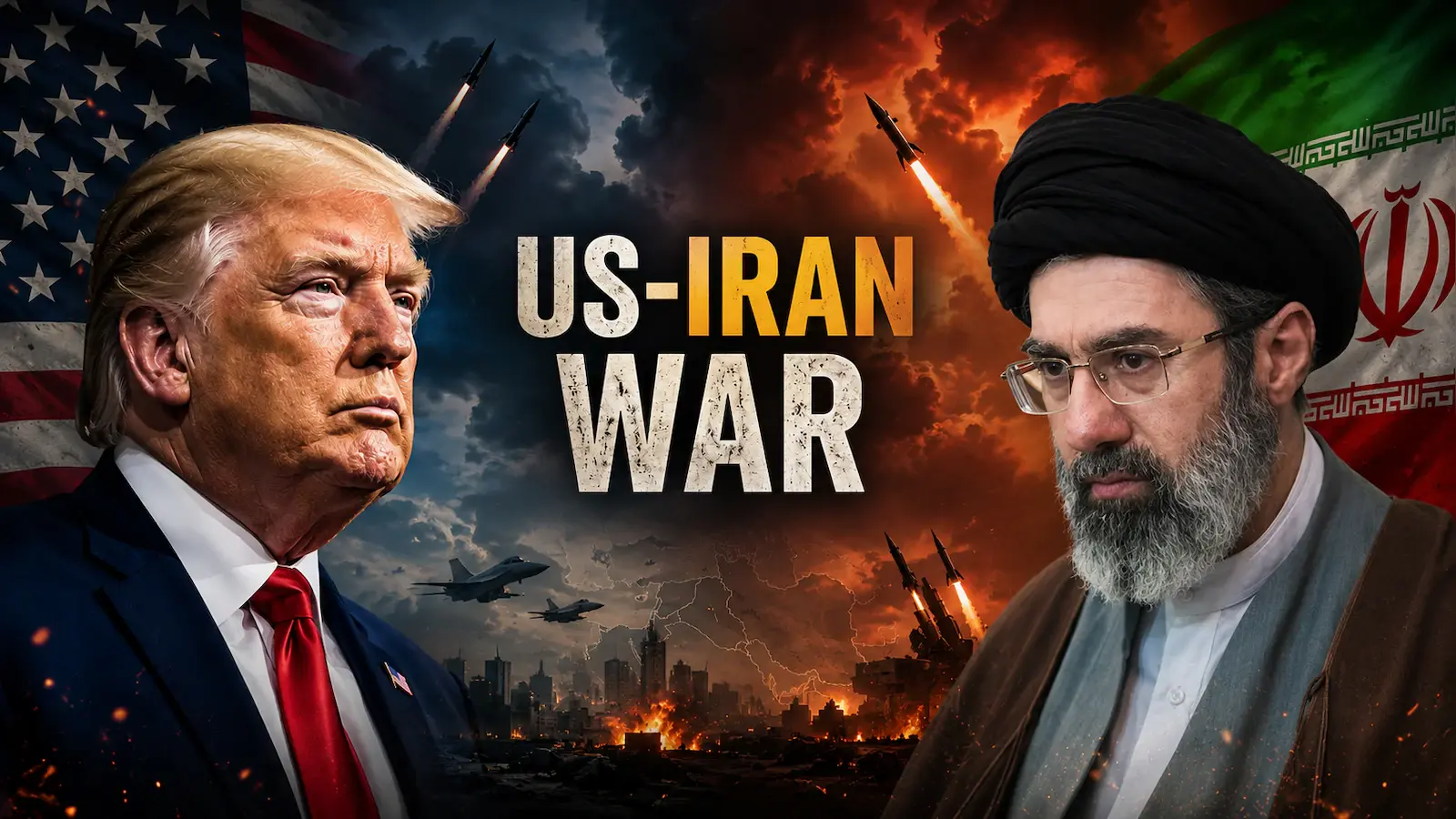
Trump Claims Iran Peace Deal Is Near, Says Strait of Hormuz Will Reopen and US Plans to Eliminate Uranium Stockpile
US President Donald Trump has announced that a peace agreement with Iran is expected to be finalized soon, claiming the proposed deal would reopen the strategically important Strait of Hormuz and permanently prevent Tehran from developing nuclear weapons. Iranian officials cautioned that while talks are moving forward, a signing may not happen right away, despite Trump's apparent optimism in the negotiations.
Trump Predicts Major Diplomatic Breakthrough
Trump said the deal would be a game-changer for ties with Iran and was anticipated to be inked soon in a statement posted on his Truth Social platform. He said that the agreement would boost international trade and the world's oil markets by guaranteeing free access to the Strait of Hormuz, one of the busiest energy shipping routes in the world.Additionally, Trump claimed that the deal will prevent Iran from developing, acquiring, or acquiring nuclear weapons in any way. He said that his strategy would strengthen defenses against nuclear proliferation and characterized the proposed framework as essentially different from the 2015 nuclear agreement struck during the Obama administration.
Plan to Remove and Destroy Enriched Uranium
One of the most striking aspects of Trump’s remarks involved the future of Iran’s enriched uranium reserves. He asserted that the United States plans to extract uranium kept deep behind protected underground facilities and supervise its destruction once regional tensions subside.According to Trump, specialized military capabilities, including B-2 bombers, would play a role in accessing heavily protected locations where the material is believed to be stored beneath mountainous terrain. He suggested the uranium could either be neutralized inside Iran or transported elsewhere for disposal, although no operational details were provided.The suggestion coincides with allegations that Iran has reinforced underground tunnels and other defensive measures to bolster security around its nuclear infrastructure.
Iran Says Negotiations Are Progressing but More Time Is Needed
Despite Trump’s optimistic timeline, Iranian officials have taken a more measured approach.
While acknowledging that negotiations have advanced considerably, government authorities stated that a number of concerns still need to be resolved before any formal signing can take place.Officials stressed that rather than addressing more general nuclear issues, the present memorandum under consideration largely focused on lowering tensions and reestablishing stability.They also warned against assuming an immediate breakthrough, noting that previous diplomatic efforts have often stalled before reaching final agreements.
Pakistan Emerges as a Key Mediator
Pakistan has reportedly played an important role in facilitating communication between the two sides. Officials in Islamabad have expressed confidence that negotiations are approaching a successful conclusion and suggested that the agreement could be finalized in the near future.Statements from Pakistani leadership have indicated that the framework is largely complete, with only final approvals and signatures remaining before implementation.
Strategic Importance of the Strait of Hormuz
The reopening of the Strait of Hormuz would carry major economic significance. Nearly one-fifth of the world's oil and liquefied natural gas exports pass through this narrow waterway, making it one of the most critical maritime routes for global energy supplies.
Recent regional tensions and shipping restrictions have disrupted commercial traffic, contributing to uncertainty in international energy markets. Restoring normal navigation could help stabilize supply chains, reduce transportation risks, and ease pressure on fuel prices worldwide.Reports also suggest that international partners may cooperate on future efforts to clear maritime hazards and ensure safe passage through the region.
Nuclear Issue Remains a Point of Difference
Although Trump has publicly stated that eliminating Iran’s enriched uranium stockpile is a central objective of the proposed agreement, Iranian officials maintain that nuclear-related discussions are not part of the initial memorandum currently under negotiation.This difference in interpretation highlights that important details may still need to be resolved before any comprehensive agreement is finalized.
Global Attention Focused on Upcoming Developments
If the proposed accord moves forward, it could become one of the most significant diplomatic achievements in West Asia in recent years. A successful agreement has the potential to reduce regional tensions, restore confidence in international shipping routes, and create a more stable environment for global energy markets.For now, governments and observers around the world are closely monitoring developments as negotiations continue, with both optimism and caution surrounding the possibility of a historic breakthrough.
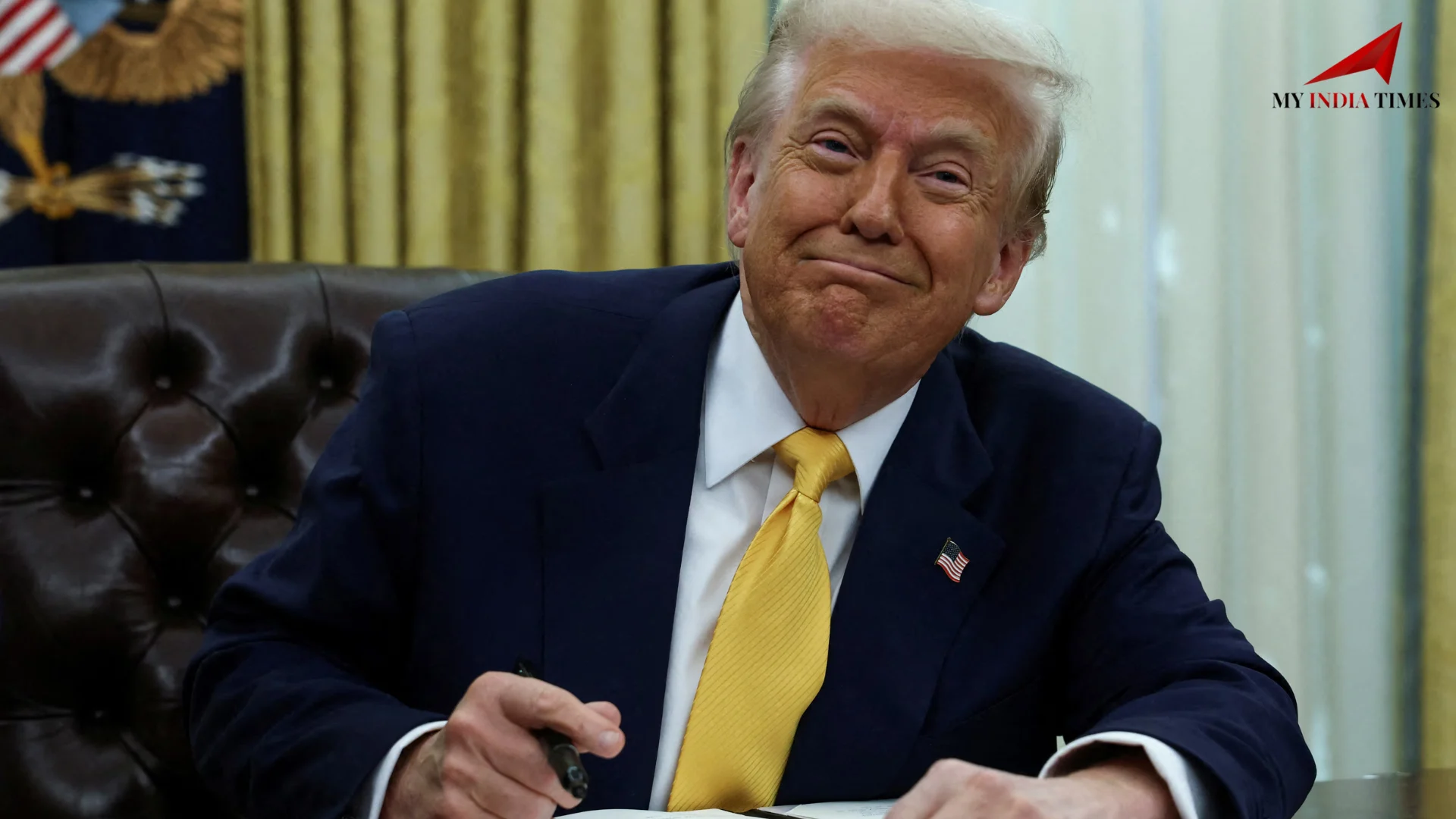
Presidential Attacks on U.S. Legal Institutions Raise Investor Concerns
Lately, some of the stuff happening with President Trump has got people pretty worried about how solid the U.S. legal system is. Investors are starting to feel a bit uneasy about the overall economy because of it. These changes could really shake things up for the rule of law, mess with those important checks and balances, and leave investors feeling less confident.
Assault on the Rule of Law
President Trump's recent maneuvers have been characterized by a blatant disregard for judicial authority and an aggressive consolidation of power. Notably, after a judge blocked the deportation of Venezuelan individuals alleged to be gang members, Trump not only ignored the ruling but also called for the judge's impeachment. This unusual decision really ruffled some feathers, especially for Chief Justice John Roberts, who called out the threats as totally out of line. Legal experts are genuinely worried about these quick and sweeping power moves, saying they could throw us into a constitutional mess and shake up the whole legal system.
Impact on Corporate Entities
The administration's tactics have extended to influential law firms, pressuring them to align with presidential directives. For instance, Paul, Weiss faced an executive order rescinding its security clearances and access to government buildings due to a former partner's involvement in investigating Trump's alleged misconduct and the firm's diversity hiring policies. In response, the firm swiftly settled with the White House, acknowledging the former partner's wrongdoing, ceasing diversity initiatives, and agreeing to provide million in pro bono work for Trump’s initiatives. This strategic move aimed to mitigate further conflict with the government but risked alienating clients dismayed by the firm's compliance with presidential pressure.
Erosion of Institutional Independence
The administration's influence has also reached elite private institutions, leveraging financial pressures to enforce compliance. Columbia University, for example, capitulated to the administration's demands to restore 0 million in federal funding that was cut amid allegations of the university tolerating antisemitism. The university decided to keep a closer eye on Middle East scholars, put a ban on face masks around campus, gave security officers more power to make arrests, and even brought in special officers who can arrest people too. These concessions highlight the administration's strategy of utilizing federal authority to impose its agenda on independent institutions.
Investor Confidence and Market Stability
The administration's attacks on the Federal Reserve have also raised concerns about central bank independence and market stability. A study highlighted that President Trump's repeated criticisms of the Fed have influenced market expectations of interest rates, effectively pressuring the central bank's decision-making process. This perceived erosion of the Fed's independence poses a significant threat to financial markets, as investors rely on the central bank's impartiality to maintain economic stability.

Indian Stock Market Surges to Record Weekly Gains
The Indian stock market witnessed a historic rally, closing the week with its strongest performance in over four years. Both benchmark indices, the BSE Sensex and NSE Nifty 50, posted impressive gains, reflecting strong investor confidence and positive economic indicators.
Market Performance and Gains
On March 21, 2025, the BSE Sensex surged 557 points, closing at 76,906, while the NSE Nifty 50 advanced 160 points, settling at 23,350. Over the week, the Sensex climbed by 3,077 points (4.17%), and the Nifty jumped 953 points (4.26%). This extraordinary rally highlights the resilience of the Indian economy and a renewed enthusiasm among investors.
Key Drivers Behind the Market Rally
Several critical factors contributed to the Indian stock market's exceptional performance this week. Renewed interest from foreign institutional investors (FIIs) has played a major role in driving the market upwards. A significant influx of foreign capital into Indian equities, fueled by optimism about the country’s economic prospects, has pushed stock prices higher. India’s GDP growth has remained robust, with the latest data indicating a 7.5% annual expansion. Industrial production and manufacturing activity have also been on an upward trajectory, bolstering investor sentiment. Positive cues from global markets, including easing inflation concerns in the U.S. and Europe, have contributed to the bullish momentum.With a pretty stable global economy right now, investors are feeling confident and are putting their money into growing markets like India. A bunch of Indian companies just shared some solid quarterly earnings, especially in the banking, pharma, and tech sectors. This strong performance has really kicked things into high gear. Plus, the Reserve Bank of India (RBI) has been keeping a smart balance with their monetary policy, keeping interest rates steady to help the economy grow. This has created a great atmosphere for businesses and investors, setting the stage for a thriving stock market.
Sectoral Performance
The market rally was broad-based, with multiple sectors contributing to the gains. The banking sector saw significant inflows, with stocks like HDFC Bank, ICICI Bank, and Kotak Mahindra Bank posting impressive gains. Leading IT giants, including Infosys, TCS, and Wipro, benefitted from global digital transformation trends and a weaker rupee, which boosted their revenues from overseas operations. Companies like Sun Pharma and Dr. Reddy’s Laboratories experienced a surge in stock prices due to strong earnings reports and increased demand for Indian pharma exports. NTPC and Reliance Industries saw steady growth as demand for energy and renewable initiatives gained traction.
Top Gainers and Losers
Among the top-performing stocks this week were NTPC, which rose by 6% due to strong operational performance and expansion into renewable energy, Bajaj Finance, which gained 5% driven by continued demand for retail lending and credit expansion, and Sun Pharma, which climbed 4% due to a solid financial outlook and robust demand for key pharmaceutical products. However, some stocks faced losses despite the market’s overall bullish run. Mahindra & Mahindra dropped by 2% due to supply chain disruptions and fluctuating raw material costs, while Tata Steel declined by 1.5% amid concerns over global steel demand and pricing pressure.
Midcap and Smallcap Stocks Shine
The rally wasn’t limited to large-cap stocks, as midcap and smallcap indices outperformed expectations. The BSE Midcap index rose by 2.1%, while the Smallcap index jumped by 3.4%. This indicates strong investor confidence beyond the blue-chip stocks, with many companies in manufacturing, retail, and FMCG sectors posting impressive gains.
Investor Sentiment and Market Outlook
The Indian stock market’s stellar performance has raised expectations for continued bullish momentum in the coming weeks. Key factors influencing investor sentiment include FII and domestic institutional investment trends, global economic conditions, upcoming corporate earnings, and government policies aimed at boosting infrastructure, digital transformation, and the ‘Make in India’ campaign. While the stock market’s performance has been impressive, investors should be mindful of potential risks such as inflation concerns, geopolitical uncertainty, and corporate earnings volatility. A sudden rise in inflation could prompt the RBI to adopt a more hawkish stance, impacting liquidity and market sentiment. Ongoing global conflicts, trade wars, and supply chain disruptions could pose risks to economic stability. Any negative surprises in upcoming earnings reports could lead to sector-specific corrections.