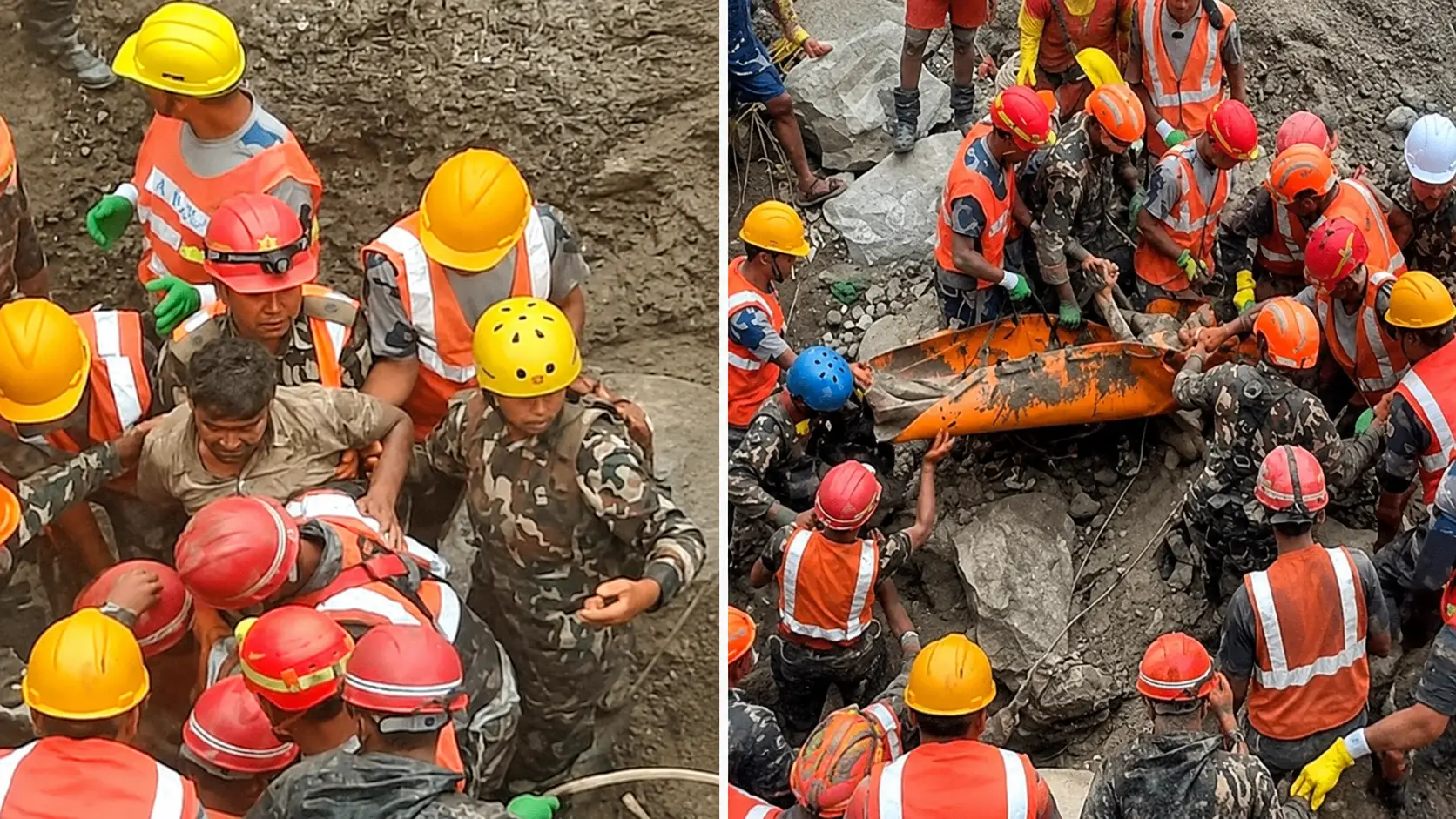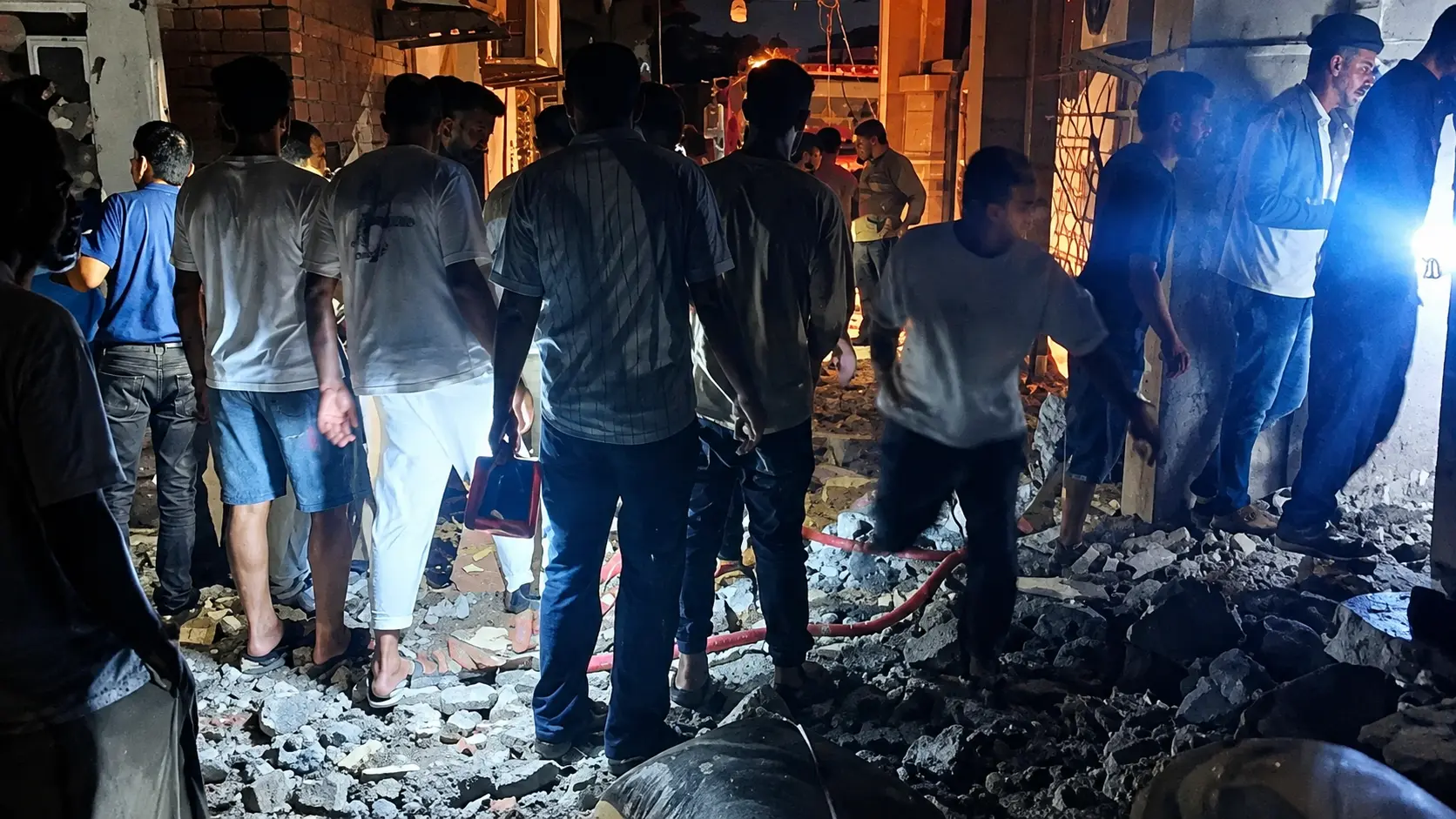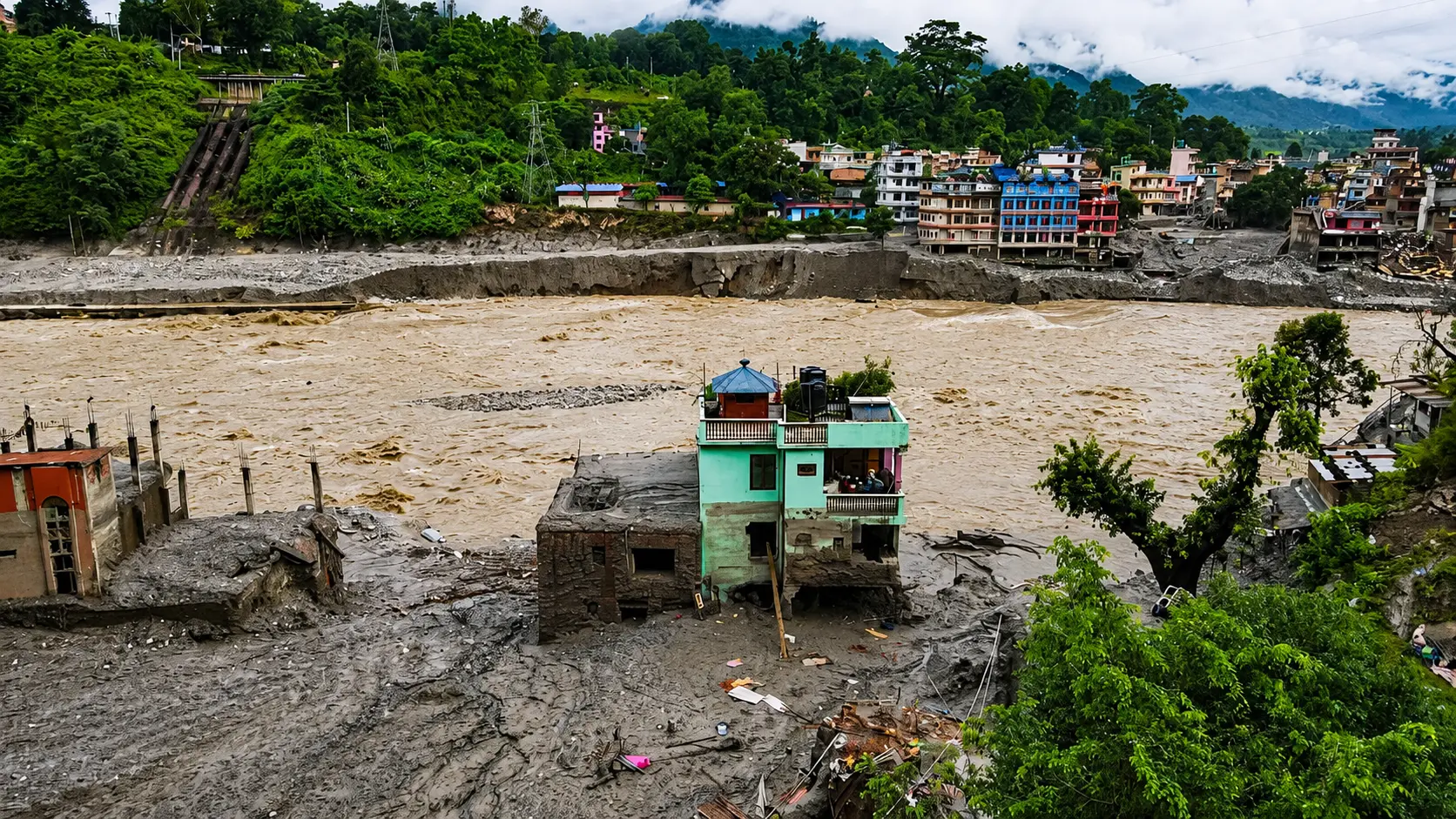
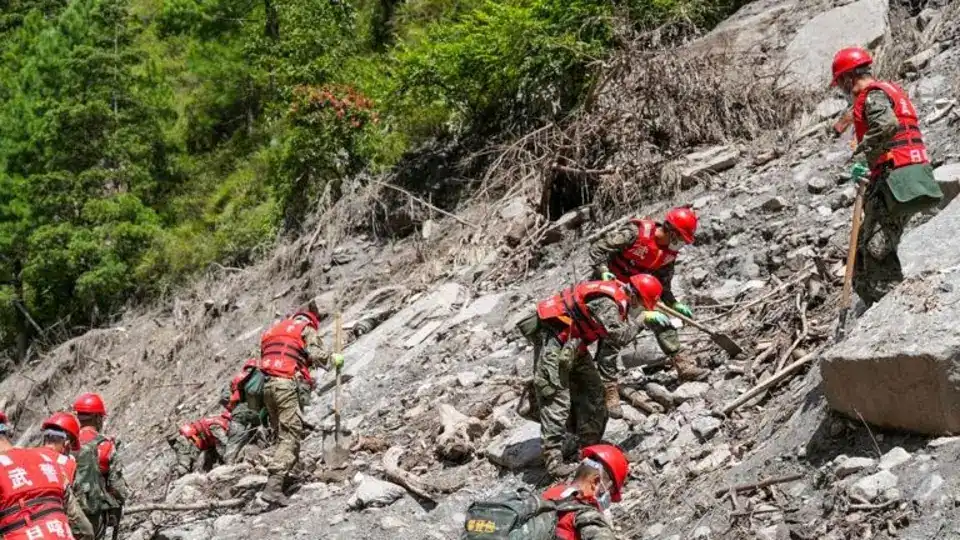
Kathmandu: Search and rescue teams in Nepal are continuing their difficult mission nearly two weeks after devastating floods and mountain collapses struck areas along the China-Nepal border. Despite dangerous terrain, poor weather and damaged infrastructure, rescuers have managed to find four survivors, offering a rare sense of hope amid one of the regions worst disasters. The disaster has claimed at least 1,385 lives across Nepal and China, while more than 5,500 people remain missing, according to the latest figures cited by authorities. Rescue operations entered their 12th day on Sunday, with teams continuing to search tunnels, damaged homes and other locations where people could still be trapped.
Four People Found Alive Against the Odds
The discovery of four survivors has become one of the most encouraging developments since the disaster began. Two people were rescued on Saturday, adding to two others who had been found alive the previous day. Several of the survivors were discovered inside hydropower tunnels, where rescue teams had been working despite extremely difficult conditions. Three of the four survivors were reportedly located inside hydropower facilities. Authorities had earlier estimated that more than 100 workers could potentially be trapped in tunnels across affected areas. Energy Minister Biraj Bhakta Shrestha said rescue teams were continuing their efforts despite geographical difficulties, severe weather and communication problems. The survival stories have provided a much-needed boost to rescue workers and families still waiting for news about their loved ones.
Chinese Man Rescued From Deep Tunnel
One of the most remarkable rescues took place on Saturday when workers pulled a Chinese national alive from deep inside a hydropower tunnel. The rescue came after days of uncertainty surrounding people believed to be trapped underground. Teams have been searching several hydropower sites where floodwaters and debris caused extensive damage. At least 12 hydropower projects have reportedly been affected by the disaster, making the search operation particularly challenging. Rescuers must work carefully because damaged tunnels and unstable surroundings can pose additional risks to both trapped workers and emergency personnel.
Elderly Woman Pulled From Mud-Covered Home
Another emotional rescue involved 64-year-old Chandrika Shrestha, who was found alive inside her mud-covered home. Her rescue was widely welcomed in Nepal, with Prime Minister Balendra Shah saying the development had brought hope to the entire country. Her survival has become another powerful example of how people can endure extreme conditions even when the chances of being found alive appear very low. For families waiting for missing relatives, each successful rescue has renewed expectations that more survivors could still be discovered.
Rescue Teams Face Extreme Challenges
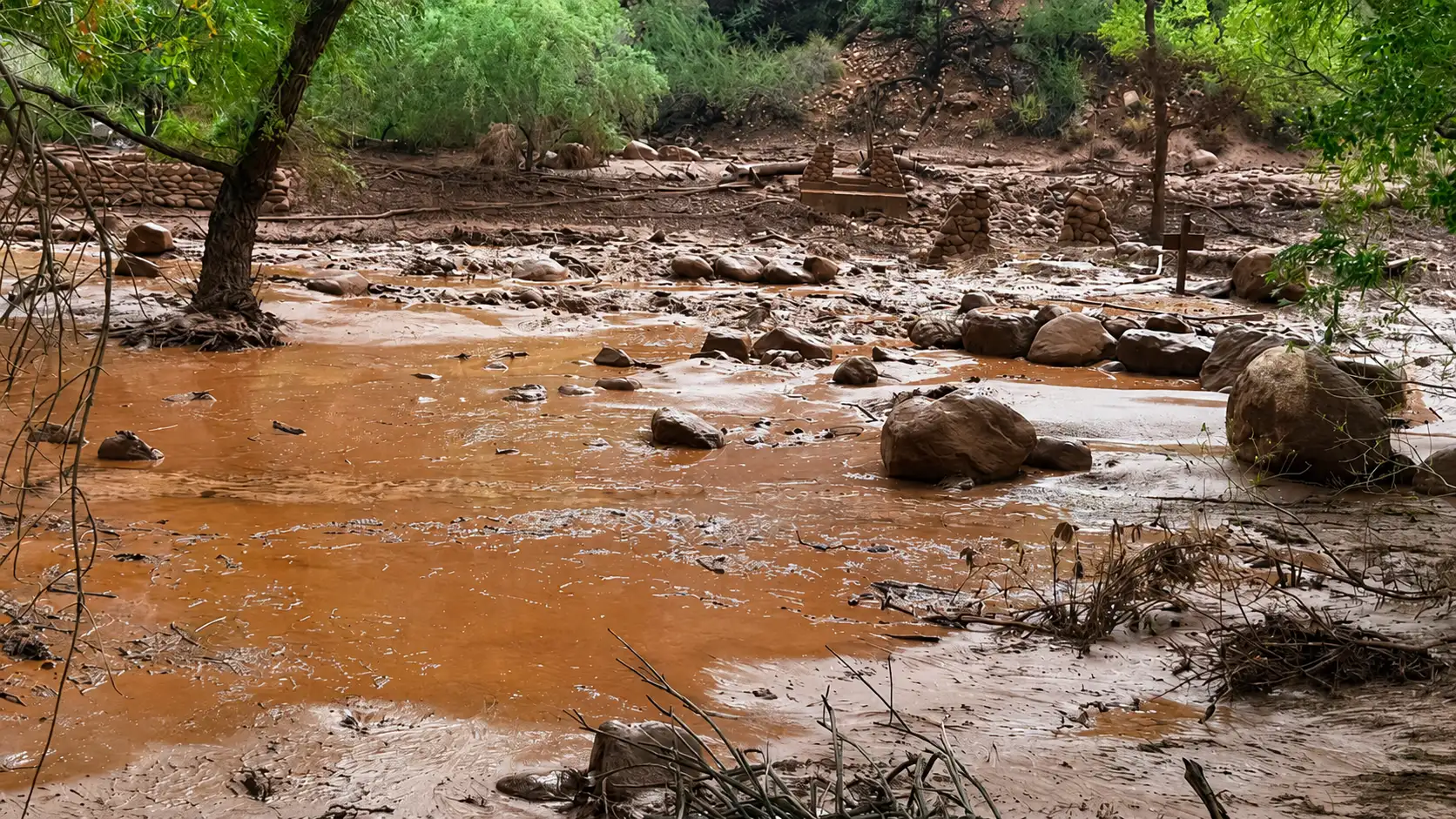
The search operation has been complicated by the destruction caused by the floods and mountain collapses. The powerful flow of water, ice and debris swept through mountain communities on August 26, damaging or destroying roads, bridges and other vital infrastructure. In many locations, rescuers have struggled to reach affected areas because normal transport routes have been cut off. Communication has also remained difficult in remote mountainous regions. Adverse weather and unstable geography are making the operation even more dangerous. Nevertheless, rescue teams have continued searching locations where there is a possibility that people remain trapped. Officials have stressed that the operation will continue despite the obstacles.
Hydropower Tunnels Remain a Major Focus
Hydropower tunnels have become some of the most important search locations in the ongoing operation. The government initially believed that more than 100 workers could be alive inside tunnels following the disaster. Rescue teams have already found several people in these underground spaces, increasing hopes that others may also have survived. Teams are continuing to inspect tunnels and other affected facilities while dealing with damaged infrastructure and difficult access. The search is particularly urgent because the number of missing people remains extremely high.
UN Calls for Urgent Support
The humanitarian situation has also prompted an appeal for greater assistance. UN Resident Coordinator in Nepal Lila Pieters Yahia described the scale of the devastation in deeply emotional terms, saying survivors had seen their lives changed within minutes. Entire families have lost homes, sources of income and loved ones. For many affected communities, the disaster has not ended with the floodwaters; they now face the difficult task of rebuilding their lives. Humanitarian agencies are working to support people who have lost shelter and livelihoods while rescue operations continue.
School Principal's Quick Decision Saved Hundreds
Amid the destruction, stories of courage and quick thinking have also emerged. Rajendra Dawadi, a school principal, reportedly acted quickly when he received information that the dangerous torrent was approaching. He ordered an evacuation, helping protect hundreds of students. Dawadi later explained that even if the warning had turned out to be incorrect, the school would have lost only a day of classes. Ignoring a genuine threat, however, could have cost lives. His decision highlights the importance of timely warnings and emergency preparedness in disaster-prone mountainous regions.
Death Toll Also Rises in Tibet
The disaster has also caused significant loss of life on the Chinese side of the border. According to China's state news agency Xinhua, the death toll in Tibet rose to 43, up from an earlier figure of 31. Another 519 people were reported missing. Search and recovery operations are continuing there as authorities assess the damage and work to reach affected communities.
Hope Remains Despite the Growing Toll
The scale of the disaster remains enormous, with thousands of people still unaccounted for and widespread damage across affected regions. Yet the rescue of four survivors has given families and emergency teams a reason to continue the search. As operations enter their 12th day, rescuers are still working through damaged tunnels, remote settlements and debris-covered areas.