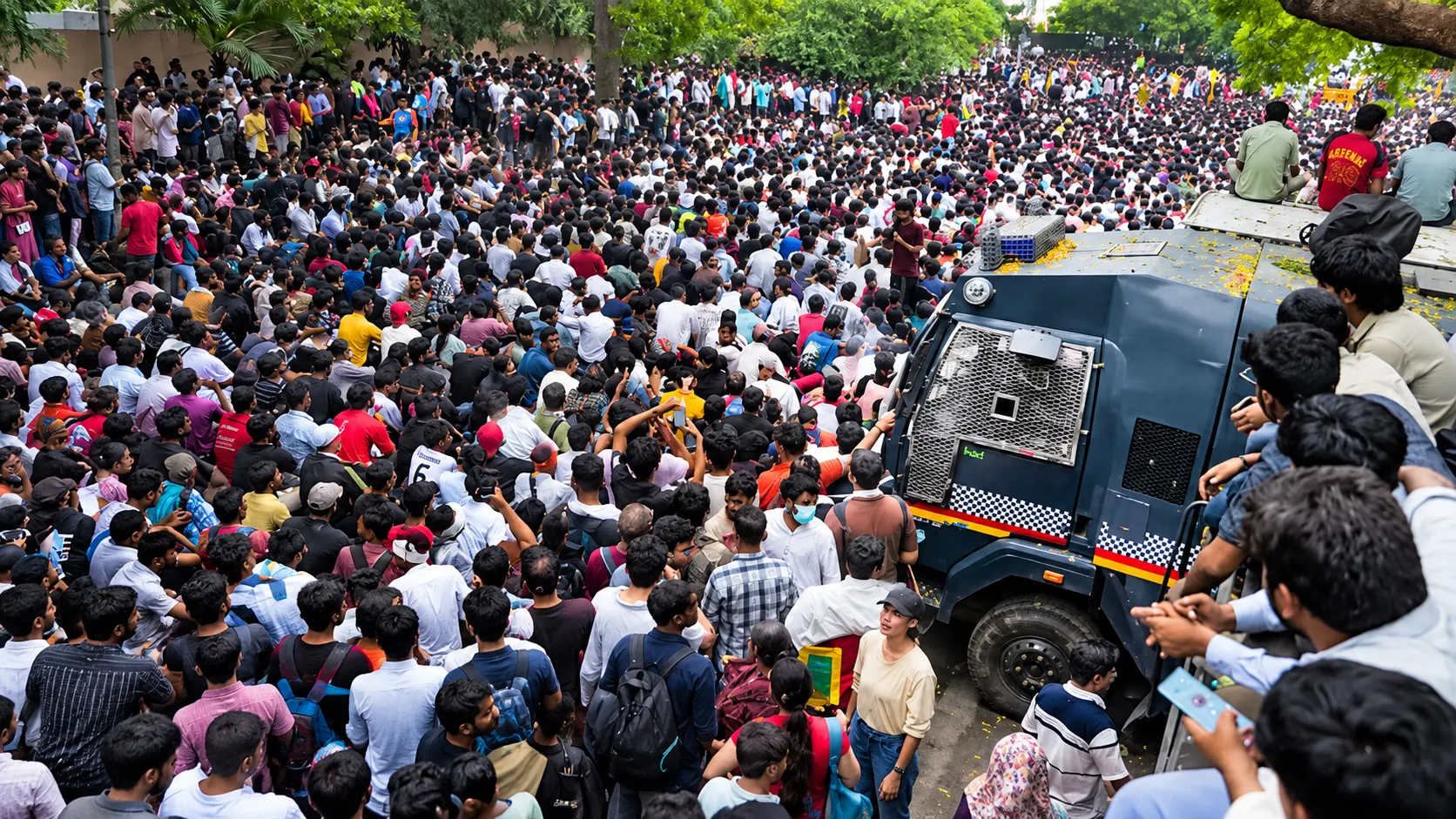
A controversy surrounding the Delhi Police facial recognition system has raised fresh questions about the accuracy and verification of technology used to identify people at public gatherings. The Delhi Police told the Supreme Court that its facial recognition technology had identified 2,873 people with alleged criminal antecedents during protests at Delhi's Jantar Mantar between July 20 and July 26. However, a subsequent examination of police, prison and court records reportedly found that at least 25 people among those flagged were actually in jail during the period when the system supposedly identified them at the protest venue. The development has brought renewed attention to the limitations of facial recognition technology, particularly when automated matches are used as the initial basis for identifying people in large crowds.
What Did the Delhi Police Tell the Supreme Court?
According to the police affidavit submitted before the Supreme Court, facial recognition technology was deployed during the protests and produced matches against existing police records. Of the 2,873 individuals flagged by the system, 2,402 were reportedly identified through the Delhi Police's biometric database, known as Crime Kundli, while another 471 were linked through criminal records. The police, however, clarified that a facial recognition match does not automatically mean that a person will face legal action. The force told the court that the technology is only an initial identification mechanism. Any further action, according to the police, would require verification by personnel on the ground. This distinction is particularly important because facial recognition systems can produce incorrect or misleading matches depending on factors such as image quality, lighting, camera position, facial angle and the quality of the database against which a face is compared.
Investigation Raises Questions Over 25 Names
An examination focusing on people associated with serious allegations reportedly found 25 individuals whose records indicated that they were incarcerated at the time the facial recognition system supposedly detected them at Jantar Mantar. The group included people associated with cases involving murder, rape, offences under the Protection of Children from Sexual Offences Act (POCSO), and attempted murder. The reported findings do not establish that the individuals were physically present at the protest. Instead, they raise a different question: how could a facial recognition system flag someone at a protest location if official records show that person was behind bars at the time? This discrepancy makes independent verification especially significant before any action is taken against people identified through automated surveillance.
17 Murder Accused Among the Flagged Names
The investigation reportedly examined 101 people listed under murder-related records in the police data and found that 17 individuals from the reviewed group were shown as being in jail during the protest period. Their records reportedly included different dates of arrest and imprisonment, with several having previously spent time in custody before being jailed again. Some of the individuals were also reportedly associated with other criminal cases, including allegations involving robbery, snatching, theft, and attempted murder. One of the names highlighted in the records was Yogesh alias Raju, who had reportedly been arrested in connection with the killing of gym owner Nadir Shah in Greater Kailash-1. Records cited in the investigation also reportedly linked him to alleged criminal networks. However, it is important to distinguish between being accused or charged in a criminal case and being convicted. The presence of a name in police records does not, by itself, establish guilt.
Four Rape Accused Also Appeared on the List
The review also identified four people associated with rape cases who were reportedly listed among those detected by the facial recognition system. Three of these cases reportedly involved the POCSO Act, which deals with offences against children. Records cited in the investigation indicated that some of these individuals had remained in custody for extended periods. One person was reportedly in jail continuously from July 2023. If prison records accurately establish that a person was incarcerated during the relevant period, the appearance of that individual's name in a facial recognition match at a protest raises obvious questions about the circumstances behind the identification.
Four More Linked to Attempted Murder Cases
Another four individuals from the reviewed list were reportedly associated with cases involving allegations of attempted murder. The people identified in this category had been arrested at different times and had records showing previous periods of imprisonment. Again, these records concern criminal allegations and proceedings rather than automatic findings of guilt. The larger issue is therefore not simply the criminal background of the people listed but the reliability of the technology used to associate them with a particular location.
How Does Delhi Police Facial Recognition Work?
Facial recognition technology generally works by detecting a face captured by a camera and comparing its characteristics against photographs stored in a database. The Delhi Police facial recognition system can place a digital box around a detected face and then compare the facial image with available records. But a technological match is not equivalent to conclusive identification. Delhi Police had previously indicated through an RTI response that its system considered a match positive at an accuracy threshold of 80 per cent. Such a threshold still leaves room for false matches, particularly when images are captured in challenging conditions. Large public gatherings can make the problem more complicated. People may be moving, partially obscured, photographed from different angles, or captured in poor lighting. Even small differences in image quality can affect automated recognition.
Police Say Verification Comes Before Action
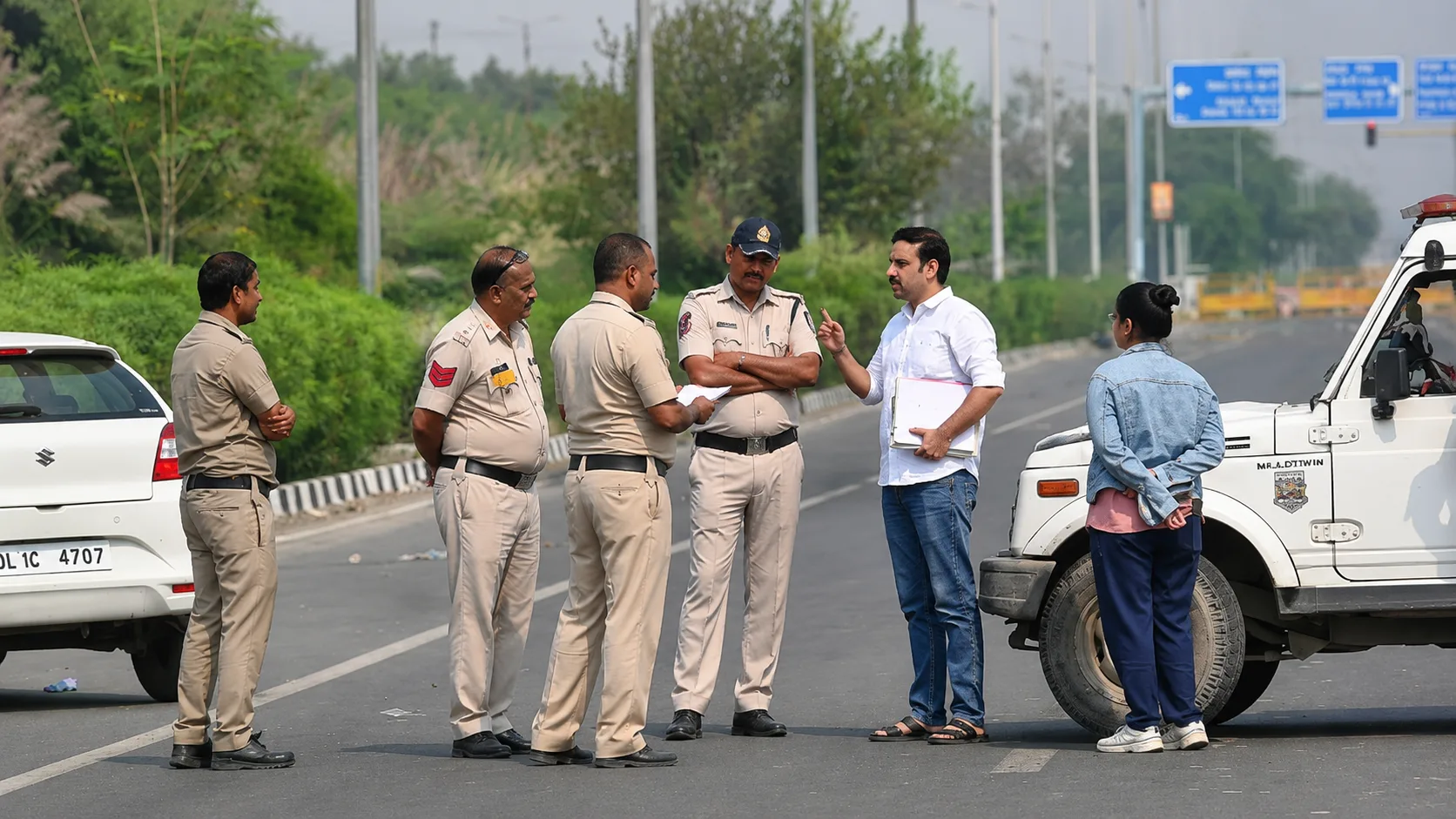
The Delhi Police has maintained that it does not initiate action solely because its facial recognition software produces a match. According to the police position presented before the Supreme Court, the system is only the first stage. Officers are expected to conduct field verification to determine whether the person identified by the system was actually present at the protest location. The police also said that action would be taken only after such verification establishes the person's presence and relevant details. This safeguard is particularly important given the reported discrepancies involving people whose records showed that they were in custody.
Why the Issue Matters Beyond the Jantar Mantar Protest
The controversy has broader implications for the use of artificial intelligence and biometric surveillance in India. Facial recognition is increasingly being considered for policing, security, and public-space monitoring. While the technology can potentially help authorities identify suspects and investigate crimes, inaccurate matches can have serious consequences for ordinary citizens. The question becomes even more sensitive when facial recognition is deployed during political or student protests, where large numbers of people gather peacefully. The Supreme Court proceedings have therefore placed attention not only on the particular protest but also on how surveillance technologies should be used, verified, and regulated.
Supreme Court Proceedings and the Larger Debate
The controversy emerged during proceedings concerning protests connected with allegations surrounding an examination leak. The Supreme Court subsequently dealt with the FIRs related to the protests while allowing the authorities to proceed concerning individuals identified as having criminal antecedents, subject to the legal process and police verification. The reported discrepancy involving people who were allegedly in jail adds another layer to the debate. For technology-assisted policing to remain credible, automated results need to be treated as leads rather than unquestionable evidence. Human verification, accurate records, and appropriate legal safeguards remain essential. As facial recognition technology becomes more common in India's public-security infrastructure, the Jantar Mantar episode could serve as an important reminder that technological identification must always be followed by careful verification. The central question is therefore not simply whether facial recognition can identify faces. It is whether authorities can ensure that every identification is accurate before it affects a person's rights, reputation or legal position.