.webp)
Home / World / US Strikes Iran's Marine Control Tower in Chabahar, Raising Fears of Wider Regional Conflict
US Strikes Iran's Marine Control Tower in Chabahar, Raising Fears of Wider Regional Conflict
By: My India Times
5 minutes read 2Updated At: 2026-07-16
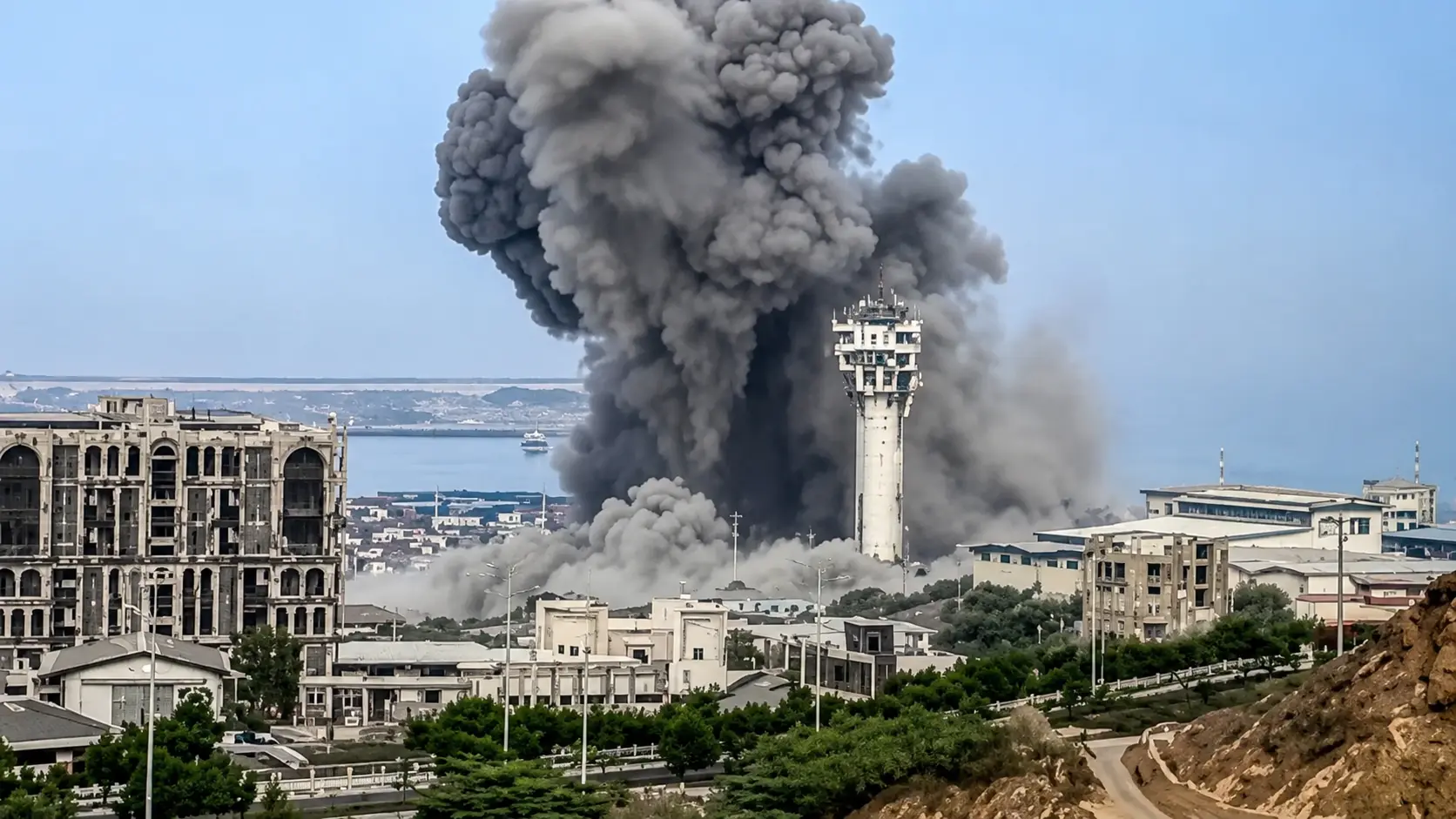
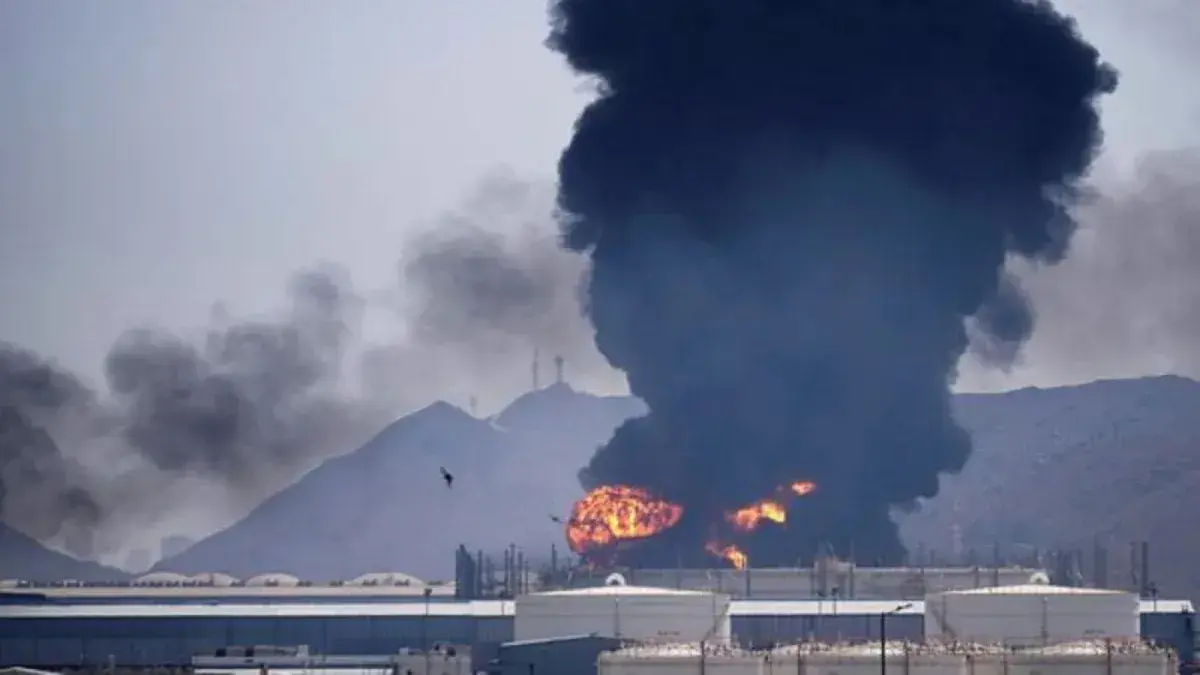
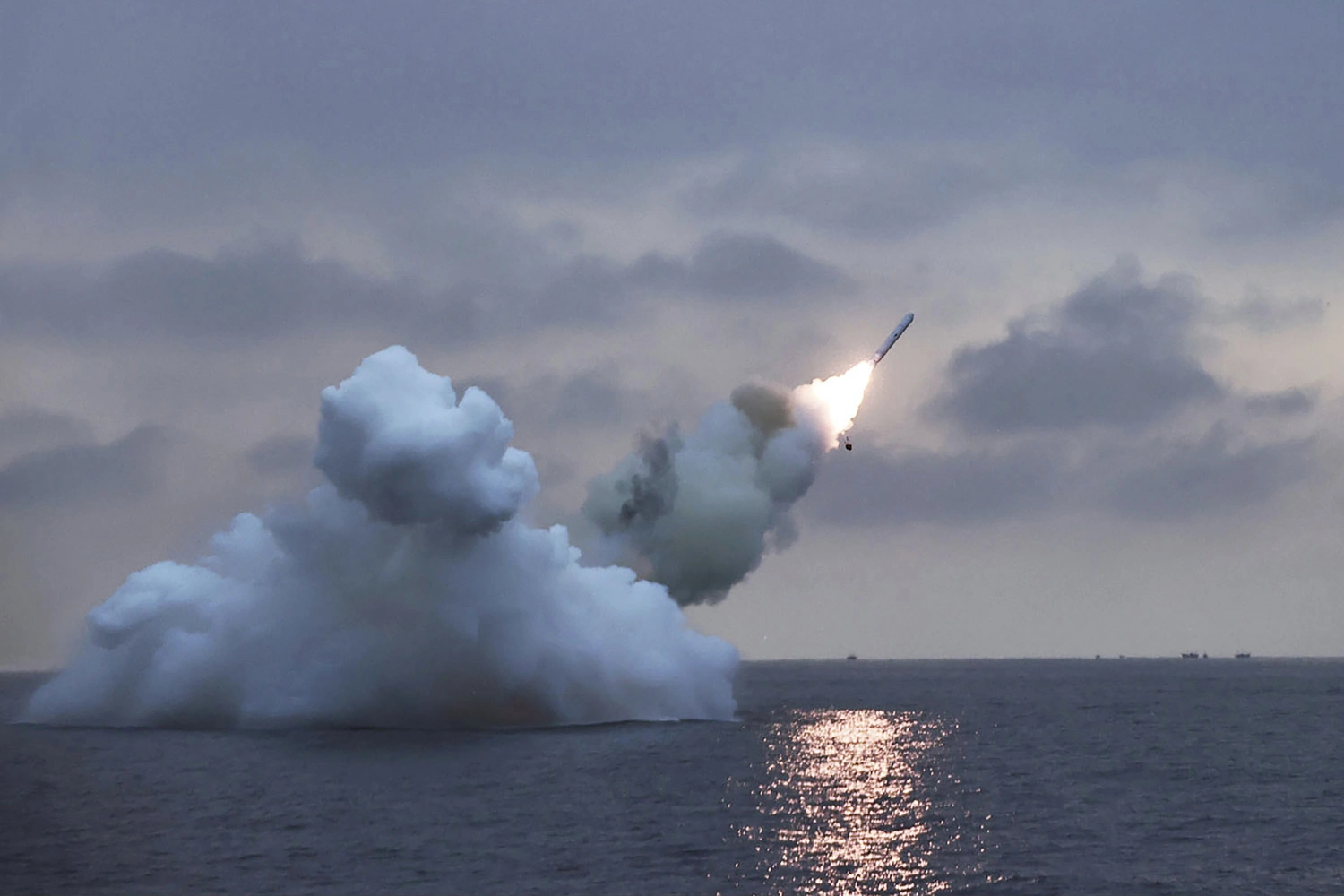
The US strikes on Iran operation entered a new phase after American forces reportedly targeted a marine control tower in the Iranian coastal city of Chabahar during a fresh round of daytime military attacks. Concerns over growing instability in the Middle East have increased as a result of the development, with analysts cautioning that if diplomatic attempts are unsuccessful in reducing tensions, the most recent strike may lead to a wider regional conflict. The targeted site was reportedly connected to naval operations close to Chabahar, a strategically significant port on Iran's southeast coast in the Gulf of Oman. Local sources indicated that the strike impacted facilities related to port coordination and coastal surveillance; however, officials have not yet released a comprehensive assessment of the damage. The most recent military operation coincides with escalating tensions between Tehran and Washington, as both countries accuse one another of activities endangering regional security. The renewed escalation has once again placed the spotlight on one of the world's most sensitive geopolitical flashpoints.
Chabahar's Strategic Importance
Chabahar is one of Iran's most significant maritime gateways. Chabahar is strategically important for both commercial shipping and regional connectivity since it offers direct access to the Arabian Sea, unlike ports located inside the Strait of Hormuz. The port has traditionally been seen as a crucial gateway for commercial lines that link the Indian Ocean, Afghanistan, and Central Asia. Due to its location, any military action near Chabahar rapidly draws attention from other countries, especially those with regional economic and security interests. Although the long-term operational impact is still unknown, military analysts believe that attacking a marine control facility could interfere with maritime coordination and surveillance.
Fresh Round of Daytime Strikes
The reported attack formed part of a broader series of daytime military operations carried out by the United States. The most recent strikes were carried out during the day, indicating a more apparent military stance, in contrast to earlier operations that frequently took place at night. Officials familiar with the situation indicated that the strikes were aimed at what Washington considers strategic military infrastructure. However, detailed operational information has not been publicly disclosed, and independent verification remains limited. Iranian authorities have acknowledged the attack but have not yet released comprehensive details regarding casualties or the extent of damage to the targeted installation.
Rising US-Iran Tensions
The US strikes Iran development comes against the backdrop of months of increasing confrontation between the two countries. Disputes over regional security, maritime activity, missile capabilities, and support for allied armed groups have repeatedly fueled diplomatic and military friction. Although both nations have avoided direct large-scale warfare for years, periodic military actions have raised fears that a single miscalculation could rapidly escalate into a broader conflict. Security analysts note that each new strike increases pressure on political leaders to respond while simultaneously narrowing the space available for diplomatic negotiations.
International Shipping Under Watch
One of the biggest concerns following the strike is the potential impact on international shipping routes. The waters surrounding Iran remain among the world's busiest maritime corridors, handling significant volumes of global energy exports and commercial trade. Shipping companies and maritime security agencies are expected to closely monitor developments over the coming days. Any increase in military activity could influence shipping schedules, insurance costs, and regional navigation advisories. Although no immediate disruption to commercial traffic has been officially reported, industry observers remain cautious given the strategic importance of nearby sea lanes.
Diplomatic Reactions Expected
Governments across the world are likely to closely monitor the situation as diplomatic channels work to prevent further escalation. Previous military confrontations between the United States and Iran have often prompted urgent consultations among regional partners and global powers. International organizations are expected to call for restraint, emphasizing the need to avoid actions that could destabilize an already volatile region. Foreign policy experts argue that while military responses may address immediate security concerns, long-term stability will ultimately depend on renewed diplomatic engagement between the parties involved.
Regional Security Concerns Grow
The Middle East has witnessed several security crises over recent years, with multiple conflicts overlapping across different countries. The latest incident adds another layer of uncertainty at a time when regional governments are already dealing with political instability and security challenges. Defense analysts warn that retaliatory actions cannot be ruled out, although no official response has yet been announced by Iranian authorities regarding future military steps. Neighboring countries are also expected to strengthen surveillance and defensive measures as a precaution against possible spillover effects.
Military Analysts Assess the Strike
Experts believe the reported targeting of a marine control tower represents more than symbolic military action. Coastal command infrastructure plays an important role in monitoring vessel movements, coordinating maritime operations, and maintaining communication with naval assets. If significant damage has occurred, restoring full operational capability could require considerable time depending on the extent of infrastructure affected. However, analysts caution against drawing firm conclusions until official satellite imagery or verified assessments become available.
Global Markets Watching Closely
Financial markets often react quickly to geopolitical developments involving the Middle East due to the region's importance in global energy supplies. While there has been no immediate indication of widespread market disruption, investors are expected to watch closely for any signs of further military escalation that could affect oil prices or international trade. Energy traders, shipping firms, and insurance providers are among the sectors monitoring developments most carefully.
What Happens Next?
The coming days are expected to be crucial in determining whether the latest US strikes on Iran operation remains an isolated military action or develop into a wider regional confrontation. Diplomatic engagement, official statements from both governments, and the international community's response will likely shape the next phase of events. For now, the strike on the marine control tower in Chabahar has added another chapter to the long-running tensions between Washington and Tehran, highlighting how quickly security dynamics in the Middle East can evolve. As the situation continues to develop, governments, defense analysts, and global markets will remain focused on whether both sides choose further military action or renewed diplomatic dialogue to manage one of the world's most sensitive geopolitical rivalries.
....Independent reporting, fact-checked analysis and breaking news coverage from India and around the world.
Trusted source for breaking news, business, technology, world affairs, finance, economy, health, sports and market insights from India and around the globe.
Join our WhatsApp Channel

Similiar News





.jpeg)





-1782441789939.jpg)
















.jpg)













.jpg)













































.png)











.png)




.jfif)












Turkey Blocks LGBTQ+ Cruise Ship From Docking, Sparking Global Debate Over Tourist Rights
2026-07-06

Iran Warns Shipping Against Altering Strait of Hormuz Route Amid Rising Regional Tensions
2026-06-29


















































































.png)
 (1).png)