.webp)
Home / world / US Softens Russia Oil Tariff Proposal, Bringing Relief for India and China
US Softens Russia Oil Tariff Proposal, Bringing Relief for India and China
By: My India Times
4 minutes read 4Updated At: 2026-07-15
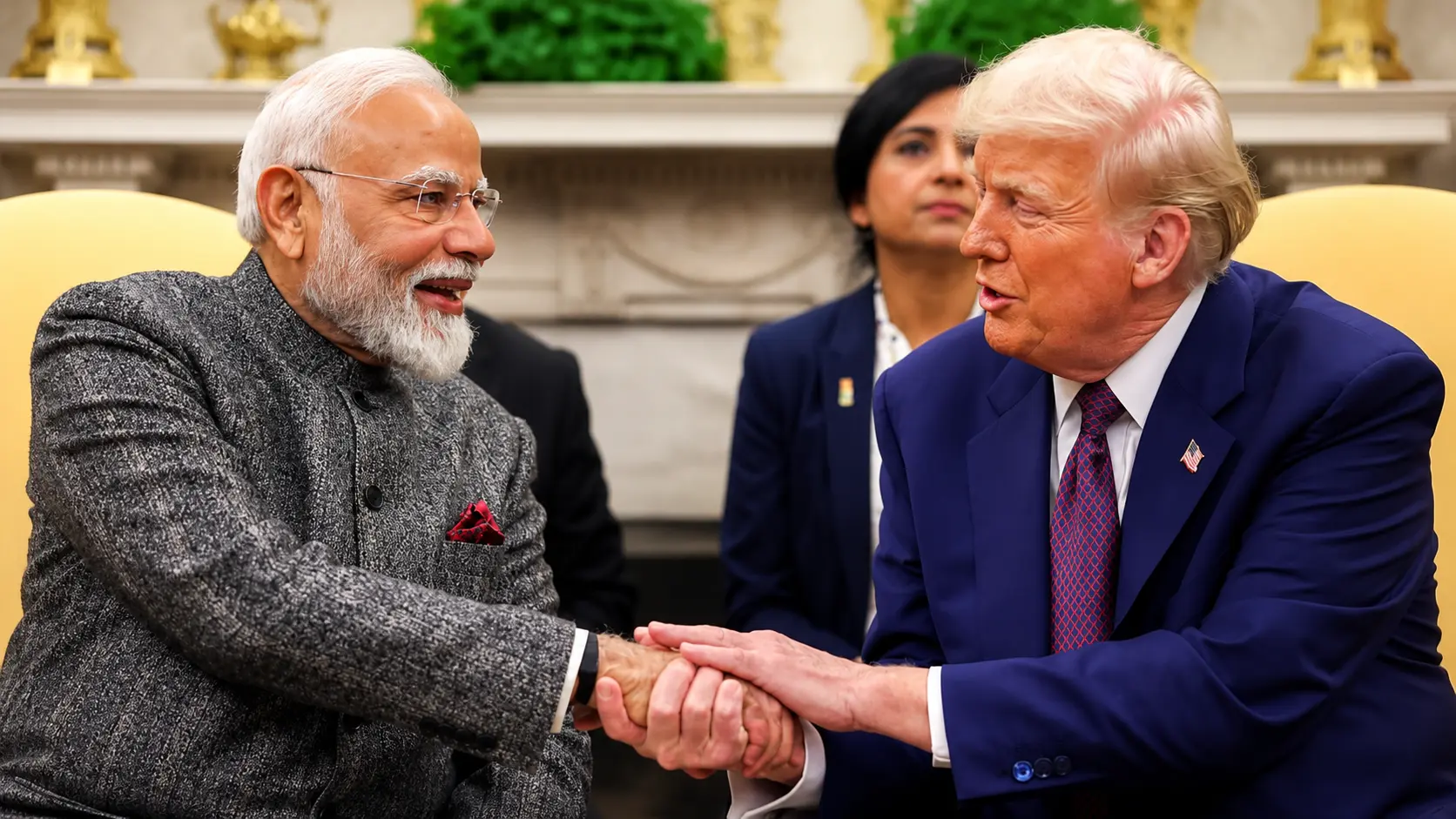
The United States has significantly softened its proposed sanctions targeting countries that continue importing Russian energy, reducing the maximum tariff threat from 500% to 100%. While keeping economic pressure on Moscow for the ongoing conflict in Ukraine, the new legislation is seen as a significant relief for large purchasers of Russian crude, such as China and India. The proposal, however, is yet to become law and would require further legislative approval before taking effect.
Revised Bill Cuts Tariff Proposal From 500% to 100%
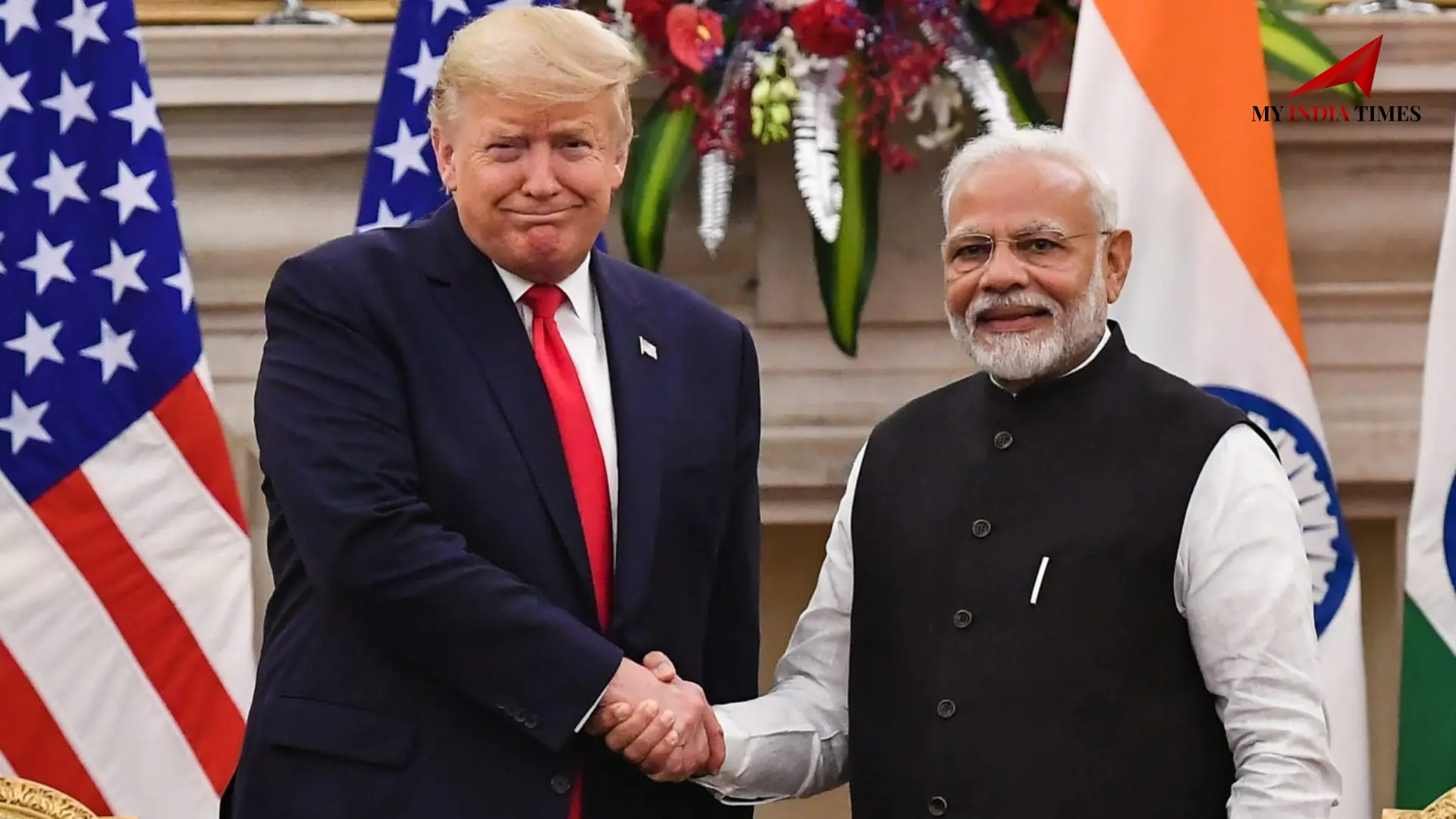
A bipartisan group of US lawmakers has introduced an updated version of the Russia sanctions bill that substantially lowers the proposed tariff on countries purchasing Russian oil and natural gas. The earlier draft had suggested imposing a blanket tariff of 500% on imports from nations continuing to buy Russian energy. Under the revised proposal, the maximum tariff has been reduced to 100%, offering a far less aggressive approach.Supported by Democratic Senator Richard Blumenthal and Republican Senator Lindsey Graham, the bill seeks to put more financial pressure on Russia while granting the US administration more latitude in how it responds to nations who continue to have energy relations with Moscow. If the law is passed, US President Donald Trump would be able to apply tariffs of up to 100% on goods coming from nations that have been identified as significant consumers of Russian gas and oil.
India and China Among Countries Most Affected
Since Western sanctions changed the nature of international oil commerce after the conflict in Ukraine, China and India have become two of Russia's biggest energy consumers. Over the past few years, both nations have greatly expanded their imports of discounted Russian crude, which helps meet domestic energy demand while lowering import costs. Other major importers of Russian crude include Slovakia, Hungary, and Azerbaijan, in addition to China and India. In the natural gas market, China continues to rank among the biggest buyers alongside France, Japan, Hungary, and Belgium. Trade ties between the US and a number of important economies may have been seriously affected if the initial 500% tariff proposal had not been altered. US senators seem to have selected a more balanced approach that maintains pressure on Russia while keeping diplomatic options open by reducing the planned tariff ceiling to 100%.
Sanctions Intended to Increase Pressure on Moscow
The updated sanctions measure is a component of Washington's larger initiative to undermine Russia's economy and promote an end to the Ukrainian conflict. US lawmakers argue that reducing Russia's energy revenue remains one of the most effective ways to increase economic pressure on the Kremlin.The Ukraine war, which has continued for more than four years, has resulted in widespread destruction and enormous economic losses. Western governments believe that limiting Russia's ability to earn revenue from oil and gas exports could reduce its financial capacity to sustain military operations. Rather than directly targeting only Russian exports, the proposed legislation also focuses on countries that continue purchasing Russian energy, making it a secondary sanctions mechanism designed to influence global buying patterns.
What the Proposal Means for India
For India, the revised proposal provides temporary relief but does not eliminate uncertainty. Russian crude has become an important part of India's energy basket because it is often available at competitive prices compared to supplies from other producers.Energy analysts believe that a 500% tariff would have created significant challenges for India's trade with the United States and could have affected multiple sectors beyond energy. The revised 100% ceiling reduces the immediate risk but still leaves room for future trade tensions if the legislation is enacted. Indian policymakers are expected to closely monitor developments in Washington while continuing to balance energy security with diplomatic and strategic partnerships.
Global Trade Impact Remains a Concern
Although the revised bill is less severe than the original proposal, experts believe it could still influence global energy markets if implemented. Countries that rely on Russian oil may reconsider procurement strategies, while energy companies could face additional uncertainty over future sanctions.The proposal also comes at a time when global oil prices remain sensitive to geopolitical developments. Any major policy shift affecting Russian energy exports has the potential to influence international crude prices, shipping routes, and supply chains. For businesses and investors, the revised legislation highlights the continuing geopolitical risks surrounding global energy trade.
Bill Yet to Become Law
It is important to note that the proposal is still a legislative bill and has not yet become US law. Before any tariffs can be imposed, the measure must pass through the necessary legislative process and receive final approval. Even if enacted, the revised version gives the US President the authority to impose tariffs up to 100%, meaning the administration would retain discretion over whether, when, and to what extent such measures are implemented.
....Independent reporting, fact-checked analysis and breaking news coverage from India and around the world.
Trusted source for breaking news, business, technology, world affairs, finance, economy, health, sports and market insights from India and around the globe.
Join our WhatsApp Channel
Similiar News






.jpeg)





-1782441789939.jpg)











.jpg)













.jpg)










































.png)











.png)




.jfif)












Turkey Blocks LGBTQ+ Cruise Ship From Docking, Sparking Global Debate Over Tourist Rights
2026-07-06

Iran Warns Shipping Against Altering Strait of Hormuz Route Amid Rising Regional Tensions
2026-06-29



























































.png)
 (1).png)