.webp)
Home / world / Trump Alleges Massive China-Linked Election Data Breach; Beijing Rejects Claims as US Political Row Deepens
Trump Alleges Massive China-Linked Election Data Breach; Beijing Rejects Claims as US Political Row Deepens
By: My India Times
5 minutes read 3Updated At: 2026-07-17
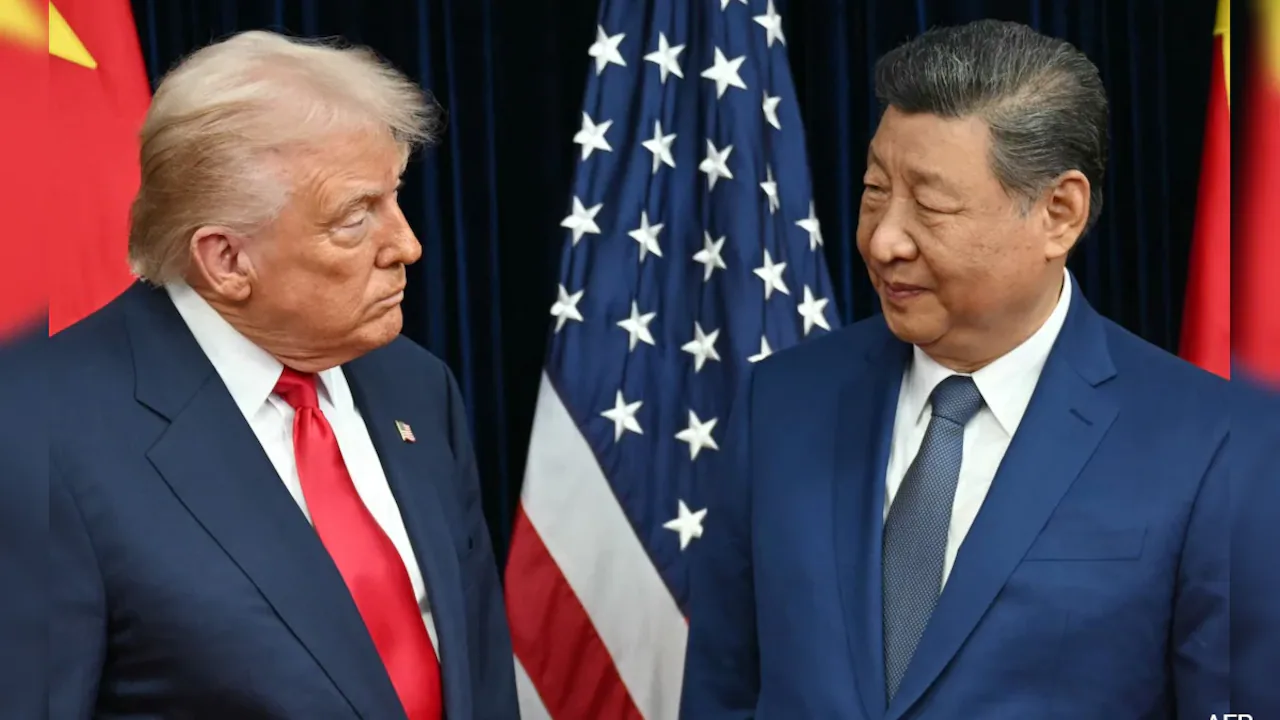
Trump Alleges Massive China-Linked Election Data Breach, Beijing Rejects Allegations
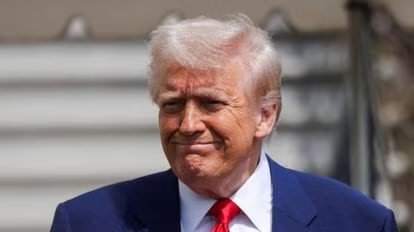
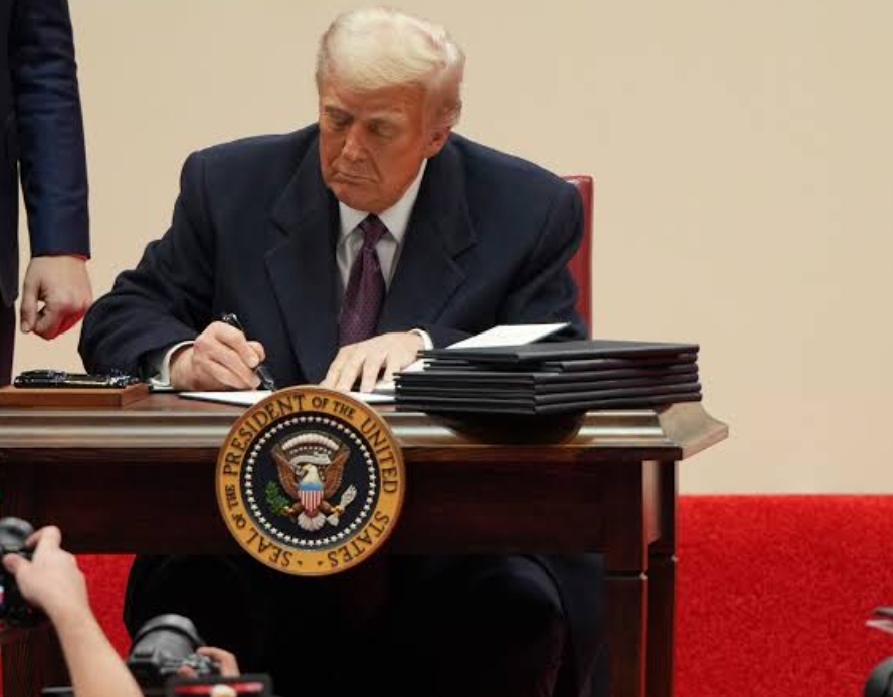
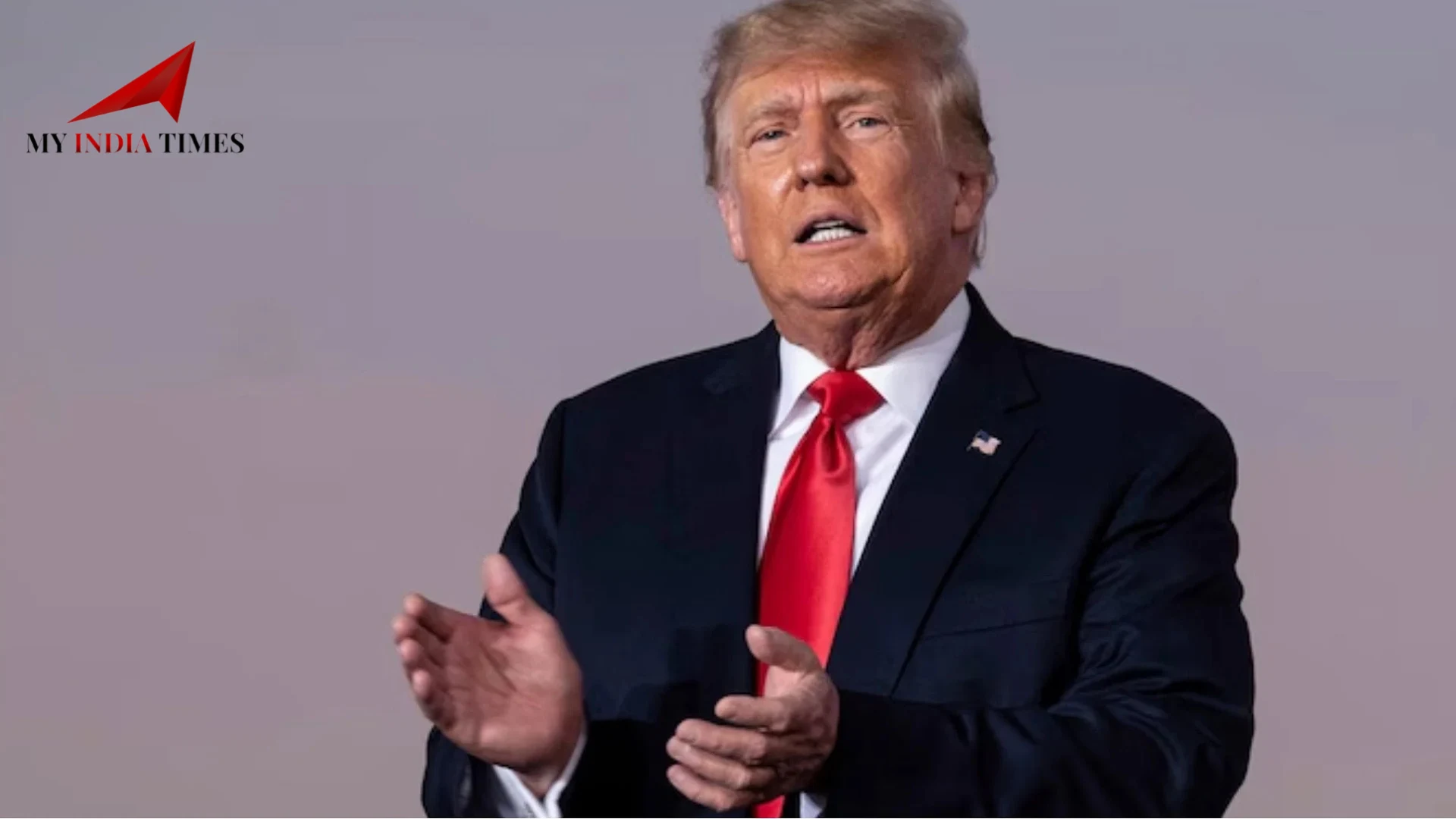
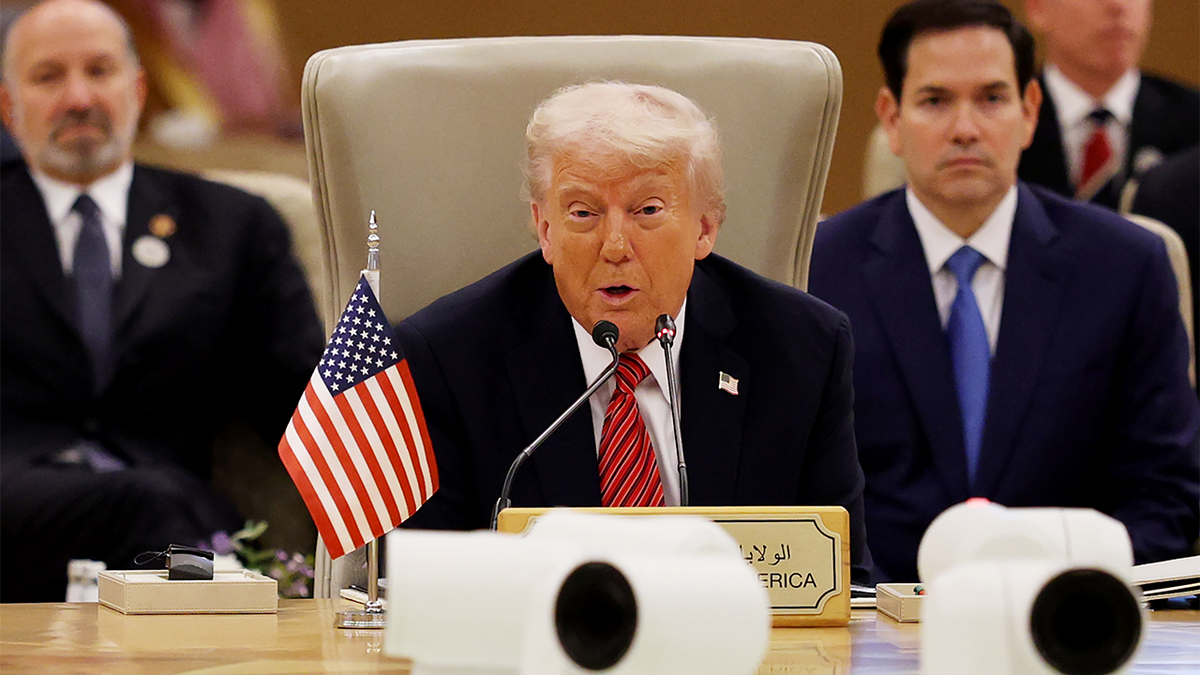
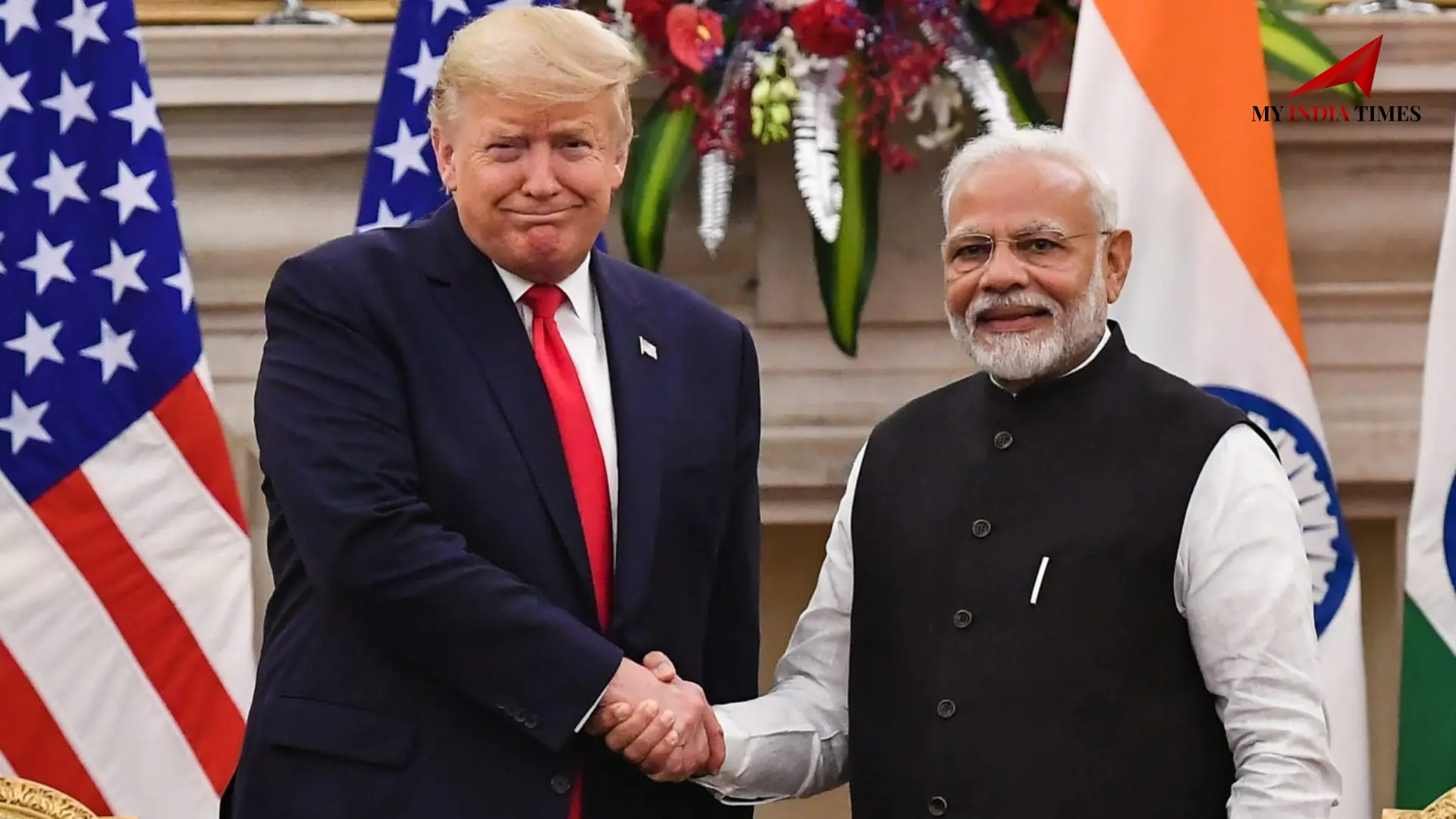
Washington: US President Donald Trump has once again reignited the debate over the integrity of American elections by alleging that China carried out one of the largest cyber compromises involving US voter information. In a nationally televised speech from the White House, Trump asserted that millions of American voters' personal information was taken by Chinese actors and contended that the incident revealed significant flaws in the nation's electoral system. The Chinese government has vehemently denied the allegations and reaffirmed that it does not meddle in other countries' domestic affairs, but the comments have swiftly turned into a significant political flashpoint. The most recent exchange has rekindled long-standing political disputes over the 2020 US presidential race while also escalating relations between Washington and Beijing.
Trump Announces Declassification of Election Intelligence
Speaking in a prime-time address, Trump said his administration would declassify intelligence documents that he claimed reveal "serious vulnerabilities" in the US election system. According to him, the material would provide evidence that America's voting infrastructure has been exposed to foreign cyber threats. Trump described the incident as one of the biggest election-related data breaches ever discovered, claiming that Chinese companies obtained access to some 220 million US voter records. He stated that the purported compromise showed how critical it is to improve election security prior to upcoming state and federal elections. Trump insisted that the disclosure of confidential material will enable the American public to comprehend the scope of the purported security threats without providing specific proof during the speech.
Election Security Takes Center Stage
Trump emphasized throughout his speech that every American should feel secure in the knowledge that their vote is fairly tabulated and shielded from foreign intervention. He maintained that substantial changes to the current electoral system are necessary to lower the risk of cyberattacks and boost public confidence. According to Trump, protecting election infrastructure is essential for maintaining confidence in democratic institutions. Future elections, he argued, must be held using systems that are more transparent, safe, and impervious to manipulation. Rather than offering fresh proof of vote fraud in the 2020 presidential election, the speech mostly addressed cybersecurity issues.
Claims Revive Debate Over the 2020 Election
Trump has repeatedly questioned the outcome of the 2020 presidential election, which was won by former President Joe Biden. His latest comments once again linked concerns about foreign cyber activity to broader discussions surrounding election integrity. However, previous legal and official reviews have reached different conclusions. Following the 2020 election, numerous court challenges, recounts, audits, and investigations examined allegations of widespread election fraud. Those reviews did not establish evidence showing fraud that would have changed the election outcome. Despite those findings, Trump continues to argue that stronger election safeguards are necessary to prevent potential vulnerabilities in future elections.
Proposal for Stricter Voting Rules
During the address, Trump renewed his support for the Safeguard American Voter Eligibility (SAVE) Act, legislation designed to require documentary proof of US citizenship when registering to vote. Supporters of the proposal argue that it would strengthen election security and ensure only eligible citizens participate in federal elections. Critics, however, believe the measure could create additional barriers for legitimate voters who may not have immediate access to the required documentation. Current federal law already prohibits non-citizens from voting in federal elections, and documented cases remain relatively rare. The proposed legislation is expected to remain a key issue in upcoming political debates as lawmakers continue discussions over election reform.
Trump Criticises Television Networks
Trump also criticized several major American television networks for choosing not to broadcast his entire address live. He argued that national broadcasters have a responsibility to inform the public about issues involving election security. The president suggested that broadcasters refusing to air such speeches should face greater scrutiny regarding their licenses, accusing parts of the media of failing to provide balanced coverage of issues affecting the electoral process. His remarks immediately sparked debate over press freedom and the relationship between government officials and independent media organizations.
China Rejects the Allegations
China responded swiftly to Trump's statements, dismissing the accusations and reaffirming its long-standing position on non-interference in the internal affairs of other countries. A spokesperson for the Chinese Embassy in Washington stated that China's policy has consistently been to respect the sovereignty of other nations and that the outcome of US presidential elections is determined solely by American voters. The spokesperson further said that China has never interfered and has no intention of interfering in US elections, rejecting Trump's allegations outright. Beijing has repeatedly denied similar accusations in the past whenever concerns over election interference or cyber activities have emerged during periods of heightened US-China tensions.
Cybersecurity and Election Integrity Remain Global Concerns
Experts note that election cybersecurity has become an increasingly important issue worldwide as governments face evolving digital threats targeting public institutions. Many countries have invested heavily in strengthening cybersecurity defenses around voter databases, election infrastructure, and government networks. While concerns about foreign cyber operations continue to shape international security discussions, official investigations typically require technical evidence before attributing responsibility to any country. The latest exchange between Washington and Beijing is likely to fuel further political debate ahead of future US elections, with election security expected to remain one of the central issues in American politics. As the promised intelligence documents are expected to be released, lawmakers, cybersecurity experts, and political observers will closely examine whether they provide new evidence supporting Trump's claims or simply add another chapter to the long-running debate surrounding Trump-China election interference.
....Independent reporting, fact-checked analysis and breaking news coverage from India and around the world.
Trusted source for breaking news, business, technology, world affairs, finance, economy, health, sports and market insights from India and around the globe.
Join our WhatsApp Channel
Similiar News












.jpeg)







-1782441789939.jpg)

















.jpg)














.jpg)
















































.png)












.png)





.jfif)












Turkey Blocks LGBTQ+ Cruise Ship From Docking, Sparking Global Debate Over Tourist Rights
2026-07-06

Iran Warns Shipping Against Altering Strait of Hormuz Route Amid Rising Regional Tensions
2026-06-29








































































.png)
 (1).png)