.webp)
Home / World / Pakistan Revives Indus Waters Treaty Debate, Avoids Naming India at Global Conference
Pakistan Revives Indus Waters Treaty Debate, Avoids Naming India at Global Conference
By: My India Times
3 minutes read 20Updated At: 2026-07-01

Pakistan News
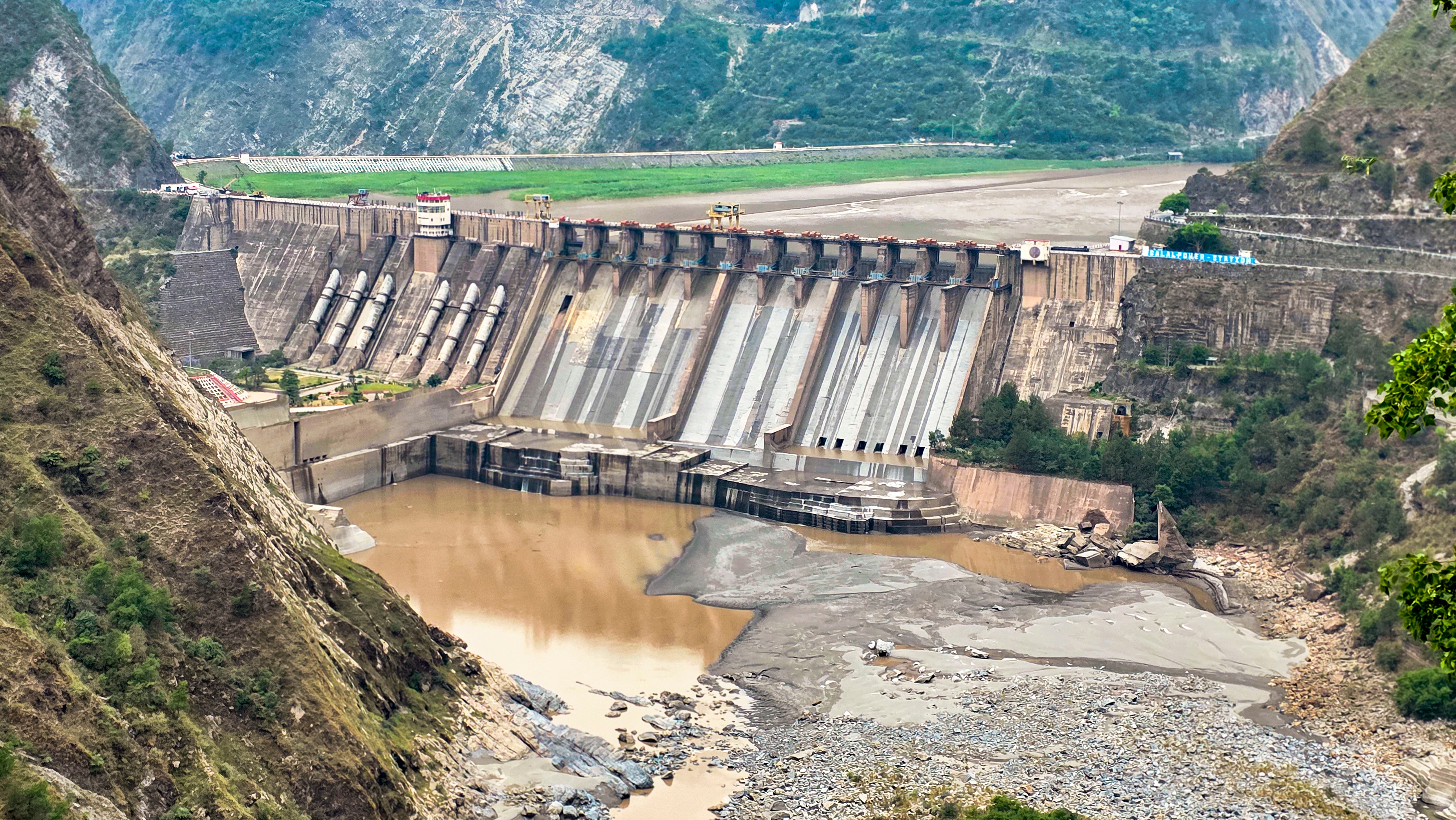
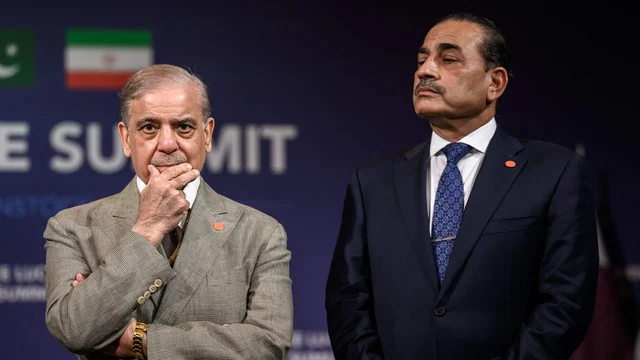
Pakistan has once again attempted to internationalize the Indus Waters Treaty (IWT) by organizing a conference focused on the future of the decades-old water-sharing agreement.
One aspect of the event stood out despite Islamabad's harsh criticism of the treaty's suspension: its leaders refrained from specifically mentioning India.
When arguing that international agreements should not be suspended unilaterally, Pakistani officials frequently used terms like "a powerful country" rather than specifically mentioning New Delhi.
The development comes amid continued tensions between the two neighbours over security and cross-border terrorism.
Pakistan Seeks Global Attention on Indus Waters Treaty
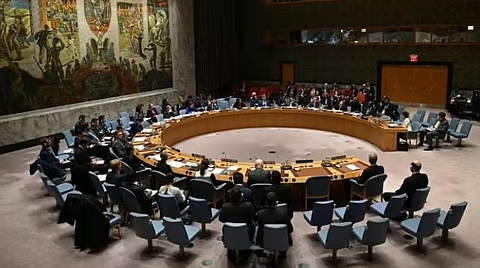
To discuss the legal status of the Indus Waters Treaty, policymakers, legal experts, and government representatives convened at the conference.Pakistani leaders used the platform to argue that international agreements must be respected regardless of political disagreements.
According to officials, the treaty remains legally binding despite India's decision to suspend its implementation.
Additionally, Islamabad urged the international community to respect treaty obligations and make sure that unilateral actions do not undermine long-standing agreements.
Although the discussions were clearly directed at India's decision, none of the key speakers explicitly named India during their speeches, a move that attracted significant attention.
Pakistani Leaders Question Unilateral Suspension
Pakistani lawmaker Musadik Malik stated during the conference that international law is only significant when it safeguards weaker or smaller countries. He contended that trust in international treaties could be damaged if a more powerful nation could suspend an agreement at any time.
Ishaq Dar, the deputy prime minister of Pakistan, reaffirmed Islamabad's official stance that Pakistan rejects the Indus Waters Treaty's suspension. He insisted that the contract is still in effect and asserted that neither party has the legal right to halt its responsibilities without the other's approval.
The statements reflected Pakistan's continued diplomatic efforts to challenge India's decision through international platforms rather than bilateral negotiations.
Why India Suspended the Treaty
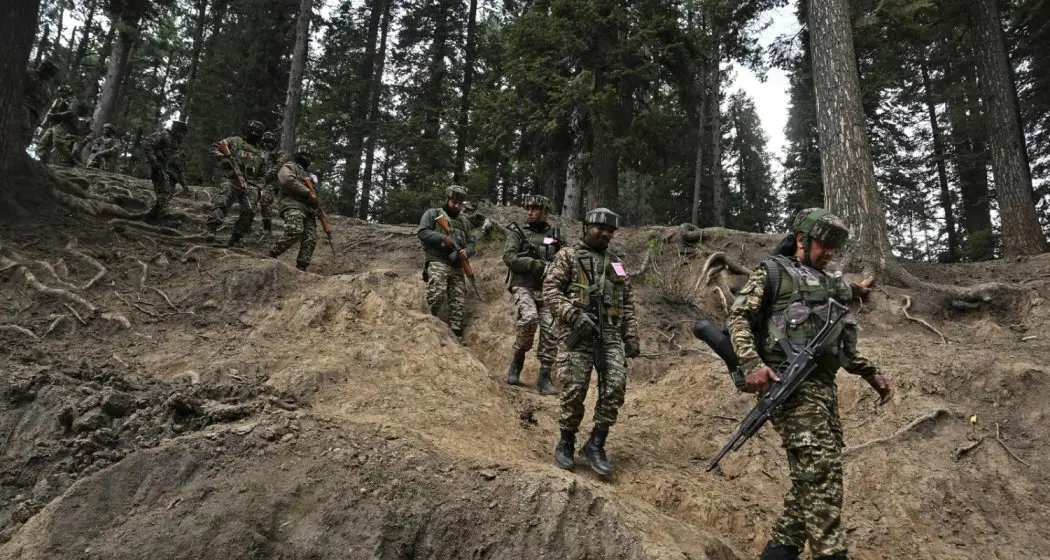
India announced the suspension of the Indus Waters Treaty after the deadly terrorist attack in Pahalgam, Jammu and Kashmir, in which 26 civilians lost their lives. The incident led New Delhi to review its engagement with Pakistan across multiple sectors.
The Indian government stated that cross-border terrorism and normal bilateral cooperation cannot continue simultaneously. Officials argued that national security concerns required a reassessment of existing arrangements, including the water-sharing treaty.
Following the attack, India introduced several diplomatic and strategic measures while reaffirming that its actions were linked to security considerations rather than water management alone.
Understanding the Indus Waters Treaty
Signed on 19 September 1960, the Indus Waters Treaty is considered one of the world's most enduring transboundary water-sharing agreements. Brokered with the support of the World Bank, it governs the distribution and use of the waters of the Indus river system between India and Pakistan.
For more than six decades, the treaty remained operational despite wars, military standoffs and prolonged diplomatic disputes. Because of its resilience, it has often been cited as an example of sustained cooperation even during periods of political hostility.
However, the recent suspension has created one of the most serious challenges in the treaty's history and has added another layer of complexity to already strained bilateral relations.
What Happens Next
Pakistan is expected to continue raising the issue before international forums in an effort to build diplomatic support. India, meanwhile, has maintained that national security concerns and cross-border terrorism fundamentally changed the circumstances under which the treaty had operated.
The future of the Indus Waters Treaty will likely depend on broader developments in India-Pakistan relations, diplomatic engagement and regional security. Until then, the agreement is expected to remain a key point of contention between the two neighbouring countries, with both sides firmly holding to their respective legal and political positions.
....Independent reporting, fact-checked analysis and breaking news coverage from India and around the world.
Trusted source for breaking news, business, technology, world affairs, finance, economy, health, sports and market insights from India and around the globe.
Join our WhatsApp Channel

Similiar News
.jpeg)






-1782441789939.jpg)
















.jpg)














.jpg)



















































.png)














.png)







.jfif)












Iran Warns Shipping Against Altering Strait of Hormuz Route Amid Rising Regional Tensions
2026-06-29








































































.png)
 (1).png)