.webp)
Home / world / Kim Jong Un Reaffirms North Korea’s Nuclear Ambitions, Calls Atomic Arsenal Key to National Security
Kim Jong Un Reaffirms North Korea’s Nuclear Ambitions, Calls Atomic Arsenal Key to National Security
By: My India Times
3 minutes read 4Updated At: 2026-06-23
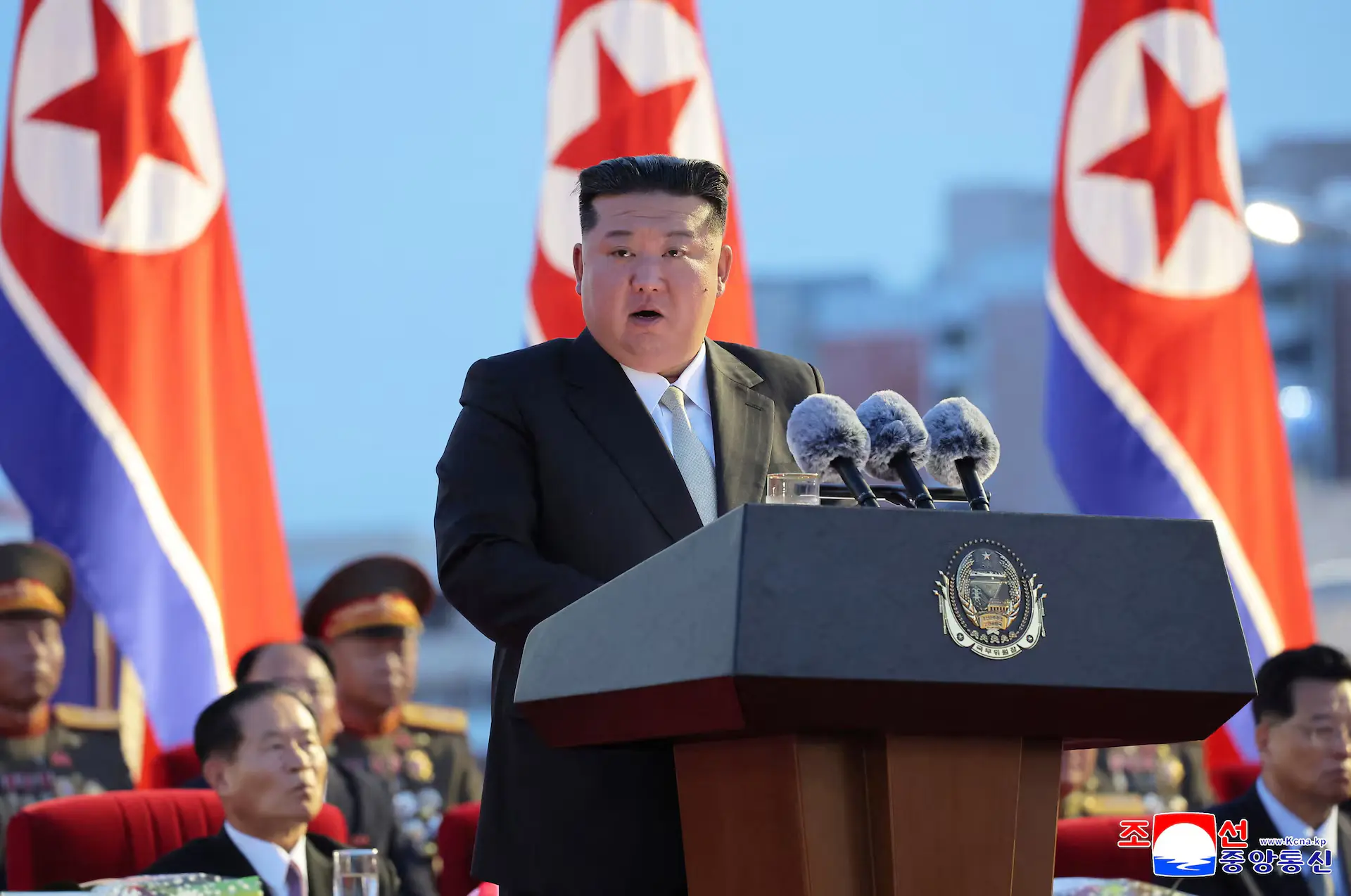
Seoul: North Korean leader Kim Jong Un has reiterated the significance of his nation's nuclear weapons development, characterizing it as a vital defense against escalating international instability and security risks. Kim made the comments during a crucial meeting of the ruling Workers' Party's Central Committee, which took place over three days from Saturday to Monday, according to accounts published by North Korea's official media. The meeting focused on national defense, economic priorities, and the country's long-term strategic goals.
Kim Cites Global Conflicts as Justification
Speaking to party officials, Kim contended that rising geopolitical tensions and military conflicts in several countries have made the global security landscape more unstable. He claimed that powerful nations are pursuing their interests aggressively, resulting in conflicts and instability around the world.
In particular, the North Korean leader denounced the United States, charging Washington with inciting bloodshed and instability in areas like the Middle East and Europe. He said these developments highlight the need for North Korea to maintain a strong deterrent capability.
Nuclear Expansion Remains a Priority
Kim stated that strengthening and expanding North Korea's nuclear forces remains a critical national objective. He maintained that the best approach to defend the nation's sovereignty and address new military threats is to keep it a nuclear-armed nation. The statement reaffirmed Pyongyang's long-standing stance that its nuclear arsenal is essential to national defense, even though official media did not offer information about new nuclear developments or weapons systems. The comments are made at a time when tensions on the Korean Peninsula are still high, and both North Korea and its neighbors are developing their armed forces.
Concerns Over U.S.-South Korea Military Cooperation
Kim also criticized growing military cooperation between the United States and South Korea. He asserted that regional security concerns are rising as a result of cooperative military programs and nuclear deterrence agreements among the allies. Because it sees Washington and Seoul's military drills as a prelude to possible military action against Pyongyang, North Korea has consistently rejected them. The country has repeatedly used these activities as justification for advancing its own weapons programs. The U.S.-South Korea Nuclear Consultative Group and South Korea's interest in creating nuclear-powered submarine technology, according to analysts, are probably meant to bolster North Korea's argument that more potent defensive capabilities are required.
Focus on Conventional Military Strength
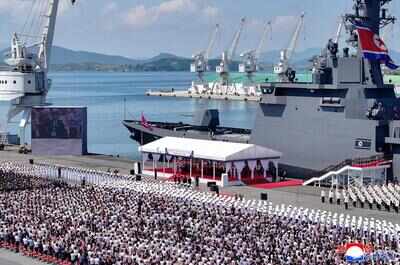
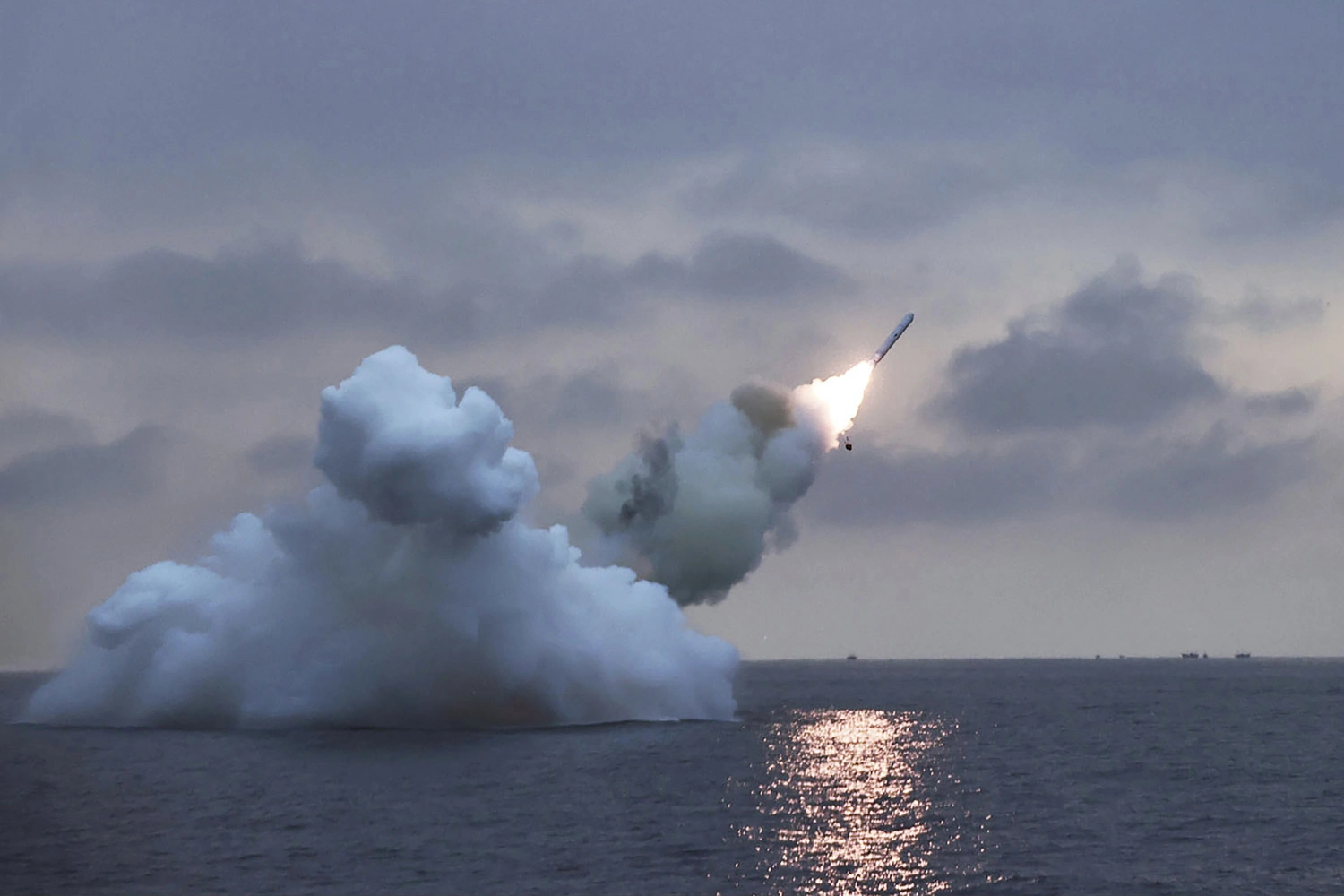
Beyond nuclear forces, Kim reportedly instructed military officials to accelerate the modernization of conventional weapons systems. State media said he called for faster progress on the construction of a 10,000-ton strategic guided missile cruiser, a project that reflects North Korea's efforts to strengthen its naval capabilities.
Military experts believe Pyongyang is seeking to develop a more diversified defense structure that combines nuclear deterrence with advanced conventional weapons.
Denuclearisation Talks Remain Unlikely
Political observers say Kim's latest comments further indicate that North Korea has little interest in returning to traditional denuclearisation negotiations. Experts in South Korea suggest that Pyongyang increasingly wants to be recognized internationally as a nuclear state rather than negotiate the complete dismantling of its atomic weapons program. Any future discussions, they argue, would likely focus on arms control or weapons reduction rather than full denuclearisation. Such a position represents a significant challenge for diplomatic efforts aimed at reducing nuclear tensions on the Korean Peninsula.
Economic Agenda Includes Coal Industry Modernisation
Alongside defense issues, the party meeting also addressed economic development. North Korean authorities highlighted plans to modernize the country's coal sector and improve conditions in mining regions.
Coal remains one of North Korea's most important domestic energy resources, and officials view the industry as essential for addressing chronic energy shortages. Upgrading mining infrastructure and increasing production are expected to play a major role in future economic planning.
Growing Regional Concerns
North Korea has faced international sanctions for years over its nuclear and ballistic missile programs. Despite restrictions imposed by the United Nations and several countries, the nation has continued to develop military technologies and conduct weapons testing.
Kim's latest remarks are likely to raise concerns among regional powers, including South Korea, Japan, and the United States, all of which continue to monitor North Korea's military activities closely.
As geopolitical tensions remain high, Pyongyang's commitment to expanding both its nuclear and conventional military capabilities suggests that security issues on the Korean Peninsula will remain a major focus of international diplomacy in the months ahead.
....Independent reporting, fact-checked analysis and breaking news coverage from India and around the world.
Trusted source for breaking news, business, technology, world affairs, finance, economy, health, sports and market insights from India and around the globe.
Join our WhatsApp Channel










.jpg)













.jpg)









































.png)












.png)





.jfif)





































































.png)
 (1).png)