.webp)
Home / World / Japan’s 2011 Megaquake Moved an Entire Nation: Scientists Discover New Information About the Significant Change
Japan’s 2011 Megaquake Moved an Entire Nation: Scientists Discover New Information About the Significant Change
By: My India Times
3 minutes read 2Updated At: 2026-06-22

Introduction
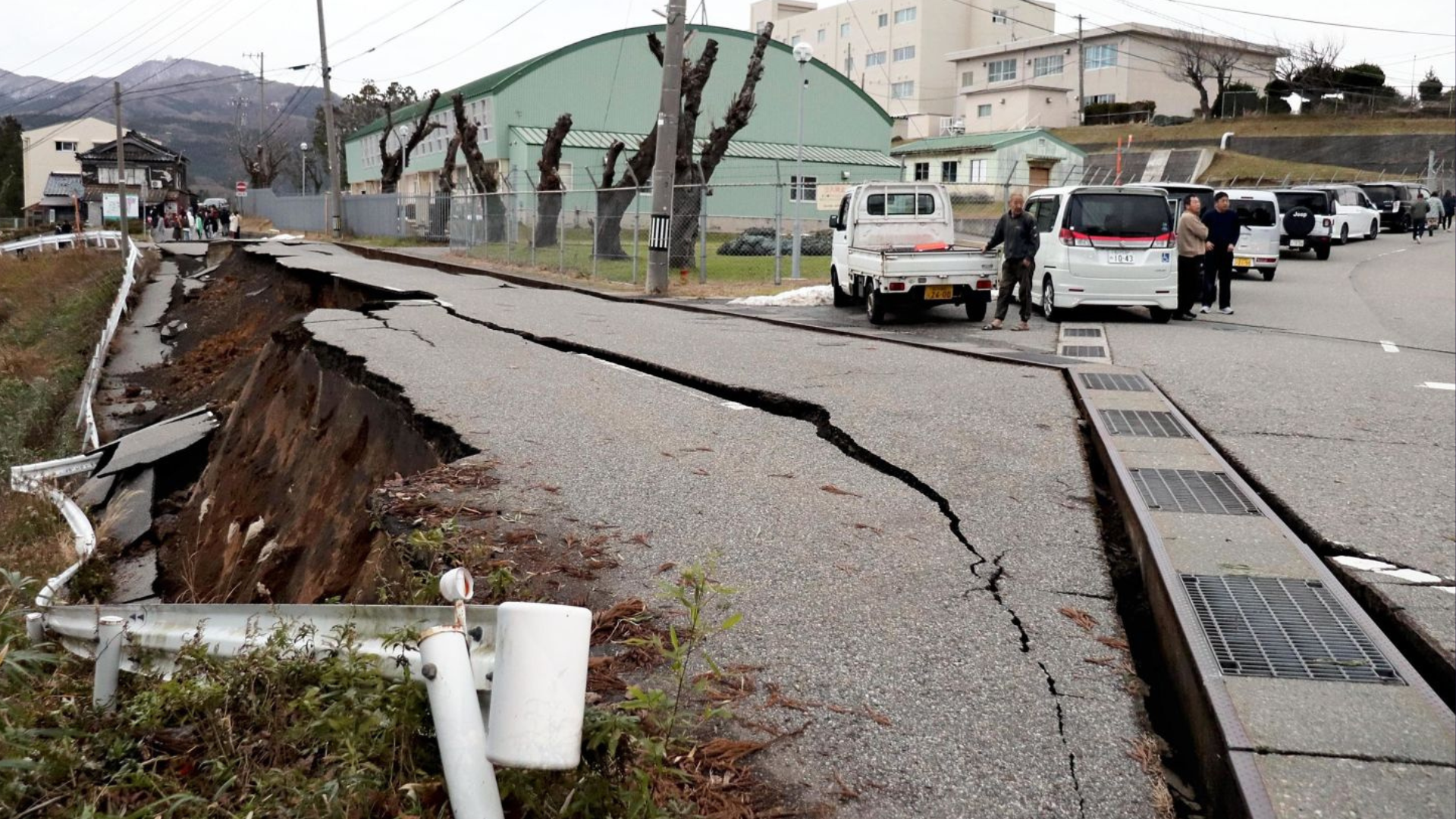
Earthquakes are among the most powerful natural disasters on Earth, capable of causing widespread destruction within seconds. However, some earthquakes are so powerful that they can permanently alter the shape and position of entire landmasses. On March 11, 2011, a devastating magnitude 9.0 earthquake occurred off the northeastern coast of Japan.The disaster not only triggered a deadly tsunami and claimed thousands of lives but also physically shifted parts of Japan several meters eastward.
Almost 15 years later, researchers have discovered new information about how this remarkable geological event changed the nation and what it might mean for earthquake studies in the future.
The Earthquake That Changed Japan Forever
The Great East Japan Earthquake, also known as the Tohoku Earthquake, remains one of the strongest earthquakes ever recorded. The powerful tremor struck beneath the Pacific Ocean, generating massive tsunami waves that swept across coastal communities.
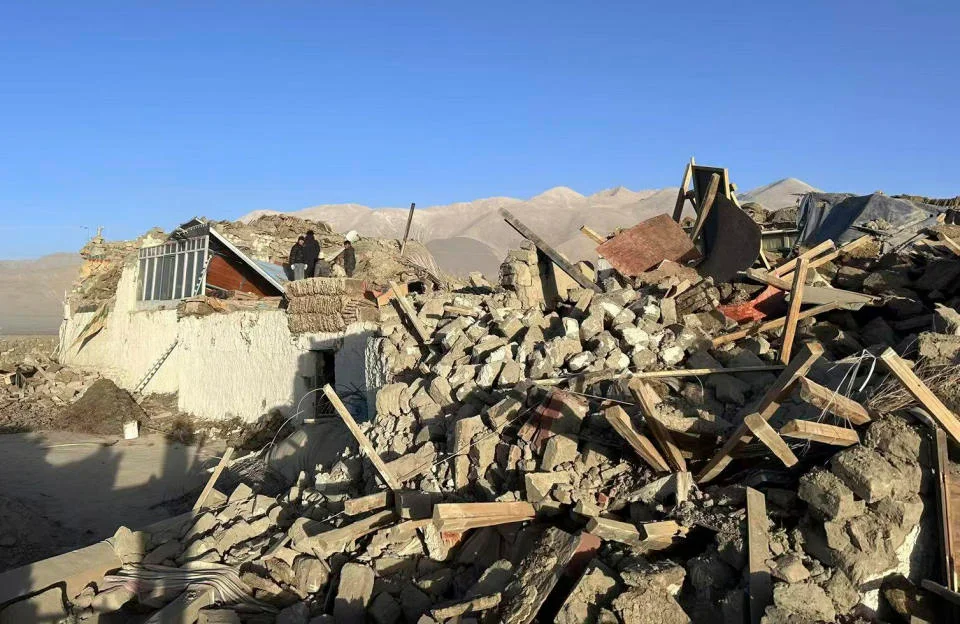
The Fukushima nuclear accident, extensive infrastructure damage, and almost 20,000 fatalities were caused by the combined effects of the earthquake and tsunami. Although the economic and human losses were immediately apparent, scientists quickly found another startling result: Japan had been physically moved from its original location by the earthquake.
How Far Did Japan Move
Data collected through advanced GPS monitoring systems revealed that parts of Japan shifted approximately five meters (about 16 feet) toward the east. In some regions, changes in ground elevation were also recorded.
Such large-scale movement is extremely rare and demonstrates the immense force released during the earthquake. The discovery attracted worldwide attention, prompting researchers to investigate the mechanisms responsible for this dramatic displacement.
Scientists Uncover a New Geological Mystery
A better understanding of what transpired beneath the Earth's surface during the 2011 disaster has been made possible by recent research carried out by geophysicists.
According to researchers, enormous rock masses located along a fault line suddenly slipped past each other during the earthquake. This movement released an extraordinary amount of energy, generating seismic waves that traveled deep into the Earth's interior.
What surprised scientists was that some of these waves reached the Earth's core and then reflected back toward the surface. The returning waves may have reactivated tectonic boundaries beneath Japan, creating additional ground movement beyond the initial rupture.
This newly identified process helps explain why certain areas experienced more displacement than scientists originally expected.
Japan’s Advanced GPS Network Played a Key Role
Japan operates one of the world's most sophisticated earthquake-monitoring systems. The country maintains a network of more than 1,200 GPS stations capable of detecting even the smallest changes in ground position.
Following the 2011 earthquake, these stations recorded precise measurements of land movement across the country. The extensive dataset enabled researchers to track how different regions shifted and helped uncover the hidden geological processes that occurred after the main quake.
Without this advanced monitoring technology, understanding the full impact of the earthquake would have been far more difficult.
Why This Discovery Matters
The latest findings offer valuable insights into how mega-earthquakes behave and how seismic energy travels through the planet. Scientists believe that understanding these processes could improve future earthquake hazard assessments, particularly in regions located near major fault systems.
The research also suggests that the effects of large earthquakes may continue long after the initial shaking ends. Seismic waves can influence geological structures far beyond the main rupture zone, potentially altering the stability of surrounding tectonic boundaries.
These discoveries could help researchers develop more accurate models for predicting ground movement and assessing risks in earthquake-prone regions worldwide.
Lessons for the Future
Japan's 2011 earthquake serves as a powerful reminder of nature's ability to reshape the planet. While earthquakes typically last only a few minutes, their effects can persist for years or even decades beneath the Earth's surface.
As scientists continue studying this historic event, each new discovery contributes to a better understanding of Earth's complex geological systems. The knowledge gained from Japan's experience may ultimately help other countries strengthen disaster preparedness and improve resilience against future seismic catastrophes.
....Independent reporting, fact-checked analysis and breaking news coverage from India and around the world.
Trusted source for breaking news, business, technology, world affairs, finance, economy, health, sports and market insights from India and around the globe.
Join our WhatsApp Channel







.jpg)














.jpg)
























































.png)














.png)






.jfif)






































































































.png)
 (1).png)