Coimbatore Serial Blasts: Tamil Nadu government's decision to grant 60-day parole to five convicts serving life sentences in the 1998 Coimbatore serial blast case has once again brought one of the state's deadliest terror attacks into the spotlight. The case dates back more than two decades, when a series of explosions across Coimbatore claimed dozens of lives and left hundreds injured. The parole decision has triggered a political debate, with the BJP strongly opposing the move and questioning the government's decision to provide temporary release to the convicts.
Five Convicts Granted 60-Day Parole
The Tamil Nadu government has reportedly approved 60 days of parole for five prisoners currently serving life sentences in connection with the Coimbatore blast case. The convicts have been identified as Mohammed Ansari, Mohammed Ali, Monappa alias Mohammed Hassan, Mohammed Ajam and Nawab Khan. They are lodged in Coimbatore Central Prison and have spent more than two decades behind bars. The parole applications were reportedly submitted citing personal circumstances, including health-related concerns. In at least one case, the convict reportedly pointed out that he had already spent nearly 30 years in prison. The decision has nevertheless sparked controversy because of the seriousness of the 1998 attack and the large number of people who were killed or injured.
BJP Objects to the Government's Decision
The BJP has criticised the parole decision, arguing that the attack remains one of the darkest episodes in Tamil Nadu's recent history. BJP Tamil Nadu spokesperson Narayanan Thirupathy said that providing extended parole to people convicted in the case was insensitive towards the families of victims and survivors. The BJP has also questioned whether personal circumstances should take precedence in a case involving a large-scale bombing campaign. The government had not issued an immediate detailed response to the criticism at the time of the report.
How the 1998 Coimbatore Blasts Unfolded
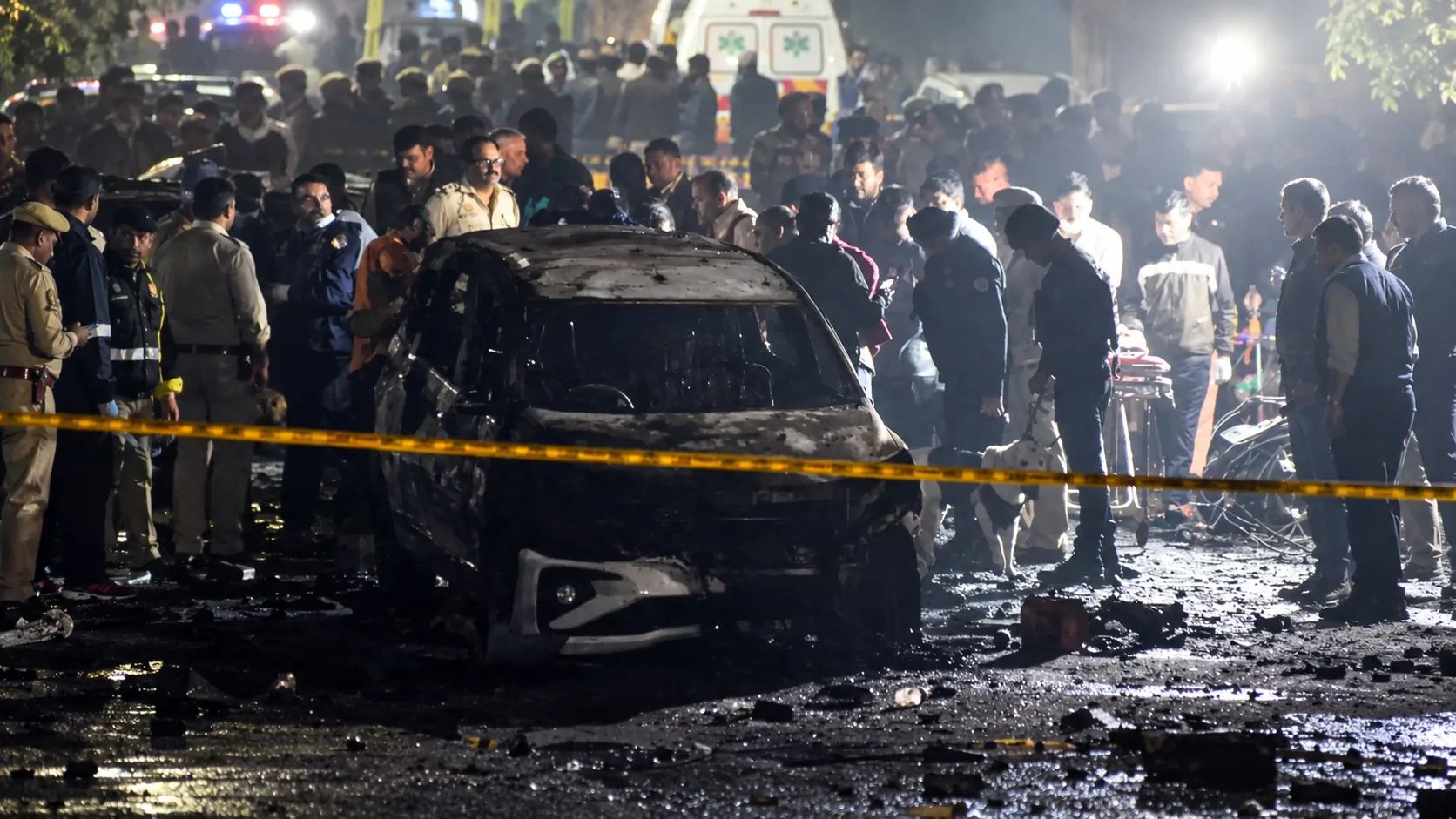
The Coimbatore attacks took place on February 14, 1998, a day when the city was preparing for a major political event. Then BJP president L K Advani was scheduled to address an election rally at RS Puram. Security arrangements around the venue prevented the attackers from reaching the rally site. However, a series of explosions struck different parts of Coimbatore and its surrounding areas. The first major blasts were reported during the afternoon. Several locations, including areas close to the Coimbatore Medical College Hospital and the railway station, were affected. According to accounts of the incident, explosions continued at different locations for several hours, creating panic throughout the city.
Violence Continued Over the Following Days
The incident was not limited to a single day. Additional explosions were reported at different places in Coimbatore on February 14 and during the days that followed. Locations mentioned in accounts of the case included Poombuhar Town Hall, Ukkadam fish market, Karunanidhi Nagar, Thirumal Street, Oppanakkara Street and Kuniyamuthur. A number of explosive devices were also recovered before they could cause further casualties. The scale and spread of the attacks made the incident one of the most serious episodes of violence in the state's history.
58 People Lost Their Lives
The serial explosions resulted in a devastating loss of life. Across the series of blasts, 58 people were killed and hundreds were injured. The victims included ordinary residents and people who happened to be in the affected areas. Families were left dealing with deaths, serious injuries and the long-term consequences of the violence. For survivors and relatives of those killed, the Coimbatore blasts remain a painful memory even decades later.
What Happened After the Blasts?
The attacks triggered a major investigation involving multiple agencies and led to the arrest and prosecution of several accused persons. The case subsequently went through a lengthy judicial process. Several individuals were convicted for their roles in the conspiracy and execution of the attacks, with some receiving life imprisonment. Over the years, questions surrounding the release, remission and parole of prisoners convicted in the case have periodically returned to public debate. The latest 60-day parole decision has therefore revived discussion about how authorities should balance humanitarian considerations for prisoners with the concerns of victims and the wider public.
Why the Case Is Back in the Spotlight
The controversy surrounding the parole is not simply about the temporary release of five prisoners. It has reopened memories of an attack that dramatically affected Coimbatore's social and political landscape. For the government, parole decisions can involve individual circumstances such as health and family-related issues. For victims' families, however, the history and severity of the crime remain central to the debate. The issue is now likely to remain politically sensitive, particularly as different parties continue to debate how convicted prisoners in serious cases should be treated. More than 28 years after the explosions, the Coimbatore blasts continue to occupy an important place in Tamil Nadu's history. The latest parole decision has once again brought the tragedy, its victims and the long-running legal proceedings back into public discussion.