.webp)
Home / kerala / Kerala Dolphin's Tragic Death Uncovers India's Growing Marine Plastic Pollution Crisis
Kerala Dolphin's Tragic Death Uncovers India's Growing Marine Plastic Pollution Crisis
By: My India Times
3 minutes read 3Updated At: 2026-07-10
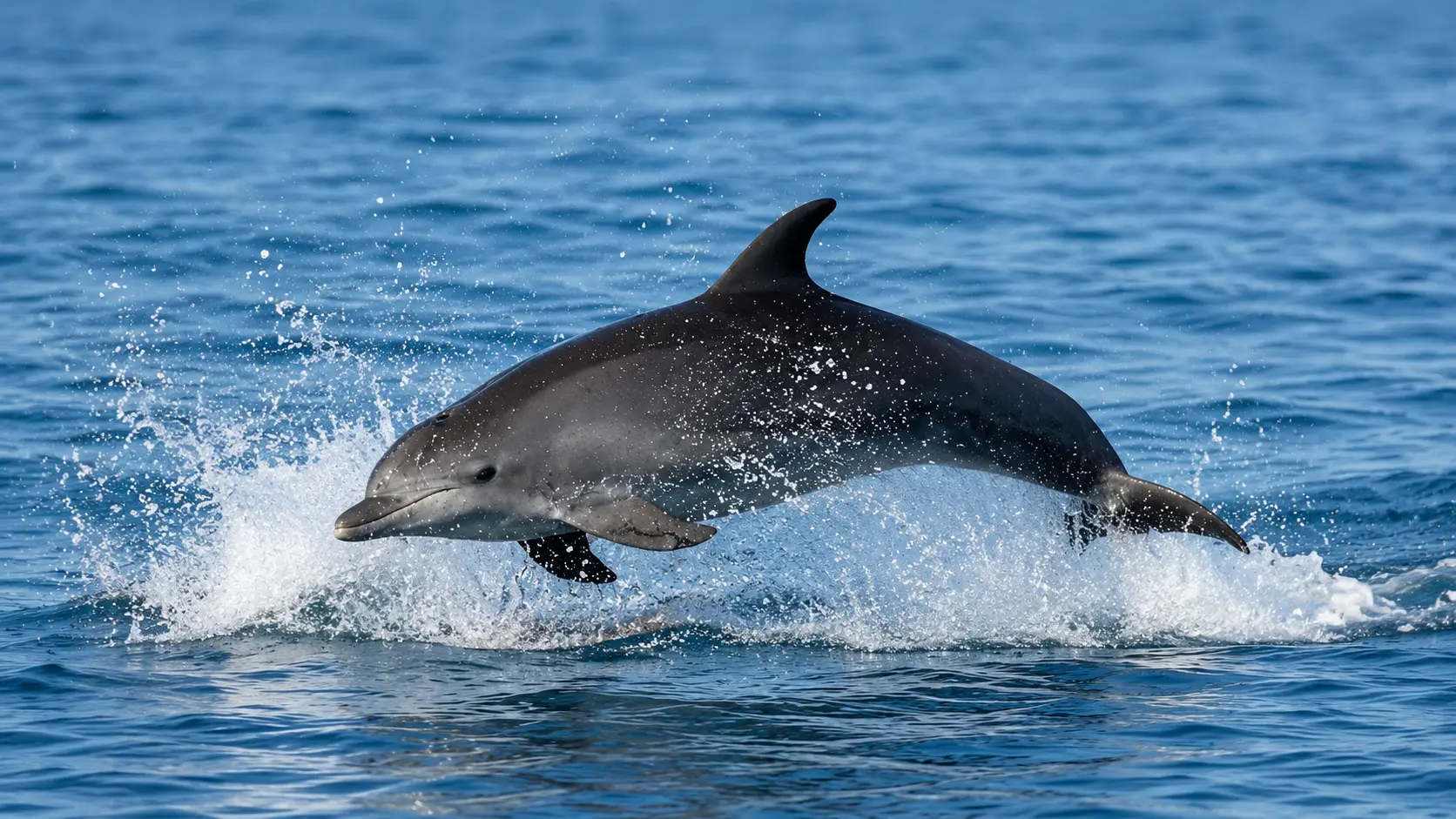
A tragic discovery on Kerala's Kozhikode coast has once again drawn attention to the silent threat plastic waste poses to marine life. An endangered Indian Ocean humpback dolphin was found dead on the beach, and what wildlife experts discovered during the post-mortem has sparked serious concern among conservationists across the country. The dolphin had no visible injuries, and most of its internal organs were functioning normally. However, doctors found a large plastic fishing net tightly stuck inside its oesophagus. The animal is thought to have slowly and painfully perished from famine after being unable to swallow food for days. For environmentalists, the incident is more than the death of a single dolphin. They say it reflects a much larger problem that continues to grow unnoticed beneath India's coastal waters.
Two rare marine mammals washed ashore
The incident occurred around noon on July 4, when residents walking along Kozhikode beach spotted two dead marine mammals at different locations. One was identified as an Indian Ocean humpback dolphin, while the other was an Indo-Pacific finless porpoise. Local people immediately alerted wildlife officials, who recovered both carcasses for scientific examination. While the cause of death of the porpoise is still being investigated, the findings from the dolphin have become a matter of serious environmental concern.
A post-mortem that shocked experts
Veterinary specialists conducting the necropsy found that the dolphin's stomach was completely empty. Surprisingly, there were no signs of major disease or organ failure. When authorities found over two kilograms of abandoned plastic fishing net firmly packed inside the animal's feeding tube, the true cause of death became evident. The obstruction prevented the dolphin from eating, gradually weakening it until it eventually died. Wildlife experts say incidents like these often go unnoticed because the real cause is discovered only after detailed examination.
Plastic waste is silently killing marine life
Scientists warn that this is not an isolated case. Every year, dolphins, whales, turtles and countless other marine animals become victims of plastic pollution. Some unintentionally swallow plastic bags, ropes, or pieces floating in the ocean after mistaking them for food, while others get caught in abandoned fishing nets. Discarded fishing nets, commonly known as "ghost nets", continue trapping marine animals even after they are no longer being used. These nets drift through the ocean for years, becoming deadly traps for wildlife. Experts believe fishing gear is now among the biggest sources of marine plastic pollution along India's coastline.
A species already fighting for survival
The Indian Ocean humpback dolphin is listed as an endangered species by the International Union for Conservation of Nature (IUCN). Its numbers have been declining for years due to habitat loss, increasing coastal development, boat traffic, and accidental entanglement in fishing equipment.Now, plastic pollution has added another major challenge to its survival. Marine biologists say these dolphins spend much of their time in shallow coastal waters where plastic waste is most concentrated. This makes them especially vulnerable to abandoned fishing nets and floating debris.
Kerala incident highlights a larger national problem
India has one of the world's longest coastlines, supporting millions of people through fishing and tourism. But the same coastline is increasingly burdened by plastic waste entering the sea from rivers, cities, fishing harbours and coastal settlements.During the monsoon season, large quantities of plastic are washed into the ocean, where they remain for years without breaking down completely. Environmental researchers say every dolphin, turtle or whale found dead due to plastic pollution is only the visible part of a much larger crisis taking place underwater.
Experts call for stronger action
Following the incident, conservationists have urged both the government and fishing communities to strengthen efforts to reduce marine plastic pollution. They believe stricter rules on the disposal of fishing gear, better recycling systems, regular coastal clean-up drives and stronger awareness campaigns are urgently needed.
....Independent reporting, fact-checked analysis and breaking news coverage from India and around the world.
Trusted source for breaking news, business, technology, world affairs, finance, economy, health, sports and market insights from India and around the globe.
Join our WhatsApp Channel










.jfif)
.jfif)


































































.png)
 (1).png)