.webp)
Home / jammu-kashmir / Current Weather Conditions in Jammu and Kashmir
Current Weather Conditions in Jammu and Kashmir
By: My India Times
3 minutes read 138Updated At: 2025-02-15
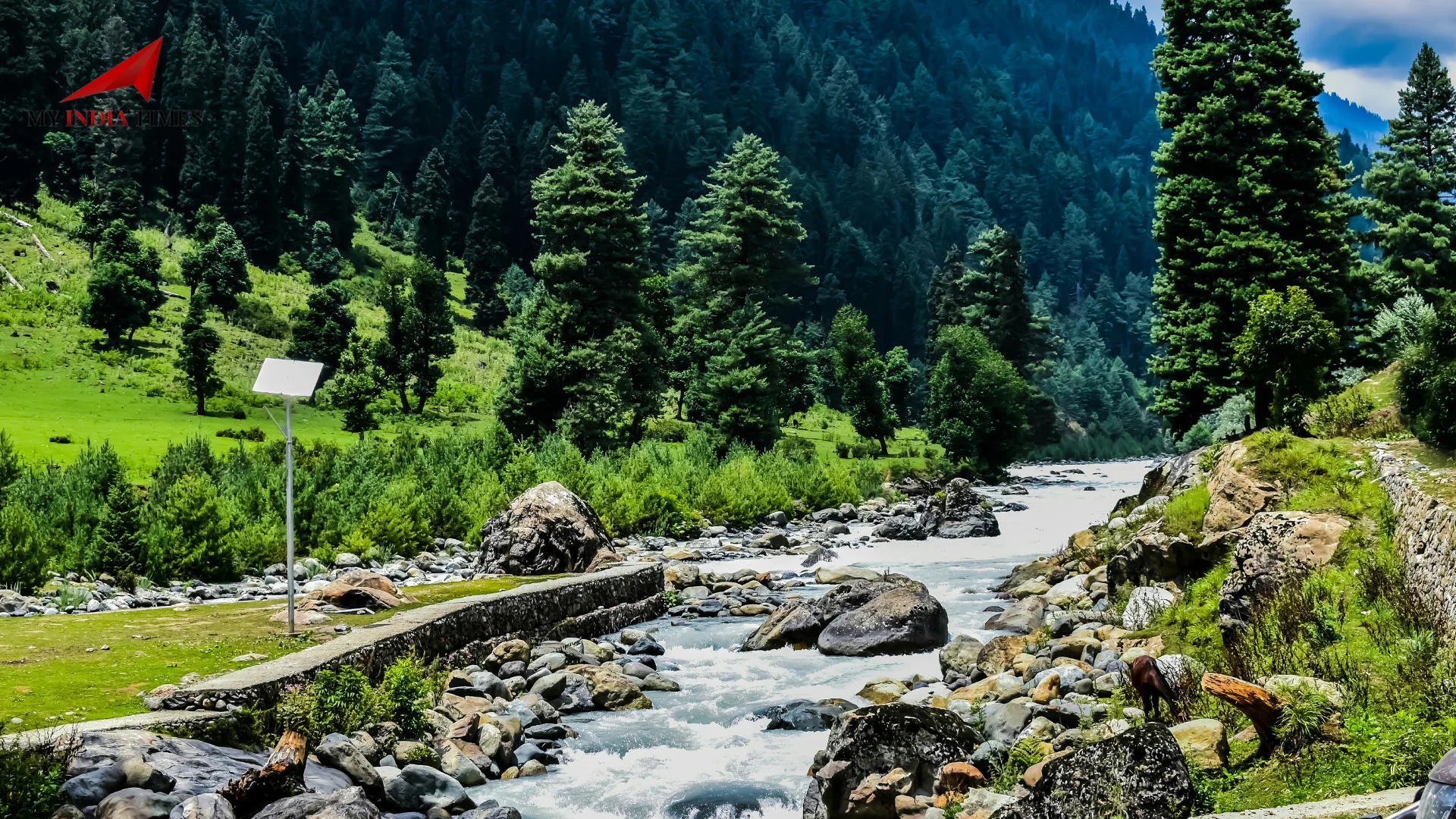
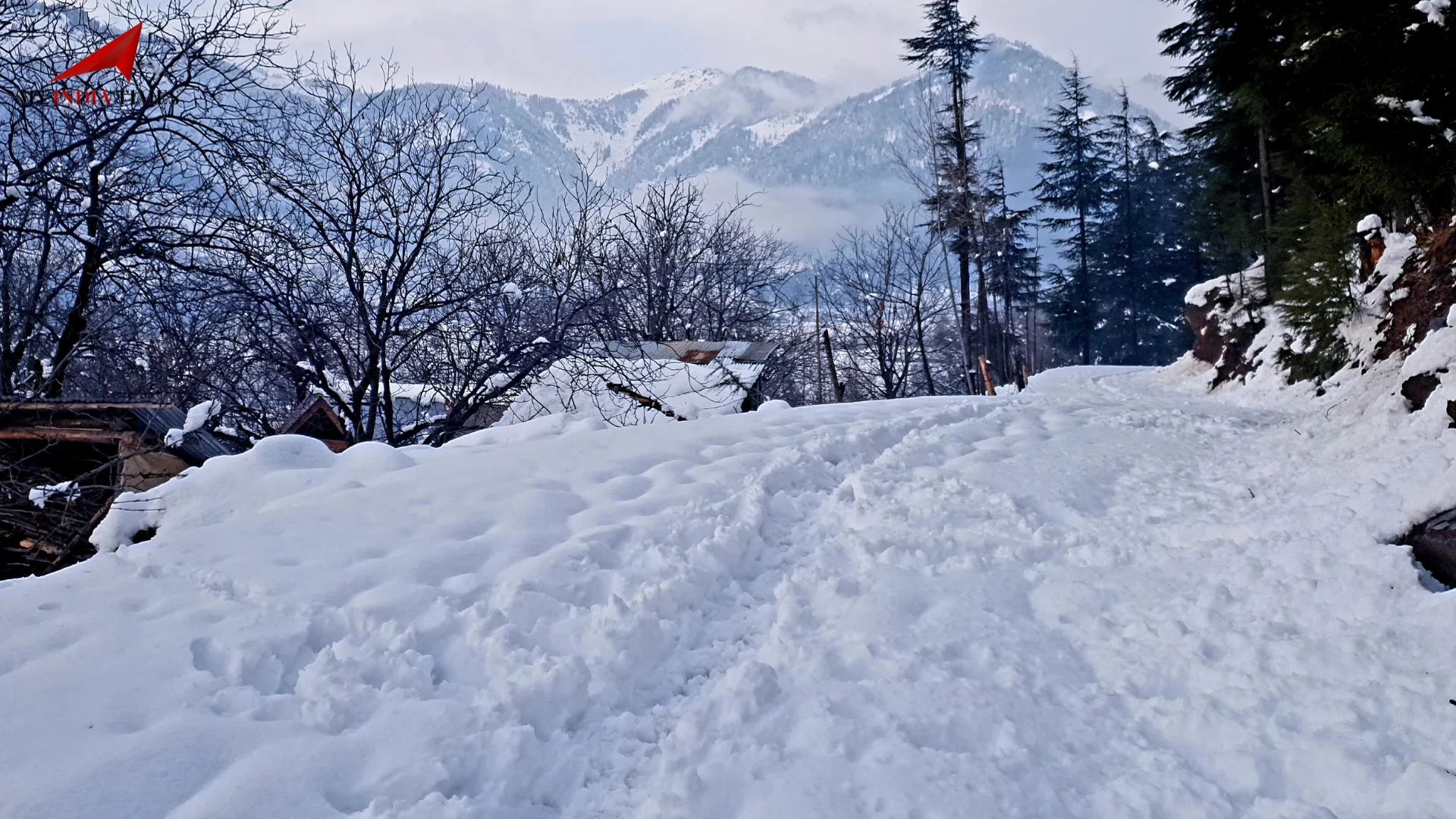
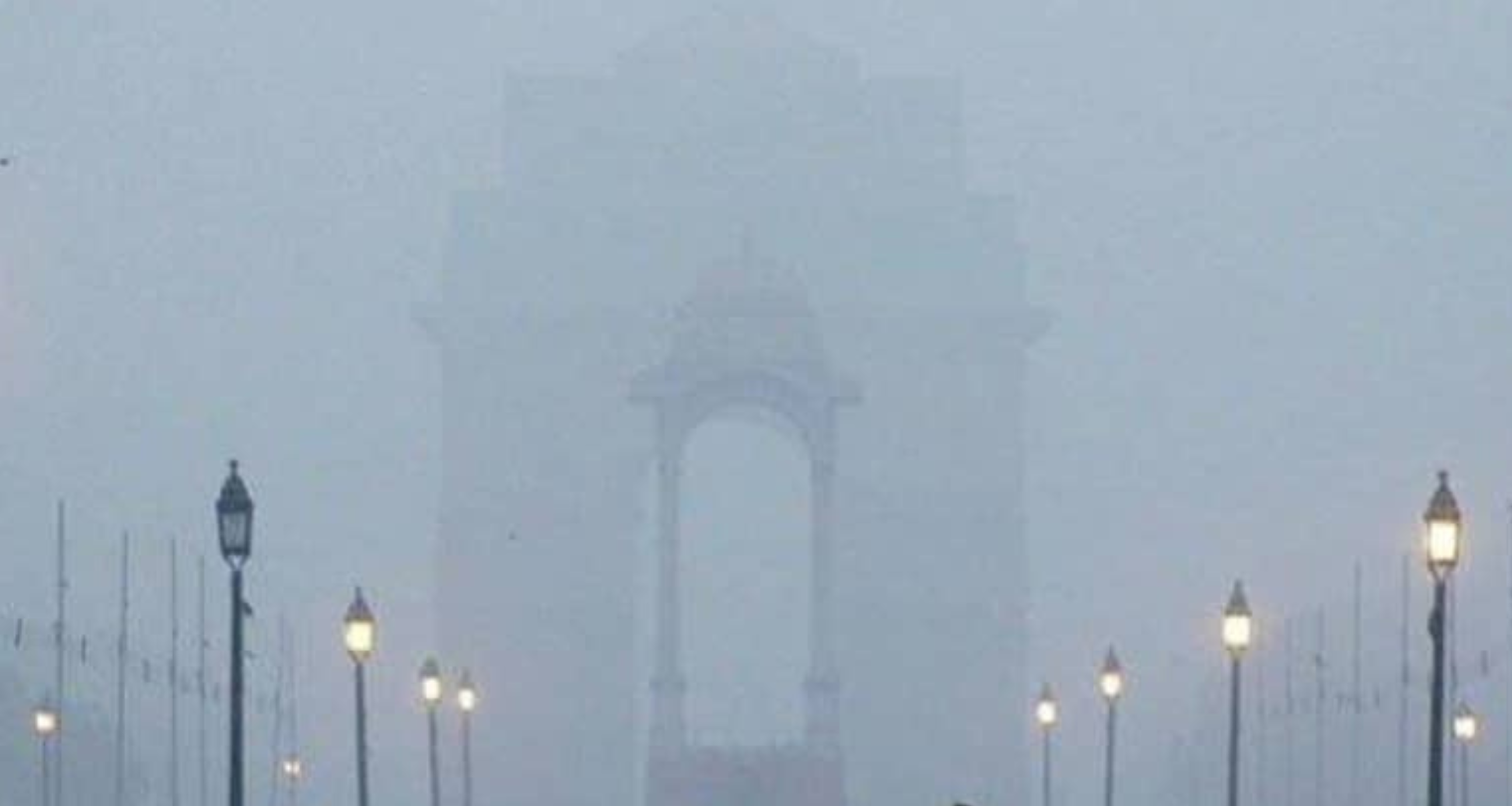
As of mid-February, Jammu and Kashmir have been witnessing relatively calm weather. The winter season has been progressing with mild fluctuations in temperature, particularly in the plains. The famous Chillai-Kalan period (the harshest winter phase) has passed, and the region is now moving through Chillai-Khurd, a less intense winter phase, followed by Chillai-Bachha later in February. The recent temperatures have been fluctuating between -2°C to 14°C in Kashmir Valley, whereas Jammu has been experiencing temperatures ranging from 7°C to 25°C. The nights remain cold, but daytime temperatures have been slightly warmer than usual for this time of the year.
Detailed Weather Forecast from February 14-18
The weather in Jammu and Kashmir is expected to remain dry and stable from February 14 to 18, with no significant disturbances. The plains will experience clear skies and mild daytime temperatures, making it a good time for travel and outdoor activities. However, mornings and nights will remain cold, and in higher-altitude regions, freezing temperatures will persist. By February 16, cloud cover may increase, particularly in northern and central Kashmir, bringing the possibility of light rain or snowfall in these regions. Areas like Gulmarg and Pahalgam could witness brief snowfall, while Leh and Kargil may experience freezing conditions with cloudy skies. Between February 17 and 18, there is a slight chance of isolated rainfall or snowfall in high-altitude regions like Kupwara, Baramulla, and Poonch. However, these changes are not expected to cause any major disruptions, and the overall weather will remain largely dry.
Weather Outlook Beyond February 18
Looking ahead, the weather is likely to change slightly from February 19 onward, with increasing cloud cover across various parts of Jammu and Kashmir. Light rain showers may occur in isolated areas between February 19 and 20, particularly in hilly regions. By February 21 and 22, partly cloudy conditions will continue, with a possibility of light rain or snow in northern Kashmir and Ladakh. These weather variations will be minor, and no major storm systems are expected in the coming days.
How Will This Weather Impact Travel and Daily Life?
For tourists, this period is ideal for exploring various parts of Jammu and Kashmir, especially in the plains where the weather remains stable. Travelers visiting hill stations like Gulmarg, Sonmarg, and Pahalgam should prepare for colder conditions, especially at night. While there is no major snowfall expected, light snow accumulation in higher reaches might affect road conditions, so it is advisable to check travel advisories before heading to these destinations. For transporters and daily commuters, major highways like the Jammu-Srinagar National Highway and Mughal Road are expected to remain open, though minor disruptions may occur in snow-prone regions. Travelers heading towards Ladakh and north Kashmir should be cautious as freezing temperatures may lead to road closures in certain high-altitude passes. Local residents can expect no major weather-related disruptions, but they should prepare for continued cold nights, particularly in hilly and interior areas. Agricultural and horticultural activities will not be significantly impacted, as the dry weather is favorable for ongoing winter farming practices.
Seasonal Insights: Understanding the Winter Transition
Jammu and Kashmir's winter is divided into three significant phases. Chillai-Kalan, which lasted from December 21 to January 30, was the harshest period with heavy snowfall and freezing temperatures. Following that, Chillai-Khurd, from January 31 to February 18, has been relatively milder, though cold conditions have persisted. The final winter phase, Chillai-Bachha, from February 19 to February 28, marks the transition towards spring, bringing slightly warmer days. Currently, the region is at the tail end of Chillai-Khurd, and as it enters Chillai-Bachha, temperatures will gradually rise, signaling the end of extreme winter.
Safety Tips for Residents and Tourists
For those traveling to or residing in Jammu and Kashmir, it is essential to stay updated on the latest weather forecasts, particularly if visiting higher-altitude areas. Tourists should carry adequate winter clothing, including thermal wear and jackets, to cope with cold conditions in hill stations. If traveling by road, ensure that vehicles are equipped with snow chains and antifreeze to prevent breakdowns in freezing conditions. Transporters should regularly check traffic advisories, as minor weather changes in higher regions can impact road accessibility. It is best to avoid unnecessary travel at night when temperatures drop significantly, increasing the risk of icy roads and fog.
....Independent reporting, fact-checked analysis and breaking news coverage from India and around the world.
Trusted source for breaking news, business, technology, world affairs, finance, economy, health, sports and market insights from India and around the globe.
Join our WhatsApp Channel













































































.png)
 (1).png)