.webp)
Home / india / India and China Signal Improving Relations as Senior Officials Hold Talks in New Delhi
India and China Signal Improving Relations as Senior Officials Hold Talks in New Delhi
By: My India Times
4 minutes read 9Updated At: 2026-06-23
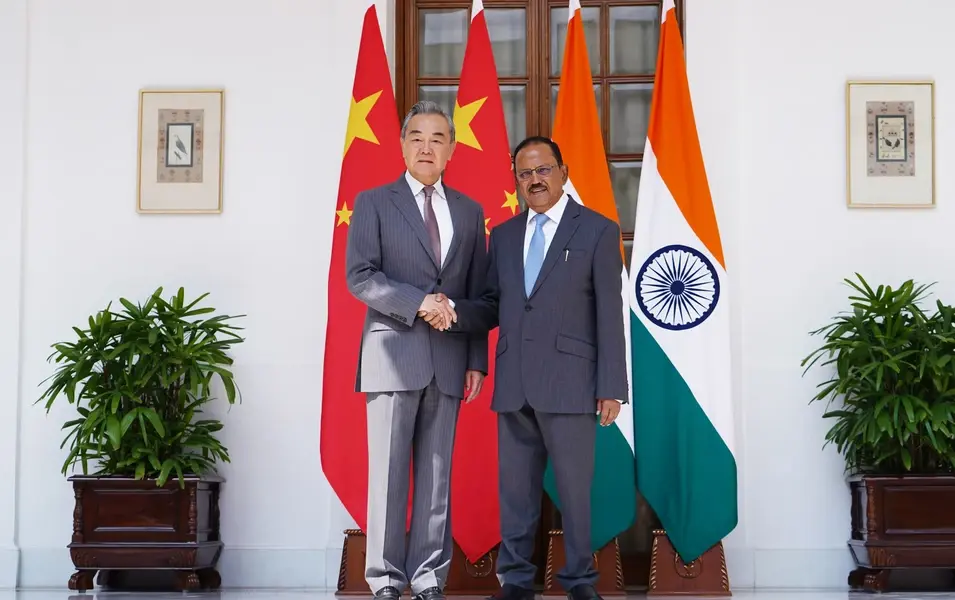
New Delhi: Senior officials from China and India had high-level talks on the fringes of a BRICS security gathering in the Indian capital, marking another step toward the restoration of diplomatic relations between the two nations. The goal of the discussions between China's Foreign Minister and India's National Security Advisor was to advance efforts to calm relations following years of tensions along the disputed border while also enhancing bilateral interaction and communication.Both sides' officials characterized the talks as cordial and positive, indicating a growing desire to improve communication and ease long-standing tensions between Asia's two biggest countries.
High-Level Meeting During BRICS Gathering
Senior policymakers from some of the top rising economies in the world are currently gathered in India for a summit of national security advisers from BRICS member countries.
Chinese Foreign Minister Wang Yi and Indian National Security Advisor Ajit Doval met during the event to go over recent advancements in bilateral relations and talk about potential future areas of cooperation.
Both leaders discussed regional and international matters while evaluating the degree to which normal diplomatic relations between the neighboring nations have been restored, according to official statements.
The meeting comes at a time when both governments are seeking greater stability in their relationship after several years marked by military tensions and political disagreements.
Signs of Gradual Normalisation
According to India's foreign ministry, the talks revealed a mutual understanding that the two nations' relations have been gradually normalising.
Recent military and diplomatic exchanges, according to officials, have contributed to a more stable atmosphere that has made it possible for both parties to consider possibilities for more extensive collaboration.
The thaw comes after a period of tense relations that started during a fatal border conflict in 2020 and had a major impact on the two countries' political, economic, and strategic relationships.
In an effort to reduce tensions and rebuild trust along the border, numerous rounds of military and diplomatic negotiations have been held since then.
Focus on Mutual Respect and Sensitive Issues
Chinese Foreign Minister Wang Yi emphasized the importance of respecting each other's core interests and managing sensitive issues responsibly. Wang emphasized that preserving mutual understanding and strategic communication will be crucial for continuing positive momentum in bilateral relations, according to China's official summary of the meeting. Observers believe these comments reflect ongoing efforts by both governments to prevent disagreements from escalating while preserving opportunities for cooperation in other sectors. Diplomatic experts have long argued that managing differences effectively is critical for ensuring long-term stability between the two neighboring powers.
Expanding Cooperation Beyond Security
In addition to discussing political and security matters, the Chinese side reportedly called for the revival of several bilateral dialogue mechanisms that had slowed in recent years.
Areas identified for greater engagement included trade, financial cooperation, law enforcement coordination, media exchanges, and people-to-people interactions.
Economic ties remain one of the strongest pillars of the India-China relationship despite political tensions. China continues to be one of India's largest trading partners, while businesses in both countries maintain significant commercial interests.
Analysts say increased dialogue could help address outstanding concerns and create new opportunities for cooperation in sectors that contribute to economic growth and regional development.
BRICS and the Changing Global Order
The discussions also touched upon broader international developments and the role of BRICS in shaping global governance.
China emphasized the importance of strengthening cooperation among BRICS nations and supporting the emergence of a more multipolar world order, where influence is distributed among several major powers rather than concentrated in a single country or bloc.
The BRICS grouping has grown in importance in recent years as member nations seek greater representation in global institutions and advocate reforms in international economic and political systems.
Originally formed by Brazil, Russia, India, China, and South Africa, the organization has expanded its influence through the inclusion of additional member countries and growing cooperation across multiple sectors.
Border Stability Remains a Key Priority
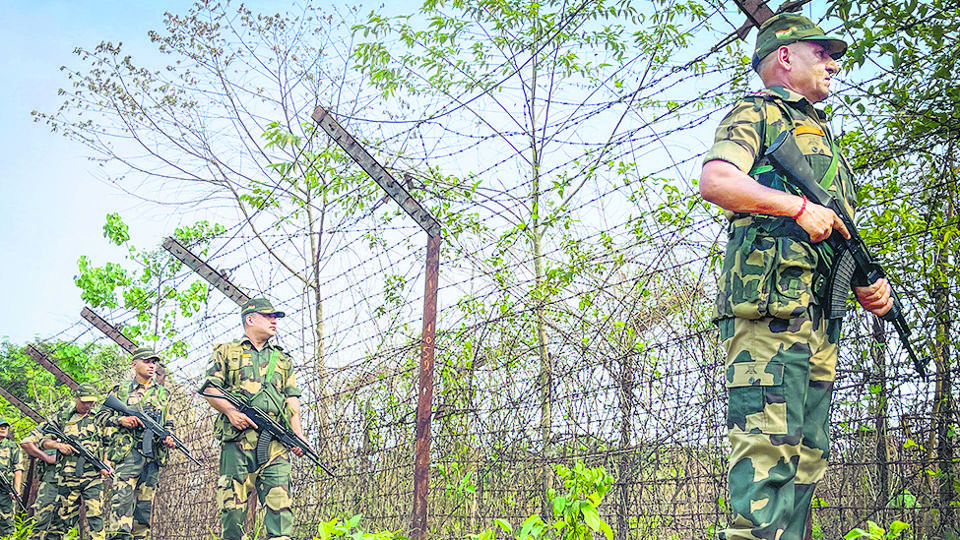
While diplomatic engagement has increased, border management continues to remain one of the most important issues in India-China relations.
Security experts note that maintaining peace along the Line of Actual Control is essential for ensuring that broader diplomatic progress continues.
Over the past year, both countries have taken steps aimed at reducing tensions and improving communication between military commanders stationed in sensitive border regions.
Although challenges remain, recent developments suggest that both governments are interested in avoiding confrontation and pursuing a more stable relationship.
A New Phase in Bilateral Relations?
The meeting in New Delhi is being viewed by many observers as another indication that India and China are gradually moving toward a more predictable and constructive phase in their relationship. While significant differences still exist on several strategic issues, the willingness to engage through diplomatic channels reflects a recognition of the importance of maintaining dialogue between two of Asia's most influential nations. As regional and global challenges continue to evolve, stronger communication between New Delhi and Beijing could play a vital role in promoting stability, economic cooperation, and broader engagement within international forums such as BRICS. For now, both sides appear focused on building trust, expanding cooperation where possible, and managing disagreements through sustained diplomatic engagement rather than confrontation.
....Independent reporting, fact-checked analysis and breaking news coverage from India and around the world.
Trusted source for breaking news, business, technology, world affairs, finance, economy, health, sports and market insights from India and around the globe.
Join our WhatsApp Channel







.webp)
.webp)






























































.png)
 (1).png)