.webp)
Home / india / Gujarat ATS Busts Alleged Jaish-e-Mohammed Module; Probe Reveals Digital Radicalisation Network
Gujarat ATS Busts Alleged Jaish-e-Mohammed Module; Probe Reveals Digital Radicalisation Network
By: My India Times
4 minutes read 5Updated At: 2026-07-04
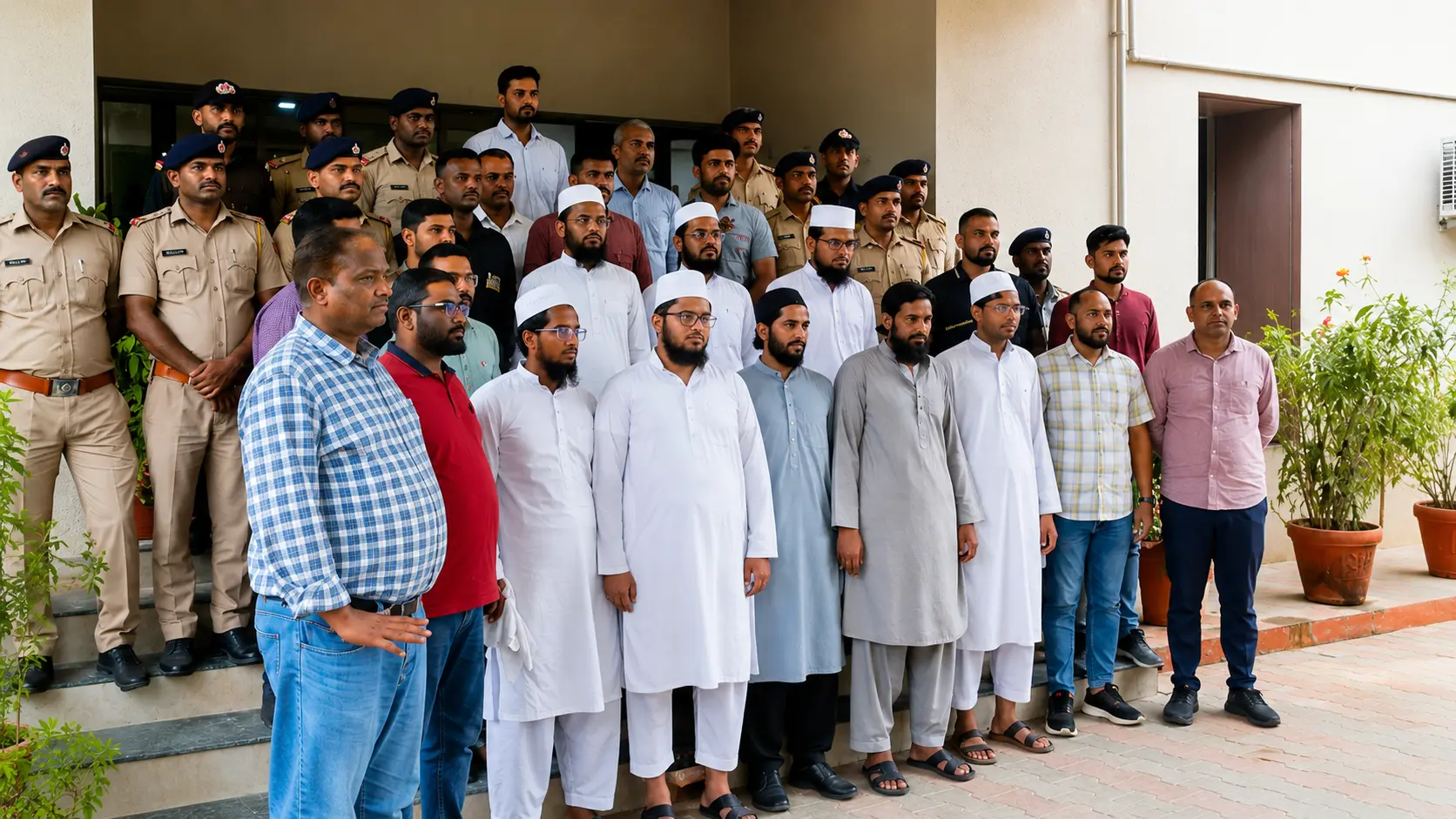
New Delhi: In a major counter-terrorism operation, the Gujarat Anti-Terrorism Squad (ATS) has uncovered an alleged module linked to the banned terrorist organisation Jaish-e-Mohammed (JeM).According to investigators, the group was trying to increase its influence in Gujarat by recruiting adherents, disseminating extreme ideology, and building a network that could support terror-related acts in the future. After a coordinated investigation that included intelligence collection, technical surveillance, and raids carried out in various locations, eight people were apprehended as a result of the operation. According to officials, the case demonstrates how extremist groups are increasingly using local support networks and digital platforms to spread propaganda and enlist new members.
Intelligence Operation Led to Major Breakthrough
Investigators said that the operation started as a result of private information indicating that some people were purportedly employed by the outlawed terror group. The Gujarat ATS formed a dedicated team to verify the information using technical analysis and human intelligence. Authorities said the investigation eventually established suspected links between the accused and the terror organisation, leading to simultaneous raids in different districts of Gujarat as well as parts of Madhya Pradesh. Officials described the operation as one of the state's significant counter-terror actions in recent months. Security officials are still investigating the full scope of the alleged network by looking at money records and digital data.
Alleged Sleeper Cell Under Investigation
According to officials, the group operated as a sleeper cell, with members allegedly trying to spread radical ideas and find people who could be recruited or persuaded. Investigators believe the suspects remained in contact through multiple communication channels while trying to build their network throughout the state. Security agencies believe the module was operating quietly while making logistical preparations and waiting for further instructions. Investigators are currently looking into whether the purported network had connections to agents outside of India and whether there are still active associates.
Digital Propaganda Becomes a Key Focus
One of the most important aspects of the investigation is the alleged use of digital propaganda. Officials claim electronic devices seized during the raids contained a significant quantity of extremist material that is now being examined by forensic experts. According to investigators, propaganda files were allegedly stored using encrypted digital applications, reflecting how modern terror networks increasingly depend on technology to distribute ideological content while attempting to avoid detection. Cyber experts assisting the investigation are analysing the recovered data to identify communication patterns, digital contacts, and any possible international connections.
Funding and Logistics Under Scanner
Investigators have also alleged that the group had access to financial resources intended to support its activities. Preliminary findings indicate that the funds were allegedly used for logistical arrangements, including the purchase of a vehicle that investigators believe was intended to avoid attracting attention. Financial investigators are tracing the origin of the money, banking transactions, and any possible overseas funding channels. Authorities are also examining whether additional resources were used to facilitate recruitment, communication, or movement.
Arrests Made Across Multiple Locations
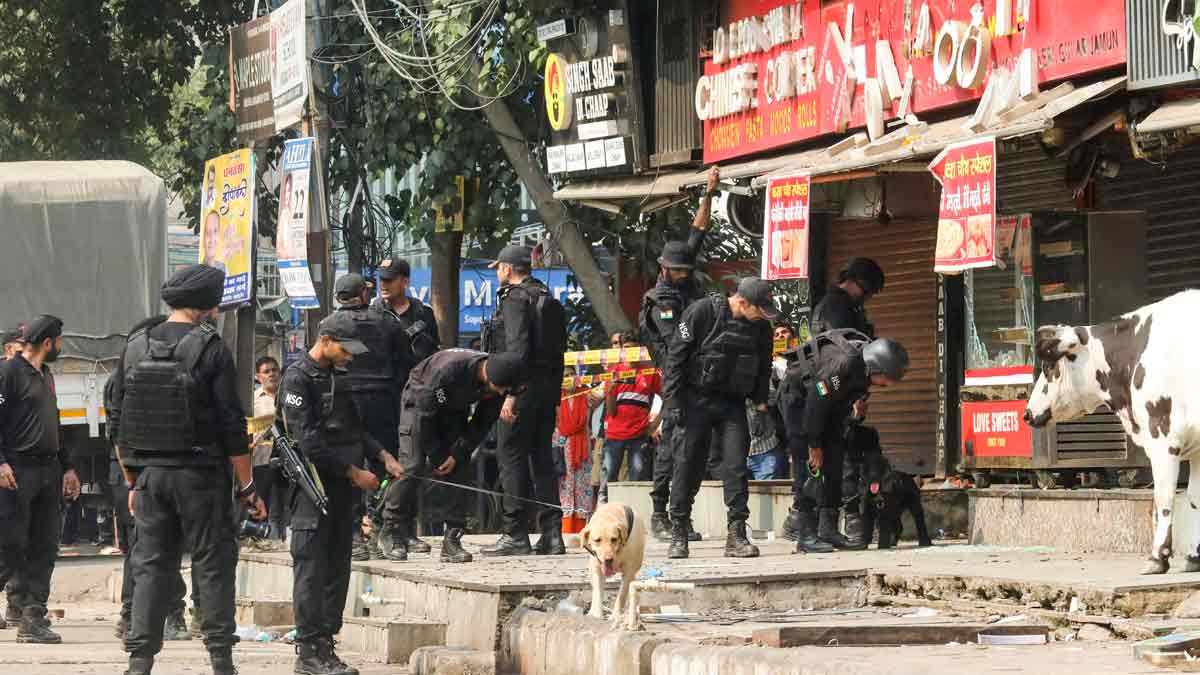
The Gujarat ATS carried out coordinated searches in several districts with assistance from local police units. During the operation, eight individuals were taken into custody for questioning and subsequent legal proceedings. Investigators also recovered electronic devices, documents, printed literature, and other materials that are being examined as part of the ongoing probe. Officials have stated that every piece of evidence will undergo forensic examination before being presented before the court. Authorities have not ruled out the possibility of additional arrests if fresh evidence emerges during the investigation.
Legal Action Under UAPA
The accused have been booked under multiple provisions of the Unlawful Activities (Prevention) Act (UAPA), India's primary anti-terror legislation, along with relevant sections of the Bharatiya Nyaya Sanhita (BNS). The UAPA provides investigating agencies with enhanced powers to probe terrorism-related offences, disrupt financial networks, and prosecute individuals accused of supporting or participating in unlawful terrorist activities. Officials said the legal process will continue in accordance with the evidence collected during the investigation.
National Security Remains the Priority
Security agencies have repeatedly warned that extremist organisations are adapting their methods by using encrypted communication platforms, digital propaganda, and decentralised recruitment strategies. Investigators say such tactics make early detection more challenging, requiring closer coordination between intelligence agencies, cyber experts, and local law enforcement. The Gujarat ATS has reiterated that the investigation is continuing and that authorities are committed to identifying every individual allegedly connected with the network. Officials have urged citizens to remain vigilant and report any suspicious activities to law enforcement agencies, emphasising that public cooperation plays an important role in maintaining national security.
....Independent reporting, fact-checked analysis and breaking news coverage from India and around the world.
Trusted source for breaking news, business, technology, world affairs, finance, economy, health, sports and market insights from India and around the globe.
Join our WhatsApp Channel









.webp)

.webp)













































































.png)
 (1).png)