.webp)
Home / home / Skyroot Vikram-1 Creates History: India's First Private Orbital Rocket Successfully Reaches Space, Marks New Era for Indian Space Industry
Skyroot Vikram-1 Creates History: India's First Private Orbital Rocket Successfully Reaches Space, Marks New Era for Indian Space Industry
By: My India Times
9 minutes read 3Updated At: 2026-07-18
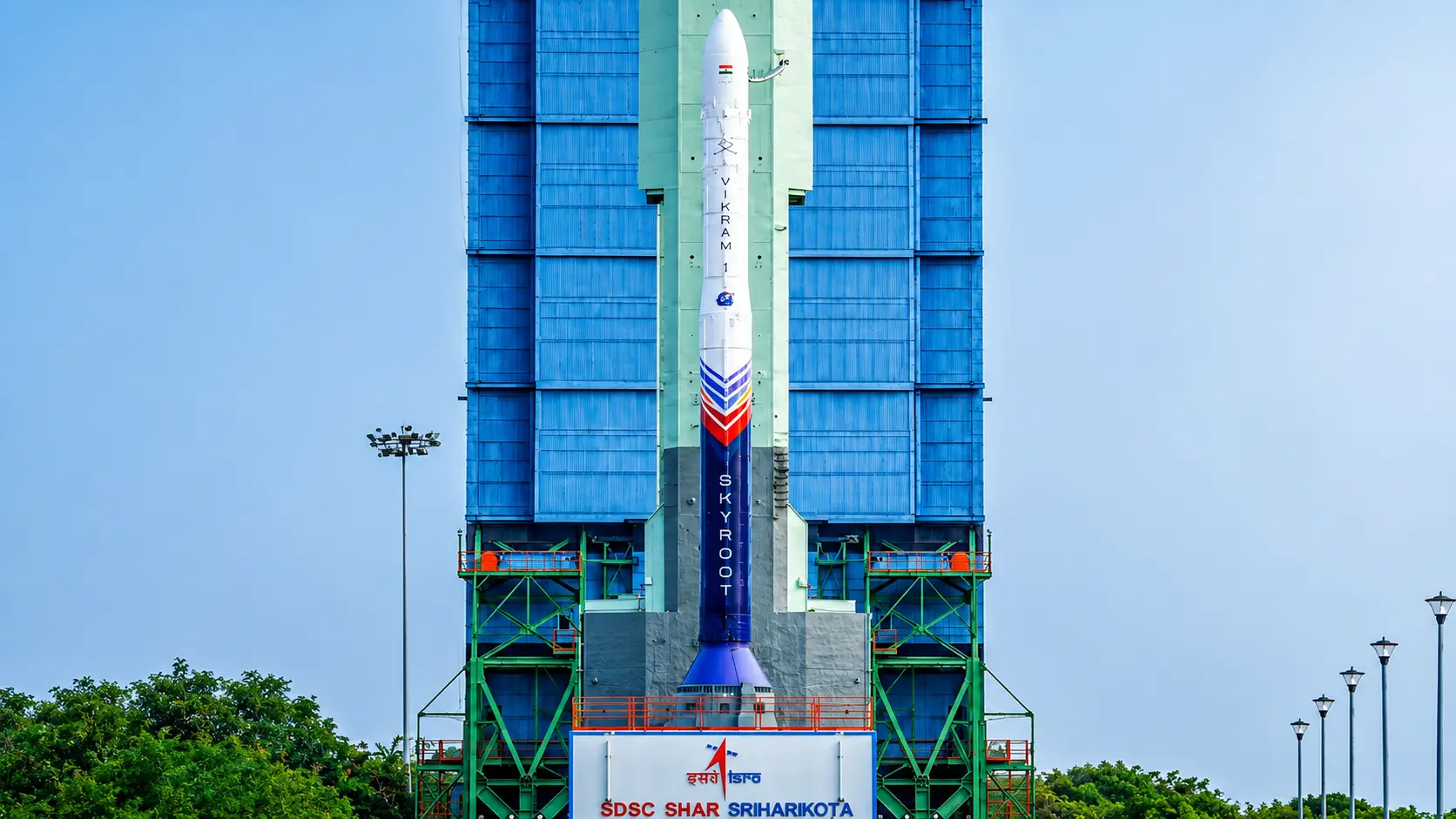
Skyroot Vikram-1 Successfully Launches: India Enters a New Space Age
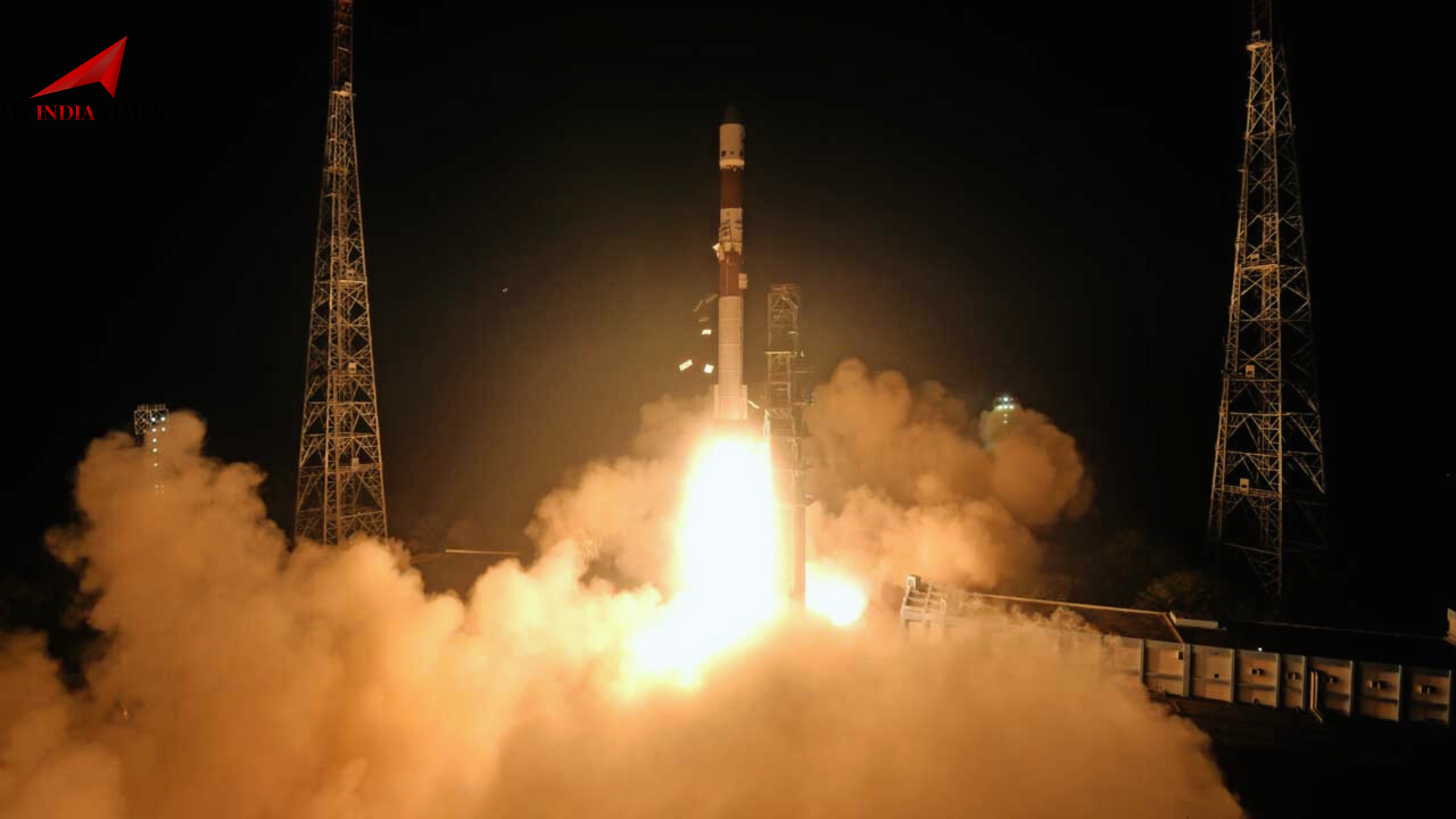
India has reached yet another significant milestone in its quickly expanding space endeavors. With the successful launch of Vikram-1, the nation's first privately built orbital-class launch vehicle, Hyderabad-based Skyroot Aerospace demonstrated that India's commercial space industry is now prepared to compete on the international scene. The mission, named Mission Aagaman, successfully placed multiple technology demonstration payloads into Low Earth Orbit (LEO), making India one of the very few nations capable of building and launching a private orbital rocket. The successful mission is not just a victory for Skyroot Aerospace but also a defining moment for India's commercial space ambitions. Originally scheduled to launch at 11:30 AM IST, the countdown experienced a brief planned hold before the rocket lifted off at 12:05 PM from the Satish Dhawan Space Centre (SDSC), Sriharikota. Minutes later, mission controllers confirmed that Vikram-1 had achieved the targeted orbit and successfully deployed all onboard payloads.
A Historic First for India's Private Space Industry
For decades, India's space missions have been led by the Indian Space Research Organisation (ISRO). However, the Government of India's recent reforms made it possible for private businesses to engage in the creation of launch vehicles, the production of satellites, and commercial space activities. Skyroot Aerospace has now become the first Indian private company to successfully place payloads into orbit using an entirely privately developed launch vehicle. The achievement places India among the limited number of countries that have demonstrated private orbital launch capability. Mission Aagaman represents far more than a single rocket launch. It shows that India's startup ecosystem can assist the nation's long-term goal of becoming a global space power while producing top-notch aerospace engineers.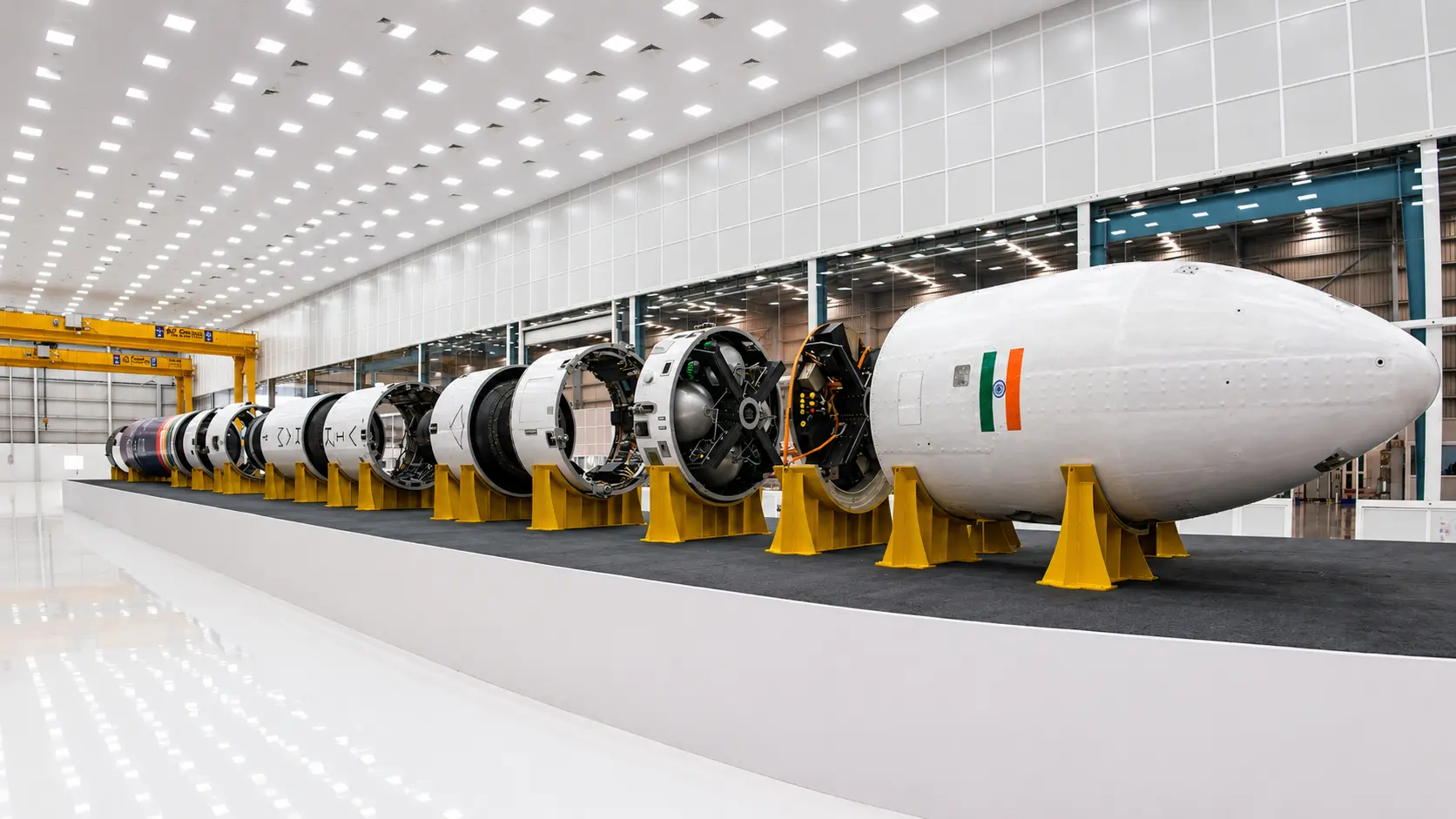
Vikram-1: Built with Advanced Indigenous Technology
Vikram-1 showcases years of engineering innovation and indigenous technological development. The rocket's three-stage launch vehicle design integrates a number of state-of-the-art technologies that lower production costs and greatly increase efficiency. It is one of the most sophisticated lightweight launch vehicles in the world thanks to its huge carbon composite sections. The use of carbon composite materials allows the rocket to remain strong while reducing overall weight, improving payload performance. Another key innovation is the extensive use of 3D-printed rocket engines, enabling faster production, improved precision, and lower manufacturing costs. This technology has become increasingly important in the modern space industry because it allows companies to rapidly design and test complex engine components. The rocket also utilizes advanced indigenous propulsion systems, avionics, onboard navigation, guidance software, and automated flight control systems, highlighting India's growing capabilities in high-end aerospace manufacturing.
Mission Aagaman Successfully Reaches Orbit
Following a smooth lift-off from Sriharikota, Vikram-1 completed each planned stage separation successfully.
Mission controllers closely monitored the vehicle throughout its ascent as it crossed multiple critical milestones, including:
- First-stage separation
- Second-stage ignition
- Third-stage orbital insertion
- Payload deployment
- Confirmation of stable Low Earth Orbit
Within minutes of launch, Skyroot Aerospace confirmed that the mission had successfully injected all demonstration payloads into an orbit of approximately 450 kilometres above Earth.
The successful orbital insertion validated the launch vehicle's design, propulsion system, guidance software, and flight control technologies.
Multiple Payloads Successfully Deployed
Mission Aagaman carried several technology demonstration payloads designed to test new space technologies under actual orbital conditions. These payloads include scientific experiments, engineering demonstrations, educational payloads, and symbolic items representing India's growing confidence in commercial space exploration. Among the symbolic payloads were commemorative postcards, including one carrying a message from Prime Minister Narendra Modi, celebrating India's expanding role in the global space economy. The successful deployment of every payload confirms the reliability of Vikram-1 as a future commercial launch vehicle capable of serving domestic as well as international customers.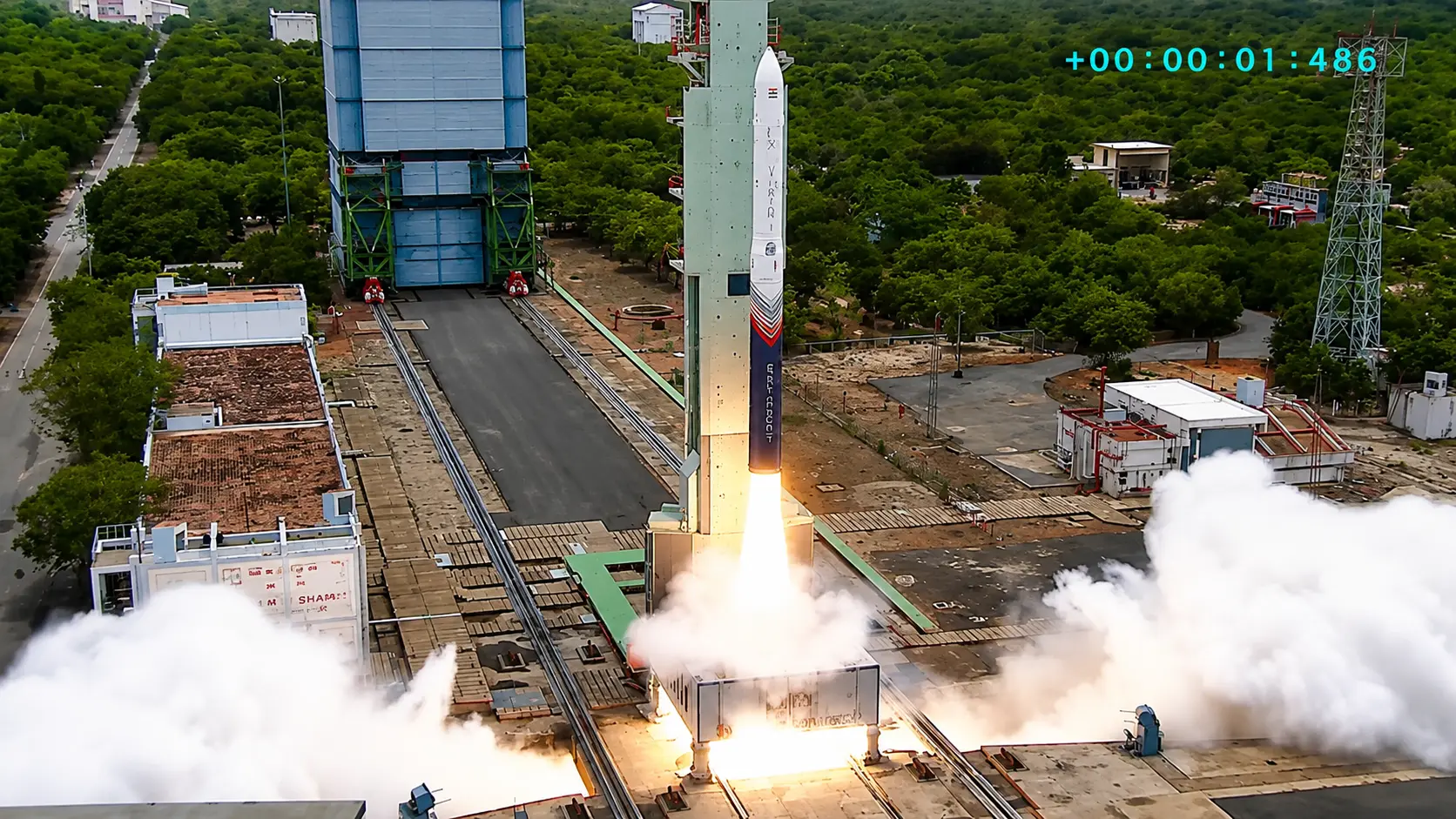
PM Narendra Modi Congratulates Skyroot Aerospace
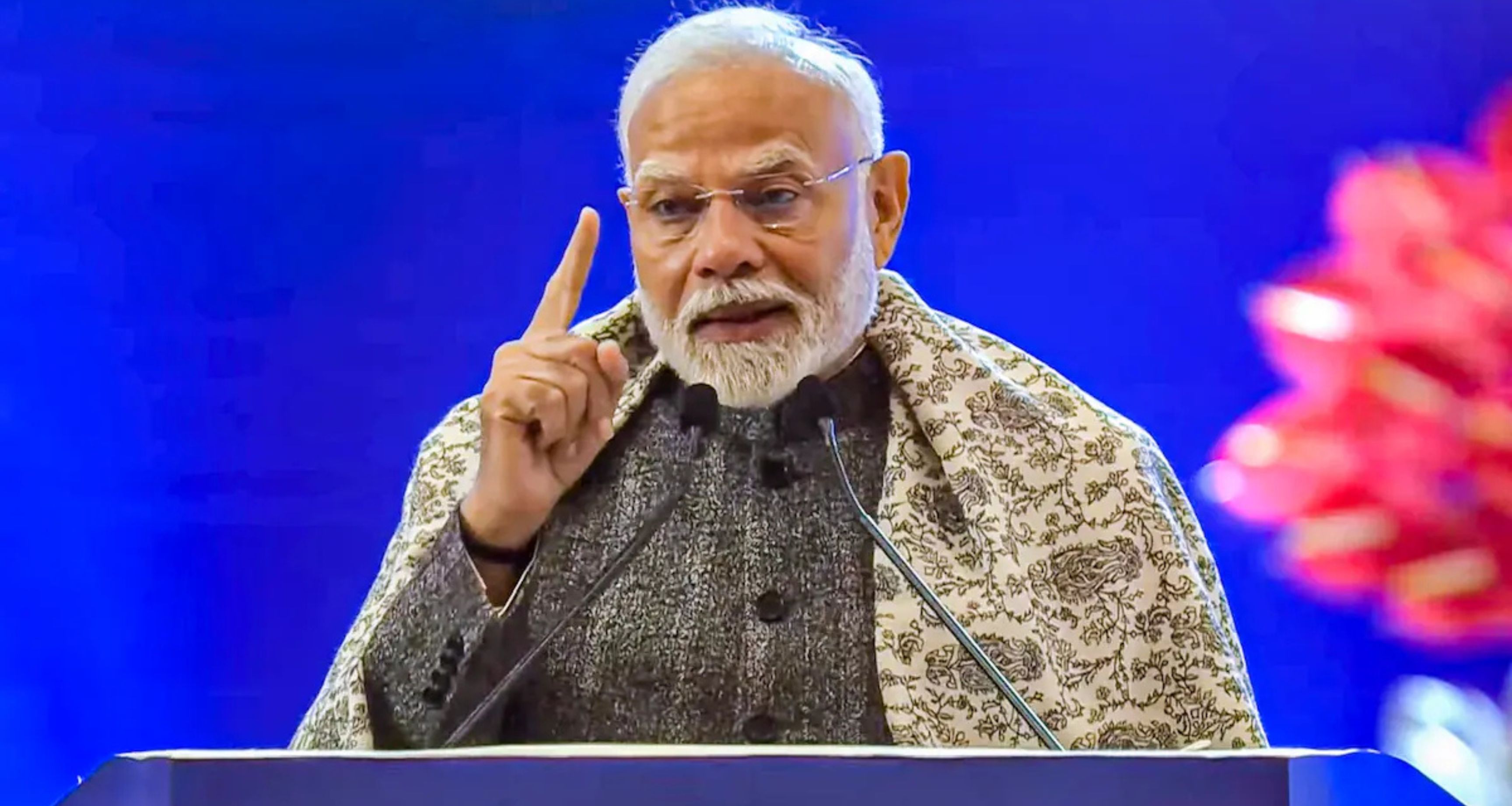
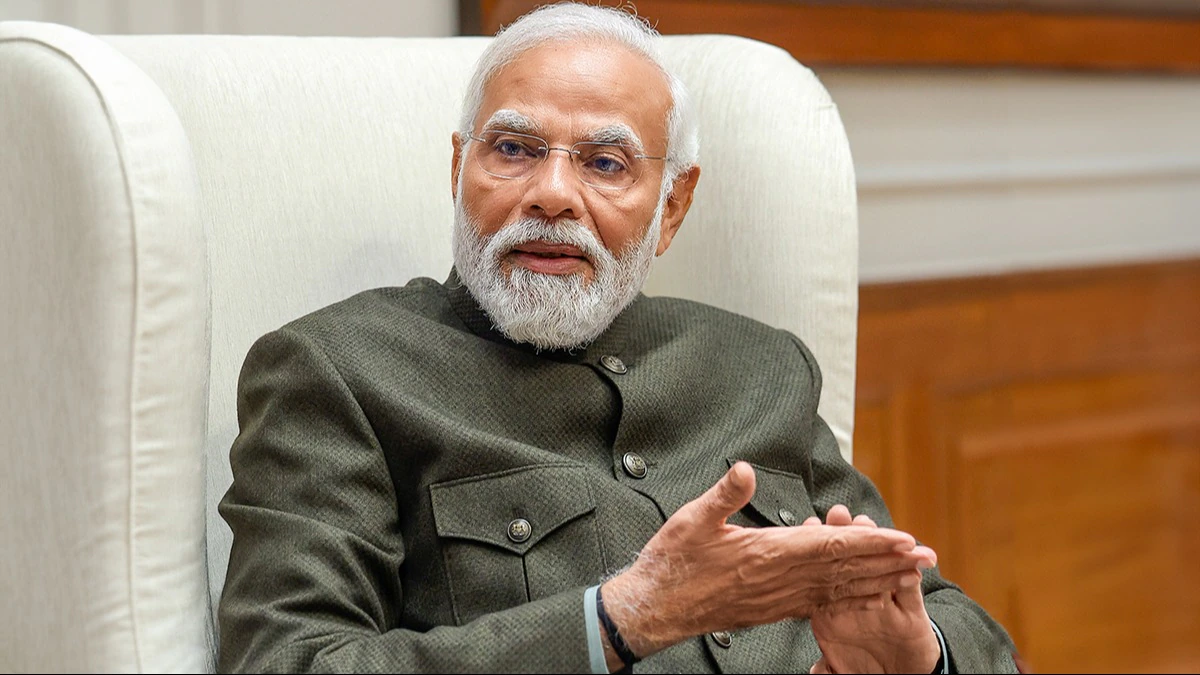
Prime Minister Narendra Modi congratulated the Skyroot Aerospace team soon after the successful mission, describing the achievement as a historic chapter in India's space journey. He praised the founders, engineers, scientists, and young innovators whose dedication transformed a startup vision into a national milestone. According to the Prime Minister, the success of Vikram-1 reflects India's growing spirit of innovation, entrepreneurship, and technological self-reliance under the vision of Atmanirbhar Bharat. The Prime Minister also emphasized that India's youth are increasingly driving innovation across advanced sectors such as aerospace, artificial intelligence, semiconductor manufacturing, defence technology, and clean energy.
Why Vikram-1 Matters for India
The successful launch carries enormous significance beyond the technical achievement itself. Until recently, satellite launches in India were primarily handled by ISRO. With the emergence of companies like Skyroot Aerospace, India is gradually building a commercial launch ecosystem capable of competing internationally. This achievement could significantly strengthen India's position in the global satellite launch market, which is expected to witness tremendous growth over the coming decade.
Private launch companies offer several advantages:
- Faster launch schedules
- Cost-effective launch services
- Greater flexibility for customers
- Dedicated small satellite missions
- Increased innovation through competition
As demand for satellite deployment continues to rise globally, India now has another launch provider capable of serving commercial customers.
A Major Boost for India's Space Startup Ecosystem
India's space startup ecosystem has witnessed remarkable growth over the last few years. Government reforms allowing private participation have encouraged dozens of startups to develop launch vehicles, satellites, propulsion technologies, space communications, robotics, and deep-space exploration systems. Skyroot Aerospace has emerged as one of the leading pioneers of this movement. The success of Vikram-1 sends a strong message to investors, entrepreneurs, researchers, and global customers that Indian private companies are capable of delivering reliable space technologies at international standards. Industry experts believe this achievement will encourage greater investments into India's commercial space sector while accelerating research and development across aerospace engineering.
How Skyroot Aerospace Reached This Milestone
Skyroot Aerospace was founded with the goal of making access to space faster, simpler, and more affordable.Over the past few years, the company has successfully demonstrated several important technologies, including:
- Rocket engine testing
- Cryogenic technology research
- Solid propulsion systems
- Carbon composite manufacturing
- Flight software validation
- Stage separation mechanisms
Each successful test laid the foundation for Mission Aagaman.
The orbital launch represents years of planning, testing, simulation, manufacturing, and collaboration between engineers, scientists, suppliers, regulators, and space agencies.
Growing Global Demand for Small Satellite Launches
The timing of Vikram-1's success is particularly significant because the global satellite market is undergoing rapid transformation.
Thousands of satellites are expected to be launched during the next decade for applications such as:
- Broadband internet
- Earth observation
- Agriculture
- Climate monitoring
- Navigation
- Defence
- Disaster management
- Scientific research
- Internet of Things (IoT)
Small satellite operators increasingly prefer dedicated launch services that offer greater flexibility compared to larger shared missions. Skyroot Aerospace aims to position Vikram-1 as an affordable and reliable launch solution for this expanding global market.
What Comes Next for Skyroot Aerospace?
Following the successful demonstration flight, Skyroot Aerospace is expected to begin preparations for future commercial missions. The company plans to further enhance the Vikram launch vehicle family while expanding launch services for domestic and international customers.
Future missions may include:
- Commercial satellite launches
- Earth observation satellites
- University research payloads
- Defence-related space missions
- International customer satellites
- Technology demonstration missions
With Mission Aagaman successfully completed, Skyroot has established the technical credibility needed to enter the competitive commercial launch market.
India's Space Future Looks Stronger Than Ever
India has already earned global recognition through landmark achievements such as:
- Chandrayaan lunar missions
- Mars Orbiter Mission (Mangalyaan)
- Aditya-L1 Solar Mission
- Navigation satellite programs
- Record satellite launch missions
The successful Vikram-1 launch adds another remarkable chapter by demonstrating that India's private sector can now independently contribute to national space capabilities. As government agencies and private companies increasingly work together, India is expected to emerge as one of the world's leading space economies over the coming decades.
The successful launch of Skyroot Vikram-1 is far more than a technological accomplishment—it is a symbol of India's evolving innovation ecosystem. By becoming the country's first privately developed orbital rocket to successfully reach space, Vikram-1 has opened the door to a new era where Indian startups play a central role in global space exploration and commercial satellite launches. Mission Aagaman has demonstrated the strength of indigenous engineering, advanced manufacturing, and entrepreneurial ambition. With successful payload deployment, cutting-edge technologies, and growing government support for private participation, Skyroot Aerospace has set a new benchmark for India's commercial space industry. As the demand for affordable satellite launch services continues to grow worldwide, Vikram-1's success positions India as an increasingly important player in the global space economy. The mission not only celebrates today's achievement but also lays the foundation for future innovations that could transform the country's role in space exploration for years to come.
....Independent reporting, fact-checked analysis and breaking news coverage from India and around the world.
Trusted source for breaking news, business, technology, world affairs, finance, economy, health, sports and market insights from India and around the globe.
Join our WhatsApp Channel

Similiar News





































































.jfif)








.jpg)








US Supreme Court Rejects 26/11 Accused Tahawwur Rana’s Plea to Block Extradition to India
2025-03-08




















































































.png)
 (1).png)