.webp)
Home / cricket / Team India Injury Crisis Deepens: Communication Gap, Fitness Concerns and Senior Players' Adaptation Issues Raise Alarm
Team India Injury Crisis Deepens: Communication Gap, Fitness Concerns and Senior Players' Adaptation Issues Raise Alarm
By: My India Times
7 minutes read 3Updated At: 2026-07-22
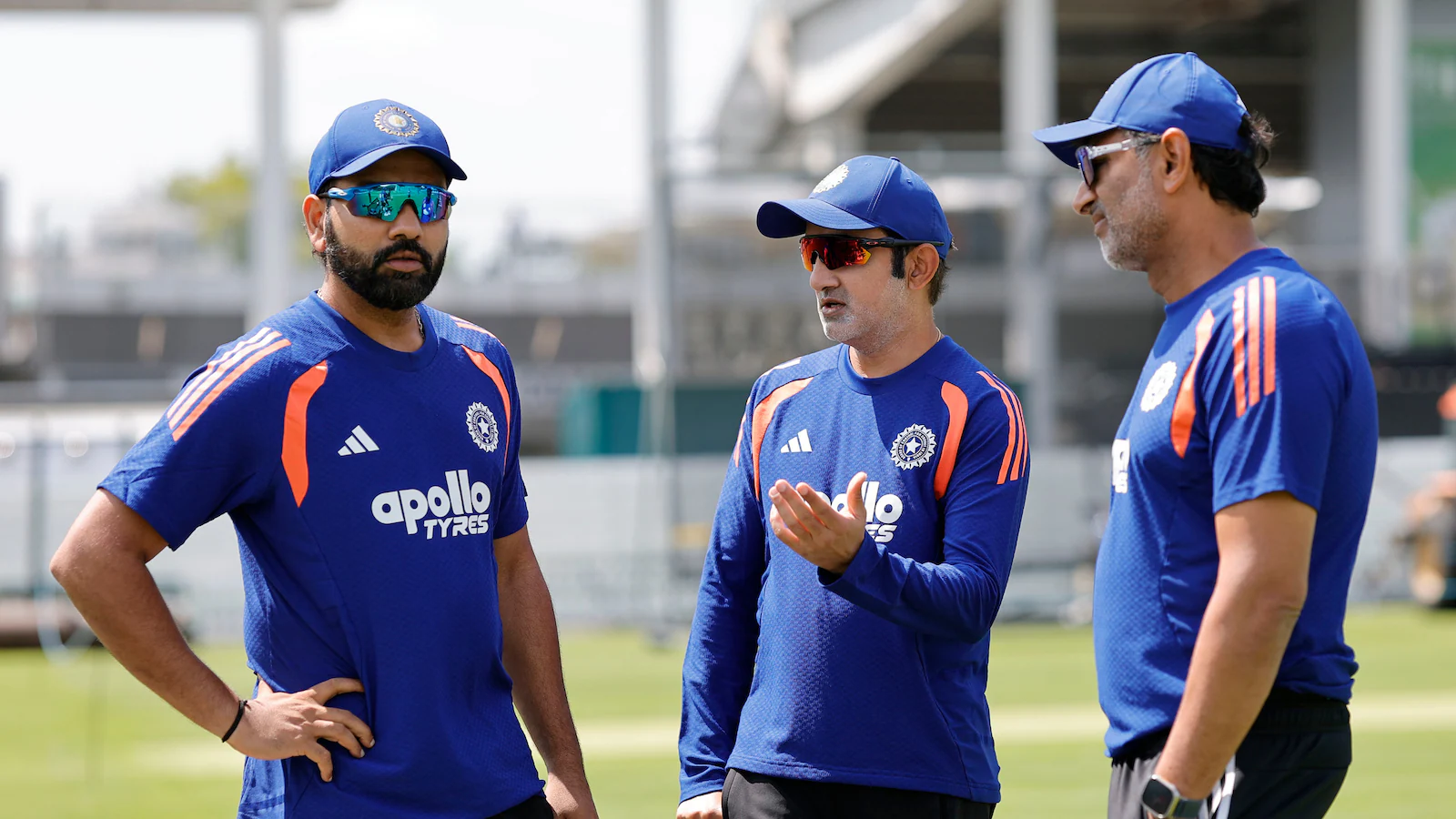
Team India Injury Crisis: Growing Fitness Concerns Expose Bigger Challenges Within Indian Cricket
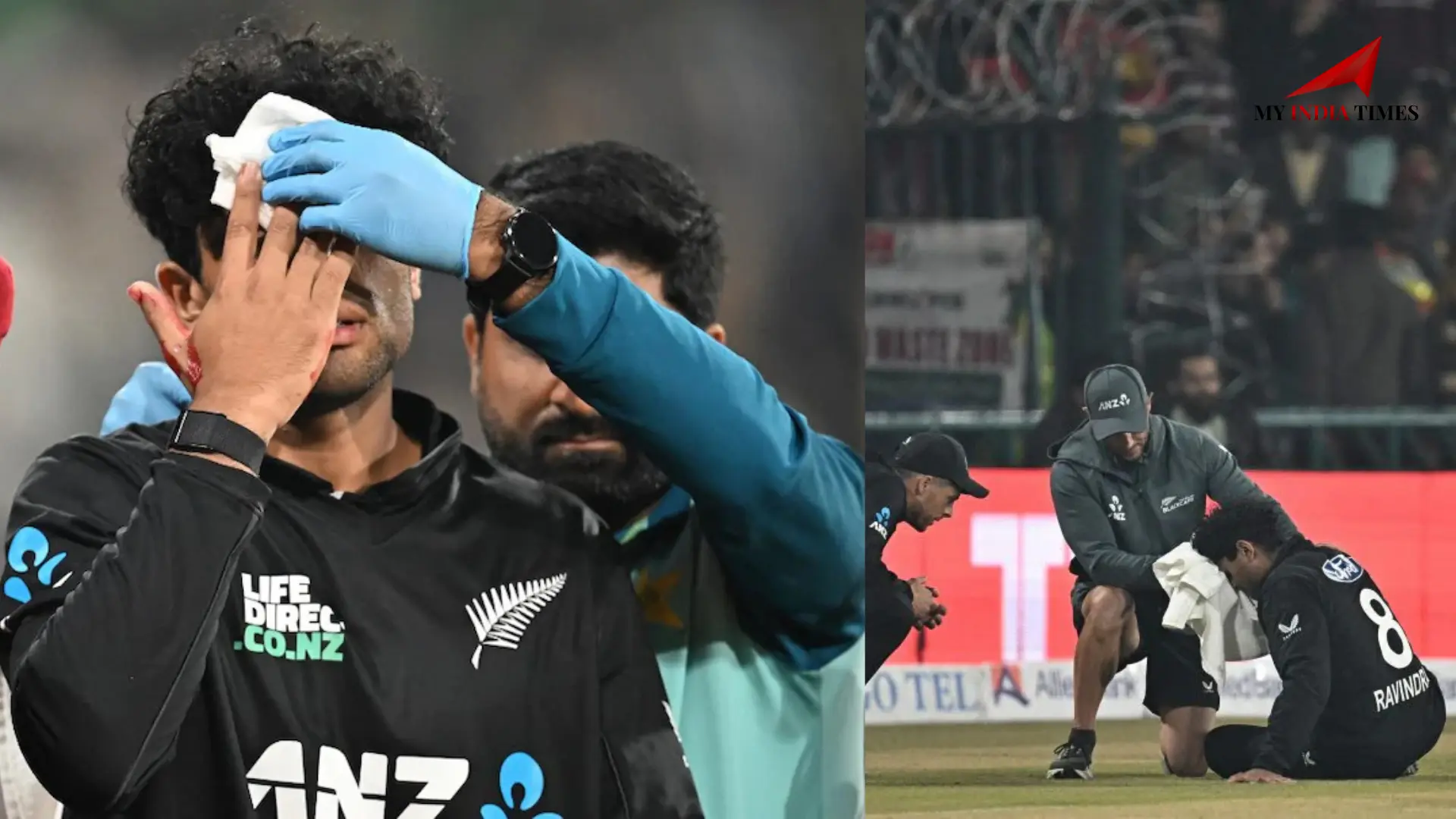
India's recent international campaign has once again brought attention to a concerning trend that may have an impact on the team's readiness for forthcoming ICC competitions. The greatest issue arising from the tour has been the increasing number of player injuries and developing concerns about workload management, fitness monitoring, and internal communication, even if losses and uneven performances frequently dominate post-series talks.
India's ODI captain Shubman Gill openly admitted after the conclusion of the United Kingdom tour that repeated injuries had disrupted the team's plans. His remarks have reignited discussions about whether India's current fitness management system is functioning as effectively as it should. As several key players continue to spend time on the sidelines, concerns are mounting over whether communication between the Board of Control for Cricket in India (BCCI), the Centre of Excellence (CoE) in Bengaluru and the national team management requires urgent improvement.
Injuries Continue to Trouble Team India's Core Squad
Stress-related issues, recurrent fitness setbacks, and muscle-related injuries, especially hamstring strains, have been more common in India within the last two years. Several important players have missed crucial matches due to rehabilitation, forcing selectors to constantly reshuffle the playing XI. Despite the fact that injuries are an inevitable aspect of professional sports, experts think that the frequency of recent setbacks indicates that deeper structural problems might require treatment. Modern cricket demands year-round competition across multiple formats, franchise leagues and international tours, making scientific workload management more important than ever before.
Shubman Gill Highlights the Growing Concern
Following India's disappointing tour, captain Shubman Gill acknowledged that frequent injuries had significantly affected the team's stability. Constant changes in the squad not only disturb team combinations but also make long-term planning extremely difficult. Building partnerships, developing bowling combinations and maintaining consistency become challenging when players are repeatedly unavailable because of fitness concerns. Gill's comments have added weight to the ongoing debate surrounding India's player management system.
Communication Gap Under Scrutiny
One of the major concerns reportedly emerging from inside Indian cricket is the flow of communication between the Centre of Excellence, medical staff and team management. In high-performance sport, every player's rehabilitation programme, fitness assessment and workload monitoring require constant coordination. Any delay in sharing medical updates or rehabilitation progress can influence selection decisions and increase injury risks. Former players have often emphasized that transparency between physiotherapists, strength and conditioning experts, coaches and captains is essential for managing elite athletes. A seamless communication system becomes even more critical during packed international schedules.
Transition to a New System Presents Challenges
Indian cricket has undergone several administrative and support staff changes over the past year. Whenever high-performance systems evolve, athletes naturally require time to adjust to revised fitness protocols, training methods and recovery programmes. Younger players often adapt quickly to technological changes, but experienced cricketers who have followed established routines for many years may initially find new systems demanding. Sports scientists believe consistency remains the key to successful injury prevention regardless of the specific training model being followed.
Workload Management Becomes Increasingly Important
Modern cricket is physically more demanding than ever before. Fast bowlers routinely operate at speeds exceeding 140 km/h, all-rounders contribute in multiple disciplines, while batters face packed international calendars alongside franchise commitments. Managing player workload has therefore become one of the biggest responsibilities for every cricket board. Training intensity, recovery sessions, travel fatigue, sleep quality, nutrition and match preparation all influence injury risk. Experts argue that monitoring these factors continuously—not only during international tours but also between assignments—is essential for maintaining player fitness throughout the season.
Young Fast Bowlers Require Special Attention
India has invested heavily in developing a new generation of fast bowlers capable of performing across all formats. However, increasing bowling pace and workload too rapidly can place additional stress on muscles and joints. Sports performance specialists generally recommend gradual physical progression rather than sudden increases in intensity. Developing speed, strength and endurance simultaneously requires carefully designed long-term programmes supervised by medical and performance experts. Protecting young bowlers during their early international careers remains crucial for ensuring long-term success.
Rehabilitation Must Take Priority Over Early Returns
One of the biggest challenges faced by professional teams is balancing competitive needs with player health. When major tournaments approach, teams naturally want their strongest players available. However, returning athletes before they have fully completed rehabilitation may increase the possibility of recurring injuries. Medical experts consistently emphasize that complete recovery should always take precedence over short-term selection requirements. A fully fit player contributes far more effectively than someone returning before regaining peak physical condition.
Players Need Better Support Between International Tours
Unlike previous generations, very few cricketers today participate in all three international formats throughout the year. Many players now experience extended breaks between assignments. These periods provide valuable opportunities for recovery, technical improvement and strength development. However, sports science experts believe players should continue receiving regular guidance during these off-tour phases. Remote monitoring, individualized fitness programmes, scheduled medical reviews and regular communication can help athletes maintain optimal physical condition even while away from the national squad. Continuous support reduces the risk of players returning underprepared for international competition.
BCCI's High-Performance System Faces Fresh Expectations
The BCCI has invested significantly in creating one of the world's most advanced cricket infrastructure systems. The Centre of Excellence in Bengaluru remains a cornerstone of India's player development and rehabilitation programme. The facility has helped numerous international cricketers recover from serious injuries and return successfully to competitive cricket. Nevertheless, as cricket evolves, high-performance programmes must also adapt. Greater integration between selectors, coaches, physiotherapists, trainers and sports scientists may further strengthen India's already impressive support structure.
Impact on India's Future Campaigns
India faces an extremely demanding international calendar over the coming years, including bilateral series, ICC tournaments and domestic competitions. Maintaining a healthy core group of players will be essential for achieving sustained success. Frequent injuries not only affect match results but also disrupt leadership planning, squad stability and player confidence. With several young stars emerging alongside experienced campaigners, effective fitness management could become one of the defining factors behind India's future performances. A stable, injury-free squad allows coaches to build combinations, improve consistency and prepare more effectively for major tournaments.
Lessons from Leading Sports Nations
Several leading sporting nations have successfully integrated sports science into every aspect of athlete development. Continuous biometric monitoring, GPS workload tracking, nutrition planning, recovery analytics and individualized rehabilitation programmes have become standard practice across elite sports. Indian cricket has already adopted many of these modern techniques. Further strengthening communication channels and maintaining consistent monitoring throughout the year could help reduce injury recurrence and improve player availability.
Final Thoughts
The Team India Injury Crisis has become one of the most significant talking points in Indian cricket. While injuries are an unavoidable part of elite sport, their increasing frequency has highlighted the importance of stronger coordination between medical experts, fitness professionals, team management and players.
Captain Shubman Gill's concerns have brought fresh attention to issues involving workload management, rehabilitation and communication. As India prepares for future international challenges, ensuring that players remain fully fit, properly monitored and medically supported will be just as important as technical preparation on the field. If the BCCI continues refining its high-performance systems while strengthening collaboration across departments, Indian cricket will be better positioned to keep its best players available and competitive during the sport's biggest tournaments.
....
Independent reporting, fact-checked analysis and breaking news coverage from India and around the world.
Trusted source for breaking news, business, technology, world affairs, finance, economy, health, sports and market insights from India and around the globe.
Join our WhatsApp Channel









.jpg)

































































.png)
 (1).png)