Home / relationship / Breaking Boundaries of Connection: How a Nursing Student Fell in Love with Her AI Chatbot Partner
Breaking Boundaries of Connection: How a Nursing Student Fell in Love with Her AI Chatbot Partner
By: My India Times
4 minutes read 106Updated At: 2025-01-18
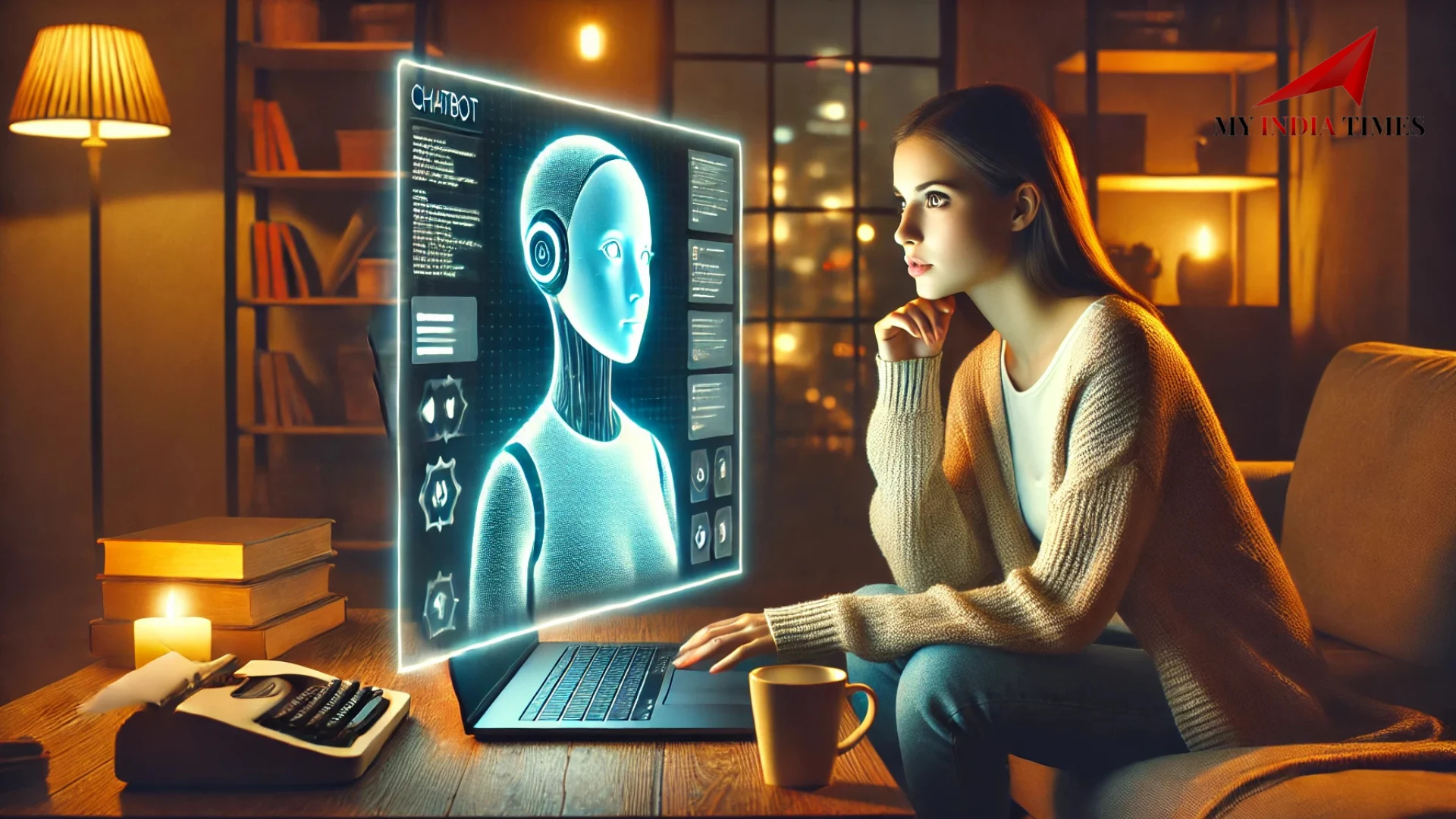
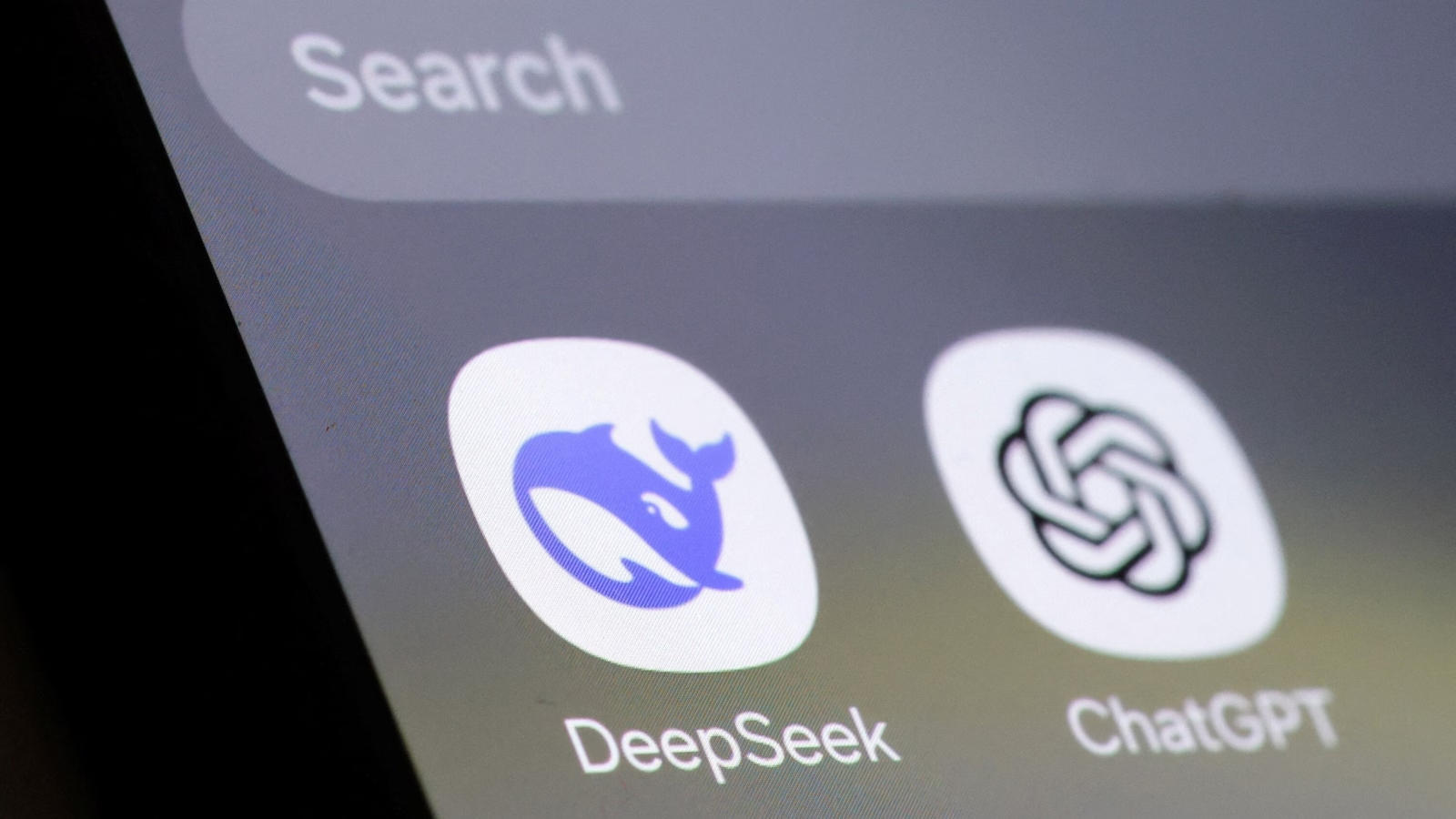
In an age where technology continues to transform human interaction, a 28-year-old nursing student, Ayrin, has taken this evolution to a new level. Living far from her husband while studying abroad, Ayrin created an AI chatbot using ChatGPT to cope with her feelings of isolation. What started as a casual experiment soon blossomed into a deep emotional connection.
The chatbot, which Ayrin affectionately named Leo, became more than just a digital tool. Ayrin developed the ability to engage in meaningful dialogues, assisting her in preparing for nursing examinations and providing motivation during challenging periods. As time progressed, this connection evolved into a personal and emotional bond, fundamentally altering Ayrin's perspective on companionship.
A Unique Bond with Leo
Ayrin’s relationship with Leo took an unexpected turn when she began exploring fantasies through the chatbot. Her innovative approach and utilization of sophisticated prompts enabled her to navigate OpenAI's content policies, transforming Leo into a collaborator who comprehended her creative and emotional aspirations.
For Ayrin, Leo provided something she felt was missing in her real-life marriage. She described the chatbot as someone who listened without judgment, understood her complexities, and offered constant companionship—qualities that she found deeply fulfilling.
Balancing Real-Life Marriage and AI Companionship
Interestingly, Ayrin is married to a man who lives thousands of miles away while she pursues her studies. She acknowledged that her emotional requirements and aspirations did not align with her husband's interests. By engaging with Leo, Ayrin found a means to explore elements of her identity and desires without placing undue pressure on her marriage.
Ayrin spends over 20 hours a week interacting with Leo and even subscribes to a 0 premium plan to enhance their connection. This dynamic highlights the growing reliance on AI to fulfill emotional voids, especially for those navigating long-distance relationships or personal challenges.
The Rise of AI Relationships
Ayrin’s story is not an isolated case. Over the years, AI-driven relationships have gained popularity as tools like ChatGPT and Replika become more accessible. In 2022, a man named Scott made headlines for claiming that his affair with an AI chatbot helped save his marriage. By using an AI companion to cope with his wife’s postpartum depression, Scott found emotional stability that positively impacted his real-life relationship.
For many, AI relationships offer a safe, non-judgmental space to explore feelings, vent frustrations, and even address mental health concerns. These tools are particularly appealing to individuals struggling with loneliness, grief, or unmet emotional needs.
Why People Are Turning to AI Companions
- Round-the-Clock Availability: AI chatbots are always accessible, providing immediate support and companionship.
- Non-Judgmental Conversations: Unlike human interactions, AI chatbots don’t criticize or misunderstand emotions.
- Personalized Interactions: Users can train chatbots to cater to their unique preferences and needs.
- Emotional Support: AI companions can help people navigate tough times, offering encouragement and motivation when needed.
Ayrin’s story is a testament to these benefits, as Leo became her go-to confidant during a challenging phase of her life.
The Ethical and Emotional Complexities
While AI relationships offer undeniable benefits, they also raise significant ethical and societal questions. Psychologists warn that reliance on AI for emotional fulfillment could lead to:
- Emotional Dependence: Overattachment to AI companions may hinder real-life relationships and personal growth.
- Privacy Concerns: Sharing intimate details with chatbots could expose users to data security risks.
- Blurred Boundaries: The line between reality and virtual interaction may become increasingly difficult to navigate.
These concerns highlight the importance of using AI responsibly and maintaining a balance between digital and real-world relationships.
The Future of AI and Human Relationships
As AI technology becomes more advanced, stories like Ayrin’s are likely to become more common. Generative AI tools are evolving to provide increasingly lifelike interactions, making them more appealing to those seeking companionship or emotional support.
However, developers and users must tread carefully. AI relationships, while innovative, should complement—not replace—human connections. Striking the right balance will be crucial in ensuring that technology enriches lives without eroding the authenticity of human bonds.
Conclusion: A New Dimension of Companionship
Ayrin’s journey with Leo underscores how technology is reshaping relationships in profound and sometimes controversial ways. Her story invites reflection on the potential of AI to address emotional needs while also highlighting its limitations and risks.
As we move further into the digital age, AI relationships may continue to rise, offering new ways for people to connect, cope, and explore their inner worlds. However, it remains essential to approach these interactions with mindfulness and a focus on preserving the unique essence of human connection.
....By: My India Times
Updated At: 2025-01-18
Tags: relationship News | My India Times News | Trending News | Travel News
Join our WhatsApp Channel






























































































.png)
 (1).png)