Home / india / The Indus Waters Treaty: A Historical Symbol of Water Diplomacy Now Facing Its Gravest Test Yet The Indus Waters Treaty (IWT), signed in 1960 between India and Pakistan, has long stood as a rare beacon of cooperation in a region otherwise plagued by
The Indus Waters Treaty: A Historical Symbol of Water Diplomacy Now Facing Its Gravest Test Yet The Indus Waters Treaty (IWT), signed in 1960 between India and Pakistan, has long stood as a rare beacon of cooperation in a region otherwise plagued by
By: My India Times
4 minutes readUpdated At: 2025-06-11
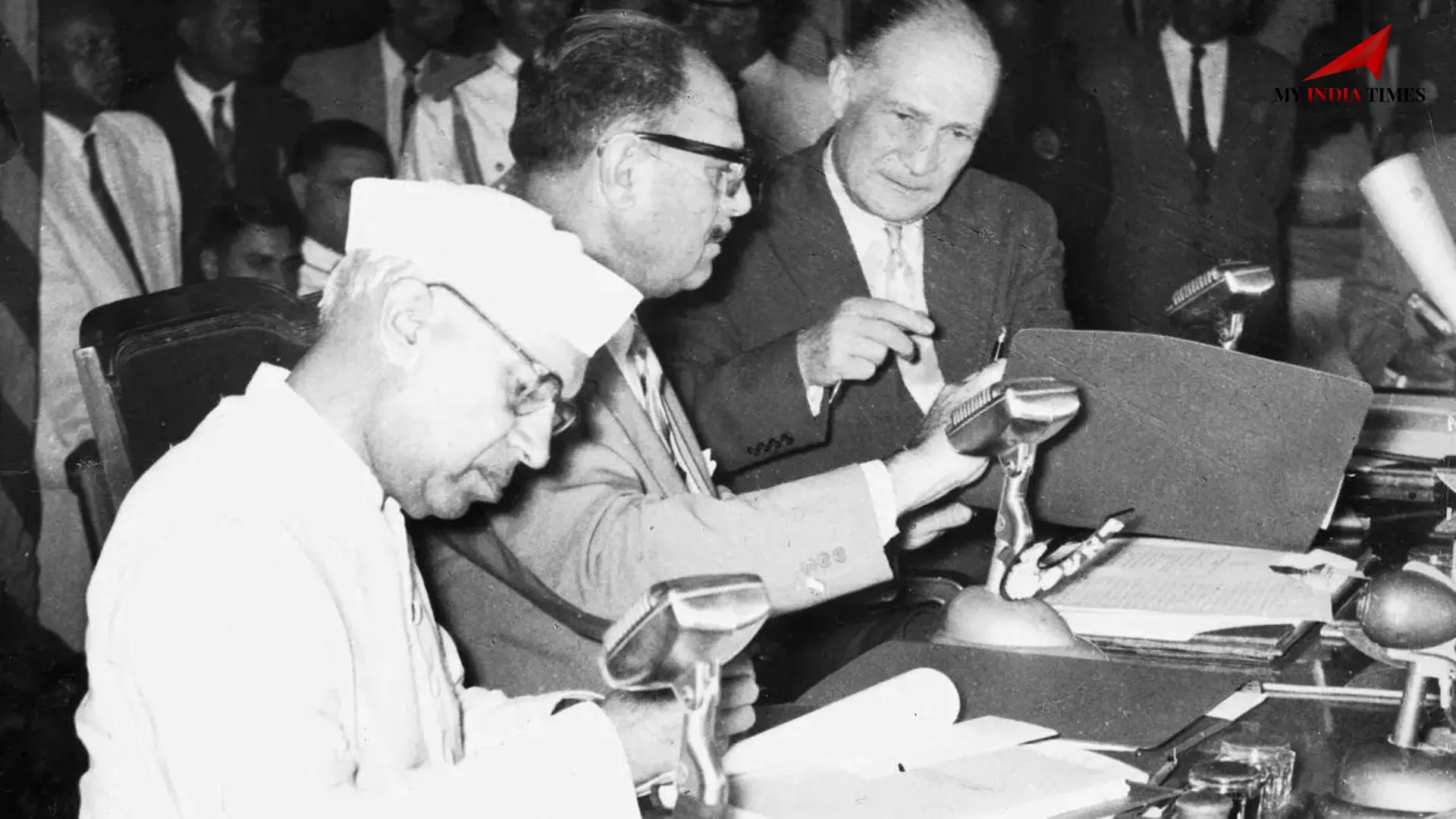
The Indus Waters Treaty (IWT), signed in 1960 between India and Pakistan, has long stood as a rare beacon of cooperation in a region otherwise plagued by rivalry. Brokered with the assistance of the World Bank after years of tense negotiations, the treaty established a detailed framework to divide the waters of the Indus River system. The accord not only survived the test of time but also three full-scale wars and numerous military skirmishes between the two nations. Yet today, more than six decades later, the treaty finds itself caught in a storm of mounting legal and political challenges that threaten its very foundation.
The Strategic Importance of the Indus Basin and the Original Spirit of Collaboration Behind the Treaty
Originating from the Tibetan Plateau and flowing through India and Pakistan into the Arabian Sea, the Indus River is a vital lifeline for millions. The IWT was never just about water—it was about trust, stability, and the foresight to separate hydrological cooperation from political animosity. Initially inspired by David Lilienthal’s vision and facilitated by World Bank President Eugene Black, the aim was to achieve a balance between joint development and sovereign control. However, while Pakistan received rights to the western rivers—Indus, Jhelum, and Chenab—India retained control over the eastern rivers—Ravi, Beas, and Sutlej—allowing it limited usage of the western rivers for specific purposes.
Persistent Tensions over “Run-of-the-River” Projects: Technical Compliance vs. Political Suspicion
At the heart of the current conflict lies India’s use of the western rivers for hydroelectric projects under the “run-of-the-river” provision. This means water is not stored or diverted in large volumes but used in a way that flow is maintained downstream. However, Pakistan has repeatedly objected to India’s hydro projects, citing treaty violations and obstruction of flow. These objections have created repeated legal disputes and escalated into international arbitration, shifting the focus from cooperative problem-solving to adversarial contestation.
Breakdown in Bilateral Dialogue and the Emergence of Legal Deadlocks: A Treaty in Turmoil
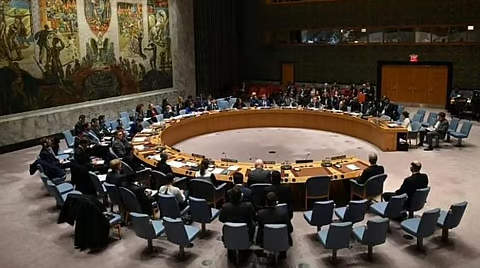
What makes the present crisis unique is the convergence of technical disagreements and near-zero diplomatic engagement. Regular meetings of the Permanent Indus Commission, once a stabilizing routine, have lost their effectiveness due to growing mistrust and lack of actionable progress. Without a functioning diplomatic framework, the resolution of disputes has now been externalized to international arbitration courts, which not only delay the process but also dilute the original intention of bilateralism enshrined in the treaty.
India’s Changing Strategic Calculations and Pakistan’s Water Insecurity Fears Fuel the Crisis
India, being the upper riparian country, has increasingly emphasized its right to optimize its water resources without violating treaty terms. But this shift is perceived by Pakistan as a threat to its agricultural economy and national security, as 80% of its irrigation depends on the Indus waters. The geopolitical context—especially after the revocation of Jammu and Kashmir’s special status and the subsequent downgrading of diplomatic ties—has further amplified the climate of suspicion, with water now becoming another potential pressure point in India-Pakistan relations.
The Role of the World Bank and the Need for an Updated Mediatory Framework
The World Bank, originally a facilitator of the treaty, now finds itself in an awkward position. Its role is not clearly defined for sustained mediation beyond technical assistance. As disputes grow more complex and legalistic, the treaty’s reliance on outdated arbitration mechanisms highlights the need for reform. A new framework—possibly involving independent water monitoring bodies, modern hydro-data sharing systems, and neutral technical experts—could restore some balance and trust between the two nations.
Climate Change, Glacial Melt, and the Future of the Indus Waters Treaty
Beyond politics, nature poses an even greater threat. The Indus Basin is one of the most vulnerable regions to climate change, with melting glaciers, erratic monsoon patterns, and increasing water demand across both nations. As water stress intensifies, the urgency to modernize the treaty with provisions for environmental sustainability, adaptive water management, and joint disaster response mechanisms becomes paramount.
A Historic Treaty at the Crossroads of Breakdown or Renewal
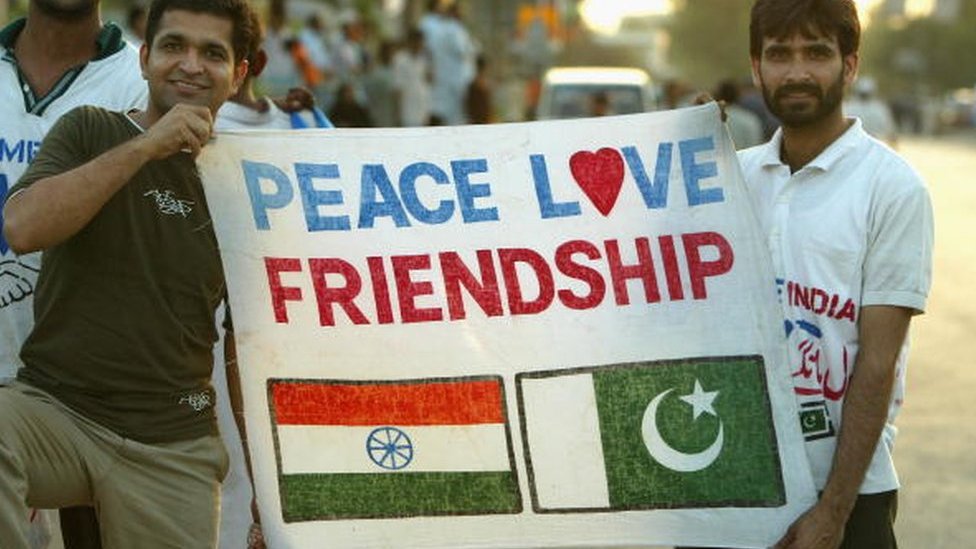
The Indus Waters Treaty, once hailed as the gold standard of transboundary water-sharing, is now in peril. The combination of outdated legal instruments, deep political mistrust, unresolved technical disputes, and environmental stress presents a perfect storm. For the treaty to survive—and indeed thrive—it must evolve. India and Pakistan must rise above hostility and treat water as a shared resource, not a zero-sum weapon. Only through renewed dialogue, modern legal reforms, and a commitment to cooperative hydro-politics can the IWT be rescued from collapse and reimagined for the challenges of the 21st century.
....
By: My India Times
Updated At: 2025-06-11
Tags: india News | My India Times News | Trending News | Travel News
Join our WhatsApp Channel


.webp)


.webp)























































































.png)
 (1).png)