Home / india / Supreme Court Slams Uttar Pradesh Authorities for
Supreme Court Slams Uttar Pradesh Authorities for
By: My India Times
4 minutes read 162Updated At: 2024-11-06
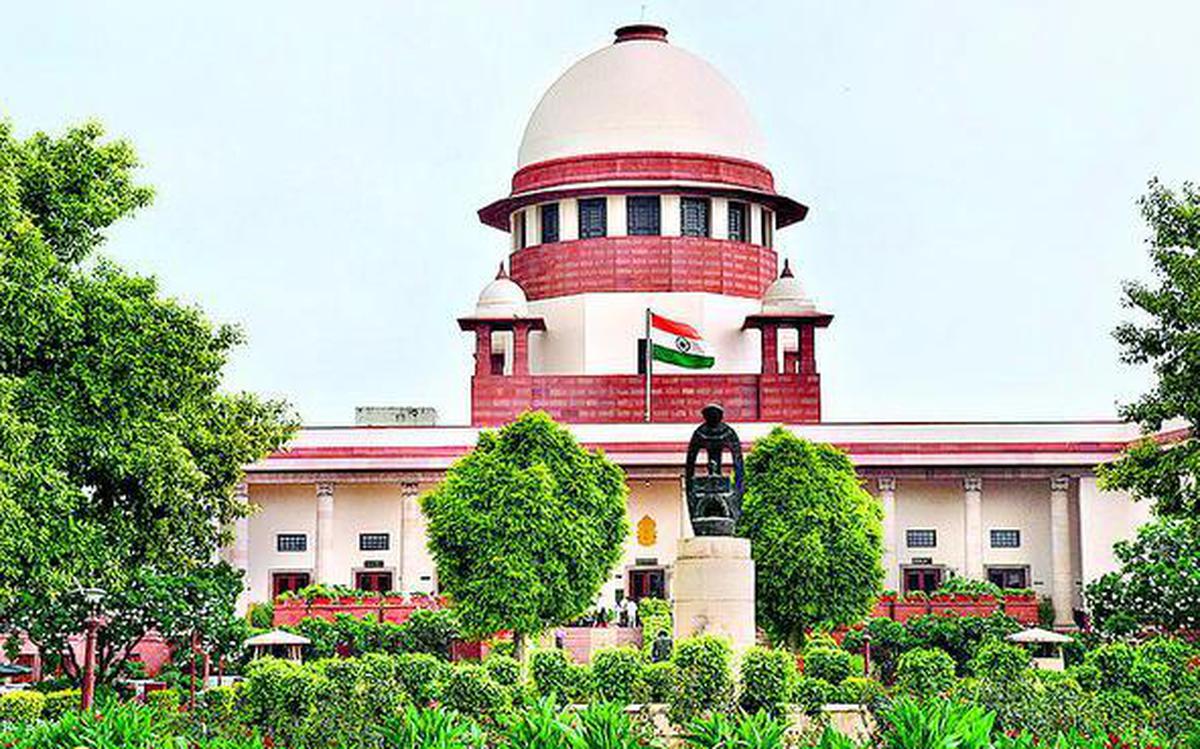
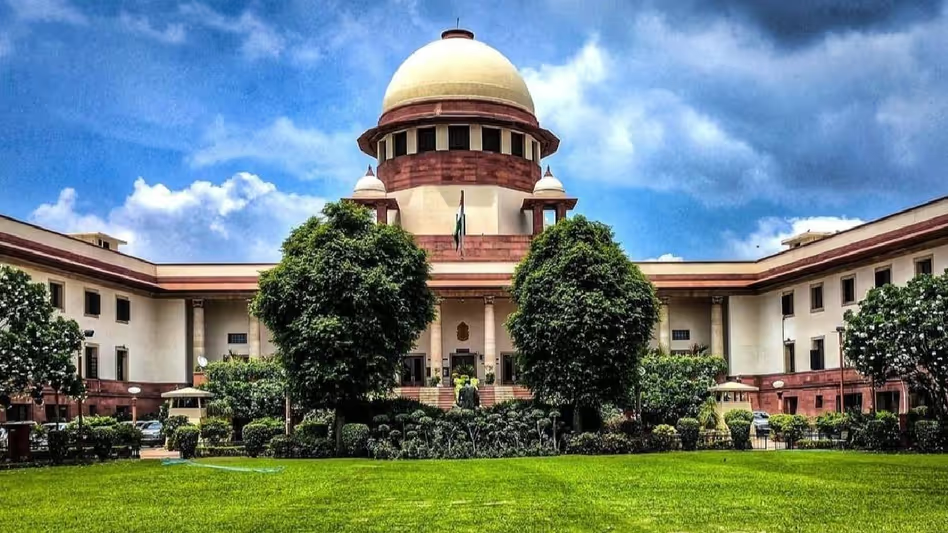
In a stern rebuke to Uttar Pradesh's high-handed approach, the Supreme Court on November 6, 2024, ordered the state to compensate a man whose house was unjustly demolished for a road widening project in Maharajganj district back in 2019. The Court’s judgment came as part of an ongoing case involving the illegal demolition of properties by the state government, which has drawn widespread criticism for its disregard of due process.
A three-judge bench, headed by Chief Justice D. Y. Chandrachud, and comprising Justices J. B. Pardiwala and Manoj Misra, was hearing the case when it condemned the manner in which the demolition was carried out. In a scathing comment, the bench remarked, “You can’t come with a bulldozer and demolish the house overnight,†emphasizing the violation of constitutional rights and the gross injustice inflicted upon the affected individuals.
Key Highlights of the Judgment
The Court has ordered Uttar Pradesh to compensate the affected individual, who had lost his home in the forced demolition, with a substantial sum of ₹25 lakh. This decision comes after extensive deliberations regarding the arbitrary manner in which the demolition was executed, without due notice or any consultation with the homeowner.
Furthermore, the bench has instructed the Uttar Pradesh Chief Secretary to initiate a thorough inquiry into the matter to determine the extent of the violations and hold those responsible accountable. This includes an examination of the government's role in failing to follow legal procedures before demolishing homes for the road expansion project.
The Shocking Details of the Demolition
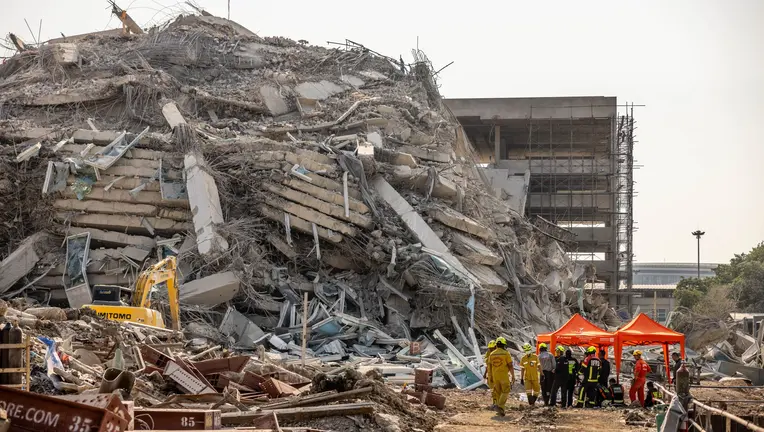
The incident in Maharajganj, which took place in 2019, was part of the Uttar Pradesh government’s road widening initiative aimed at enhancing infrastructure. However, the demolition of the man’s home, along with several others, was carried out without proper legal procedure. Local authorities failed to provide the necessary notices to residents or offer them any form of compensation or alternative housing arrangements.
This unplanned and unjust action caused immense suffering for those affected, with many families left homeless and struggling to rebuild their lives. While road expansion projects are essential for growth, such projects should never come at the cost of disregarding the fundamental rights of citizens, as seen in this case.
Supreme Court’s Strong Stand on Property Rights
The Supreme Court’s strong stance in this case sends a powerful message about the protection of property rights, emphasizing that authorities cannot act with impunity, especially when it involves the livelihood and dignity of citizens. The Court’s words were clear: "There must be due process followed, and people’s rights cannot be trampled on in the name of development."
This judgment comes as part of a growing concern over the rampant demolitions that have taken place in various parts of the country under the guise of infrastructure development. Legal experts have expressed hope that this ruling will set a precedent for similar cases, ensuring that governments and local authorities are held accountable for their actions.
A Call for Greater Accountability
While the ruling brings some relief to the victims, the need for a broader framework to protect citizens from illegal demolitions and arbitrary decisions is more pressing than ever. Critics argue that this case highlights a deeper issue of administrative negligence, where urban development projects are often carried out without adequate planning or regard for the social impact they have on vulnerable communities.
The Court's decision to demand an inquiry is a significant step forward in ensuring transparency and accountability in governance. It also serves as a reminder to all authorities across India that the rule of law must be followed, particularly when dealing with the fundamental rights of citizens.
A Moving Reminder of the Human Cost of Development
While development is crucial for progress, this case underscores the human cost that often accompanies such projects. The people of Maharajganj, like countless others across the country, faced the brunt of a rushed and poorly executed policy. The Supreme Court's intervention not only highlights the illegal nature of the demolition but also shines a light on the broader issue of how infrastructure projects are handled in India.
For the affected families, the road to recovery will be long, and the compensation may only be a small part of the healing process. As the legal battle continues, their plight serves as a poignant reminder of the importance of upholding human dignity in the pursuit of progress.
What’s Next?
The Uttar Pradesh government now faces greater scrutiny over its handling of demolitions for road development and other infrastructure projects. The inquiry, directed by the Supreme Court, could reveal more instances of such violations, prompting the state to revisit its policies for urban development. Meanwhile, the affected families and individuals will look to the judicial system for justice and fair compensation, with the hope that no other citizen will have to suffer a similar fate in the future.
At My India Times, we continue to follow the developments in this case and will keep you updated on any new findings or actions taken by the authorities.
....By: My India Times
Updated At: 2024-11-06
Tags: india News | My India Times News | Trending News | Travel News
Join our WhatsApp Channel


.webp)


.webp)









































































.png)
 (1).png)