Home / india / Pakistan Defence Minister Warns of ‘All-Out War’ with India After Pahalgam Terror Attack
Pakistan Defence Minister Warns of ‘All-Out War’ with India After Pahalgam Terror Attack
By: My India Times
4 minutes read 99Updated At: 2025-04-26
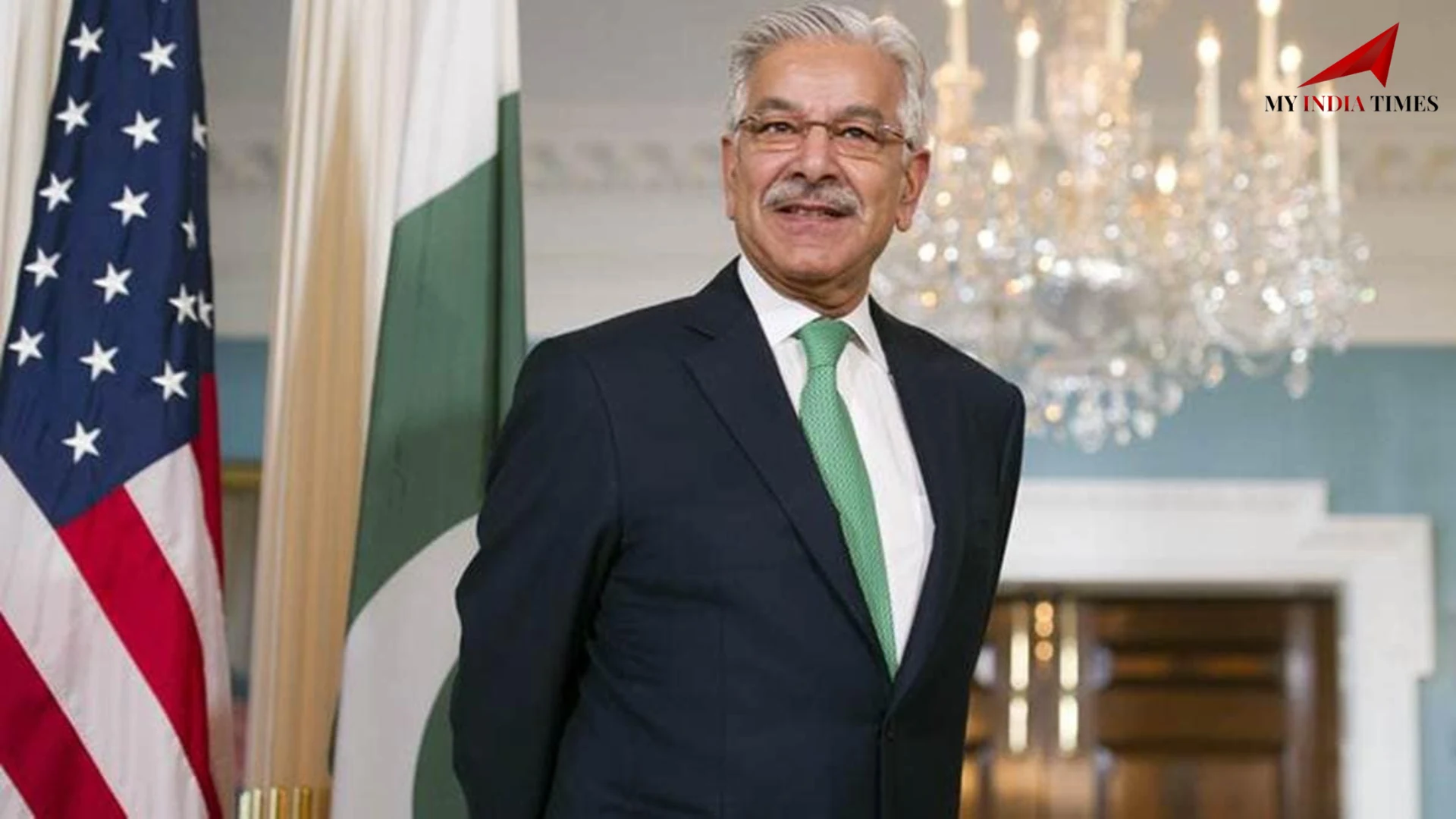
Tensions between India and Pakistan have intensified after the deadly terror attack in Pahalgam, where 26 innocent people lost their lives. Amid rising anger, Pakistan's Defence Minister Khawaja Asif has sent out a pretty clear warning: if India responds aggressively to the attack, it could spark a full-blown war between the two countries.
Khawaja Asif Warns of "All-Out War"
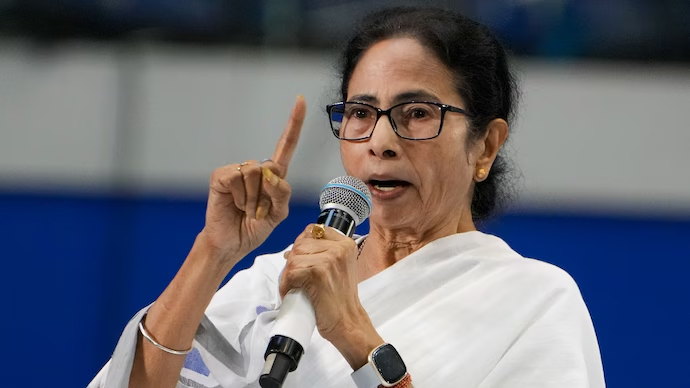
In an interview with Sky News, Khawaja Asif stated that Pakistan’s military is fully prepared for any eventuality. He basically said Pakistan will think carefully before responding, but if India hits back hard with a big attack, they'll respond with everything they've got. He pointed out that both India and Pakistan have nuclear weapons, so any kind of escalation could lead to serious trouble not just for the two of them, but for the whole world.
The Horror of the Pahalgam Attack
The Pahalgam attack has shaken India. A bus carrying pilgrims and laborers was targeted by terrorists, who opened fire indiscriminately. The terrible attack resulted in 26 people losing their lives, with many more wounded. Initial reports from Indian intelligence suggest that terror groups based in Pakistan are likely involved. This event has sparked widespread calls from the Indian public and leaders alike, urging a strong and clear response to terrorism.
India’s Strategic Silence Amid Public Outrage
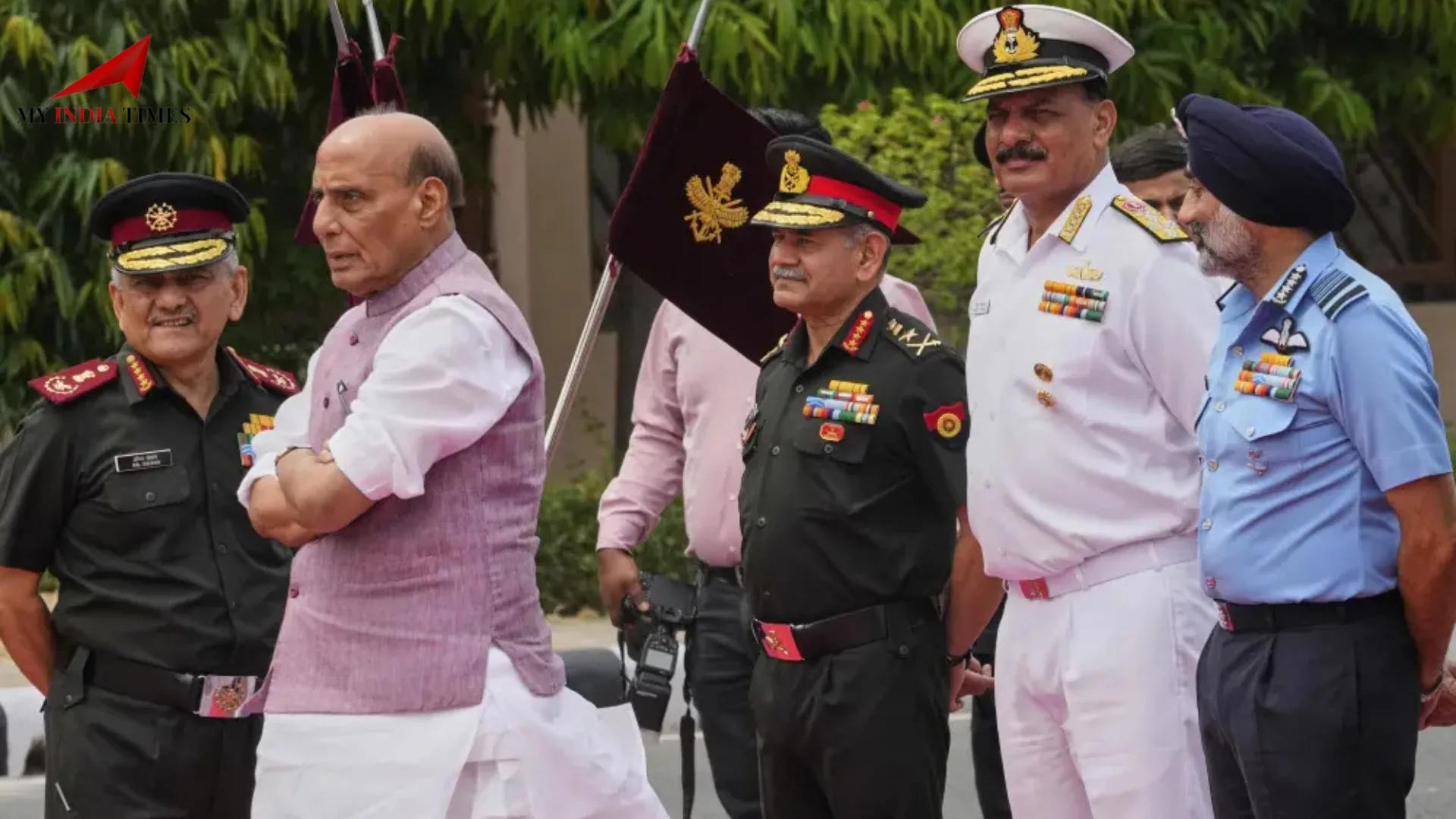
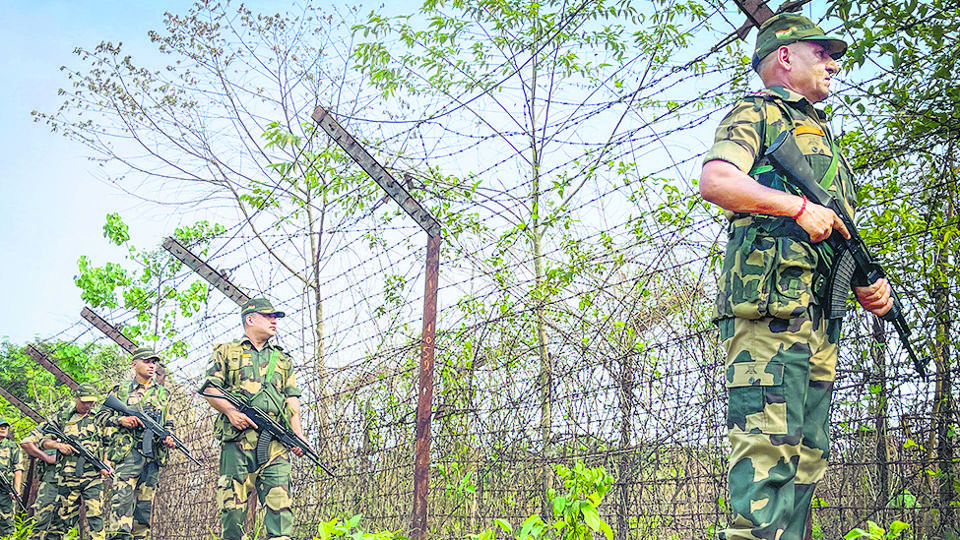
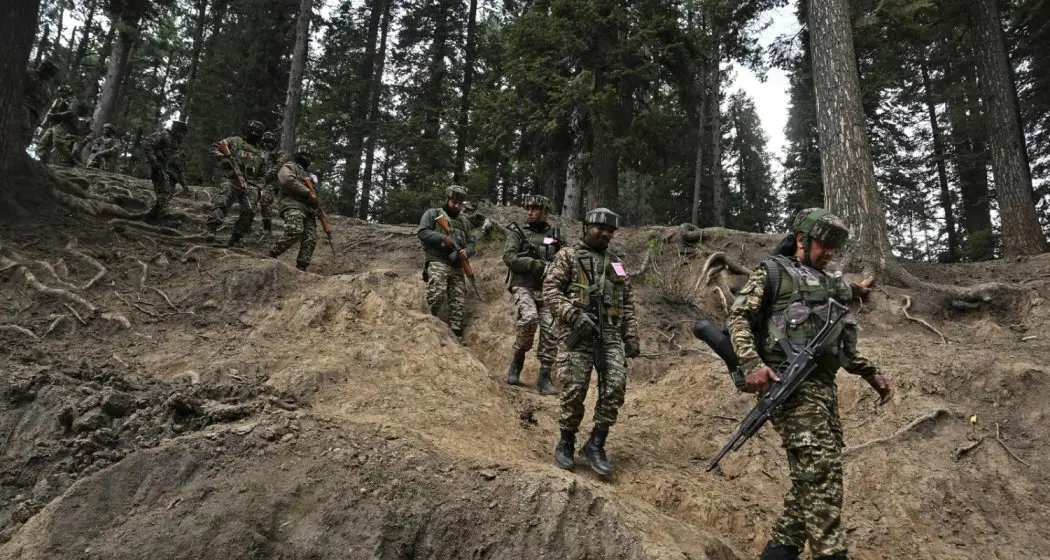
Despite the pressure, India has so far maintained a calculated silence. Reports indicate that New Delhi is considering a bunch of different options, like isolating Pakistan diplomatically, pushing economic sanctions, and even potentially launching targeted military strikes against terror camps across the border. Security levels have been ramped up in key areas, and the Indian Army is reportedly on high alert, ready for any situation.
International Community Urges Restraint
The world is really watching as tensions keep rising. Khawaja Asif’s talk about an 'all-out war' has caught the attention of major global players, many of whom are calling for everyone to stay calm and avoid escalation. Still, some experts warn that Pakistan’s tough talk could actually do more harm than good, making Pakistan look bad, especially since India is often seen as a victim of terrorism these days.
Experts Say Full-Scale War Unlikely
Analysts believe that a full-scale war between India and Pakistan is still unlikely. Both countries are aware of the devastating impact a war could bring, especially given their nuclear capabilities. It is expected that if India chooses to retaliate, it might opt for precision strikes or other strategic actions rather than launching a full-fledged war. Limited military engagements along the Line of Control, like the surgical strikes conducted in the past, are considered more likely.
India's Diplomatic and Economic Options
India’s options are not limited to military action alone. Diplomatically, India can work towards getting Pakistan blacklisted by the Financial Action Task Force (FATF) for funding terrorism. Economically, India can push for sanctions and tighter controls on Pakistan’s international transactions. Such measures would further isolate Pakistan on the global stage.
Pakistan’s Aggressive Tone May Backfire
Meanwhile, India’s handling of the situation — calm, mature, and strategic — is being praised internationally. In contrast, Pakistan’s aggressive tone is drawing criticism. By threatening "all-out war," Pakistan risks losing whatever support it still has among neutral nations. The world today has very little tolerance for countries seen as supporting terrorism.
Domestic Posturing or Real Threat?
For many observers, Khawaja Asif’s remarks appear to be more about domestic posturing rather than actual military intent. Pakistan is under immense internal pressure — politically and economically — and such aggressive rhetoric may be aimed at diverting attention from internal troubles. However, playing with fire in such a tense environment is dangerous.
India’s Calm Yet Strong Resolve
The Pahalgam attack and its aftermath have once again brought India-Pakistan relations to a critical point. India’s leadership is under immense pressure to act, but so far, it seems determined not to fall into the trap of emotional reactions. Instead, New Delhi is preparing a response that is likely to be strategic, strong, and carefully measured.
The World Watches and Waits
As the situation continues to develop, the hope is that cooler heads will prevail. Yet, the message from India is clear: terrorism will not be tolerated. And if the time comes to respond, India will not hesitate to defend its citizens and its sovereignty.
The coming days will be crucial. The world will watch how India chooses to respond to both the Pahalgam attack and Pakistan’s provocative threats. What is certain is that India, standing strong and united, will not let the sacrifice of innocent lives go unanswered.
....By: My India Times
Updated At: 2025-04-26
Tags: india News | My India Times News | Trending News | Travel News
Join our WhatsApp Channel



.webp)
.webp)


























































.png)
 (1).png)