Home / india / Maharashtra’s Political Future Unfolds at ‘Pol
Maharashtra’s Political Future Unfolds at ‘Pol
By: My India Times
5 minutes read 95Updated At: 2024-11-06
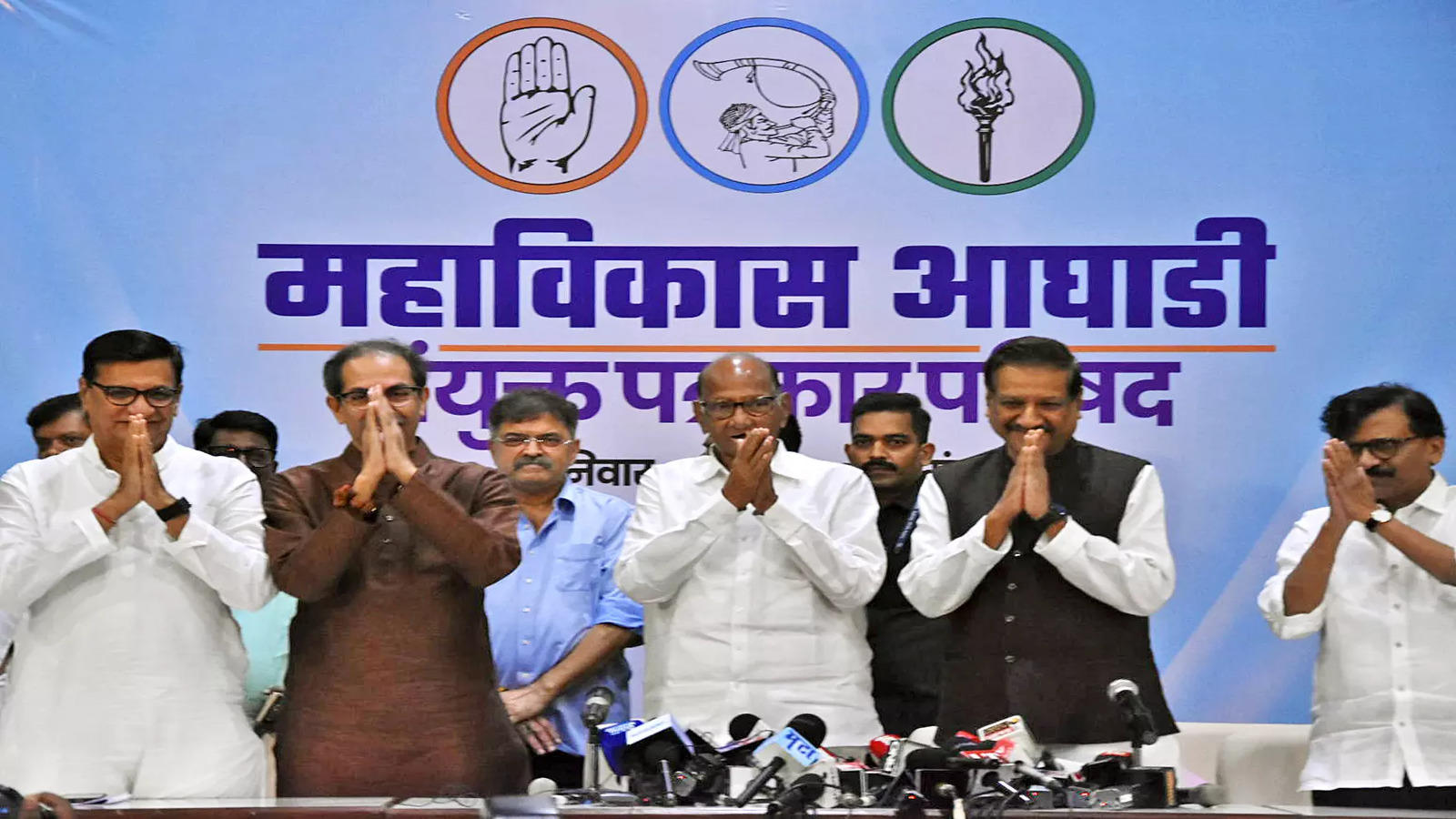
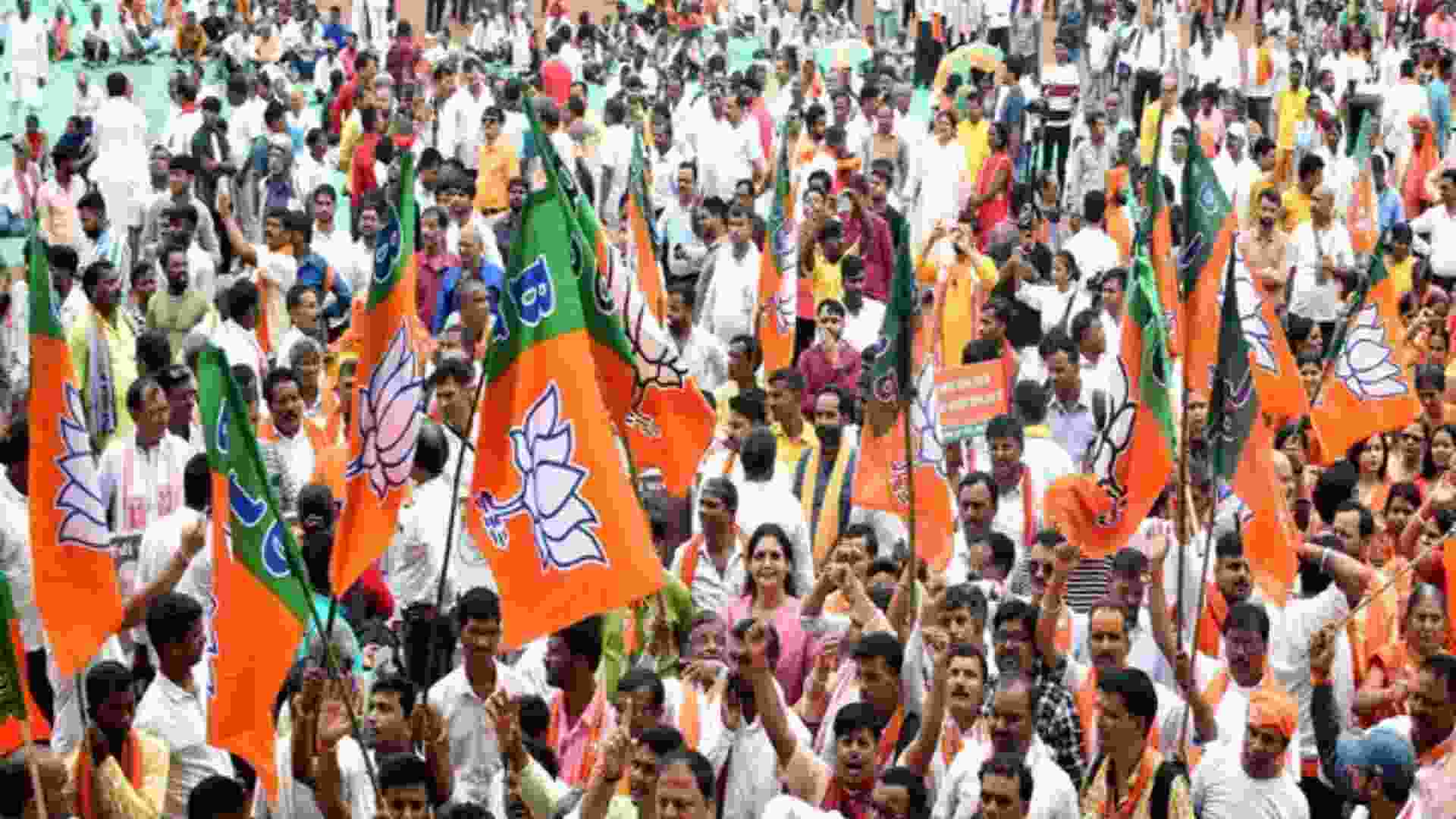
In a vibrant political landscape marked by fierce rivalries and evolving alliances, The Hindu’s inaugural Poll Arena election conclave, held on November 6, 2024, at Mumbai’s Y.B. Chavan Centre, offered a deep dive into the current state of Maharashtra’s political ecosystem. As the state prepares for its crucial assembly elections, the conclave provided a platform for political heavyweights from all major parties to voice their perspectives on the road ahead.
With prominent figures from both the ruling Bharatiya Janata Party (BJP)-Shiv Sena alliance and the opposition Maha Vikas Aghadi (MVA) coalition participating in the event, the discussions delved into the political intricacies of Maharashtra, touching on legacy battles, power dynamics, and the broader national implications of the state’s elections.
Key Issues and Political Dynamics Discussed:
1. Legacy Battle: Sena vs. NCP – Who Will Claim the Political Crown? A central theme of the conclave was the intense competition between the Shiv Sena and the Nationalist Congress Party (NCP) over their political legacies. The fight to claim the ‘true’ legacy of their founding leaders, Uddhav Thackeray and Sharad Pawar, has reached a boiling point. This battle for legacy plays a crucial role in the Maharashtra Assembly elections, with each party accusing the other of betraying its ideological roots.
The event witnessed Shiv Sena (UBT) leader Aaditya Thackeray calling out the ‘betrayal’ by rebel factions and vowing to restore the party’s essence, while NCP’s Praful Patel emphasized the NCP’s role in sustaining secularism and regional identity in Maharashtra. This clash of legacies is set to influence voter sentiment as both parties fight to maintain their relevance in the state.
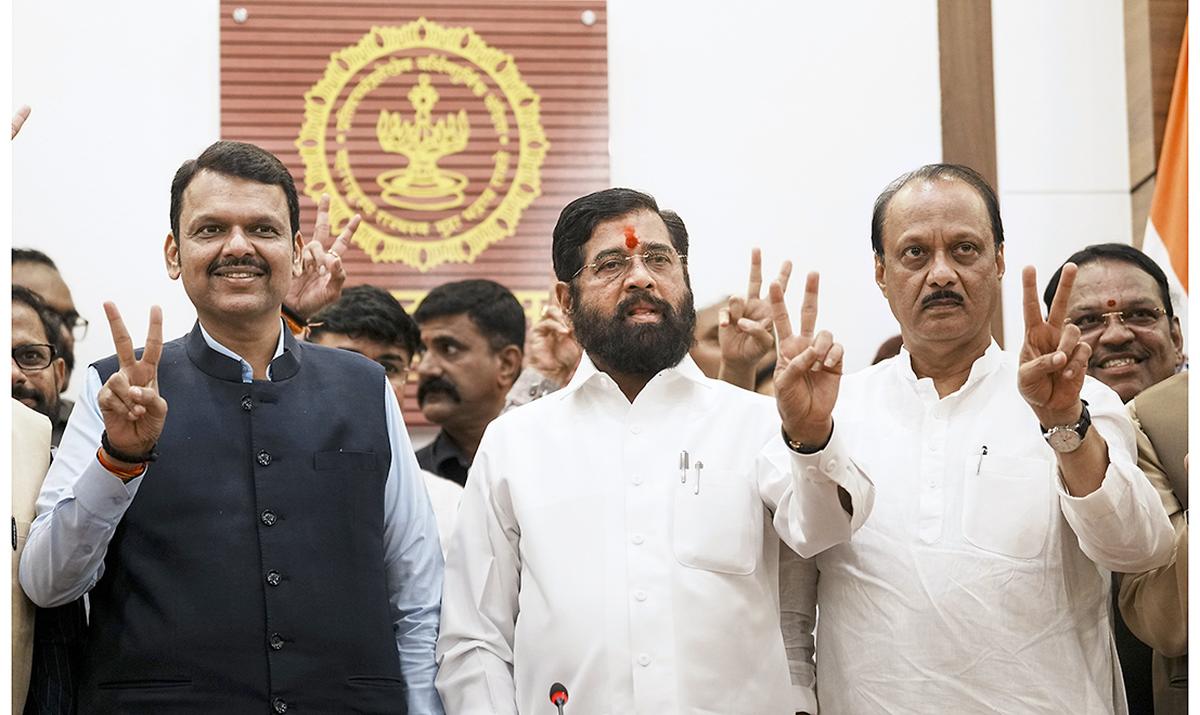
2. The Chief Minister Face – Eknath Shinde vs. Opposition Unity With Maharashtra’s political landscape shifting rapidly, one of the most heated debates at the conclave centered around the position of the Chief Minister. Eknath Shinde, the current Chief Minister, and his deputy Devendra Fadnavis of the BJP defended the government’s achievements in stabilizing the state after the dramatic split within Shiv Sena. Shinde’s leadership, which emerged after a rebellion against Uddhav Thackeray, remains a topic of contention within both the Sena and the larger MVA alliance.
On the opposition front, key figures like Prithviraj Chavan and Nana Patole of Congress questioned the legitimacy of Shinde’s rise to power, calling for a return to a more inclusive governance model. Both sides made compelling cases, with Shinde emphasizing development and governance, while the opposition highlighted issues of betrayal, corruption, and lack of accountability.
3. Impact of Haryana Elections on Maharashtra’s Poll Strategy A surprising yet strategic discussion during the conclave was the effect of Haryana’s recent elections on Maharashtra’s political strategies. Experts at the event noted that the BJP’s strong performance in Haryana has sparked a renewed focus on consolidating the state’s rural voter base, with the party keen on replicating its success in Maharashtra’s agrarian regions. BJP leaders, including Vinod Tawde, spoke about how lessons from Haryana would shape their approach in Maharashtra’s election campaigns, with a particular emphasis on farmer welfare and rural development.
4. The Mahayuti and Maha Vikas Aghadi – Internal Tensions and Power Struggles While the BJP-Sena coalition and the MVA battle for dominance, internal struggles within both alliances took center stage at the conclave. The Mahayuti, the alliance of BJP and its allies, faces ongoing factionalism within Shiv Sena, particularly after the 2019 split. The Maha Vikas Aghadi, on the other hand, continues to grapple with ideological differences between the Congress, NCP, and Shiv Sena (UBT), as well as leadership disputes over who will be the face of the opposition in the upcoming elections.
Supriya Sule of NCP and Aaditya Thackeray both stressed the need for unity within their respective alliances, though the underlying tensions were palpable. The conclave thus underscored that while the opposition seeks to unite against the BJP, internal cohesion remains a major challenge.
High-Profile Speakers and Their Views:
The conclave brought together an array of top political leaders who provided invaluable insights into Maharashtra’s political future:
- Eknath Shinde: Defending the BJP-Sena alliance, Shinde spoke about his government’s development agenda, focusing on infrastructural projects and rural upliftment.
- Devendra Fadnavis: The Deputy Chief Minister highlighted the importance of good governance and the BJP’s focus on economic reforms and welfare schemes for marginalized communities.
- Aaditya Thackeray (Shiv Sena): Admitted that while the party faced challenges, the revival of the Shiv Sena’s core values was paramount for Maharashtra’s progress.
- Nana Patole (Congress): Criticized the state’s governance under the current dispensation, arguing that Maharashtra’s growth has been stunted due to central interference and lack of proper leadership.
- Supriya Sule (NCP): Discussed the NCP’s role in protecting Maharashtra’s secular fabric, calling for a return to stability and cooperation between coalition partners.
- Prithviraj Chavan (Congress): Stressed that the state needs a leader who can foster inclusivity and prosperity, not one who divides along ideological lines.
The Conclusion: A Battle for Maharashtra’s Future
As the election season heats up, the Poll Arena conclave painted a vivid picture of the challenges ahead for Maharashtra’s political landscape. With legacy battles, leadership struggles, and internal tensions defining the narratives of both the ruling and opposition alliances, Maharashtra’s voters are in for a turbulent electoral ride.
The political discourse at the conclave revealed that this election will not just be a contest of policies but also a battle for the ideological soul of Maharashtra. As Chief Minister Eknath Shinde looks to continue his rule, the MVA, united or not, is gearing up for a fierce fight.
In the end, the Poll Arena conclave captured the pulse of Maharashtra’s electorate and set the stage for a dynamic, unpredictable election. What remains to be seen is whether these discussions will translate into votes on polling day or whether new alliances and political strategies will emerge in the final stretch before the election.
....By: My India Times
Updated At: 2024-11-06
Tags: india News | My India Times News | Trending News | Travel News
Join our WhatsApp Channel

.webp)
.webp)




































.png)
 (1).png)