Home / india / India’s New Broadcasting Bill 2024 and Its Impli
India’s New Broadcasting Bill 2024 and Its Impli
By: My India Times
4 minutes read 111Updated At: 2024-11-06

The digital landscape in India is on the brink of significant change. The Ministry of Information and Broadcasting recently introduced the Broadcasting Services (Regulation) Bill, 2024, a draft law that, if passed, could reshape how content creators operate online. This legislation, designed to replace the outdated Television Network Act of 1995, seeks to expand regulatory oversight over content on streaming platforms, social media, and even individual creators.
What’s in the New Broadcasting Bill?
The draft Bill casts a wide net, categorizing not only OTT platforms and traditional broadcasters but also social media accounts, influencers, and online creators as "digital news broadcasters" if they publish news, opinions, or information related to current affairs. By classifying these digital voices as broadcasters, the Bill subjects them to regulatory standards similar to those applied to traditional media.
Shared with stakeholders recently, this Bill updates a draft version released in 2023, incorporating feedback and extending its scope. According to My India Times, it aims to consolidate the legal framework surrounding broadcasting while keeping pace with the rise of online content, ensuring that emerging digital voices are accountable under the law. This broad categorization implies that influencers or creators posting news summaries, opinions, or financial advice could be subject to regulations and require prior registration with the government.
Key Features and Requirements
One of the most striking aspects of the Bill is its expansive definition of "digital news broadcasters." It covers not only traditional news and current affairs but also newsletters, social media posts, podcasts, and even videos on platforms like YouTube. Here are some of the Bill's main components:
Expanded Scope for “Digital News Broadcastersâ€
Individuals and entities who create news-related content, whether on social media, YouTube, or podcasts, may now fall under the category of "digital news broadcasters." For example, a YouTuber giving political insights or a Twitter account providing current news updates would be subject to registration and regulatory oversight.
Regulation of “Professional†Content
The Bill defines a "professional" as anyone systematically engaged in structured activities. This definition extends to creators sharing expertise or advice, such as tax consultants, financial analysts, and other niche content providers, aligning their content obligations with those for traditional broadcasting.
Inclusion of Textual Content
By expanding the definitions of "programme" and "broadcasting" to include textual content, the Bill ensures that blogs, newsletters, and even opinion pieces posted on social media could be classified as regulated news content. This means that individuals sharing financial tips or legal insights on platforms like Instagram, YouTube, or Twitter may face similar obligations as those on news platforms.
Government Registration and Compliance
The Bill would require digital news broadcasters to register with the Ministry of Information and Broadcasting. This registration process will likely involve a review of content standards, with rules governing everything from language to accuracy, similar to those faced by traditional news broadcasters.
The Digital Creators’ Dilemma
For many online creators, the implications of the Bill are complex and far-reaching. Social media influencers, bloggers, podcasters, and even educational channels on YouTube could soon face restrictions, potentially limiting their creative freedom. Many digital creators view the Bill as a double-edged sword: while it could enhance content credibility and accountability, it also introduces a regulatory burden that some feel could stifle creativity.
“Creators who engage in discussions around current events, social issues, or news are now effectively on par with major news networks,†says one prominent content creator. “It’s not just about maintaining credibility but about adding extra layers of caution, especially with complex rules for compliance.â€
Why This Bill Matters
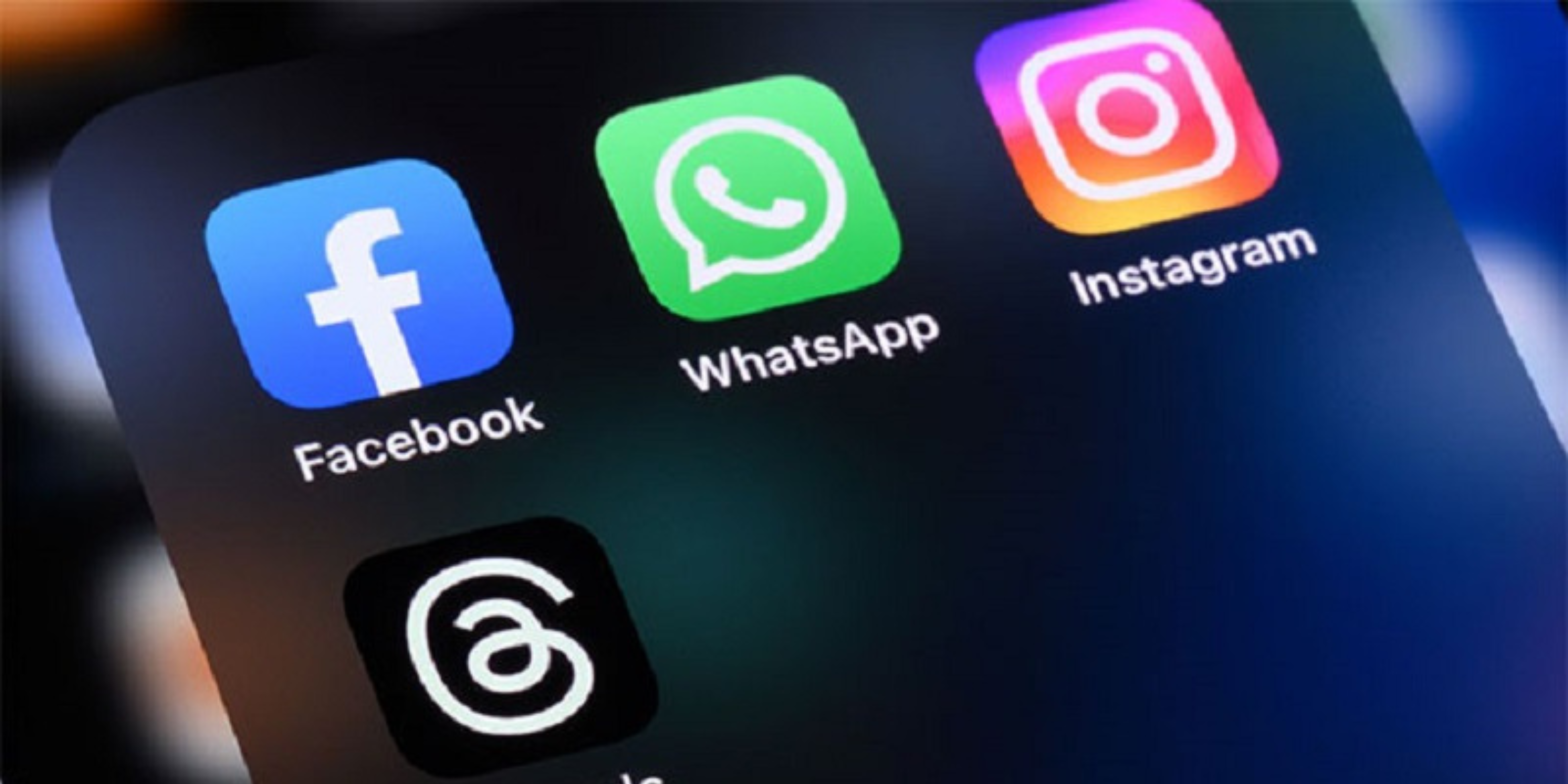
The Broadcasting Bill arrives at a time when digital news and independent creators have grown exponentially, reaching millions across India. With platforms like YouTube, Instagram, and Twitter becoming prime sources for news, the government has moved to keep pace with this trend. By extending regulations to digital platforms, the Bill aims to address issues of misinformation and enforce a level of accountability.
However, the Bill also raises questions about freedom of expression. Critics argue that these regulations may impose unnecessary controls over creators, making it harder for small creators or independent journalists to operate. This regulatory expansion is seen by some as a double-edged sword—while it promotes responsibility, it could also dissuade independent voices due to the added compliance burden.
The Road Ahead
The Broadcasting Bill 2024 is still in its draft stage, and its final version may evolve based on feedback from stakeholders. Many content creators, tech companies, and legal experts are closely watching its progress, with many hopeful that their voices will influence its final form. For now, the Bill serves as a signal from the government: as digital media grows, so does the need for accountability.
My India Times will continue to cover updates on this landmark Bill, examining its impact on digital media and the evolving dynamics of India’s content landscape.
....By: My India Times
Updated At: 2024-11-06
Tags: india News | My India Times News | Trending News | Travel News
Join our WhatsApp Channel



.webp)
.webp)










































































.png)
 (1).png)