Home / india / BJP Protests Against Jammu and Kashmir Assembly's
BJP Protests Against Jammu and Kashmir Assembly's
By: My India Times
4 minutes read 132Updated At: 2024-11-06
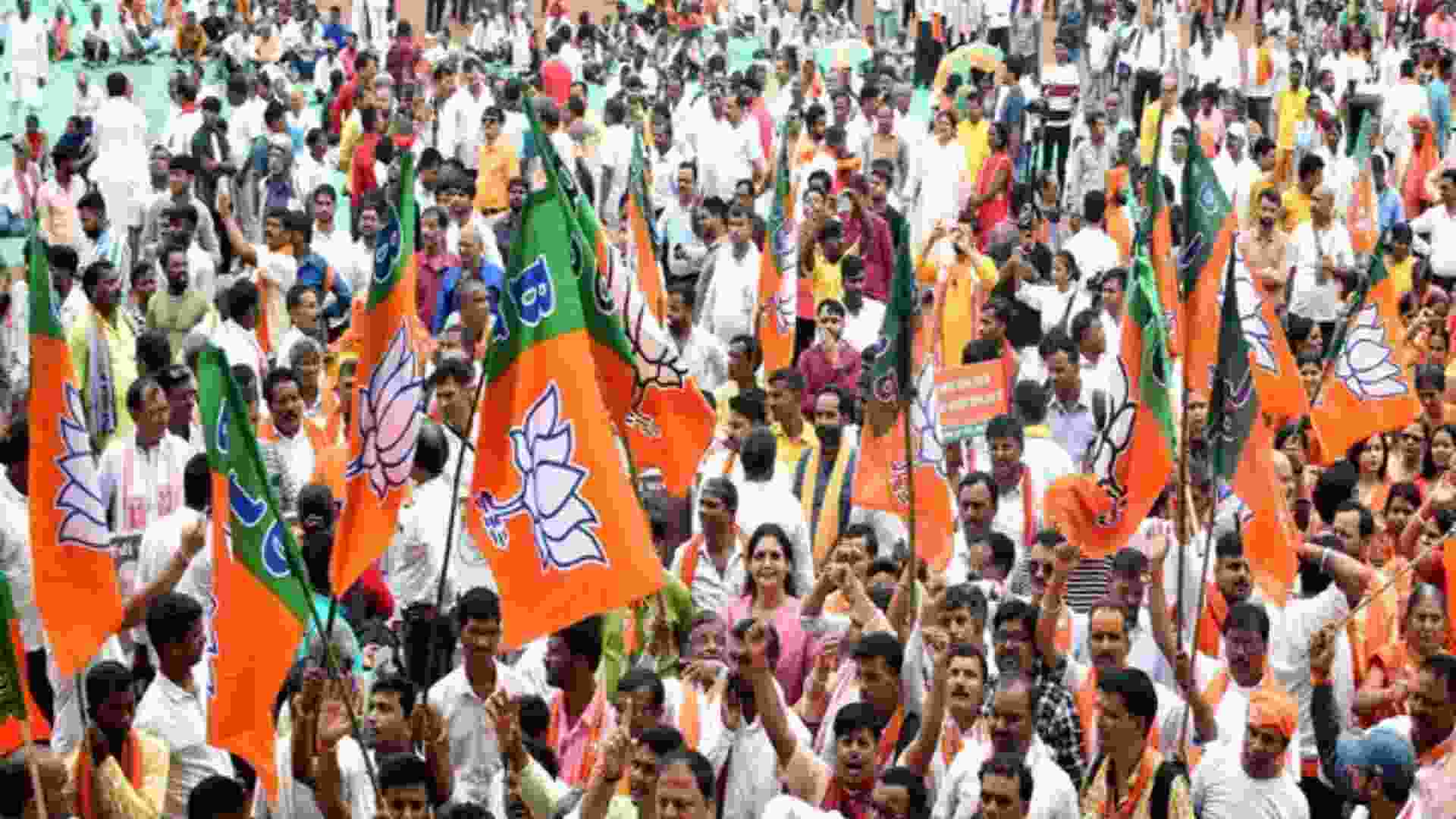
The political battle over Jammu and Kashmir’s special status took a new turn as the Bharatiya Janata Party (BJP) staged a vehement protest against a resolution passed by the J&K Assembly on Wednesday. The resolution, which called for the restoration of Jammu and Kashmir's special status, reignited the contentious debate surrounding Article 370, which was abrogated by the Modi government in August 2019.
Led by BJP's Jammu and Kashmir unit president Sat Paul Sharma, the protest witnessed BJP workers coming out in full force, condemning the National Conference-led government for its efforts to revive Article 370. The protesters, gathered outside the party headquarters in Trikuta Nagar, burned effigies of Chief Minister Omar Abdullah and his deputy Surinder Choudhary. The scene was filled with fervor as slogans against the National Conference echoed in the air, demanding an end to any moves seen as a threat to the peace and stability the region has been striving to achieve post-2019.
What Sparked the Protest?
The resolution passed by the Jammu and Kashmir Assembly calls for a renewed dialogue between the Centre and elected representatives, focusing on the restoration of the erstwhile state's special status. Deputy Chief Minister Surinder Choudhary, who moved the resolution, argued for the return of the constitutional provision that gave Jammu and Kashmir unique autonomy, a provision that was revoked by the BJP-led central government. However, the resolution’s passage occurred amidst high tension and commotion in the assembly, with the Speaker resorting to a voice vote, dismissing any calls for debate from the opposition BJP members.
The BJP, in response, has firmly stated that Article 370 is now a historical matter, with no chance of revival under the current government. "The resolution is an attempt to stir unnecessary tensions," said Sat Paul Sharma, expressing disdain for the National Conference’s actions. He added that the party’s push for dialogue on Article 370 is an attempt to "disturb the peaceful environment" in the region.
BJP’s Strong Response: A Rejection of Revival Efforts
During the protest, BJP leaders were unequivocal in their condemnation of the resolution. Former J&K BJP president Ravinder Raina also participated, calling out the National Conference and Congress for what he termed as "betraying the nation." Raina emphasized that the revocation of Article 370 was crucial in putting an end to separatism and terrorism, which had plagued the region for decades.
"Article 370 gave birth to separatism and terrorism in Jammu and Kashmir, and it was the BJP-led government at the Centre that took the bold step to dismantle it for the greater good of the people," Raina stated. He argued that the passing of such resolutions would not change the status quo, adding that the central government's position on Article 370 remains unwavering. “Even if they pass thousands of such resolutions, Article 370 will never be restored,†he declared.
Sat Paul Sharma echoed Raina’s sentiments, stating that the National Conference’s efforts were futile, given the political realities of the region. "They are fully aware that as long as Narendra Modi is the Prime Minister and Amit Shah is the Home Minister, Article 370 cannot be restored. This resolution is nothing but an attempt to provoke and disturb the peace."
Historical and Political Context
The passing of this resolution comes at a time when the region is witnessing significant transformation. The revocation of Jammu and Kashmir’s special status was a controversial move that deeply divided opinions. For many in the region, particularly among the youth, the revocation was seen as a path to development and integration with the rest of India. The BJP-led central government has championed this move as a step towards restoring peace and ensuring equal rights for the people of Jammu and Kashmir, including the end of discriminatory practices that existed under Article 370.
However, for the National Conference and other regional parties, the restoration of Article 370 remains a symbol of Jammu and Kashmir’s distinct identity and autonomy. The resolution passed in the J&K Assembly reflects this ongoing struggle between those advocating for greater integration and those seeking the revival of regional autonomy.
A Divided Landscape
The political landscape of Jammu and Kashmir has never been more polarized. On one side, there are those who believe that the revocation of Article 370 is the key to a prosperous future for the region, free from separatism and radicalism. On the other side, the National Conference and other regional parties feel that their region’s unique history and identity are at risk of being erased. The passing of such resolutions in the J&K Assembly only deepens this divide, as the BJP and its allies continue to reject any attempts at revival.
What Lies Ahead?
The passing of this resolution and the BJP’s protest are just the latest chapters in a larger political saga that has been playing out in Jammu and Kashmir since 2019. As the situation continues to evolve, both the BJP and the National Conference are likely to intensify their efforts, each trying to sway public opinion in their favor. The resolution might have been passed in the assembly, but for many, the real battle will be fought on the ground, in the hearts and minds of the people of Jammu and Kashmir.
As the region grapples with its future, My India Times will continue to provide comprehensive coverage of the political developments surrounding Jammu and Kashmir and the ongoing debate over its special status.
....By: My India Times
Updated At: 2024-11-06
Tags: india News | My India Times News | Trending News | Travel News
Join our WhatsApp Channel

.webp)
.webp)






































.png)
 (1).png)