Home / enviroment / COP16: A Turning Point in the Global Fight Against Desertification
COP16: A Turning Point in the Global Fight Against Desertification
By: My India Times
2 minutes read 70Updated At: 2024-12-02
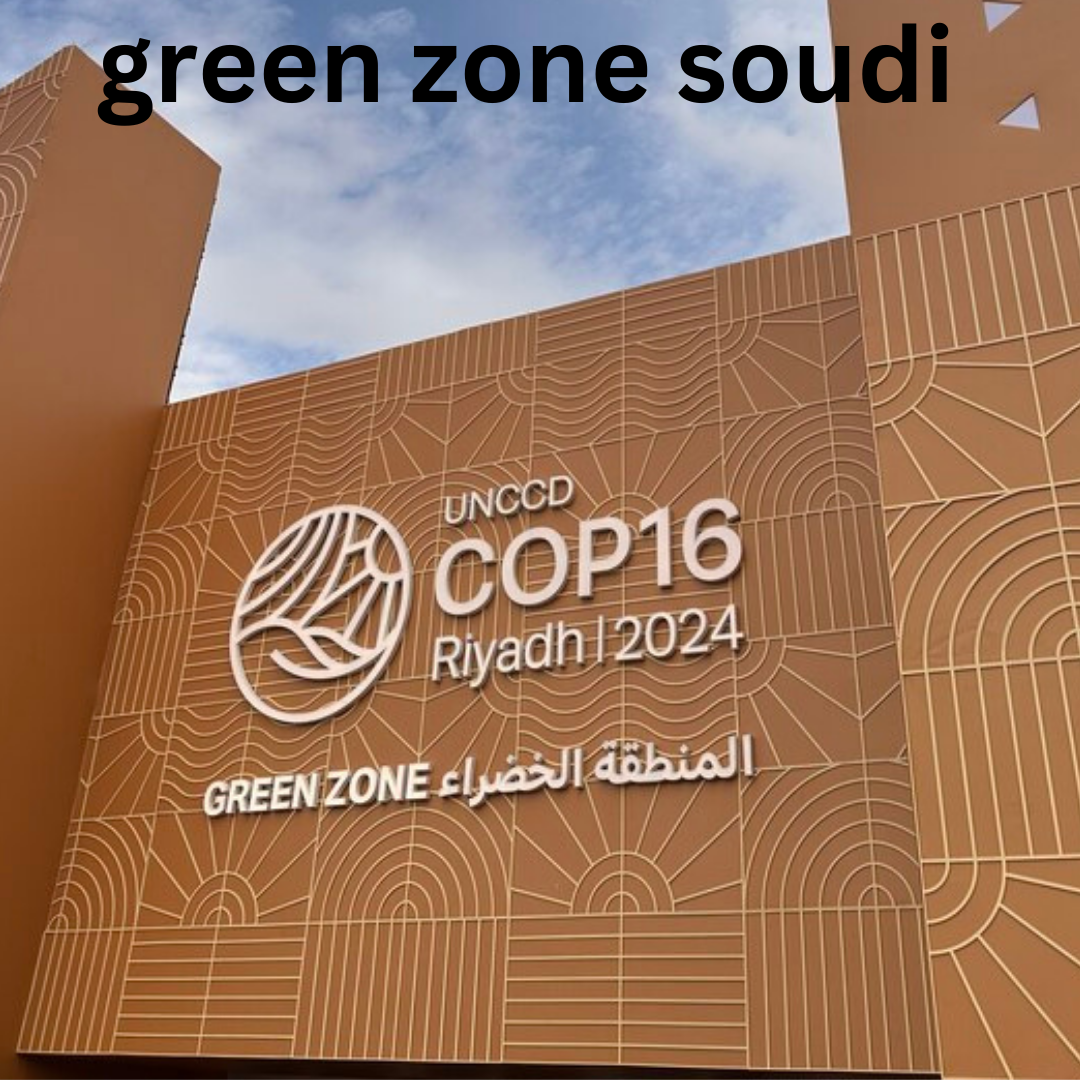
The 16th session of the Conference of the Parties (COP16) to the United Nations Convention to Combat Desertification (UNCCD) commenced on December 2 in Riyadh, Saudi Arabia. This landmark event, themed "Our Land. Our Future," brings together nearly 200 parties, global experts, and civil society organizations to address the pressing challenges of desertification and drought resilience. Scheduled to run until December 13, COP16 is not only the largest gathering in the treaty's history but also the first to be hosted in the Middle East and North Africa (MENA) region, a testament to the region's commitment to combating arid land challenges.
A Dual Approach to Land Restoration
For the first time in the history of the UNCCD, COP16 features a dual approach aimed at integrating policy and practical solutions. This approach consists of two key components:
Negotiation Track: This component focuses on forging critical decisions and political declarations to advance global strategies for land restoration and drought resilience. Delegates aim to outline a comprehensive roadmap to tackle issues such as soil degradation, desertification, and the increasing frequency of sandstorms.
Action Agenda: Running parallel to the negotiations, the Action Agenda showcases voluntary commitments and actionable solutions across various thematic days. It highlights practical measures to improve land health, foster sustainable agricultural practices, and uplift communities impacted by land degradation.
Key Objectives and Vision for the Future
With an ambitious vision for 2030 and beyond, COP16 focuses on achieving tangible outcomes, including:
Scaling up land restoration efforts to reverse degradation and enhance soil productivity.
Strengthening resilience to droughts and sandstorms through innovative strategies and collaborative efforts.
Promoting nature-positive food production systems that balance environmental conservation with agricultural needs.
Developing sustainable solutions to migration issues linked to land degradation, ensuring improved livelihoods for affected communities.
Ministerial Dialogues and High-Level Engagement
A high-level segment of the conference is set to host ministerial dialogues tackling key challenges, including:
Drought Resilience: Exploring frameworks to mitigate the impacts of drought in vulnerable regions.
Finance: Unlocking investment opportunities and financial mechanisms to support large-scale land restoration projects.
Migration and Resilience: Addressing the complex relationship between land degradation and migration patterns, fostering solutions that enable sustainable community development.
Saudi Arabia's Pivotal Role
As the host nation, Saudi Arabia’s leadership in organizing COP16 underscores the MENA region's unique position in addressing desertification. With its arid landscapes and escalating environmental challenges, the region is both a focal point for action and a source of innovative solutions. Saudi Arabia’s commitment reflects the global urgency to implement policies and projects that safeguard ecosystems while fostering sustainable growth.
A Global Call to Action
COP16 aspires to be a transformative platform, setting the tone for international cooperation and community-driven initiatives. The outcomes of this conference are expected to resonate far beyond its two-week duration, shaping global environmental policies and grassroots actions for years to come. As the world watches Riyadh, COP16 serves as a powerful reminder that the health of our land is intrinsically tied to the future of humanity and the planet.
....
By: My India Times
Updated At: 2024-12-02
Tags: enviroment News | My India Times News | Trending News | Travel News
Join our WhatsApp Channel




















































































.png)
 (1).png)