.webp)
Home / business / RBI Did Not Sell $12 Billion Worth Of Gold To Protect Forex Reserves, Government Clarifies Amid Viral Claims
RBI Did Not Sell $12 Billion Worth Of Gold To Protect Forex Reserves, Government Clarifies Amid Viral Claims
By: My India Times
3 minutes read 17Updated At: 2026-06-03

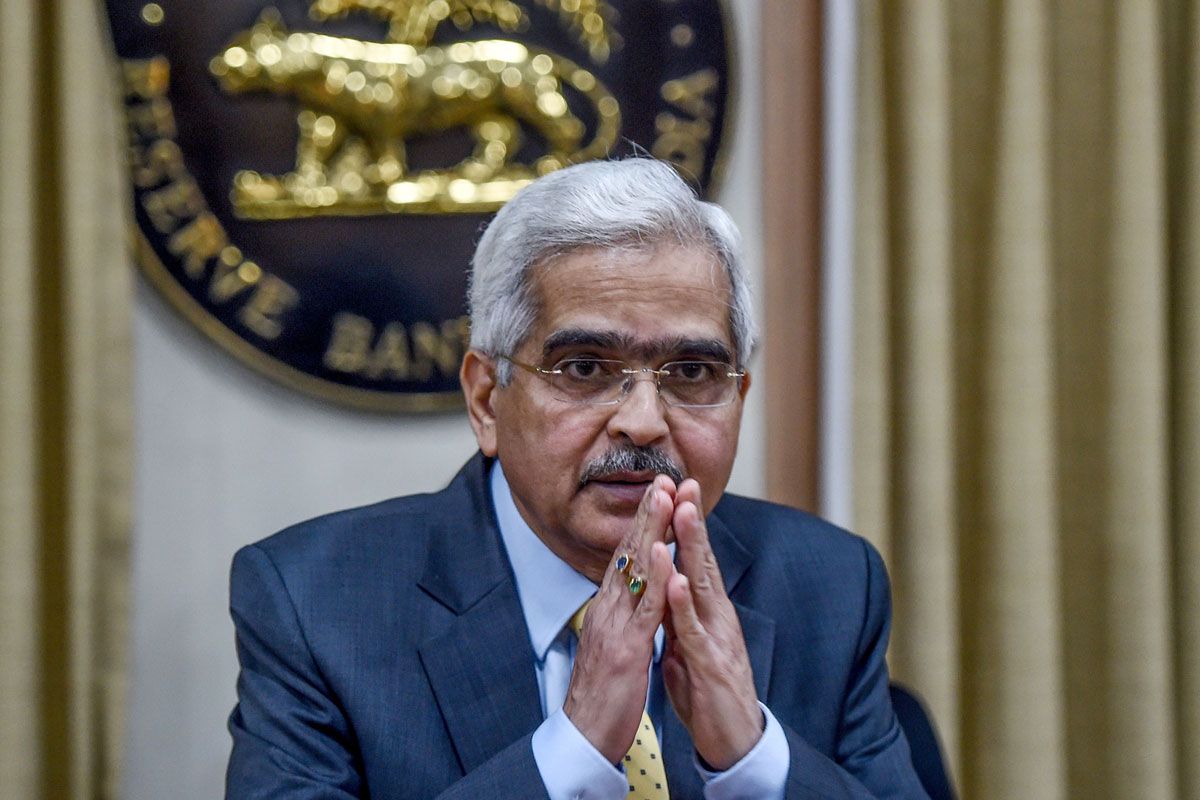
The Indian government has firmly rejected reports suggesting that the Reserve Bank of India (RBI) sold gold worth nearly billion to defend the country's foreign exchange reserves amid growing geopolitical tensions in West Asia.The explanation followed a report that sparked intense debate among social media users, economists, and market observers regarding whether India's central bank had cut back on its gold holdings as a safety precaution against possible financial risks brought on by the conflict in the area.However, the government has now stated that the claims are not supported by official data.
Authorities cited RBI data in a fact-check released by the Press Information Bureau (PIB) to demonstrate that during the previous few months, India's gold holdings have actually increased in proportion to the nation's total foreign exchange reserves.According to the data cited by the PIB, gold accounted for 13.92 percent of India's total foreign exchange reserves at the end of September 2025. That figure increased significantly to 16.70 percent by March 31, 2026. The share rose further to 16.85 percent as of May 22, 2026.
The numbers directly contradict speculation that the central bank had been offloading large quantities of gold to support foreign-currency reserves.The dispute started when a Bloomberg article revealed that the RBI might have reduced some of its gold holdings as international markets responded to the unpredictability of the West Asian conflict. Concerns that India would have been compelled to deploy its gold holdings as a safety net during a time of increased volatility were heightened by the study.
Foreign exchange reserves are considered one of the most important indicators of a country's financial strength. They help a nation manage currency fluctuations, pay for imports, meet external obligations and maintain confidence among international investors. Because of their importance, any report involving significant changes in reserve management often attracts considerable attention from financial markets.Gold also plays a critical role in a central bank's reserve strategy. In contrast to foreign currencies, gold is seen as a safe-haven asset that may shield reserve portfolios in times of market volatility, geopolitical unrest, or economic uncertainty.As part of larger initiatives to diversify reserve assets and lessen reliance on conventional reserve currencies, central banks worldwide have expanded their purchases of gold in recent years.India has been among the countries steadily strengthening the role of gold within its reserve management framework.
The RBI has consistently maintained that reserve management decisions are guided by safety, liquidity and return considerations. Market experts note that fluctuations in the value and proportion of gold within reserve portfolios can occur due to changes in international gold prices, exchange rates and overall reserve composition rather than outright buying or selling activity.The government's clarification is expected to reassure investors and analysts who were concerned that India may have been forced to take defensive measures to protect its reserve position.
The latest figures indicate that gold continues to occupy an increasingly important place within India's foreign exchange reserve basket. Rather than declining, the share of gold has moved upward over recent months, suggesting that the precious metal remains a key component of the country's long-term reserve strategy.For now, official data from both the RBI and the government contradict claims that the central bank sold $12 billion worth of gold to support foreign exchange reserves. Authorities have urged the public to rely on verified information and official statistics when assessing reports related to India's reserve management and financial stability.The clarification comes at a time when global financial markets remain sensitive to geopolitical developments, making transparency around reserve holdings and central bank actions more important than ever.
....By: My India Times
Updated At: 2026-06-03
Tags: business News | My India Times News | Trending News | Travel News
Join our WhatsApp Channel



























.jfif)
















































































.png)
 (1).png)